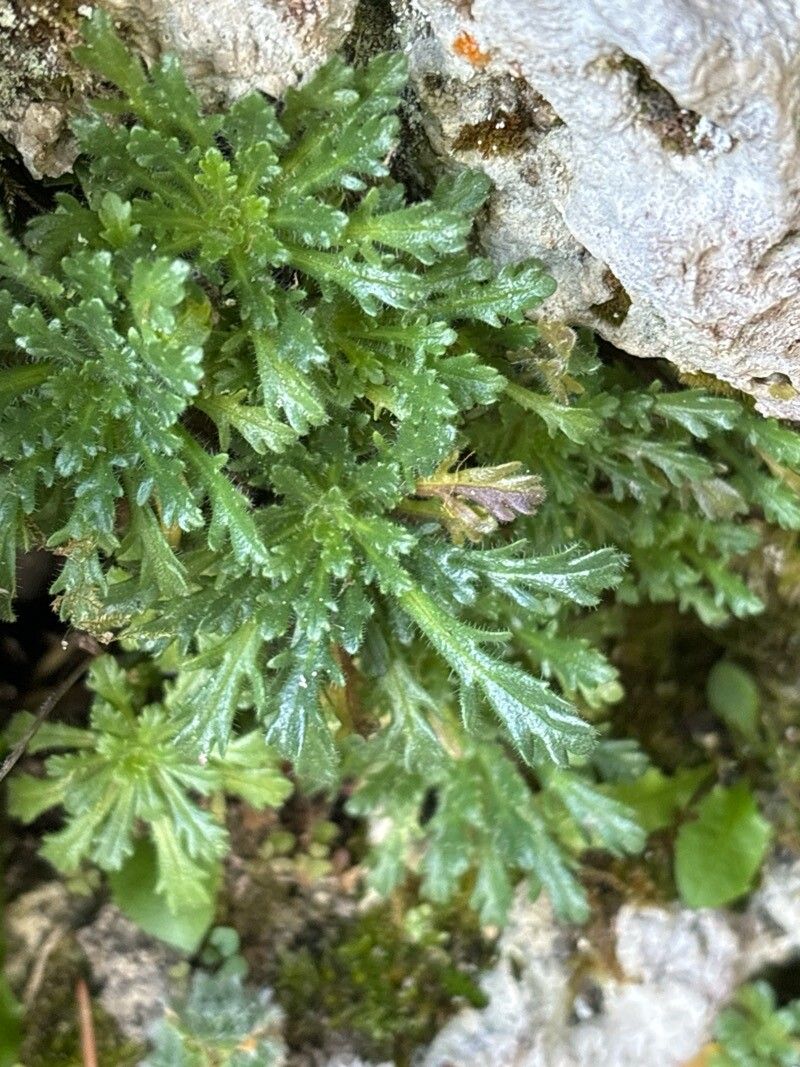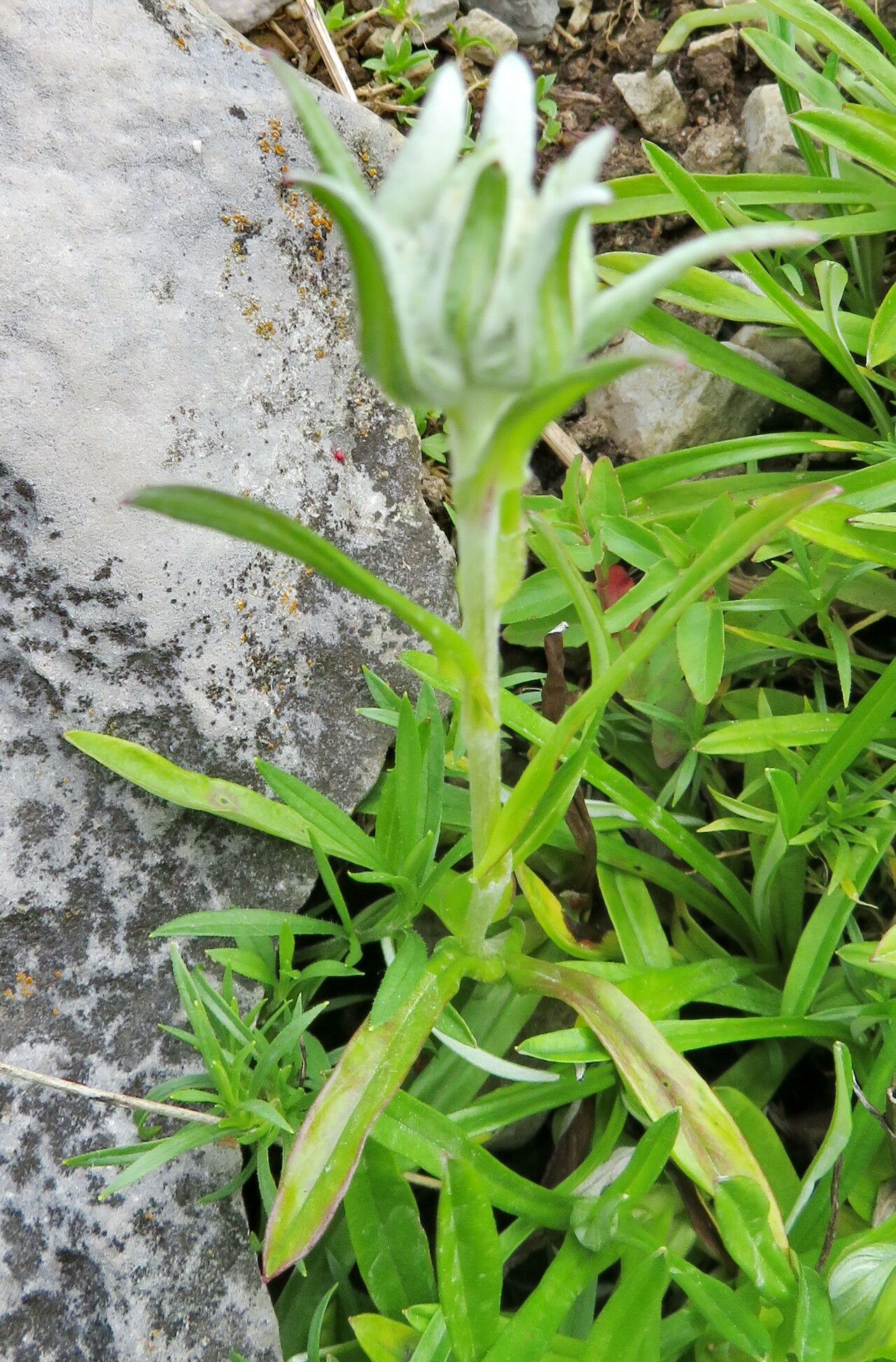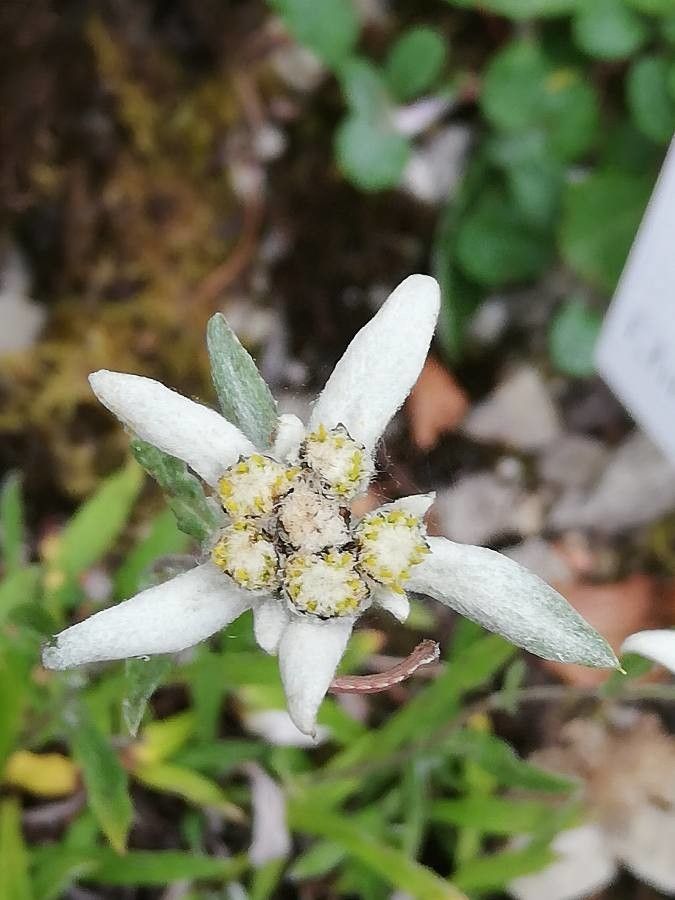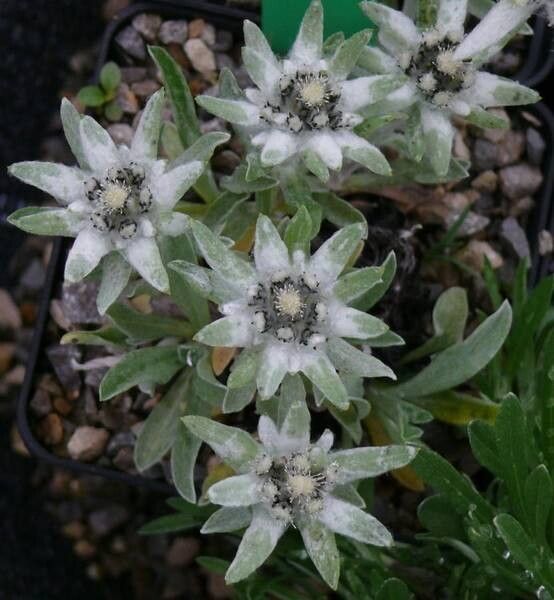
Leontopodium campestre shows good resistance to disease and is generally not easily affected by illnesses. Still, it can be vulnerable to pests and diseases present in its environment. Such infections are typically mild. Regarding care, this plant needs a moderate level of maintenance. It requires regular pruning to keep a neat appearance and support healthy growth. Fertilizing can also aid in encouraging flowering. Leontopodium campestre is suitable for anyone who has an outdoor area, like a garden or patio, and does not demand extensive plant-care experience. It may need more attention when kept indoors.
How to keep Leontopodium Campestre.
Light
Leontopodium campestre is a perennial herbaceous plant that revels in sunshine and is native to open environments, commonly found flourishing in meadows and grasslands. While it performs best under full sun exposure, it can also withstand conditions with partial sunlight.
Fertilizer
Fertilizing a Leontopodium campestre is best done in the early spring, as it transitions from its dormant state to a phase of active growth. Fertilization contributes essential nutrients for robust growth. Even though the Leontopodium campestre doesn't require high levels of fertilization, applying fertilizer once a year could improve its vitality and encourage the production of more durable, longer-lasting flowers.
Botanical profile.
- Plant Type
- Herb
- Life Cycle
- Perennial
- Genus
- Leontopodium
- Family
- Asteraceae
- Hardiness Zone
- 4-8
- Mature Height
- 5 cm to 34 cm
- Mature Spread
- 15 cm to 25 cm
- Leaf Color
- Silver, Gray
- Leaf Type
- Evergreen
- Flower Color
- White
- Flower Size
- 0.51 cm to 0.76 cm
- Bloom Time
- Early summer, Mid summer
- Planting Time
- Spring, Summer, Autumn
- Harvest Time
- Late summer, Early fall
- Native Area
- Uzbekistan, Tajikistan, Kyrgyzstan, Kazakhstan, Mongolia, China