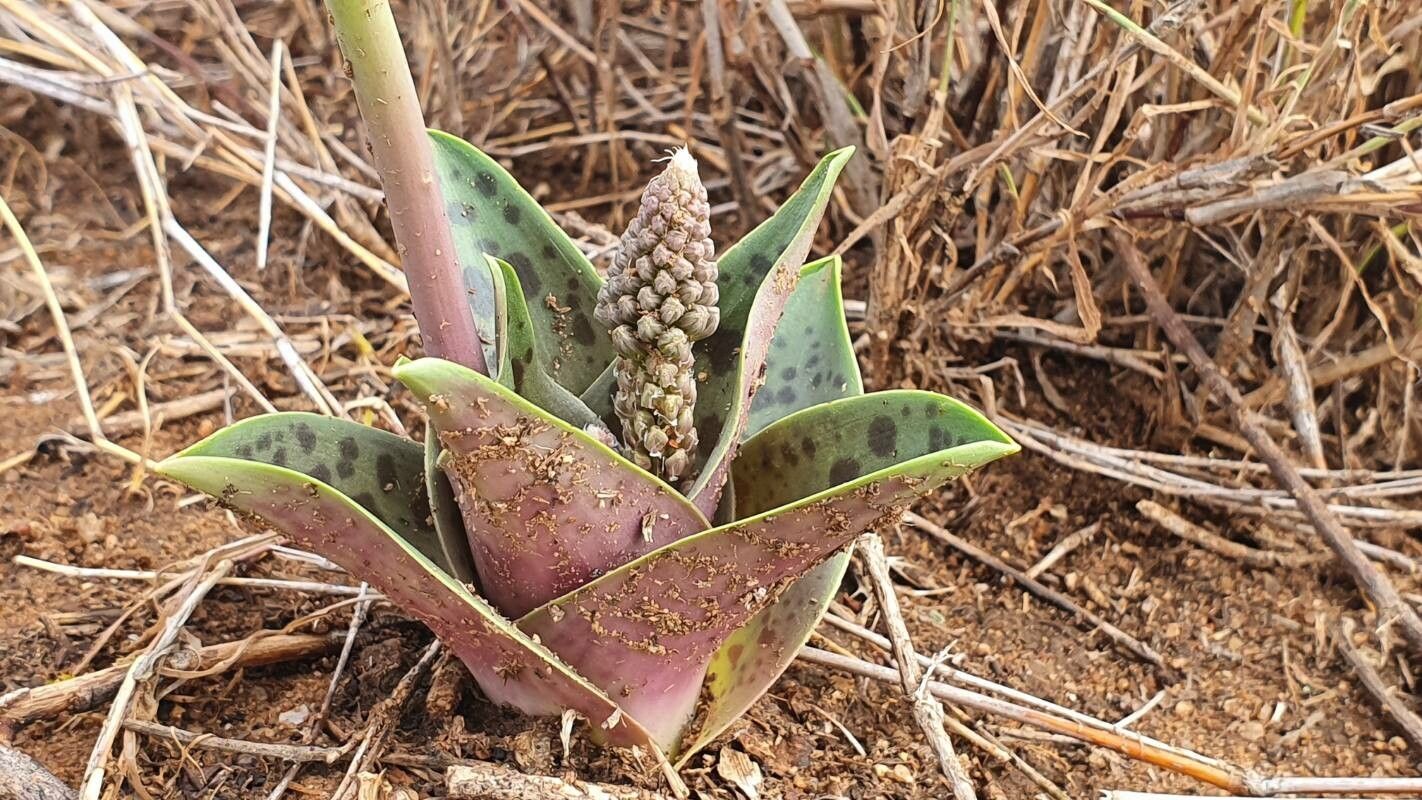
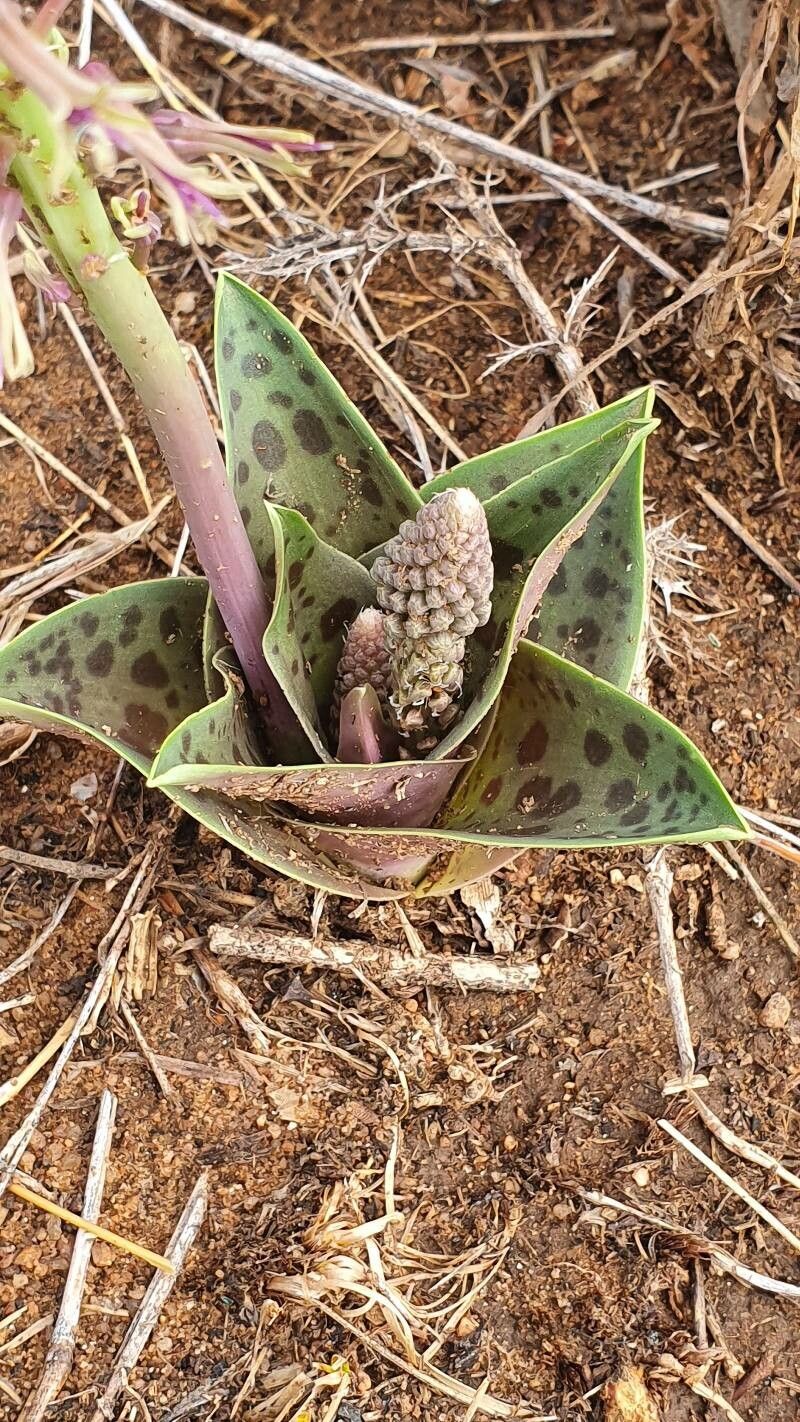
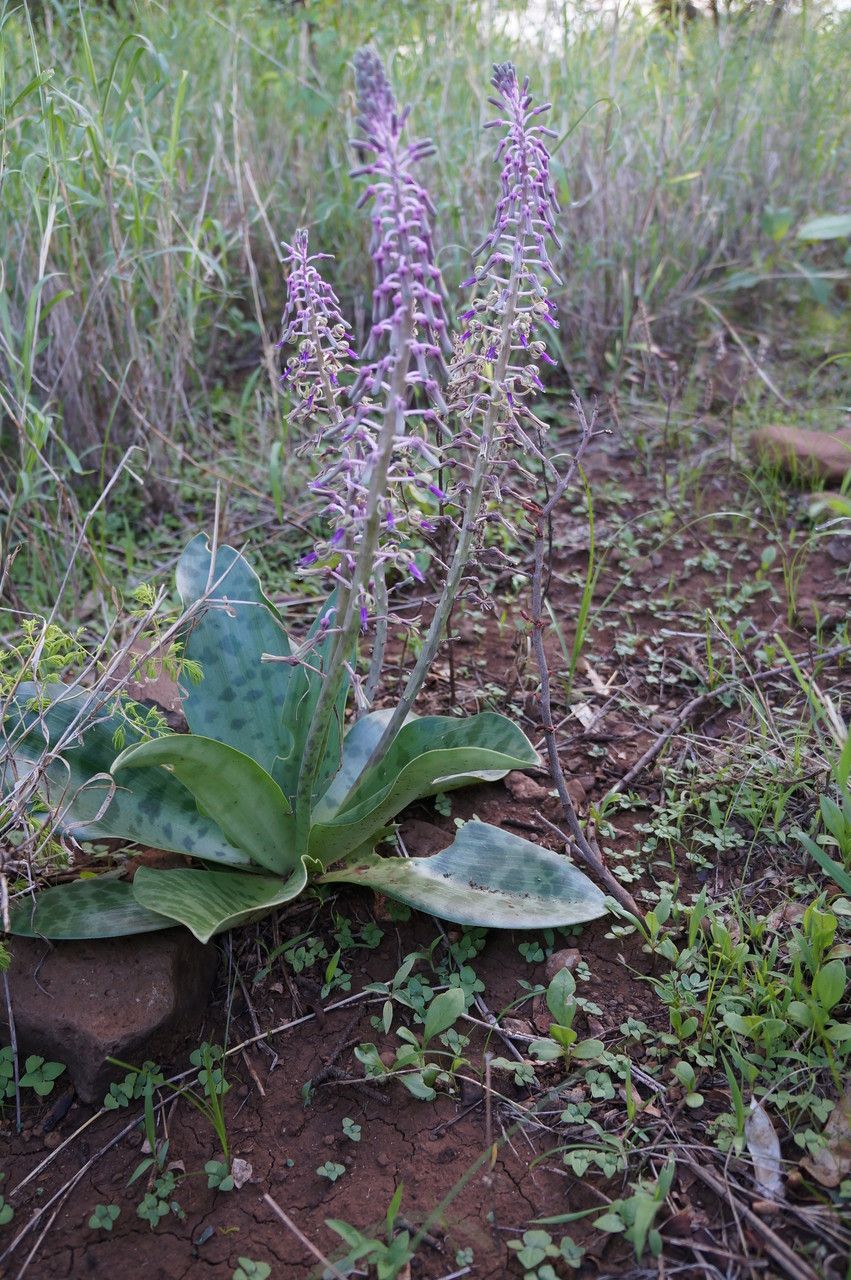
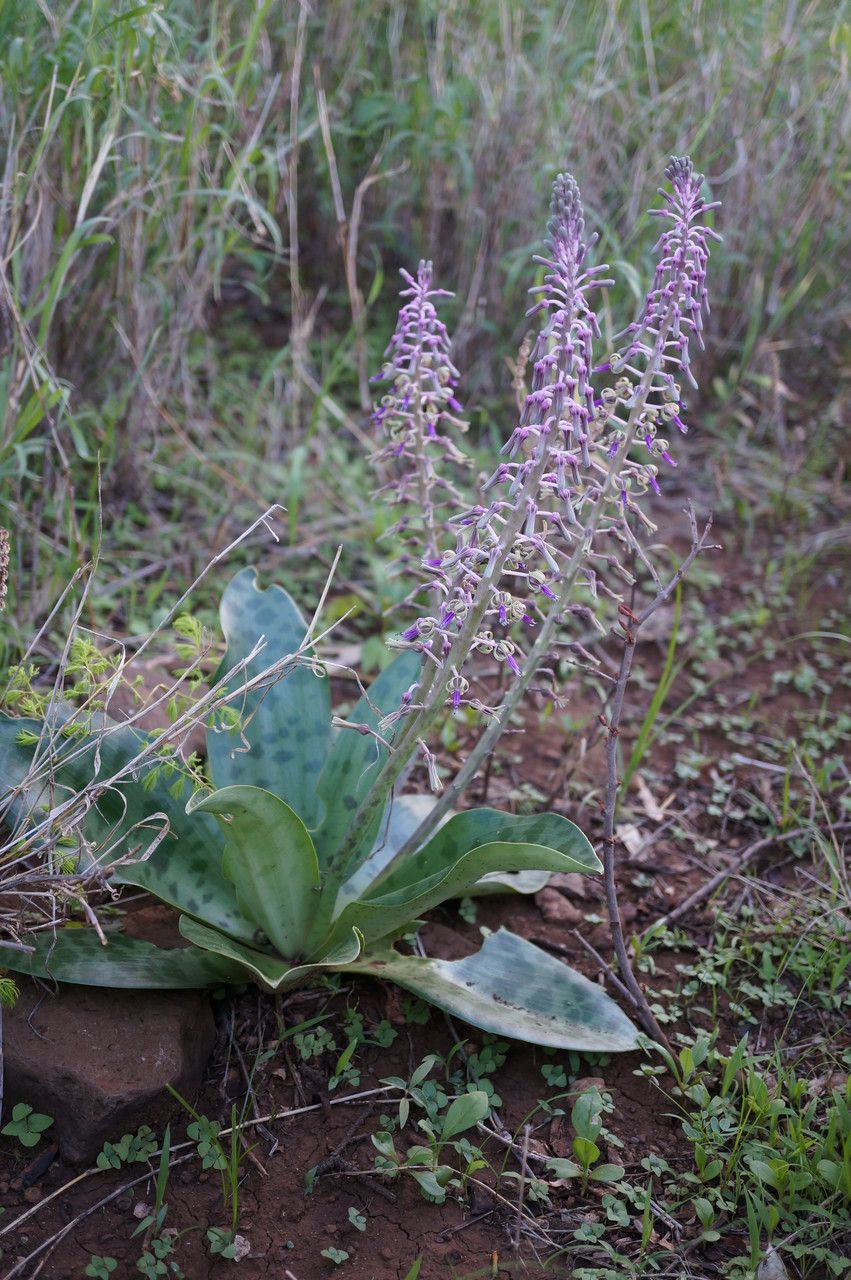
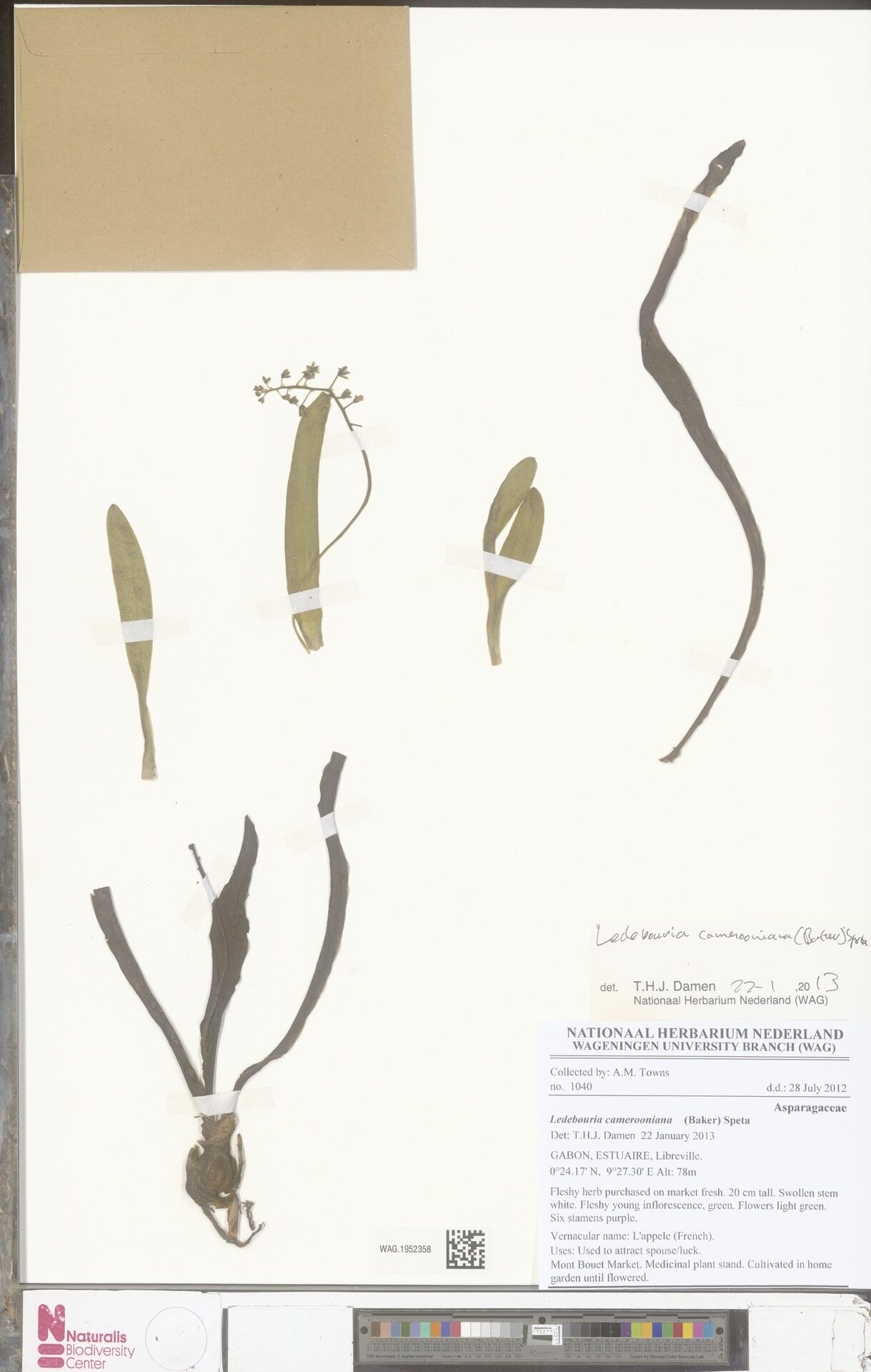
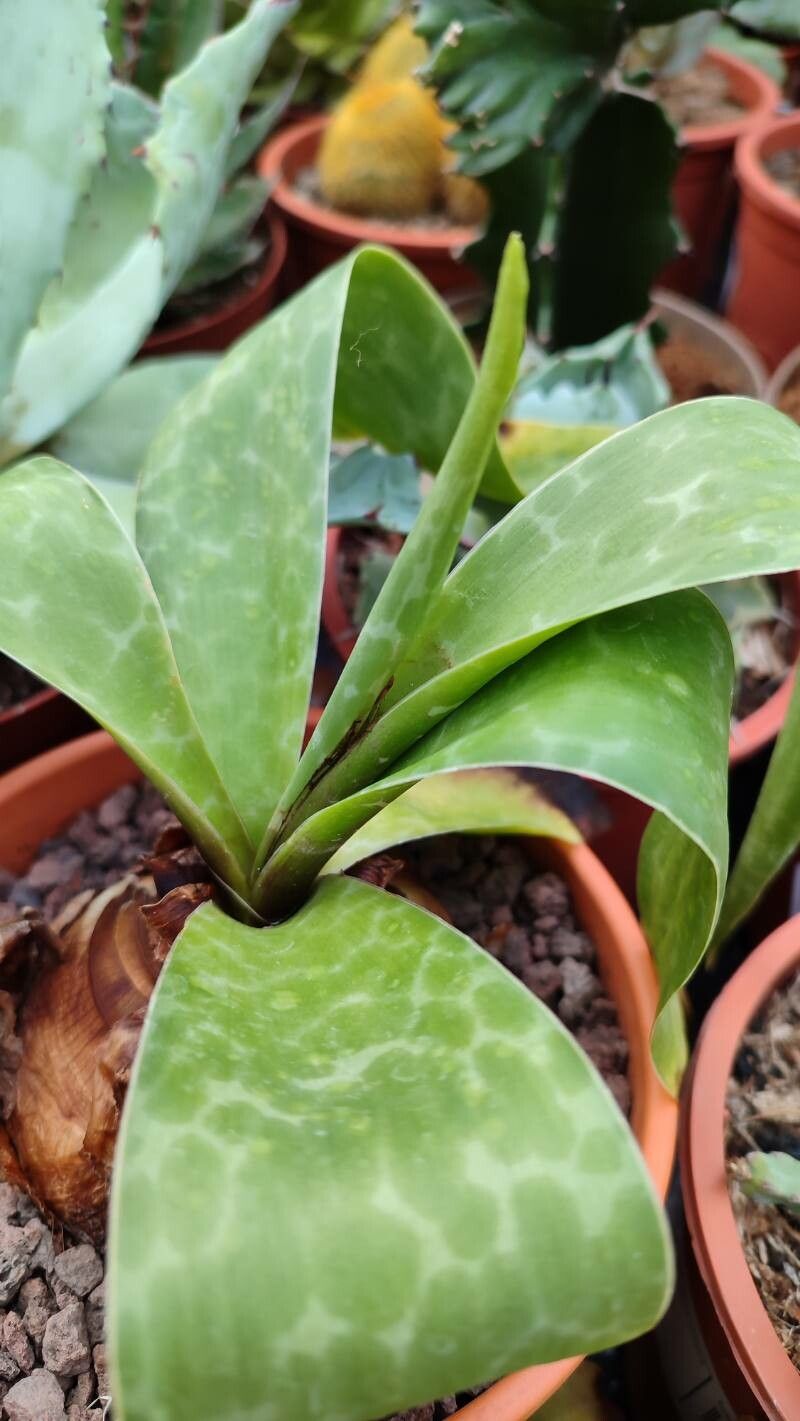
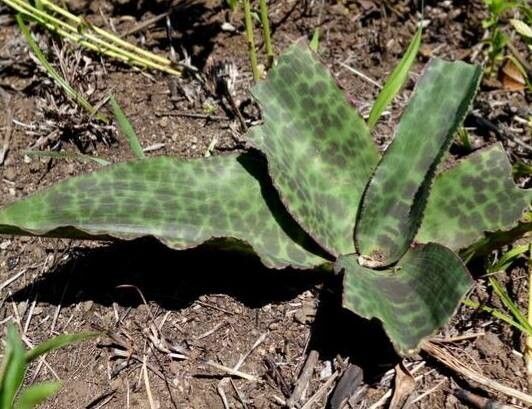
Ledebouria revoluta, the south Indian squill, is a flowering plant species in the genus Ledebouria found in Southern Africa and India.
South Indian squill is fairly disease-resistant and typically does not experience many illnesses. However, it can be vulnerable to pests and diseases present in its surroundings. These issues are usually mild. In terms of upkeep, the plant requires moderate maintenance. Regular pruning is needed to preserve its appearance and support healthy growth. Fertilizing can also help encourage flowering. South Indian squill is appropriate for anyone with outdoor space, such as a garden or patio, and does not demand extensive care experience. It may need more attention if grown indoors.
How to keep Ledebouria Revoluta.
Light
South Indian squill is native to habitats such as forest understories and rocky areas, where it grows in natural shade. It prefers partial sun but can tolerate full sun or full shade, reflecting its versatile and hardy nature.
Water
The South Indian squill, native to arid regions, is highly drought-tolerant and only needs to be watered once a week. Its leaves are similar to those of succulents, allowing the plant to store water effectively. While it is typically grown indoors, the South Indian squill thrives in well-draining soil. This type of soil helps prevent waterlogging, which could damage this drought-resistant plant.
Temperature
South Indian squill originates from areas where temperatures commonly range between 68 and 95°F (20 and 35°C). It does best within that temperature range. Adjust indoor temperatures according to the season to replicate these conditions for optimal growth.
Fertilizer
Proper fertilization is essential for the South Indian squill's health and appearance. Feed the South Indian squill in summer, applying fertilizer monthly throughout the season. Nutrients support growth and help maintain the plant's parts. Fertilizing improves the squill's flower display, ensuring the best blooms.
Pruning
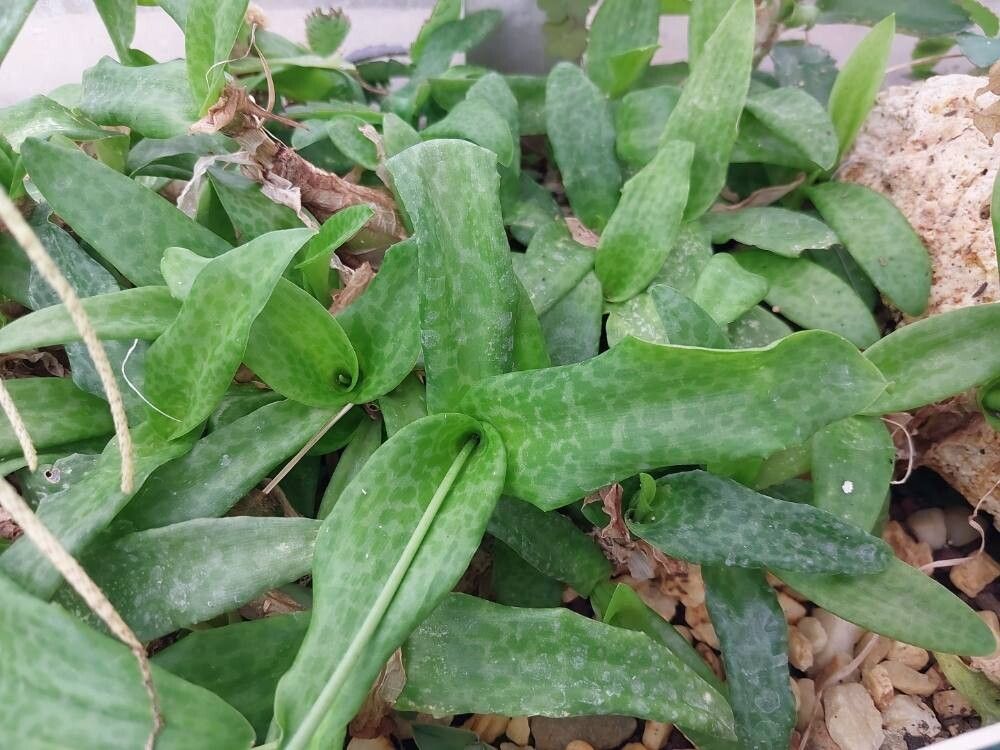
The South Indian squill is characterized by its bulbous base and spotted leaves, and it requires minimal pruning. To encourage new growth, prune in early to late spring by removing any dead or damaged leaves. Due to its clumping growth habit, excessive trimming is not needed. This natural growth pattern helps improve air circulation and enhances the plant’s appearance.
Botanical profile.
- Plant Type
- Herb
- Life Cycle
- Perennial
- Genus
- Ledebouria
- Family
- Asparagaceae
- Hardiness Zone
- 10
- Mature Height
- 15 cm to 30 cm
- Mature Spread
- 20 cm to 30 cm
- Leaf Color
- Red, Green, Variegated
- Leaf Type
- Deciduous
- Flower Color
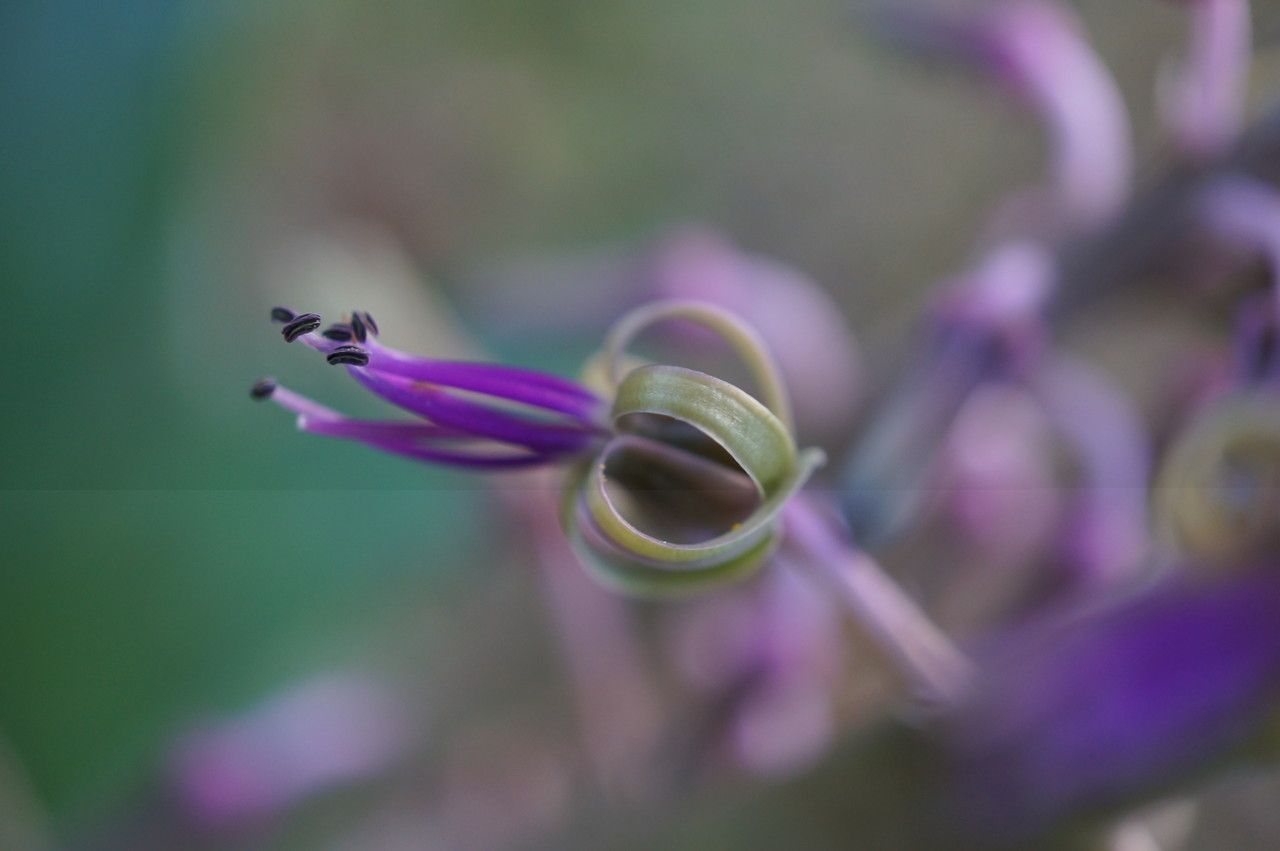
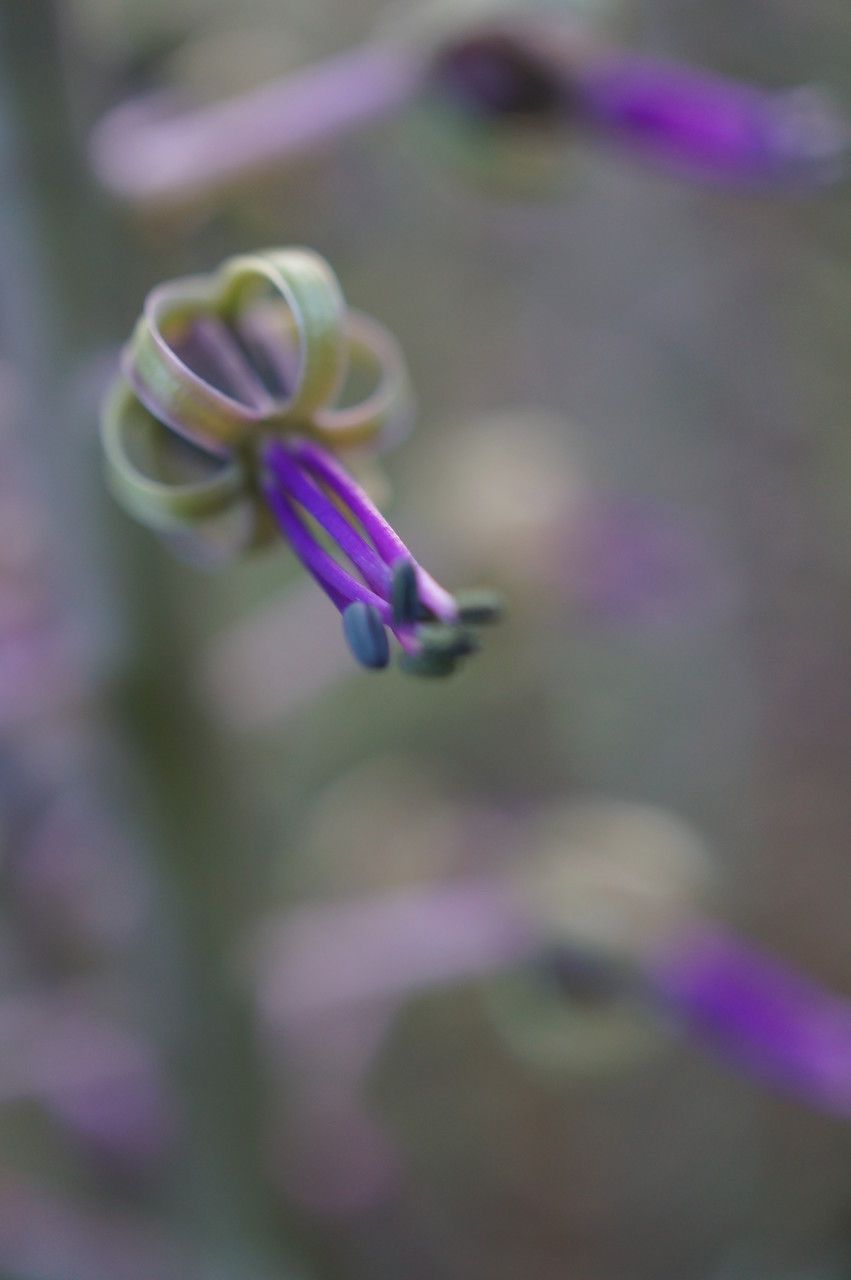
- Purple, Green, Pink
- Flower Size
- 0.76 cm
- Bloom Time
- Mid spring, Late spring
- Planting Time
- Spring, Summer
- Harvest Time
- Early summer, Mid summer
- Native Area
- Sri Lanka, Malawi, Somalia, India, Angola, Namibia, South Africa, Zambia, Eritrea, Sudan, Yemen, Kenya, Uganda, Tanzania, Zimbabwe, Mozambique, Eswatini, Ethiopia, Botswana
Other names.
Reader questions.
What are the sunlight requirements for South Indian squill (Ledebouria revoluta)?
South Indian squill, also known as Ledebouria revoluta, thrives in various sunlight conditions. It requires partial sun, which means about 3-6 hours of sunlight daily, to grow optimally. However, it can also flourish in full sun, where it would receive above 6 hours of sunlight. It's crucial to observe the movement of sunlight through your garden carefully. This observation will help you choose spots that provide the ideal balance of light and shade, ensuring your South Indian squill plants are happy and healthy.