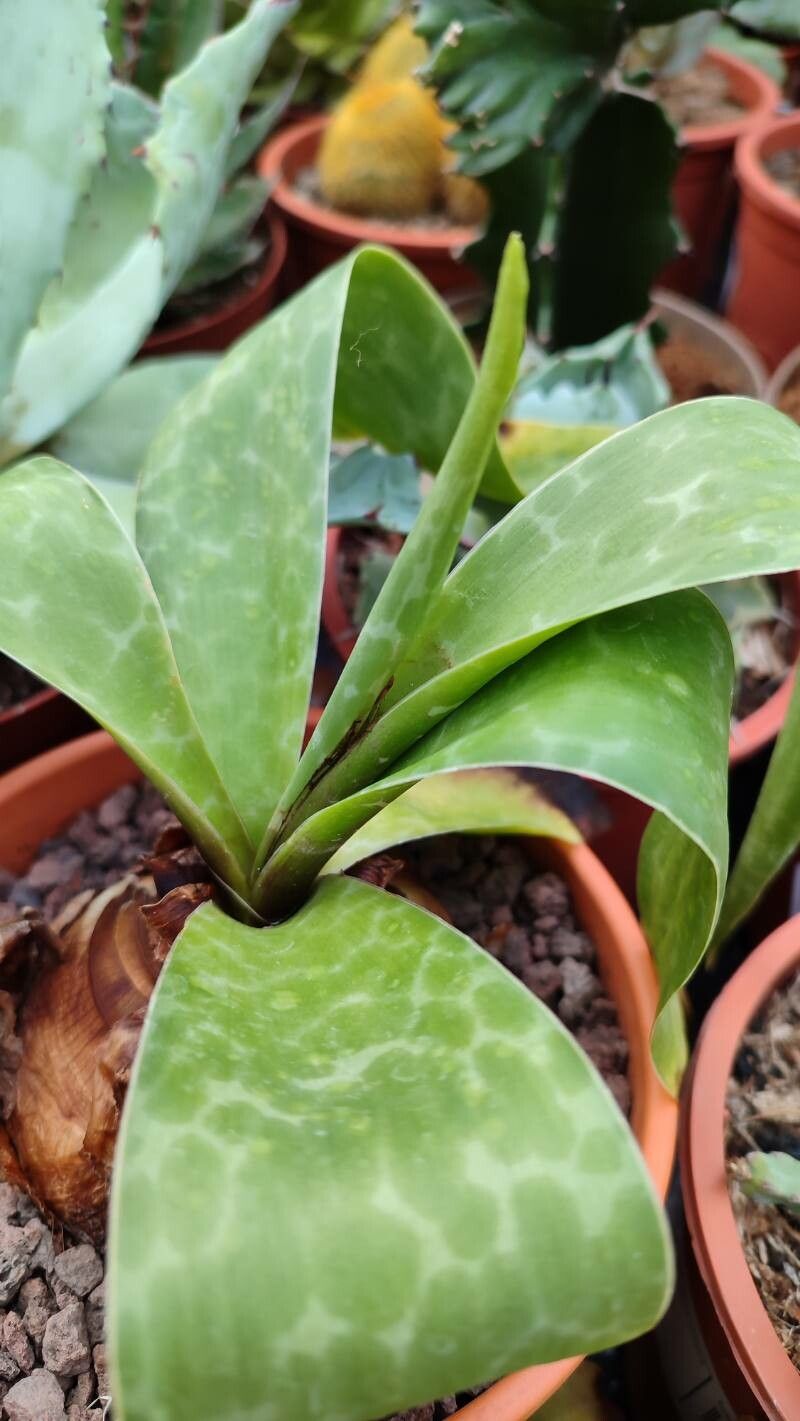
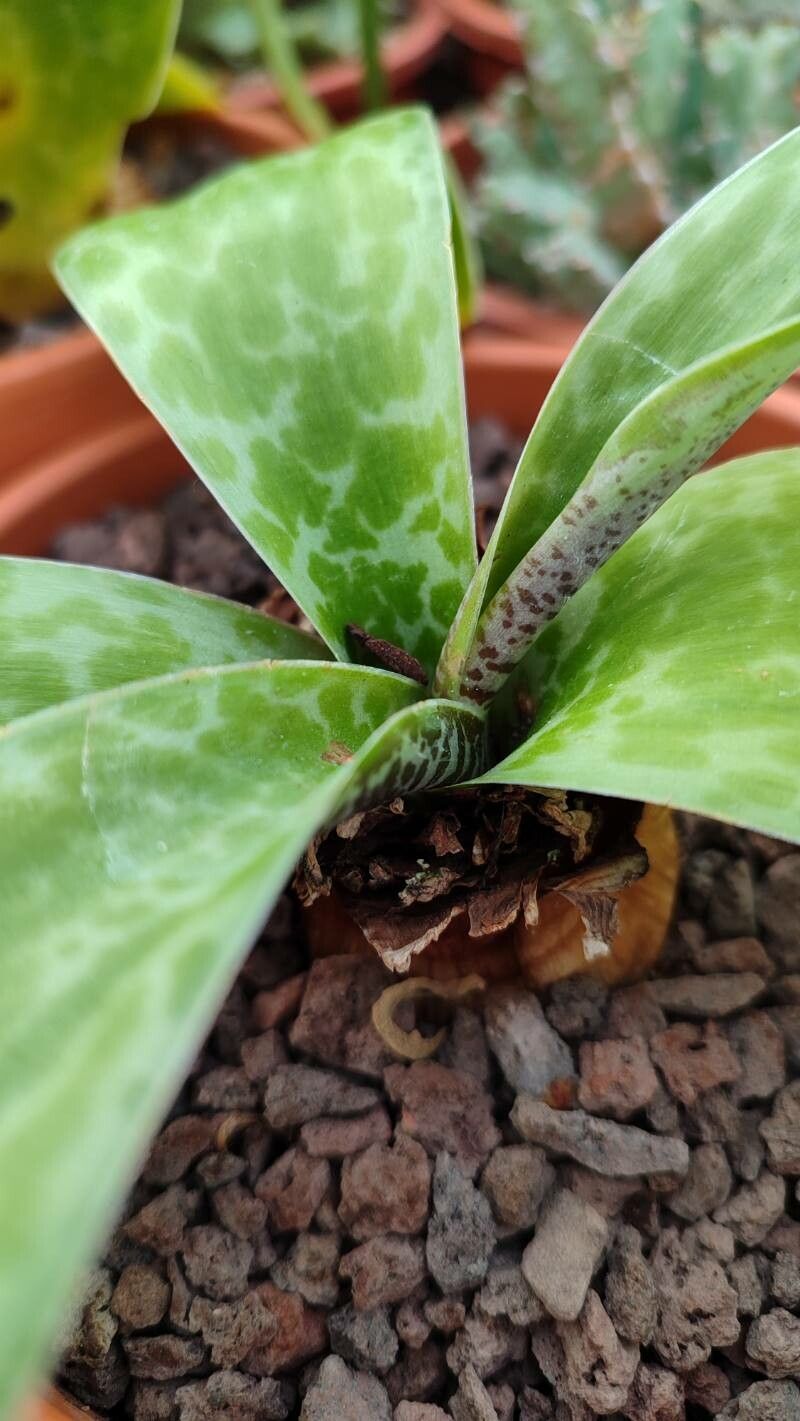
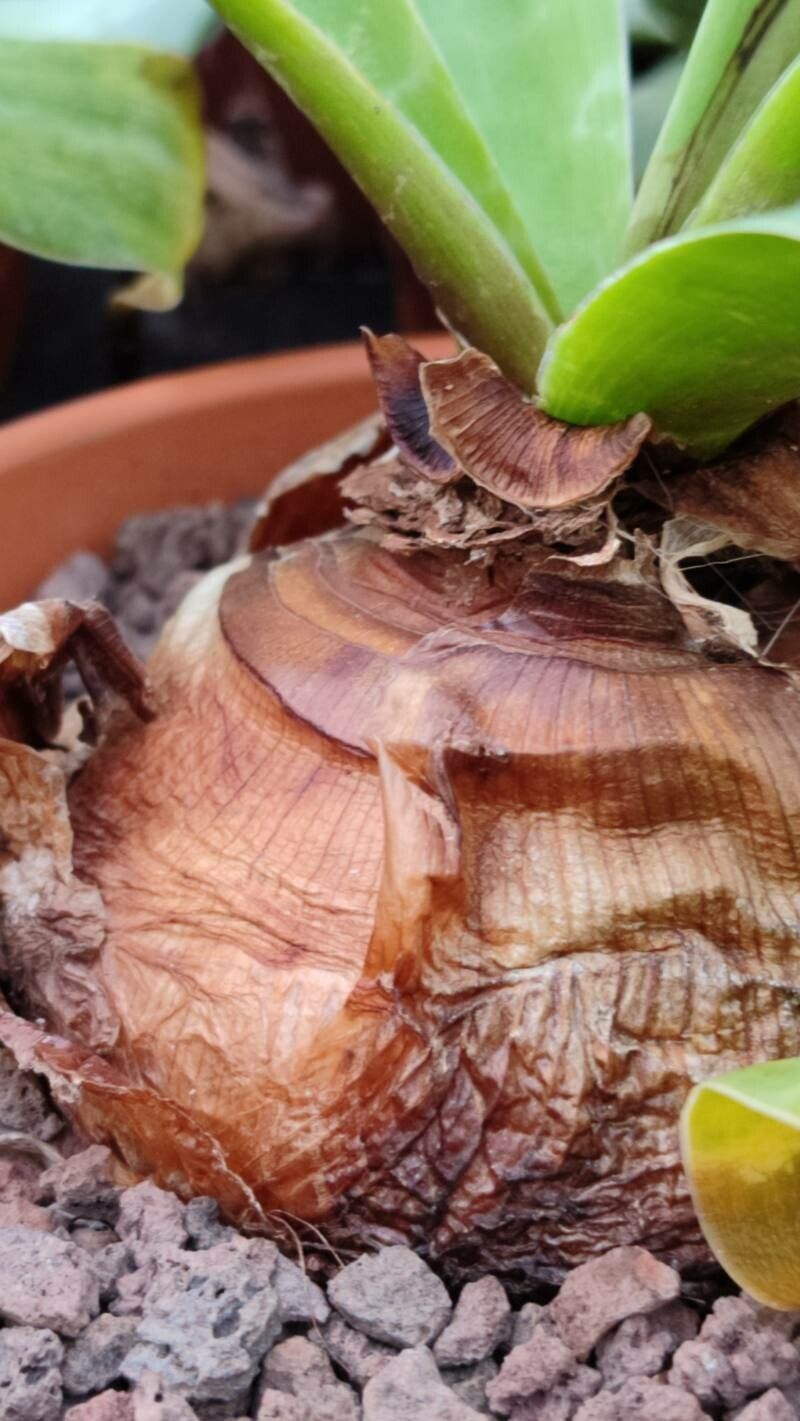
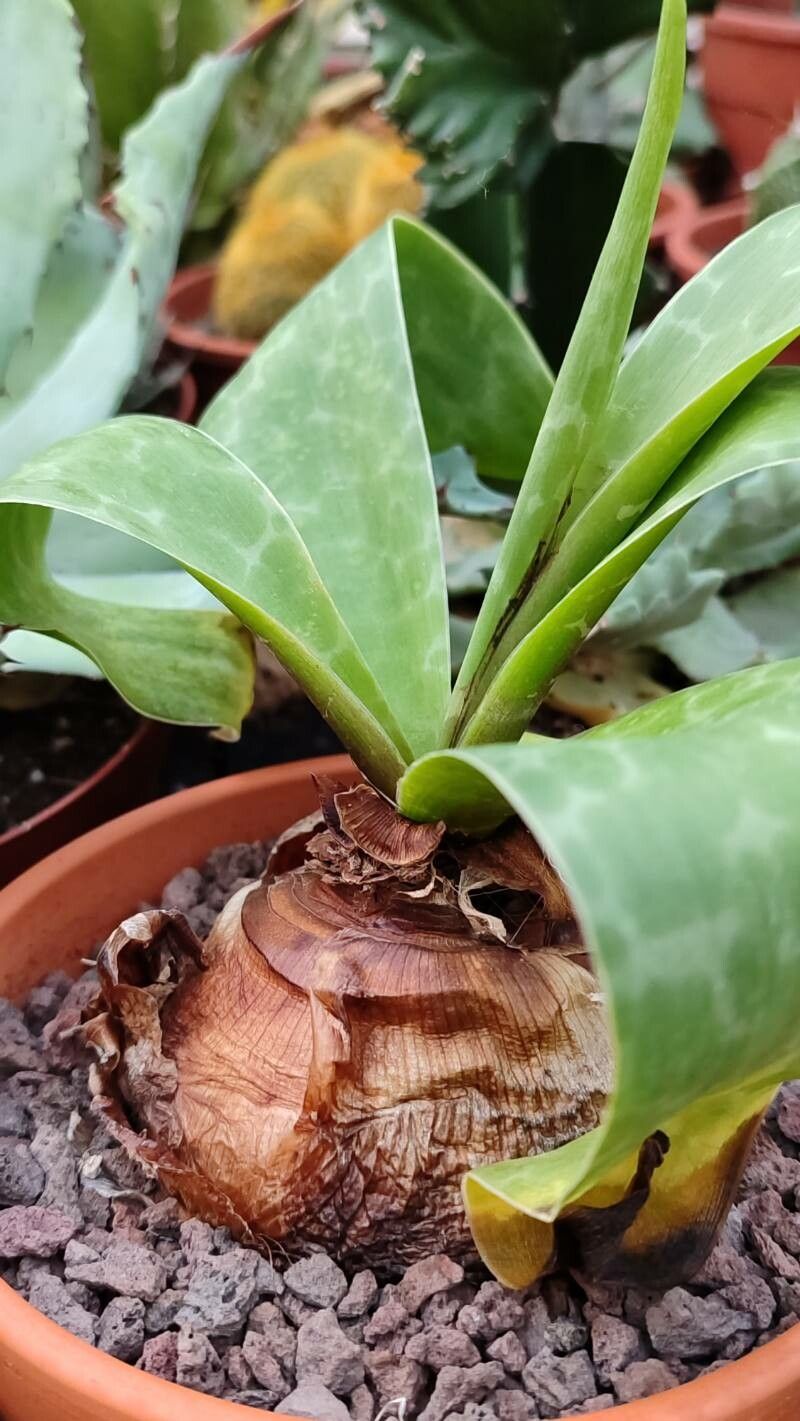
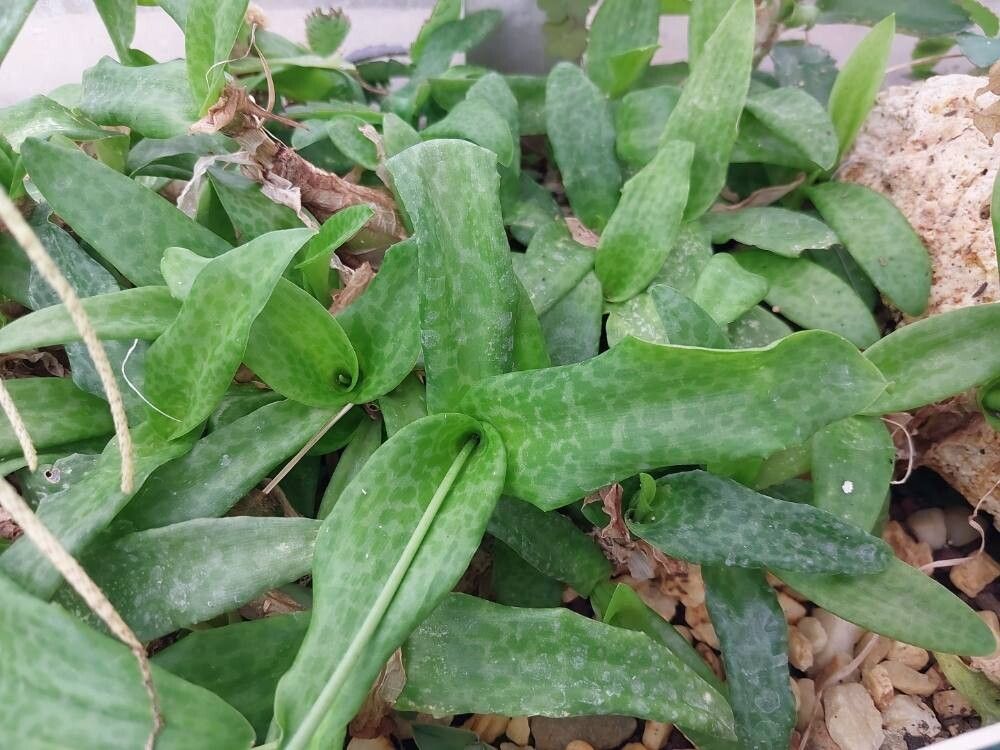
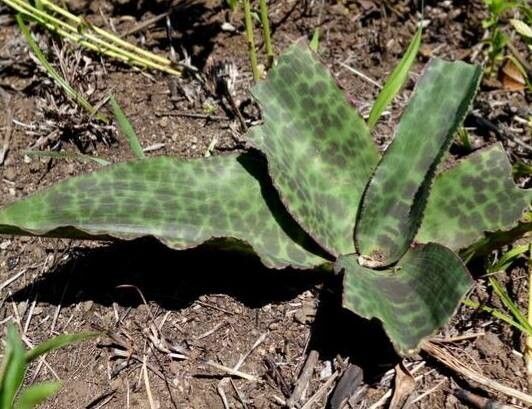
Ledebouria cooperi is a species of bulbous flowering plant in the family Asparagaceae, also called Cooper's African hyacinth. It is native to Eswatini, Namibia, and South Africa.
Cooper's squill has moderate disease resistance but is more sensitive to humidity and overwatering. It is also more prone to disease when it lacks light and is overwatered. In terms of care, Cooper's squill is drought-tolerant and can withstand long periods without watering. It requires little fertilizer and only occasional pruning. This makes it suitable for people of all experience levels, especially those who want to spend less time caring for their plants and who may occasionally be away from home for extended periods. It is a good option for people who do not want to spend much time on plant care but still want an easy-to-maintain plant.
How to keep Ledebouria Cooperi.
Light
Cooper's squill is native to habitats with dappled light, for example the forest understory or rocky sites that provide natural shade. It favors partial sunlight but can also withstand full sun.
Water
Native to semi-arid regions, Cooper's squill is highly drought-tolerant and thrives with minimal moisture. Its succulent leaves allow it to be watered about once a week. For optimal health, it is important to balance periods of dryness with occasional watering. The plant requires well-draining soil and sufficient water during its growth phase to prevent bulb rot.
Temperature
Cooper's squill performs best in warm conditions and needs higher temperatures during the growing season to support growth and metabolism. It favors plenty of sunlight, suitable moisture levels, and good airflow. That said, it can be harmed by very low temperatures and by excessive watering. Therefore maintaining a balance is essential, and one should also avoid extreme heat and overly dry conditions.
Fertilizer
Cooper's squill only requires light fertilizing once or twice a year during its growing season. Do not fertilize in winter or summer when the plant is dormant. Cut back on fertilizer for repotted specimens and wait a couple of months after repotting before you start feeding. Fertilizing helps keep growth healthy and encourages flowering.
Pruning
Cooper's squill boasts striking foliage and purple, bell-shaped flowers. To promote new growth and maintain a tidy appearance, prune it in early spring after the last frost. Be sure to use clean, sharp tools to prevent infection and keep Cooper's squill vibrant and healthy.
Botanical profile.
- Plant Type
- Succulent
- Life Cycle
- Perennial
- Genus
- Ledebouria
- Family
- Asparagaceae
- Hardiness Zone
- 9-11
- Mature Height
- 15 cm
- Mature Spread
- 20 cm
- Leaf Color
- Green, Dark Green
- Leaf Type
- Deciduous
- Flower Color
- Lavender
- Flower Size
- 0.51 cm to 0.76 cm
- Bloom Time
- Early spring, Mid spring
- Planting Time
- Spring, Summer, Autumn
- Harvest Time
- Late spring, Early summer
- Native Area
- South Africa, Eswatini, Botswana, Zimbabwe
Other names.