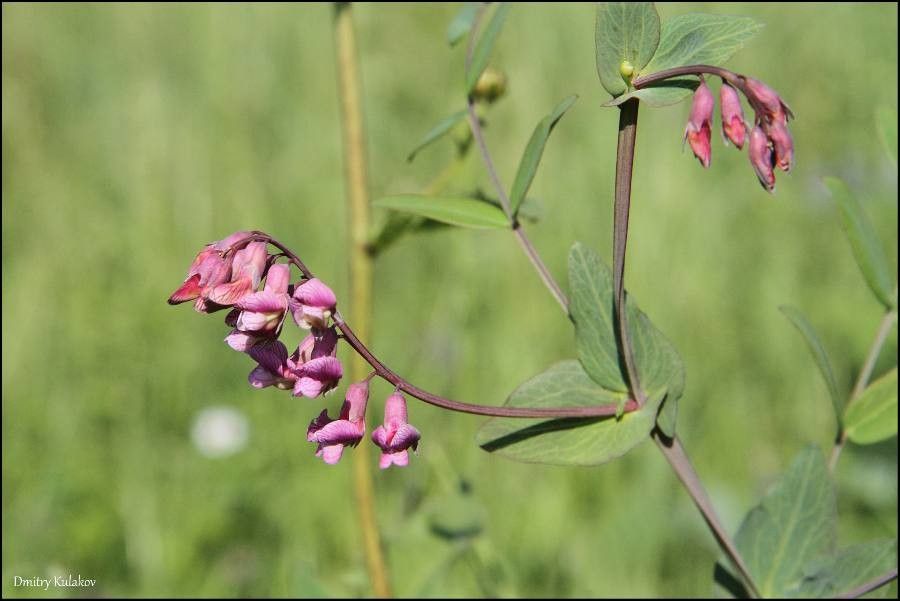
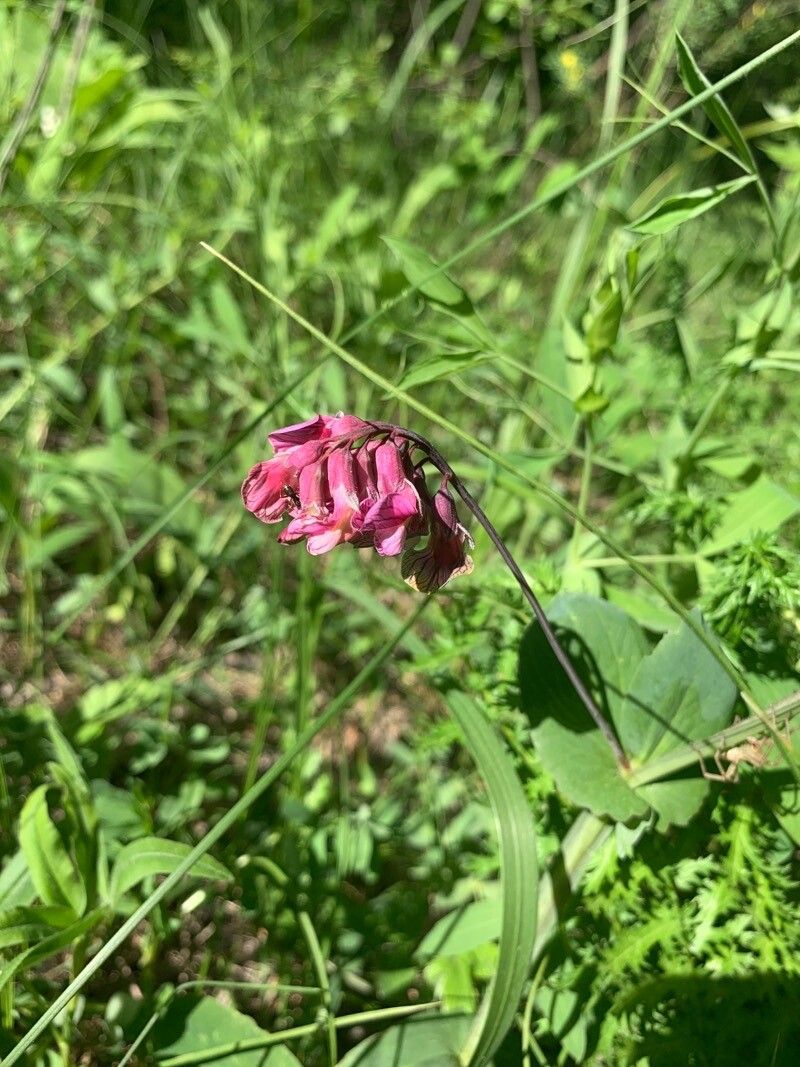
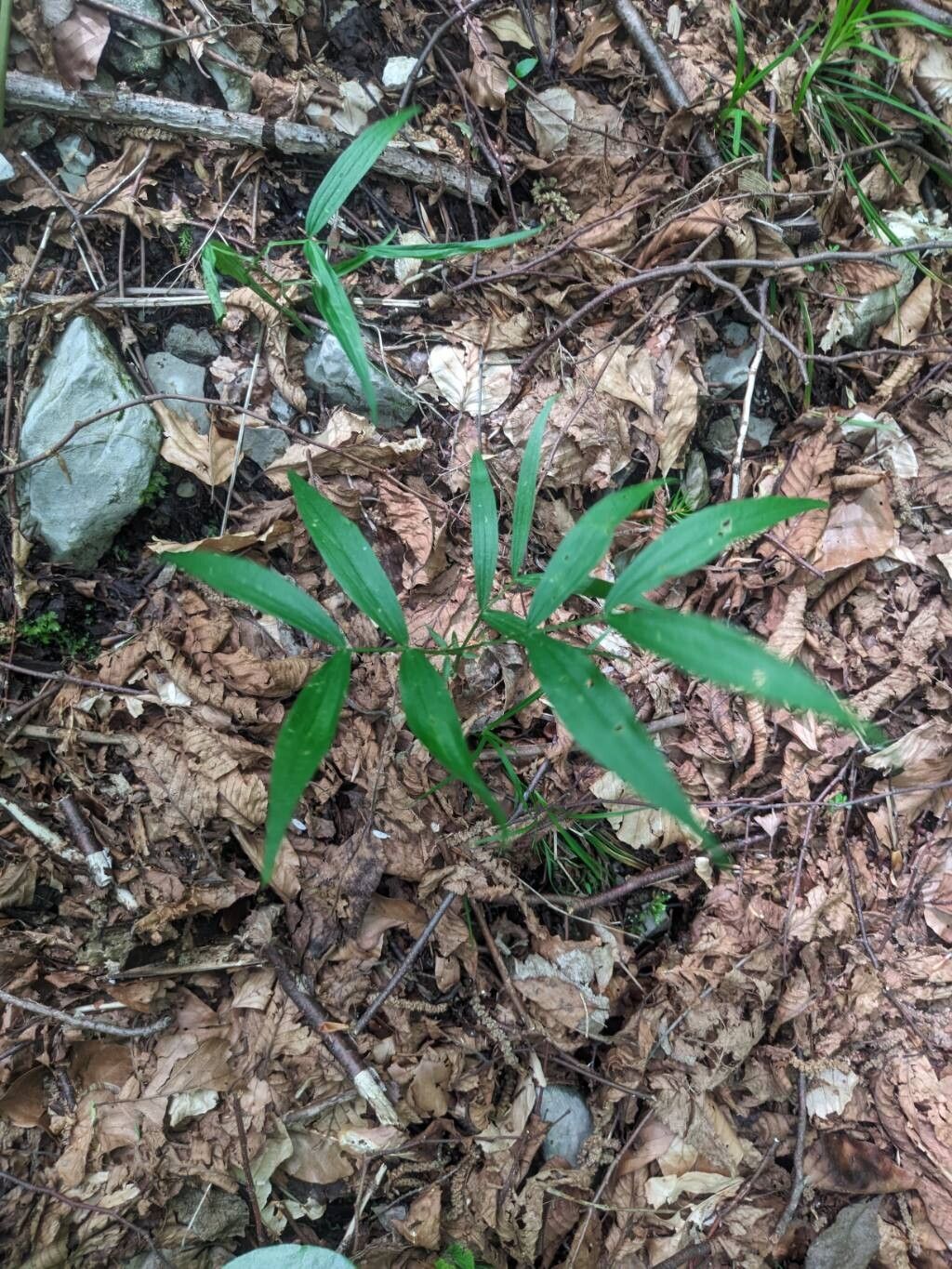
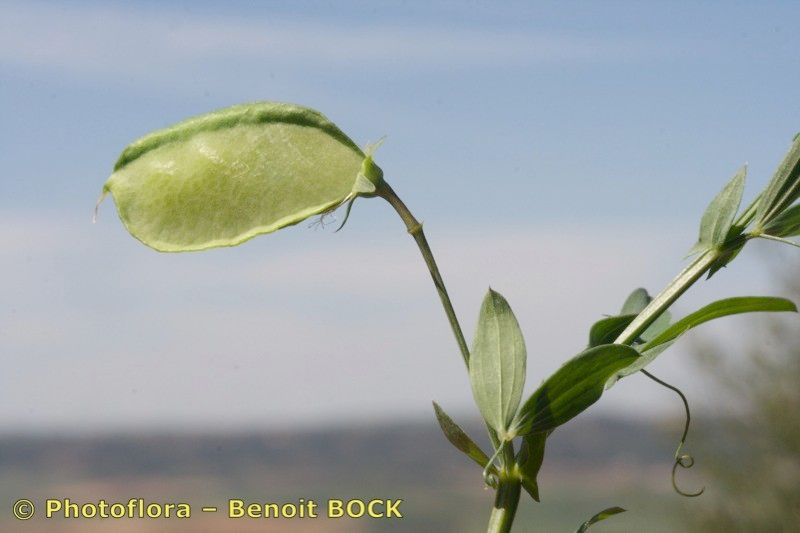
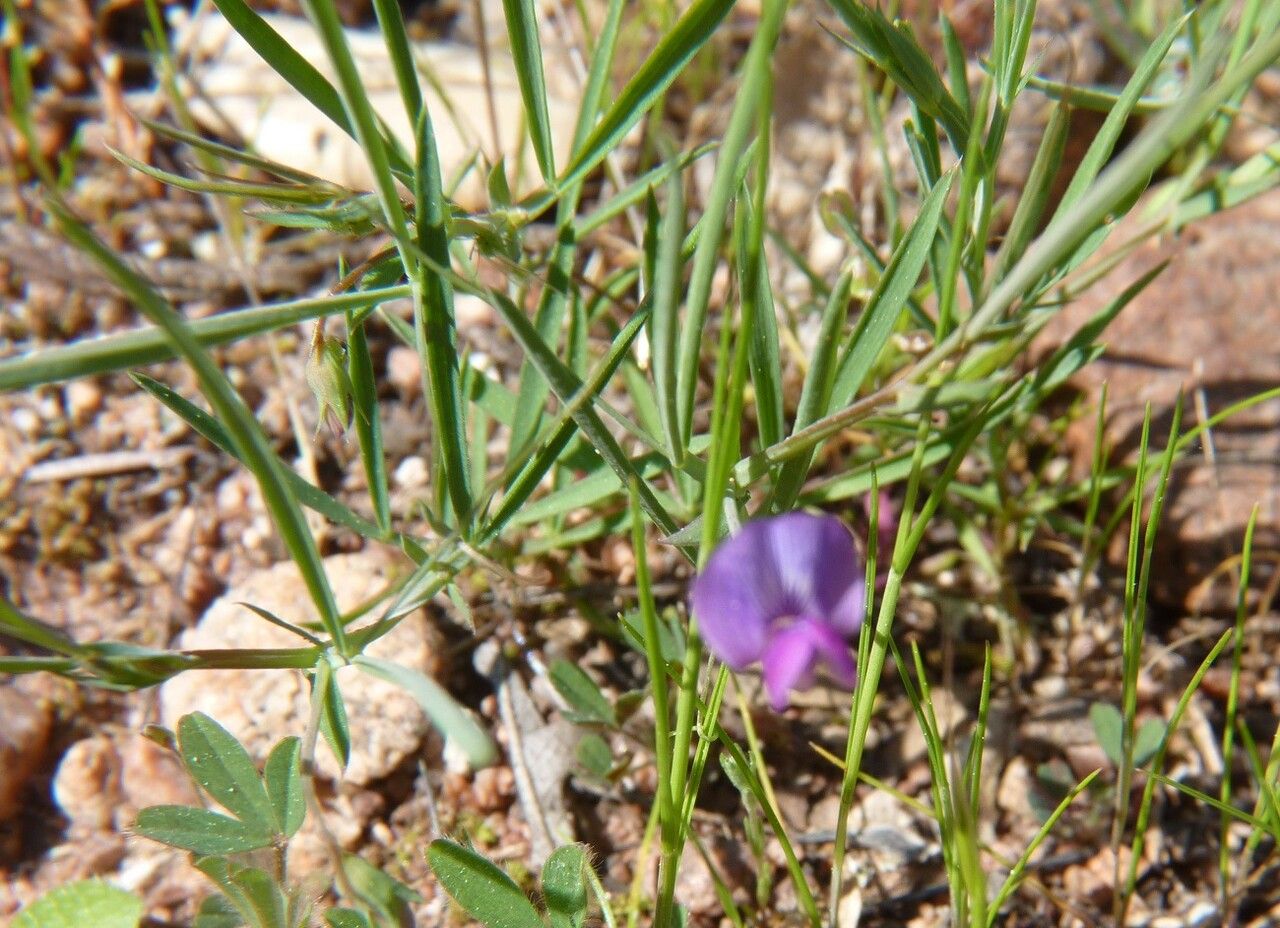
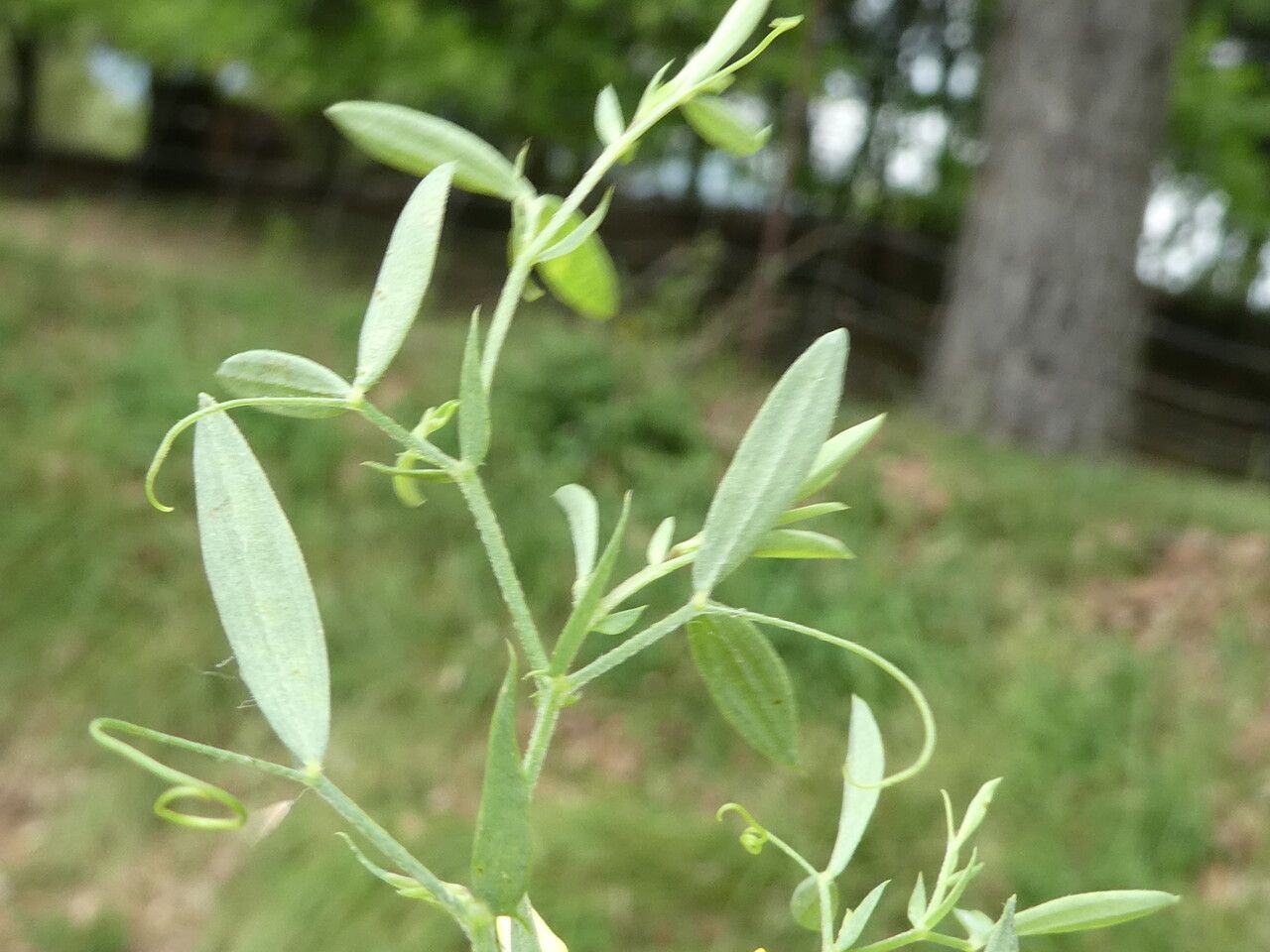
Lathyrus pisiformis is a species of flowering plant belonging to the family Fabaceae.Its native range is Central and Eastern Europe to Mongolia and Caucasus.
Lathyrus pisiformis shows strong resistance to diseases and is generally unlikely to suffer from them. Still, it can be affected by pests and illnesses present in its environment. Such infections are typically mild. Regarding care, this plant needs a moderate level of upkeep. It should be pruned regularly to preserve its appearance and support healthy growth. Applying fertilizer can also aid in encouraging blooms. Lathyrus pisiformis is appropriate for anyone with outdoor space, like a garden or patio, and does not demand extensive gardening experience. It may, however, need extra attention if cultivated indoors.
How to keep Lathyrus Pisiformis.
Water
Lathyrus pisiformis needs more water during the seedling stage to keep the soil moist. Once the plants are established, they become more drought-tolerant. To minimize the risk of fungal diseases, water them at the roots in the morning. Potted plants tend to dry out faster, particularly in warmer weather, so they require more frequent watering.
Fertilizer
Generally, one spring application of fertilizer is enough for Lathyrus pisiformis, though repeated feedings can enhance growth. Apply fertilizer every month to month and a half. Fertilization improves the leaves' appearance and function, helping maintain uniform color and a healthy texture. It also promotes root development and nutrient uptake for sustained plant health.
Pruning
To encourage growth and enhance flower production, prune Lathyrus pisiformis in early spring. Key techniques for pruning include removing dead stems and thinning crowded areas to improve air circulation. Making clean cuts not only helps the plant maintain a healthy appearance but also ensures better growth by effectively managing its size and shape.
Botanical profile.
Reader questions.
What are the sunlight requirements for Lathyrus pisiformis?
Lathyrus pisiformis, also known by its botanical name Lathyrus pisiformis, thrives under specific sunlight conditions to ensure its happiness and health. The plant requires 'full sun' exposure, which means it should receive above 6 hours of sunlight daily. Additionally, it can also adapt to 'partial sun' conditions, requiring about 3 to 6 hours of sunlight each day. When planning your garden, it's important to observe how sunlight moves through the area over time. Selecting the right spots that provide a perfect balance of light and shade will cater well to the needs of your Lathyrus pisiformis.
What is Lathyrus pisiformis?
Lathyrus pisiformis, also known by its botanical name Lathyrus pisiformis, is a plant species. However, detailed information regarding its essentials, symptoms of interaction, or additional attributes was not provided.