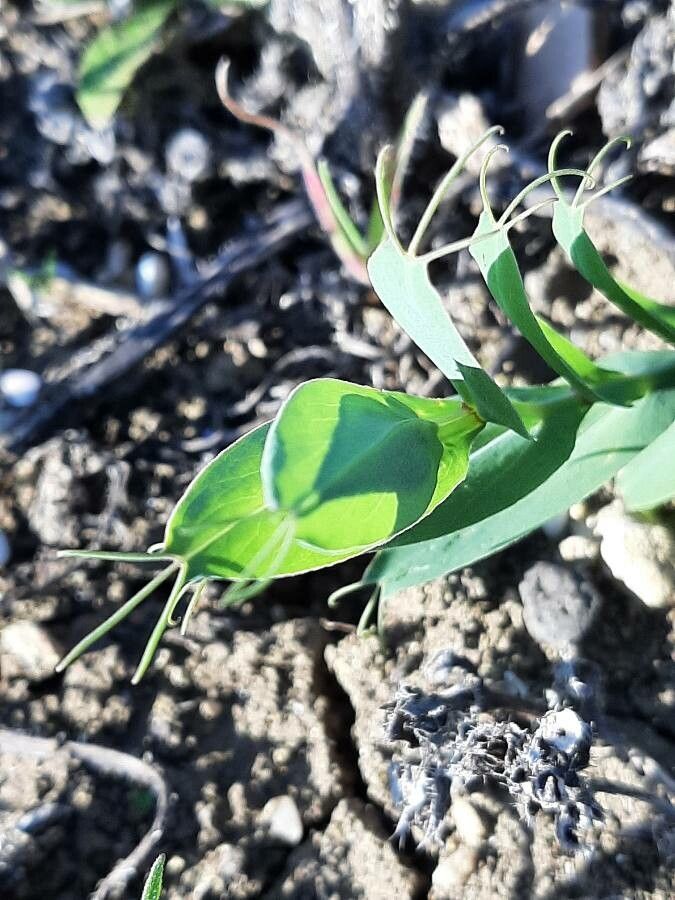
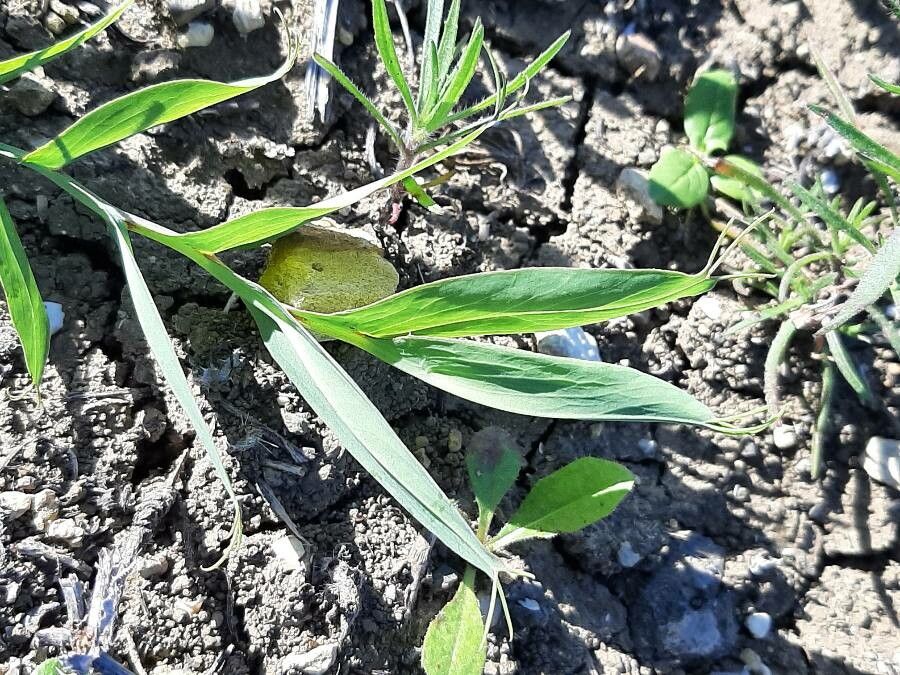
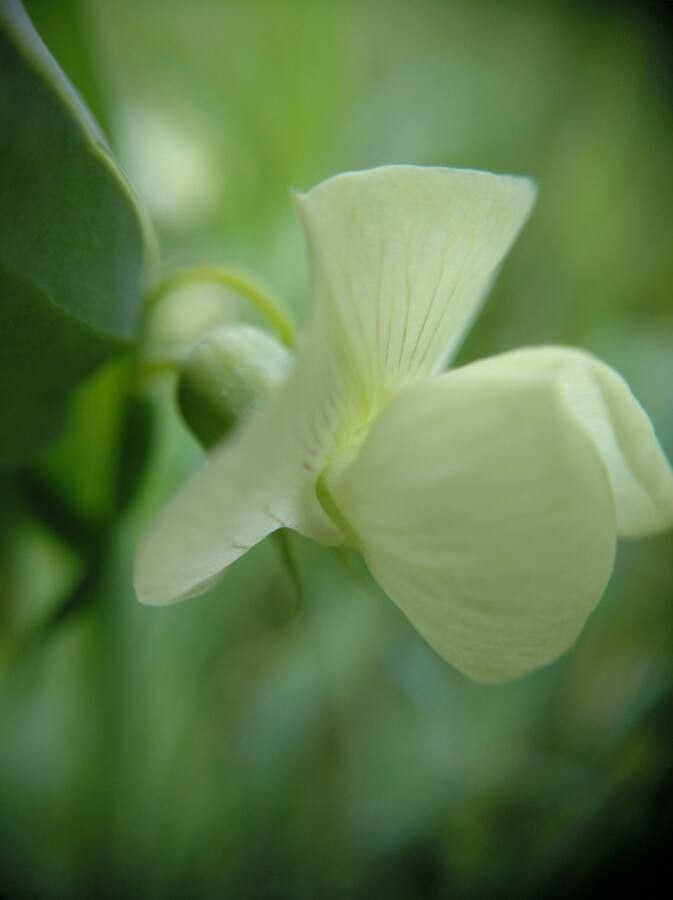
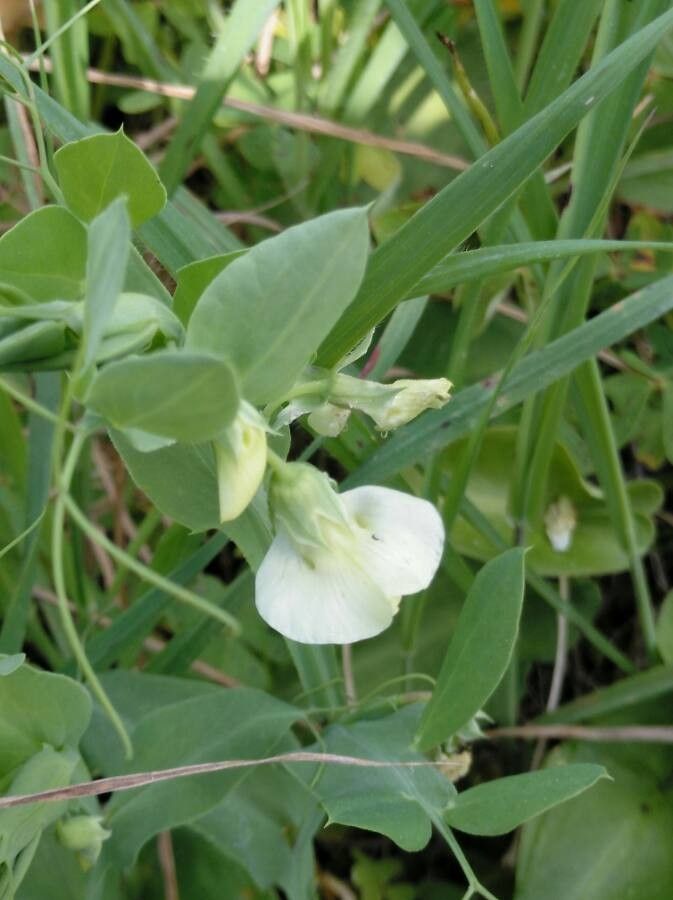
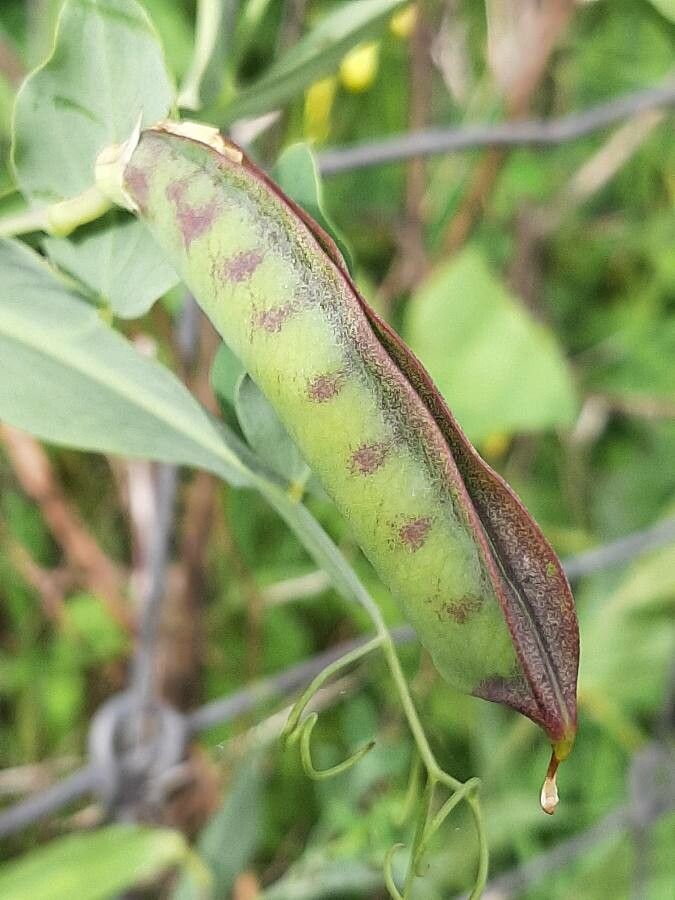
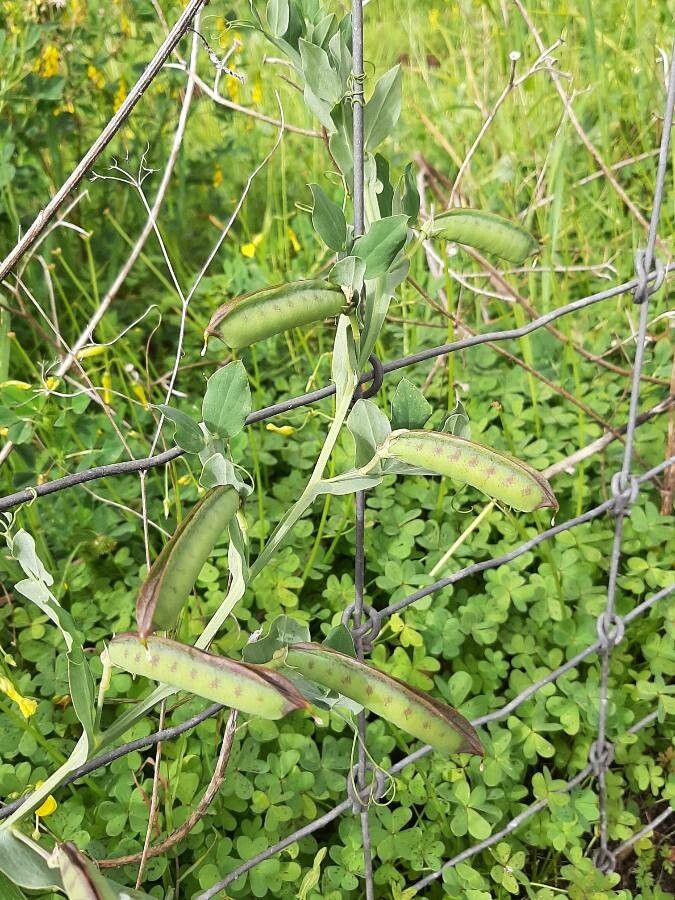
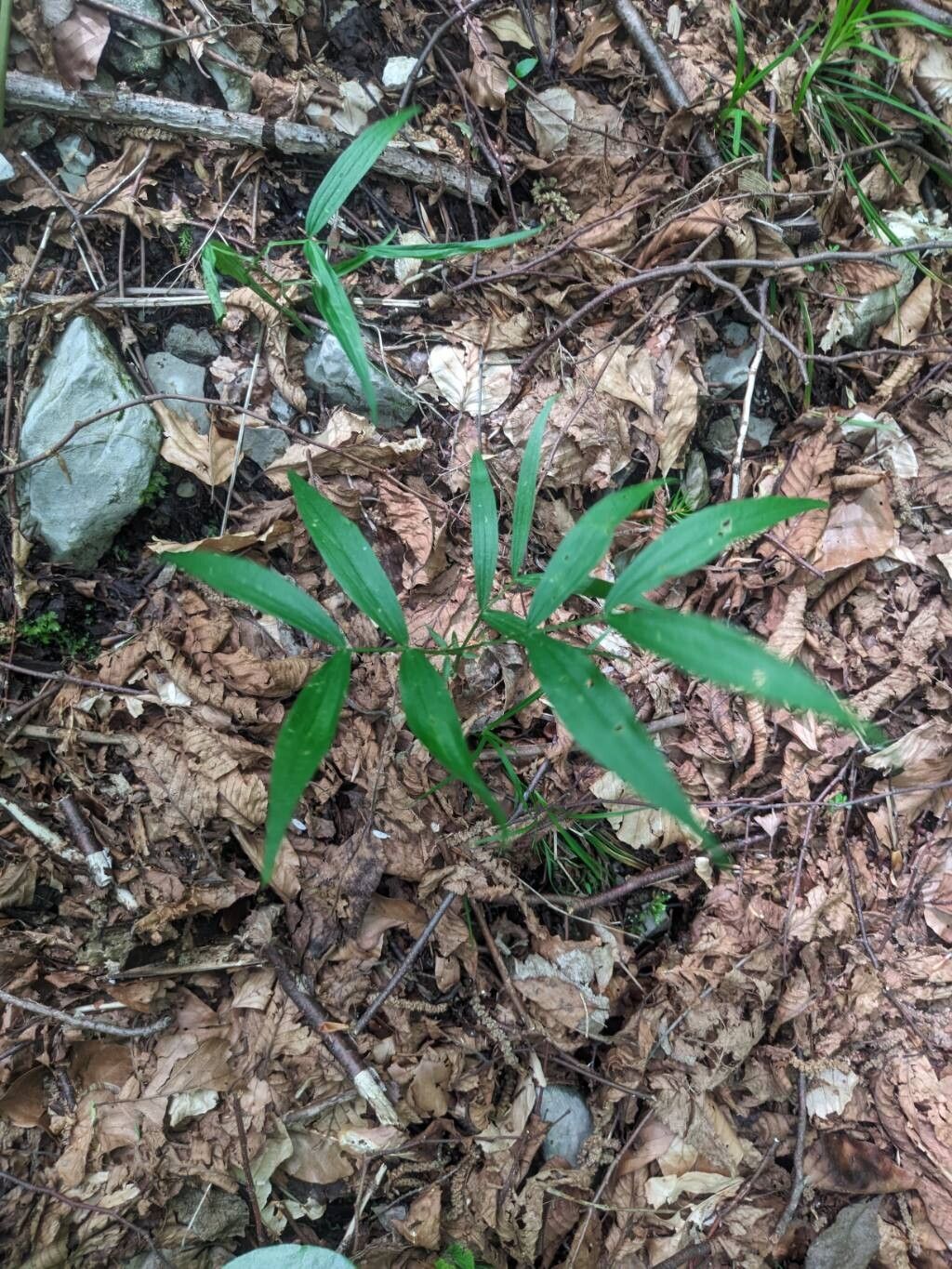
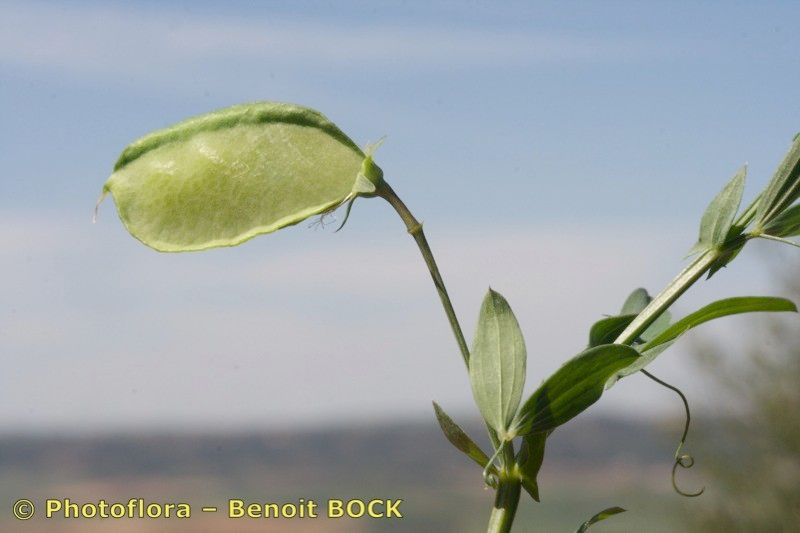
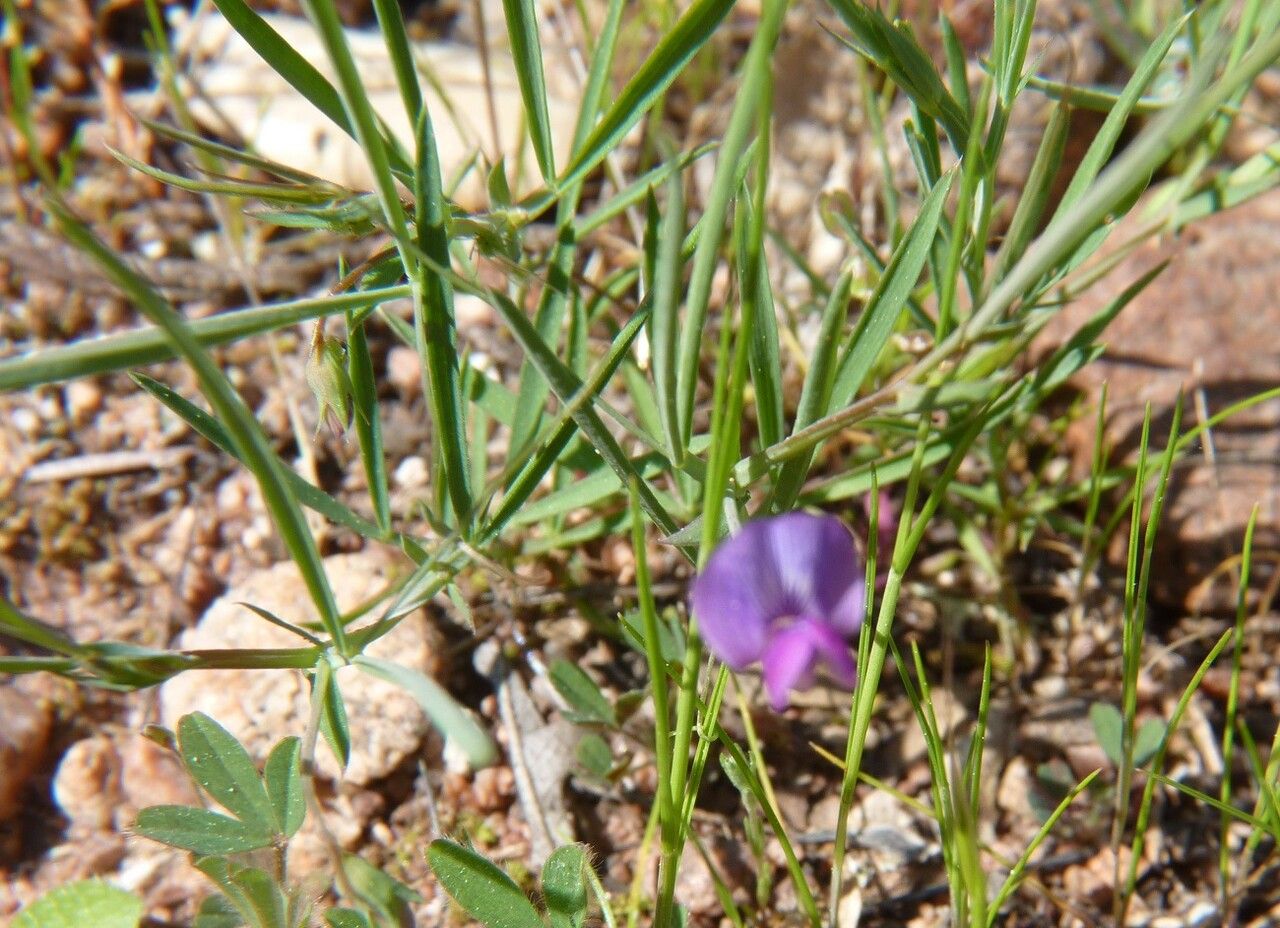
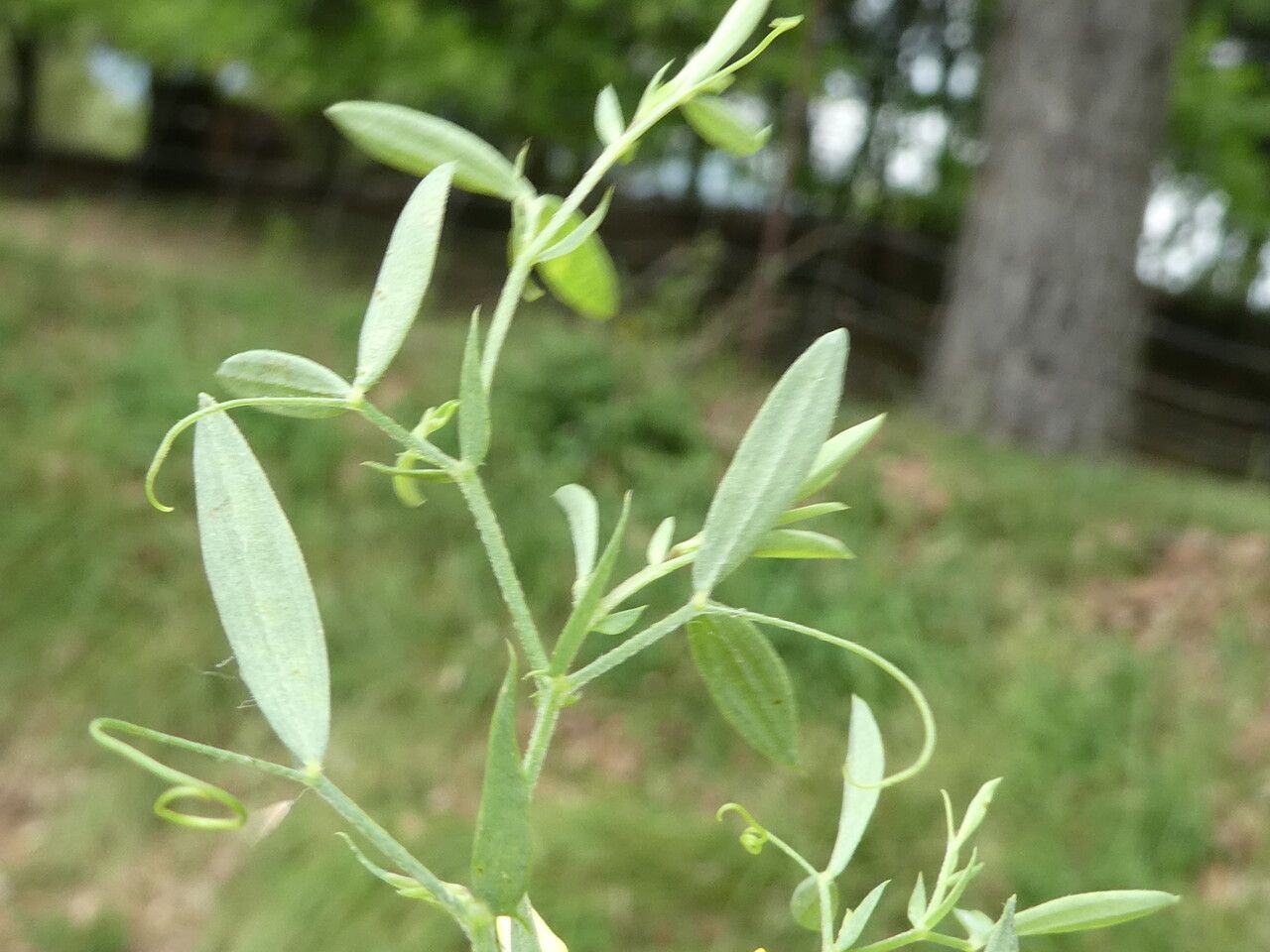
Lathyrus ochrus, commonly known as the yellow pea or yellow vetchling, is a flowering plant species in the Fabaceae family. Native to Europe and western Asia, it thrives in various habitats such as meadows, grasslands, and woodland edges. The plant usually reaches a height of up to 60 cm, featuring slender stems adorned with clusters of bright yellow flowers that bloom from May to July. Its leaves are pinnate, with oval-shaped leaflets arranged oppositely along the stem.
Lathyrus ochrus serves as a crucial food source for many insects, including bees and butterflies. Additionally, it is utilized for erosion control thanks to its nitrogen-fixing capabilities in the soil. However, it is important to note that the plant contains toxic compounds, which can induce paralysis if consumed in large quantities by humans or livestock.
Cyprus vetch is fairly resistant to disease and, in general, does not tend to suffer from illnesses. Still, it can be vulnerable to pests and diseases found in its environment. Such infections are typically mild. Regarding care, this plant needs moderate upkeep. It requires regular pruning to preserve an attractive appearance and healthy growth. Applying fertilizer can also encourage flowering. Cyprus vetch is well suited for anyone with an outdoor area, like a garden or patio, and does not demand extensive gardening experience. It may need additional attention when grown indoors.
How to keep Lathyrus Ochrus.
Light
Cyprus vetch needs plenty of sunlight. That sunlight encourages healthier development and supports its various growth stages. Still, it can cope reasonably well in situations where sunlight is somewhat limited. However, exposure that is either too little or too much can harm its growth.
Water
Originating from the Mediterranean regions, Cyprus vetch thrives in moderate moisture conditions. It requires weekly watering to avoid waterlogging. Typically grown outdoors, this plant adapts well to a range of temperatures and efficiently manages its water usage during the growing season, which helps to enhance flowering.
Temperature
Cyprus vetch is indigenous to cool climates where temperatures range from 68 to 100.4 °F (20 to 38 °C). It favors warmth but can tolerate minor temperature fluctuations. In different seasons, moderate adjustments are recommended to mimic its original habit.
Fertilizer
When most of the Cyprus vetch’s blossoms have opened to full size, it’s time to begin fertilizing again. Around the peak bloom period, apply fertilizer once every three to four weeks, as the weather allows. Then, once Cyprus vetch starts producing fewer new blooms, stop fertilizing; there’s no need to feed the plant when it can’t produce any more blooms.
Pruning
Cyprus vetch is known for its distinctive veined leaves and vibrant blooms. To maintain its health, prune the plant from early to late spring after it has finished flowering. Remove any dead or weak stems to improve air circulation. Be sure to thin out crowded areas to allow more light to reach the plant. Make clean cuts to prevent disease, and always consult local guidelines for the best care practices.
Botanical profile.
- Plant Type
- Herb
- Life Cycle
- Annual
- Genus
- Lathyrus
- Family
- Fabaceae
- Hardiness Zone
- 2-11
- Mature Height
- 61 cm
- Mature Spread
- 20 cm to 49 cm
- Leaf Color
- Light Green, Pale Green
- Leaf Type
- Deciduous
- Flower Color
- White, Green
- Flower Size
- 1.02 cm to 2.03 cm
- Bloom Time
- Mid spring, Late spring
- Planting Time
- Spring, Summer
- Harvest Time
- Early summer, Mid summer
- Native Area
- Libya, Tunisia, Turkey, Montenegro, Cyprus, Greece, Croatia, Morocco, Serbia, Lebanon, Iraq, Syria, Portugal, Italy, Spain, Albania, Algeria, France
Other names.
Reader questions.
How should I water my Cyprus vetch plant?
To water Cyprus vetch, you have various options such as a garden hose with a spray nozzle or a watering can. The good news is that Cyprus vetch isn't too fussy about its water source - it can thrive with rainwater, tap water, or even filtered water. However, it's generally better to avoid watering this plant from above as it may harm the leaves, flowers, and even result in disease. Instead, a drip irrigation system can work wonders for watering Cyprus vetch as it provides even and direct moisture to the soil. When it comes to container-grown Cyprus vetch, you can stick to a similar watering approach while opting for tools like a cup, watering can, or even just your tap to water the soil directly.
What are the sunlight requirements for Cyprus vetch?
Cyprus vetch thrives under full sun conditions, requiring more than 6 hours of sunlight daily for optimal growth. It can also grow in partial sun, which means about 3-6 hours of sunlight. It's crucial to observe the movement of sunlight through your garden to find spots that offer a good balance of light and shade. This ensures the plants receive the ideal amount of sunlight for their health and happiness. Despite its preference for abundant sunlight, Cyprus vetch can manage in less sunny environments but may not grow as robustly. Both too little and too much exposure to sunlight can have negative effects on its growth.
What is the native climate for Cyprus vetch?
Cyprus vetch is native to cool climates, with ideal temperatures ranging from 68 to 100.4 °F (20 to 38 °C). It is adapted to warmth but can also withstand minor temperature fluctuations. To suit its natural habitat, it is beneficial to make moderate seasonal adjustments in care.
What do I need to do if I give my Cyprus vetch too much or too little water?
When your Cyprus vetch plant lacks moisture, the solution is simple
How can I supplement natural light for indoor-grown Cyprus vetch?
For indoor Cyprus vetch that doesn't receive enough natural light, artificial lighting can be a viable solution to promote healthy growth, especially during winter or in spaces with insufficient sunlight. Use LED lights, as they can be tailored to provide specific light wavelengths needed by your plants. The amount of artificial light required varies by plant type: 30-50W per square foot for full sun plants, 20-30W for partial sun, and 10-20W for full shade plants. Position the light source 12-36 inches above the plant, and mimic natural daylight duration by keeping it on for 8-12 hours daily.
How cold can Cyprus vetch tolerate, and how should it be protected in winter?
Cyprus vetch has strong cold resistance and does not usually require special frost protection measures during the winter. However, for temperatures expected to drop below -40°C, protective measures should be taken by covering the plant with insulating materials like soil or straw. It is also advisable to water the plant thoroughly before the first freeze of autumn to ensure the soil remains moist and prevents drought and water scarcity during winter and early spring.
How often do I need to water my Cyprus vetch?
Cyprus vetch requires regular watering throughout the growing season. In spring, you should water this plant once a week. As the season progresses and it gets warmer, you may need to water it two to three times a week. However, be careful not to exceed this rate as it can harm the plant. It's important to keep the soil moist but not overly wet, regardless of how often you water. When watering Cyprus vetch in a pot, you'll need to water more frequently since pot soil can dry out faster. In most cases, water a container-grown Cyprus vetch a few times per week compared to just once per week for an in-ground plant.
What symptoms indicate insufficient or excessive light exposure in Cyprus vetch?
Cyprus vetch may show several symptoms due to inappropriate light levels. Insufficient light can lead to smaller new leaves, leggy growth, faster leaf drop, stunted growth, or lighter-colored new leaves. Excessive sunlight might cause chlorosis, where leaves turn yellow due to chlorophyll breakdown, sunscald characterized by pale or necrotic areas, leaf curling as a defense against water loss, wilting from increased transpiration, and leaf scorching with brown, crispy edges. These symptoms highlight the plant's struggle to adapt to its lighting conditions.
What should be done if Cyprus vetch experiences temperatures below -40°C?
If Cyprus vetch experiences temperatures below -40°C, it can impact its ability to sprout in the spring. Even though the plant is cold-tolerant and may not show changes during winter, extremely low temperatures can cause reduced sprouting or failure to sprout. In spring, it is recommended to remove any parts of the plant that have failed to sprout to encourage new growth.
How much water does my Cyprus vetch plant need?
There are different ways to decide how much water to give to your Cyprus vetch. Some gardeners prefer to check the soil moisture by feeling it and watering until the top six inches are moist. Another method is to follow a specific measurement, like giving about two gallons of water per week, depending on the weather and how quickly the soil dries out. However, it's important to be flexible because sticking strictly to these guidelines might result in overwatering. If you are growing Cyprus vetch in a container, you need to take a different approach. In this case, you should water the soil until all layers are moistened and check for moisture by inserting your finger or observing if water drains from the pot's holes.
How can I adjust light conditions for my Cyprus vetch?
To optimize light conditions for Cyprus vetch, gradually adjust its exposure to sunlight. For indoor plants, move them closer to a south-facing window or supplement with artificial light, ensuring they receive at least 6 hours of direct sunlight. For outdoor plants, adjust their position gradually to avoid sunburn. If natural sunlight is obstructed, identify and reduce these obstructions, like pruning nearby trees. For smaller plants that can be moved, transplant them during their dormant period to a sunnier location with good drainage. Keep in mind, affected parts may not recover, but new growth should be healthy with improved light conditions.
How should Cyprus vetch be cared for during high temperatures?
During summer, it is crucial to ensure that the temperature around Cyprus vetch stays below 38°C. If temperatures exceed 43°C, the plant may exhibit signs of stress such as lighter-colored leaves, curling, susceptibility to sunburn, and in severe cases, wilting and drying out. To mitigate these issues, trim away sunburned and dried-up parts, relocate the plant to a shaded area, or use a shade cloth to protect it during the peak sun hours. Additionally, watering in the morning and evening helps keep the soil moist and supports plant health.