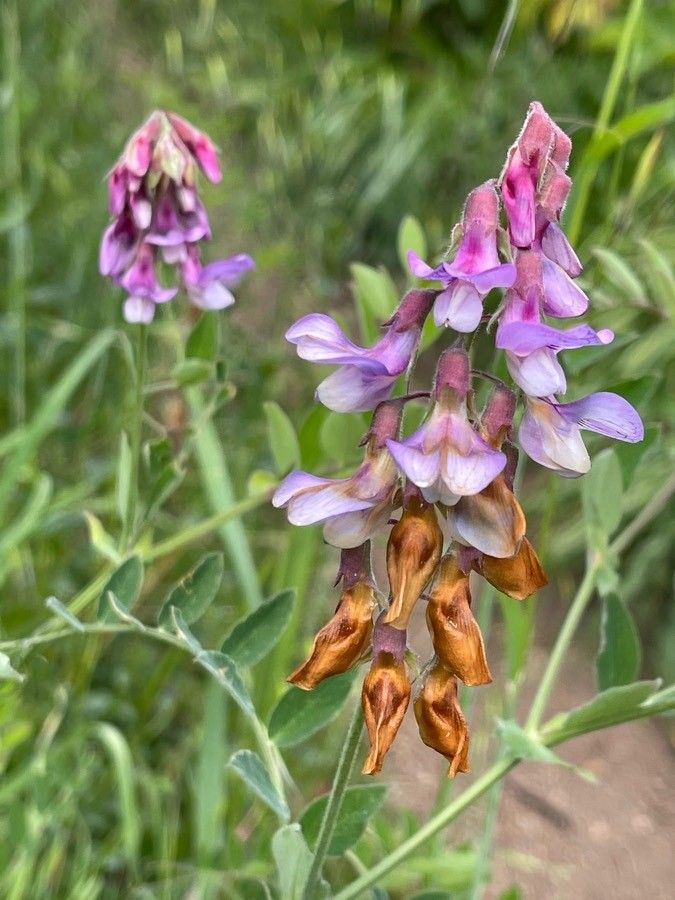
Lathyrus jepsonii, commonly known as Jepson's pea, is a perennial herbaceous plant in the Fabaceae family. Native to California, it thrives in various habitats including meadows, grasslands, and open woodlands.
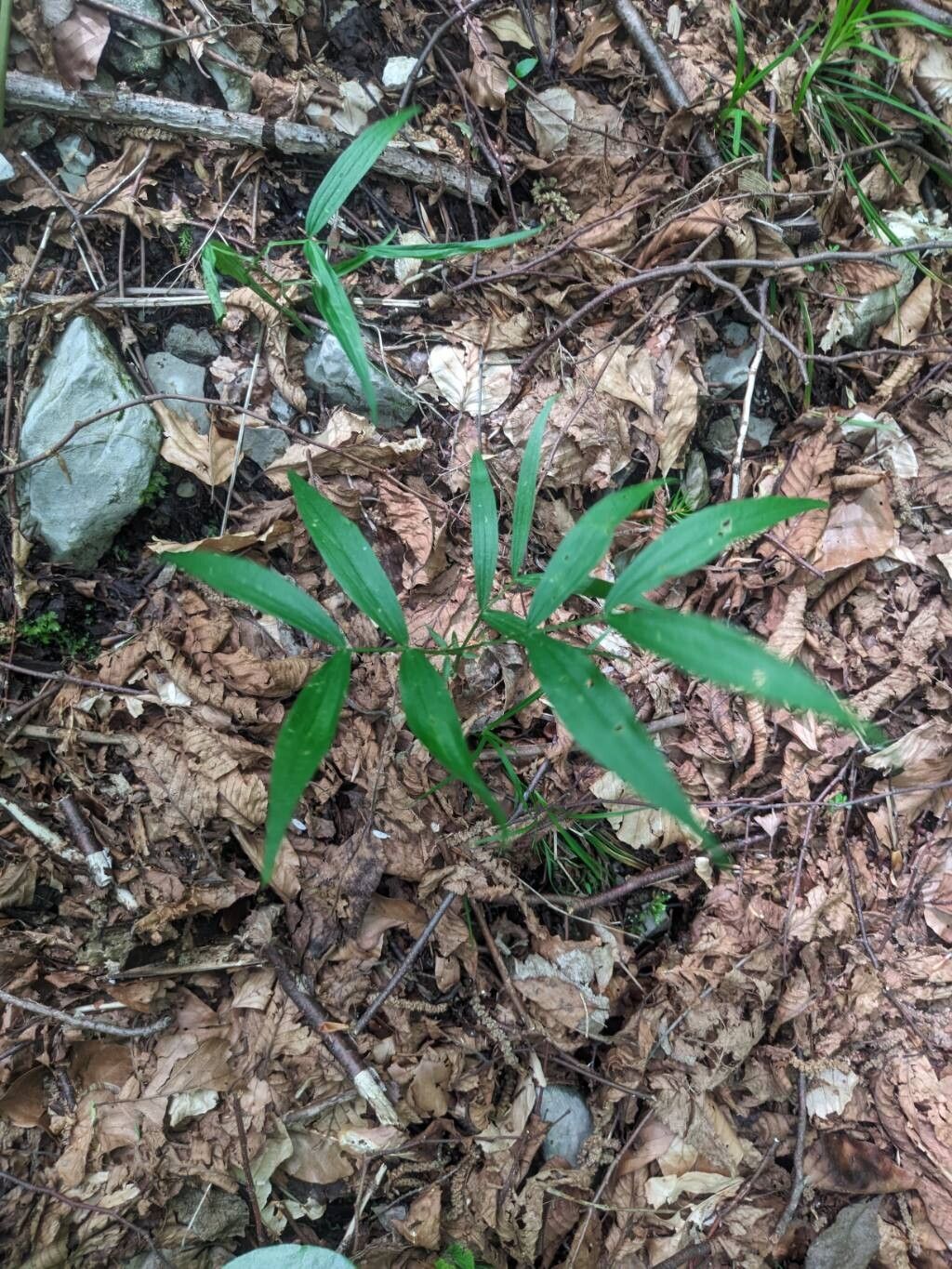
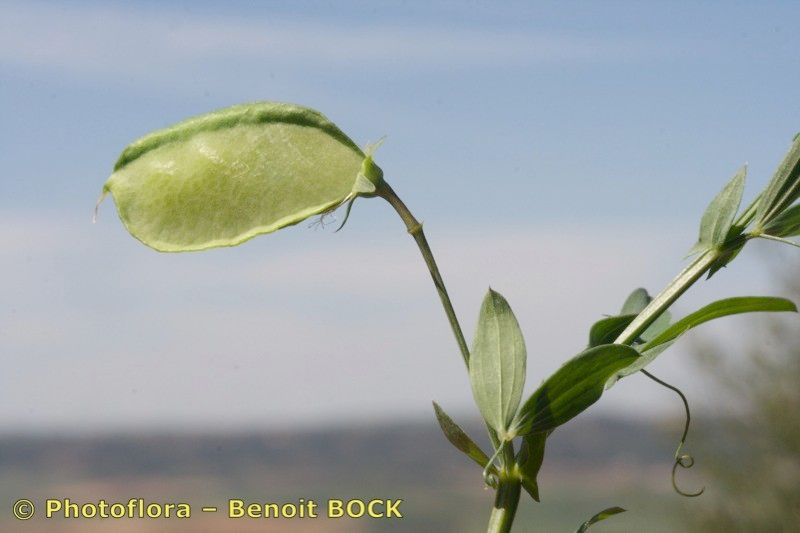
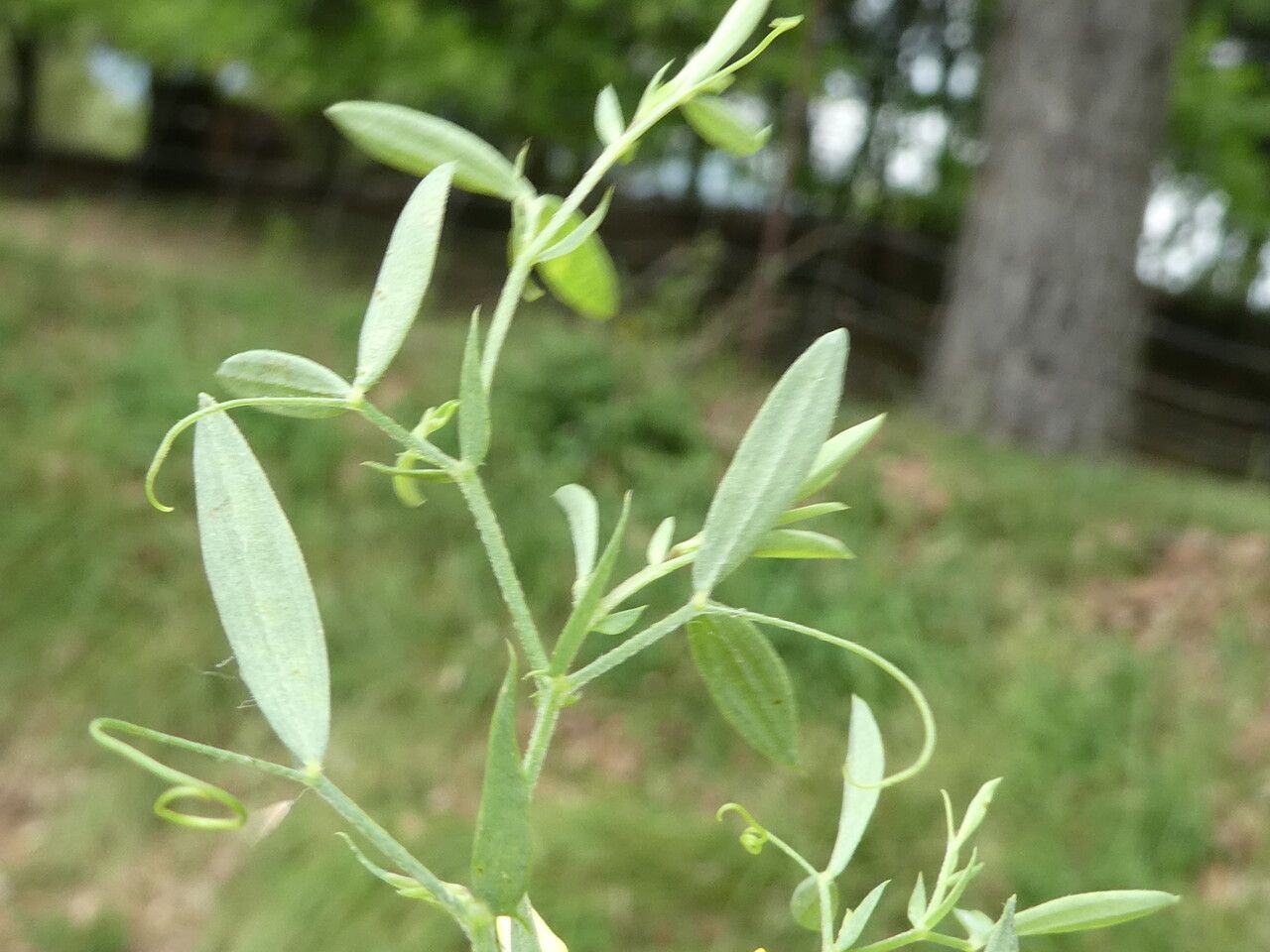
Typically, the plant reaches a height of up to 1 meter, featuring slender stems covered with fine hairs. Its leaves are pinnately compound, consisting of 2-4 pairs of oval-shaped leaflets up to 5 cm long.
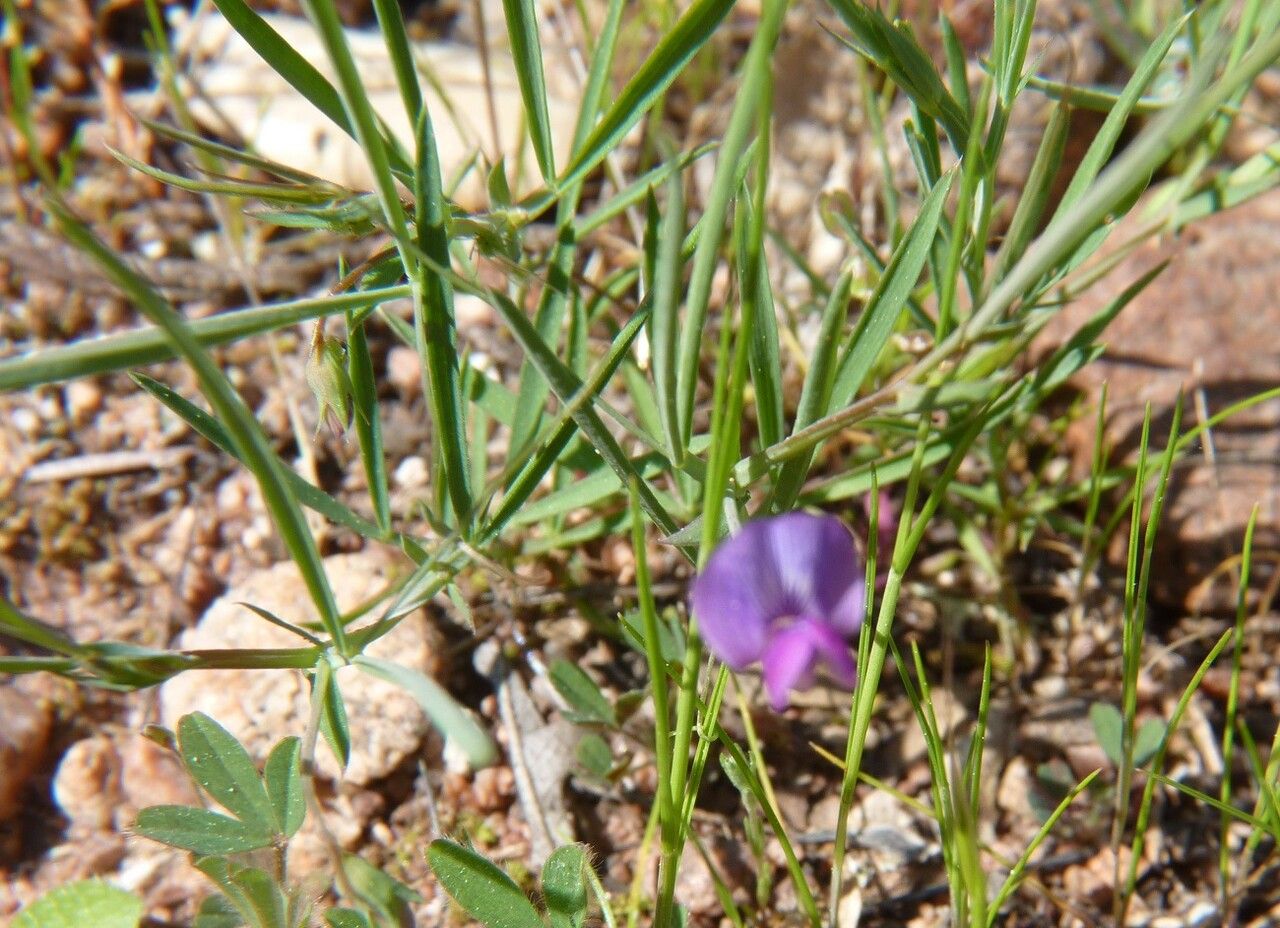
The flowers of Lathyrus jepsonii are notable for their pink or purple color and distinctive keel shape. These blossoms appear from April through June, growing on long stalks above the foliage.
This plant serves as an important food source for pollinators such as bees and butterflies. Additionally, it has been used medicinally; Native Americans employed its roots to treat various ailments including coughs, colds, fever, and sore throats.
Due to its attractive flowers, Lathyrus jepsonii is also used as an ornamental plant in gardens and landscaping. However, all parts of the plant contain toxic compounds that can cause paralysis if ingested by humans or animals. Therefore, consuming this plant without proper preparation by experts who can safely remove the toxins is strongly discouraged.