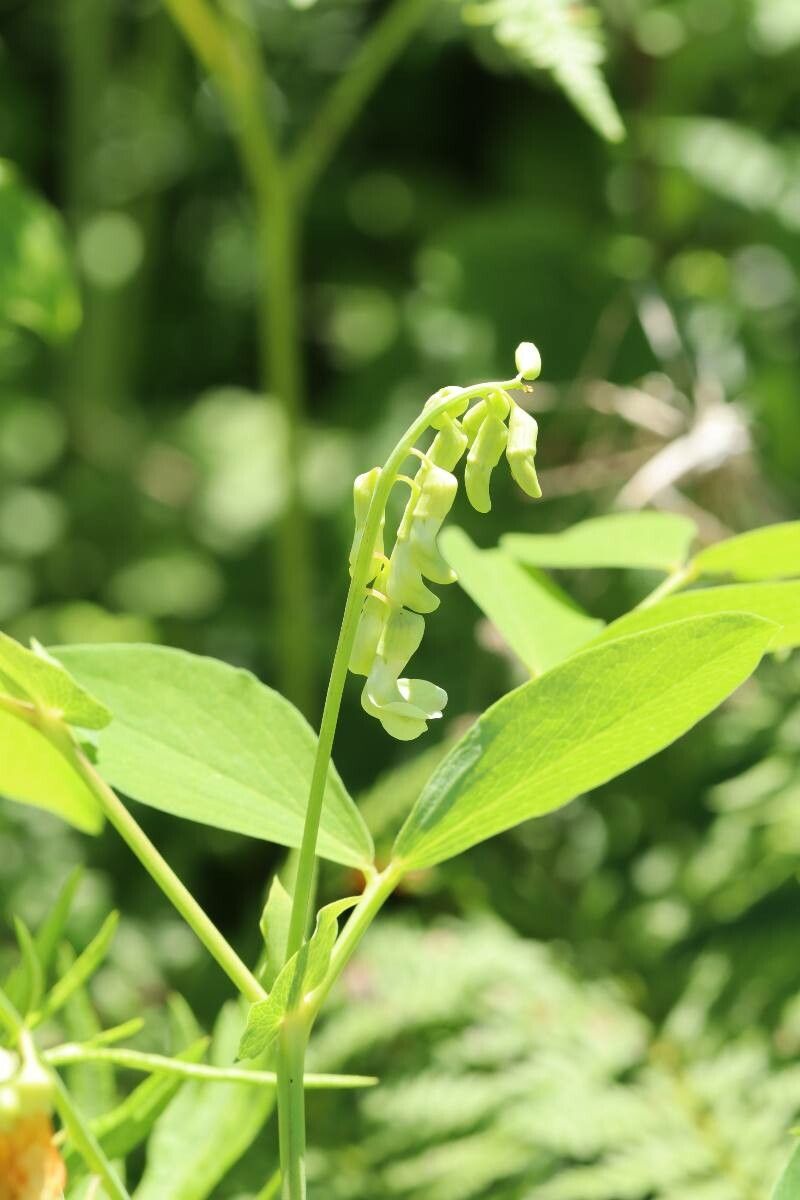
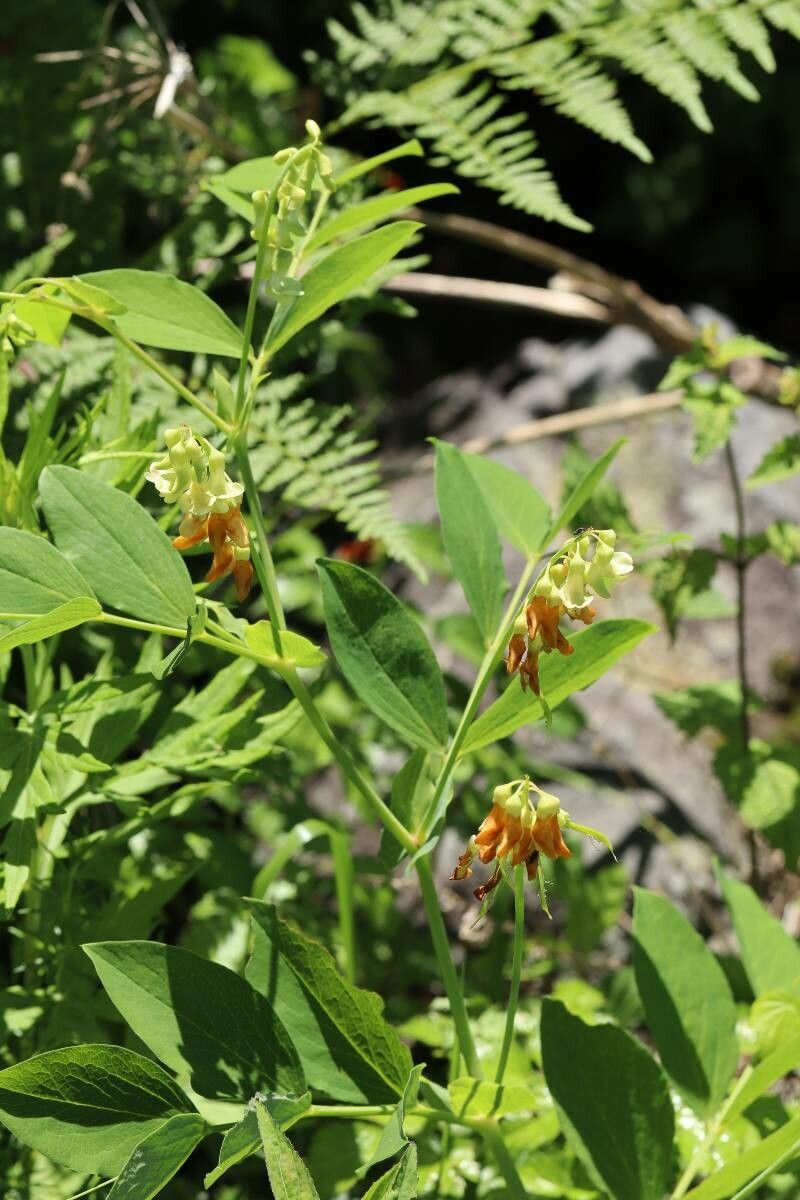
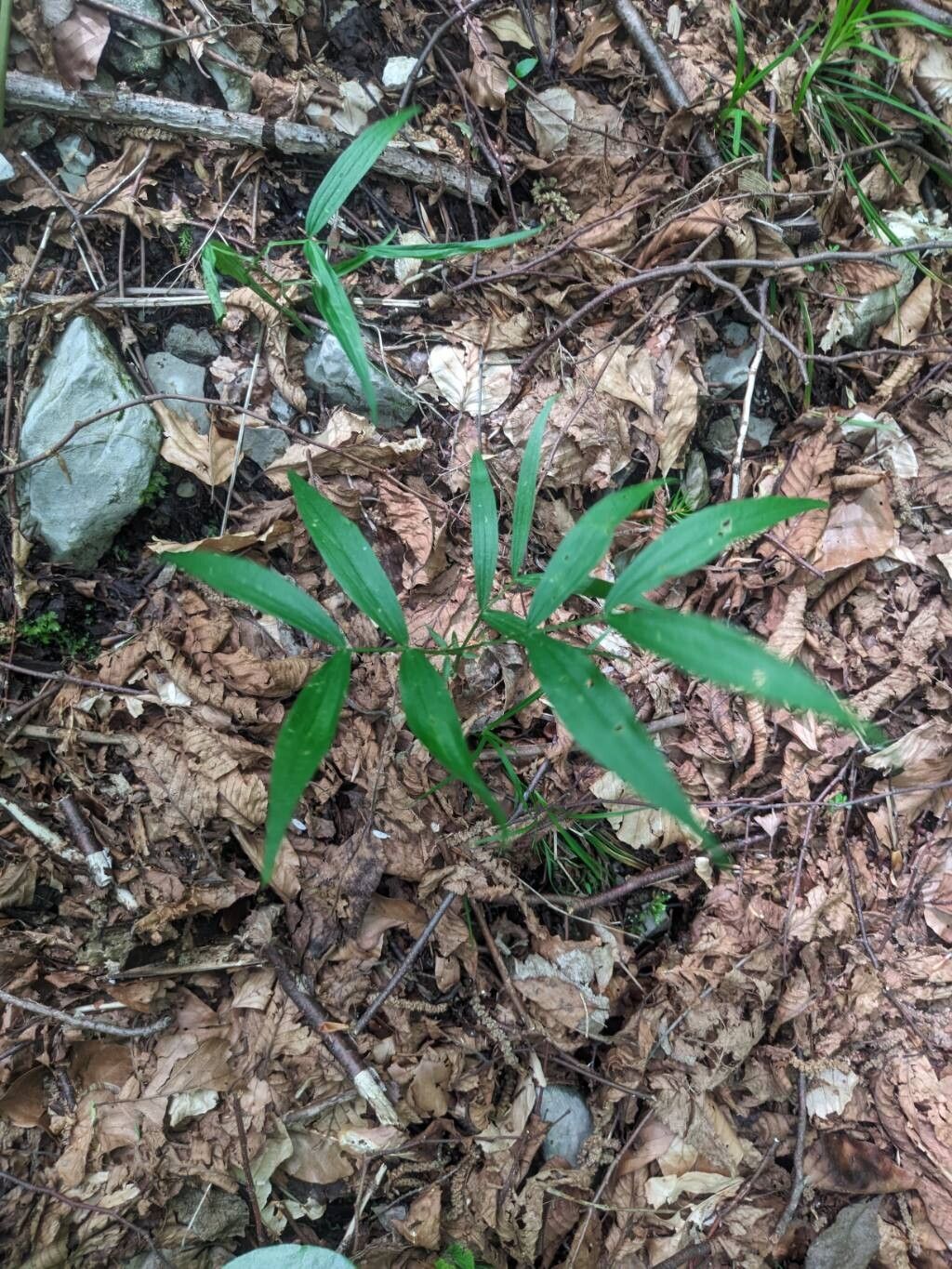
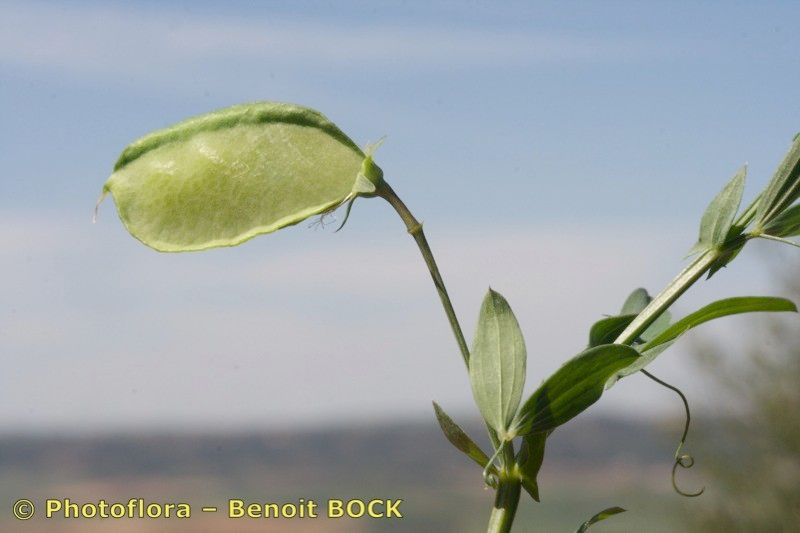
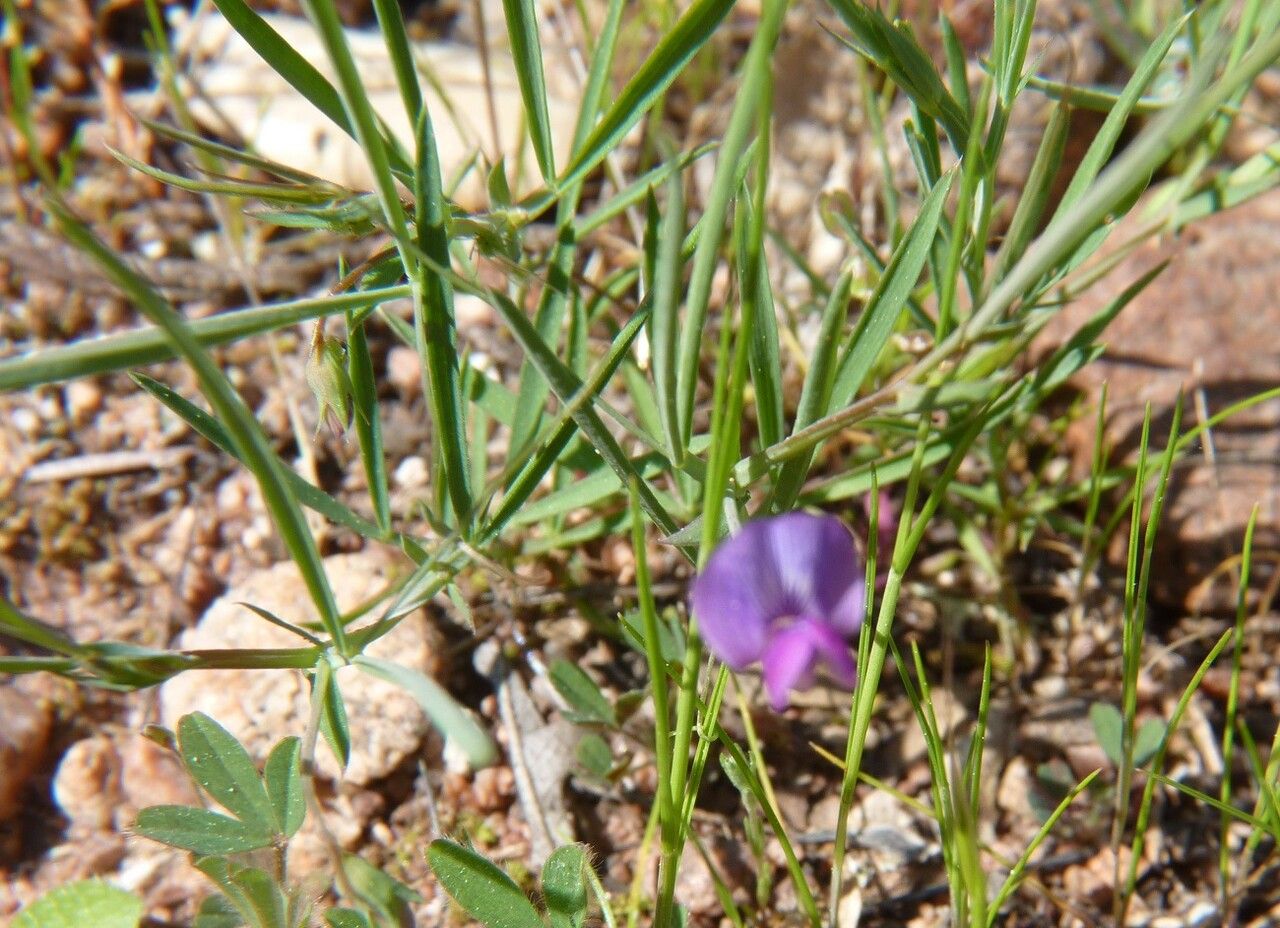
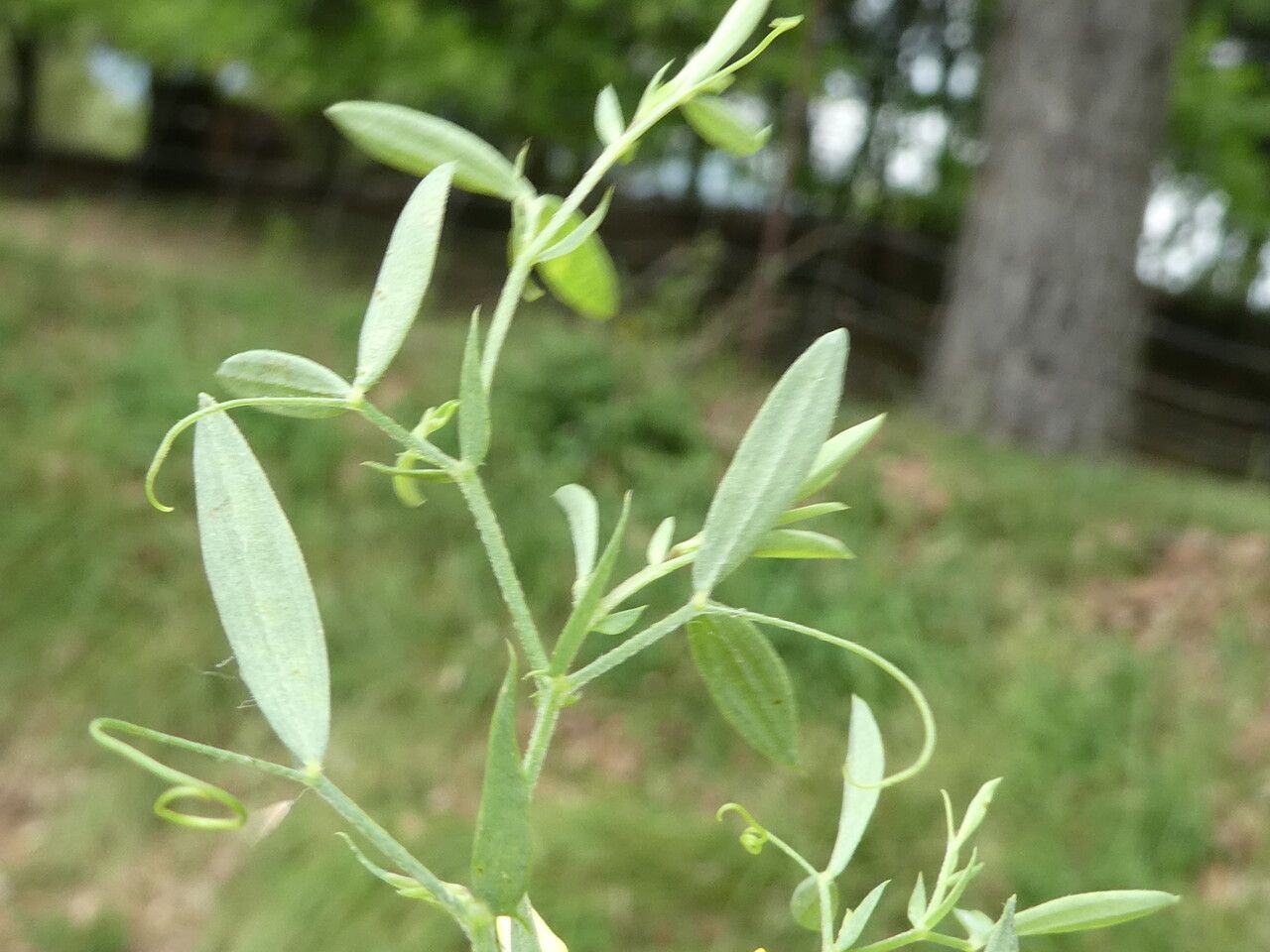
Sweet pea is fairly disease-resistant and is usually not prone to illnesses. Still, it can be affected by pests and diseases present in its environment. These problems are typically mild. Regarding care, this plant needs moderate maintenance. It should be pruned regularly to keep a neat appearance and encourage healthy growth. Applying fertilizer can also aid in boosting blooms. Sweet pea is appropriate for people who have an outdoor area, such as a garden or patio, and does not demand extensive caregiving experience. It may need additional attention when grown indoors.
How to keep Lathyrus Davidii.
Light
Sweet pea is native to habitats like forest understories and rocky areas, where it grows under natural shade. It prefers partial sun but can tolerate full sun or full shade, showing its adaptable and hardy nature.
Water
Sweet peas need more water during the seedling stage to keep the soil moist. Once the plants are established, they become drought-tolerant. To prevent fungal problems, water them directly at the roots. If you are growing sweet peas in pots, you'll need to water them more often because the soil dries out faster, especially in warmer weather.
Temperature
Sweet pea can tolerate a wide range of temperatures, but its distribution may still be restricted by particular combinations of moisture and heat. It performs best in warm summer climates with sufficient rainfall or irrigation. Extended periods of cloudy, rainy weather or sustained high temperatures can raise the risk of Sweet pea dying. In winter, shielding it from the cold can increase its chances of survival.
Fertilizer
The best time to fertilize a Sweet pea is in early spring, as it comes out of dormancy and starts active growth. Fertilizing supplies the essential nutrients needed for healthy development. Although a Sweet pea’s fertilizer requirements are relatively low, applying fertilizer annually can boost its survival and result in better, longer-lasting flowers.
Pruning
To ensure sweet peas thrive, it's important to carefully prune them from early to late spring. Focus on removing dead or damaged stems and managing excessive growth. Pinching back young shoots can encourage bushier growth. Effective pruning not only improves the health and appearance of the plants but also maximizes their blooming potential, creating a vibrant garden display.
Botanical profile.
- Plant Type
- Herb
- Life Cycle
- Perennial
- Genus
- Lathyrus
- Family
- Fabaceae
- Hardiness Zone
- 4-8
- Mature Height
- 0.91 m to 1.83 m
- Mature Spread
- 30 cm to 61 cm
- Leaf Color
- Green
- Leaf Type
- Deciduous
- Flower Color
- Yellow, Orange
- Flower Size
- 1.52 cm to 2.03 cm
- Bloom Time
- Early summer, Mid summer
- Planting Time
- Spring
- Harvest Time
- Late summer, Early fall
- Native Area
- Russia, Japan, Koppen, South Korea, China
Other names.