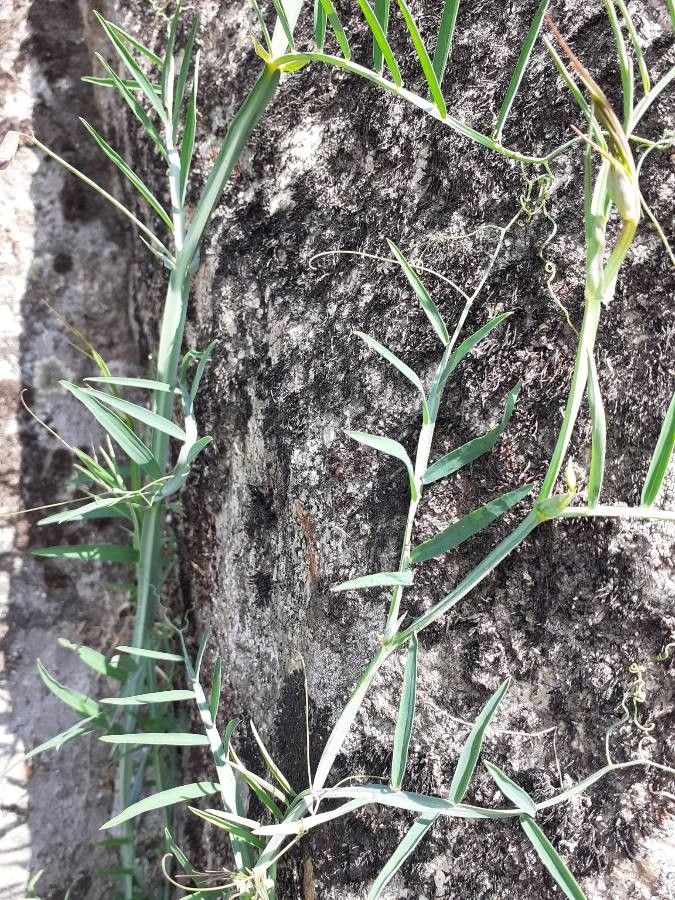
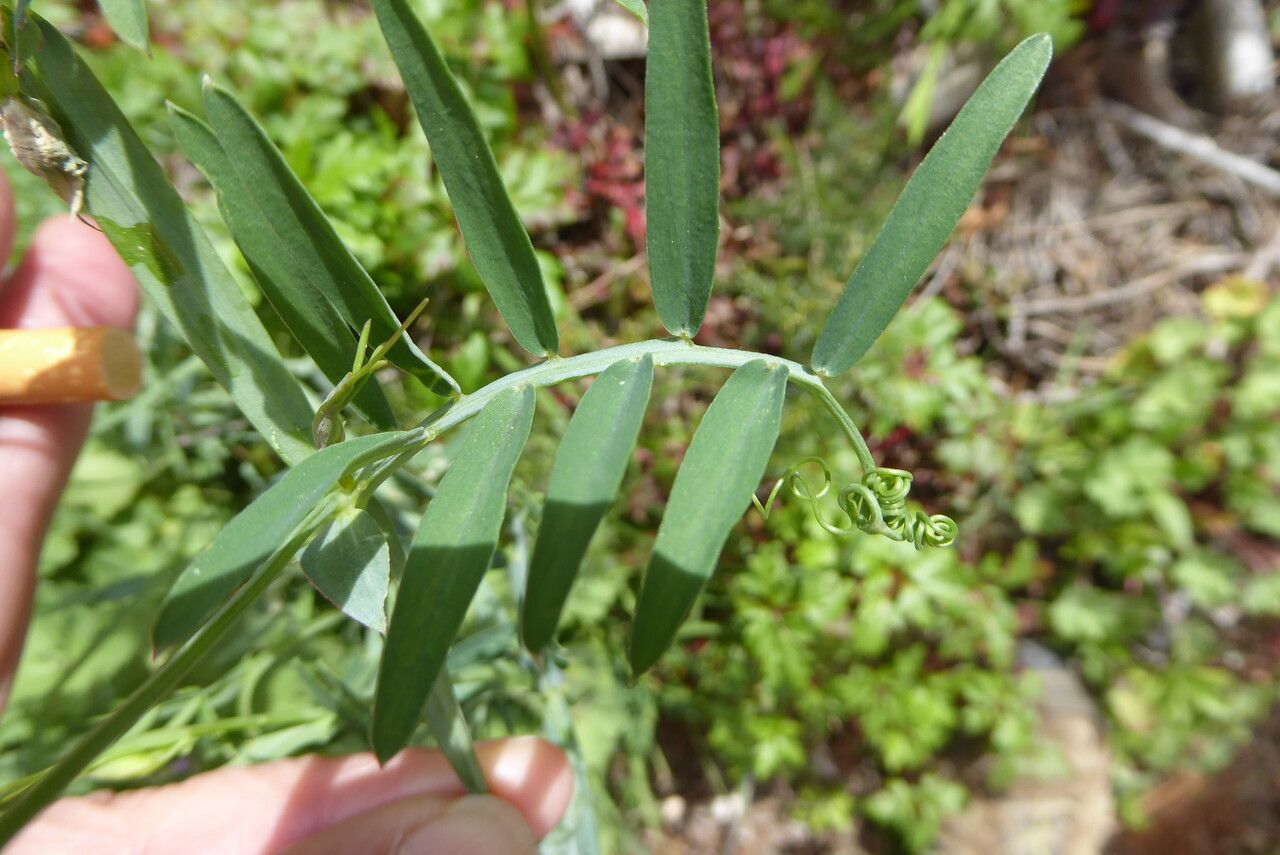
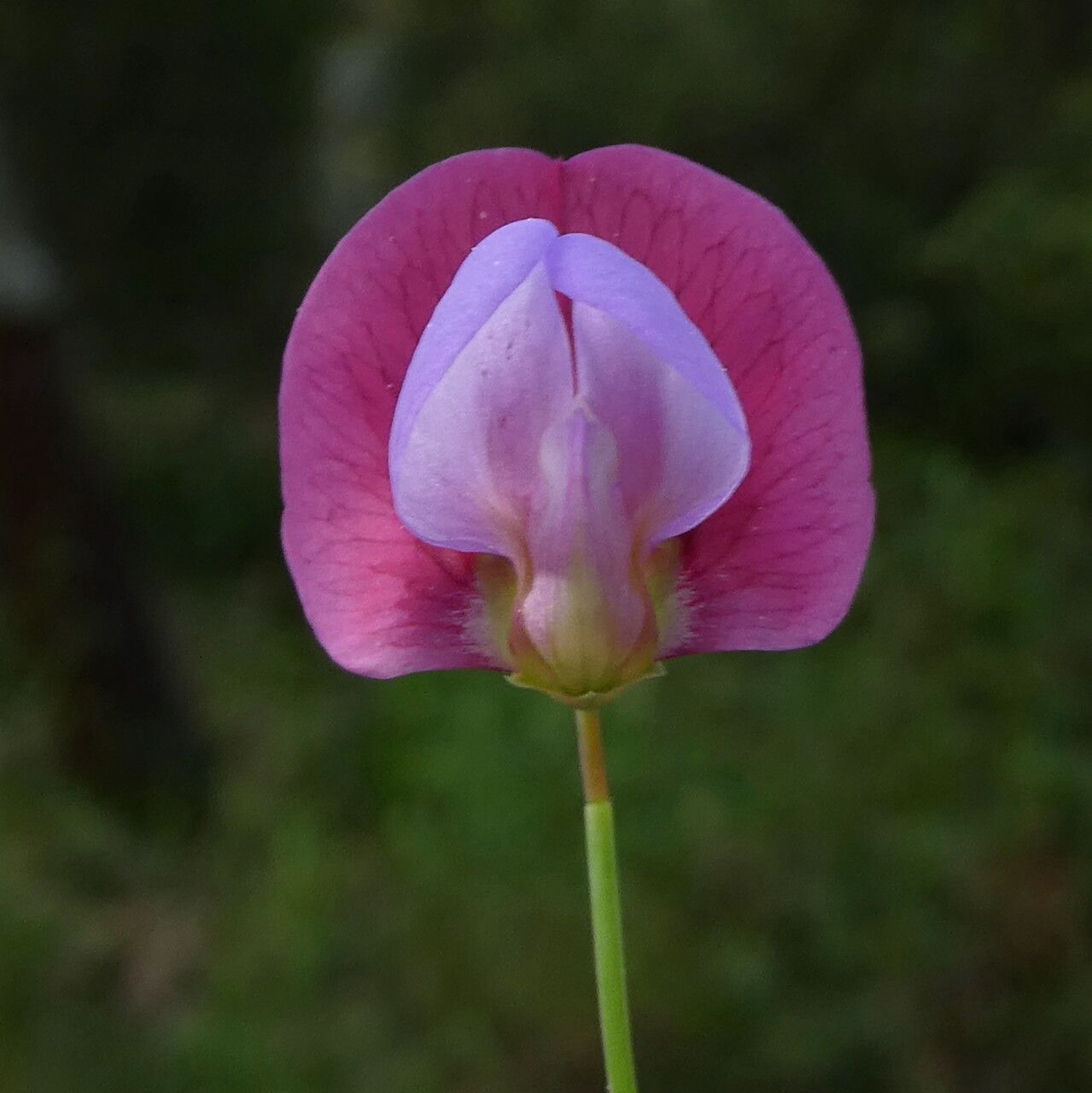
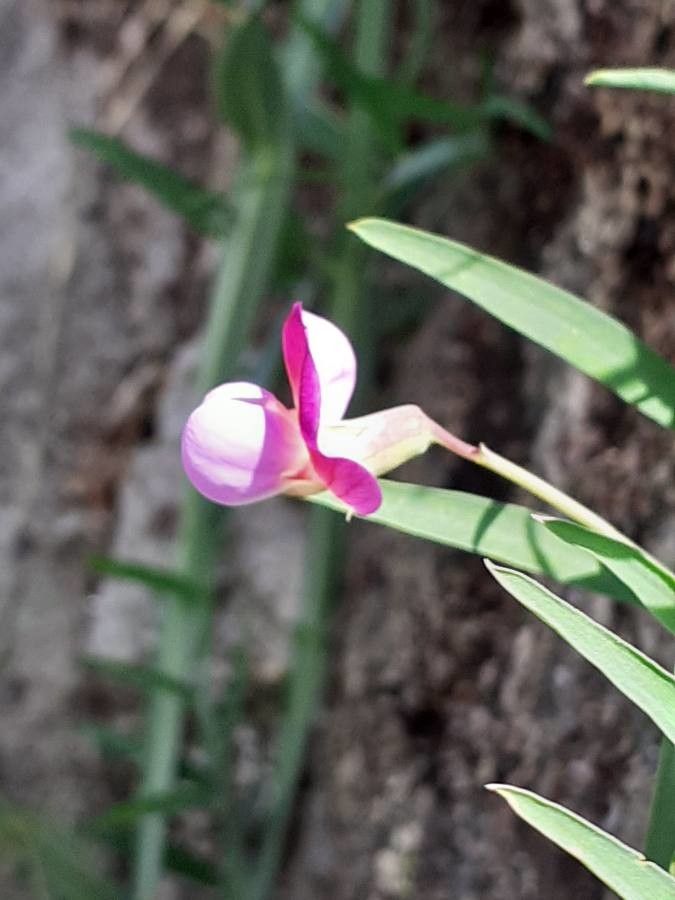
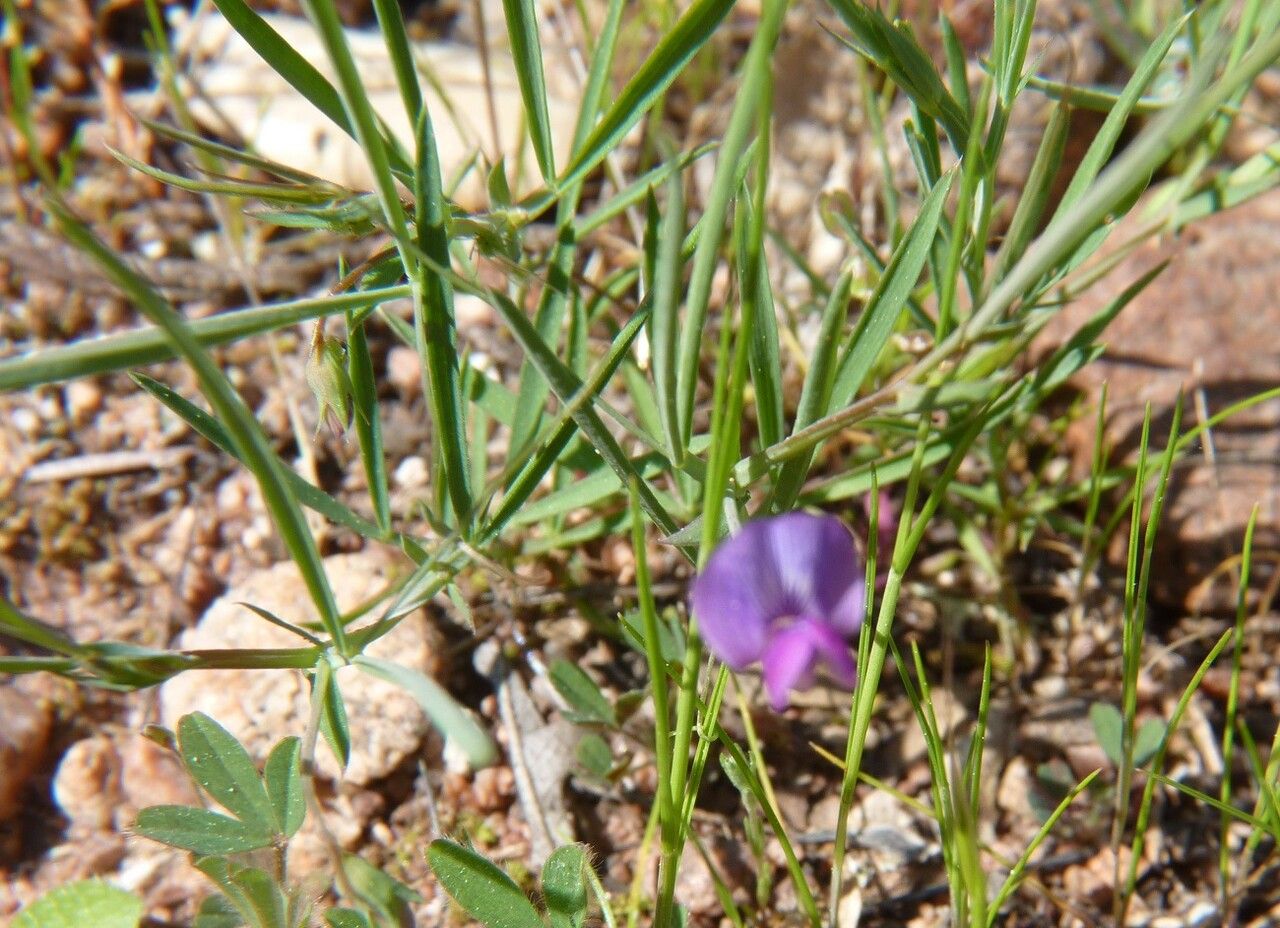
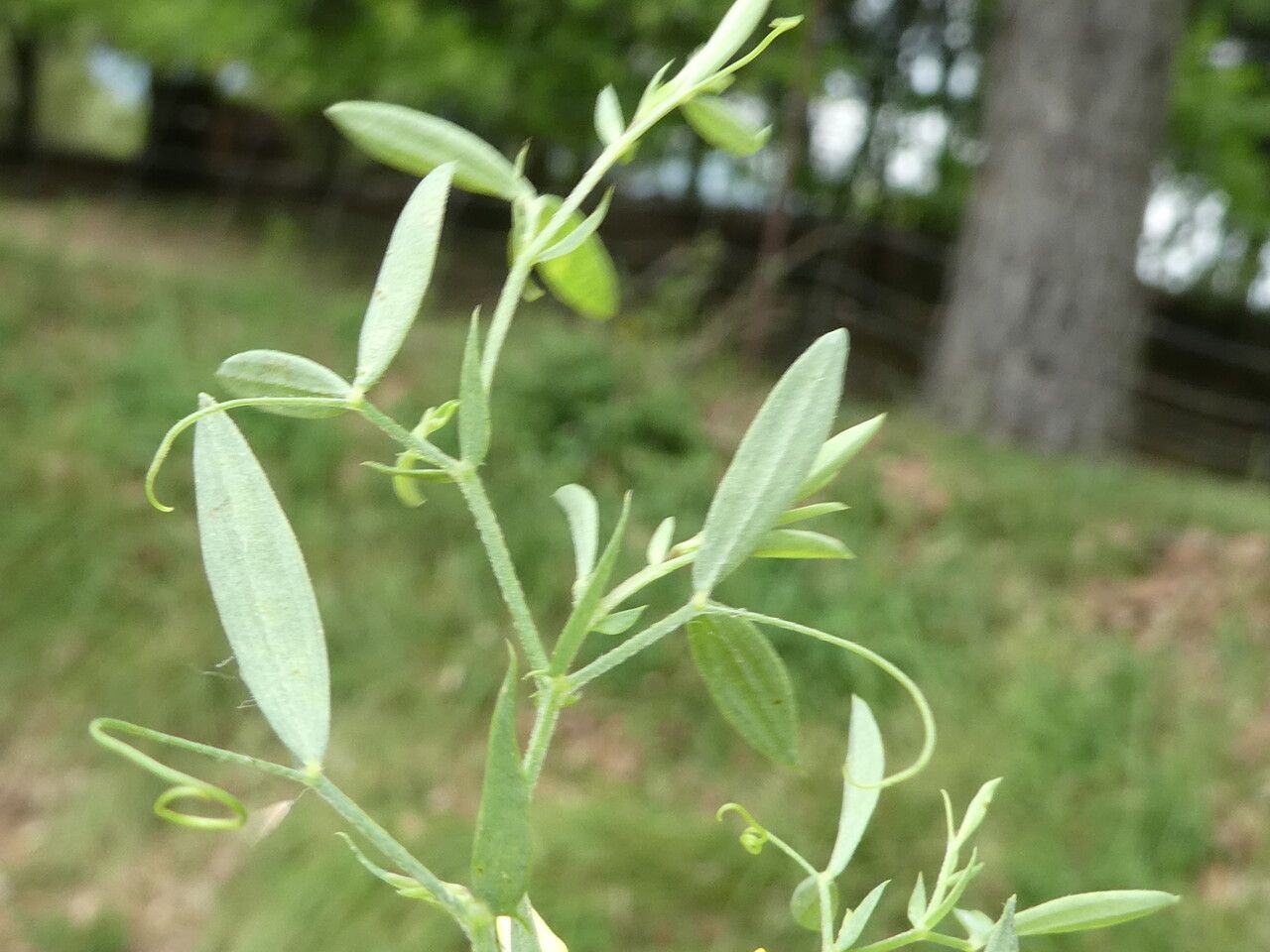
Lathyrus clymenum, commonly known as Spanish pea or Spanish vetchling, is a perennial herbaceous plant in the Fabaceae family. Native to the Mediterranean region, it thrives in various habitats, including meadows, rocky slopes, and open woodlands.
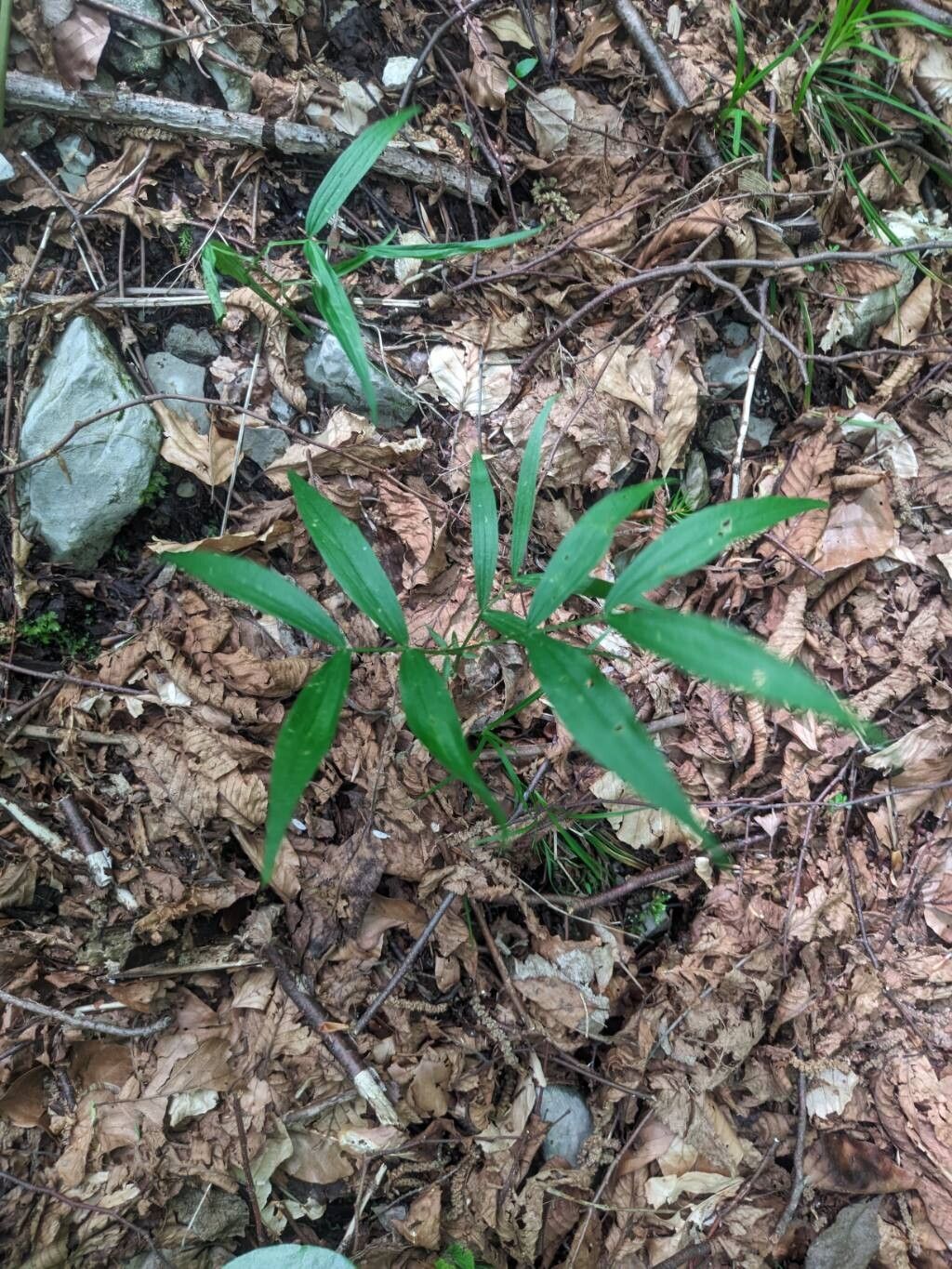
This plant can grow up to 60 cm tall. Its slender stems are covered with fine hairs, and its leaves are pinnate, featuring 4-6 pairs of ovate or lanceolate leaflets. Lathyrus clymenum produces pinkish-purple flowers on long stalks from May to July.
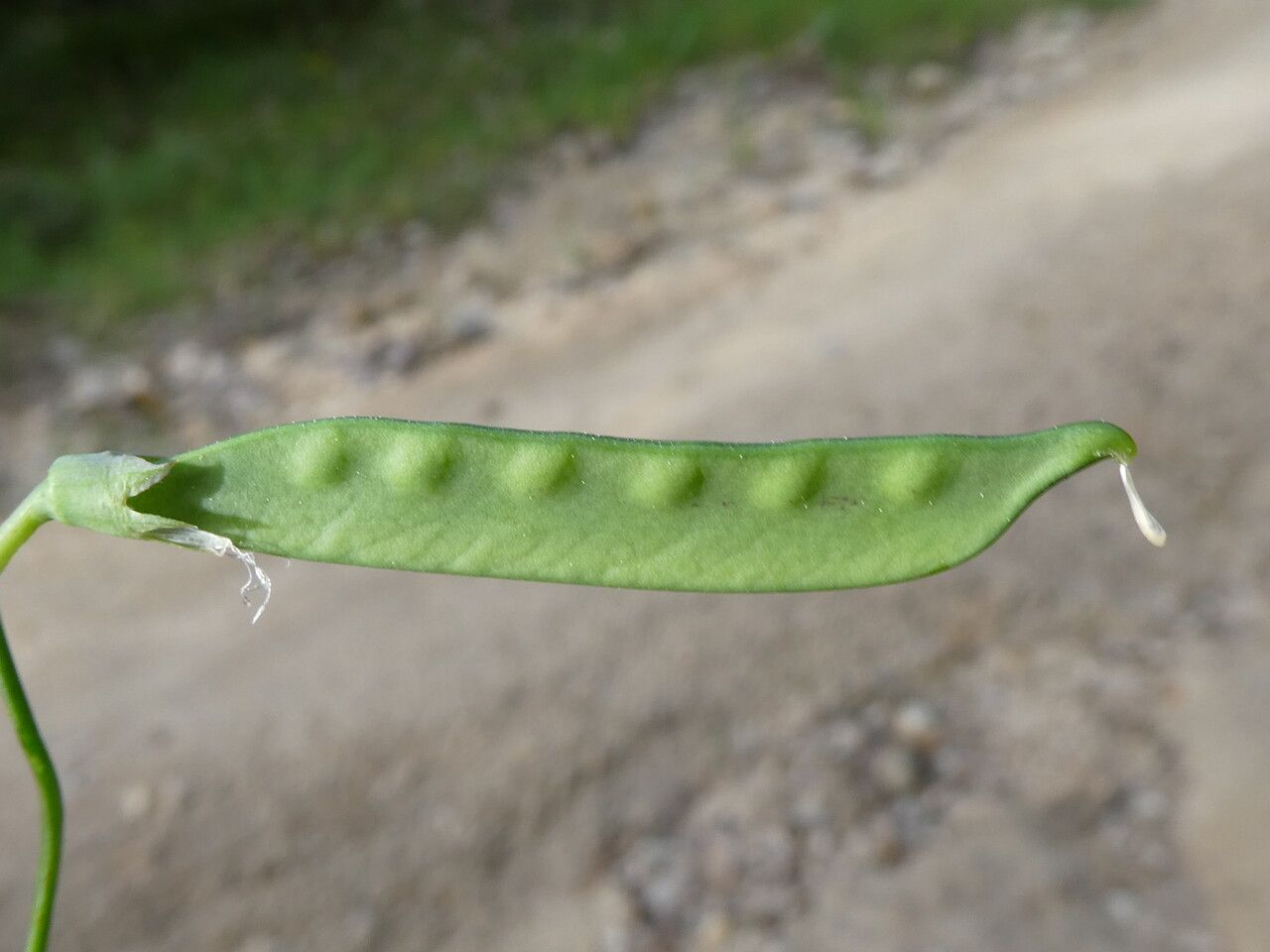
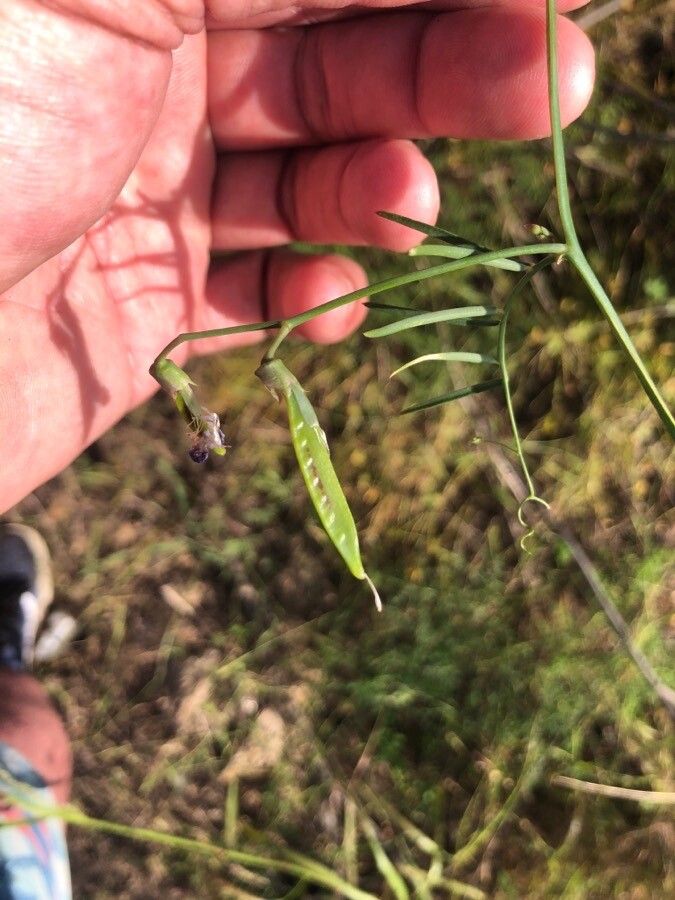
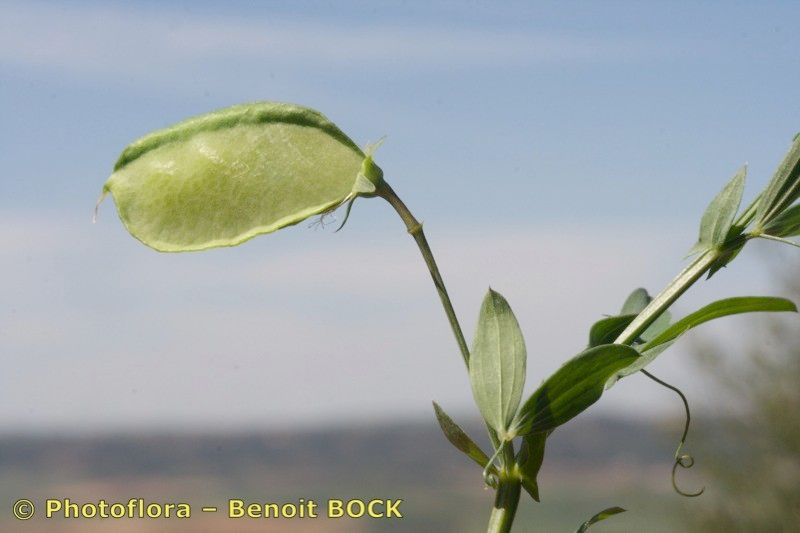
The plant forms pods containing small seeds that are useful both as food and for medicinal purposes. Traditionally, Lathyrus clymenum has been used as a diuretic and to treat respiratory issues such as coughs and bronchitis.
Lathyrus clymenum is also important for pollinators like bees, thanks to its nectar-rich flowers. It is easy to cultivate from seed but requires well-drained soil and full sun exposure.
In summary, Lathyrus clymenum is a beautiful ornamental plant with medicinal properties that supports biodiversity by providing food for pollinators.
Cicercha purpurina has good resistance to disease and is usually not susceptible to illnesses. However, it can be affected by pests and diseases present in its environment. These infections are generally mild. In terms of care, this plant requires moderate maintenance. It should be pruned regularly to keep a neat appearance and support healthy growth. Fertilizing can also help encourage flowering. Cicercha purpurina is appropriate for anyone with an outdoor area, such as a garden or patio, and does not demand extensive plant-care experience. It may need more attention when grown indoors.
How to keep Lathyrus Clymenum.
Light
Cicercha purpurina does best with abundant sunlight. In its native open habitat it receives unrestricted sun exposure. The plant’s healthy growth depends on significant solar exposure, which influences its energy production and photosynthesis. Both insufficient and excessive sun can disrupt these processes and thus hinder growth.
Water
Cicercha purpurina originates from the Mediterranean region and thrives in well-drained soils with moderate humidity. It can withstand short droughts but needs weekly watering to maintain optimal health. When grown outdoors in temperate zones, it benefits from rainwater during the growing season, aligning well with natural precipitation patterns.
Temperature
Cicercha purpurina can adjust to a wide range of temperature conditions, but its distribution may still be restricted by particular combinations of water and heat. It grows best in warm summer climates with sufficient rainfall or watering. Extended periods of cloudy, rainy weather or prolonged high temperatures can increase the chance of Cicercha purpurina dying. In winter, proper protection from cold can raise the plant's survival rate.
Fertilizer
When Cicercha purpurina has opened the majority of its flowers to full size, begin fertilizing again. During the peak bloom period, apply fertilizer once every three to four weeks, weather permitting. Then, when Cicercha purpurina starts producing fewer new flowers, stop fertilizing; there is no need to feed the plant once it can no longer produce additional blooms.
Pruning
The Cicercha purpurina is known for its vibrant purple flowers and strong climbing habit. To encourage blooming, improve air circulation, and reduce pests, prune it from early to late spring. Remove dead stems and trim long vines to promote healthier growth and abundant flowering.
Botanical profile.
- Plant Type
- Herb
- Life Cycle
- Annual
- Genus
- Lathyrus
- Family
- Fabaceae
- Hardiness Zone
- 3-7
- Mature Height
- 61 cm
- Mature Spread
- 49 cm
- Leaf Color
- Green
- Leaf Type
- Deciduous
- Flower Color
- Purple, Pink
- Flower Size
- 2.03 cm to 3.05 cm
- Bloom Time
- Late spring, Early summer, Mid summer
- Planting Time
- Spring, Summer, Autumn
- Harvest Time
- Mid summer, Late summer, Early fall
- Native Area
- Libya, Tunisia, Portugal, Italy, Spain, France, Montenegro, Albania, Algeria, Greece, Croatia, Morocco, Serbia
Other names.
Reader questions.
How should I water my Cicercha purpurina plant?
To water Cicercha purpurina, you have several options for watering tools such as a garden hose with a spray nozzle or a watering can. This plant is not very particular about its water source and can survive with rainwater, tap water, or filtered water. It's important to avoid watering from above as it can harm the leaves and flowers and make the plant more susceptible to disease. A drip irrigation system is often the best way to water Cicercha purpurina since it provides even and direct watering to the soil. If you have a Cicercha purpurina in a container, you can use a cup, watering can, or tap to water it directly on the soil.
What are the sunlight requirements for Cicercha purpurina?
Cicercha purpurina, also known as Lathyrus clymenum, thrives in environments with abundant sunlight, mimicking its native open habitats. For optimal growth, it requires full sun, which is defined as more than 6 hours of direct sunlight per day, though it can also tolerate partial sun, receiving about 3-6 hours of sunlight. It's important to observe how sunlight moves through your garden to find spots that offer the right balance of light and shade, ensuring your plants' happiness. The plant's energy production and photosynthesis, crucial for its health, are significantly impacted by the amount of sunlight it receives. Insufficient or excessive sunlight can impair these processes, affecting the plant's growth.
What should I do if I give my Cicercha purpurina plant too much or too little water?
To prevent underwatering Cicercha purpurina, consistently water it when it appears dry. Overwatering can be more problematic, leading to disease and plant death. To avoid this, choose a growing location with ample sunlight and proper drainage. If your potted plant is overwatered, consider changing to a new pot with better drainage. Use loose soil and a pot that drains efficiently when repotting.
How does artificial lighting support Cicercha purpurina growth?
Indoor plants like Cicercha purpurina require adequate lighting for optimal growth, especially when natural sunlight is insufficient, such as in winter or less sunny spaces. Artificial lighting serves as an important solution, promoting faster, healthier growth. LED lights are a popular choice because they can be customized to provide specific wavelengths of light needed by plants. For full sun plants, 30-50W/sq ft of artificial light is needed; partial sun plants require 20-30W/sq ft, and full shade plants need 10-20W/sq ft. The artificial light source should be placed 12-36 inches above the plant, mimicking natural sunlight, and most plants need 8-12 hours of light per day.
How frequently should I water my Cicercha purpurina plant?
To properly care for your Cicercha purpurina, follow these watering guidelines: In the growing season, water the plant once a week. As the season progresses and temperatures rise, increase watering to two to three times per week. However, be careful not to overwater, as that can harm the plant. Regardless of watering frequency, ensure that the soil is consistently moist but not excessively wet. If your Cicercha purpurina is in a pot, it may need more frequent watering due to faster soil drying. Generally, plan to water container-grown plants a few times per week compared to once per week for plants in the ground.
What are the symptoms of inadequate lighting in Cicercha purpurina?
When Cicercha purpurina is grown indoors under inadequate light, it may show several symptoms indicating light deficiency. New leaves might grow smaller than those previously matured, and the plant could exhibit leggy or sparse growth, characterized by longer spaces between leaves or stems, giving it a stretched-out appearance. Early leaf drop can occur as the plant sheds older leaves to conserve resources for new growth, leading to a halt or delay in the production of new leaves. Inadequate sunlight may also cause new leaves to appear lighter in color or develop chlorosis, a condition where leaves lose their green color and turn yellow, indicating a lack of chlorophyll and essential nutrients. Additionally, symptoms like sunscald, leaf curling, wilting, and leaf scorching can manifest due to too much direct sunlight exposure.
How much water does my Cicercha purpurina plant need?
Determining the appropriate amount of water for your Cicercha purpurina can be done in a few different ways. One method is to feel the soil to assess its moisture level, and water until the first six inches of soil feel moist. Another option is to use a set measurement, such as giving your plant about two gallons of water per week, taking into account the temperature and rate of soil drying. However, sticking strictly to these guidelines could result in overwatering if your plant requires less water. When growing Cicercha purpurina in a container, a different approach is needed. In this case, you should water until all layers of dry soil are moistened, which can be checked by inserting your finger into the soil to feel for moisture. Additionally, you can continue watering until you observe a slight trickle of excess water coming out of the pot's drainage holes.
What solutions are available for Cicercha purpurina facing light-related issues?
To address light-related issues in Cicercha purpurina, several solutions can be implemented. For indoor plants, gradually moving them to a location with at least 6 hours of direct sunlight daily is recommended. This can be achieved by using a south-facing window and keeping curtains open during daylight hours. Artificial lighting, such as professional plant grow lights or keeping a desk or ceiling lamp on for at least 8 hours daily, can supplement natural light. Outdoors, gradually moving plants to sunnier spots each week helps them adapt without risking sunburn. It's essential to avoid drastic changes in light exposure. If light obstruction is an issue, reduce it by pruning trees or branches that block sunlight. For smaller plants, transplanting during the dormant period, usually late winter or early spring, to a location with ample sunlight and good drainage can be beneficial. However, parts of the plant affected by insufficient sunlight may not recover, though new growth should be healthy with increased light exposure.
How do I know if I'm giving enough water to my Cicercha purpurina?
Avoiding overwatering your Cicercha purpurina can be a bit challenging. On one hand, these plants have deep roots that need weekly watering. On the other hand, they are very prone to root rot, which can cause browning. Underwatering is less likely because these plants can survive without extra water for a while. However, if you wait too long to water, it will start to wilt and its leaves may become dry.
How do I water my Cicercha purpurina throughout the year?
As the seasons change, the water needs of your Cicercha purpurina will also change. In spring, watering once a week should be sufficient. However, as summer arrives and the heat increases, you may need to water your Cicercha purpurina about three times a week, especially if it is grown in a container. Containers tend to dry out faster than ground soil in warm weather. In autumn, when the temperature cools down and the sun is not as strong, your Cicercha purpurina may need slightly less water, even though it is still in bloom.
How do I water my Cicercha purpurina at different stages of growth?
Cicercha purpurina goes through different growth stages throughout the year, each with its own water requirements. To start, you'll plant the Cicercha purpurina as a seed and need to provide more water during germination, keeping the soil consistently moist. As it grows above the soil, it will require slightly less water than when it was a seedling. Once the plant is mature, you can water it once per week. During flower development, slightly more water may be needed to support the process.
What's the different way to water Cicercha purpurina inside and outside?
Most Cicercha purpurina plants grow better outdoors for a couple of reasons. Firstly, these plants tend to grow quite tall, which can be challenging to accommodate indoors. Secondly, Cicercha purpurina requires more daily sunlight than most indoor locations can offer. However, if you can provide a suitable indoor growing environment, keep in mind that you might need to water your Cicercha purpurina more frequently compared to an outdoor setting. This is mainly because indoor locations are often drier due to HVAC units, and soil in containers can dry out faster than soil in the ground.