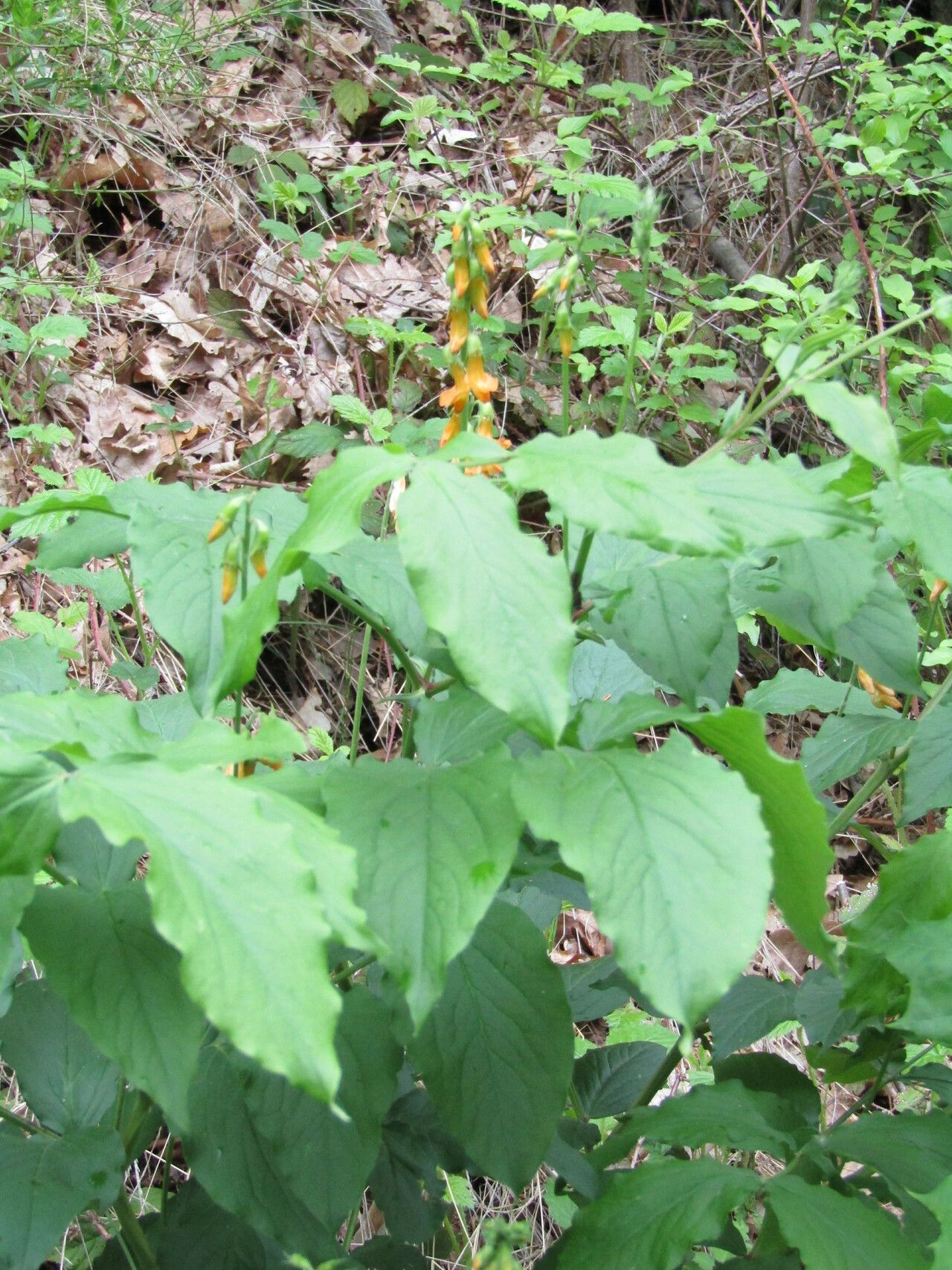
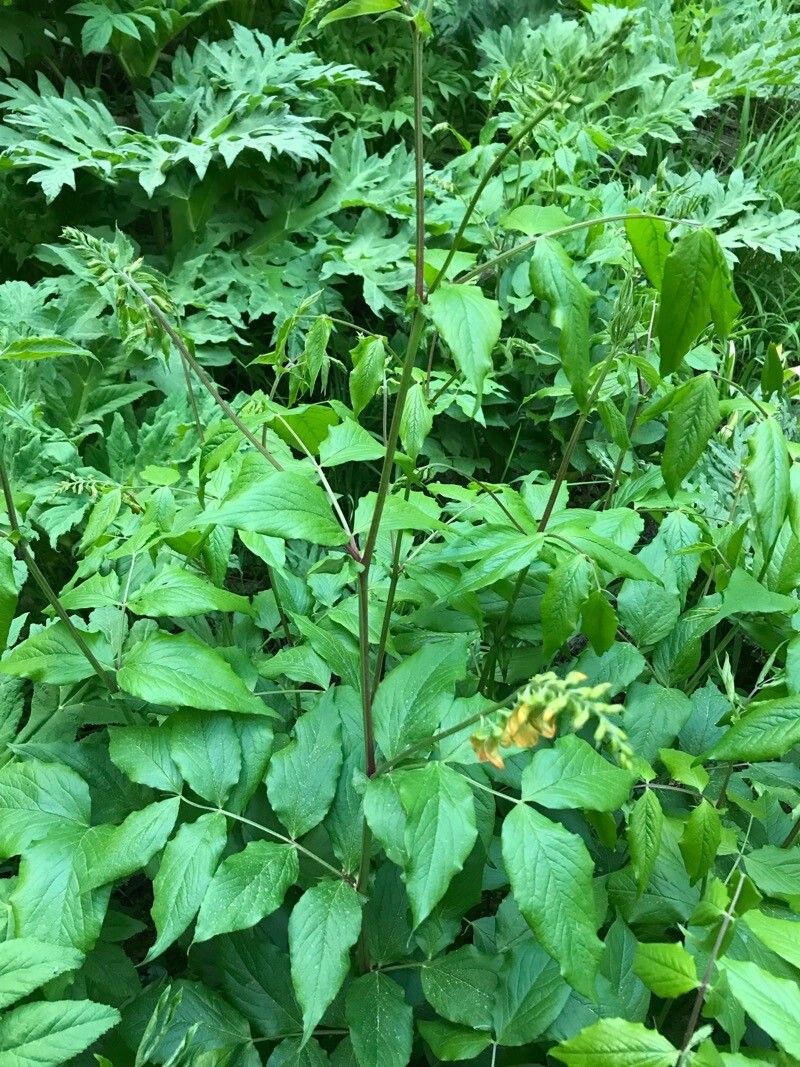
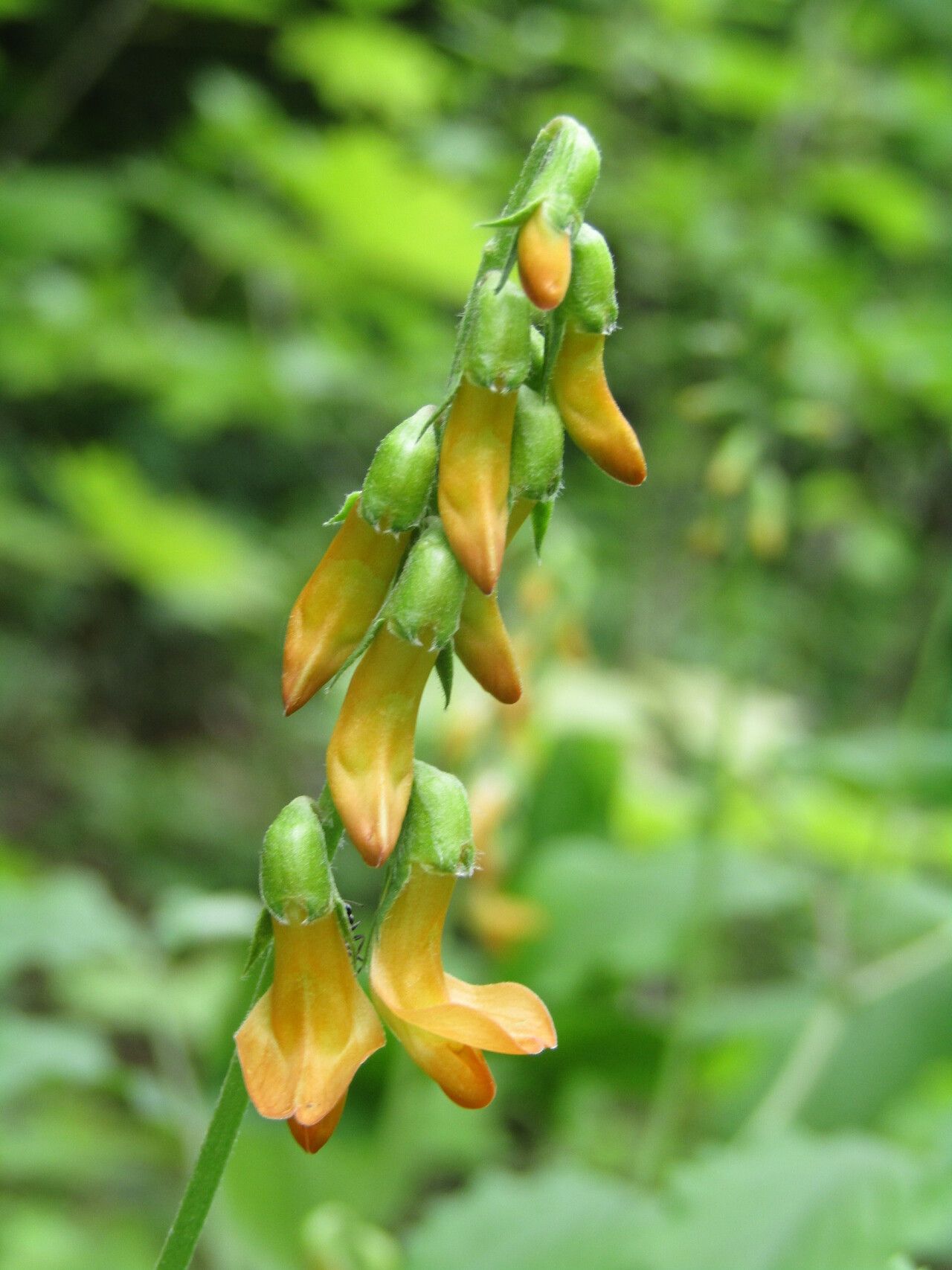
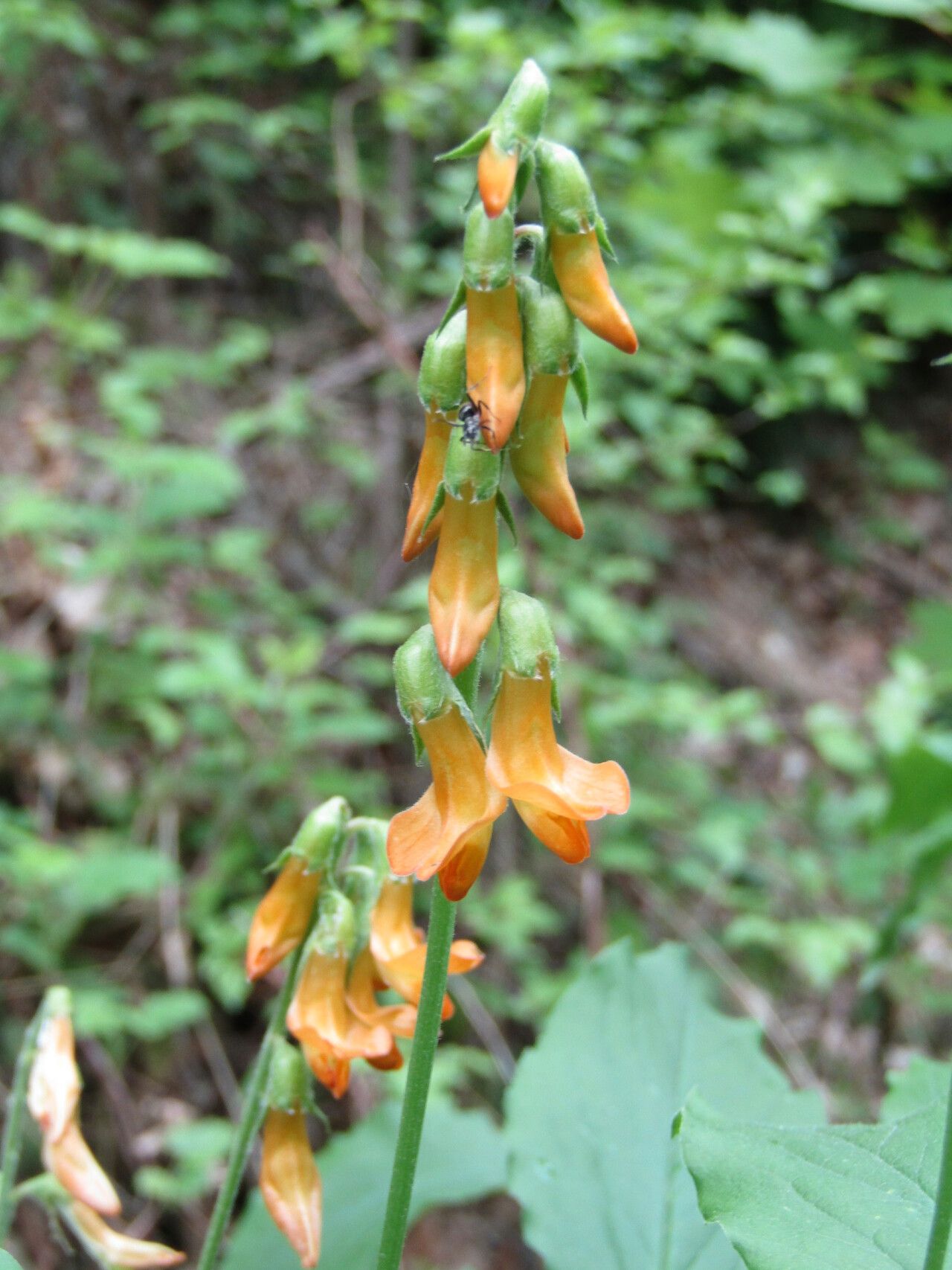
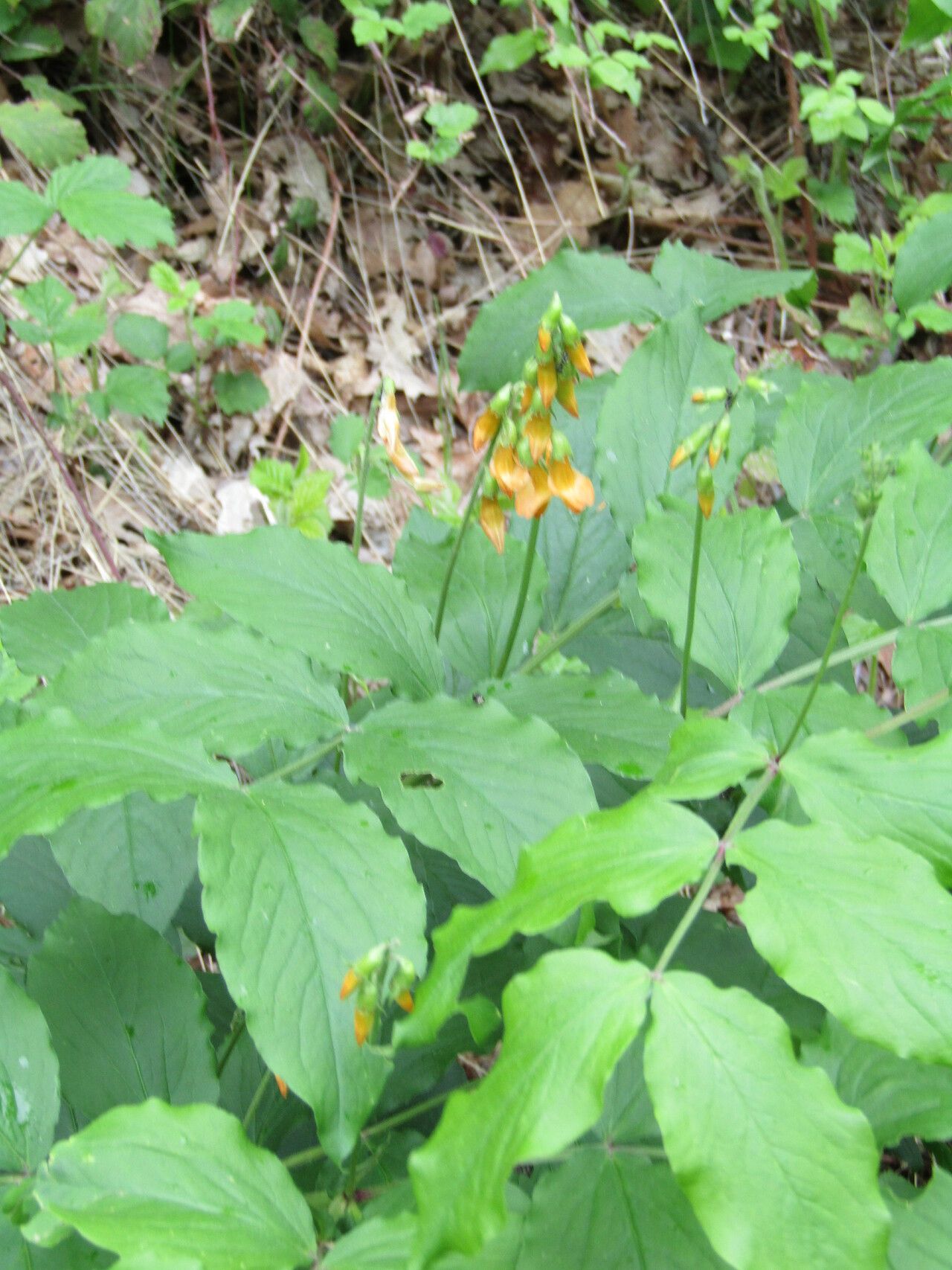
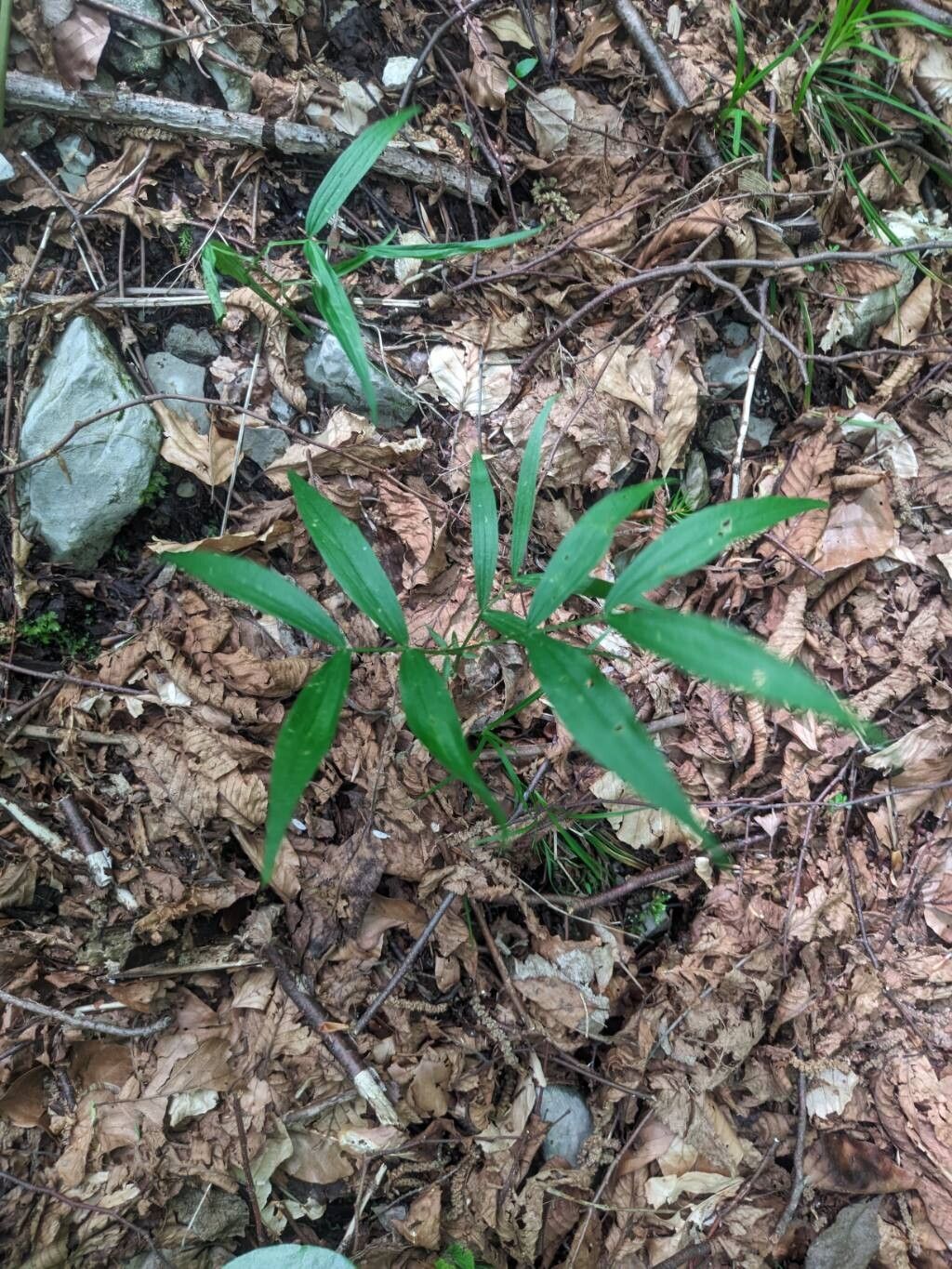
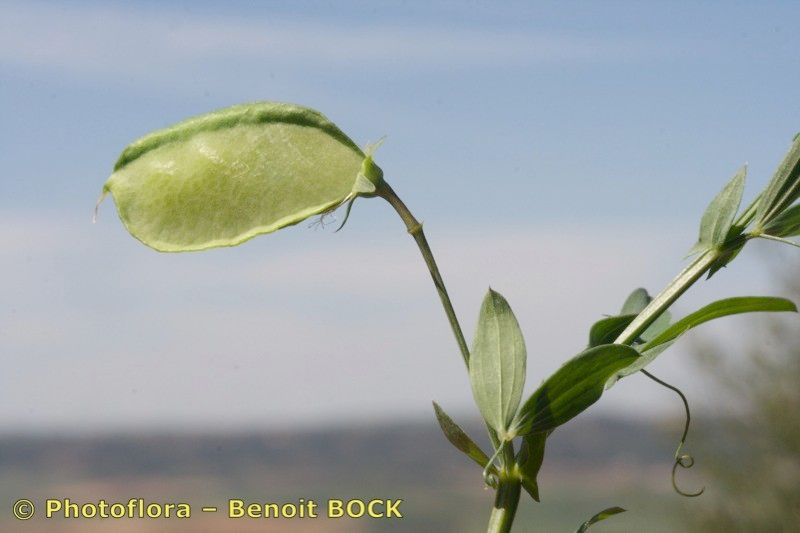
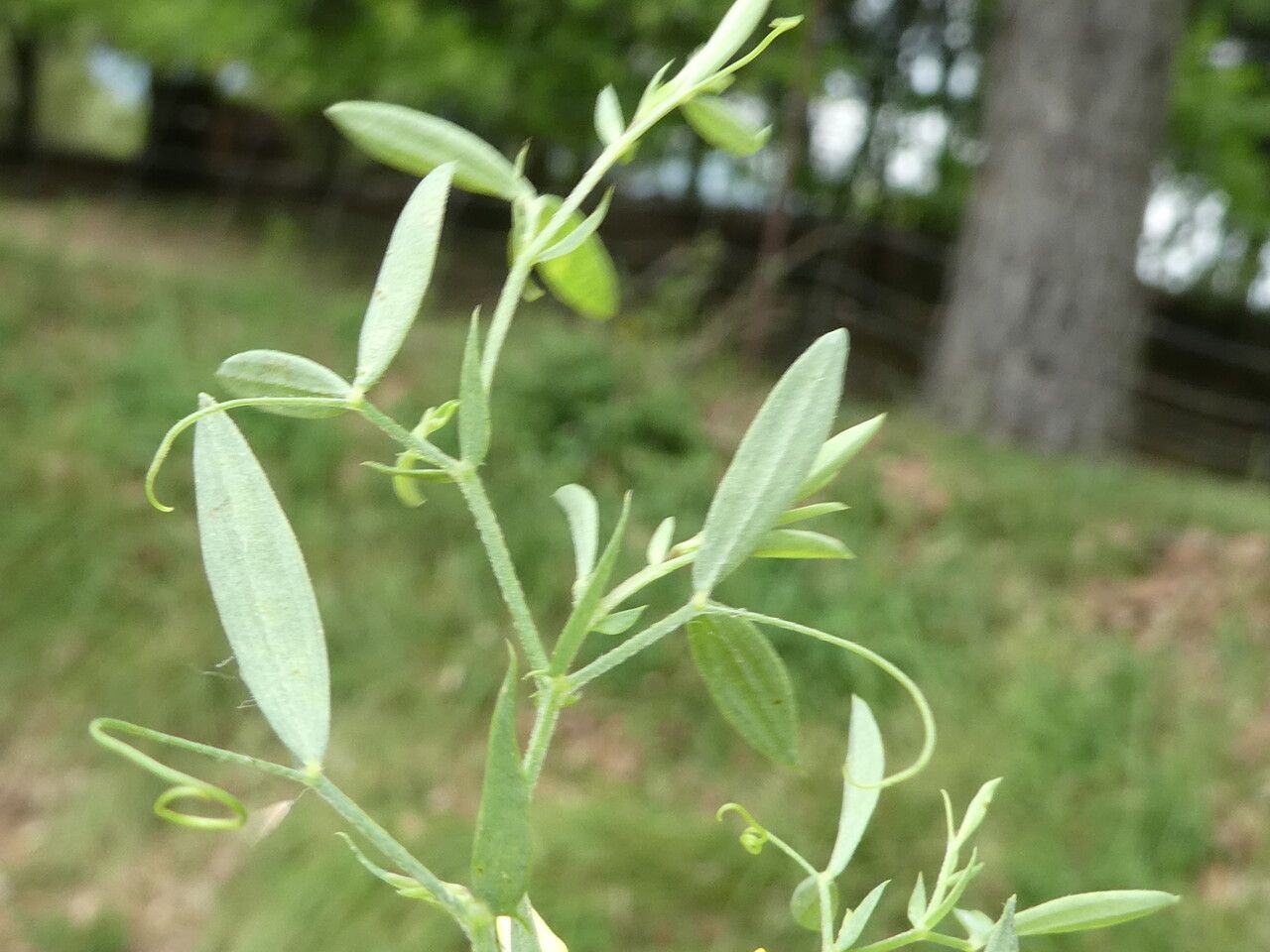
Lathyrus aureus, the golden pea, is a species of flowering plant in the pea family Fabaceae, native to Greece, Turkey, Armenia, Azerbaijan, Georgia, Russia, Kyrgyzstan, Moldova, Ukraine, Bulgaria, and Romania. In early summer this bushy herbaceous perennial produces many erect spikes of dusky yellow or orange flowers. Each spike is 1.5–2 cm (0.59–0.79 in) long.
Golden pea has strong resistance to disease and is generally not prone to illnesses. Still, it can be vulnerable to pests and diseases present in its environment. Such infections are typically mild. Regarding care, this plant needs moderate maintenance. It should be pruned regularly to keep a neat appearance and support healthy growth. Applying fertilizer can also encourage flowering. Golden pea is appropriate for anyone with outdoor space, such as a garden or patio, and does not demand extensive care experience. It may need more attention when grown indoors.
How to keep Lathyrus Aureus.
Water
Golden peas need more water during the seedling stage to keep the soil moist. As they mature, their drought tolerance improves. To avoid fungal problems, water them directly at the roots, preferably in the morning. If you have golden peas in pots, you may need to water them more often because the soil tends to dry out faster.
Fertilizer
One fertilizer application in spring is generally enough for Golden pea, though repeated feedings can maximize growth. Apply every month to month and a half. Fertilizing improves leaf appearance and function, helping maintain even color and a healthy texture. It also encourages root development and nutrient uptake for the plant’s long-term health.
Pruning
Pruning a golden pea plant in the early to late spring can significantly boost its growth and blooming. By trimming away dead stems and overcrowded shoots, you improve air circulation. Regular pruning helps the plant maintain its shape and rejuvenates older plants, encouraging the growth of new shoots and enhancing overall health and flowering potential.
Pot & Repot
When repotting Golden pea, select a pot 1-2 inches (2.5–5.1 cm) larger with ample drainage. Use a well-draining potting mix. Repot in spring or fall, ensuring the root ball sits slightly lower than the rim of the flower pot. Water thoroughly after repotting and place in a warm spot with indirect sunlight.
Botanical profile.