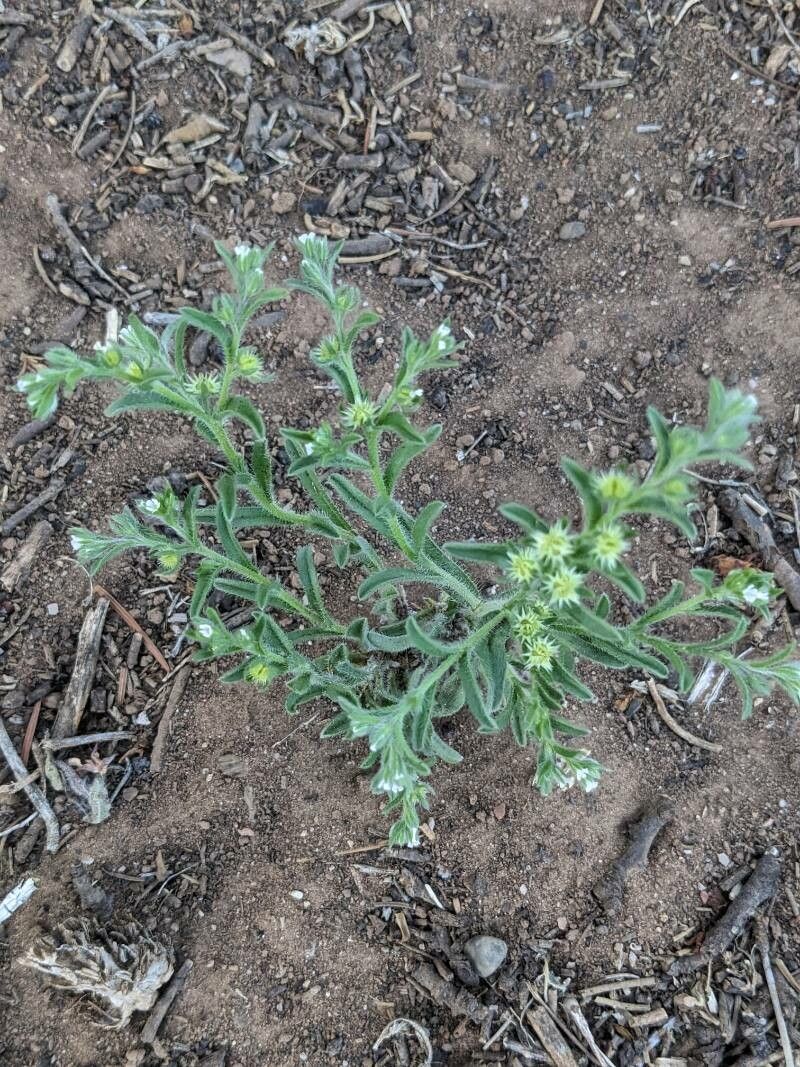
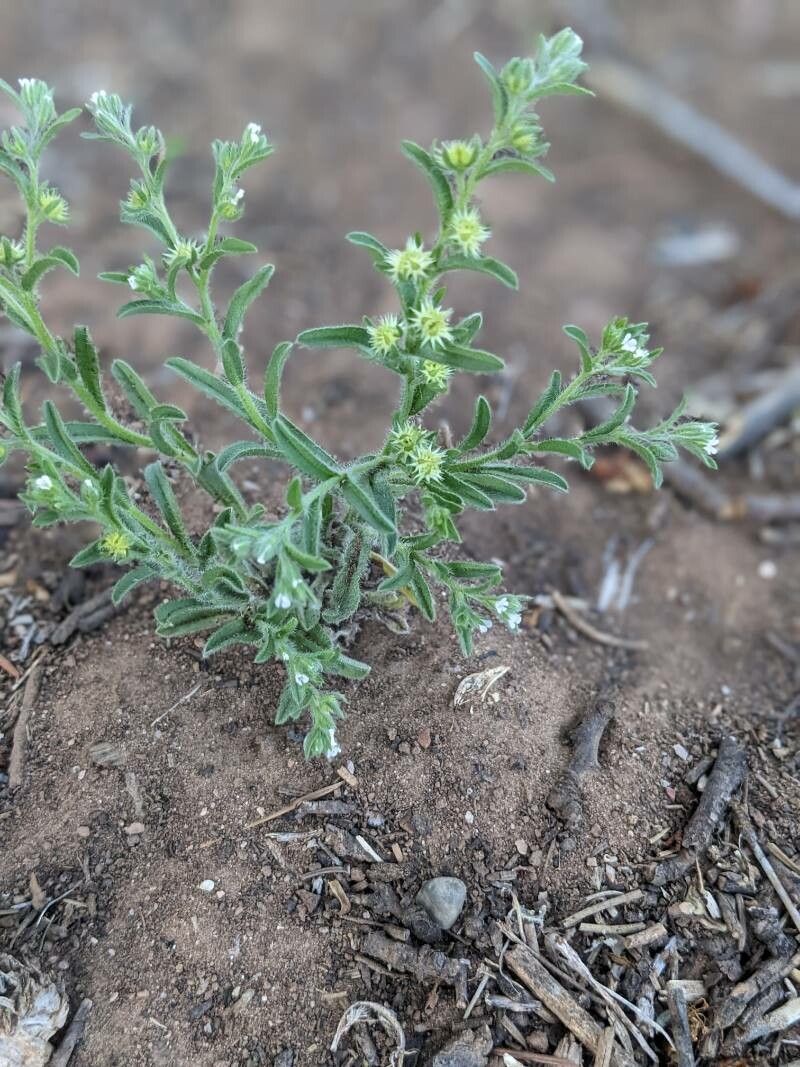
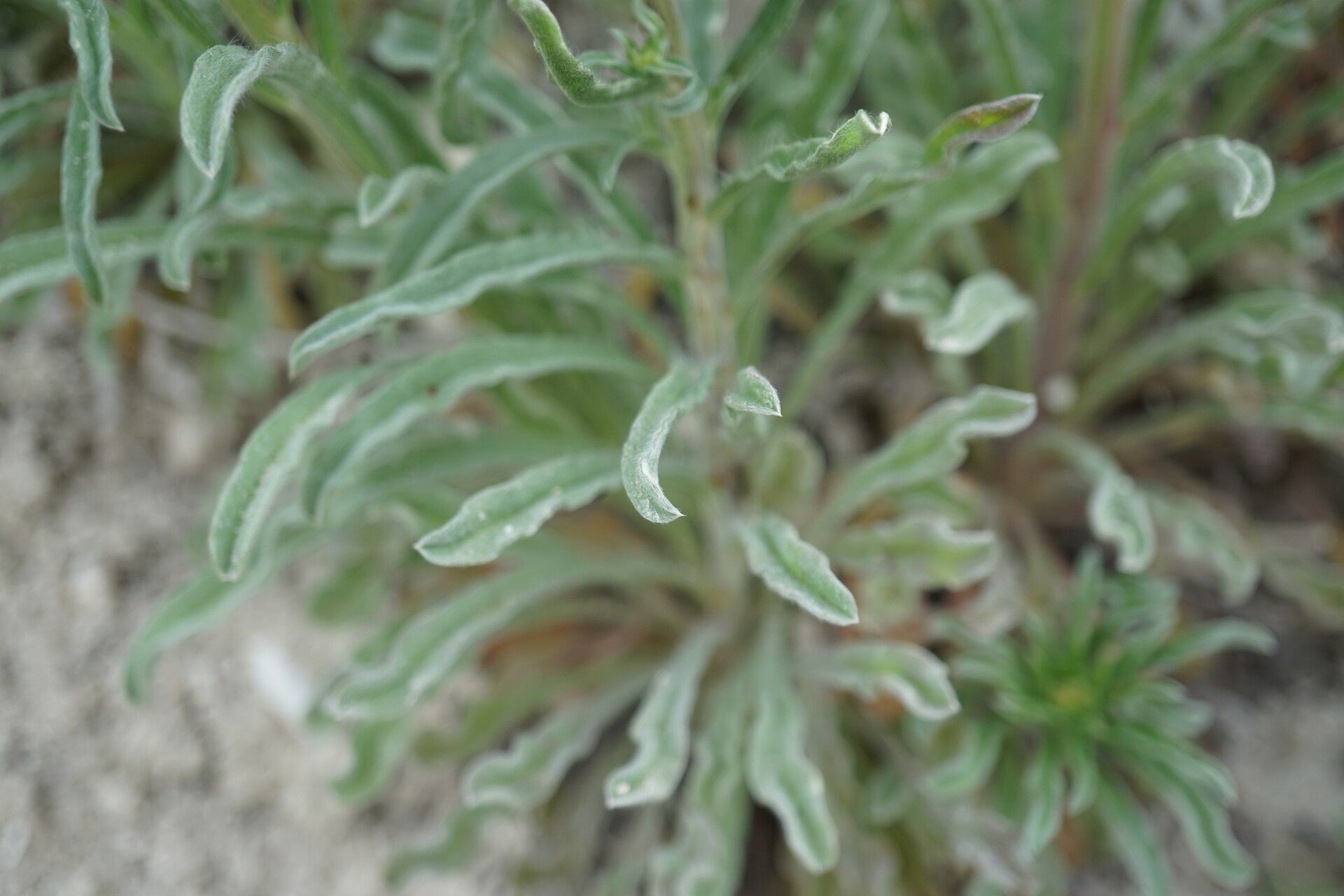
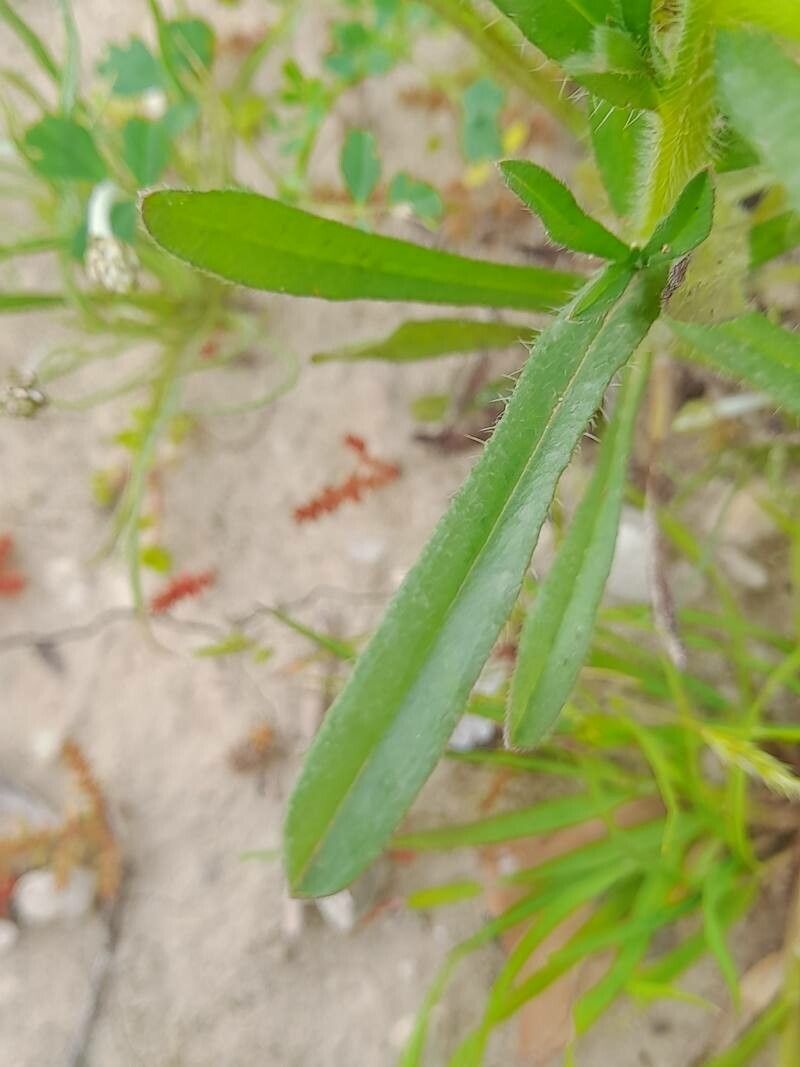
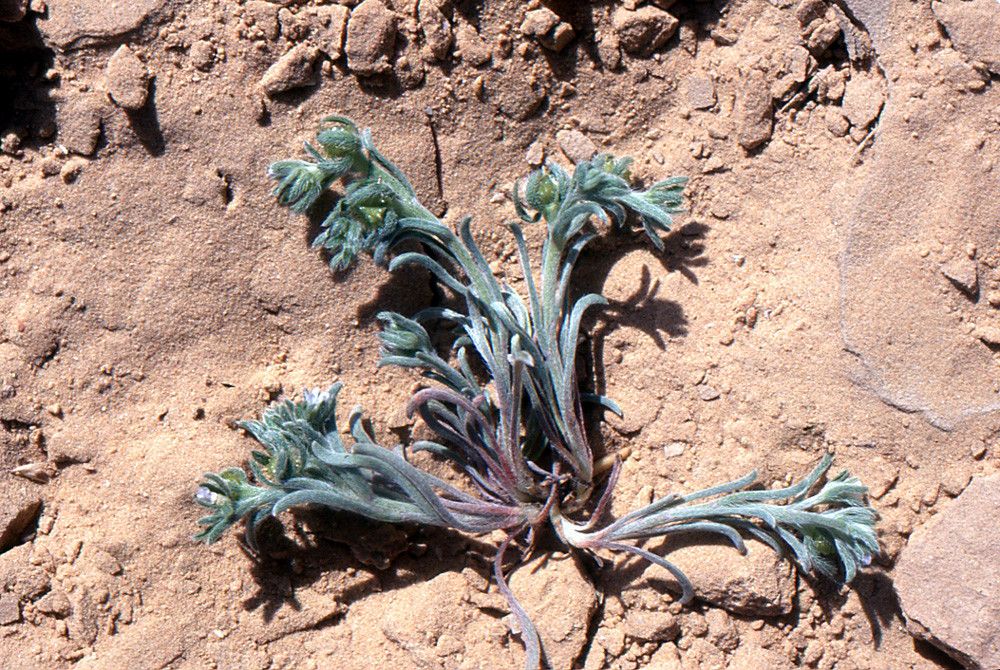
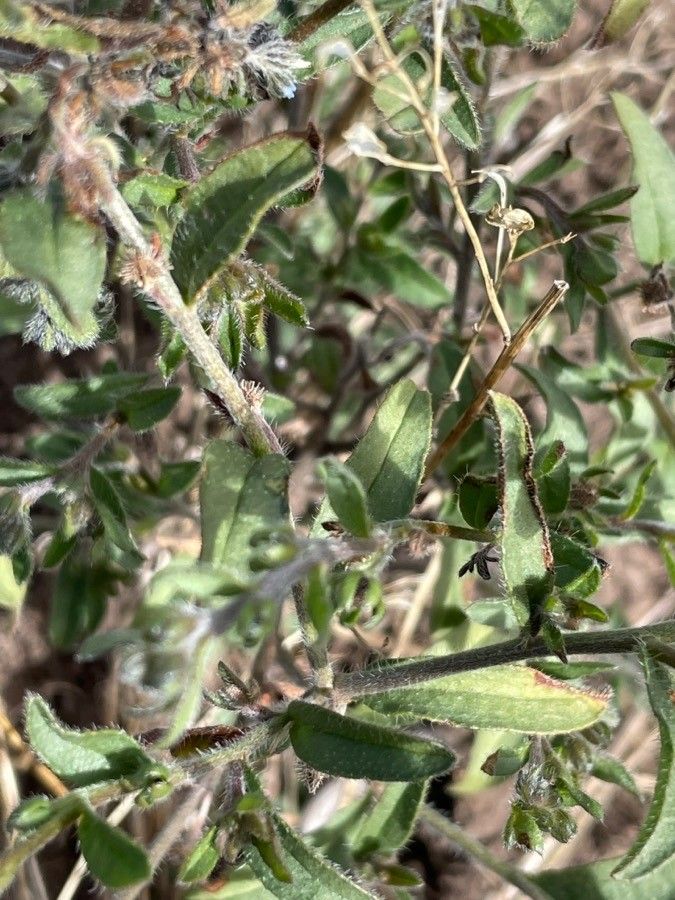
Lappula occidentalis, also known as flatspine stickseed, flatspine sheepburr, western stickseed, Lappula redowskii, or Redowski's stickseed, is a biennial forb native to North America and parts of Europe and Asia. It belongs to the family Boraginaceae. Variants include L. redowskii var. cupulata and L. redowskii var. redowskii, which differ in fruit morphology from the type specimen.
Flatspine stickseed has strong disease resistance and is usually not prone to illnesses. However, it can be affected by pests and diseases present in its environment, and such infections are typically not serious. For care, this plant requires moderate maintenance. It needs regular pruning to keep a neat appearance and encourage healthy growth. Fertilizing can also help increase flowering. Flatspine stickseed is suitable for anyone with outdoor space, such as a garden or patio, and does not demand extensive care experience. It may need more attention when grown indoors.
How to keep Lappula Occidentalis.
Light
Flatspine stickseed comes from bright, open habitats and does best in full sun. It can tolerate partial sun, though it prefers direct sunlight for optimal growth. This annual or biennial plant is noted for its sun-loving nature.
Water
Flatspine stickseed thrives in semi-arid conditions, needing very little water and showing high tolerance to drought. It prefers dry environments and should be watered twice a week during periods of active growth to support its metabolic needs.
Fertilizer
Flatspine stickseed does well with regular, dilute fertilizer applications to encourage healthy leaf growth. You should fertilize Flatspine stickseed about once a month during the summer months. Nitrogen is important for foliage, and providing nitrogen-rich sources helps Flatspine stickseed thrive.
Pruning
Flatspine stickseed thrives with periodic pruning, particularly from early to late spring. Effective techniques involve removing damaged stems, thinning dense areas, and shaping the plant. These practices encourage new growth, prevent disease, and enhance the plant's appearance. For safe and effective pruning, always use sharp, sterilized tools.
Botanical profile.
Other names.