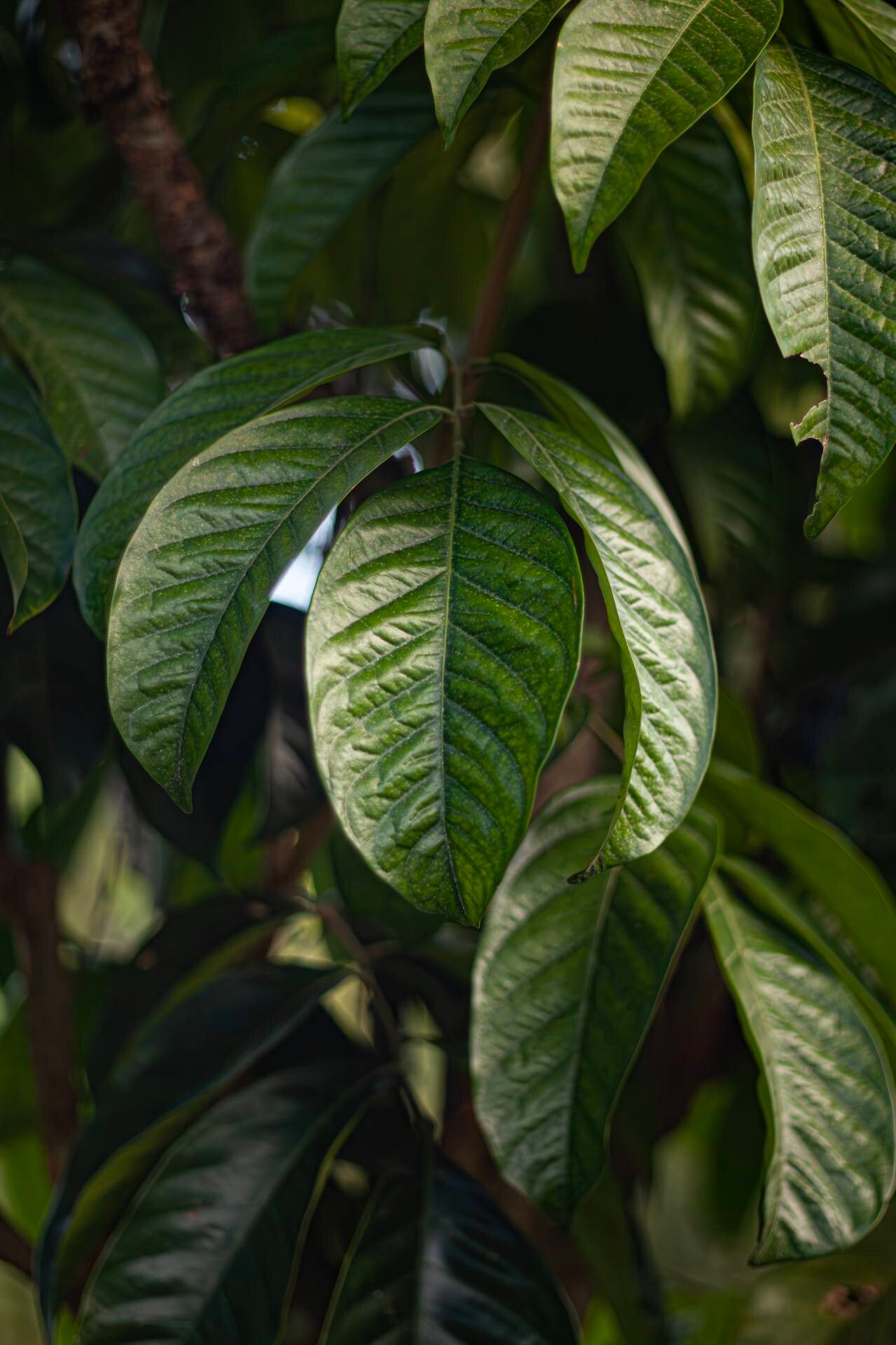
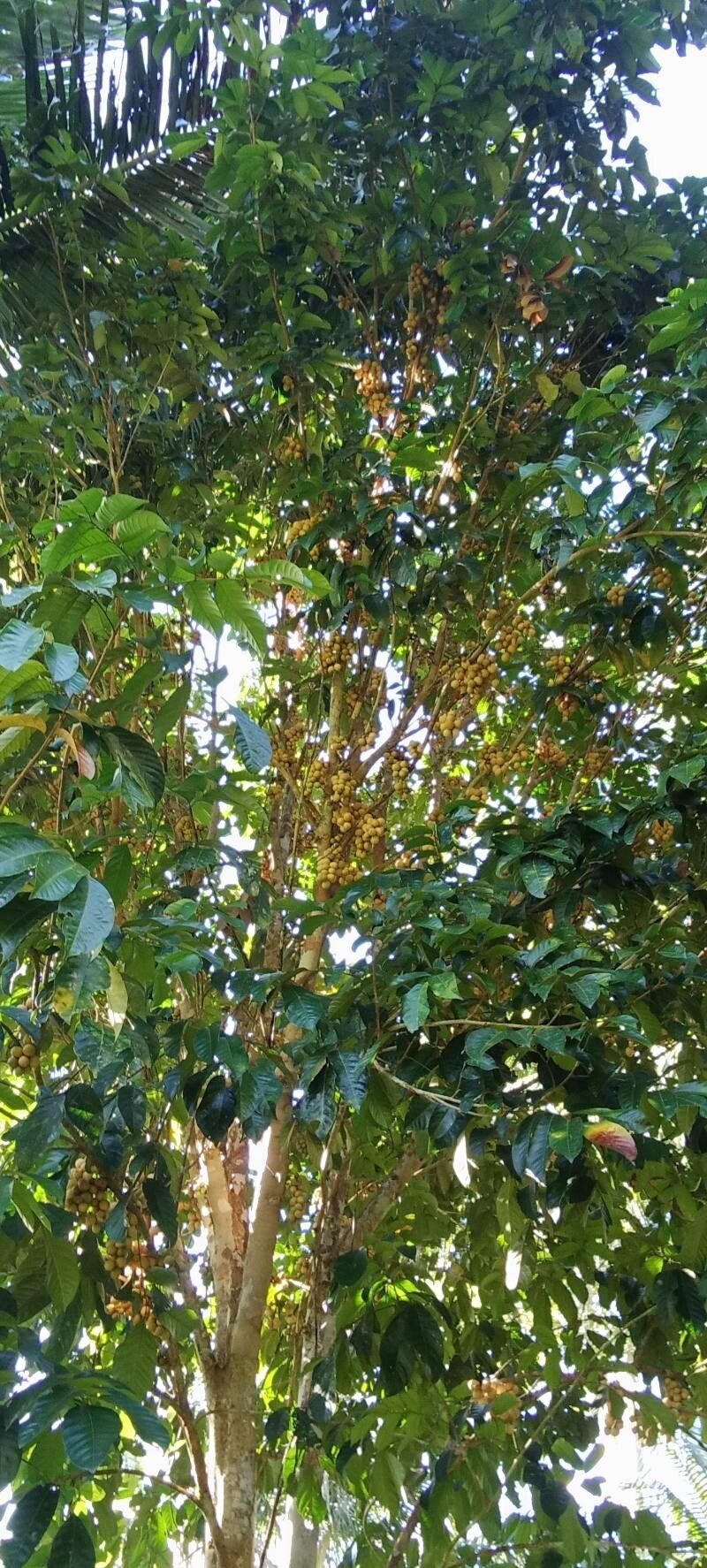
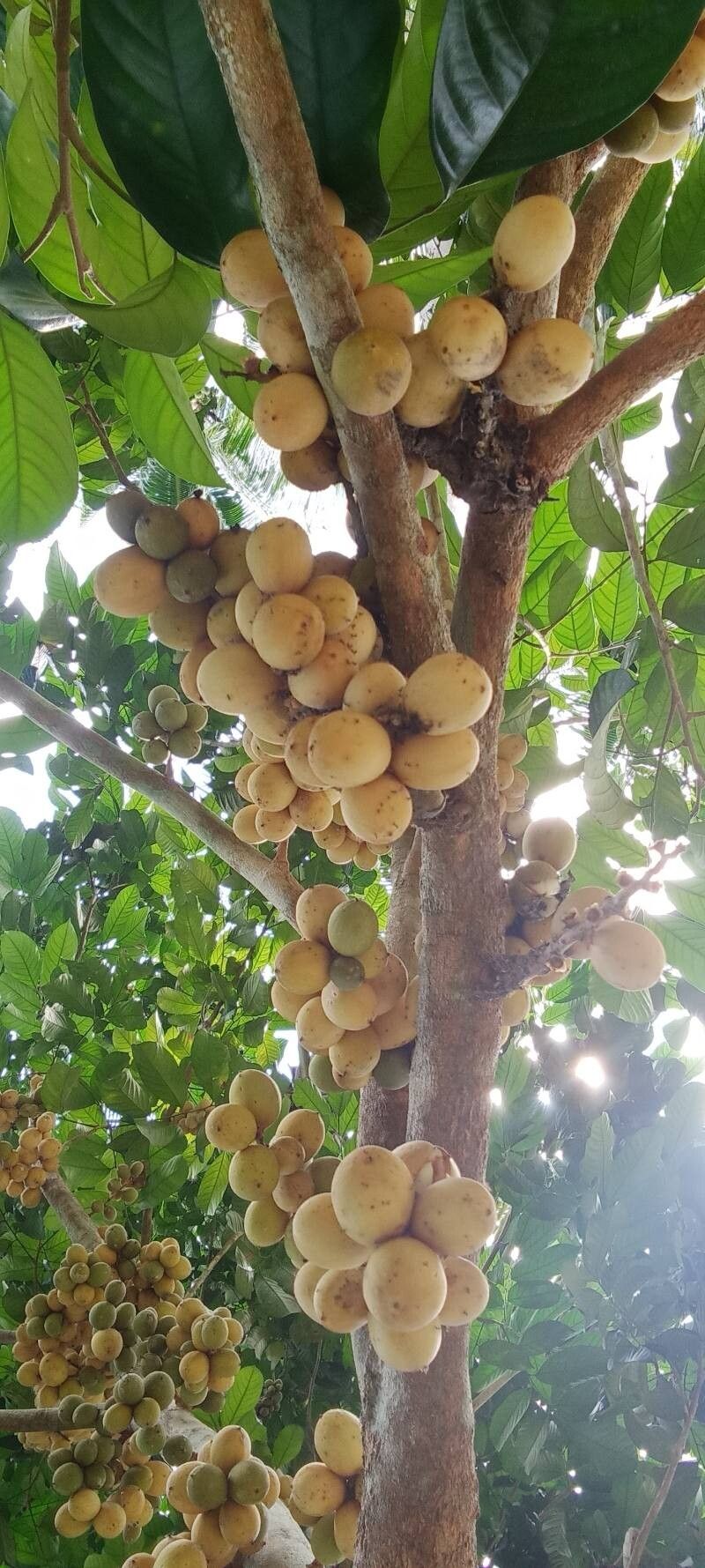
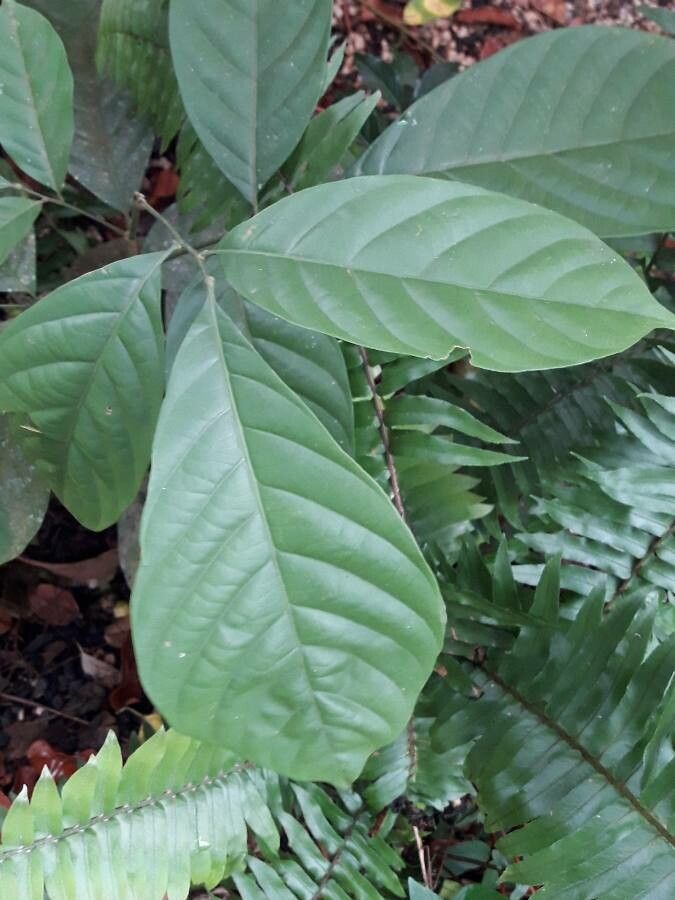
Lansium domesticum, commonly known as langsat or lanzones, ,--) is a species of tree in the family Meliaceae with commercially cultivated edible fruits. The species is native to Southeast Asia, from peninsular Thailand and Malaysia to Indonesia and the Philippines.
Langsat resists disease well and is generally not susceptible to illnesses. Regarding care, this plant is fairly low-maintenance. When grown outdoors it needs only light watering, and larger plants typically do not require pruning. Smaller plants, however, should be pruned after they finish blooming. Langsatt is appropriate for anyone with an outdoor area, such as a garden or deck, and does not need extensive care experience.
How to keep Lansium Domesticum.
Light
Langsat generally does best with partial sunlight. Excessive exposure can cause leaf scorching, while inadequate light may lead to stunted growth, showing how important light is to its health. Coming from forest-like environments, it is adapted to sunlight filtered through a leafy canopy, not to complete darkness or overly intense sun.
Water
Langsat flourishes in humid tropical environments and requires consistent moisture to thrive. To ensure its health, it should be watered every two weeks. It's important to plant langsat in well-draining soil to prevent waterlogging. While it can tolerate moderate drought conditions, langsat is ideally grown outdoors in warm climates, where it remains an evergreen plant.
Temperature
Langsat originates from regions where temperatures range from 68 to 100.4 °F (20 to 38 ℃). This plant favors warm climates and may require temperature management during cooler seasons.
Fertilizer
Use organic fertilizer (e.g., fish emulsion, compost) rather than chemical fertilizers for Langsat. Give young plants increased nitrogen and phosphorus in spring. Work compost or fertilizer into the soil before or after planting. For mature plants, apply a balanced fertilizer or a fertilizer specific to any deficiency in spring. Nutrient deficiency leads to small leaves, short branches, yellow or bronze leaves, acidic fruits, premature fruit drop, and splitting.
Pruning
Langsat trees benefit greatly from specific pruning techniques. By removing dead branches and thinning crowded areas, we can improve sunlight exposure and air circulation. The best time for pruning is from early to late spring. This practice not only enhances fruit quality and tree health but also boosts resistance to pests and maximizes yield potential.
Botanical profile.
- Plant Type
- Tree
- Life Cycle
- Perennial
- Genus
- Lansium
- Family
- Meliaceae
- Hardiness Zone
- 11-12
- Mature Height
- 29.87 m
- Mature Spread
- 11.89 m
- Leaf Color
- Dark Green
- Leaf Type
- Evergreen
- Flower Color
- White
- Flower Size
- 10.16 cm to 30.48 cm
- Bloom Time
- All year round
- Planting Time
- Spring, Summer, Autumn
- Harvest Time
- All year round
- Native Area
- Malaysia, Indonesia, Vietnam, Philippines, Thailand
Other names.