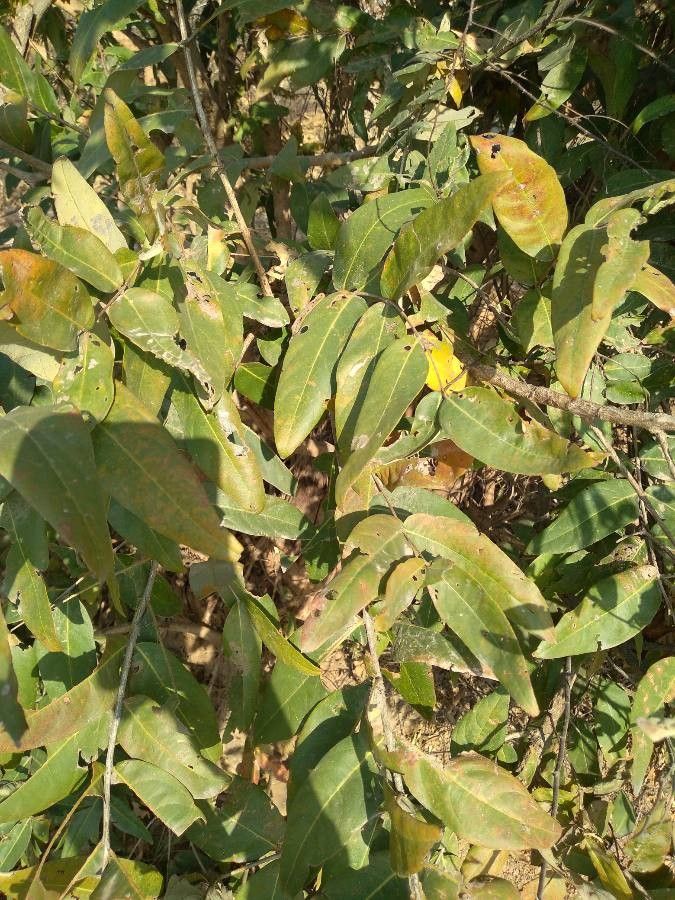
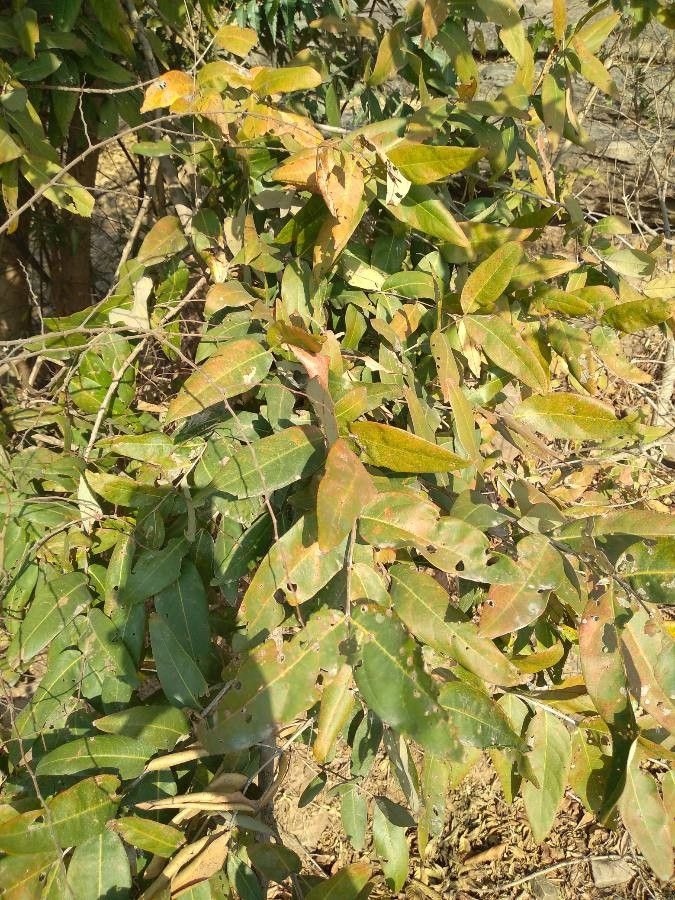
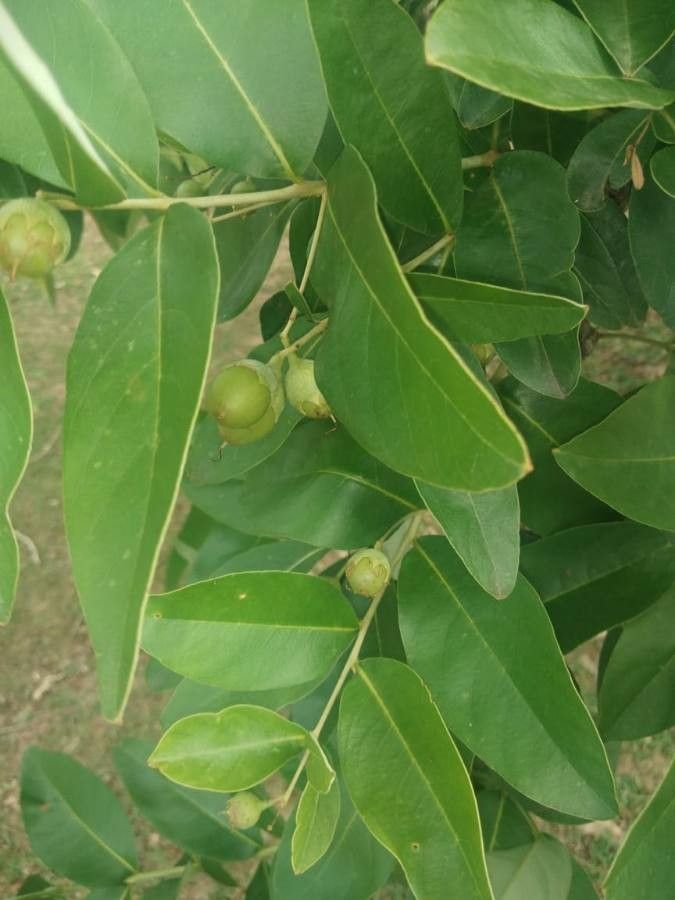
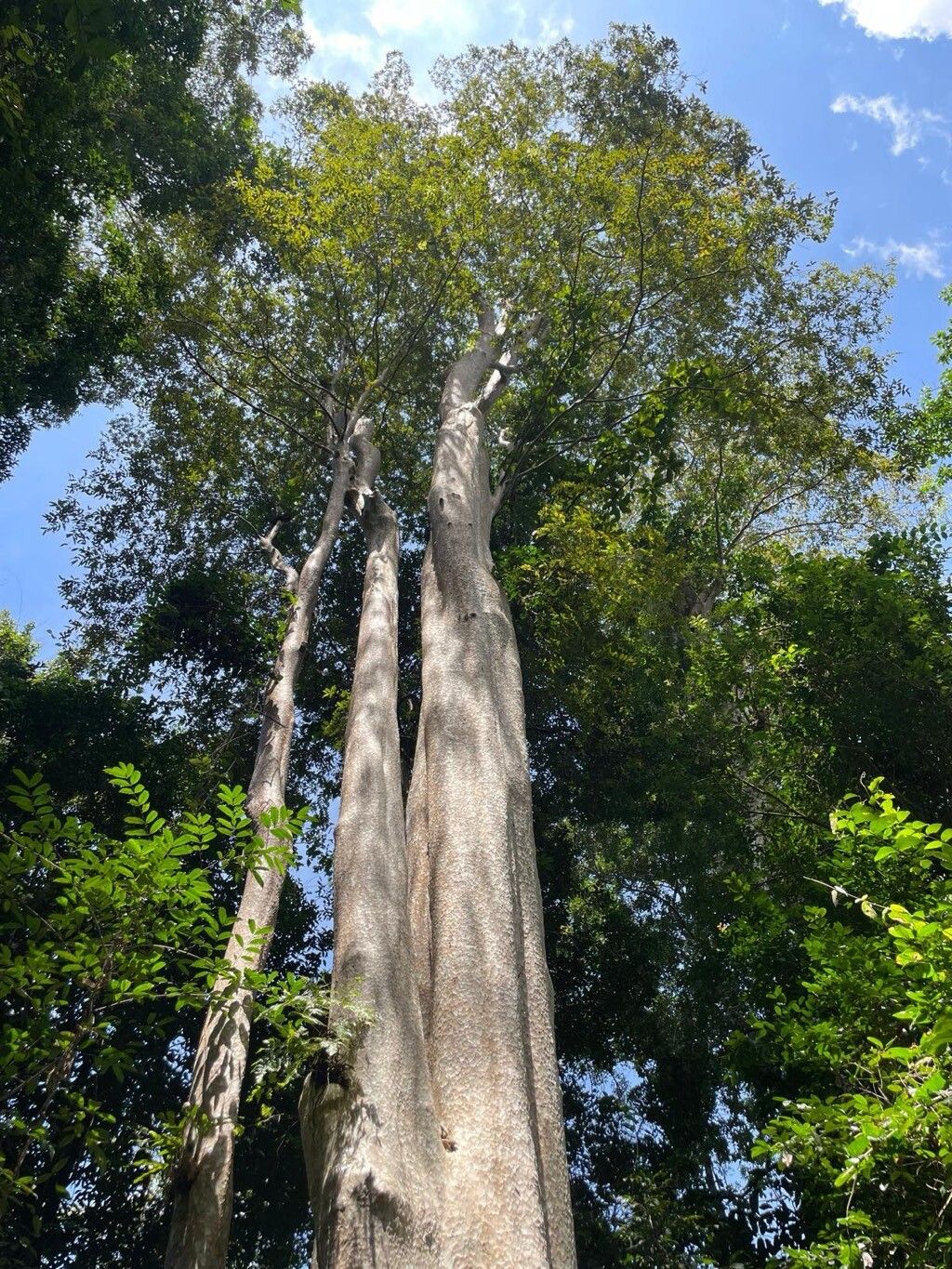
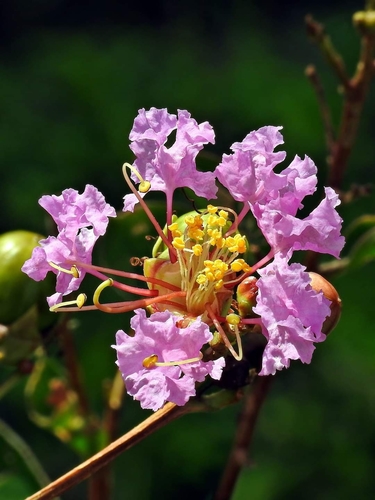
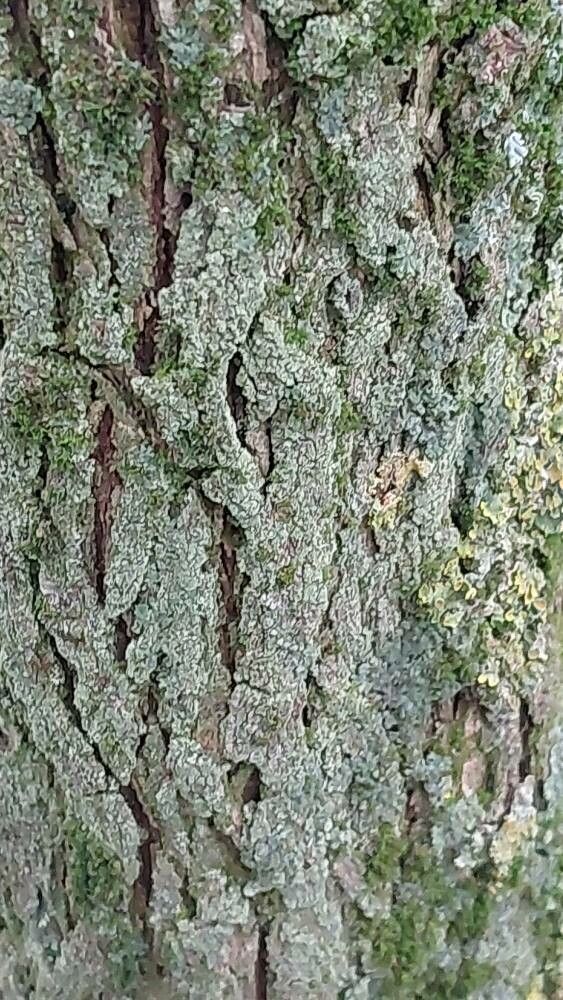
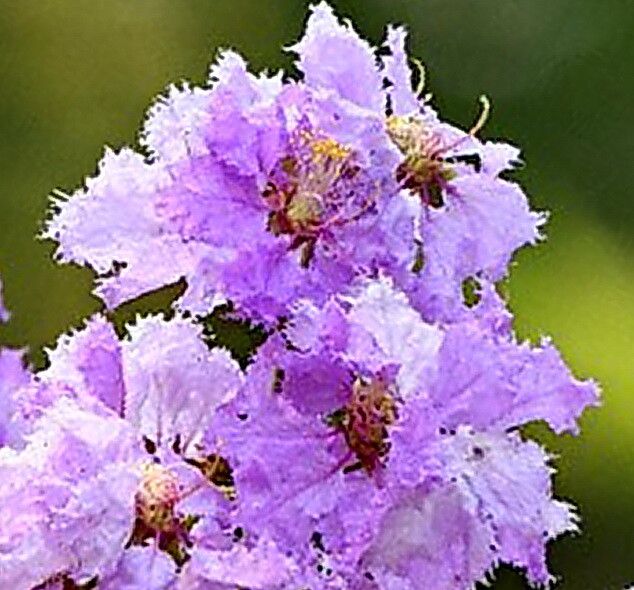
Lagerstroemia (), commonly known as crape myrtle (also spelled crepe myrtle or crêpe myrtle), is a genus of around 50 species of deciduous and evergreen trees and shrubs native to the Indian subcontinent, southeast Asia, northern Australia, and other parts of Oceania, cultivated in warmer climates around the world. It is a member of the family Lythraceae, which is also known as the loosestrife family. The genus is named after Swedish merchant Magnus von Lagerström, a director of the Swedish East India Company, who supplied Carl Linnaeus with plants he collected. These flowering trees are beautifully colored and are often planted both privately and commercially as ornamentals.
Lendia has strong resistance to disease and is typically not susceptible to illnesses. Regarding care, this plant is fairly low-maintenance. Outdoors it needs only light watering, and larger specimens usually do not require pruning. Smaller plants, however, ought to be pruned after they finish blooming. Lendiat is appropriate for anyone who has an outdoor area, like a garden or deck, and it does not demand extensive care experience.
How to keep Lagerstroemia Parviflora.
Light
Lendia is native to open habitats, such as sunny meadows and forest edges, which provide abundant light. It performs best in Full Sun but can also tolerate Partial Sun, adapting well to a range of sunlight conditions.
Water
Lendia thrives in tropical rainforest environments, where high humidity and regular watering—about twice a week—are essential. While it can withstand moderate drought, it still prefers humid conditions. Usually cultivated outdoors, Lendia sheds its leaves seasonally to conserve moisture during dry periods.
Temperature
Lendia comes from tropical areas, where the weather is usually warm and humid. Consequently, it is adapted to high temperatures and humidity. It does not tolerate sudden temperature changes and prefers a consistent temperature, so avoiding indoor temperature fluctuations is important. It generally cannot withstand cold and needs warmer conditions to grow. If the surrounding temperature falls too low, the plant may stop growing or even die.
Fertilizer
The best time to fertilize a Lendia is in early spring, when it comes out of dormancy. This supports overall growth and flower development. Fertilizing improves the foliage, stems, and branches, and encourages flowers that are large, bright, and long-lasting. It helps move nutrients from the roots to the flowers and enhances the plant's health and resistance to disease.
Pruning
Lendia benefits from pruning in early spring, which helps boost growth and improve air circulation. To promote a healthy structure, remove any dead or crossing branches. This not only enhances its overall health but also leads to better bloom quality and increased resistance to pests. Regular maintenance is key to ensuring the plant remains robust and attractive.
Botanical profile.
- Plant Type
- Tree, Shrub
- Life Cycle
- Perennial
- Genus
- Lagerstroemia
- Family
- Lythraceae
- Hardiness Zone
- 8-11
- Mature Height
- 24.99 m to 29.87 m
- Mature Spread
- 4.88 m to 7.92 m
- Leaf Color
- Green
- Leaf Type
- Deciduous
- Flower Color
- White, Pink
- Flower Size
- 2.54 cm to 5.08 cm
- Bloom Time
- Late spring, Early summer, Mid summer
- Planting Time
- Spring, Summer, Autumn
- Harvest Time
- Late summer, Early fall, Mid fall
- Native Area
- Nepal, Bhutan, Myanmar, India
Other names.
Reader questions.
What are the sun requirements for Lendia (Lagerstroemia parviflora)?
Lendia (Lagerstroemia parviflora) flourishes in areas that receive ample sunlight throughout the day. For optimal growth, it requires 'full sun,' which means it should bask in more than 6 hours of direct sunlight daily. However, it can also adapt to 'partial sun' conditions, requiring about 3-6 hours of sunlight. It's essential to observe the patterns of sunlight movement in your garden to identify spots that offer a harmonious mix of light and shade, ensuring your Lendia plants thrive.