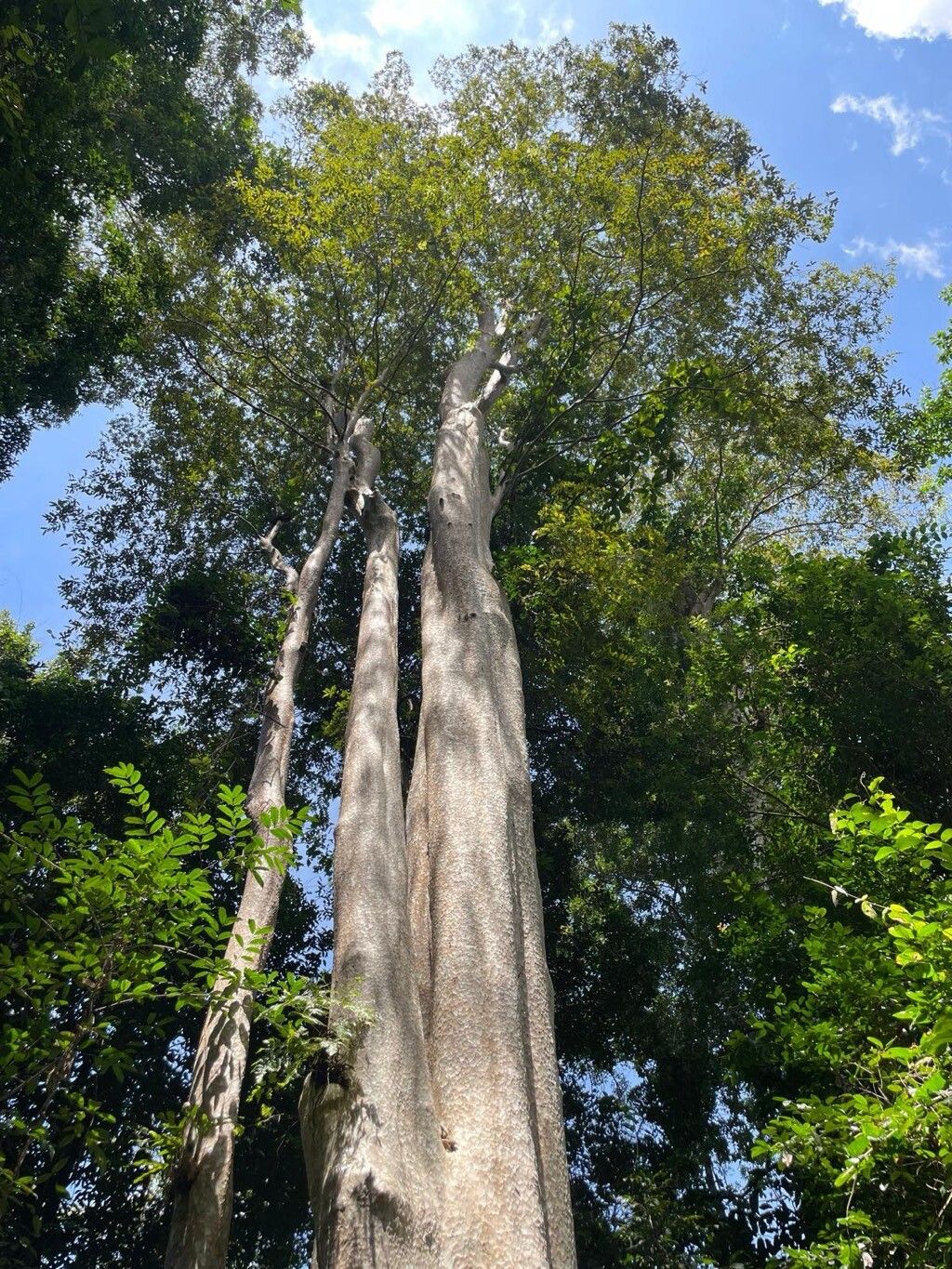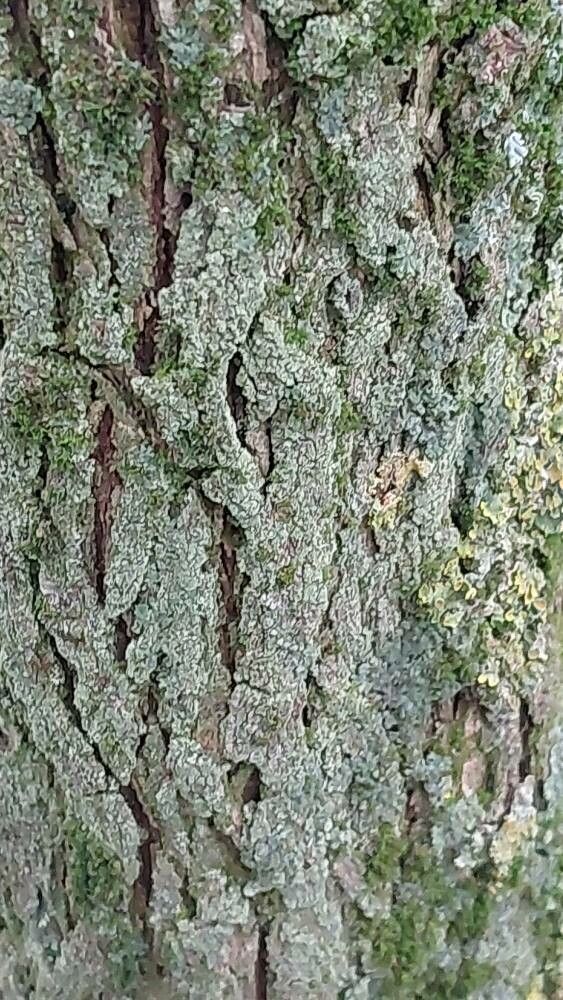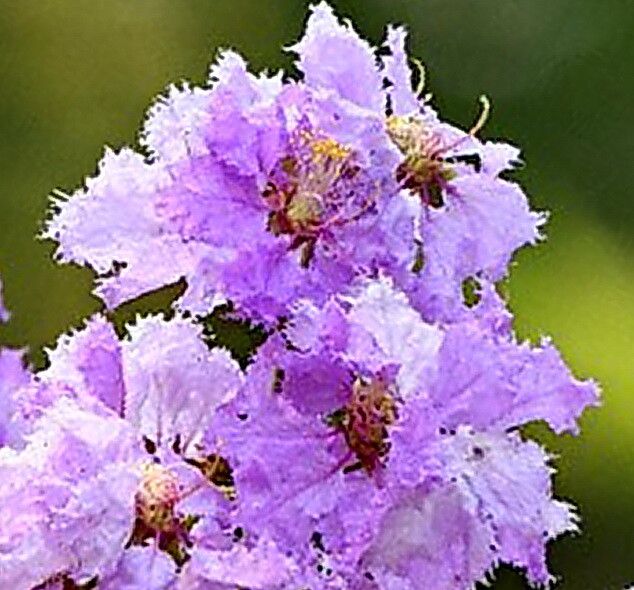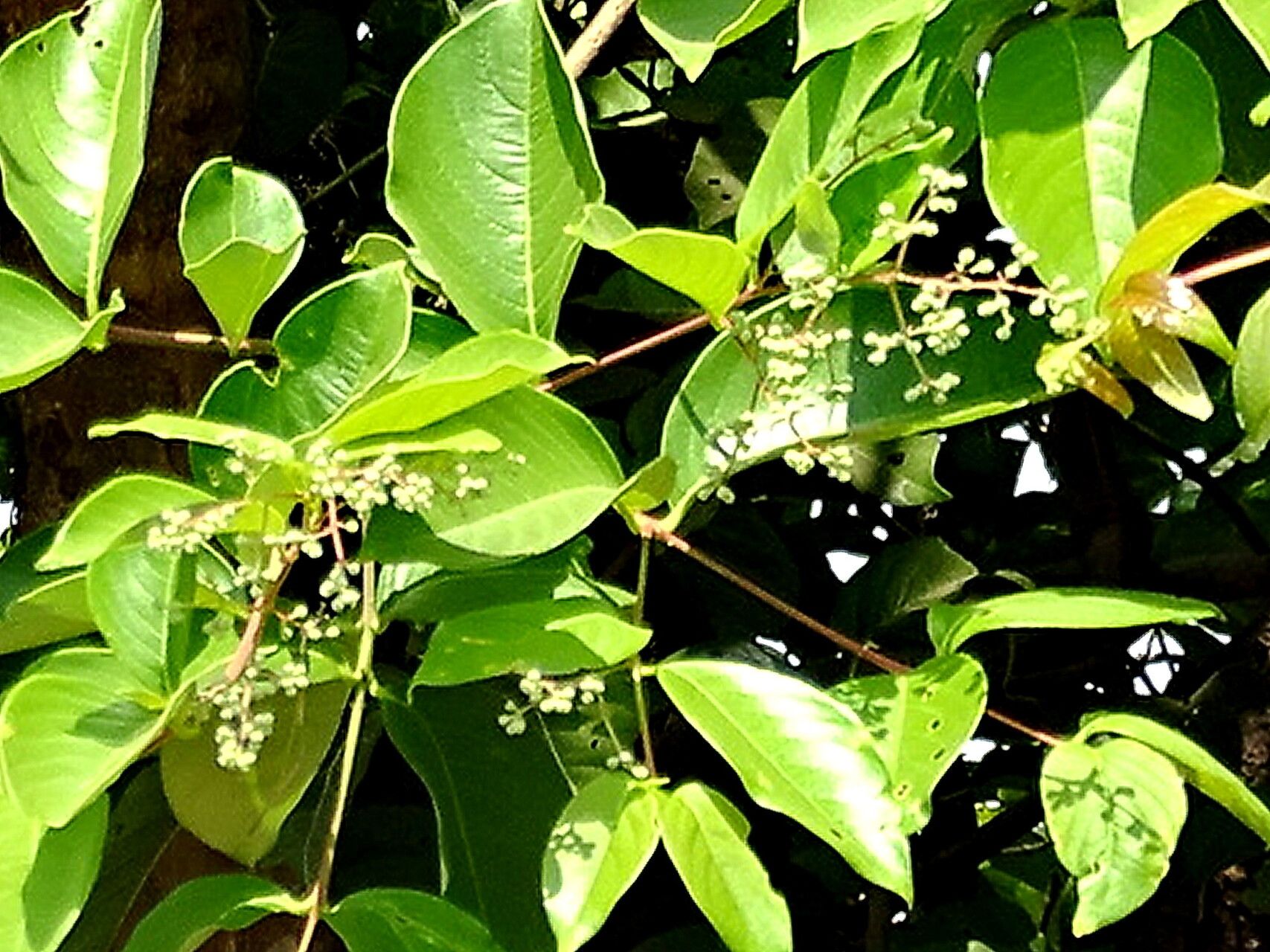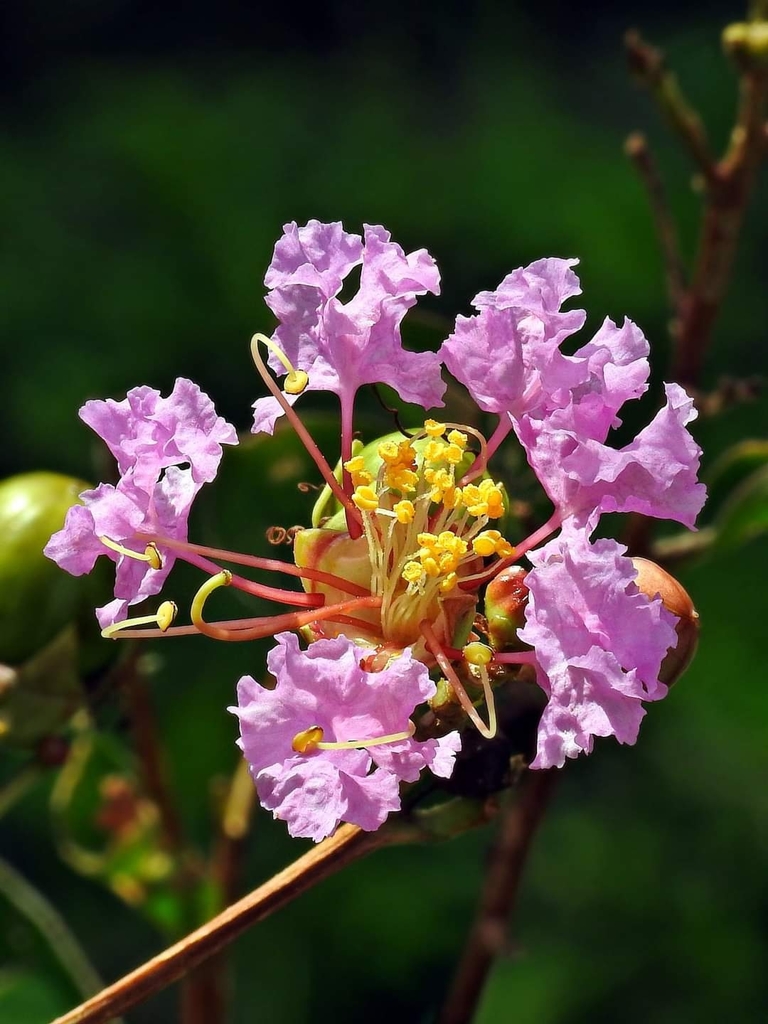
Lagerstroemia indica, commonly known as crape myrtle, is a deciduous flowering plant native to Asia. It is a popular choice for gardens and landscapes due to its striking flowers and distinctive bark. The plant can grow up to 30 feet tall with a spread of 15 to 25 feet. Its dark green leaves turn vibrant shades of yellow, orange, or red in the fall. Crape myrtles produce clusters of eye-catching flowers that bloom from summer through fall. The flowers come in a variety of colors, including pink, red, purple, and white, depending on the cultivar. Following the flowering season, small fruit capsules develop and persist through the winter. The bark of the crape myrtle is smooth and varies in color from gray to brownish-red, depending on the age and cultivar. Crape myrtles prefer full sun exposure but can tolerate partial shade. They adapt well to various soil types, including clay soils, as long as they are well-drained. Overall, Lagerstroemia indica is an attractive ornamental tree that provides year-round interest with its beautiful summer blooms, colorful fall foliage, and unique winter bark texture, making it an excellent choice for any garden or landscape design project!
Indian Crape Myrtle (Crape Myrtle): The crepe myrtle has been part of plant history for over a thousand years. Before it blossoms, many people mistake its bright green leaves for those of another plant called the Myrtle. They are often pleasantly surprised when its beautiful, lush flowers appear later on. What sets the crepe myrtle apart is its unique flower petals, which are slightly wrinkled and have a rich, crape-like texture when in full bloom. Westerners first discovered the plant's beauty in India, leading to its name, the Indian crepe myrtle, or simply, the crepe myrtle.
Crepe myrtle is resistant to disease and is generally unlikely to develop illnesses. With regard to care, this plant is fairly low-maintenance. Planted outdoors, it needs only light watering, and larger specimens typically do not require pruning. Smaller plants, however, should be trimmed after they finish blooming. Crepe myrtle is appropriate for anyone who has an outdoor area, like a garden or a deck, and it does not demand extensive care experience.
How to keep Lagerstroemia Indica.
Light
Crepe myrtle does best in spots that get sunlight for most of the day and can survive where light is diffused or filtered by taller structures. Coming from environments with plentiful daylight, it adjusts reasonably well to less sunny conditions. Still, reduced light can limit its ability to thrive, while too much sun can cause light stress and slow its growth.
Water
Native to warm Asian climates, crepe myrtle thrives in hot conditions and is drought-tolerant. It should be watered every 1-2 weeks, allowing the soil to dry out slightly between waterings. As an ornamental plant, it benefits from rainwater during the growing season, which helps meet its moderate moisture needs.
Humidity
This plant will thrive in moderate humidity, which is probably the level in your home. However, misting it a few times a week can be very beneficial. Make sure the room has good ventilation.
Temperature
Crepe myrtle needs temperatures between 50 to 95 ℉ (10 to 35 ℃), which is appropriate for its native growing environment. During summer it prefers cooler temperatures but tolerates high heat and drought. In winter it becomes dormant and can survive freezing temperatures. Its temperature exposure can be managed with proper watering and shading.
Fertilizer
The timing of fertilizing Crepe myrtle is important. Apply fertilizer in early spring and continue once a month until early summer. Fertilizer promotes attractive blooms and supplies energy during both dormant and active growth stages.
Pruning
Pruning crepe myrtle in early spring boosts both its blooming capability and structural strength. To achieve this, focus on removing dead wood, thinning out crowded branches, and promoting good air circulation. Be sure to use sharp tools to minimize the risk of disease, and avoid cutting too much to reduce stress on the plant. By following these practices, you can ensure lush growth and vibrant blooms every season.
Pot & Repot
When repotting Crepe myrtle, select a pot about 1-2 inches (2.5–5.1 cm) larger with good drainage. Use a well-draining potting mix. Repot in spring or fall, making sure the root ball is slightly lower than the rim of the flower pot. Water thoroughly after repotting and place it in a warm spot with indirect sunlight.
Botanical profile.
- Plant Type
- Shrub
- Life Cycle
- Perennial
- Genus
- Lagerstroemia
- Family
- Lythraceae
- Hardiness Zone
- 6-10
- Mature Height
- 6.1 m to 7.01 m
- Mature Spread
- 1.83 m to 7.62 m
- Leaf Color
- Green, Yellow, Orange, Bronze
- Leaf Type
- Deciduous
- Flower Color
- White, Pink, Red, Purple, Lavender, Burgundy
- Flower Size
- 3.05 cm to 4.06 cm
- Bloom Time
- Early summer, Mid summer
- Planting Time
- Spring, Autumn
- Harvest Time
- Mid summer, Late summer
- Native Area
- Nepal, Sri Lanka, India, Malaysia, Indonesia, Cambodia, Vietnam, Myanmar, Japan, Philippines, Bhutan, Bangladesh, Pakistan, Laos, Thailand, China
Other names.
Reader questions.
When should I water my Crepe Myrtle?
Watering your crepe myrtle correctly is essential for its health and blooms. Look out for signs of water need such as wilting leaves, dry soil, peeling bark, or underdeveloped blooms, as these indicate it's time to water. It's crucial not to ignore these signs to prevent both over and under-watering, which can lead to root rot, stunted growth, or even death of the plant. The plant's watering needs also change with environmental conditions; it may require more frequent watering in hot, dry weather, and less so during cooler or damp periods. Always check the moisture level of the soil to gauge the best watering time.
Why is it important to give nutrients to my Crepe myrtle plant?
To ensure your Crepe myrtle produces beautiful blooms, fertilizing is crucial. One of the best times to fertilize is early spring, as this will help guarantee excellent flowers during that season. Additionally, fertilizer provides the tree with ample energy that it can store in the ground when it is not actively growing. By giving your Crepe myrtle extra nutrients during fall planting or late spring, you can help it retain more energy for when active growth resumes.
What are the sunlight requirements for Crepe Myrtle?
Crepe Myrtle thrives best in areas that receive full sun, which means the plant should get above 6 hours of sunlight daily. It can also survive in partial sun conditions, receiving about 3-6 hours of sunlight. It's important to observe how sunlight moves through your garden throughout the day and select locations that ensure a healthy balance of light and shade for your plants.
What are the essential care instructions for Crepe myrtle?
Crepe myrtle thrives in temperatures ranging from 50 to 95°F (10 to 35°C), which aligns with its native environment. It enjoys cooler summers and can handle high heat and drought, going dormant in winter to withstand freezing temperatures. Adjustments can be made for temperature control through adequate watering and shading. While Crepe myrtle has significant cold resistance and often doesn't require special frost protection, wrapping the trunk and branches with non-woven fabric or cloth is recommended if temperatures are expected to fall exceedingly low. It's beneficial to water the plant thoroughly before the first freeze of autumn to keep the soil moist and prevent drought during the colder months.
How should I water my Crepe Myrtle?
To water your crepe myrtle properly, consider using a watering can with a narrow spout for targeted watering at the plant's base, avoiding foliage. Bottom-watering is an alternative method that encourages deep root growth by allowing water absorption from the bottom up. A moisture meter can help you accurately determine when your plant needs water. Keeping the foliage dry prevents fungal diseases. The watering frequency should be adjusted based on soil moisture, climate, and the plant's size, ensuring the soil doesn't completely dry out or become waterlogged.
When should I fertilize my Crepe myrtle?
To effectively fertilize Crepe myrtle, timing is crucial. Avoid fertilizing the plant too early while it is still dormant, as the fertilizer will be washed away by rainwater, causing waste and pollution. Instead, apply the first application of fertilizer in early spring. Afterward, continue to fertilize once a month until early summer.
What essentials should one know about Crepe Myrtle's sunlight needs?
Crepe Myrtle originates from an environment that receives ample daylight and thus prefers sunny locations. It can adapt to areas with less sunlight but might not flourish as well, and too much direct sunlight could also stress the plant and impede its growth. For indoor plants, when natural sunlight is insufficient, especially during winter or in less sunny spaces, artificial lighting can be a vital solution for optimal growth. LED lights are recommended, providing the specific wavelengths needed by the plants, depending on their sunlight requirements.
How do I protect Crepe myrtle from low temperatures?
Crepe myrtle is cold-tolerant and performs best above certain temperatures. While the plant does not typically show immediate signs of distress from low temperatures, branches may become brittle, and no new shoots may emerge by spring if temperatures drop below its tolerable minimum. To protect Crepe myrtle in such conditions, prune away dead branches in spring to encourage new growth and ensure the plant remains healthy.
How much water does Crepe Myrtle really need?
The amount of water your crepe myrtle needs depends on several factors including pot size, root depth, and the plant's overall size. Generally, small-sized plants in 6-inch pots require 1 to 2 cups of water, while larger plants in 12-inch pots need 3 to 4 cups per session. Ensure the water reaches the pot's bottom to fully hydrate the roots. Indicators of proper hydration include vibrant leaves and abundant blooms, whereas yellowing leaves or wilt suggest either over or under-watering. Maintain soil moisture without over-saturating to prevent root rot and promote healthy growth.
When is it not a good idea to put fertilizer on my Crepe myrtle?
To ensure optimal growth and blooming of Crepe myrtle, there are a few guidelines to follow for fertilizing. First, avoid using fertilizers with excessive nitrogen content as this can result in an abundance of leaves without many blooms. Instead, choose a fertilizer with a lower level of nitrogen compared to other nutrients. Secondly, refrain from fertilizing after early autumn as it can cause excessive growth right before winter, which is not ideal. Additionally, avoid fertilizing Crepe myrtle during hot and dry periods as dry soil does not effectively deliver nutrients, and this can lead to stimulating growth that requires more water, which may not be readily available. It is advisable to apply fertilizer during earlier parts of the season when temperatures are cooler. Lastly, keep in mind that Crepe myrtle can absorb fertilizer applied to adjacent plants or lawns, so be cautious to prevent inadvertently over-fertilizing the tree or shrub.
What are some symptoms of light deficiency or overexposure in Crepe Myrtle?
When Crepe Myrtle does not receive enough sunlight, it may show signs such as smaller new leaves, leggy or sparse growth, faster leaf drop, slower or no new growth, and lighter-colored or pale new leaves. Overexposure to sunlight can cause chlorosis, sunscald, leaf curling, wilting, and leaf scorching. These symptoms indicate the plant's struggle with the inappropriate light level, affecting its health and ability to photosynthesize.
What should I do if Crepe myrtle experiences high temperatures?
During high temperatures, particularly above its optimal range, Crepe myrtle's leaves may lighten in color, with tips turning dry and withered, increasing susceptibility to sunburn. To combat this, trim away any sunburned or dried parts of the plant. It’s advisable to move the plant to a shaded area during the most intense midday and afternoon sun, or use a shade cloth for protection. Additionally, watering the plant in the morning and evening can help keep the soil moist and prevent heat stress.