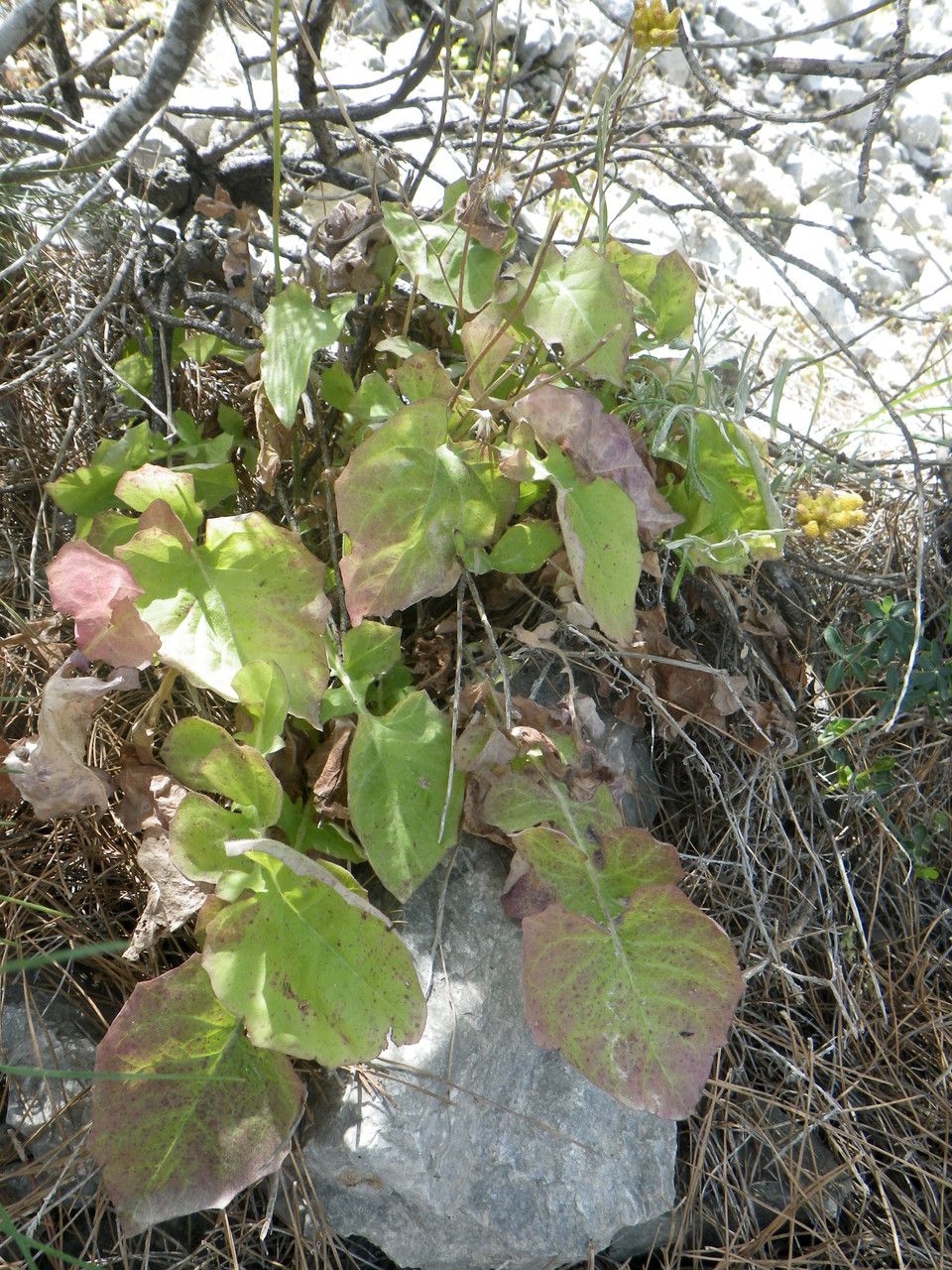
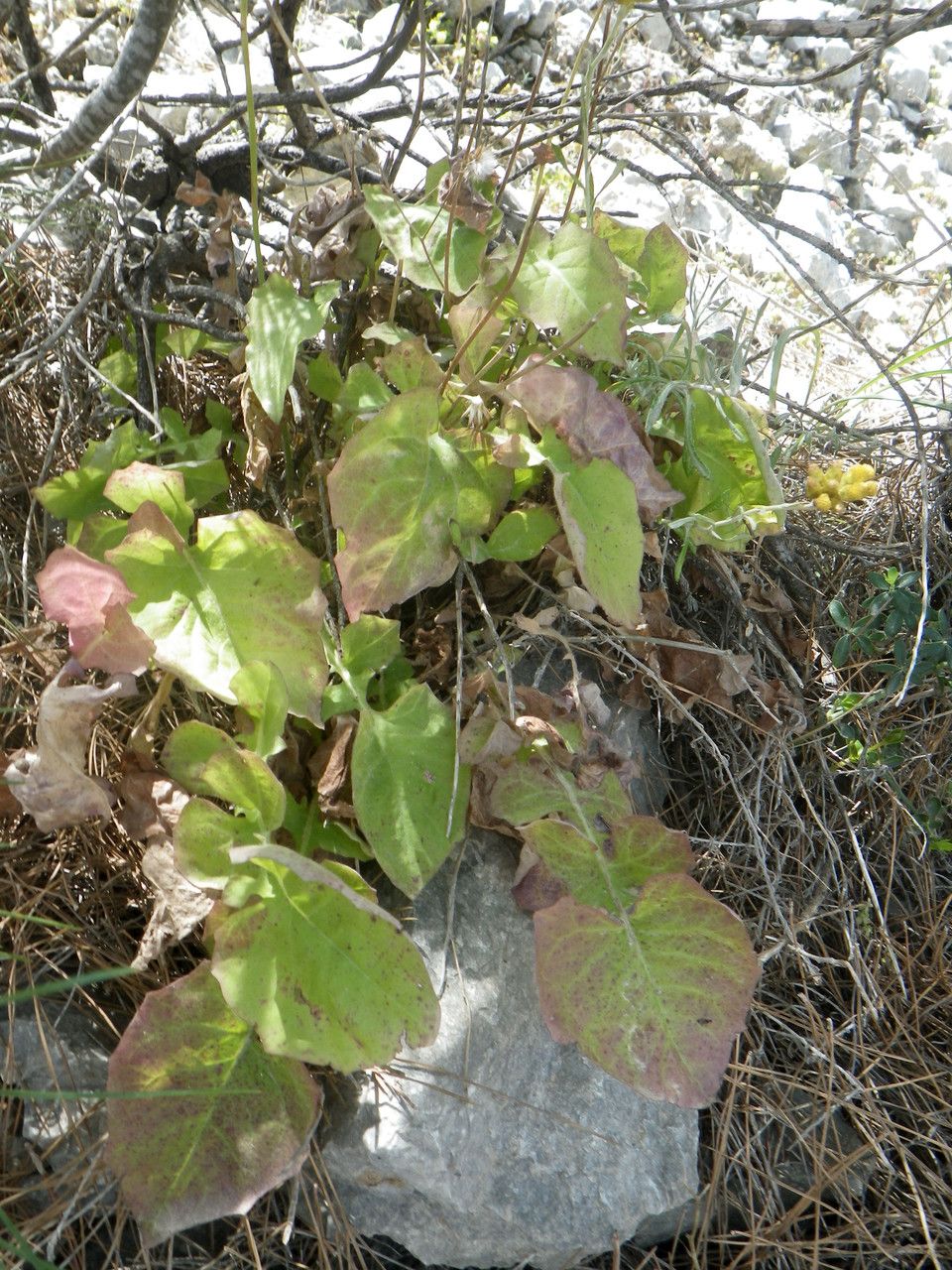
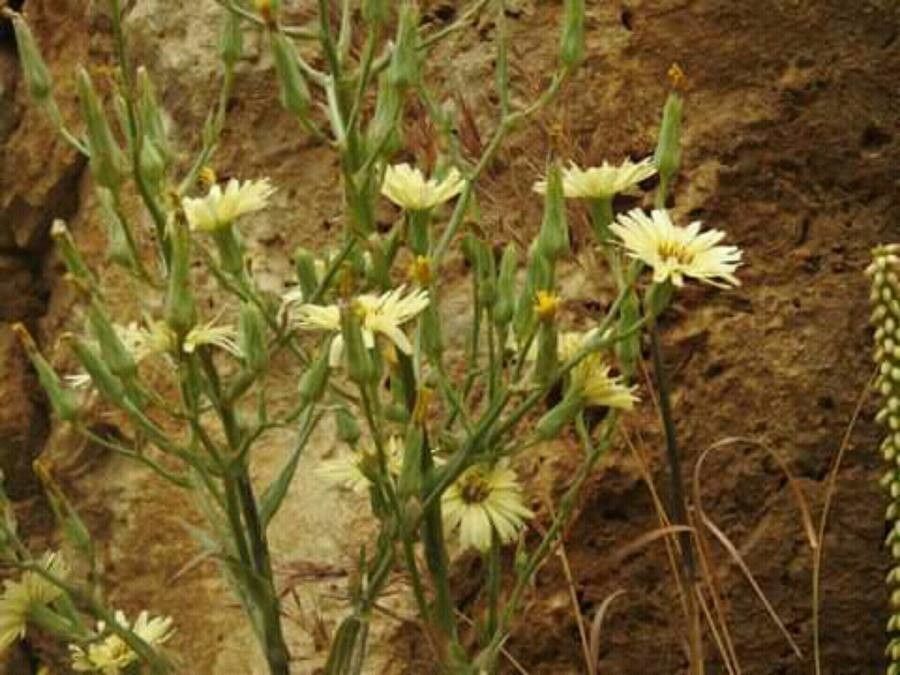
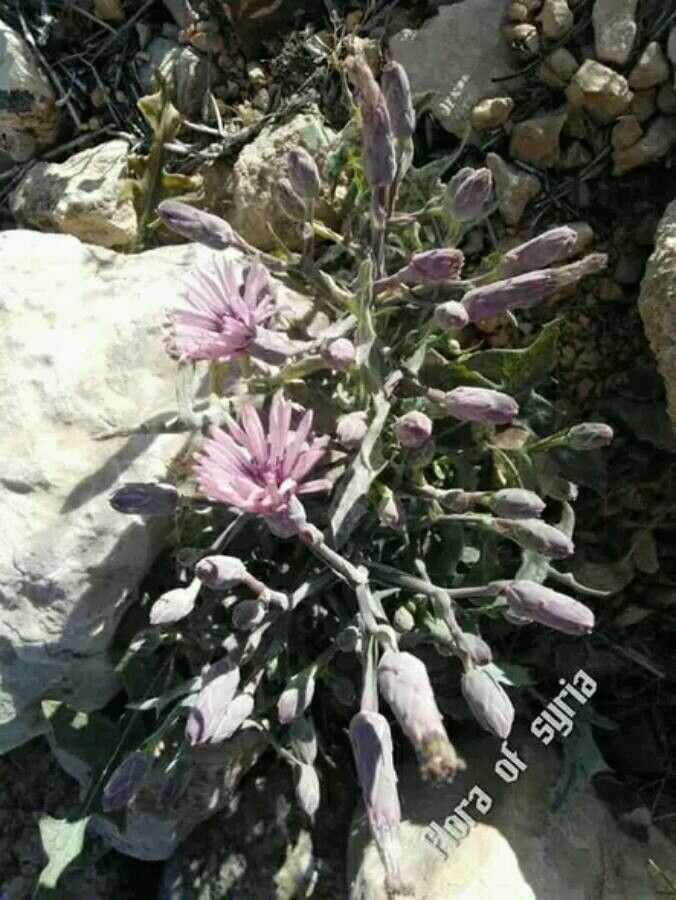
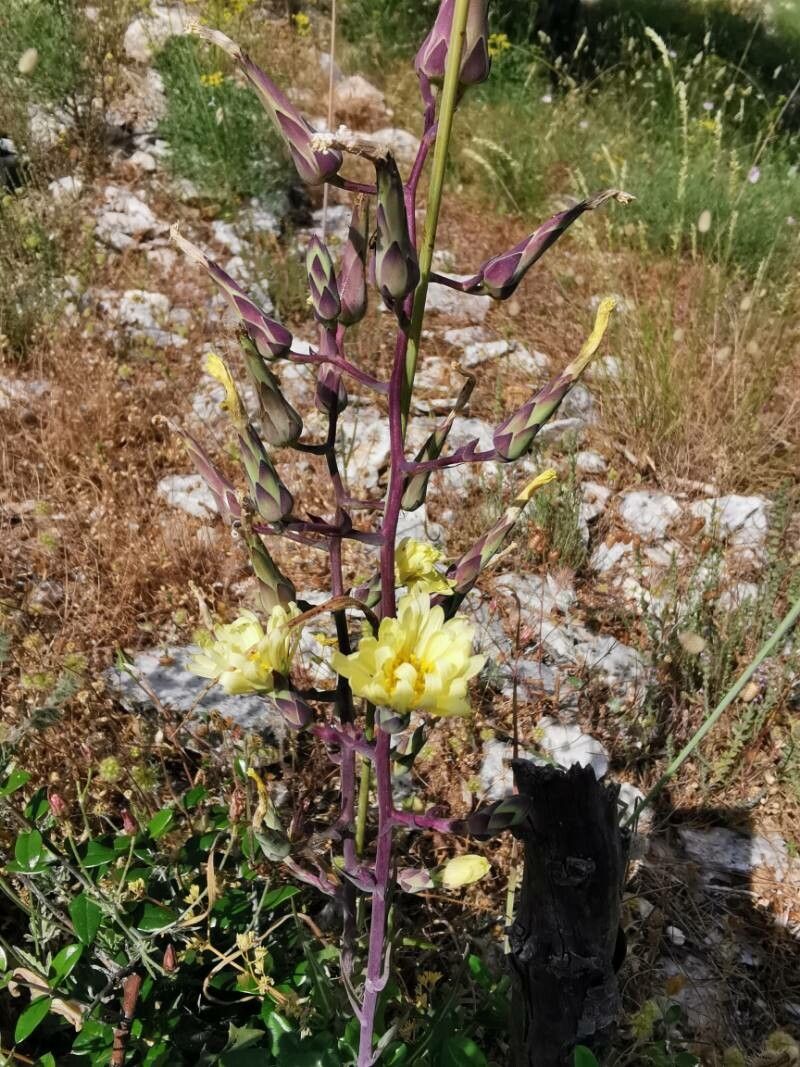
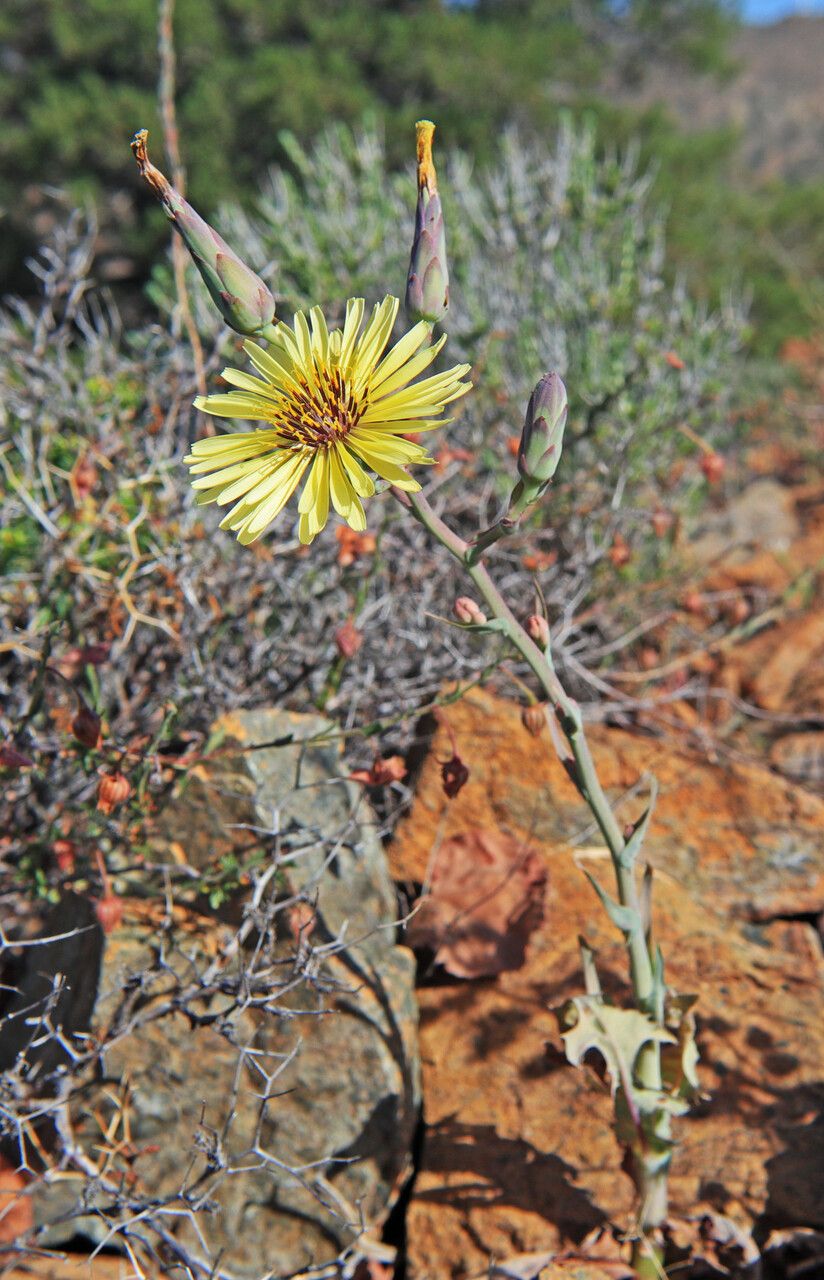
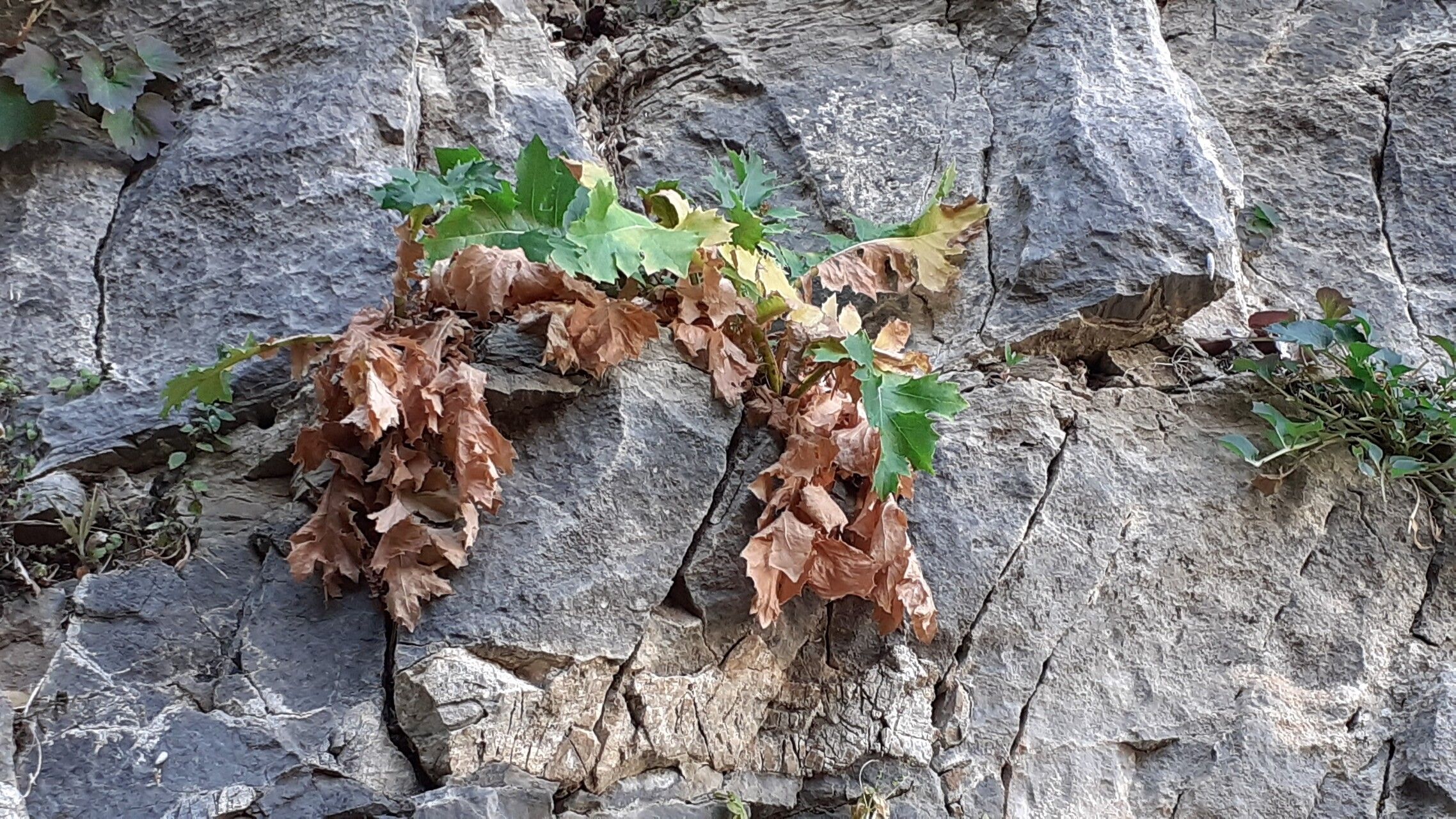
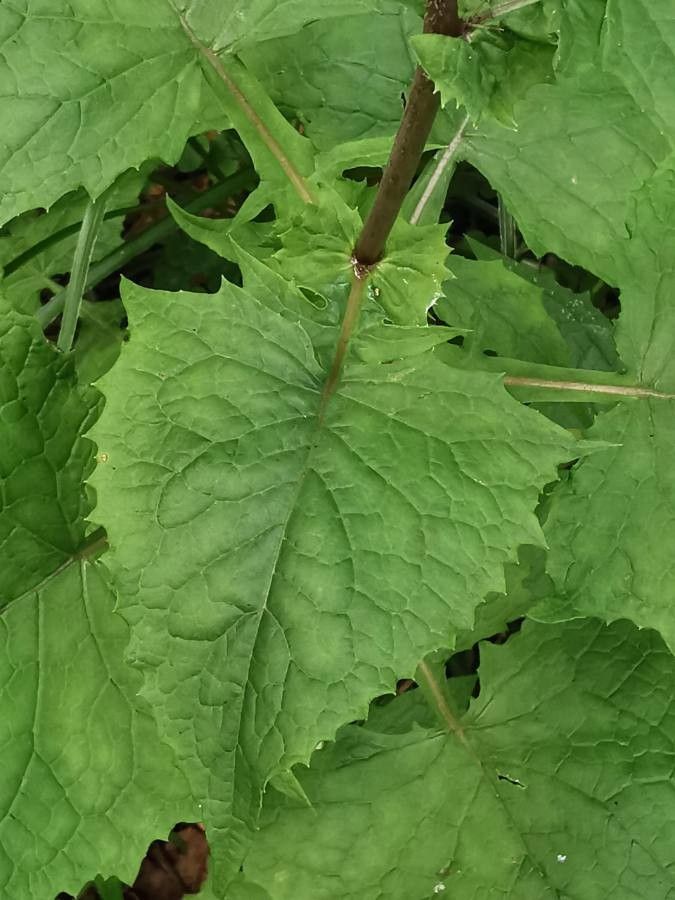
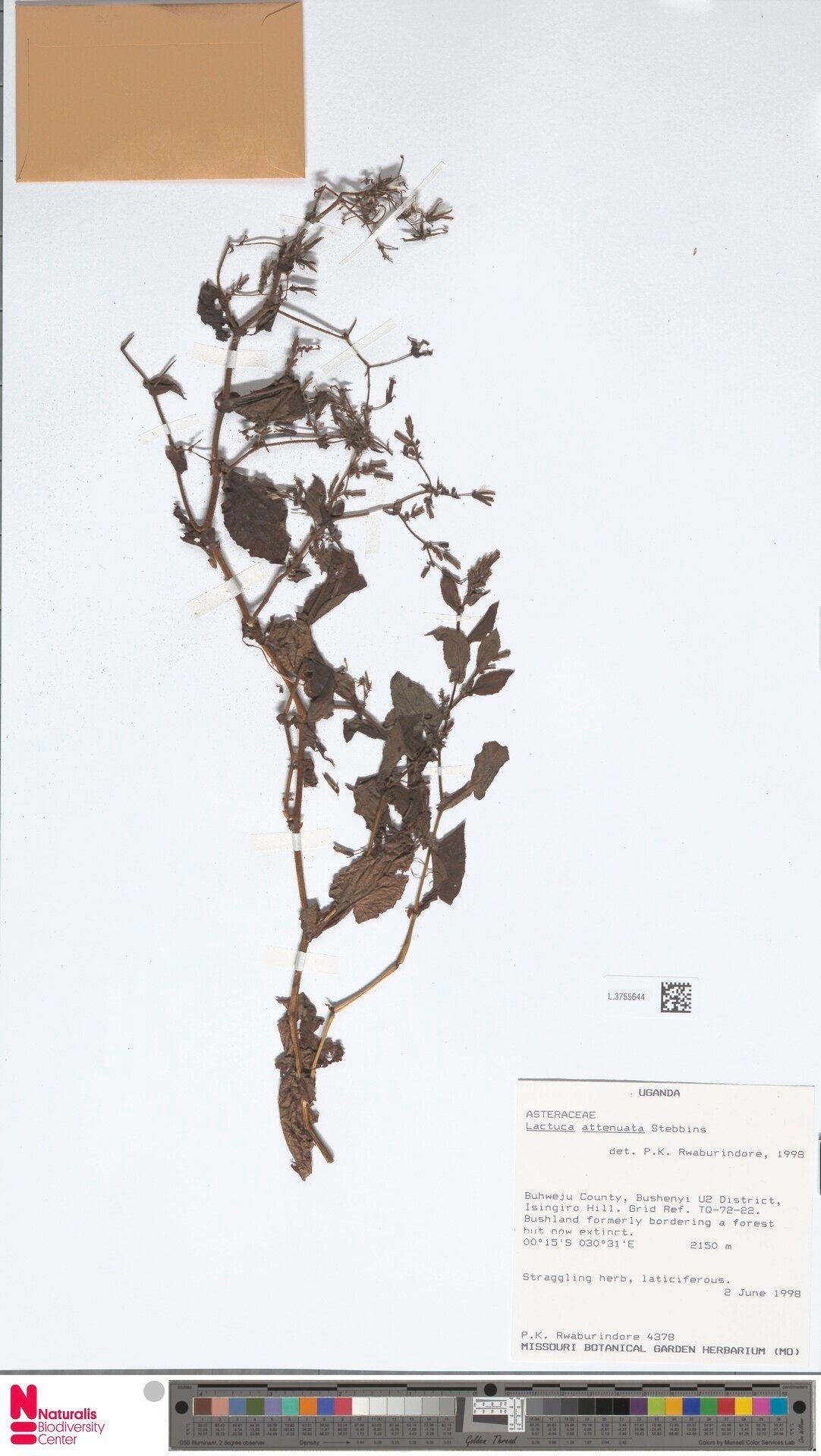
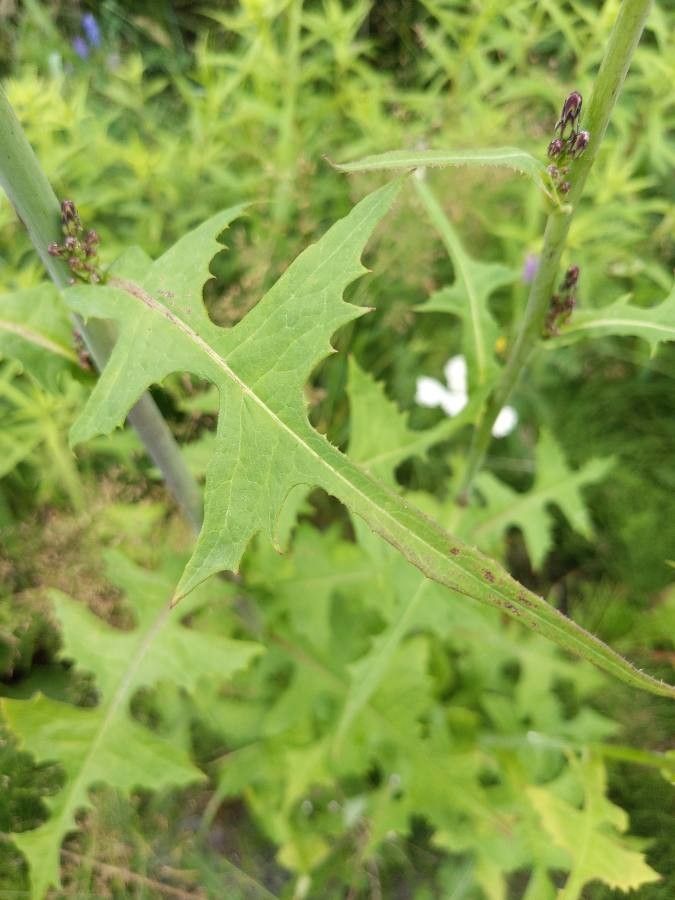
Lactuca tuberosa is an ornamental plant in the family Asteraceae.
Tuberous lettuce has moderate resistance to disease but can be vulnerable to problems like leaf spot. Its vulnerability to insect pests depends on the variety, although most cultivars tend to be less resistant to pests. Regarding care, tuberous lettuce requires regular watering and fertilization and frequent removal of yellowing leaves. It is important to address pests and diseases as they arise and to harvest the crop promptly. Tuberous lettuce is best for people who can commit some time and effort to routine care.
How to keep Lactuca Tuberosa.
Light
Tuberous lettuce comes from habitats like forest understories and rocky areas that provide natural shade. Its preferred light level is partial sunlight, though it can tolerate full sun when required. This versatility lets it perform well under a range of sunlight conditions.
Temperature
Tuberous lettuce prefers moderate temperatures, similar to those most people find comfortable. It does best in conditions that are neither too warm nor too cold. The main concern with high temperatures is the risk of sunburn, so providing some shade in summer is advisable to prevent excessive heat. When temperatures fall, tuberous lettuce becomes dormant. If you want it to keep growing, you need to keep temperatures higher through the winter. Frost can damage the plant and should be avoided.
Fertilizer
Tuberous lettuce varieties benefit from one or two applications of natural organic fertilizers containing potassium and phosphorus. Apply the fertilizer before planting, work it into the soil and water thoroughly. One application is generally enough, but a second can be applied once seedlings are established. Avoid overusing fertilizer to prevent damage to the plants.
Pruning
To promote optimal health and productivity, tuberous lettuce should be pruned strategically from early to late spring. Removing dead leaves and excess growth enhances air circulation and prevents disease. This practice boosts both plant vigor and tuber quality, highlighting the importance of regular maintenance.
Botanical profile.
- Plant Type
- Herb
- Life Cycle
- Biennial, Perennial
- Genus
- Lactuca
- Family
- Asteraceae
- Hardiness Zone
- 5-9
- Mature Height
- 30 cm to 61 cm
- Mature Spread
- 20 cm to 30 cm
- Leaf Color
- Green, Dark Green
- Leaf Type
- Deciduous
- Flower Color
- Yellow
- Flower Size
- 1.02 cm to 1.52 cm
- Bloom Time
- Early summer, Mid summer
- Planting Time
- Autumn
- Harvest Time
- Late summer, Early fall
- Native Area
- Russia, Iraq, Tunisia, Turkey, Syria, Oman, Iran, Cyprus, Bulgaria, Azerbaijan, Greece, Armenia, Ukraine, Lebanon
Other names.