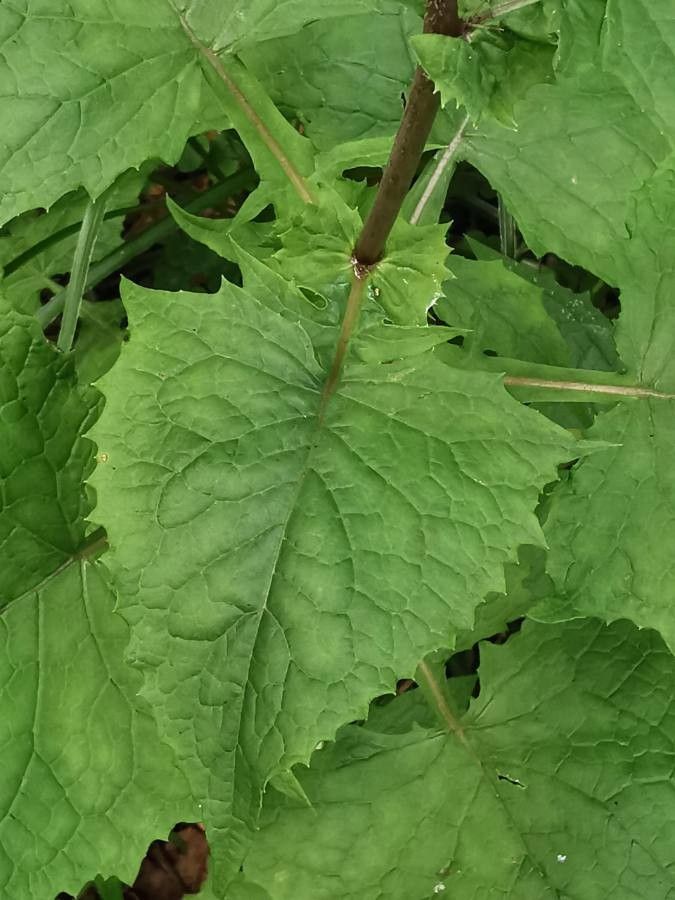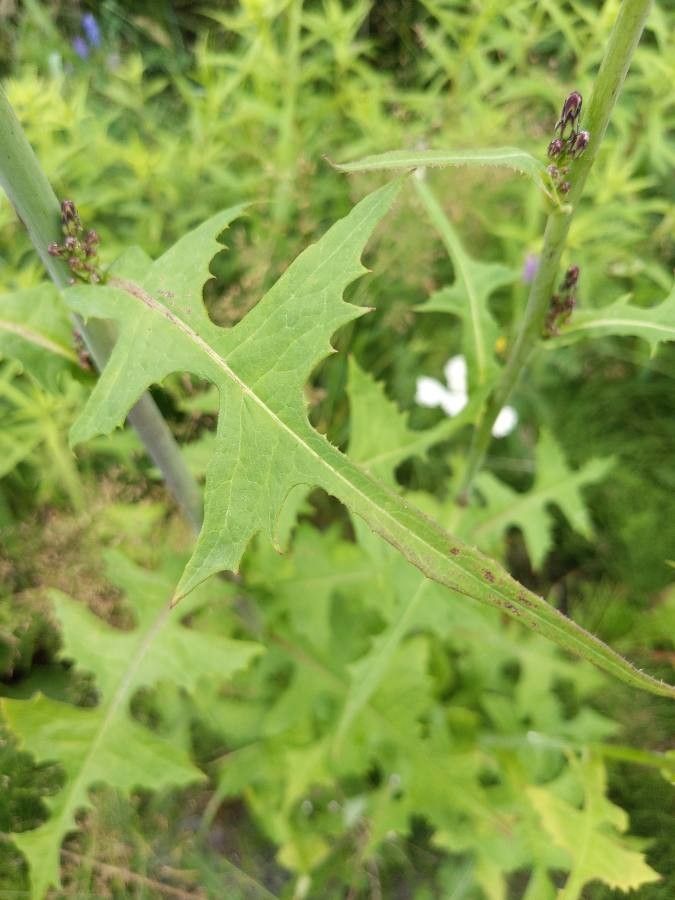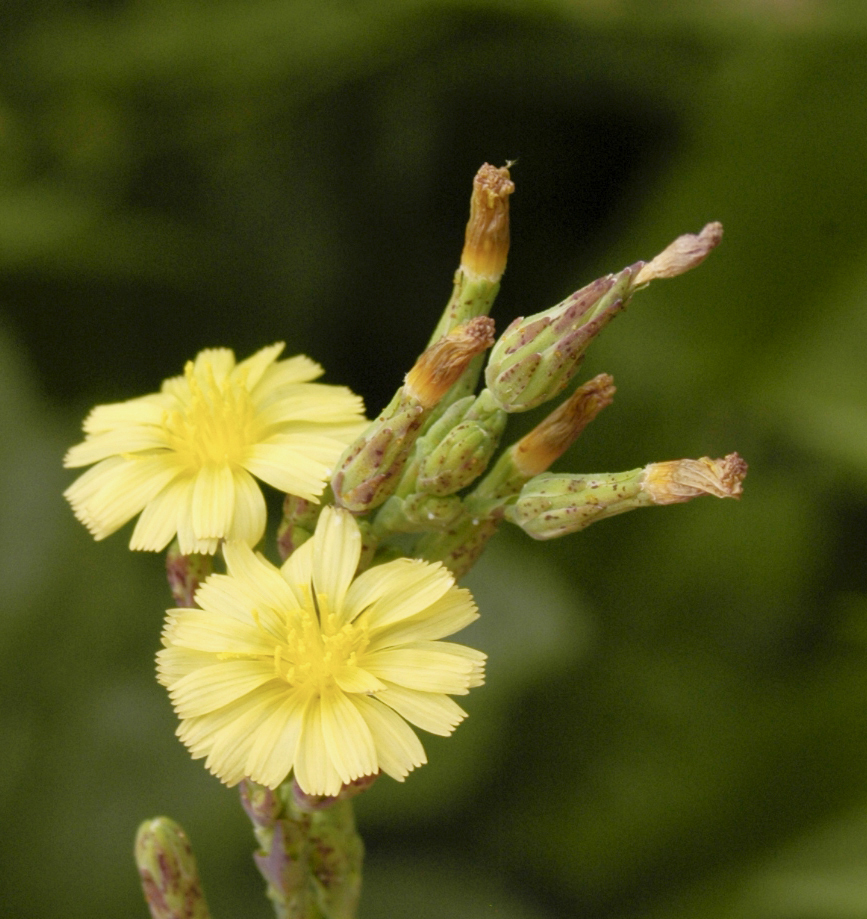
Lactuca sativa, commonly known as lettuce, is a leafy green vegetable belonging to the Asteraceae family. It is widely cultivated for its edible leaves and is a popular ingredient in salads and sandwiches. Lettuce plants are annuals that can grow up to 30 cm in height and have green or reddish leaves with a slightly bitter taste. The plant requires cool temperatures for optimal growth and can be cultivated both indoors and outdoors.
Lettuce is rich in vitamins A, C, and K, as well as folate, iron, calcium, and potassium, making it an excellent source of nutrition. The plant has been cultivated since ancient times, with evidence of its use dating back to ancient Egypt, where it was considered a symbol of fertility due to its rapid growth rate.
Today, lettuce is grown worldwide, with many different varieties available. One notable variety is romaine lettuce (Lactuca sativa var. longifolia), which has longer leaves than other types, making it ideal for use in wraps, tacos, and other dishes.
Garden lettuce has historically been a symbol of sexual vitality. The ancient Egyptians believed that eating lettuce enhanced sexual prowess and fertility in women. The Romans held a similar view, associating lettuce with increased fertility. However, the ancient Greeks saw lettuce in a different light. According to Greek mythology, Adonis, a symbol of inappropriate and immature sexuality, died in a field of lettuce. To the Greeks, lettuce symbolized impotence. FUN FACT · FROM THE LIBRARY
Lettuce, often referred to as "garden lettuce," has an interesting etymology. The word "lettuce" is derived from the Old French word "latue" and ultimately from the Latin word "lactūca." The Latin term "lac," meaning milk, refers to the milky white sap found in the stem of the lettuce plant. Because this type of lettuce is commonly grown in gardens, it is known as garden lettuce.
Garden lettuce has moderate resistance to disease but can be vulnerable to problems such as leaf spot. Its vulnerability to insect pests differs by variety, though most cultivars have relatively low pest resistance. Regarding care, garden lettuce requires consistent watering and fertilizing, along with frequent removal of yellow leaves. It is crucial to manage pests and diseases as they arise and to harvest the crop promptly. Garden lettuce is suited to people who can dedicate some time and effort to regular maintenance.
How to keep Lactuca Sativa.
Light
Garden lettuce needs plenty of light to grow best, although it can tolerate lower-light conditions. Sunlight helps preserve its vigor and coloration. From germination through maturity, steady but not intense light is essential. Its original habitat was sunny, open areas. Both excessive and insufficient light can damage its growth.
Water
Garden lettuce thrives in consistently moist soil, and watering it twice a week helps achieve this. While it can tolerate moderate drought conditions, keeping the soil moist is essential for producing healthy leaves and preventing bolting. Usually grown outdoors, lettuce demands careful irrigation during its active growing season.
Humidity
This plant will thrive in moderate humidity, which is probably the level in your home. However, misting it a few times a week can be very beneficial. Make sure the room has good ventilation.
Temperature
Native to temperate regions, garden lettuce prefers a temperature range of 68 to 95 °F (20 to 35 ℃). Seasonal adjustments might be required to maintain optimal growth; in cooler months, consider using a heated environment for cultivation.
Fertilizer
To achieve maximum yield, garden lettuce benefits from regular applications of a balanced fertilizer, especially one high in nitrogen. Apply fertilizer before planting, at the time of planting, and again when seedlings are 2 inches tall. Adding compost or manure also delivers a steady nutrient supply. When soil nutrients are lacking, leaves and stems remain underdeveloped, flavor suffers, stems stay thin, and a bitter taste may develop.
Pruning
Garden lettuce is a leafy green vegetable known for its crisp texture and mild flavor. To ensure healthy growth, prune the plants regularly, particularly from early to late spring. By removing damaged leaves and improving airflow, this practice reduces the risk of disease and enhances the quality of the harvest, leading to a more abundant yield.
Pot & Repot
When repotting Garden lettuce, choose a pot that's 1-2 inches (2.5–5.1 cm) larger in diameter and make sure it has good drainage. Use a well-draining potting mix and consider adding perlite for extra drainage. Repot in spring or early summer, water thoroughly, and place it in a shady spot for the very beginning.
Toxicity
Though lettuce is a widely edible vegetable, it is considered unsafe when ingested in large quantities or when harvested too early. However, you are likely to get sick from contaminated lettuce or from the pesticides rather than the vegetable itself.
Further reading →
The toxicity and danger assessments provided are for reference only. We do not assure their accuracy, so it's crucial not to depend on them. Seek professional advice when necessary for accurate guidance.
Botanical profile.
- Plant Type
- Herb
- Life Cycle
- Annual, Biennial, Perennial
- Genus
- Lactuca
- Family
- Asteraceae
- Hardiness Zone
- 2-10
- Mature Height
- 15 cm to 91 cm
- Mature Spread
- 15 cm to 30 cm
- Leaf Color
- Green, Yellow, White, Red, Variegated, Gold, Purple
- Leaf Type
- Deciduous
- Flower Color
- Yellow
- Flower Size
- 0.76 cm to 1.52 cm
- Bloom Time
- Mid spring, Late spring, Early summer
- Planting Time
- Spring, Autumn
- Harvest Time
- Early summer, Mid summer
- Native Area
- Russia, India, Kazakhstan, Azerbaijan
Other names.
Reader questions.
When Should I Water My Garden Lettuce?
Watering your garden lettuce is crucial for its health and productivity. The right time to water is when the soil feels dry 2 inches deep, the leaves look wilted or droopy, or they start to turn yellow or brown. Additionally, if the plant shows slow or limited growth, it might need more water, especially in warm conditions or during high sunlight exposure. However, beware of watering too early or too late as it could lead to root diseases from over-watering or stunt the plant's growth from dehydration.
Why do I have to put fertilizer on my Garden lettuce?
Garden lettuce is grown for its delicious leaves and shoots, so it needs enough nutrients to have amazing flavor and yield. If this plant is grown in nutrient-deficient soil, its leaves and stems will not develop properly and the flavors will be subpar compared to plants grown in better conditions. The stems may be thin and the taste may be bitter. If you are growing Garden lettuce in a container, fertilization is especially important because container plants have less access to organic matter than those grown in the ground. To supplement your Garden lettuce in a pot, use a balanced liquid fertilizer.
What are the sunlight requirements for garden lettuce?
Garden lettuce thrives best when it receives sufficient sunlight, which is crucial for its growth, health, and coloring. It requires a constant, but not intense, light exposure from sprouting to maturity. Ideally, garden lettuce should be placed in spots that receive full sun, defined as above 6 hours of sunlight a day, or partial sun, which means about 3-6 hours of sunlight daily. Originally adapted to sunny, open spaces, lettuce can endure less illuminated conditions, although too much or too little light can be detrimental to its growth. It's important to observe how sunlight moves through your garden over the day and select planting spots that offer the right balance of light and shade to ensure the plants' well-being.
What is the optimal temperature range for growing garden lettuce?
Garden lettuce, scientifically known as Lactuca sativa, thrives best in temperate environments with a preferred temperature range of 68 to 95°F (20 to 35°C). To maintain optimal growth, it may be necessary to adjust for seasonal variations. During cooler months, ensuring the temperature remains above 20°C by using a heated environment can benefit plant growth. Additionally, it's important to prevent the temperature from dropping below freezing to avoid damage to the plant.
How Should I Water My Garden Lettuce?
For optimal growth, water your garden lettuce at the base of the plant, using a watering can with a narrow spout to direct the flow, or consider bottom-watering methods. Avoid overhead watering to minimize the risk of fungal diseases and do not wet the foliage excessively. Using a moisture meter can help you identify the right time to water. Ensure the soil has good drainage and adjust your watering based on the temperature and humidity.
When should I put fertilizer on my Garden lettuce in order for it to grow best?
To benefit your Garden lettuce, there are specific points during the growing season when you should apply fertilizer. Firstly, when you prepare the ground for planting, amend the soil with nutrient-rich organic material like compost or manure, at least 2 to 8 weeks before planting. Secondly, amend the soil again at planting time using the same method. Once your seedlings emerge and are around 2 inches tall, apply the next dose of fertilizer. From then on, you can regularly feed your Garden lettuce with rich organic matter or a commercial fertilizer until harvest. A recommended schedule is to fertilize every two to three weeks. Additionally, it's advisable to add a layer of compost or manure around the plant for a continuous supply of nutrients.
How can artificial lighting be used for garden lettuce?
When natural sunlight is insufficient, especially during winter or in less sunny spaces, artificial lighting becomes essential for the growth of indoor garden lettuce. The correct type of artificial light can promote faster, healthier growth. LED lights are recommended due to their ability to provide specific wavelengths needed for plant growth. The intensity of artificial light required varies with the type of plant: full sun plants need 30-50W per square foot, partial sun plants need 20-30W per square foot, and full shade plants require 10-20W per square foot. The light source should be placed 12-36 inches above the plant to mimic natural sunlight as closely as possible, and the lighting should be maintained for 8-12 hours daily to replicate the natural daylight hours most plants need.
How should garden lettuce be protected during winter?
During winter, when outdoor temperatures approach -5°C (25°F), garden lettuce requires protection to prevent freeze damage. This can involve bringing the plants indoors or setting up temporary protective measures such as a greenhouse. Utilizing plastic film or fabric to wrap the plant can also provide sufficient protection against the cold, ensuring the plant's survival through freezing temperatures.
How Much Water Does Garden Lettuce Really Need?
Garden lettuce, with its shallow roots, requires frequent but light watering sessions. The exact amount varies depending on factors such as pot size and plant size. For instance, a small plant in a 4-inch pot may need about 1/4 to 1/2 cup of water, while larger plants might need up to 1 cup. The goal is to keep the soil evenly moist without waterlogging. Signs of proper hydration include crisp, sturdy leaves and moderately moist soil.
When is it not a good idea to put fertilizer on my Garden lettuce?
To ensure optimal growth for garden lettuce, it is important to avoid fertilizing when the soil is dry. This plant needs a sufficient amount of water to properly absorb nutrients. Similarly, it is advisable to refrain from using chemical fertilizers on this plant when it is not actively growing. Using excessive amounts of chemical fertilizer during off-seasons can introduce more nutrients than the plant can utilize, risking contamination of soil and groundwater. Therefore, it is recommended to only fertilize during the active growing periods.
What symptoms indicate light deficiency in garden lettuce?
Garden lettuce may display subtle symptoms of light deficiency when grown indoors or under limited light, which include smaller new leaves, leggy or sparse growth, faster leaf drop, slower or halted new growth, and lighter-colored or irregularly colored new leaves. These signs indicate the plant is not receiving adequate light for optimal growth and health. Other more severe symptoms of light stress include chlorosis (leaves turning yellow due to chlorophyll breakdown), sunscald (damage from intense sunlight exposure), leaf curling (a defense mechanism against excess light), wilting (due to increased water loss), and leaf scorching (brown, dry edges on leaves caused by excessive sunlight). Identifying these symptoms early can help in taking corrective measures to improve light conditions for your lettuce.
What are the symptoms of garden lettuce being exposed to low temperatures?
Garden lettuce has a moderate tolerance to low temperatures and performs best between 20°C and 35°C. Exposing the plant to temperatures below 0°C can lead to symptoms such as leaves darkening in color. In extreme cold below -40°C, the lettuce may exhibit water-soaked necrosis, wilting, drooping, and gradual browning of the leaves. These are critical indicators of damage due to low temperatures.