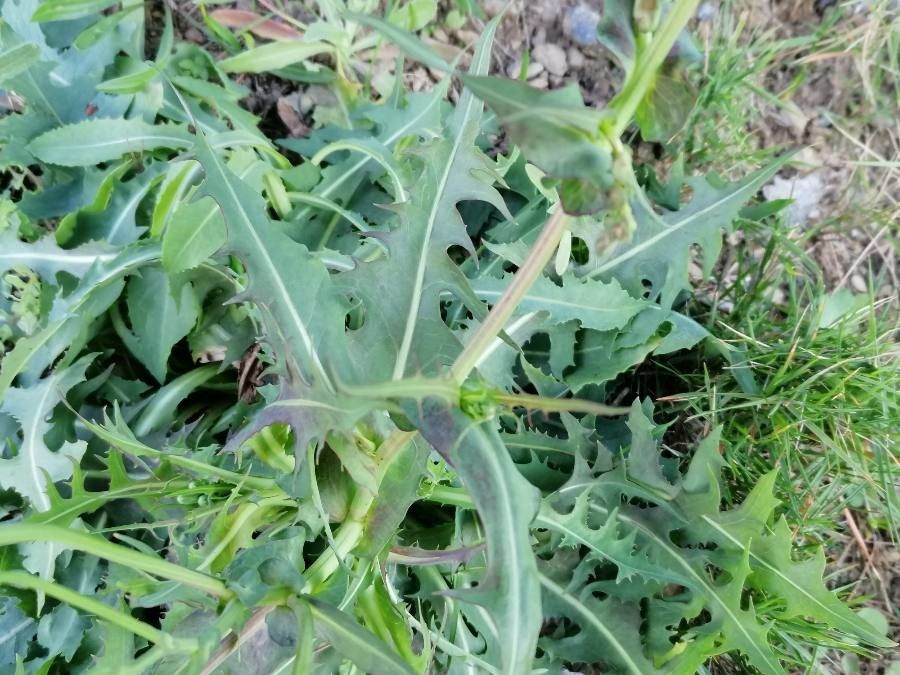
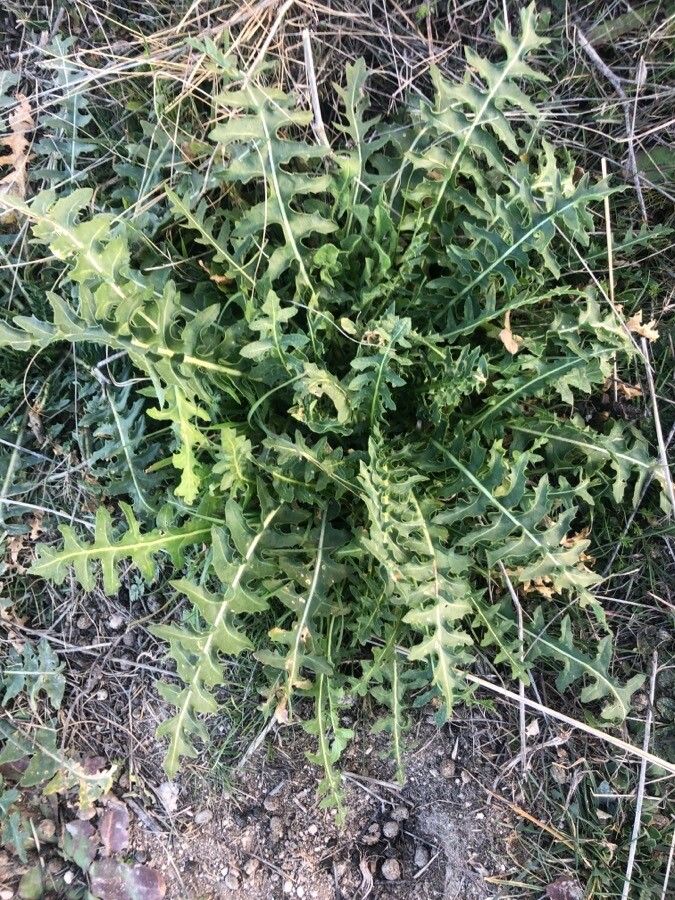
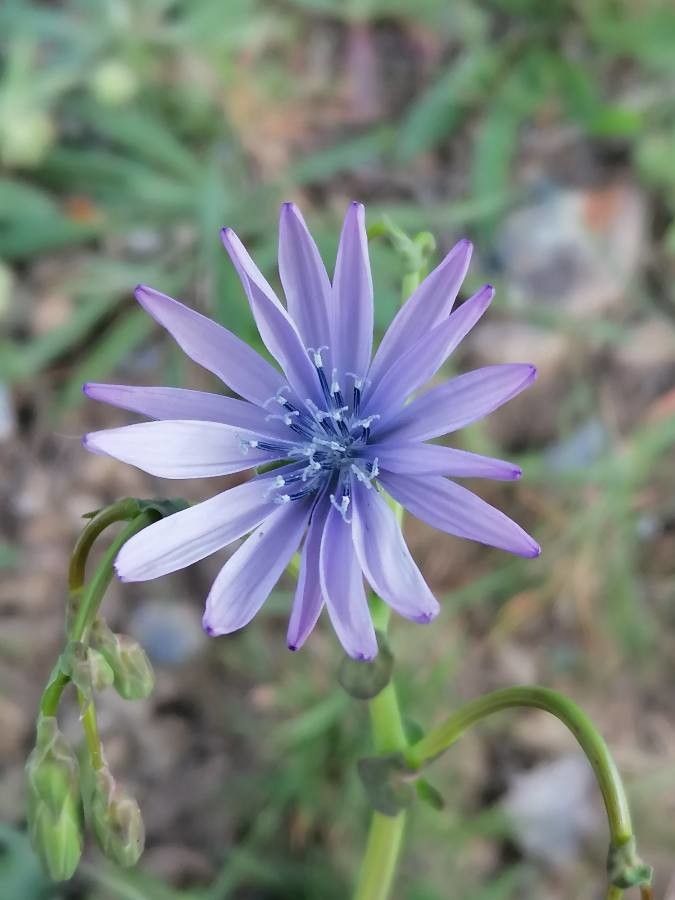
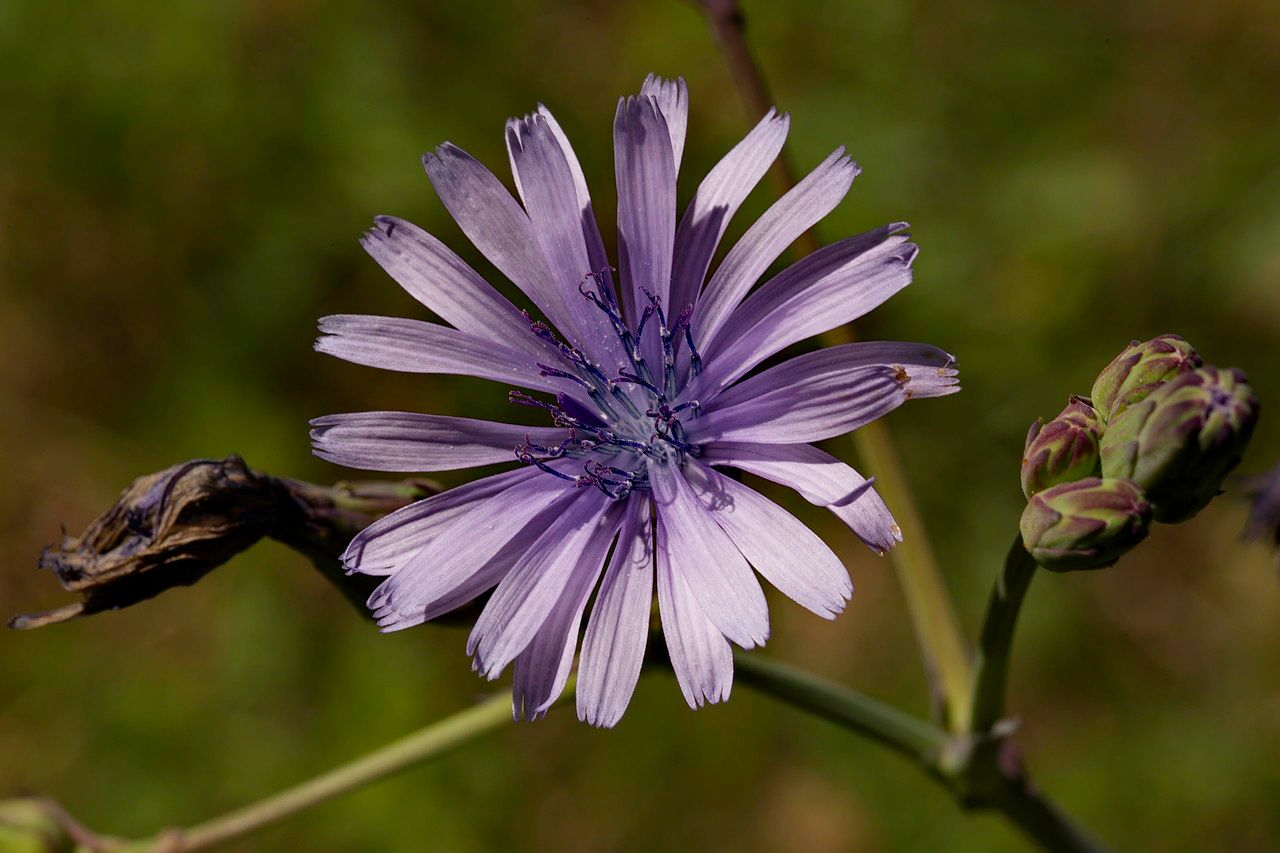
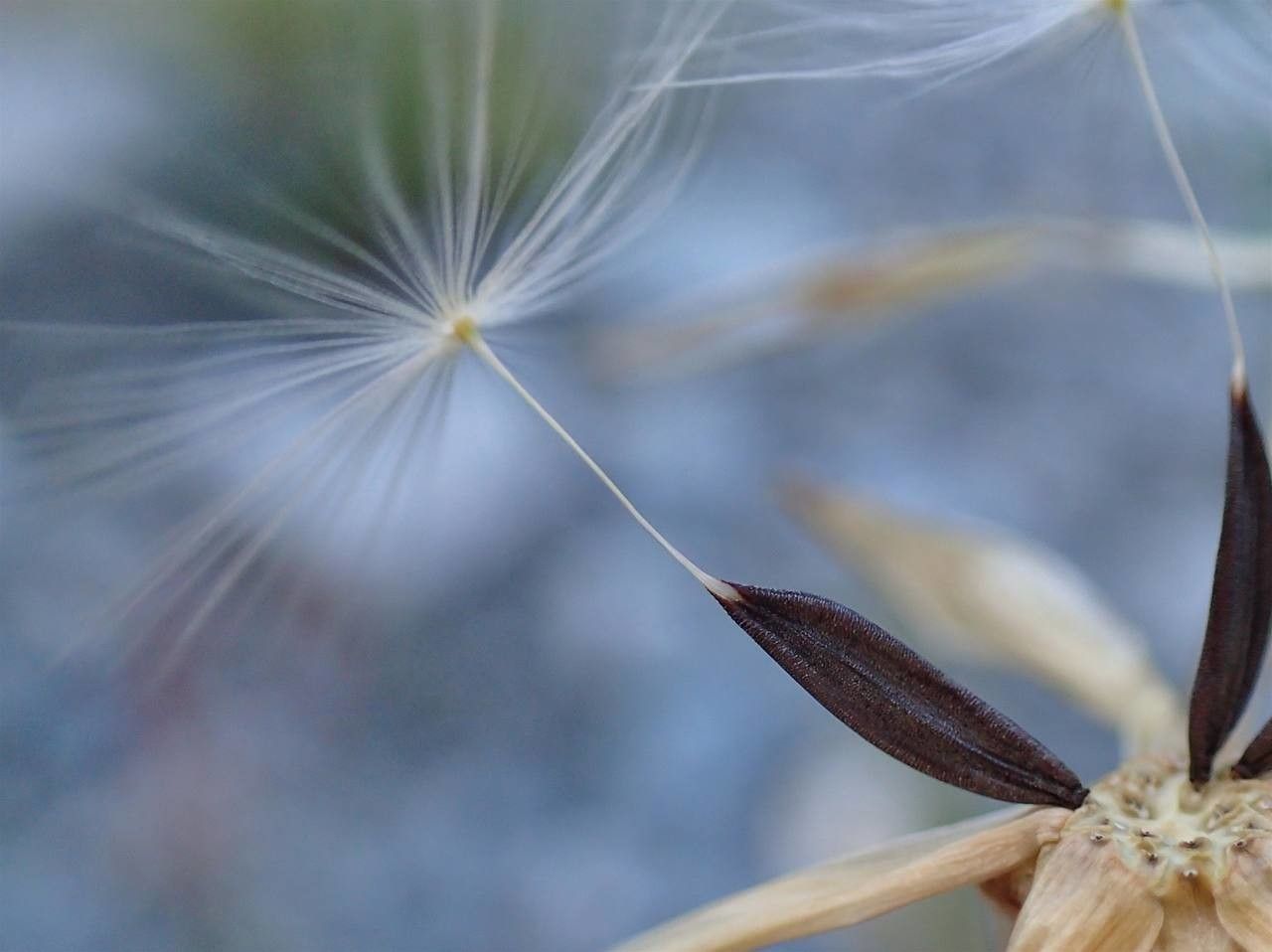
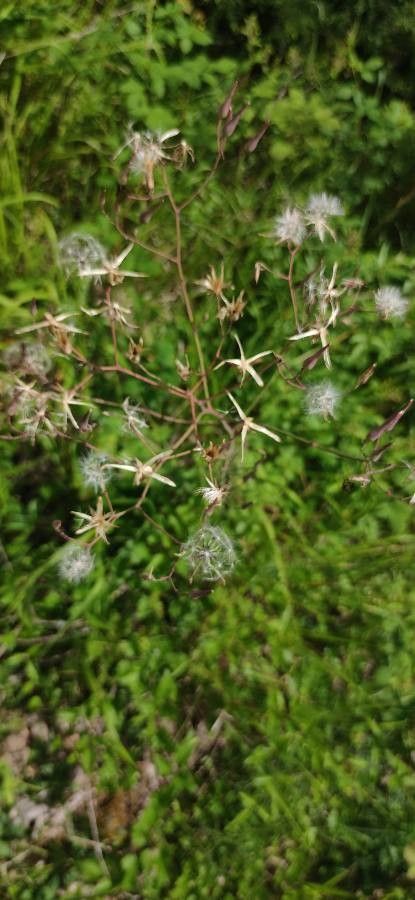
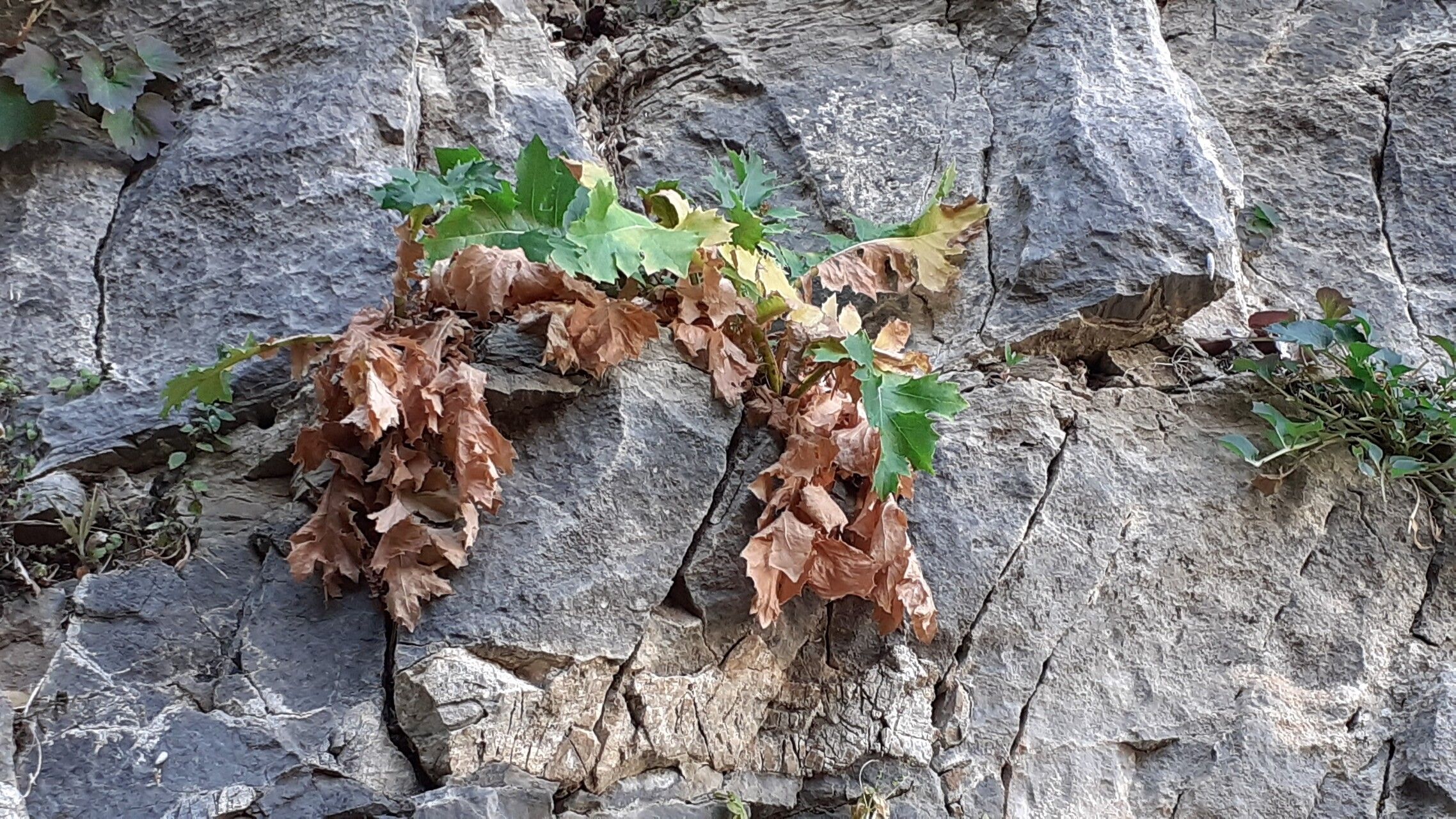
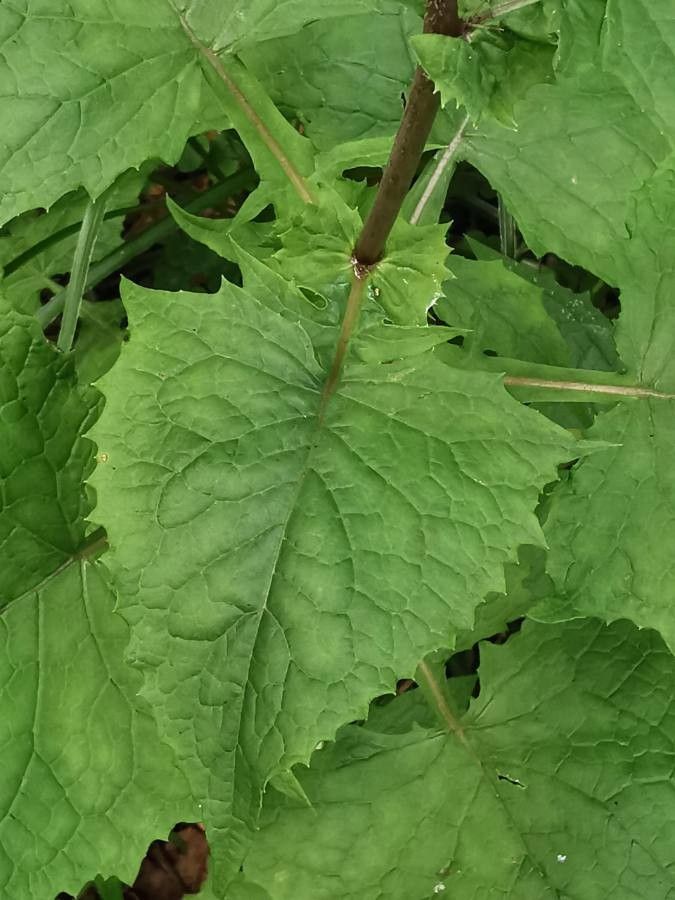
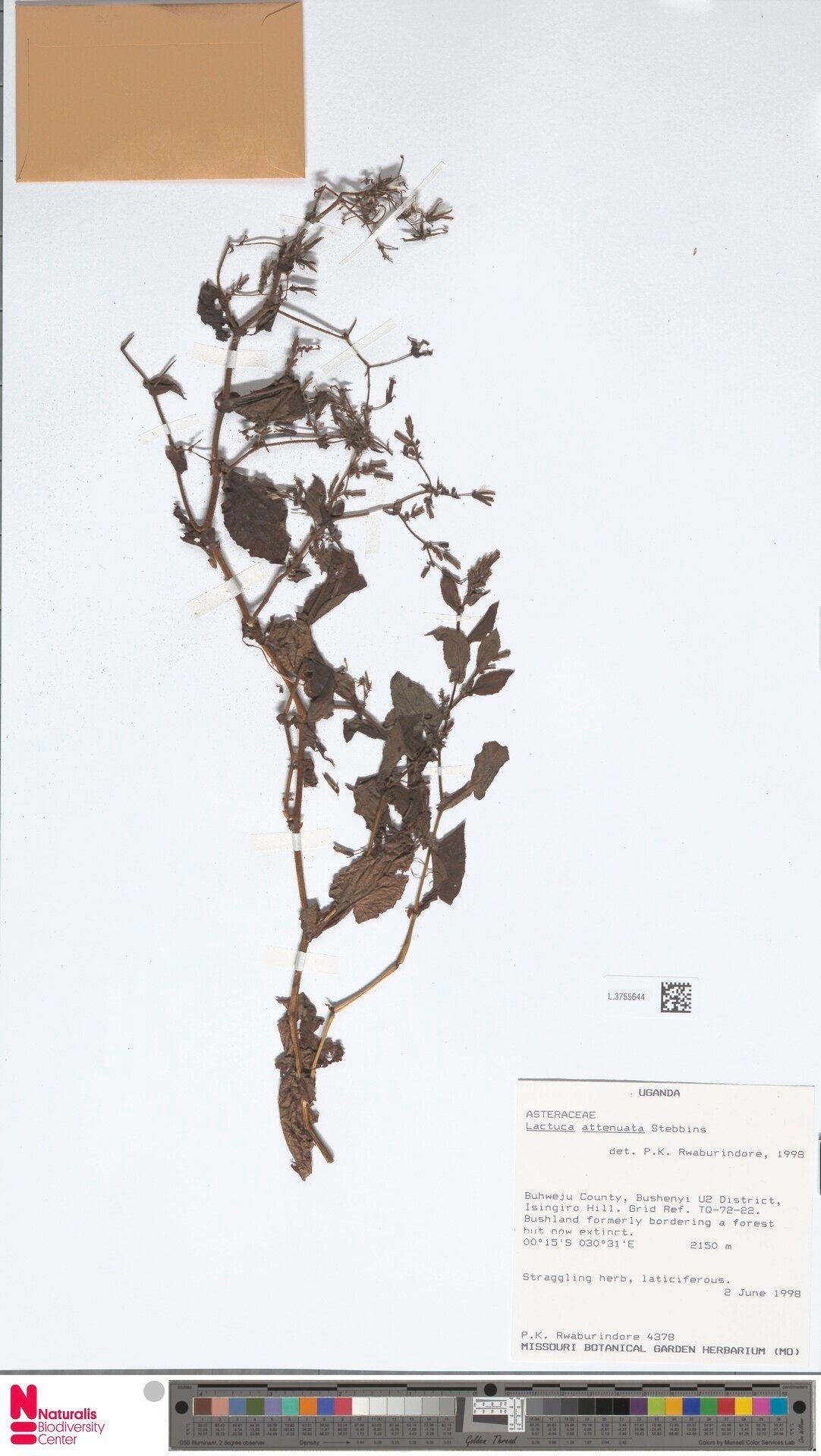
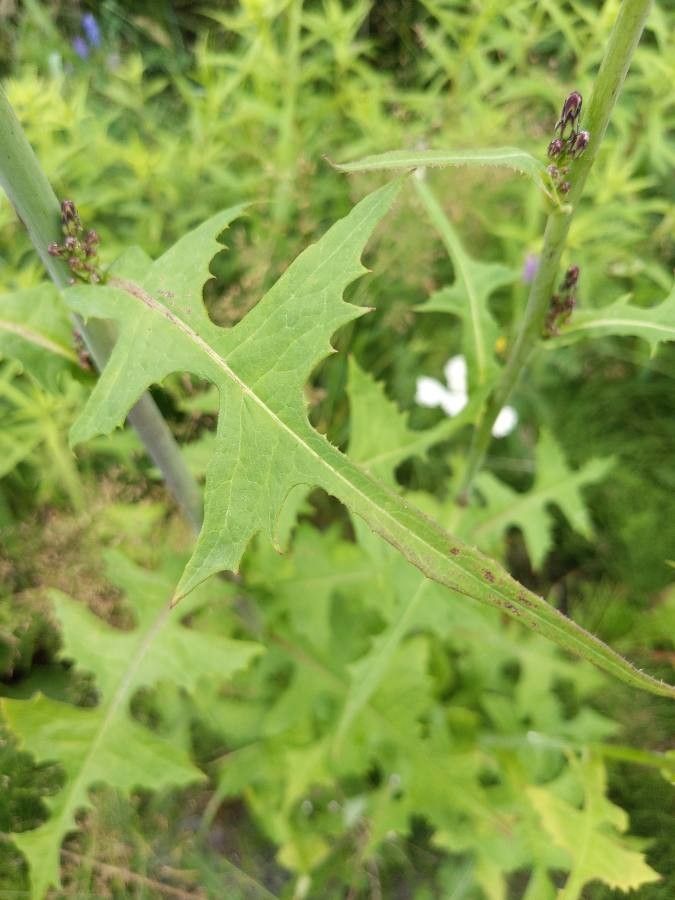
Lactuca perennis, common names: mountain lettuce, blue lettuce or perennial lettuce, is a perennial herbaceous plant species belonging to the genus Lactuca of the family Asteraceae. It is widespread across most of central and southern Europe. Its leaves are edible.
Mountain lettuce has moderate resistance to disease but can be vulnerable to illnesses such as leaf spot. Its vulnerability to insect pests varies by variety, although most varieties are relatively less resistant to pests. Regarding care, mountain lettuce requires regular watering and feeding, along with frequent removal of yellowing leaves. It is important to address pest and disease issues as they arise and to harvest the plant promptly. Mountain lettuce is best suited to people who can dedicate some time and effort to ongoing care.
How to keep Lactuca Perennis.
Light
Mountain lettuce does best in places where the sun's rays are unobstructed and shine uninterrupted throughout the day. Originating in open areas, it can tolerate conditions in which sunlight is lacking. Excessive or insufficient light can negatively affect its growth.
Water
Mountain lettuce thrives in rocky habitats, preferring consistent moisture without becoming over-saturated, and it shows resilience during dry spells. To maintain its health, it is important to water it regularly, about once a week. Typically cultivated outdoors, mountain lettuce aligns its growth cycle with seasonal rainfall, taking advantage of periods with higher precipitation.
Temperature
Mountain lettuce is native to temperate environments and does best in temperatures from 41 to 95°F (5 to 35°C). It favors cooler conditions in spring and autumn. In summer, provide shade to keep conditions within a suitable temperature range.
Fertilizer
To maximize the yield and flavor of Mountain lettuce, provide sufficient nitrogen throughout the entire growth period, including the pre-planting stage and up to harvest. Plants that are well watered and fertilized develop plentiful, healthy leaves and have reduced bitterness. Before planting, amend the soil with organic matter such as compost or manure, preferably 2 to 8 weeks ahead.
Pruning
Mountain lettuce is a perennial plant known for its vibrant blue flowers and leafy greens. To keep it healthy and looking its best, prune it from early to late spring. You can do this by cutting back the spent flower stalks and thinning out dense areas to improve air circulation. This not only helps prevent disease and encourages better flowering but also enhances the plant's overall appearance and health.
Botanical profile.
- Plant Type
- Herb
- Life Cycle
- Perennial
- Genus
- Lactuca
- Family
- Asteraceae
- Hardiness Zone
- 5-9
- Mature Height
- 20 cm to 61 cm
- Mature Spread
- 20 cm to 40 cm
- Leaf Color
- Light Green, Medium Sea Green
- Leaf Type
- Deciduous
- Flower Color
- Lavender
- Flower Size
- 3.05 cm to 4.06 cm
- Bloom Time
- Mid spring, Late spring, Early summer
- Planting Time
- Spring, Summer, Autumn
- Harvest Time
- Summer
Other names.
Reader questions.
How should I water my Mountain lettuce?
When watering the Mountain lettuce, it's important to use filtered water at room temperature or slightly warmer. Tap water can have particles that harm the plant. The plant prefers warm water because it comes from a warm environment and cold water can be a shock. Additionally, avoid overhead watering to prevent foliage problems. Instead, slowly apply the filtered water to the soil until it is completely soaked. This helps moisten the roots and supports their growth and nutrient absorption.
Why should I add plant food to my Mountain lettuce?
Mountain lettuce relies heavily on its leaves for its structure. One of the most effective ways to keep these leaves looking vibrant and fulfilling their purpose is through fertilization. When done correctly, fertilization promotes consistent color and a healthy texture in the leaves. Additionally, it works beneath the soil's surface to support root growth, both by generating new roots and maintaining existing ones. This ensures not only the plant's current health but also its ability to absorb necessary nutrients from the soil in the future.
What are the sun requirements for Mountain Lettuce?
Mountain Lettuce requires full sun, meaning it should receive more than 6 hours of sunlight daily, but it can also tolerate partial sun, approximately 3-6 hours of sunlight. Observing how sunlight moves through your garden is crucial for selecting the best spots that provide a perfect balance of light and shade, ensuring your plants' well-being.
What is the ideal temperature range for growing Mountain Lettuce?
Mountain lettuce thrives best in temperate conditions with a temperature range between 41 to 95°F (5 to 35°C). It prefers cooler temperatures during the spring and autumn seasons. To sustain suitable temperatures during hot summer periods, providing shade is recommended. This plant displays strong cold resistance, usually not requiring special frost protection. However, if temperatures are expected to fall below -25°C in winter, it is important to employ cold protection methods by covering the plant with soil or straw. Additionally, abundant watering before the first freeze in autumn is suggested to keep the soil moist, helping the plant avoid drought and water scarcity during the colder months.
What should I do if I give my Mountain lettuce too much water or too little water?
Overwatering is a common problem for Mountain lettuce, and it can cause wilting, yellowing of the leaves, and diseases like root rot, mold, and mildew. Underwatering is less common but can still happen, resulting in brittle, brown leaves. It's important to notice the signs of overwatering early and reduce watering immediately. If the soil doesn't drain well, replace it with a well-draining mix. If your lettuce is not getting enough water, increase the watering frequency until the signs improve.
When should I fertilize my Mountain lettuce?
Mountain lettuce, when grown outdoors annually, will start sending out new growth in early spring. This is the signal to begin fertilization for the year. Usually, one application of fertilizer in spring is enough for the lettuce to thrive. However, if you want to maximize its growth, you can fertilize it multiple times during spring and early summer. In this case, feed the lettuce roughly once every month to a month and a half.
What are the essentials for growing Mountain Lettuce successfully?
Mountain Lettuce thrives in locations with unobstructed sunlight, benefitting from its origin in open spaces. However, too much or too little light can negatively affect its growth. In cases where natural light is insufficient, especially during winter or in less sunny areas, artificial lighting can be a great alternative. LED lights are a popular choice, offering customizable wavelengths of light. Depending on the type of plant, 10-50W/sq ft of artificial light may be necessary, placed 12-36 inches above the plant for 8-12 hours a day to mimic natural sunlight effectively.
How does Mountain Lettuce react to low temperatures, and what measures should be taken?
Mountain lettuce is notably tolerant of cold temperatures, optimally growing when the temperature remains above 5°C. Throughout the winter, it is crucial to ensure the temperature does not drop below -20°C. Although the plant may not show noticeable changes if the temperature dips below -25°C, such conditions can lead to a decrease in sprouting or no sprouting at all come spring. If this occurs, the recommended solution is to remove any parts that have failed to sprout during the springtime.
How many times should I water my Mountain lettuce?
If your Mountain lettuce is in a pot, the best way to know if it needs water is to feel the soil with your finger. If the top two to three inches of soil are dry, it's time to water. If you're growing the lettuce outdoors in the ground, you can use the same method. When the top few inches of soil are dry, it's time to water. Generally, during spring and early fall, you'll need to water once a week. In very hot weather, you may need to water twice a week or more. However, mature and well-established Mountain lettuce can handle drought well.
When is it not a good idea to fertilize my Mountain lettuce?
During the late fall and winter, your Mountain lettuce will become dormant and stop growing. Therefore, it's best not to fertilize your Mountain lettuce during this period. In the spring and summer, if you choose to fertilize, gradually reduce the amount as summer approaches because the growth rate of your Mountain lettuce will slow down. It's important to note that fertilizing your Mountain lettuce during unusually hot weather or when the soil is extremely dry is not recommended. Doing so can stress the lettuce and lead to premature death.
What symptoms indicate Mountain Lettuce is not receiving the right amount of sunlight?
Symptoms of inadequate sunlight in Mountain Lettuce include smaller new leaves, leggy or sparse growth, faster leaf drop, slower or no new growth, lighter-colored new leaves, chlorosis (yellowing of leaves due to lack of chlorophyll), sunscald, leaf curling as a defense mechanism against extreme sunlight, wilting from excessive water loss, and leaf scorching from too much sunlight. These symptoms highlight the importance of providing the right amount of sunlight for healthy growth.
How should Mountain Lettuce be cared for in high temperatures?
During the summer, it is critical to keep Mountain lettuce's temperature below 35°C. Exceeding 38°C can cause the leaves to lighten in color, curl, become susceptible to sunburn, and, in severe cases, the plant may wilt and dry up entirely. To protect and care for the plant under such conditions, trim away any sunburned and dried-up parts. Move the plant to a shadier location, especially away from the midday and afternoon sun, or utilize a shade cloth to provide adequate shade. Additionally, watering the plant in the morning and evening can help maintain soil moisture, which is essential for the plant's health during higher temperatures.