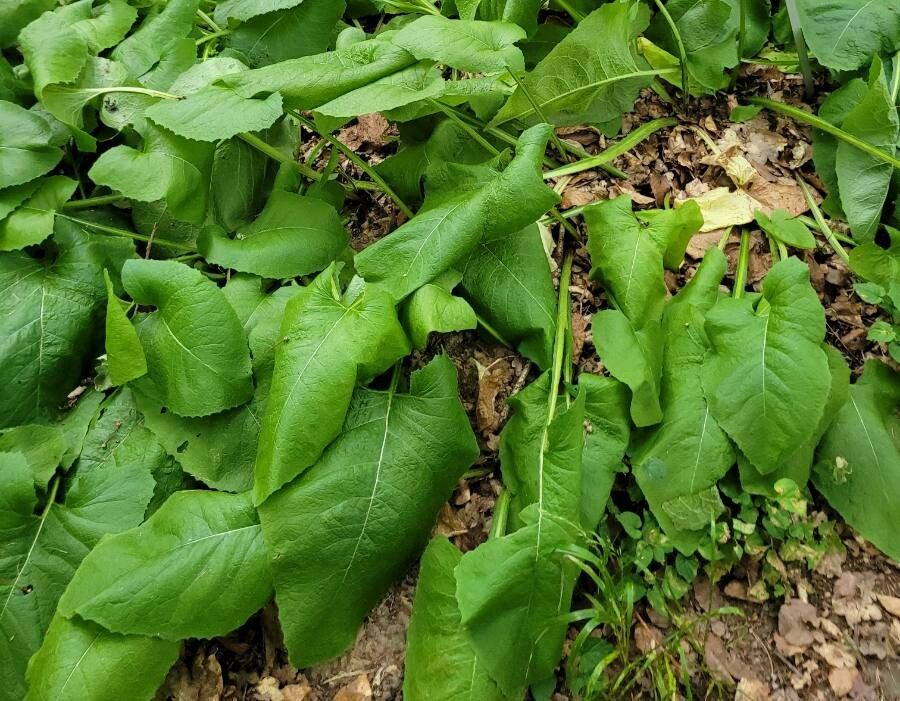
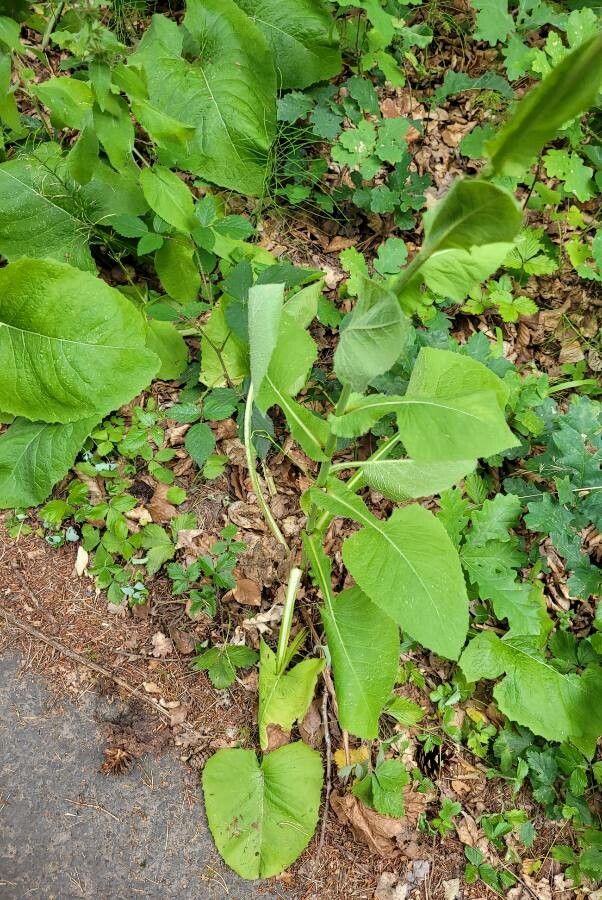
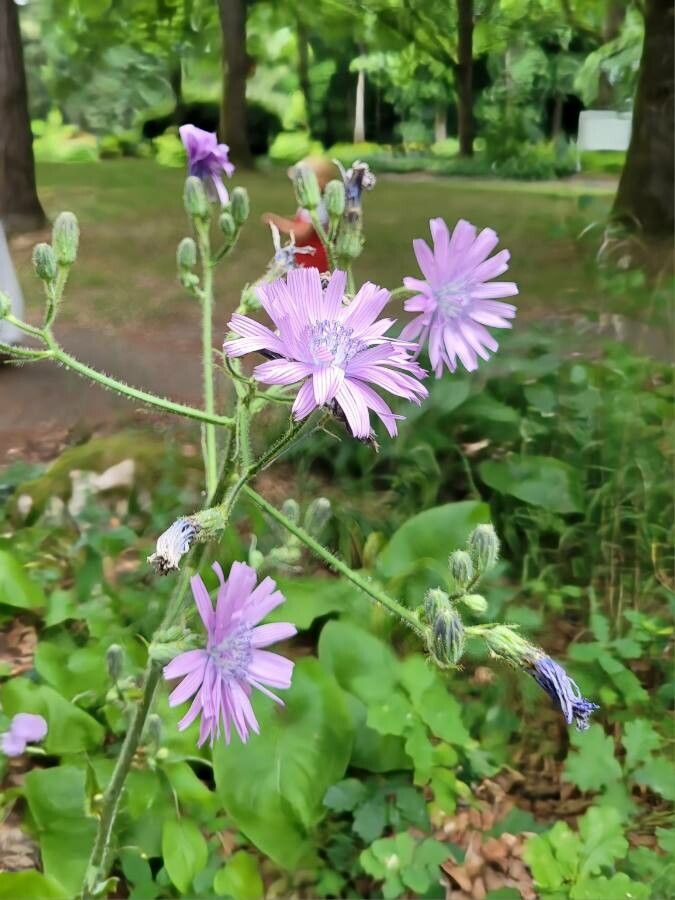
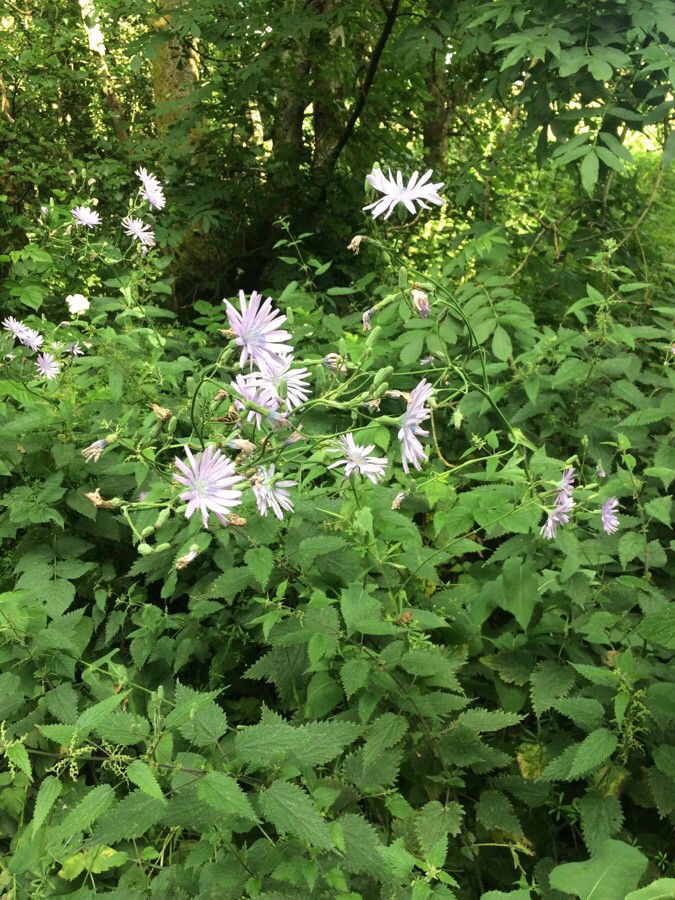
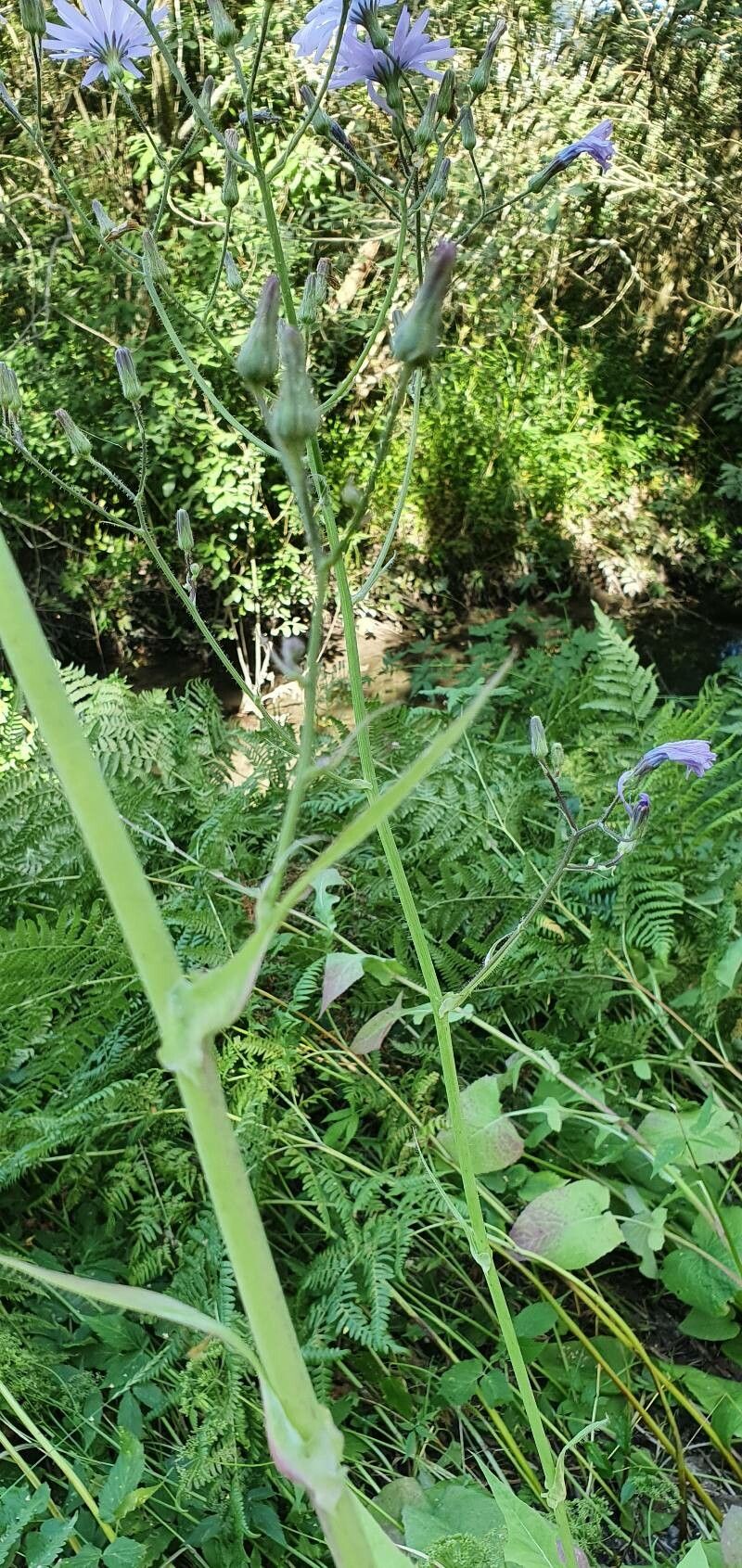
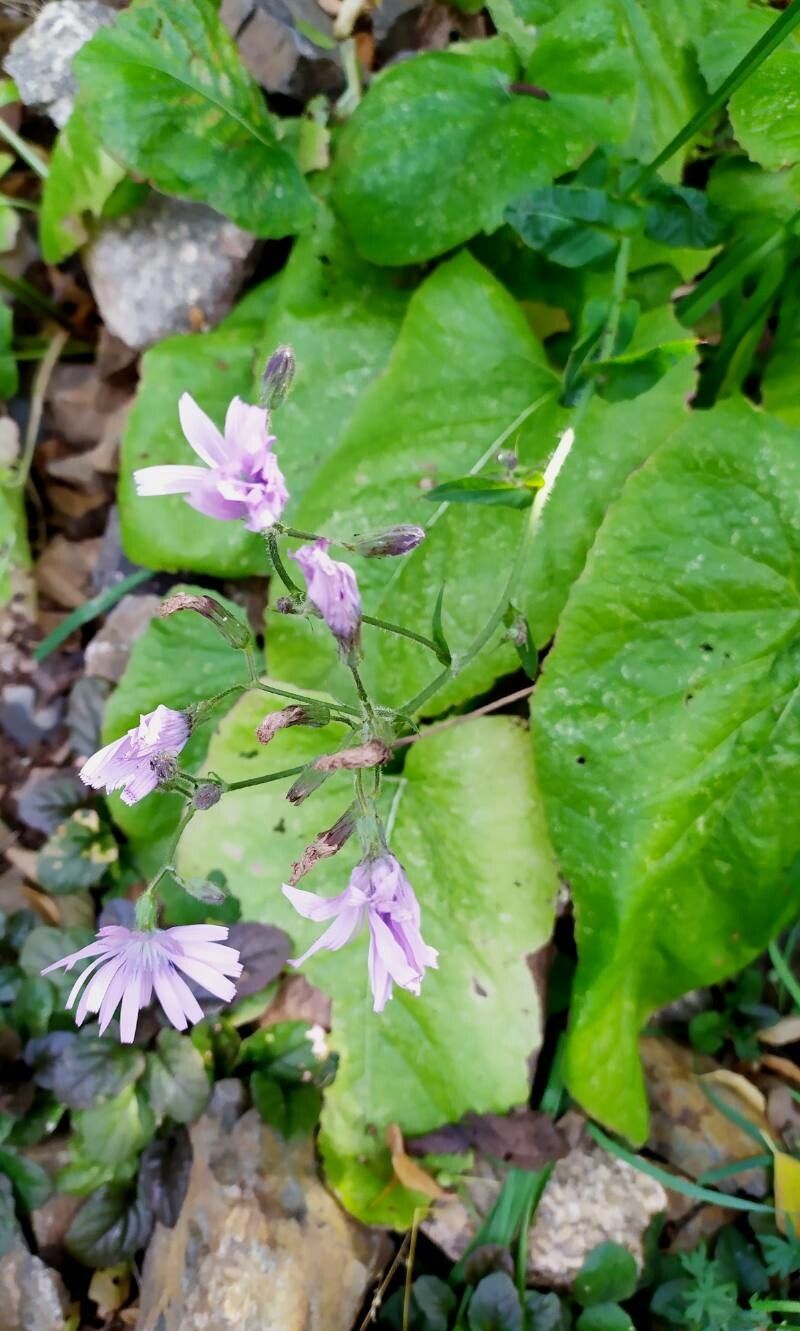
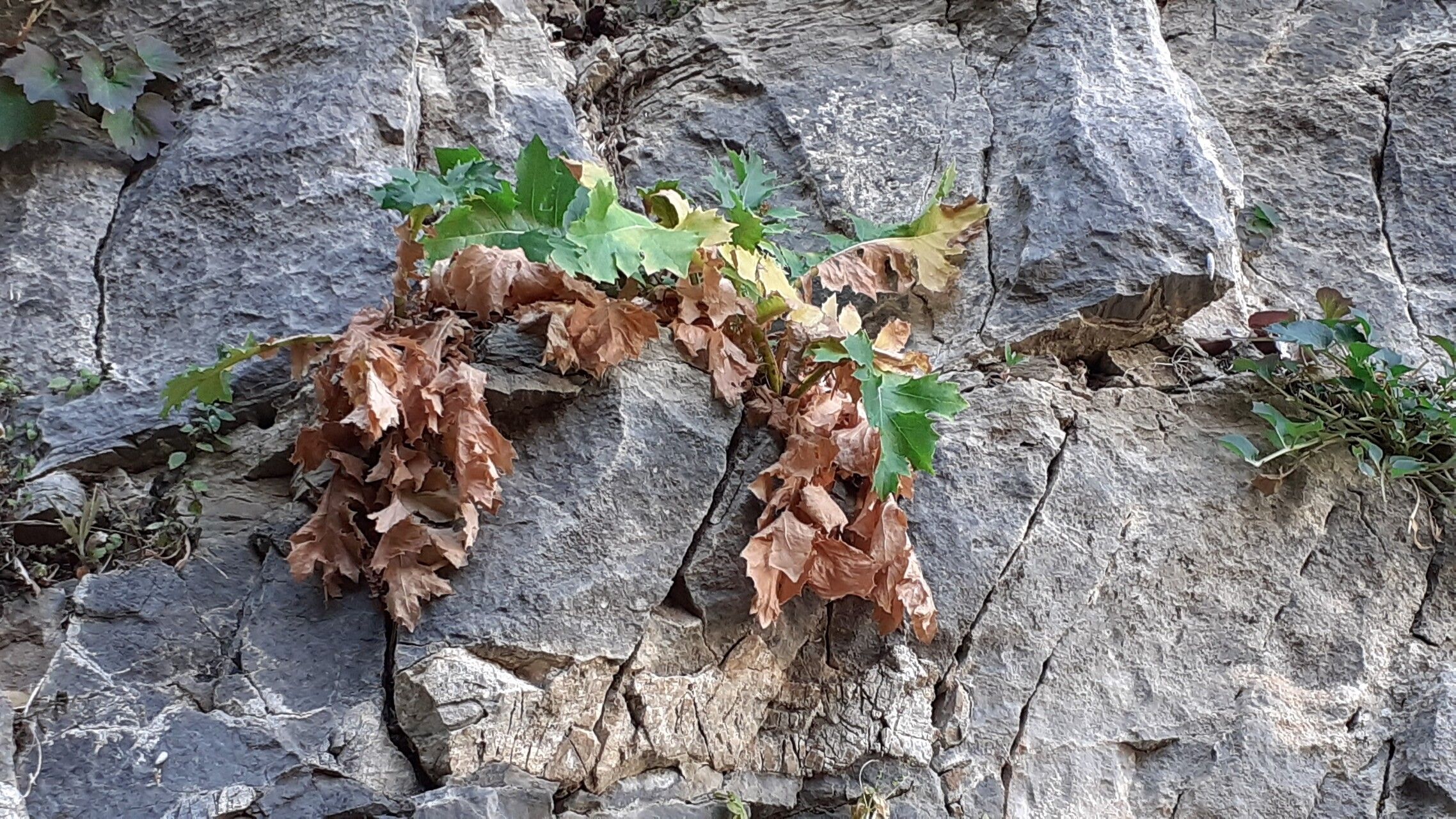
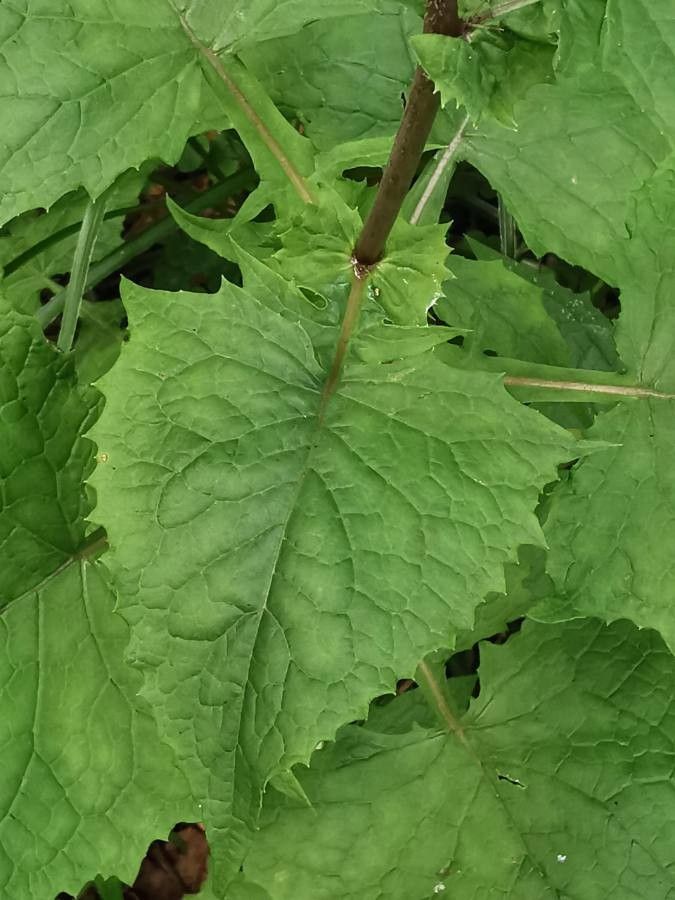
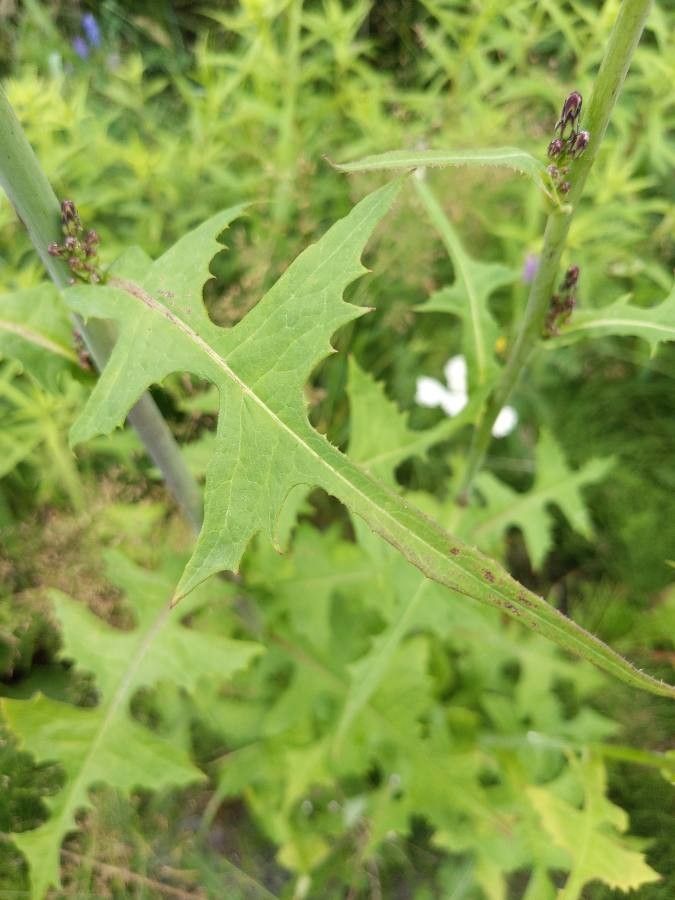
Lactuca macrophylla, commonly known as bigleaf lettuce or large-leaved lettuce, is a flowering plant in the daisy family. Native to North America, this species thrives in diverse habitats such as meadows, prairies, and open woods. The plant typically reaches a height of 1 to 2 meters, with its leaves growing up to 30 centimeters in length.
The leaves of Lactuca macrophylla are edible and possess a slightly bitter taste. They are often incorporated into salads or cooked as a vegetable. During the blooming period from July to September, the plant produces small yellow flowers.
For centuries, Native American tribes have utilized Lactuca macrophylla for medicinal purposes. It was traditionally believed to have anti-inflammatory properties and was used to treat various ailments, including headaches, fever, and respiratory issues.
In summary, Lactuca macrophylla is an intriguing plant with both culinary and medicinal applications. It can be found across North America's diverse natural environments.
Common blue-sow-thisle shows good resistance to disease and is generally not very prone to illnesses. Nevertheless, it can be vulnerable to pests and diseases present in its surroundings, although such infections are usually mild. For care, this plant requires moderate maintenance. It needs regular pruning to keep a neat appearance and encourage healthy growth. Fertilizing can also aid in promoting flowering. Common blue-sow-thisle is suitable for anyone with an outdoor area, such as a garden or patio, and does not demand extensive care experience. It may need more attention when grown indoors.
How to keep Lactuca Macrophylla.
Light
Common blue-sow-thisle occurs naturally in habitats like forest understories and rocky areas, where it is found in natural shade. It prefers partial sun but can tolerate full sun or full shade, reflecting its adaptable and hardy character.
Temperature
Common blue-sow-thisle can tolerate a wide spectrum of temperatures, though its range may still be restricted by specific mixes of moisture and heat. It does best in warm summer conditions with sufficient rainfall or irrigation. Extended periods of cloudy, rainy weather or prolonged high temperatures increase the risk of Common blue-sow-thisle dying. In winter, adequate protection from cold can raise the plant's survival chances.
Fertilizer
One application of fertilizer in spring is generally enough for Common blue-sow-thisle, although multiple feedings can maximize growth. Feed every month to every month and a half. Fertilization improves leaf appearance and function, promoting uniform color and a healthy texture. It also encourages root growth and nutrient uptake, supporting long-term plant health.
Botanical profile.
- Plant Type
- Herb
- Life Cycle
- Perennial
- Genus
- Lactuca
- Family
- Compositae
- Hardiness Zone
- 4-8
- Mature Height
- 0.91 m to 1.52 m
- Mature Spread
- 49 cm to 76 cm
- Leaf Color
- Green, Dark Green
- Leaf Type
- Deciduous
- Flower Color
- Lavender
- Flower Size
- 2.03 cm to 3.05 cm
- Bloom Time
- Summer
- Planting Time
- Spring, Summer, Autumn
- Harvest Time
- Late summer, Early fall, Mid fall
Other names.