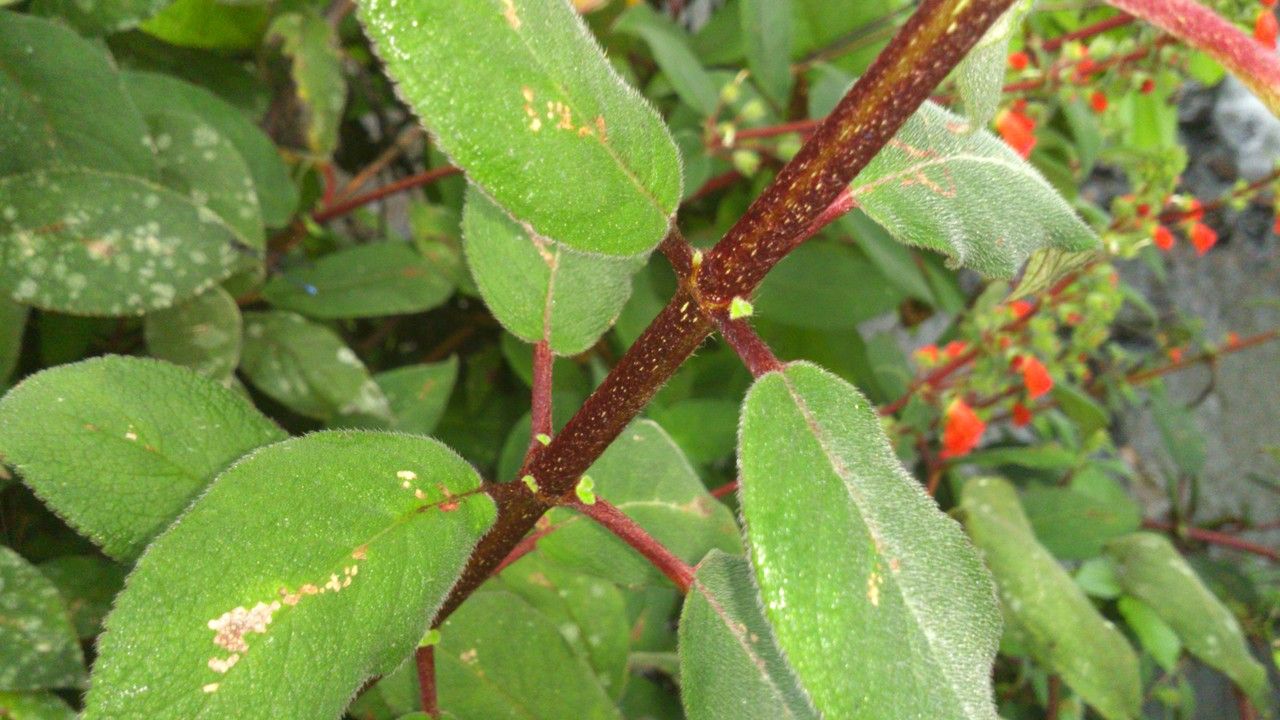
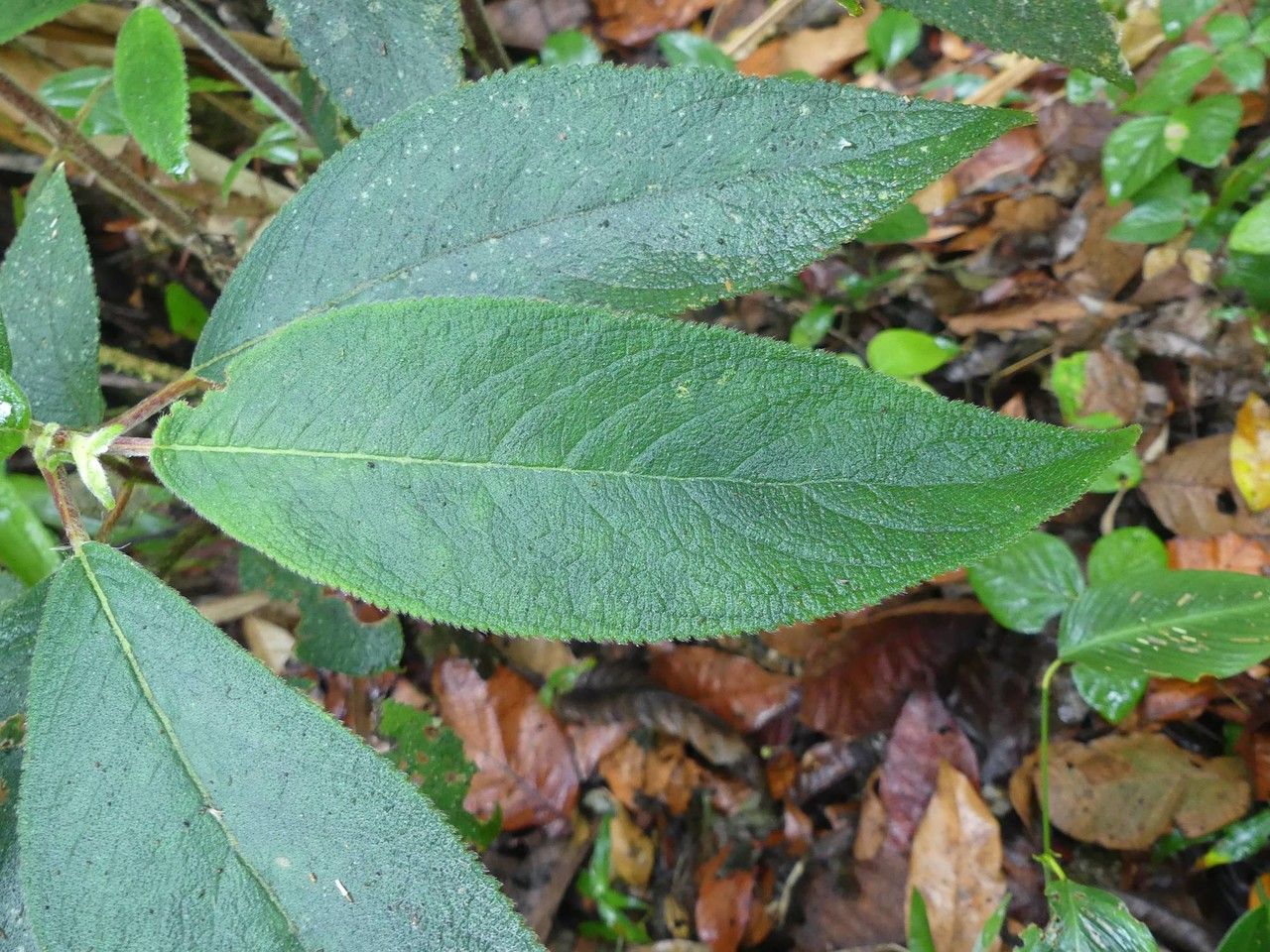
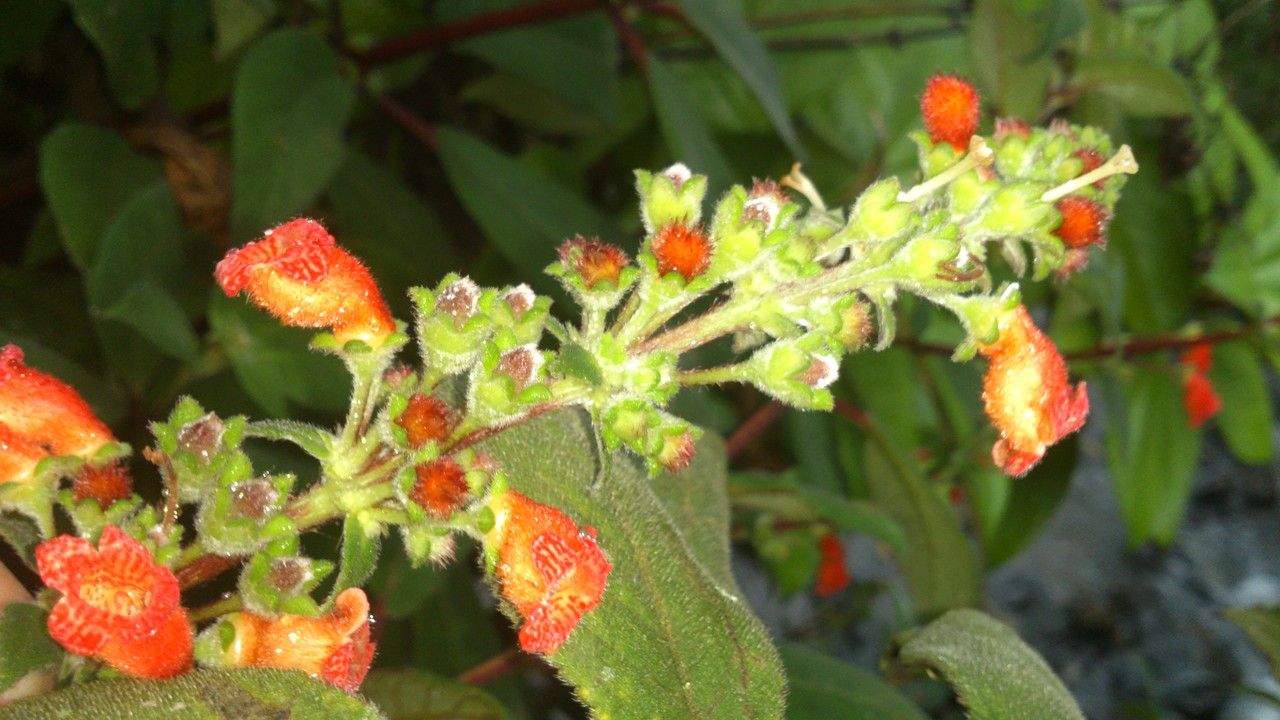
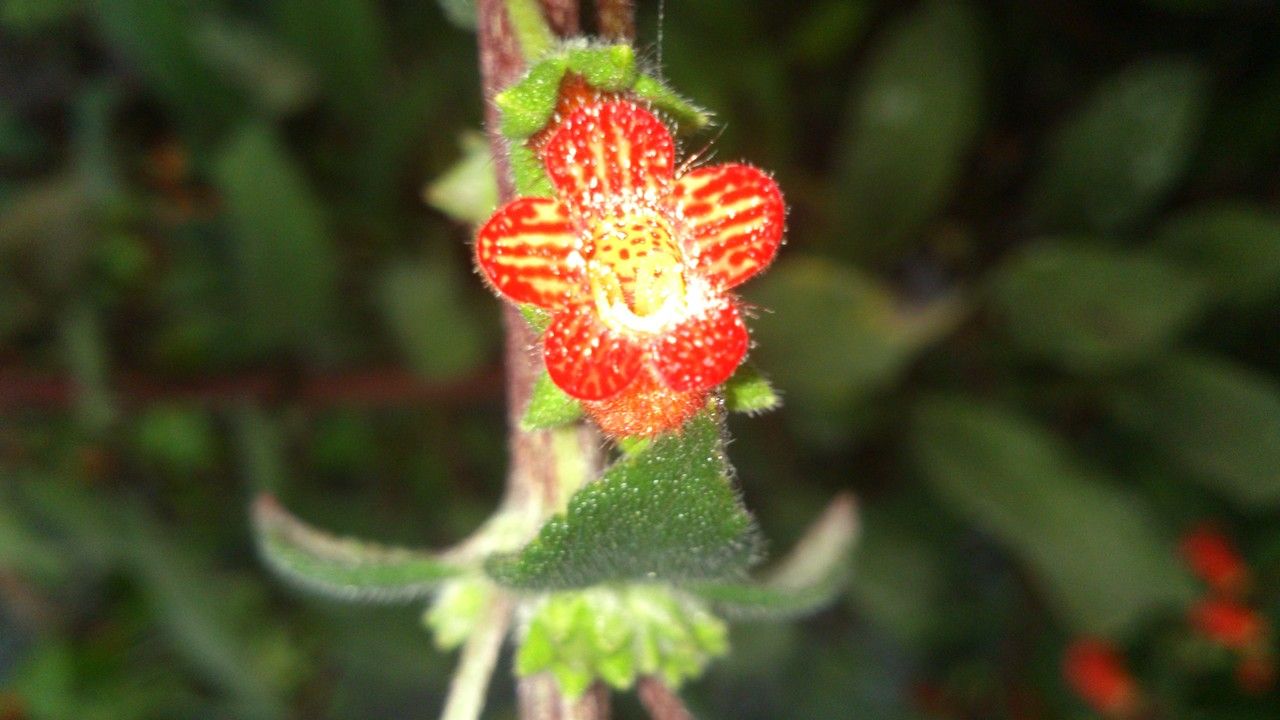
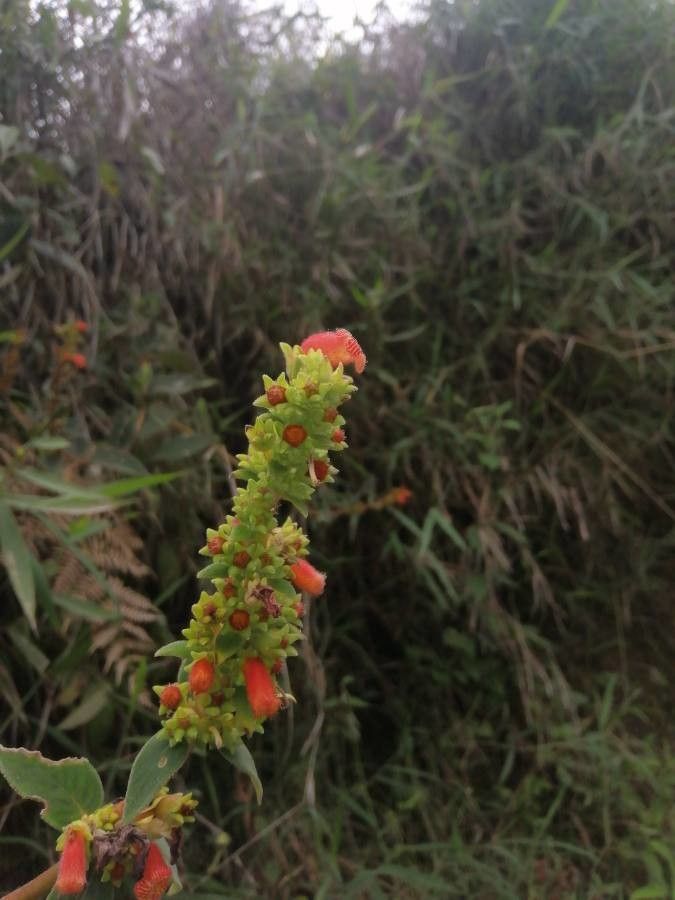
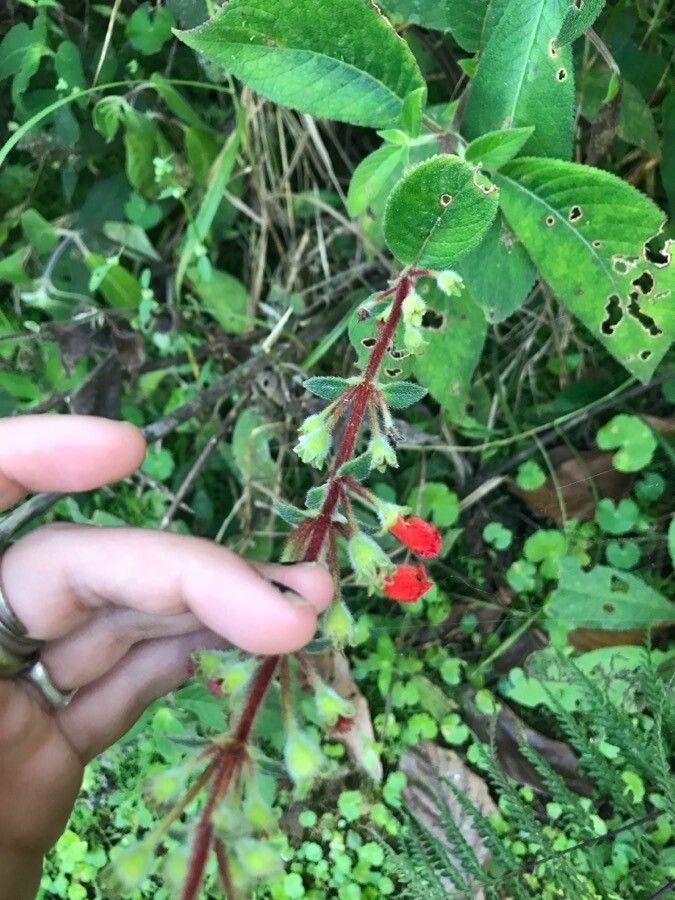
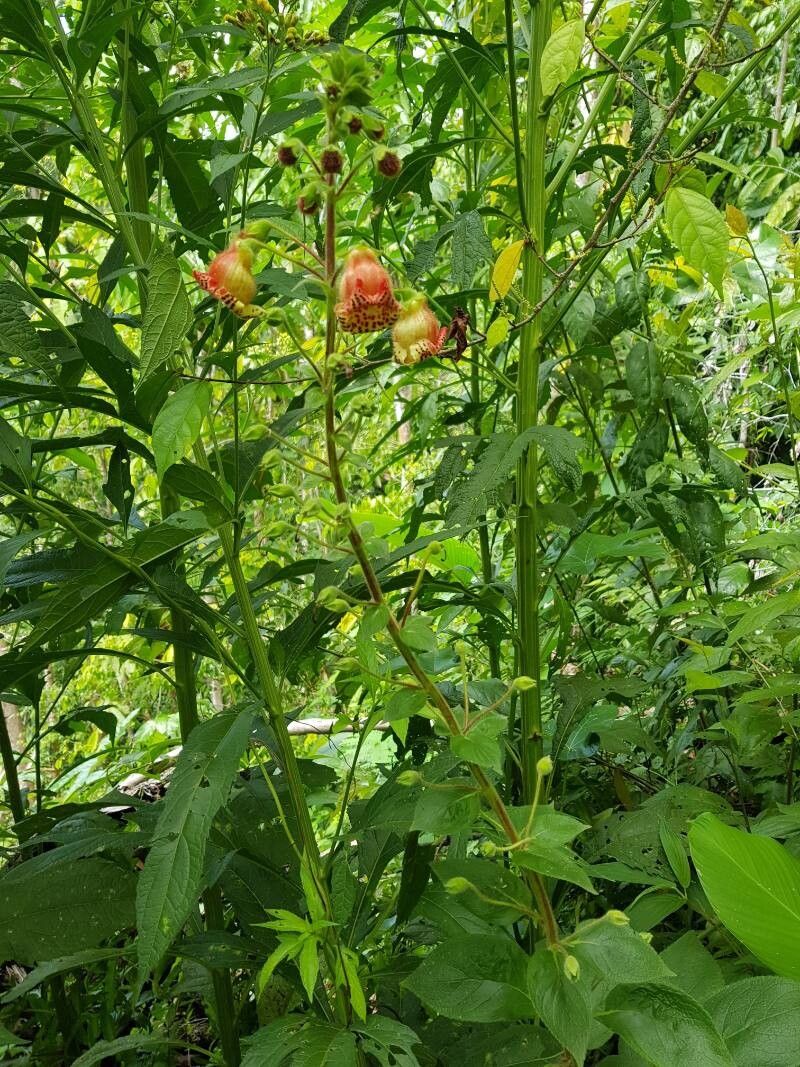
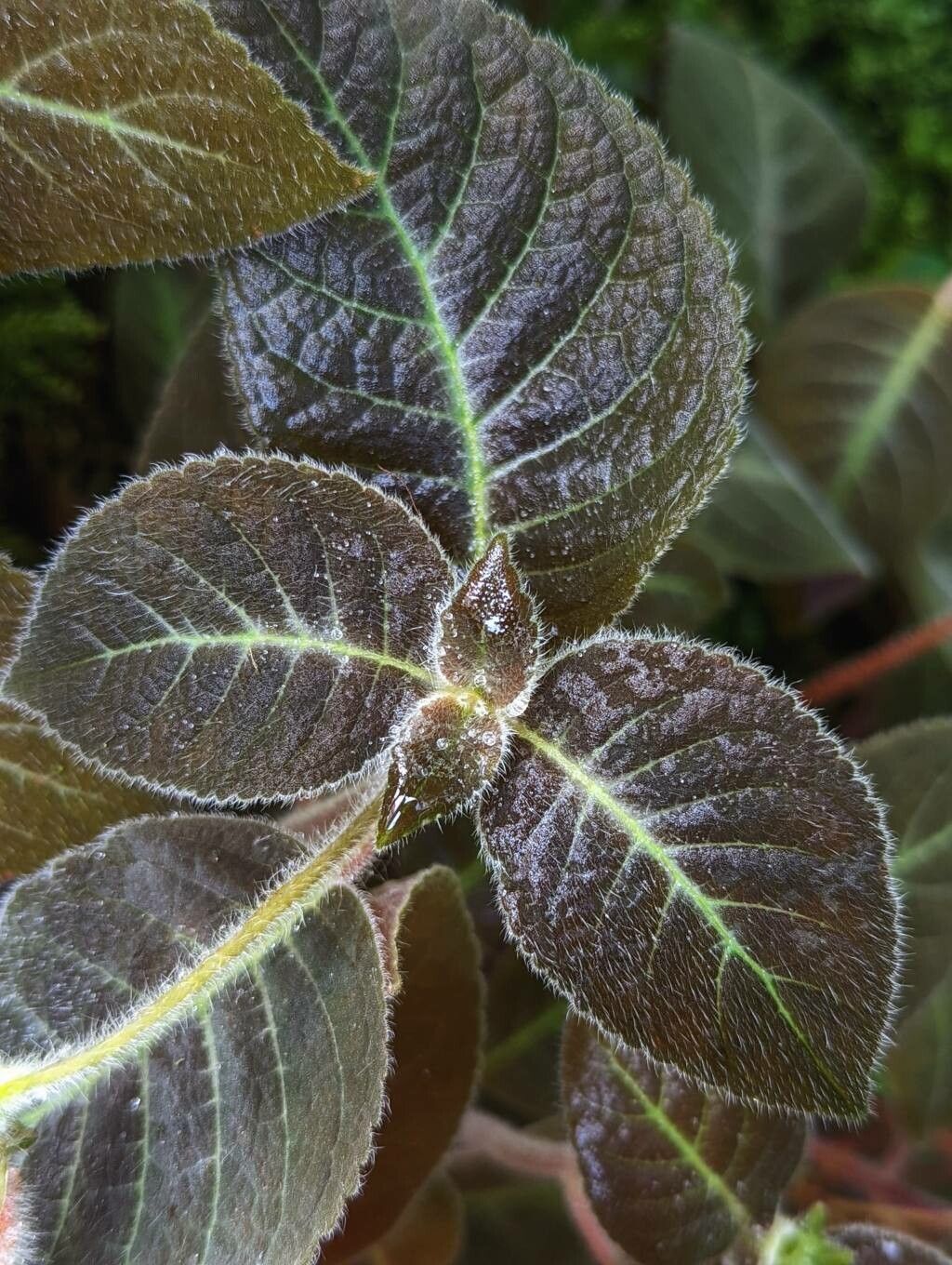
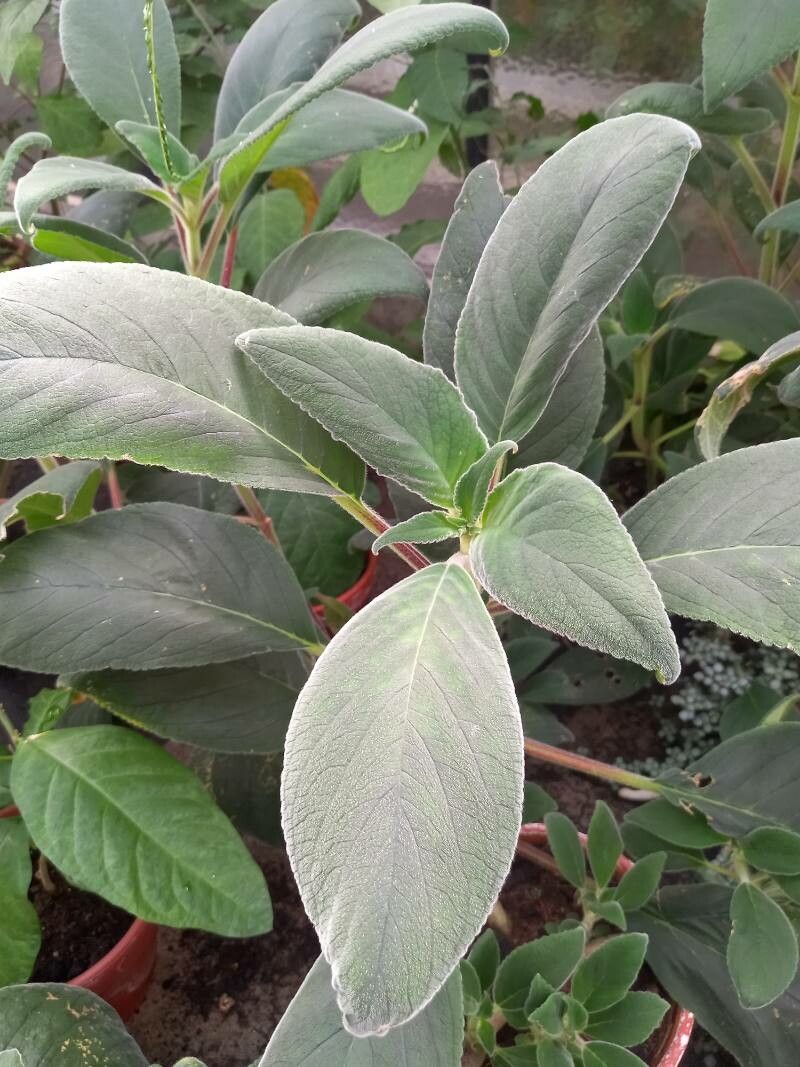
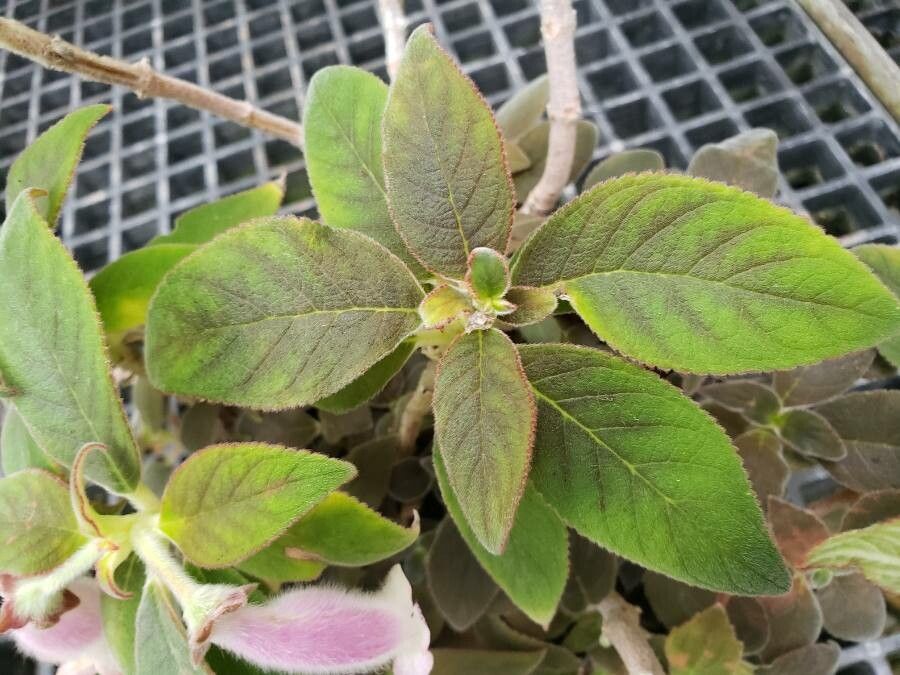
Kohleria is a tropical herbaceous flowering plant belonging to the Gesneriaceae family. It is rhizomatous, native to Colombia and has an upright growth habit which makes them grow up to a height of 1-2 feet (30-60 cm). This plant produces velvety stems and foliage, as well as tubular flowers that appear mainly in clusters, having an array of bright colors and covered in bristles. These flowers are around 2-inches(5 cm) long and blooming occurs in spring and summer. They are grown for their ornamental benefits to gardens and homes.
Spiked kohleria has good resistance to disease and is typically not prone to illness. However, it can still be affected by pests and diseases present in its surroundings. Such infestations are usually not severe. Regarding care, this plant needs moderate maintenance. Regular pruning is necessary to preserve a good appearance and healthy growth. Applying fertilizer can also encourage flowering. Spiked kohleria is appropriate for anyone with outdoor space, such as a garden or patio, and does not require much care experience. It may need extra attention when grown indoors.
How to keep Kohleria Spicata.
Light
Spiked kohleria prefers a location with full sun but can also survive where sunlight is mixed with some shade. Because it comes from an area with plenty of sun, excessive shade may compromise its health. Likewise, too much direct sun can harm the foliage.
Water
The spiked kohleria is a plant native to the understories of tropical rainforests, where it thrives in environments with high humidity and consistent moisture. It prefers soil that remains evenly moist and typically requires watering once a week. To promote vibrant foliage and maintain robust health when grown indoors, regularly misting the plant can be beneficial.
Temperature
Spiked kohleria is naturally found in regions where temperatures consistently range from 68 to 95 °F (20 to 35 ℃). It thrives in that warmth, so reproducing those conditions indoors is ideal. During cold seasons, ensure temperatures do not drop below its preferred range.
Fertilizer
Proper fertilization is essential for Spiked kohleria's health and appearance. Fertilize Spiked kohleria during summer, repeating the application monthly throughout the summer. Nutrients fuel growth and support the plant's tissues. Fertilization improves Spiked kohleria's flower display, ensuring the best blooms.
Pruning
The spiked Kohleria features tubular flowers and fuzzy leaves. To maintain a healthy and well-shaped plant, it’s best to prune in early to late spring. This helps remove dead stems and reshape the plant. Pinching the tips encourages bushier growth and more blooms. Regularly remove spent flowers to promote continuous flowering. Make sure your cuts are clean and angled to help prevent disease.
Toxicity
The Kohleria plant has not be confirmed or named toxic by any professional plant health body or organization, and this makes it an excellent household plant used for beautification and safe to be kept around little children and household pets. Although there is no confirmed toxicity, it is best to avoid eating this plant, and always consult a veterinarian immediately in any case of ingestion or irritation
Further reading →
The toxicity and danger assessments provided are for reference only. We do not assure their accuracy, so it's crucial not to depend on them. Seek professional advice when necessary for accurate guidance.
Botanical profile.
- Plant Type
- Herb
- Life Cycle
- Perennial
- Genus
- Kohleria
- Family
- Gesneriaceae
- Hardiness Zone
- 10
- Mature Height
- 30 cm
- Mature Spread
- 30 cm to 46 cm
- Leaf Color
- Green, Dark Green
- Leaf Type
- Evergreen
- Flower Color
- Red, Orange
- Flower Size
- 2.54 cm
- Bloom Time
- All year round
- Planting Time
- Spring, Summer
- Harvest Time
- All year round
- Native Area
- Colombia, Belize, Honduras, Mexico, Guatemala, Venezuela, Peru, El Salvador, Nicaragua, Ecuador, Costa Rica, Panama
Other names.
Reader questions.
How should I water my Spiked kohleria plant?
To successfully water the Spiked kohleria, it is recommended to use filtered water at room temperature. Tap water may have harmful particles, so filtered water is preferred. Since the Spiked kohleria originated from a warm environment, it is best to avoid using cold water as it can be a shock to the plant. Instead of overhead watering, it is better to pour your filtered room temperature water directly onto the soil until it is soaked. This method benefits the plant by providing moisture to the roots, allowing them to spread and absorb the necessary nutrients.
What sunlight requirements do plants need?
Plants have various sunlight requirements to thrive. Full sun plants need above 6 hours of sunlight, whereas partial sun plants require about 3-6 hours of sunlight a day. It's important to observe how sunlight moves through your garden to identify spots that offer the perfect balance of light and shade, ensuring your plants grow healthy and happy.
What is the ideal temperature range for Spiked Kohleria?
Spiked Kohleria, or Kohleria spicata, thrives in temperatures consistently between 68 to 95°F (20 to 35°C). It is a plant that loves warmth, making it crucial to replicate these conditions indoors, especially during the colder seasons. To ensure optimal growth and health, the temperature should be maintained above 20°C during winter, taking care not to let it drop to near 5°C, as this can be harmful to the plant.
What should I do if I give my Spiked kohleria plant too much water or too little water?
Both overwatering and underwatering can harm your Spiked kohleria, but overwatering is more common. Too much water can cause wilting and yellowing of the stems and leaves. Overwatering over a long period can also lead to diseases like root rot, mold, and mildew that can kill the plant. Underwatering is less likely with the Spiked kohleria, as it can tolerate drought. However, it is still possible, and you may notice brittle and brown leaves if it occurs. It is important to recognize signs of overwatering early. Some diseases, like root rot, may be irreversible if not addressed promptly. If you observe early signs, reduce watering immediately and check the soil quality. If the soil doesn't drain well, replace it with a loose, well-draining potting mix. If your Spiked kohleria shows signs of insufficient water, increase watering until the signs disappear.
How does the Spiked kohleria respond to sun exposure?
The Spiked kohleria prefers an environment with full exposure to the sun's rays but can tolerate some shade. Originating from areas with abundant sunlight, excessive shade may negatively impact its health, while too much direct sunlight can cause damage to the foliage. Additionally, when natural sunlight is not enough, especially during winter or in less sunny areas, artificial lights can be a beneficial solution to provide the required lighting for optimal growth.
What should I do if my Spiked Kohleria is exposed to low temperatures?
If your Spiked Kohleria has been exposed to temperatures below its preferred range, you may notice symptoms like lightening of leaf color, and in cases of frost damage, leaves turning brown or black, along with wilting and drooping. To remedy this, trim off the frost-damaged parts and move the plant to a warm indoor space to protect it from the cold. Locating the plant near a south-facing window can ensure it receives ample sunlight without the harmful effects of being too close to heaters or air conditioning vents, which could dry out the air excessively.
How frequently should I water my Spiked kohleria plant?
If your Spiked kohleria is in a pot, simply stick your finger into the soil to determine if it needs water. If the top two to three inches of soil feels dry, then it's time to water. If you have your Spiked kohleria planted outdoors in the ground, you can use the same method. When the first few inches of soil have dried out, it's time to add water. Typically, during spring and early fall, watering once a week is sufficient. However, in extremely hot weather, you may need to water twice or more per week. Keep in mind that mature, well-established Spiked kohleria plants can endure periods of drought with impressive resilience.
What are the recommended artificial lighting guidelines for plants?
For plants that lack sufficient natural sunlight, artificial lighting is a critical alternative. LED lights are preferred due to their ability to offer specific light wavelengths needed for plant growth. Full sun plants should receive 30-50W/sq ft of artificial light, partial sun plants need 20-30W/sq ft, and full shade plants require 10-20W/sq ft. The light source should be placed 12-36 inches above the plant, simulating natural sunlight, and provided for 8-12 hours a day to mimic natural daylight duration.
How do I protect my Spiked Kohleria from high temperatures?
During the warmer months, it's important to keep Spiked Kohleria's environment below 95°F (35°C) to avoid overheating. When temperatures soar above 105°F (41°C), the plant can suffer from sunburn, indicated by lighter leaf color and increased susceptibility to damage. Counteract this by trimming away sunburned or dried-up parts of the plant. The best practice is to relocate the plant to a shaded area during the intense midday and afternoon sun and ensure the soil remains moist by watering the plant in the morning and evening.
How much water should I give my Spiked kohleria plant?
When watering your Spiked kohleria, don't be afraid to give it a generous amount of water. Make sure to water it thoroughly, allowing the first two to three inches of soil to dry before watering again. It's important to soak the soil entirely and add enough water for excess water to flow through the drainage holes at the bottom of the pot. If you don't see excess water draining, you may have not watered enough, but be careful not to let water accumulate in the soil as this can be harmful to the plant. On the other hand, if water doesn't drain well from the pot, it may indicate poorly draining soil, which is not good for the plant's health. If the plant is outside, receiving 1 inch of rain per week should be sufficient.
What are the symptoms of light deficiency in Spiked kohleria?
Symptoms of light deficiency in Spiked kohleria include smaller new leaves, leggy or sparse growth, faster leaf drop, slower or no new growth, lighter-colored new leaves, chlorosis, sunscald, leaf curling, wilting, and leaf scorching. These symptoms show the plant's struggle with inadequate lighting, as they grow outdoors and receive ample sunlight. Adjusting the amount and intensity of light can prevent these symptoms.
How should I water my Spiked kohleria plant as it grows?
The water needs of the Spiked kohleria can vary depending on its growth stages. In the early years or after being transplanted, it requires more water because it is focused on developing new roots for future growth. These roots need extra moisture to perform their best. As the plant matures, it will require less water. Additionally, during the bloom period, the plant may need more water due to the significant amount of moisture used in the flower development process.