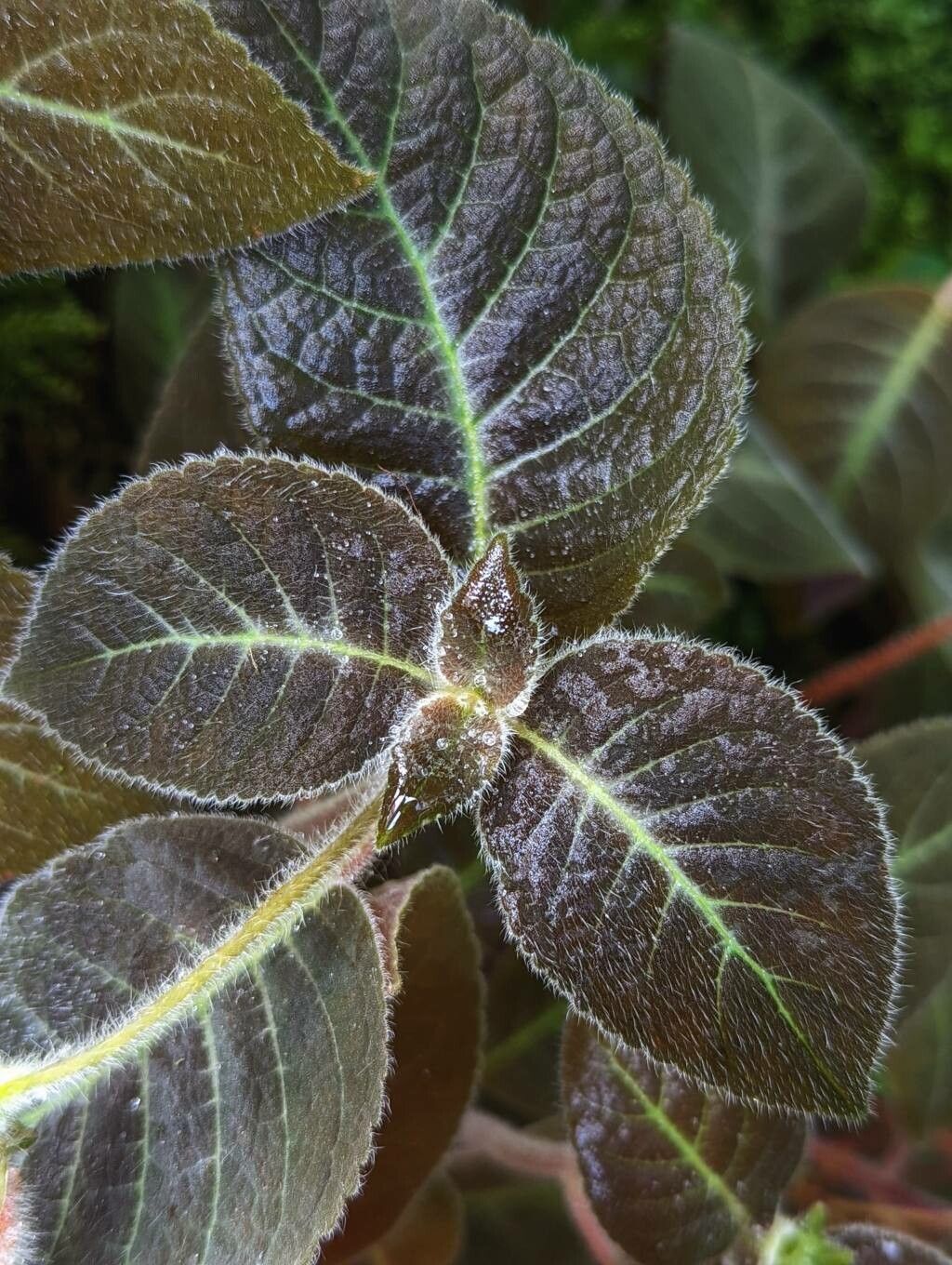
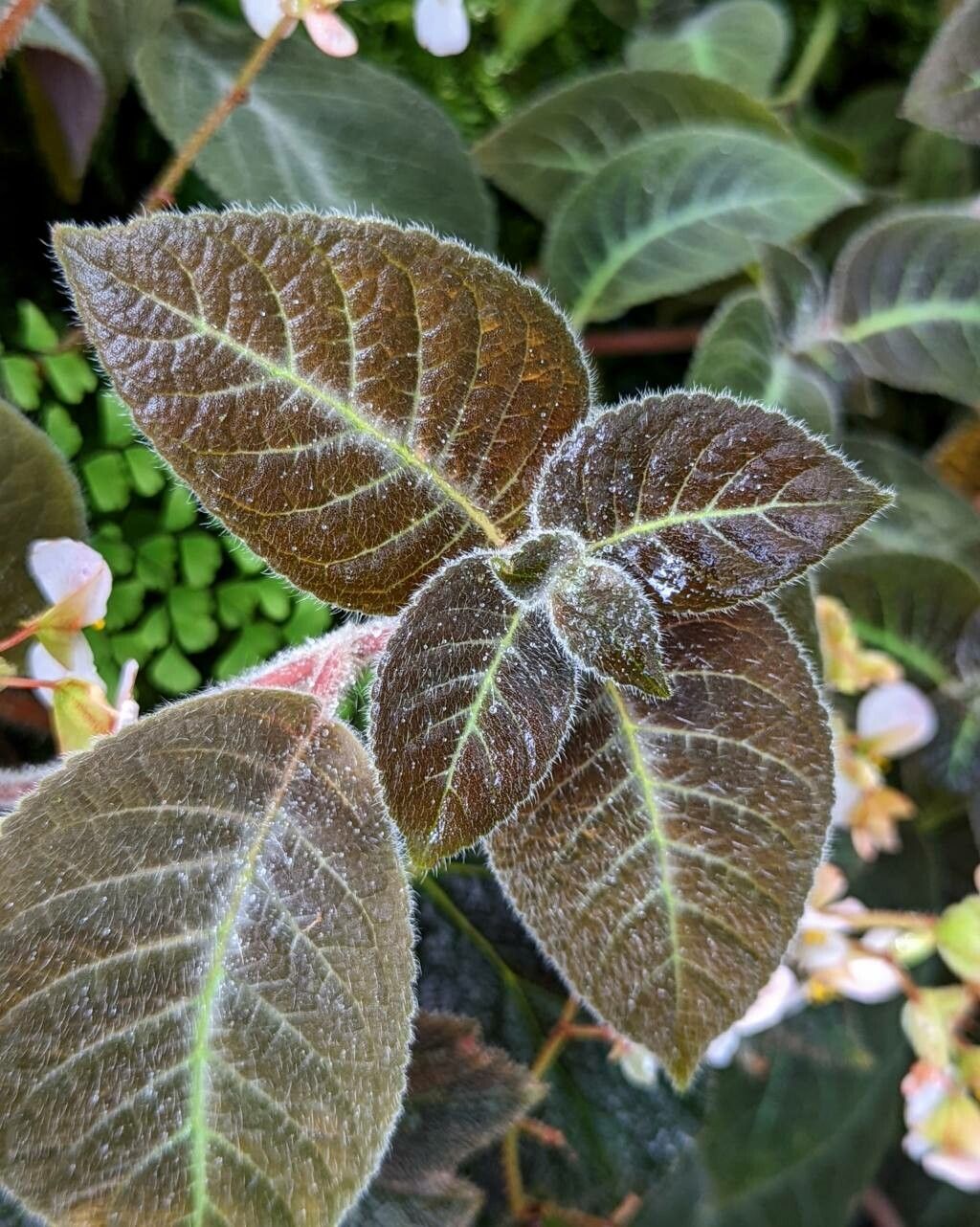
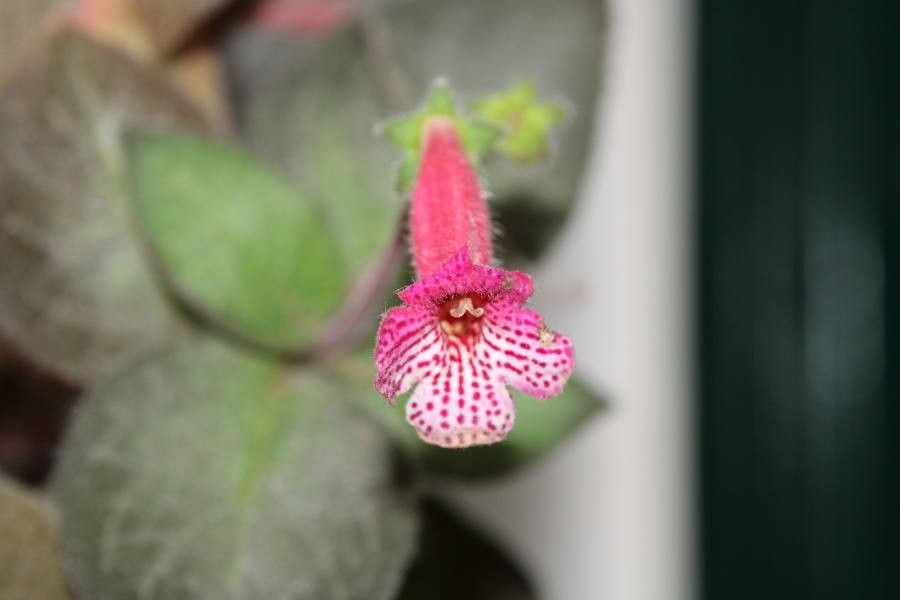
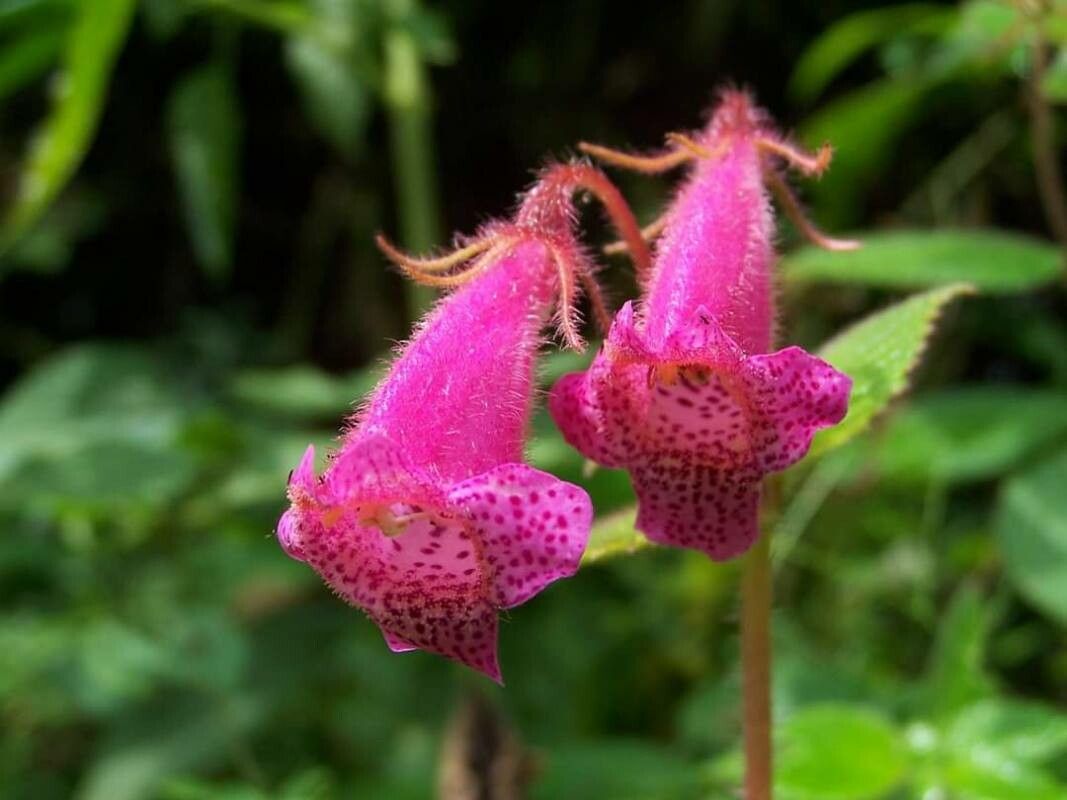
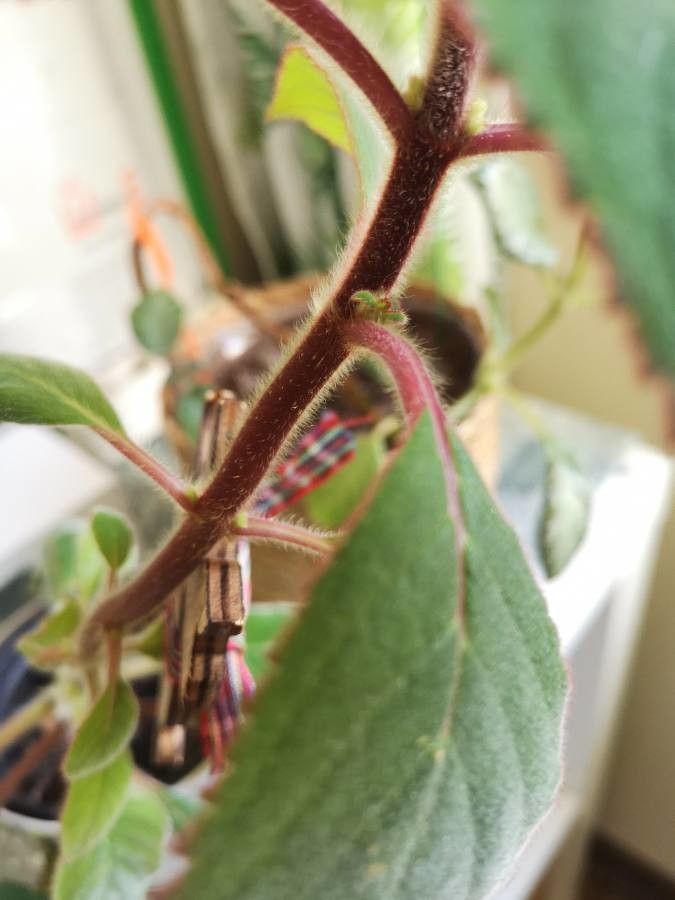
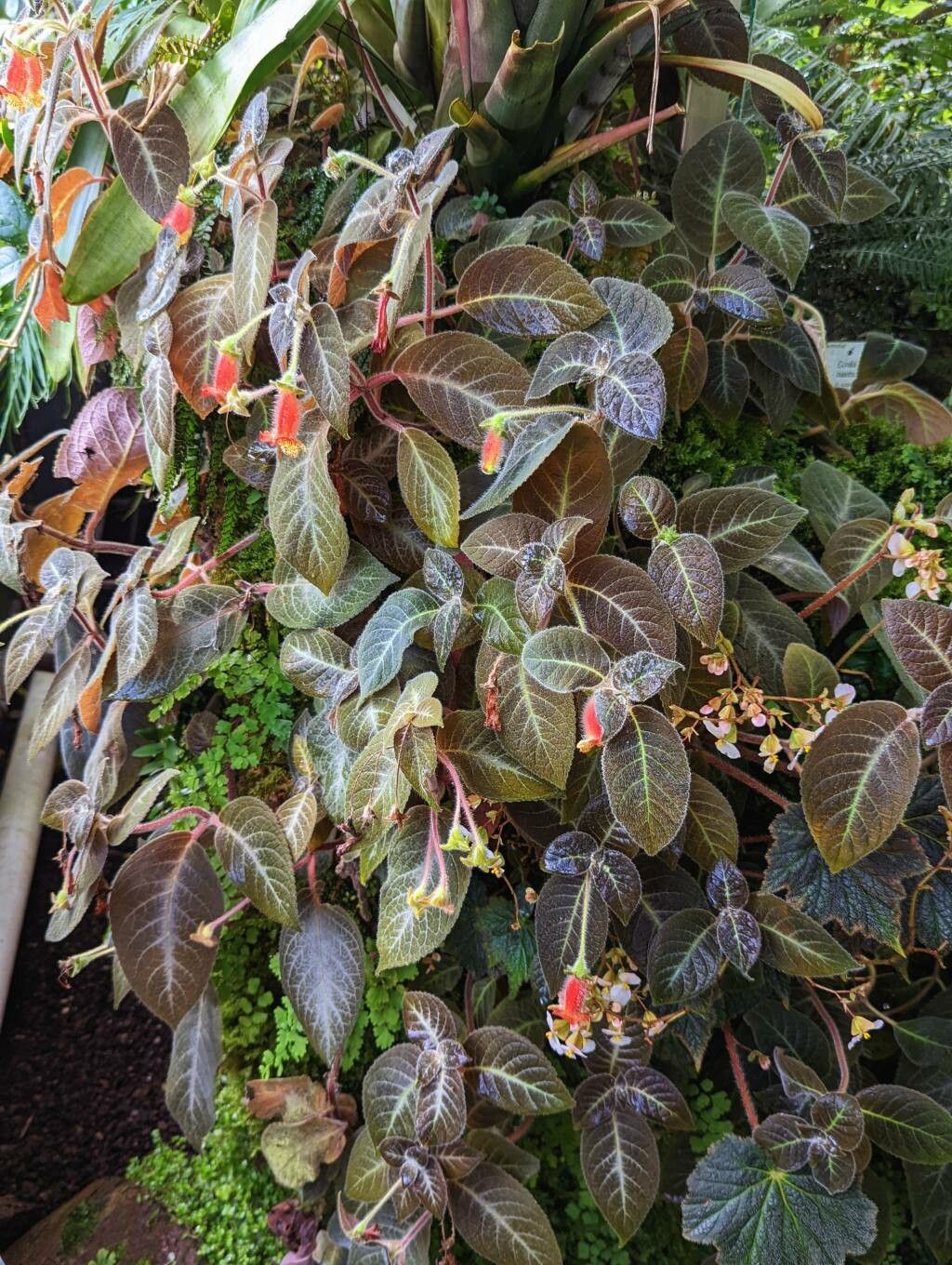
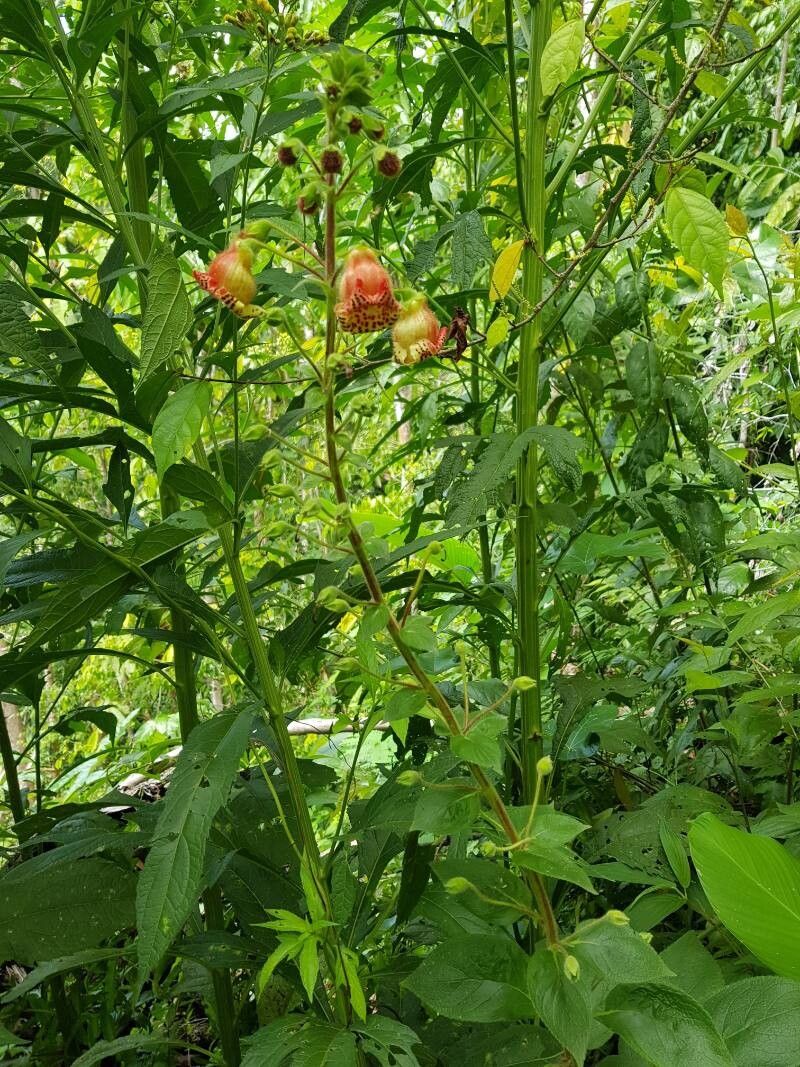
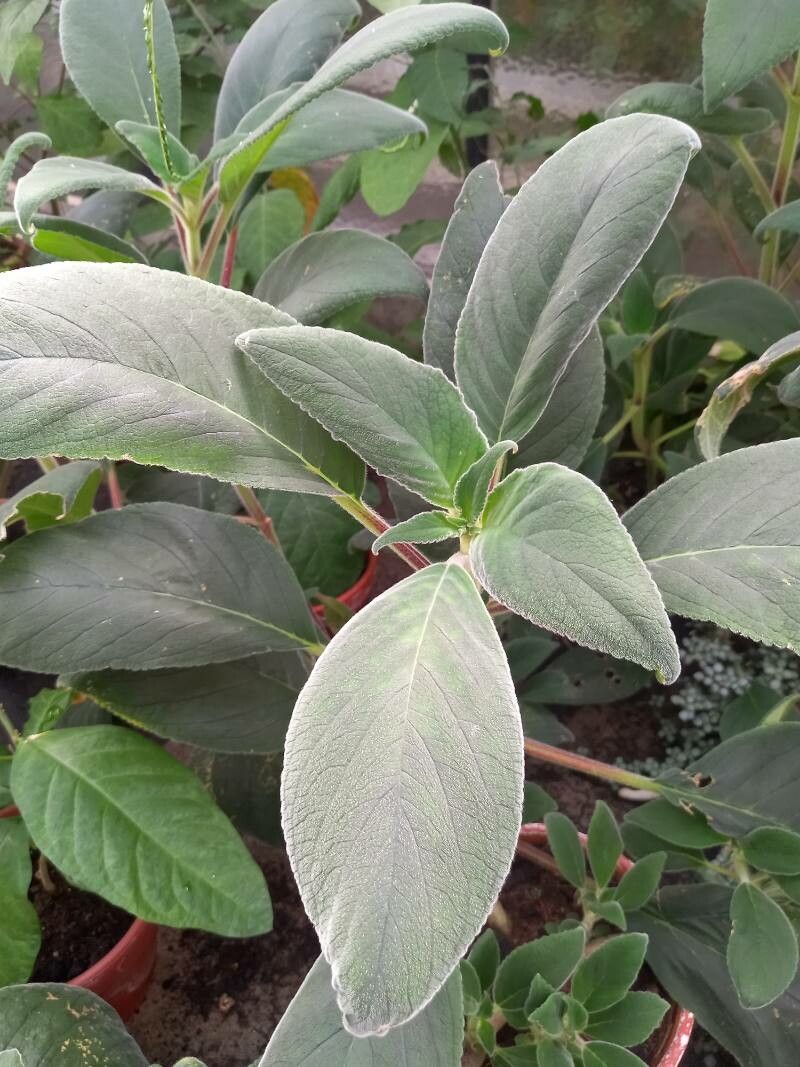
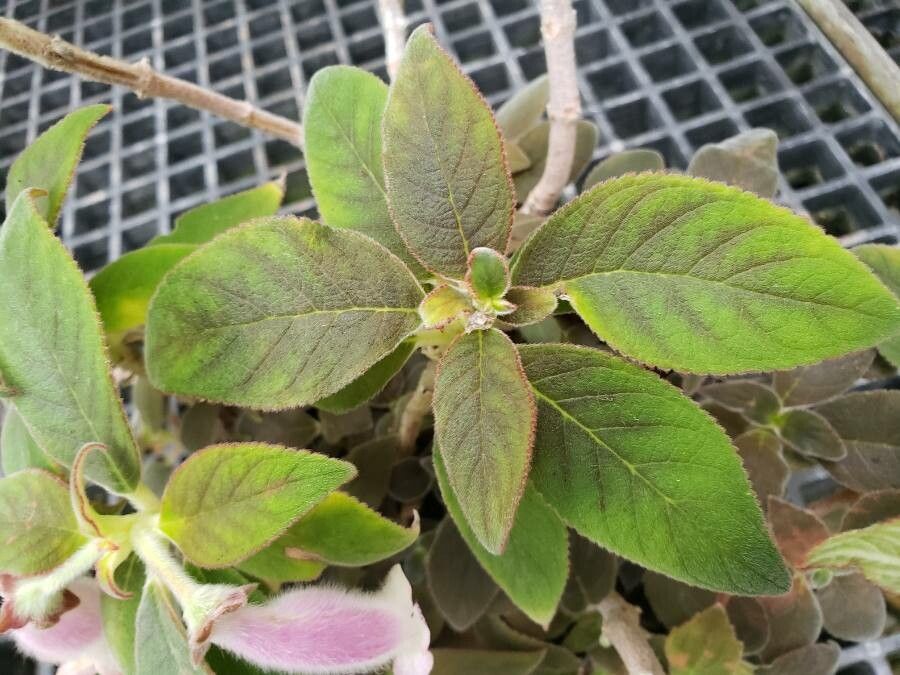
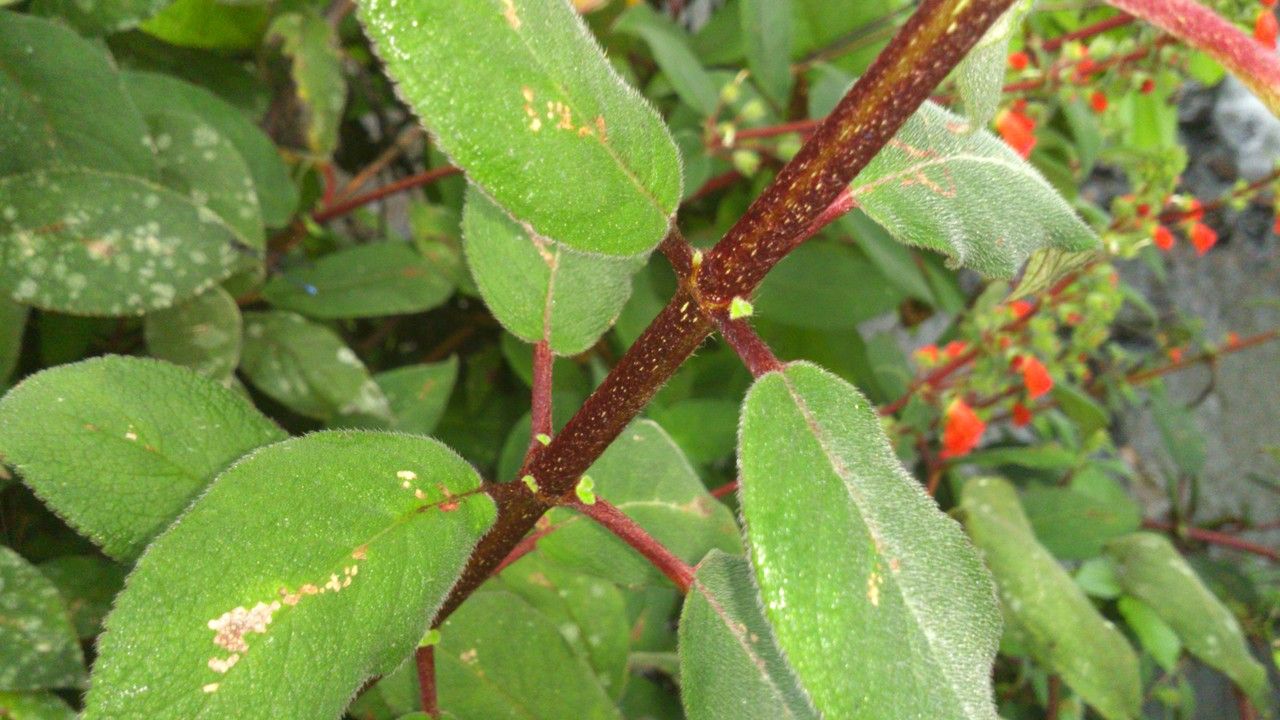
Kohleria amabilis is a flowering plant species in the Gesneriaceae family, native to the Andes Mountains of South America. This perennial herbaceous plant grows up to 30 cm tall and features striking, trumpet-shaped flowers in shades of pink, purple, and white. The dark green, glossy leaves have prominent veins, adding to the plant's visual appeal.
Kohleria amabilis thrives in moist soil and partial shade but can also tolerate full sun with adequate watering. It is commonly cultivated as an ornamental plant due to its attractive foliage and vibrant flowers that bloom from spring to fall. Regular pruning is necessary to maintain the plant's shape and encourage new growth.
Propagation of Kohleria amabilis can be achieved through stem cuttings or division of the rhizomes in spring or fall when the plant is dormant.
Kohleria amabilis is largely disease-resistant and generally not prone to illnesses. However, it can be vulnerable to leaf spots if light and ventilation are poor and if it is overwatered. The plant’s care level is regarded as easy, since it only needs regular watering and little else. Kohleria amabilis is well suited to people who lack the time and energy for routine care.
How to keep Kohleria Amabilis.
Light
Kohleria amabilis is native to habitats such as forest understories or rocky areas, where it occurs in natural shade. It prefers partial sun but can tolerate full sun or full shade, reflecting its versatility and hardiness.
Temperature
Kohleria amabilis comes from tropical areas, where the climate is usually warm and humid. Consequently, it is adapted to high temperatures and humidity. It does not tolerate sudden temperature changes and does best in a stable temperature setting, so avoiding temperature fluctuations indoors is important. It generally cannot endure cold temperatures and needs warmer conditions to grow. If the ambient temperature falls too low, the plant may stop growing or even die.
Fertilizer
Appropriate fertilization is essential for Kohleria amabilis's health and appearance. Fertilize Kohleria amabilis during the summer, applying fertilizer monthly throughout the season. Nutrients supply the energy for growth and help sustain the plant's components. Fertilization improves Kohleria amabilis's floral display, ensuring the best blooms.
Pruning
This herbaceous plant is a vigorous grower that continues to grow longer and lean over other plants if it is not pruned regularly. To prune, use a sharp pruner to cut the short succulent stems and leaves just after a leaf node. This type of cutting is beneficial to the plant as it will cause the stem to branch out, creating a fuller plant with more flowers.
Pot & Repot
When repotting Kohleria amabilis, select a pot 1–2 inches (2.5–5.1 cm) larger that has ample drainage. Use a well-draining potting mix. Repot in spring or fall, making sure the root ball sits just below the rim of the flower pot. Water thoroughly after repotting and place the plant in a warm spot with indirect sunlight.
Toxicity
The Kohleria plant has not be confirmed or named toxic by any professional plant health body or organization, and this makes it an excellent household plant used for beautification and safe to be kept around little children and household pets. Although there is no confirmed toxicity, it is best to avoid eating this plant, and always consult a veterinarian immediately in any case of ingestion or irritation
Further reading →
The toxicity and danger assessments provided are for reference only. We do not assure their accuracy, so it's crucial not to depend on them. Seek professional advice when necessary for accurate guidance.
Botanical profile.
- Plant Type
- Herb
- Life Cycle
- Perennial
- Genus
- Kohleria
- Family
- Gesneriaceae
- Hardiness Zone
- 10-12
- Mature Height
- 30 cm to 61 cm
- Mature Spread
- 30 cm to 46 cm
- Leaf Color
- Forest Green, Dark Green
- Leaf Type
- Evergreen
- Flower Color
- Red
- Flower Size
- 3.05 cm to 5.08 cm
- Bloom Time
- All year round
- Planting Time
- Spring, Summer, Autumn
- Harvest Time
- All year round
- Native Area
- Colombia
Other names.