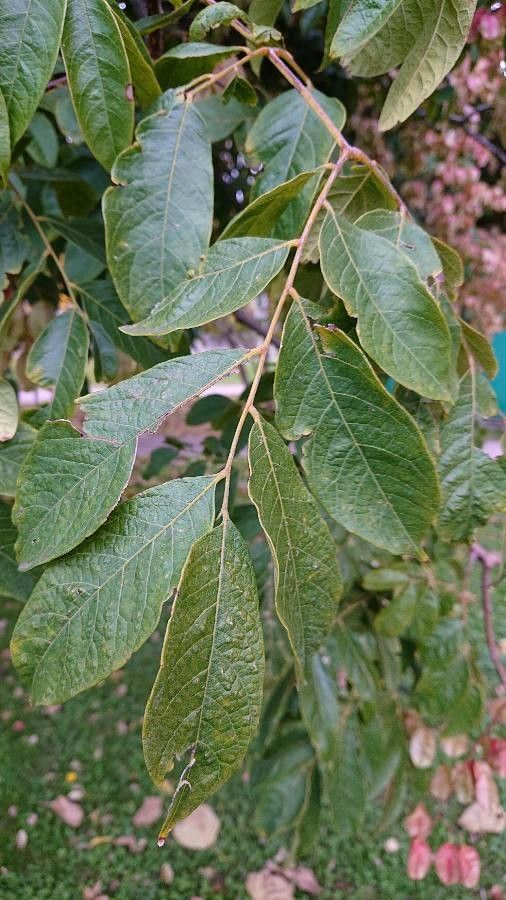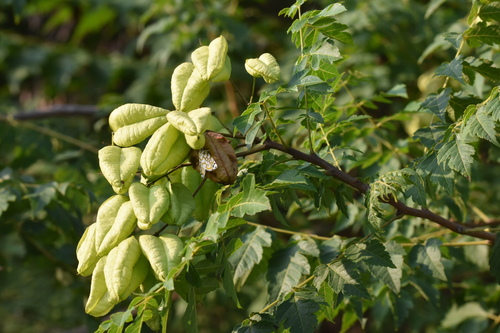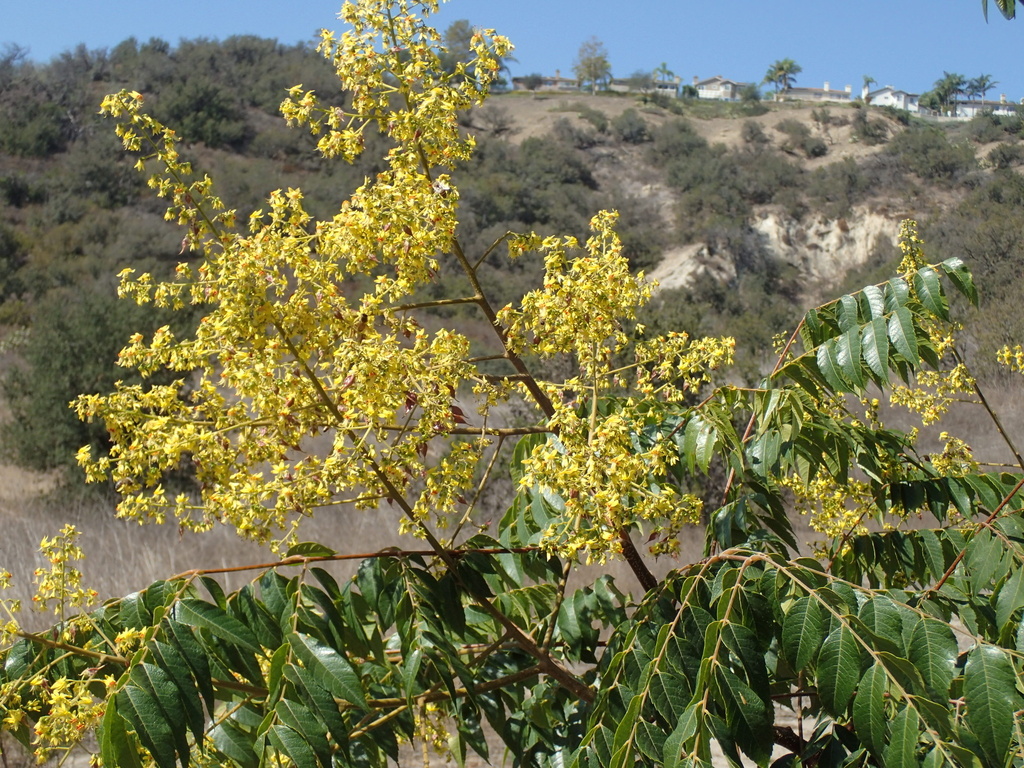
Koelreuteria bipinnata, commonly known as the Chinese flame tree or bougainvillea goldenrain tree, is a deciduous tree native to China and Korea. This member of the soapberry family can reach up to 30 feet in height with a spread of 20–30 feet. Its bipinnately compound leaves feature serrated leaflets that turn yellow in the fall. The small yellow-green flowers bloom in late spring or early summer, followed by papery capsules containing small black seeds.
Chinese flame trees are popular ornamental plants due to their attractive foliage, showy flowers, and interesting fruit capsules. They thrive in full sun to partial shade and prefer well-drained soil, although they are drought-tolerant once established. Additionally, they are relatively pest-resistant.
Beyond their ornamental value, Chinese flame trees have been used in traditional Chinese medicine to treat various ailments such as fever and inflammation.
In summary, Koelreuteria bipinnata is an attractive deciduous tree that enhances any landscape with its beauty and has potential medicinal benefits.
Golden-rain tree has strong disease resistance and is usually not vulnerable to illnesses. In terms of care, this plant is fairly low-maintenance. When grown outdoors it needs little watering, and larger specimens generally do not require pruning. Smaller plants, however, should be trimmed after they have finished blooming. Golden-rain tree is appropriate for anyone with an outdoor area, such as a garden or deck, and does not demand much experience in plant care.
How to keep Koelreuteria Bipinnata.
Light
Golden-rain tree comes from open habitats, such as sunlit meadows and forest edges, which provide abundant light. It flourishes in Full Sun but can also tolerate Partial Sun, adapting well to various sunlight conditions.
Water
The golden-rain tree, native to dry regions, is exceptionally drought-tolerant and adapts well to areas with minimal moisture. It is recommended to water the tree every 1 to 2 weeks. When cultivated outdoors, the golden-rain tree thrives in a variety of climates, with its growth patterns influenced by the availability of water.
Temperature
Golden-rain tree is fairly adaptable to temperature, able to tolerate high heat and wide temperature fluctuations. When temperatures are high, care should be taken with watering and appropriate shade provided to prevent sunburn. However, Golden-rain tree is relatively sensitive to low temperatures. Although it can endure some cold, excessively low conditions can result in frost damage.
Fertilizer
Timing is crucial when fertilizing Golden-rain tree. Fertilize in early spring and continue once a month until early summer. The fertilizer encourages attractive blooms and supplies energy during both dormant and active growth phases.
Pruning
The golden-rain tree is admired for its decorative leaves and vibrant fall colors. To encourage healthy growth and flowering, it's best to prune it in early spring. Start by removing any damaged or crossing branches to improve airflow and shape. Make sure to use clean, angled cuts to prevent disease and maintain a well-balanced canopy. This approach enhances the tree's health and overall appearance.
Botanical profile.
- Plant Type
- Tree
- Life Cycle
- Perennial
- Genus
- Koelreuteria
- Family
- Sapindaceae
- Hardiness Zone
- 7-9
- Mature Height
- 6.1 m to 10.67 m
- Mature Spread
- 7.62 m to 10.36 m
- Leaf Color
- Green, Dark Green
- Leaf Type
- Deciduous
- Flower Color
- Yellow
- Flower Size
- 15.24 cm
- Bloom Time
- Early summer, Mid summer
- Planting Time
- Spring, Summer, Autumn
- Harvest Time
- Late summer, Early fall, Mid fall
- Native Area
- China