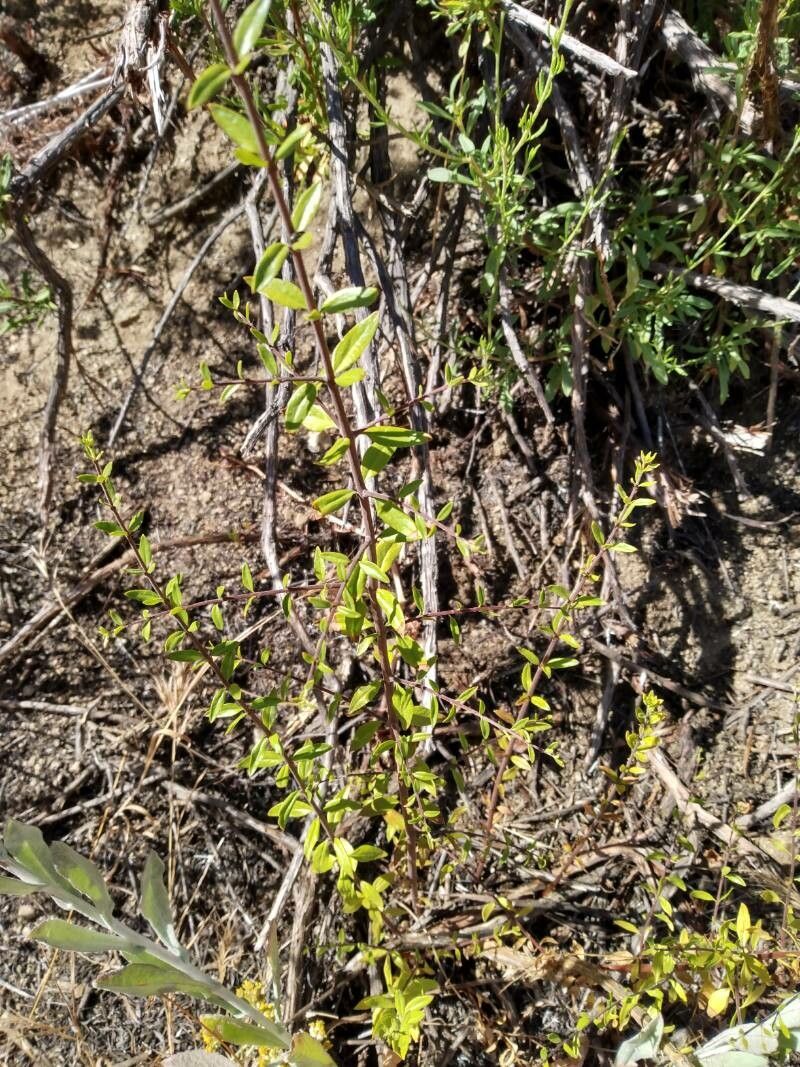
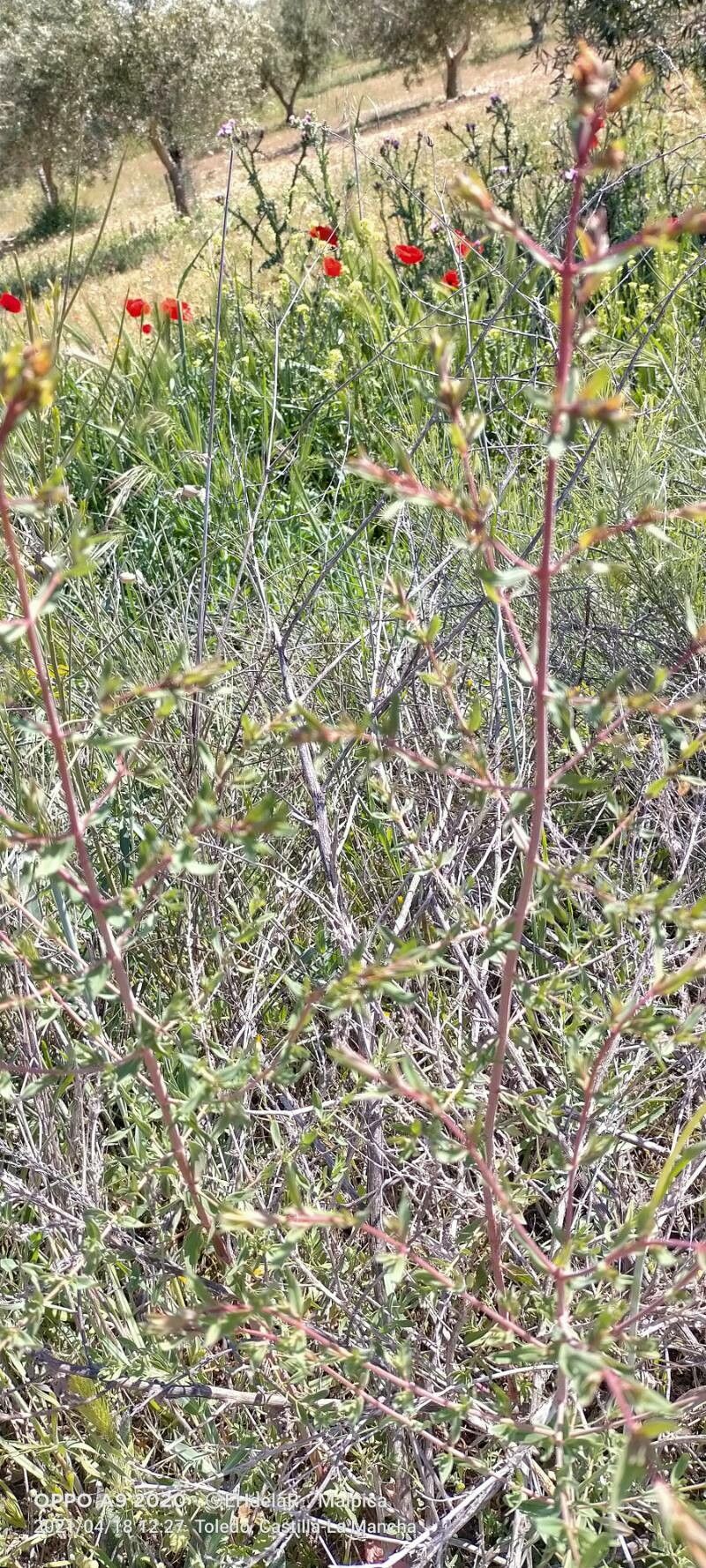
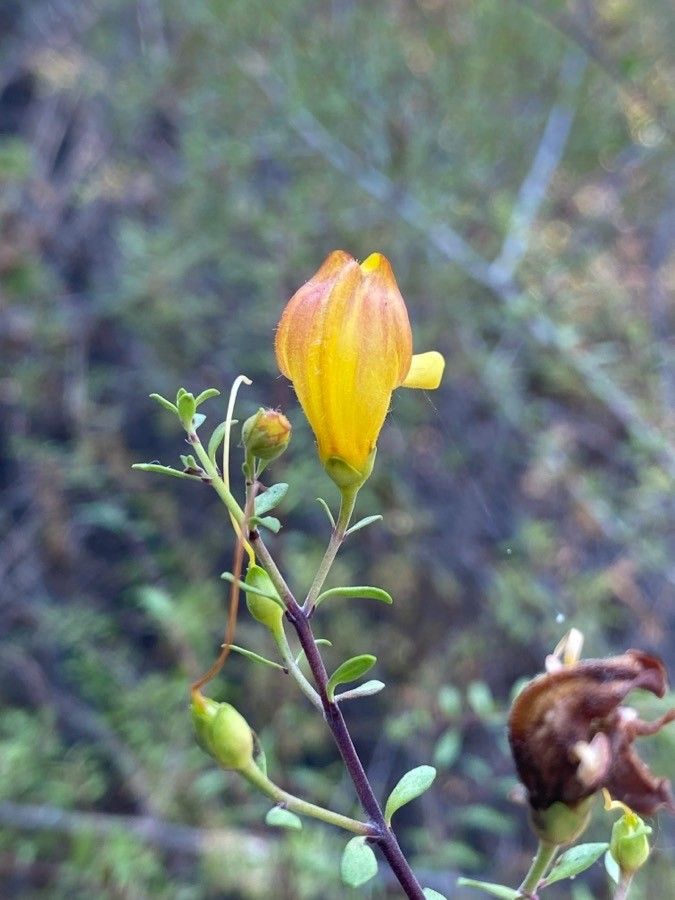
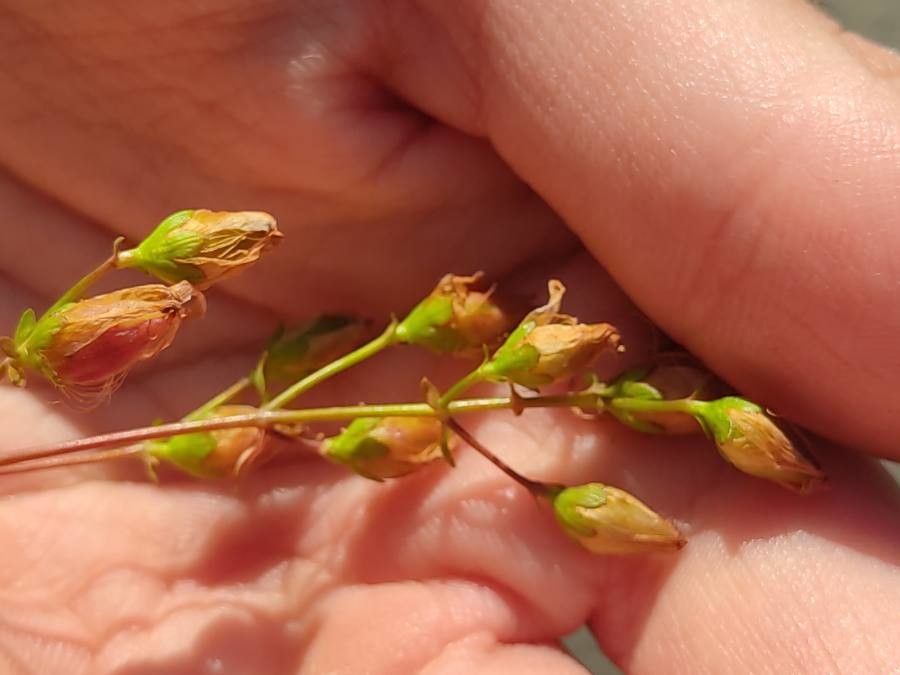
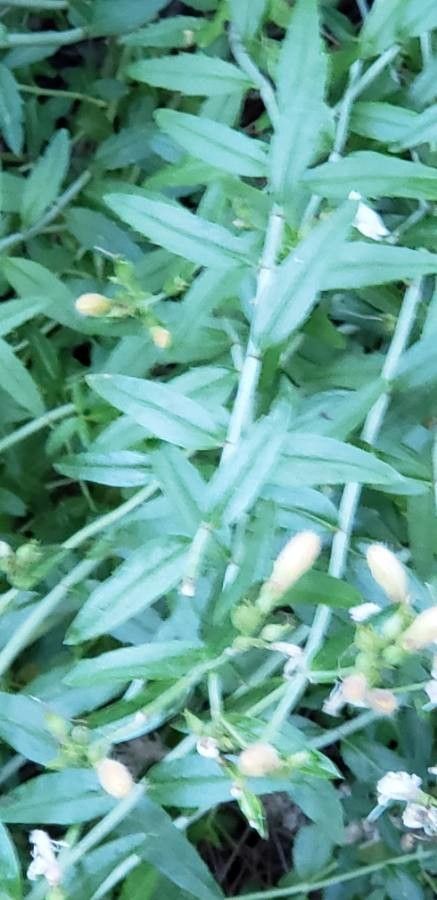
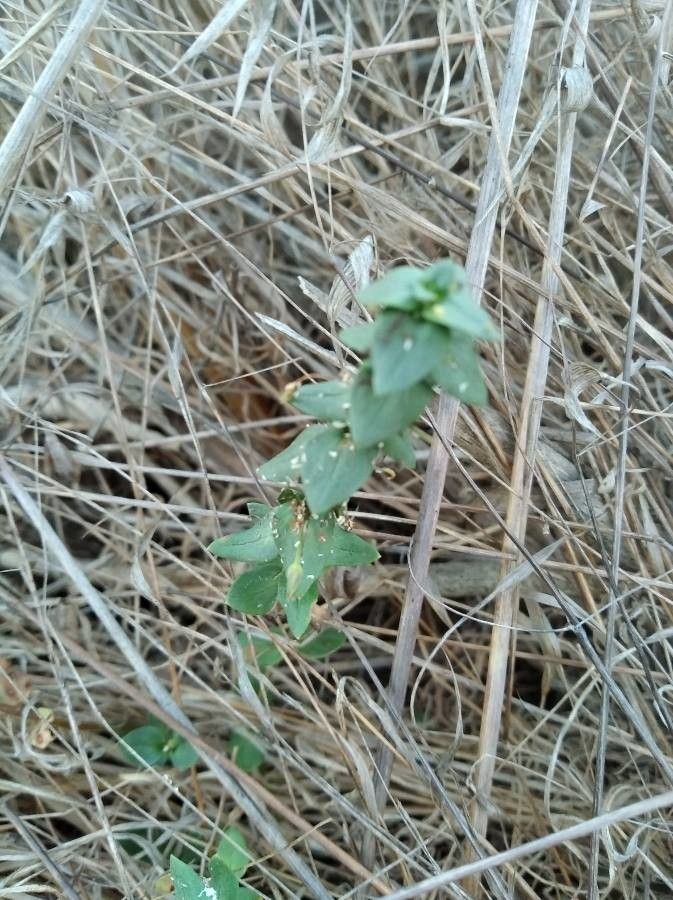
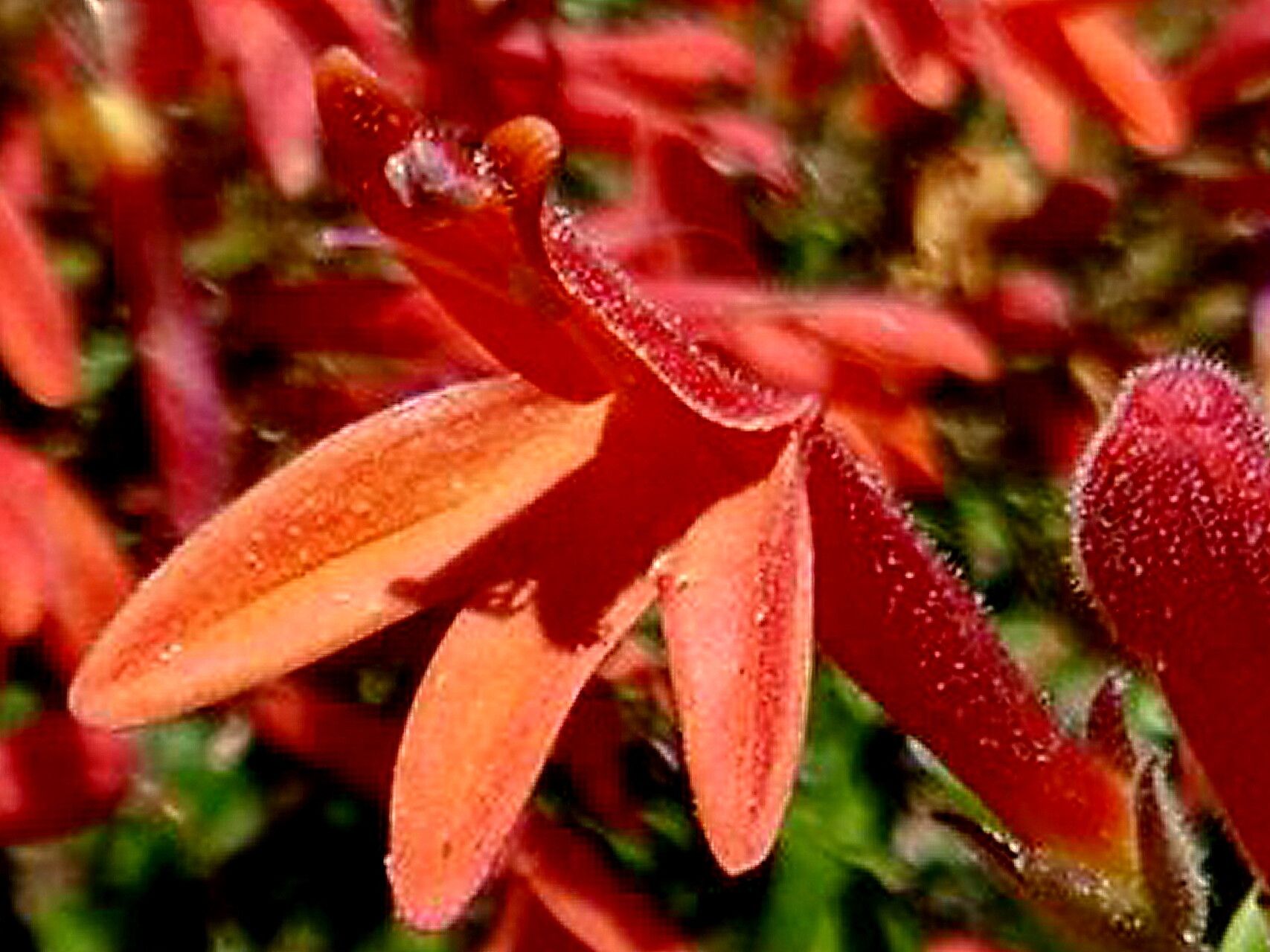
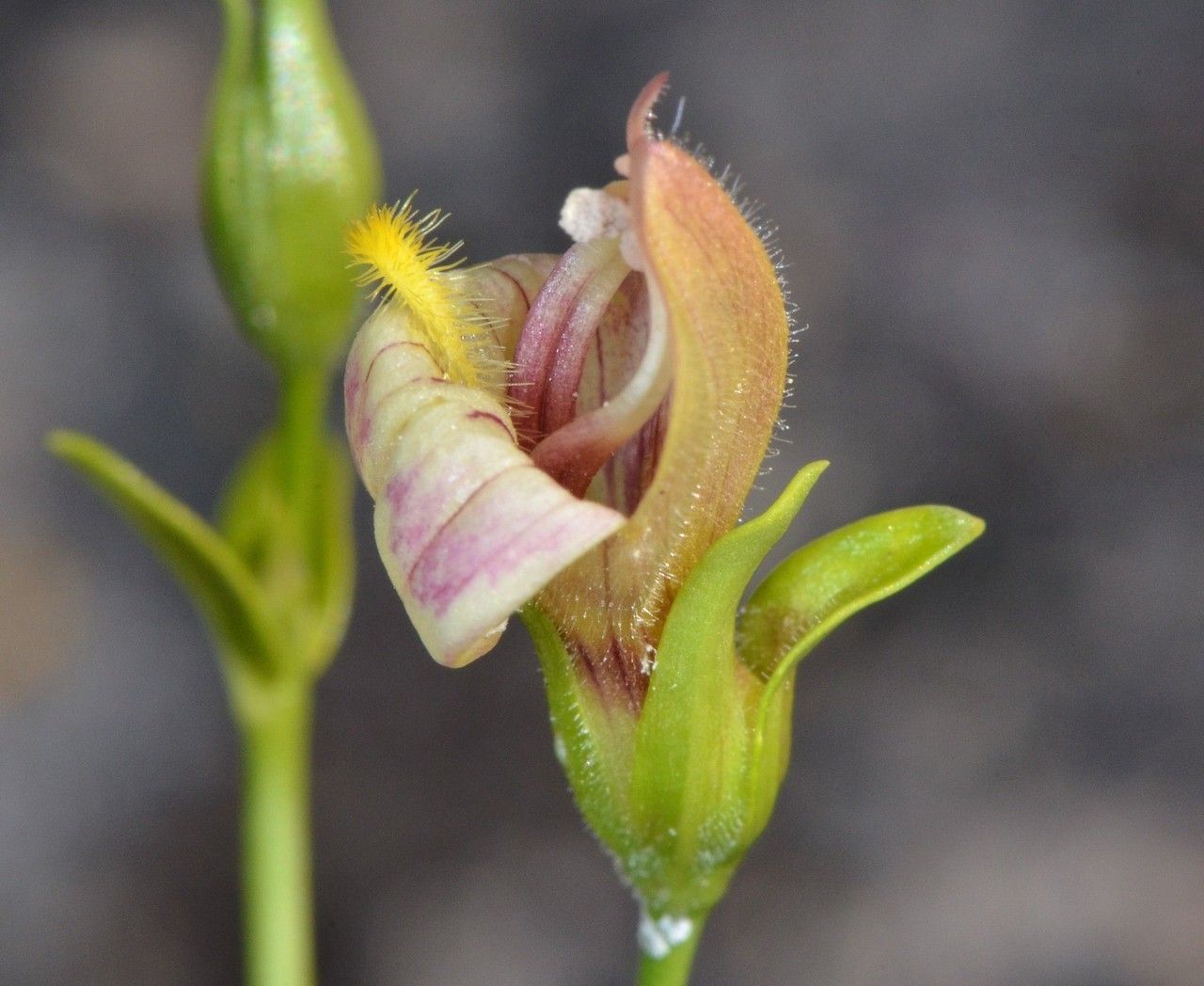
Keckiella antirrhinoides, commonly known as snapdragon bush or bush penstemon, is a perennial shrub native to California and Oregon in the United States. It belongs to the Plantaginaceae family and can grow to a height of 3 to 6 feet. The plant features narrow, lance-shaped leaves that are green-gray in color and can reach up to 3 inches long. Its tubular, bright yellow flowers bloom from late spring through summer.
Snapdragon bush thrives in well-drained soils with full sun exposure but can tolerate partial shade. While it is drought-tolerant once established, it requires regular watering during its first year of growth.
The plant is attractive to pollinators such as bees and hummingbirds, thanks to its bright yellow, nectar-rich flowers. It is also deer-resistant, making it an excellent choice for gardens in areas with high deer populations.
Keckiella antirrhinoides has been used medicinally by Native Americans for treating various ailments, including coughs, colds, sore throats, and fevers.
Overall, Keckiella antirrhinoides is an attractive shrub that adds beauty to any garden. It provides ecological benefits by attracting pollinators like bees and hummingbirds and is drought-tolerant once established, making it a fantastic addition to any garden or landscape design project.
How to keep Keckiella Antirrhinoides.
Pruning
The Snapdragon penstemon is characterized by its tubular flowers and bushy growth. To maintain its health, it's important to prune in early spring before new growth appears. Avoid heavy pruning to prevent unnecessary stress on the plant. However, light pruning after the flowering period can encourage more blooms. Regular pruning is recommended to improve air circulation and enhance the plant's appearance, ensuring optimal growth according to horticultural experts.
Botanical profile.
- Life Cycle
- Perennial
- Genus
- Keckiella
- Family
- Plantaginaceae
- Mature Height
- 1.8 m to 3.5 m
- Mature Spread
- 1.8 m
Other names.