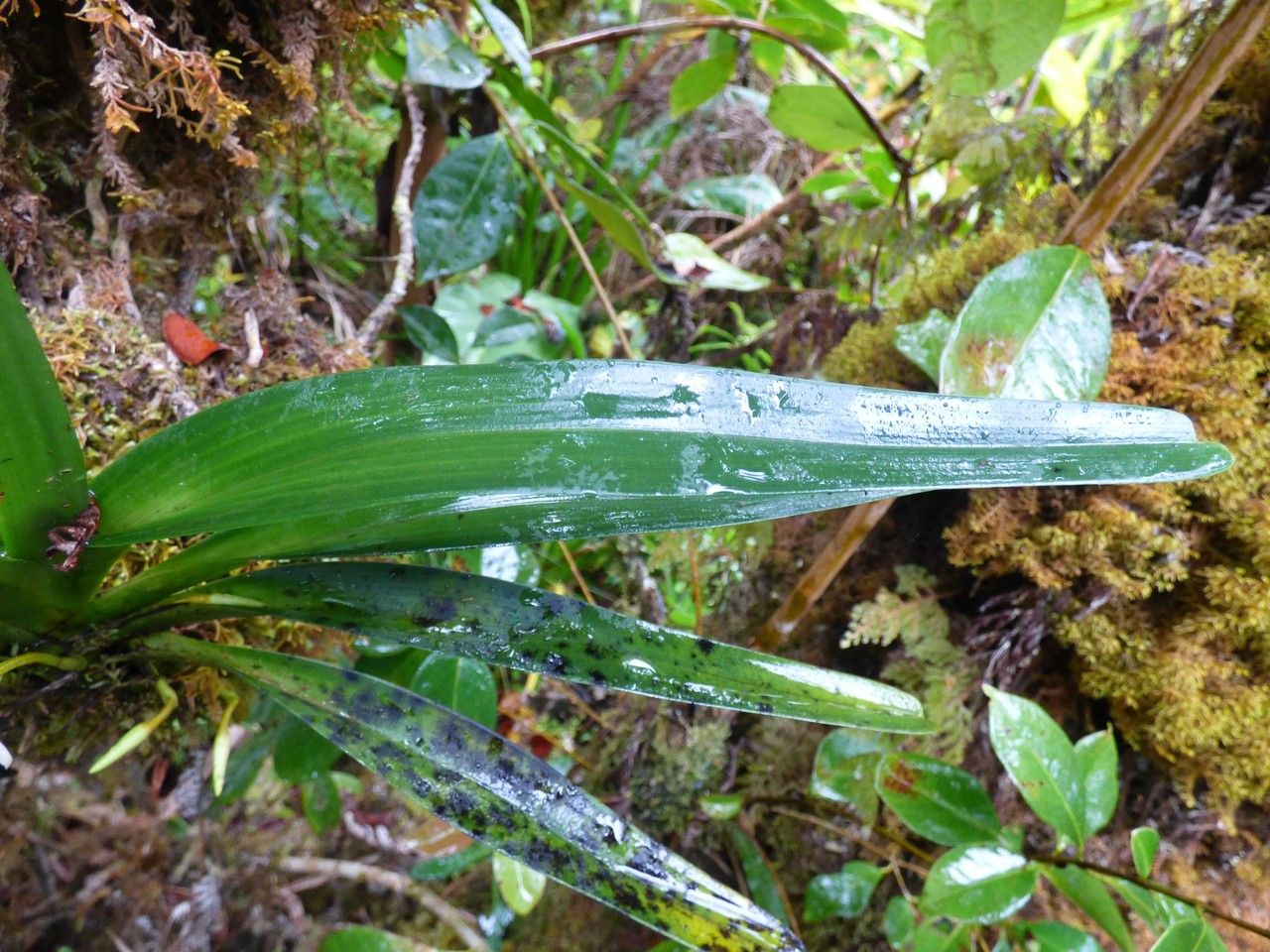
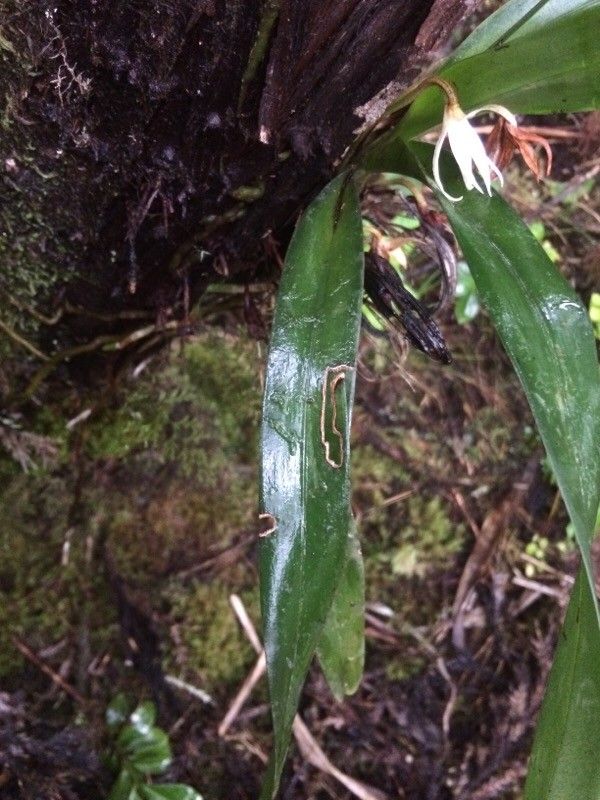
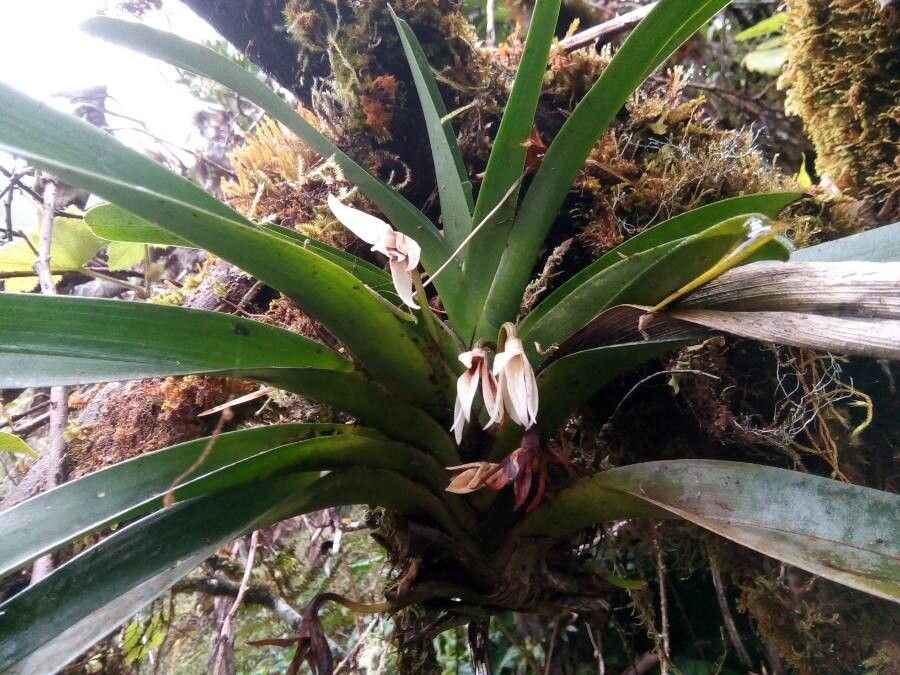
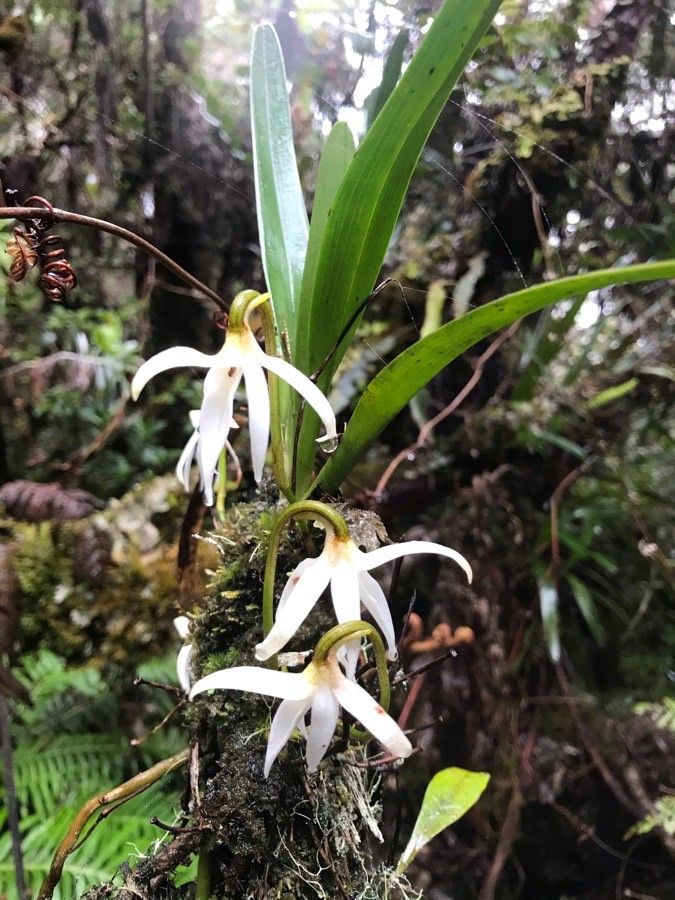
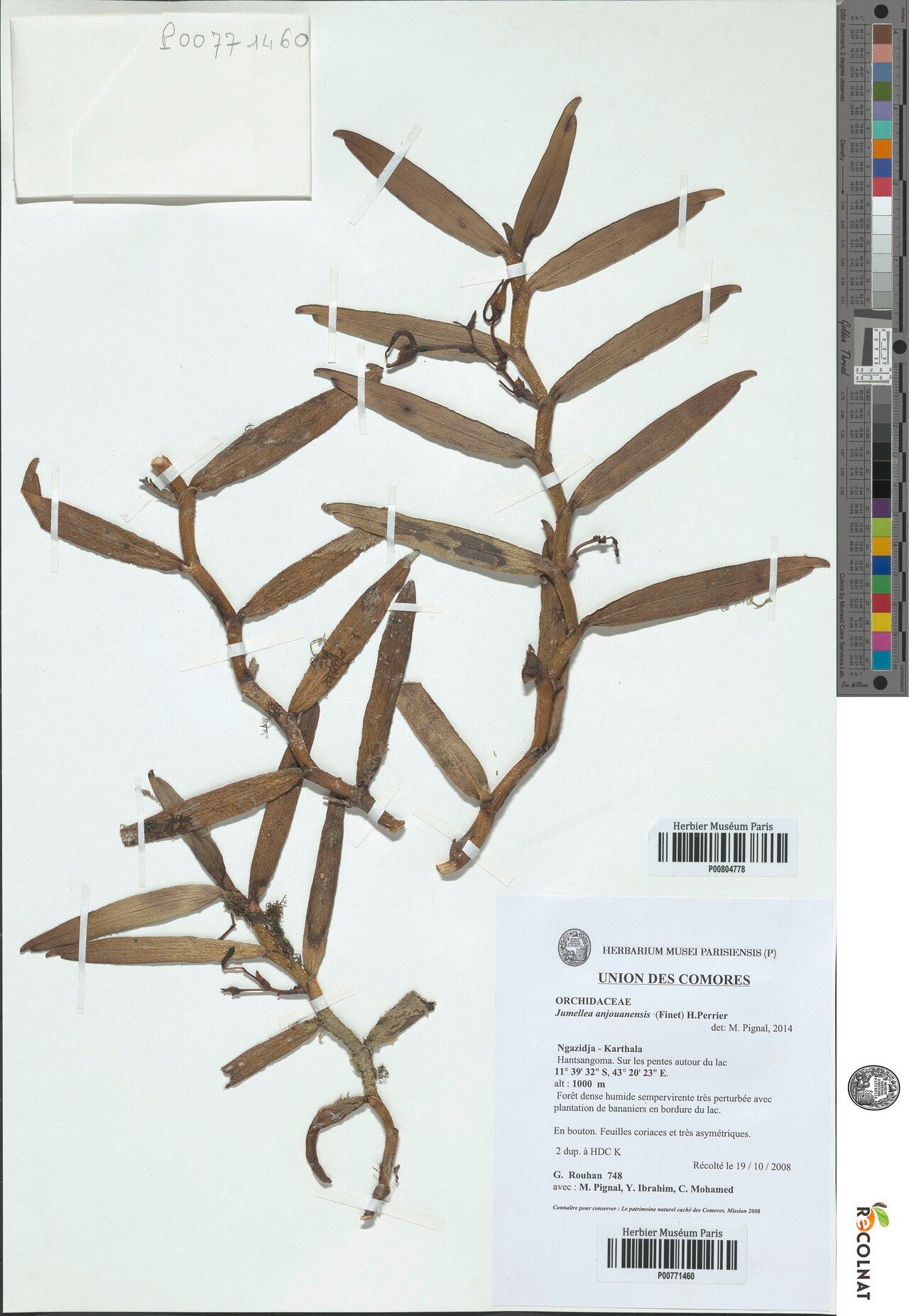
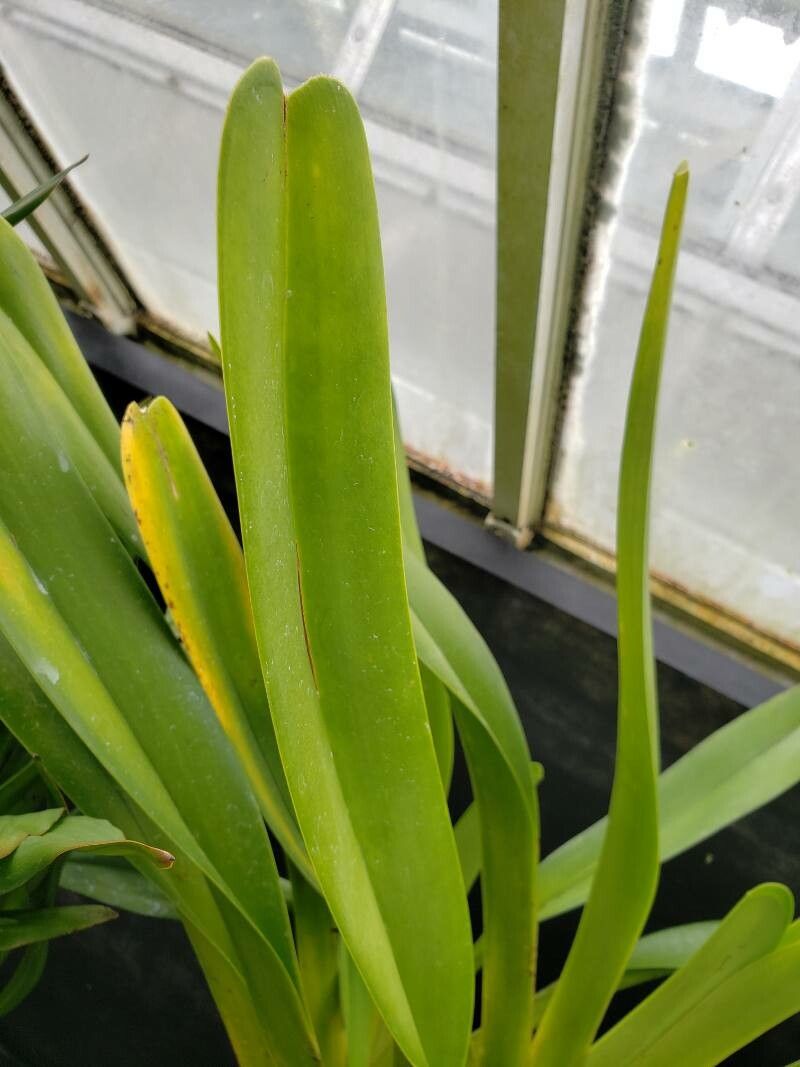
Triangular jumellea typically has good disease resistance and is subject to relatively few insect pests. Its care is considered difficult because it needs a high-humidity yet well-ventilated environment with minimal harmful pathogens. Too much watering can cause root rot. Although anyone can grow Triangular jumellea, keeping it healthy and getting it to bloom again requires more growing experience.
How to keep Jumellea Triquetra.
Light
Triangular jumellea is native to habitats such as forest understories or rocky locations, where it grows in natural shade. It prefers partial sun but can tolerate full sun or full shade, showing its adaptable and hardy character.
Temperature
Triangular jumellea does well in warm settings. It prefers fairly high temperatures but not conditions that are overly hot and humid. Light helps raise the plant's temperature and encourages blooming. Still, extended direct sun in summer can cause sunburn, so the plant's sun exposure should be managed during that period. The species is generally sensitive to cold, so it needs sufficient protection and warmer conditions in winter to avoid freezing.
Fertilizer
Appropriate fertilization is essential for the health and appearance of Triangular jumellea. Fertilize Triangular jumellea during the summer, repeating the application once a month throughout the season. Nutrients supply the energy for growth and help sustain the plant's various parts. Feeding also improves Triangular jumellea's floral display, ensuring the best blooms.
Pruning
The Triangular Jumellea is distinguished by its unique triangular leaves. To support plant health and improve air circulation, prune it between late winter and early spring using sterilized tools. This practice encourages vigorous growth and more abundant blooms. Additionally, regular maintenance helps in managing the plant's size and shape.
Pot & Repot
When repotting Triangular jumellea, select a slightly larger pot with good drainage; a clear orchid pot is preferable. Use an orchid-specific, well-draining mix that contains bark or moss. Carefully clean the roots and remove any that are dead or rotting. Repot after flowering, typically in spring or fall, water thoroughly, and place the plant in bright, indirect light. Once repotted, avoid disturbing the roots.
Botanical profile.
- Plant Type
- Herb
- Life Cycle
- Perennial
- Genus
- Jumellea
- Family
- Orchidaceae
- Hardiness Zone
- 10-12
- Mature Height
- 30 cm to 61 cm
- Mature Spread
- 20 cm to 30 cm
- Leaf Color
- Forest Green
- Leaf Type
- Evergreen
- Flower Color
- White
- Flower Size
- 2.54 cm
- Bloom Time
- Summer
- Planting Time
- Spring, Autumn
- Harvest Time
- Late summer, Early fall, Mid fall
Reader questions.
How should I water my Triangular jumellea plant to keep it healthy?
How you water the Triangular jumellea depends on its growth phase. In active growth, apply water to the soil and occasionally overhead water in warm weather. In winter and cool, wet weather, stick to watering the soil directly. Signs of needing more water include thin, dry roots and leaves or discoloration. Too much water will make the plant mushy and limp. Use a pot with good drainage and water the plant multiple times per week during the growing season. Water should drain quickly to avoid standing water. Adjust the amount of water based on pot size. Rainwater and distilled water are preferred, matching the water temperature to the air as closely as possible.
What are the sunlight requirements for Triangular Jumellea?
Triangular Jumellea requires about 3-6 hours of sunlight daily and thrives in partial sun conditions. It's essential to observe how sunlight moves through your garden to find spots that offer a balance of light and shade, ensuring the plant's health. Despite its preference for partial sun, it can also tolerate full shade, thanks to its native adaptation to environments like forest understories or rocky areas. This makes Triangular Jumellea a versatile plant, suitable for various garden spots or indoor settings.
What is the name of the plant?
The name of the plant is Triangular jumellea.
What do I do if I give too much water or too little water to my Triangular jumellea plant?
To keep your Triangular jumellea plant alive and healthy, it's important to find the right balance with watering. While it needs regular watering during its active growth phase, it also requires well-draining soil to prevent root rot. Overwatering can cause the plant to become mushy and develop root rot, in which case you should remove any rotted roots using sterilized pruning shears. Afterward, repot the plant in a container with good drainage and fill it with a fast-draining potting mix. However, be cautious with excessive repotting as Triangular jumellea doesn't respond well to it. If you notice the plant becoming dry and shriveled, it may be underwatered. In that case, increase the frequency of your watering to ensure the soil doesn't dry out too quickly.
How can artificial lighting be used for Triangular Jumellea indoors?
In situations where natural sunlight is insufficient, especially during winter or in less sunny spaces, artificial lighting becomes crucial for Triangular Jumellea's growth. LED lights are recommended due to their ability to provide the specific wavelengths of light needed by plants. For plants requiring full sun, 30-50W/sq ft of artificial light is needed; for partial sun plants, 20-30W/sq ft; and for full shade plants, 10-20W/sq ft. The light source should be placed 12-36 inches above the plant, mimicking natural sunlight. The duration of artificial lighting should match natural daylight hours, typically 8-12 hours per day for most plants.
What is the botanical name of Triangular jumellea?
The botanical name of Triangular jumellea is Jumellea triquetra.
How frequently should I water my Triangular jumellea?
During the active growth stage in spring and summer, water your Triangular jumellea once or twice per week. Increase watering to three times per week or more during hot and dry weather. In winter, water your Triangular jumellea, but not as frequently. Watering two to three times per month should be enough during the coldest months. However, if you keep your Triangular jumellea indoors during winter, remember that indoor locations can make the soil dry quicker, so you may need to water more often. Use the fall season to gradually decrease watering frequency from multiple times per week to the reduced winter schedule.
What are the signs of insufficient light in Triangular Jumellea?
When Triangular Jumellea is grown indoors with insufficient light, it may exhibit symptoms such as small and lighter-colored new leaves, leggy or sparse growth, faster leaf drop, slowed or halted growth, chlorosis, sunscald, leaf curling, wilting, and leaf scorching. These symptoms indicate a struggle with the light conditions, and adjustments are necessary to ensure the plant's health and vigor.
What do I need to think about when watering my Triangular jumellea during different times of the year and stages of growth?
When planning the watering schedule for your Triangular jumellea, it is important to consider two growth phases. The first phase is the active growth period, which occurs in spring and summer. During this period, the plant should be watered multiple times per week. The second phase is the rest period, which lasts for about two to three months during the winter. During this time, the Triangular jumellea requires less water and fertilization. It is sufficient to water it once or twice per month. In the fall, gradually reduce the frequency of watering from multiple times per week to once or twice per month to prepare for the winter rest period.
How can I provide optimal light conditions for Triangular Jumellea?
To optimize light conditions for Triangular Jumellea, gradually acclimate the plant to sunnier spots by moving it to a location with more sunlight each week. This gradual adaptation helps prevent sunburn and encourages healthy growth. If the plant is large or not easily movable, consider supplemental artificial lighting. For indoor plants, keeping a desk or ceiling lamp on for at least 8 hours daily or investing in professional grow lights can provide sufficient light. Outdoors, reducing obstructions like pruning branches from trees can increase sunlight exposure. For smaller plants, consider transplanting them during their dormant period to a sunnier location with good drainage, ensuring healthier new growth.
How should I change my watering routine for my Triangular jumellea if I keep it inside?
The Triangular jumellea plant needs a humid environment to grow well. Indoor locations usually don't have enough moisture, causing the plant and soil to dry out quickly. To solve this problem, you can use a humidifier in the room where you grow your Triangular jumellea. You also need to water it more often. However, it's important to balance humidity with proper air circulation to avoid any diseases caused by excessive moisture. Using a fan in the room can help maintain the right airflow for the plant.