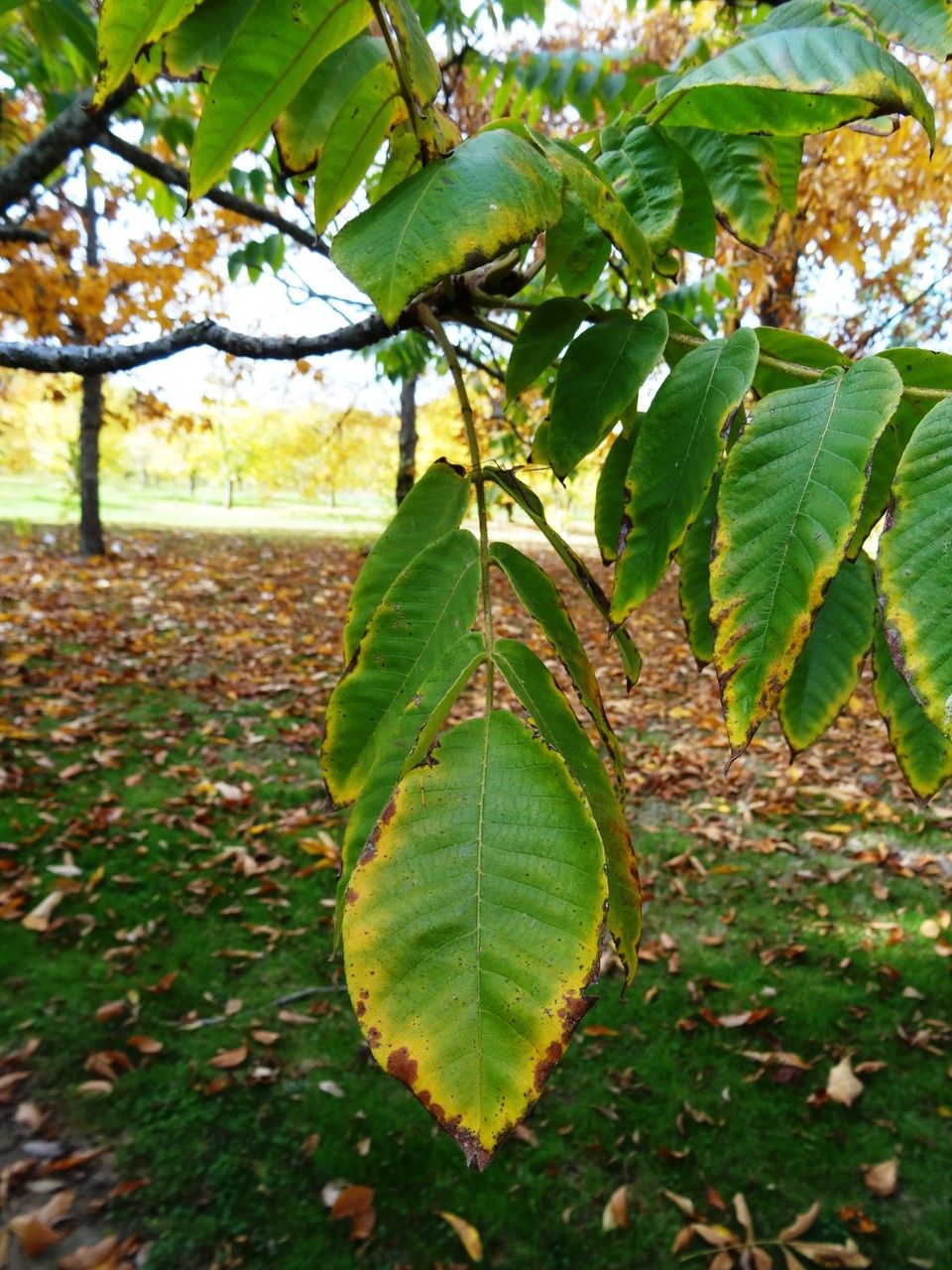
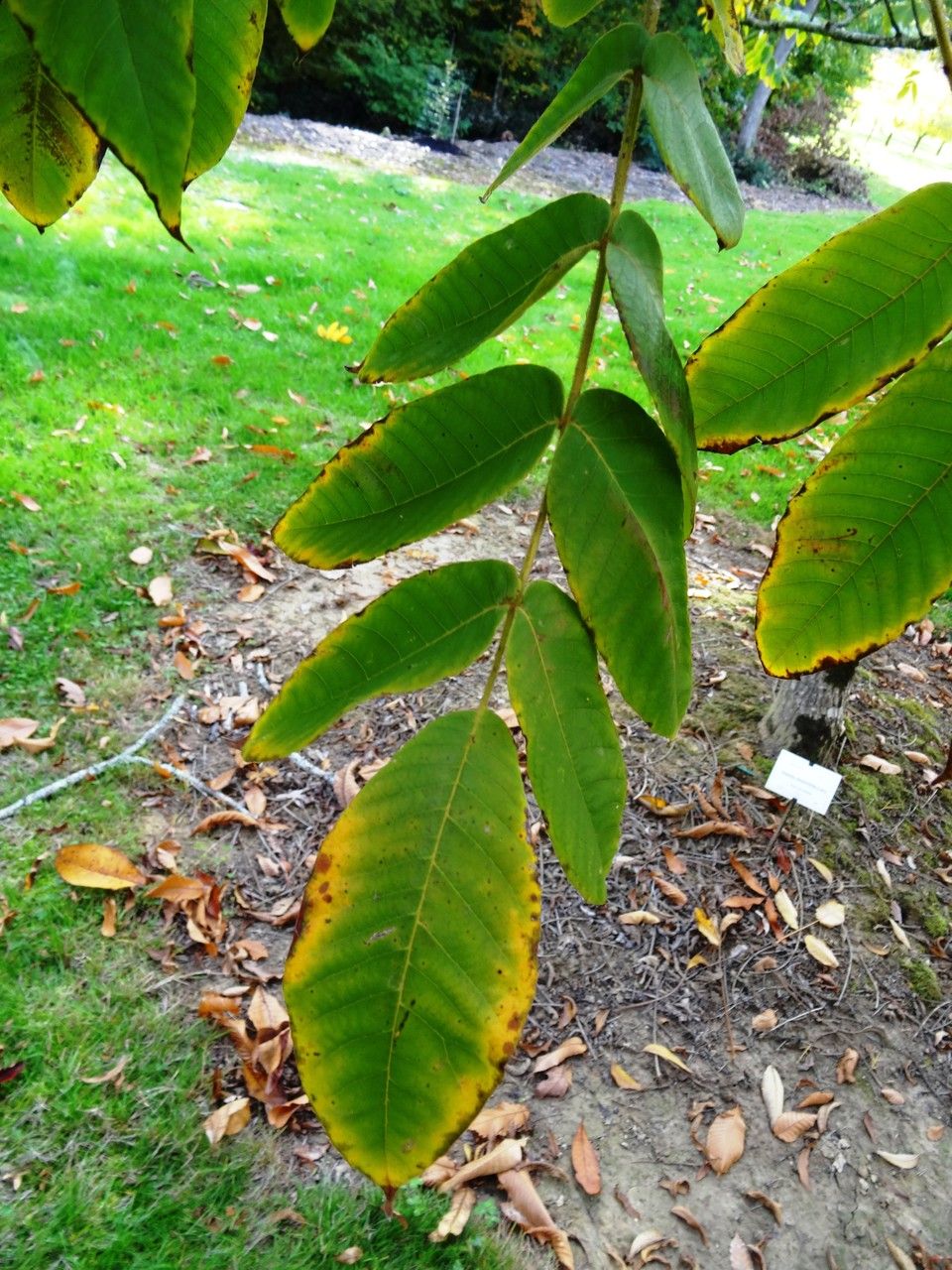
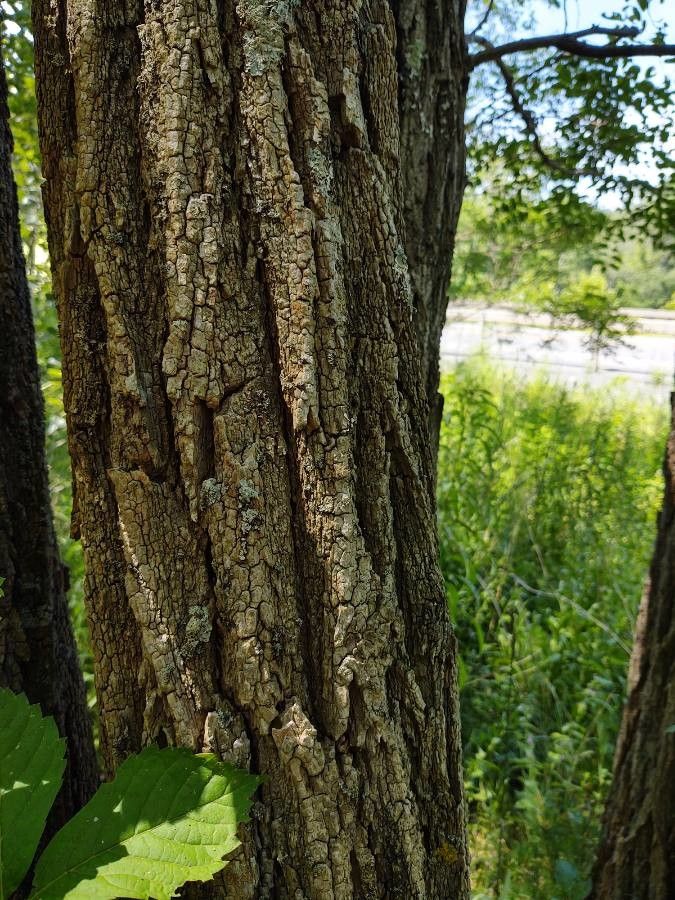
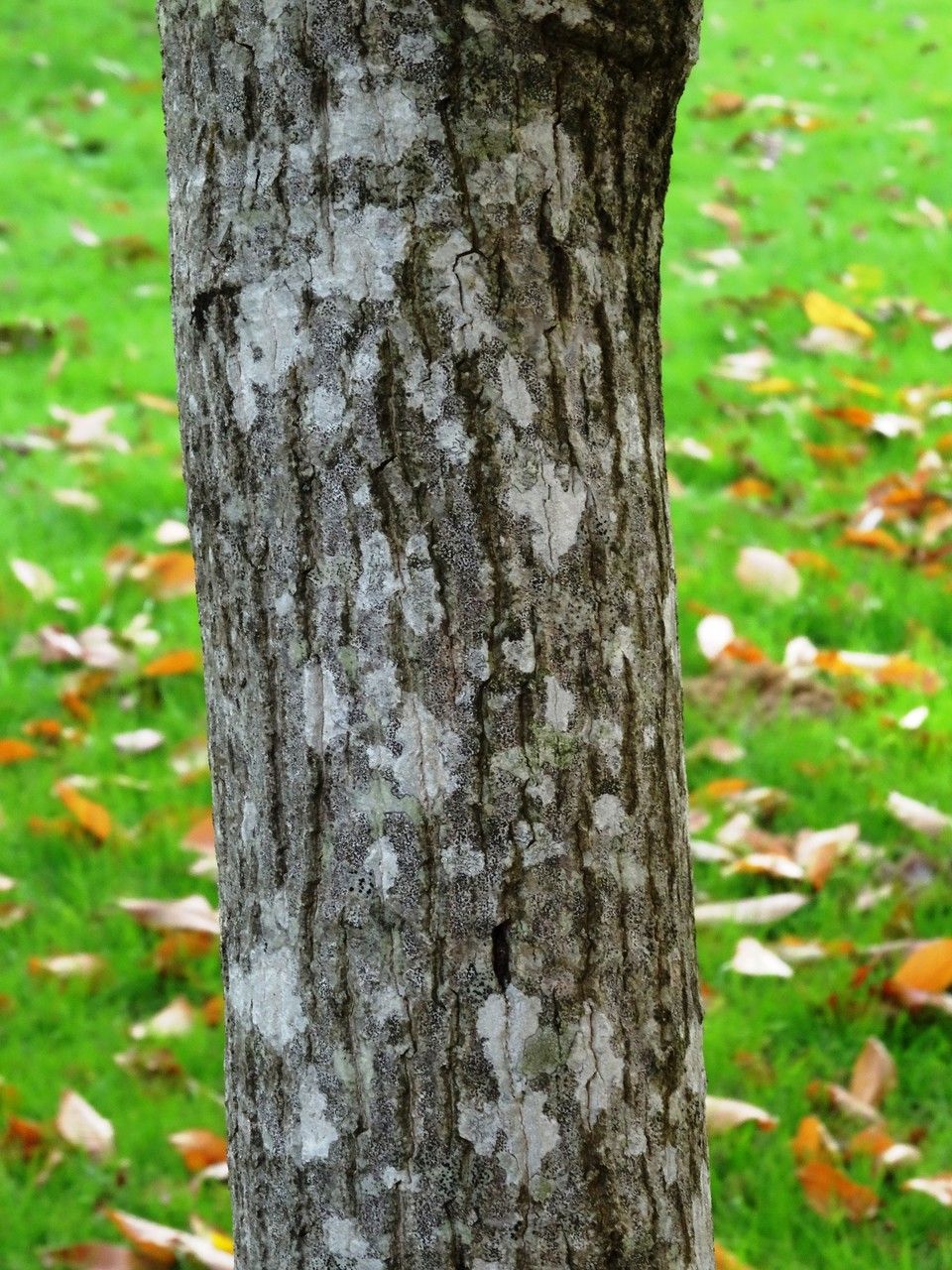
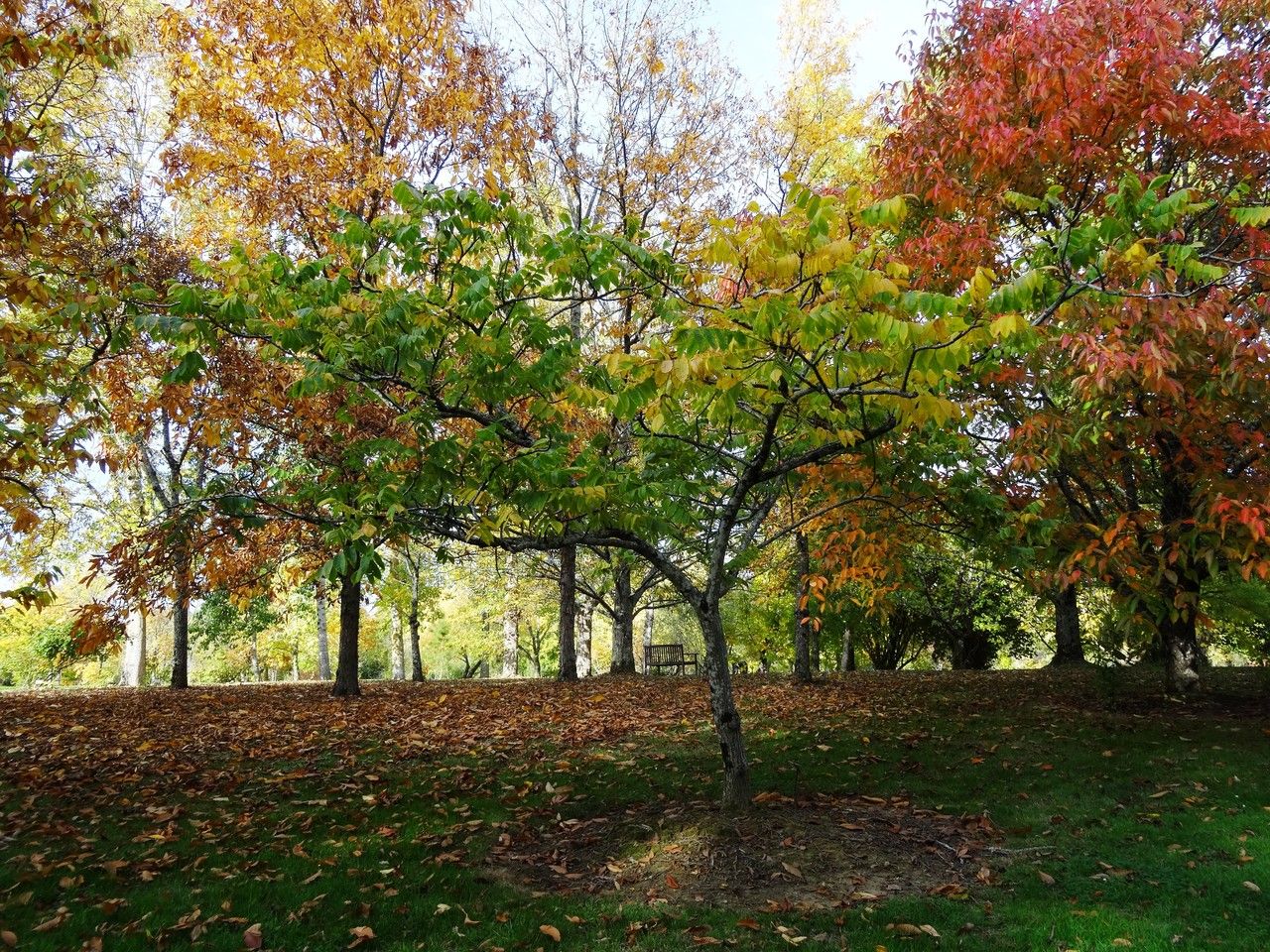
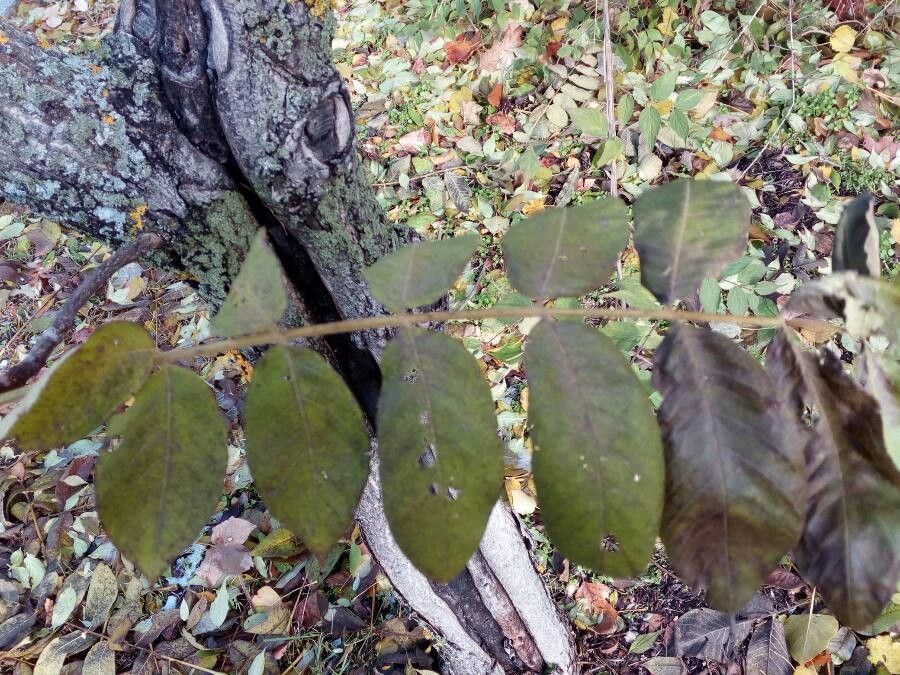
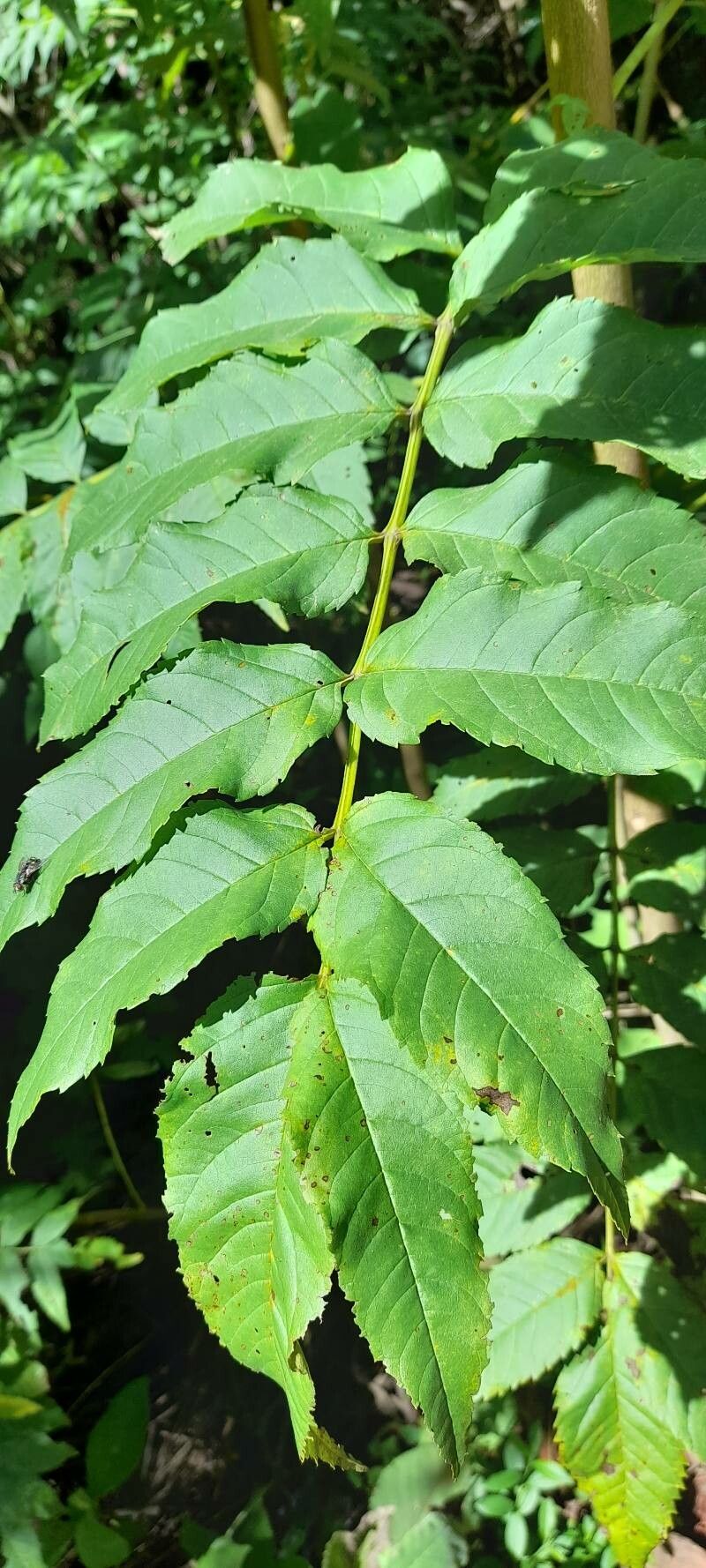
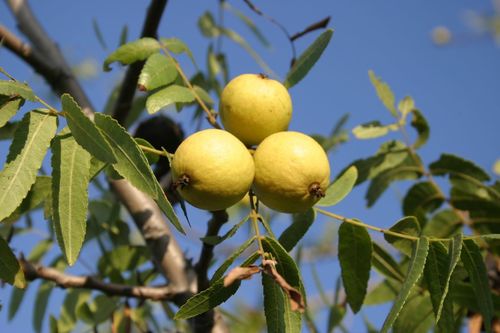
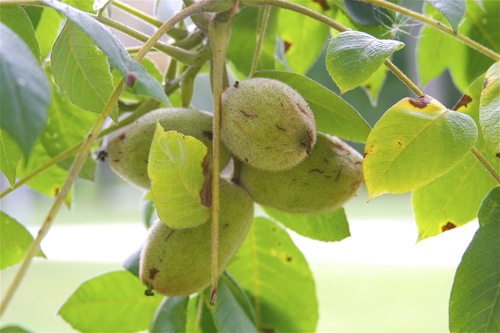
Juglans ailantifolia (synonyms J. cordiformis and J. sieboldiana and J. mandshurica var. sachalinensis), the Japanese walnut (Japanese: 鬼胡桃 oni-gurumi), is a species of walnut native to Japan and Sakhalin. It is a deciduous tree growing to 20 m (66 ft) tall, rarely 30 m (98 ft), and 40–80 cm stem diameter, with light grey bark. The leaves are pinnate, 50–90 cm long, with 11-17 leaflets, each leaflet 7–16 cm long and 3–5 cm broad. The whole leaf is downy-pubescent, and a somewhat brighter, yellower green than many other tree leaves. The male flowers are inconspicuous yellow-green catkins produced in spring at the same time as the new leaves appear. The female flowers have pink/ red pistils. The fruit is a nut, produced in bunches of 4-10 together; the nut is spherical, 3–5 cm long and broad, surrounded by a green husk before maturity in mid autumn.
Botanical profile.
- Genus
- Juglans
- Family
- Juglandaceae
Other names.