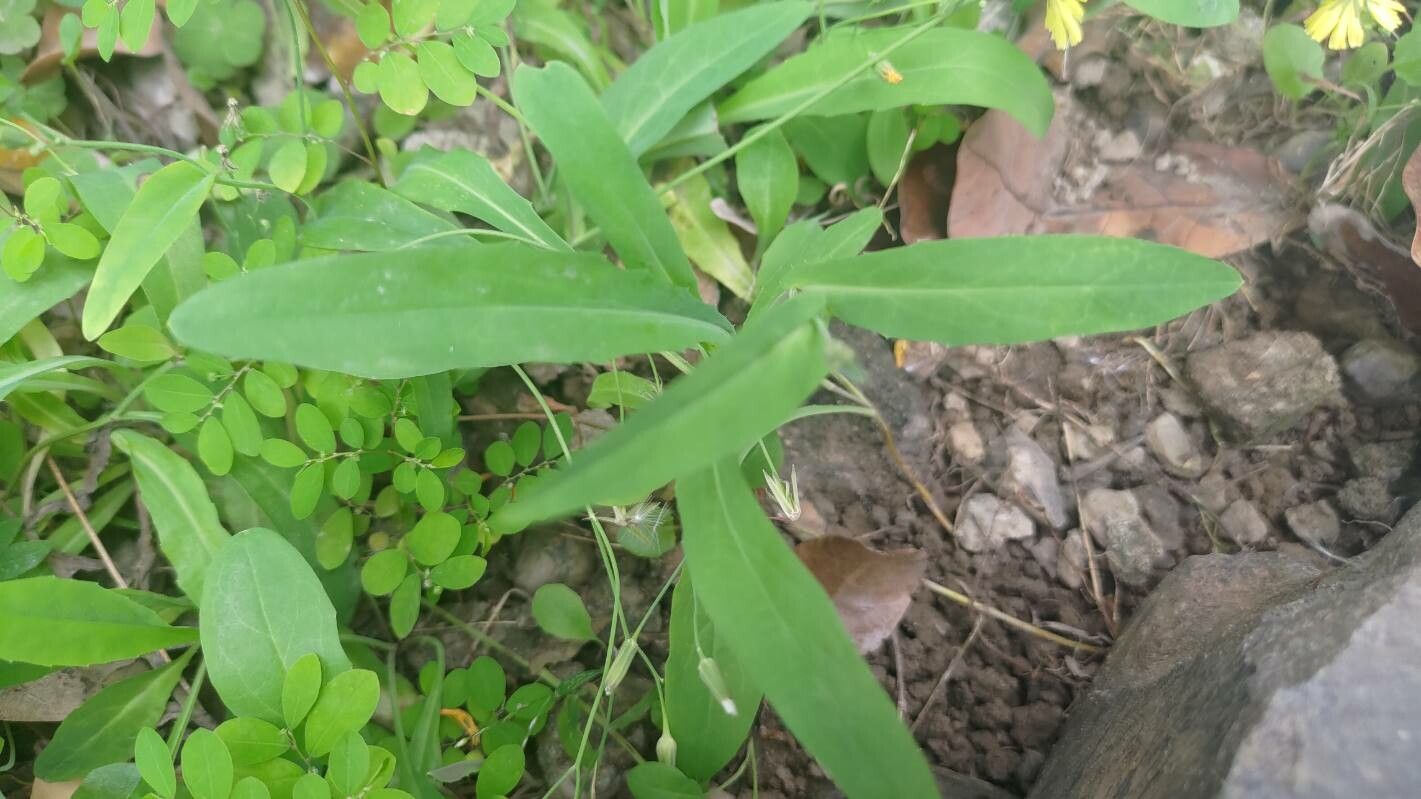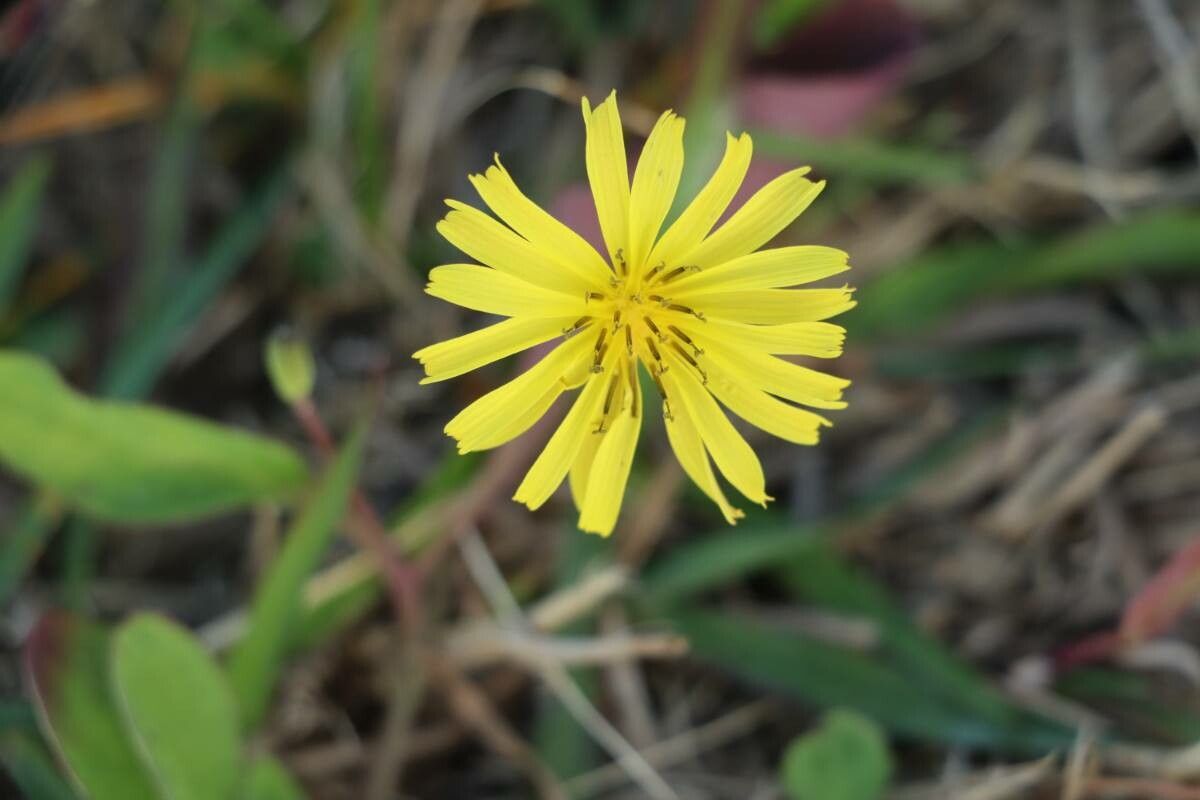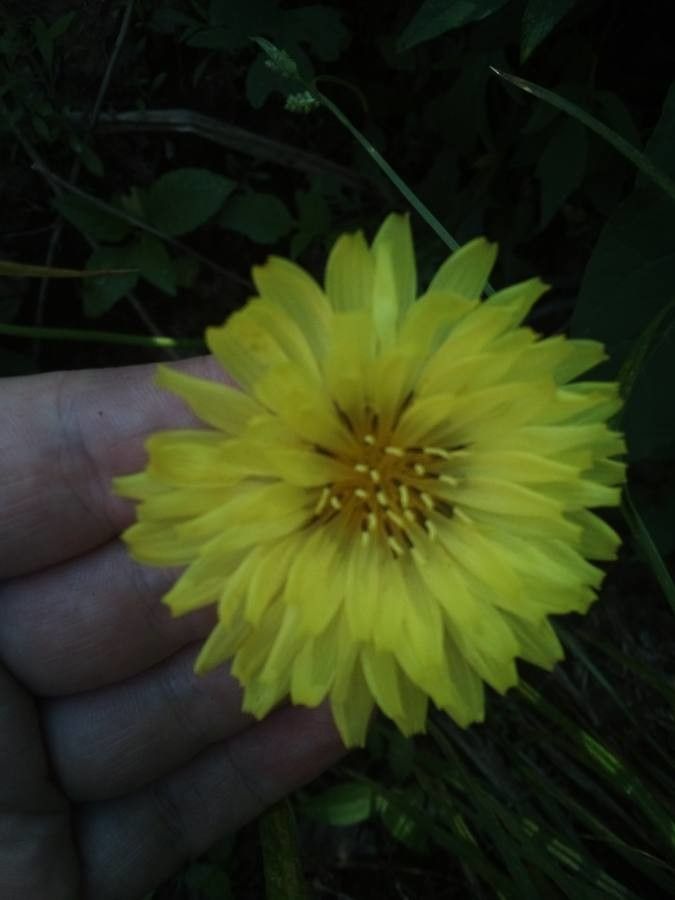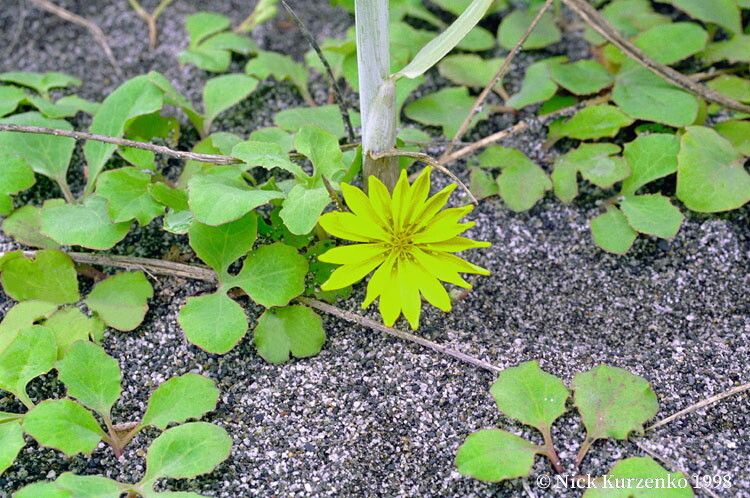
Creeping beach ixeris has moderate resistance to disease and can be susceptible to problems like leaf spot. Its vulnerability to insect pests varies by variety, but most types are relatively less resistant to pests. Regarding care, creeping beach ixeris requires regular watering and fertilization, and yellow leaves should be pruned frequently. It is important to address pests and diseases as they appear and to harvest the plant promptly. Creeping beach ixeris is suited to people who can invest some time and effort in regular maintenance.
How to keep Ixeris Repens.
Light
Creeping beach ixeris is native to areas with plentiful sunlight, such as open fields and sunny meadows. It prefers full sun but can also tolerate partial sun.
Water
Creeping beach ixeris flourishes with moderate water availability and adapts well to different humidity levels, showcasing its resilience to drought. This evergreen plant requires weekly watering and needs consistent hydration throughout the year, even in colder months.
Temperature
Creeping beach ixeris grows best in moderate temperatures, similar to what most people find comfortable. It does well in conditions that are neither extremely hot nor very cold. The main concern with high heat is the possibility of sunburn, so providing some shade in summer is recommended to prevent excessive warmth. When temperatures fall, Creeping beach ixeris becomes dormant. If you want it to keep growing year-round, you need to keep winter temperatures higher. Frost can damage the plant and should be avoided.
Fertilizer
To maximize the yield and flavor of Creeping beach ixeris, make sure there is plenty of nitrogen at all stages of growth, from before planting through harvest. Plants that are well watered and properly fertilized develop abundant, healthy leaves and have less bitterness. Before planting, amend the soil with organic matter such as compost or manure, ideally 2 to 8 weeks ahead.
Pruning
Creeping beach ixeris is a low-growing ground cover that features bright yellow flowers. To encourage dense growth, remove winter damage, and maintain its shape, prune the plant in early spring. Regular pruning also helps improve air circulation and reduces the risk of disease. Be sure to use clean tools and avoid cutting too much to ensure optimal flowering in the next season.
Botanical profile.
- Plant Type
- Herb
- Life Cycle
- Perennial
- Genus
- Ixeris
- Family
- Asteraceae
- Hardiness Zone
- 7-10
- Mature Height
- 3 cm to 15 cm
- Mature Spread
- 10 cm to 30 cm
- Leaf Color
- Green, Dark Green
- Leaf Type
- Evergreen
- Flower Color
- Yellow
- Flower Size
- 2.03 cm to 3.05 cm
- Bloom Time
- Late spring, Early summer, Mid summer
- Planting Time
- Spring, Summer
- Harvest Time
- Summer
- Native Area
- Russia, Vietnam, Japan, Koppen, South Korea, China
Other names.
Reader questions.
How should I water my Creeping beach ixeris plant?
To ensure the proper care for the Creeping beach ixeris, it's important to use filtered water at room temperature. Tap water may contain harmful particles, which is why filtered water is preferable. It's also essential to avoid using cold water, as the plant is accustomed to warmer conditions and could be shocked by the temperature change. Additionally, overhead watering should be avoided as it can lead to complications with the foliage. Instead, carefully pour filtered room temperature water onto the soil until it is completely soaked. This method of watering benefits the plant by keeping the roots moist and aiding in their spread through the soil to gather essential nutrients.
What kind of sunlight does Creeping beach ixeris require?
Creeping beach ixeris is a plant that requires full sun every day. It needs at least six hours of sunlight to maintain healthy leaves, roots, and blooms. While many perennials also require six hours of sunlight daily, there are certain plants such as Orange Daylily or Giant Coreopsis that can survive with as little as three hours of sun. However, these plants won't be able to thrive as they would in sunnier conditions.
What should I do if I give my Creeping beach ixeris too much water or too little water?
Overwatering is a common problem for Creeping beach ixeris, while underwatering is less common. When overwatered, the stems and leaves may wilt and turn yellow, and prolonged overwatering can lead to diseases like root rot, mold, and mildew, which can be deadly. On the other hand, underwatering can cause the leaves to become brittle and brown. It's important to identify signs of overwatering early, as some diseases may not be reversible if left unchecked. If you notice signs of overwatering, reduce your watering schedule and check the soil drainage. If the soil doesn't drain well, replace it with a loose, well-draining potting mix. If you see signs of underwatering, simply water more regularly until the signs improve.
Can the sun harm Creeping beach ixeris? How can I keep Creeping beach ixeris safe from the sun and heat?
In warm climates, some Perennial Flowering Plants may struggle with excessive heat and suffer from sun damage. They can wilt, dry out, or even experience growth problems if they are consistently exposed to the intense afternoon sun. However, not all plants require protection from the light afternoon sun. For those that are harmed by intense afternoon exposure, it is recommended to provide them with some shade in warmer climates. Gardeners can achieve this by planting these plants in areas that do not receive direct heat during the afternoon, such as under trees or behind bushes.
How often do I need to water my Creeping beach ixeris?
If your Creeping beach ixeris plant is in a pot, the best way to determine if it needs water is by checking the soil. Just stick your finger into the soil and if the top two to three inches feel dry, it's time to water it. If you have your Creeping beach ixeris planted outside in the ground, you can use a similar method to test the soil. Once again, if the first few inches of soil have dried out, it's time to give it some water. Typically, during spring and early fall, you'll need to water this plant about once a week using this method. However, in extremely hot weather, you may need to increase the watering frequency to twice a week or more. However, it's worth noting that mature and well-established Creeping beach ixeris plants have an impressive ability to tolerate drought.
Should I shield Creeping beach ixeris from the sun?
Certain perennial plants require ample sunlight to reach their maximum bloom. However, in warmer climates, some of these plants actually benefit from less sun. For instance, individuals residing in hotter regions might find it beneficial to shade their flowering perennials during the intense afternoon sun, especially during summer months. Although many perennial flowering plants prefer partial shade in the hottest climates, there are exceptions. Take the Giant Coreopsis, for example, as it is not bothered by excessive sun exposure. These plants can flourish even when placed in the full sun during scorching weather.
How much water does my Creeping beach ixeris need? How often should I water my Creeping beach ixeris?
When watering your Creeping beach ixeris, don't be shy about how much water you give. Make sure the first two to three inches of soil are dry, then thoroughly water the plant until the soil is completely soaked. Add enough water so that excess water drains out of the pot's drainage holes. If you don't see excess water draining, you may have underwatered the plant. Avoid letting water accumulate in the soil, as this can be harmful. If water isn't draining properly, it could indicate poorly draining soil, which is bad for the plant's health. If the plant is outside, 1 inch of rain per week should be enough.
What happens if Creeping beach ixeris doesn't get enough sunlight?
If your Creeping beach ixeris is not receiving sufficient sunlight, you will observe signs indicating that its needs are not being met. Typically, these plants will produce fewer blooms compared to those in full sun. While some plants may develop dry spots on their leaves, they will still manage to bloom, albeit with smaller and less full flowers.
How do I water my Creeping beach ixeris as it grows?
The water needs of the Creeping beach ixeris can vary depending on its growth stages. When it is young or newly transplanted, it requires more water because it is focusing on sprouting new roots to support future growth. These roots need extra moisture to perform well. After a few seasons, the plant will require less water. Another stage that may require more watering is during the bloom period, as the flower development utilizes a significant amount of moisture.
Does Creeping beach ixeris need special sunlight care as it grows?
Creeping beach ixeris is a great flower for gardens and thrives with at least six hours of sunlight per day. However, to extend the freshness of the flowers, providing partial shade during the hottest parts of the day is helpful. When the flower is young, it's important to balance ample sunlight with protection from intense afternoon heat. On the other hand, fully mature plants require plenty of sun to support optimal growth.
How do I water my Creeping beach ixeris throughout the year?
The water needs of the Creeping beach ixeris vary depending on the season. In the hottest months of the year, you'll need to water the plant more frequently, potentially more than once per week, depending on how quickly the soil dries out. However, during the winter, the plant enters a dormant phase and requires significantly less water. In fact, you may not need to water it at all during this time. If you do choose to water the plant in winter, limit it to about once per month, as excessive watering can increase the risk of disease.
How much sunlight does Creeping beach ixeris need to make food?
Creeping beach ixeris require at least six hours of light for photosynthesis. They rely on the sun to promote the growth of their foliage and blooms. On the other hand, certain perennial flowering plants, such as the Giant Coreopsis, need a significant amount of sunlight. They require anywhere from eight to twelve hours of full sun daily in order to maintain their large flowers and healthy foliage.