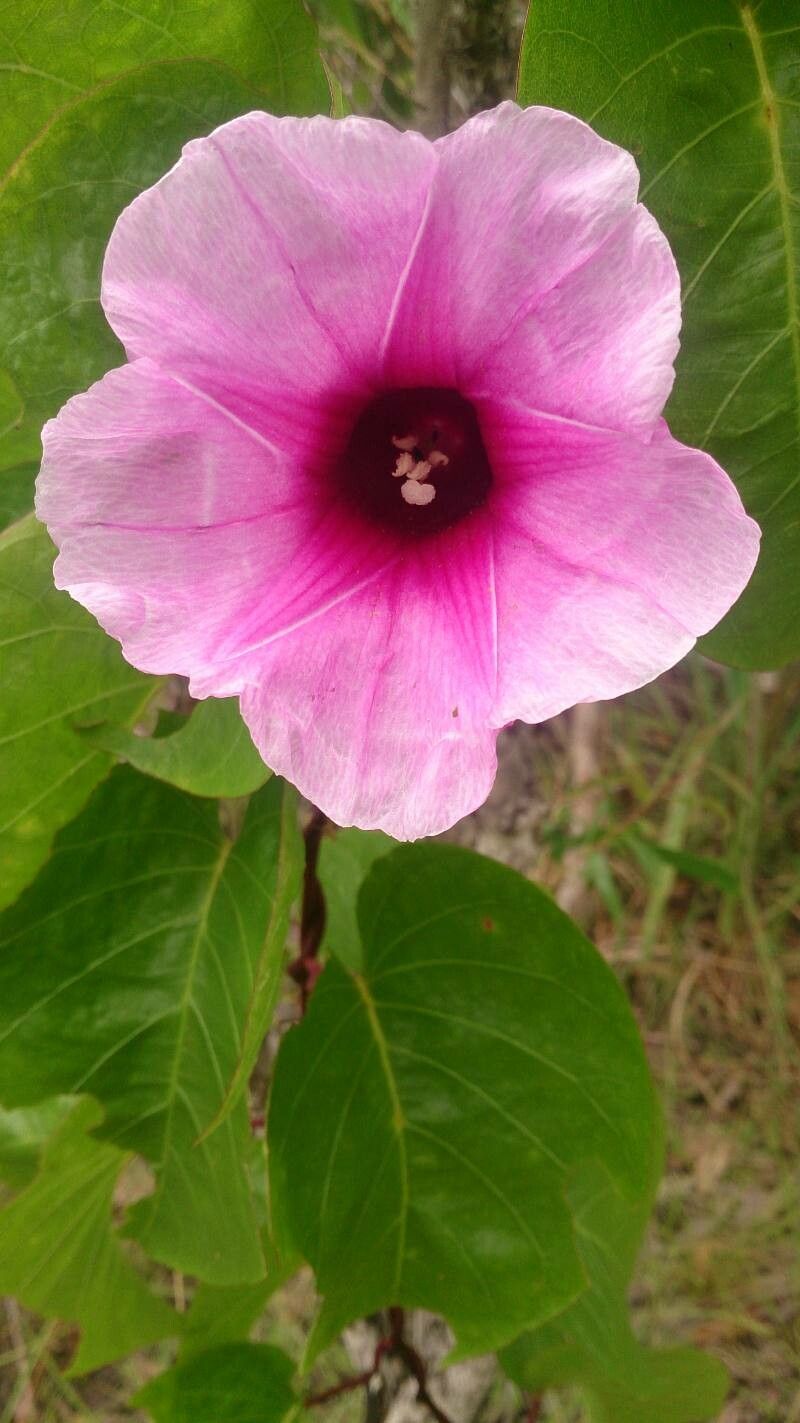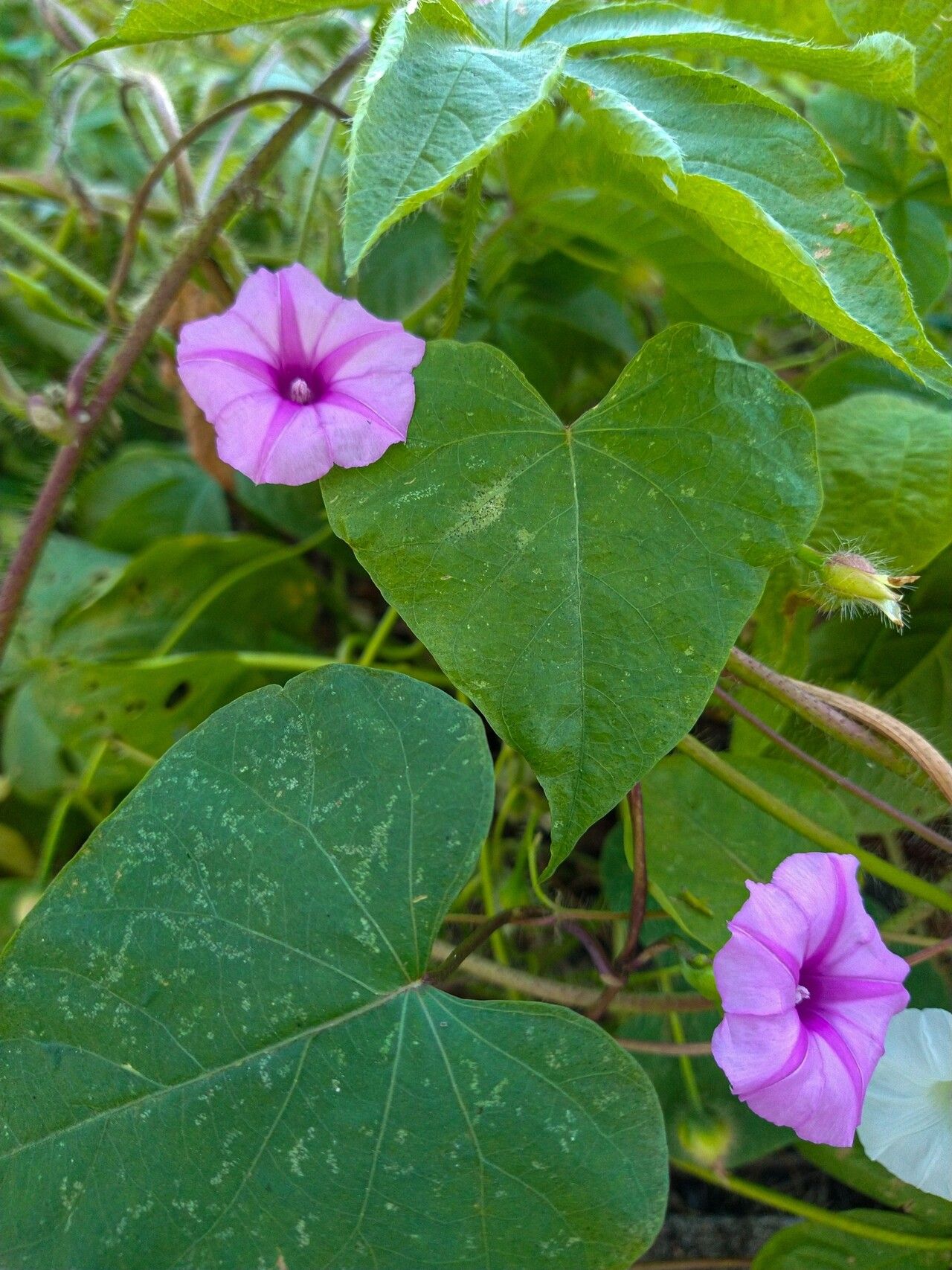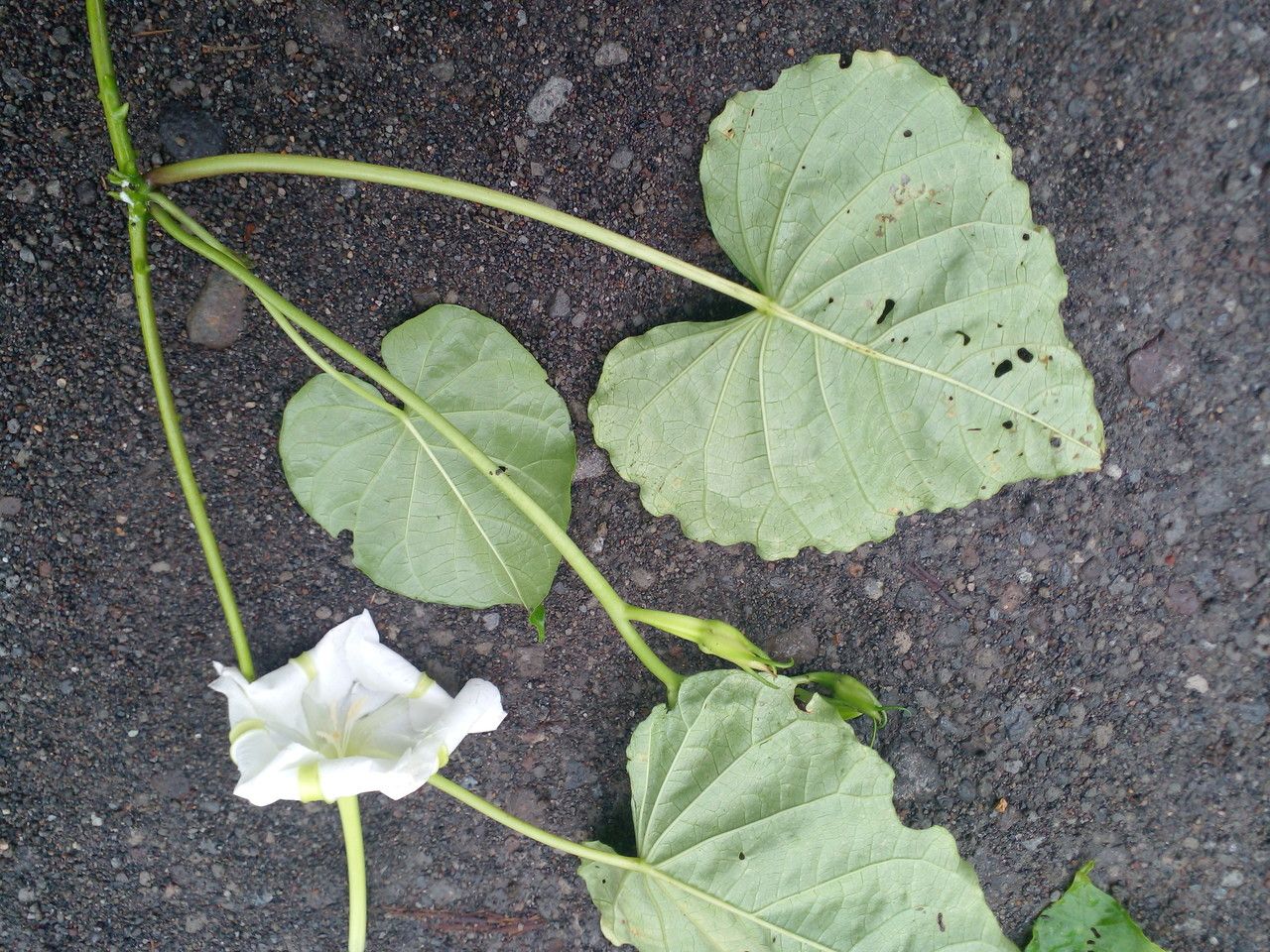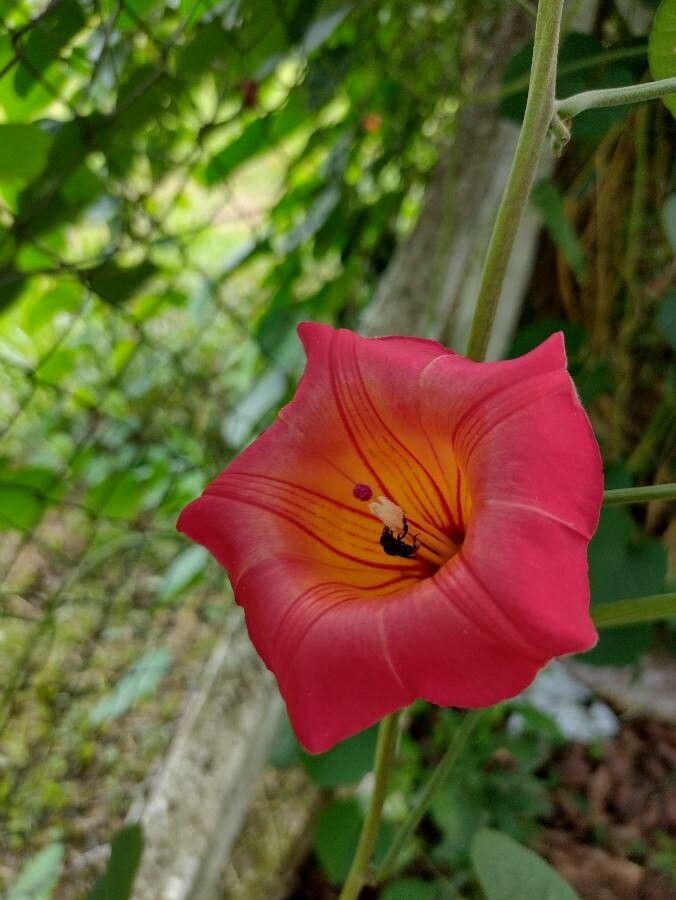
Ipomoea × sloteri is an allotetraploid species derived from Ipomoea × multifida. It is a cultivated species with no natural range. Like Ipomoea × multifida, it is known as cardinal climber.
Cardinal climber is fairly resistant to disease and typically not prone to illnesses. Still, it can be affected by pests and diseases present in its environment. These problems are generally minor. In terms of care, this plant requires moderate maintenance. Regular pruning is necessary to maintain an attractive appearance and healthy growth. Applying fertilizer can also encourage flowering. Cardinal climber is suitable for people with outdoor spaces, such as a garden or patio, and does not require extensive care experience. It may need more attention when grown indoors.
How to keep Ipomoea Ux Sloteri.
Light
The cardinal climber plant comes from bright, exposed habitats where it flourishes under complete sunlight. It can manage in semi-shade but prefers full sunlight for the best growth. This plant, which is usually an annual or biennial, is recognized for its predilection for sunlight.
Water
The cardinal climber thrives best in moist soil. To maintain optimal conditions, water the plant whenever the surface of the soil feels dry, making sure the water is fully absorbed. Keeping the soil adequately moist encourages rapid growth. During the summer, it's advisable to water the plant 1-2 times a day, ideally in the cool mornings and late afternoons to reduce evaporation. Avoid watering at noon when the sun is at its peak.
Temperature
The Cardinal climber is a native of tropical areas, which are inherently hot and humid. This makes it particularly suited to environments with high heat and moisture. It does not respond well to abrupt shifts in temperature and favors a consistent climate, therefore indoor temperature variations should be averted. The plant typically does not endure low temperatures and prefers warmer conditions for its growth. If subjected to excessively cold conditions, the plant may stop growing or even perish.
Fertilizer
When the Cardinal climber's flowers are mostly bloomed and at their largest, it indicates that you should recommence fertilization. Once the flowering is at its maximum, resume the fertilizing process every three to four weeks, depending on the weather conditions. However, once the Cardinal climber begins to produce less fresh blooms, cease fertilizing as there is no requirement for fertilization when the plant is unable to generate more flowers.
Pruning
To ensure the healthy growth of the cardinal climber, prune any diseased or weak branches during its winter dormancy. This practice improves air circulation, reduces plant density, and lowers the risk of pests and diseases.
Botanical profile.
- Plant Type
- Vine, Herb
- Life Cycle
- Annual
- Genus
- Ipomoea
- Family
- Convolvulaceae
- Hardiness Zone
- 9-11
- Mature Height
- 3.05 m to 6.1 m
- Mature Spread
- 2.13 m to 3.05 m
- Leaf Color
- Green, Dark Green
- Leaf Type
- Semi-evergreen
- Flower Size
- 6.35 cm to 7.62 cm
- Bloom Time
- Summer, Fall
- Planting Time
- Spring, Summer
- Harvest Time
- Late summer, Fall, Early winter