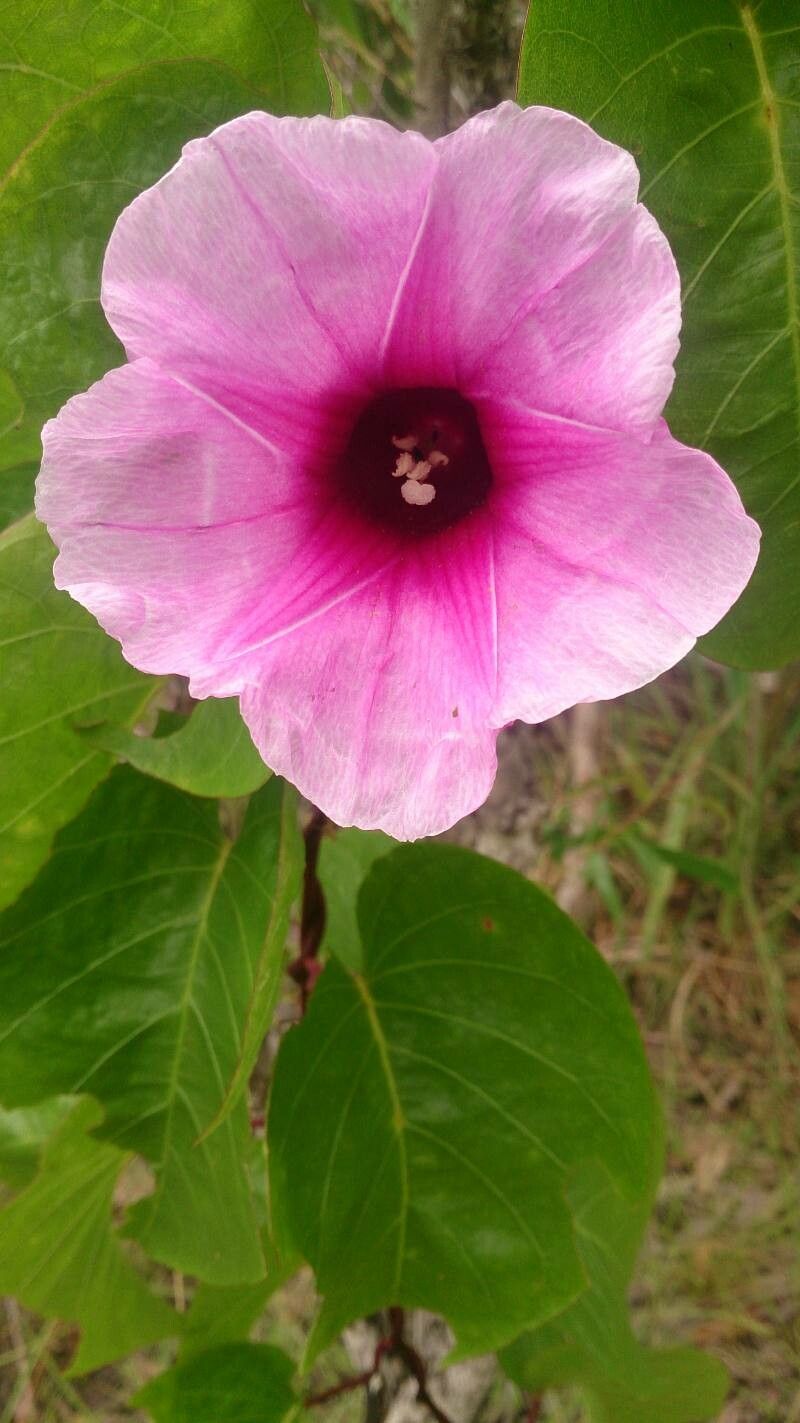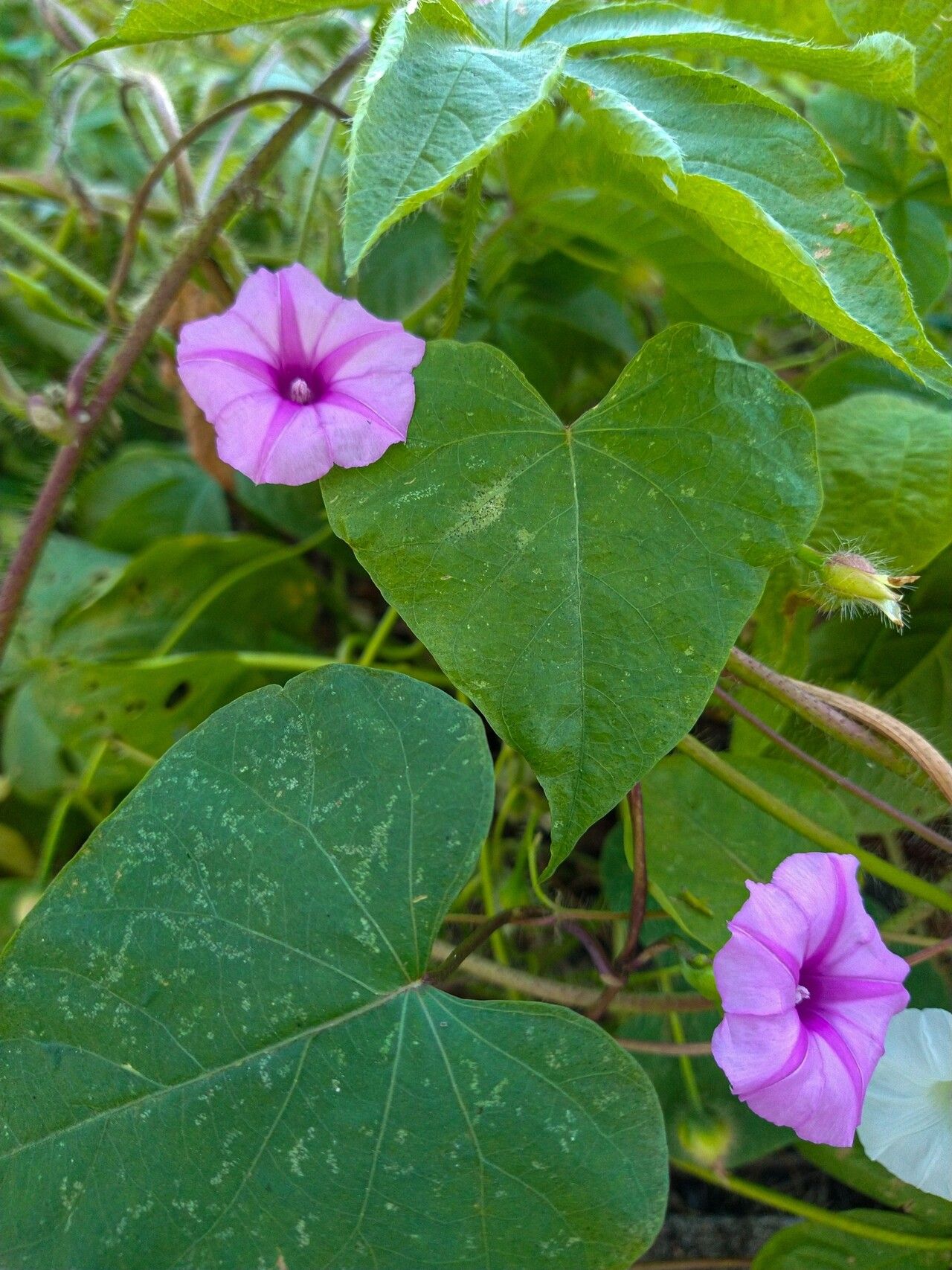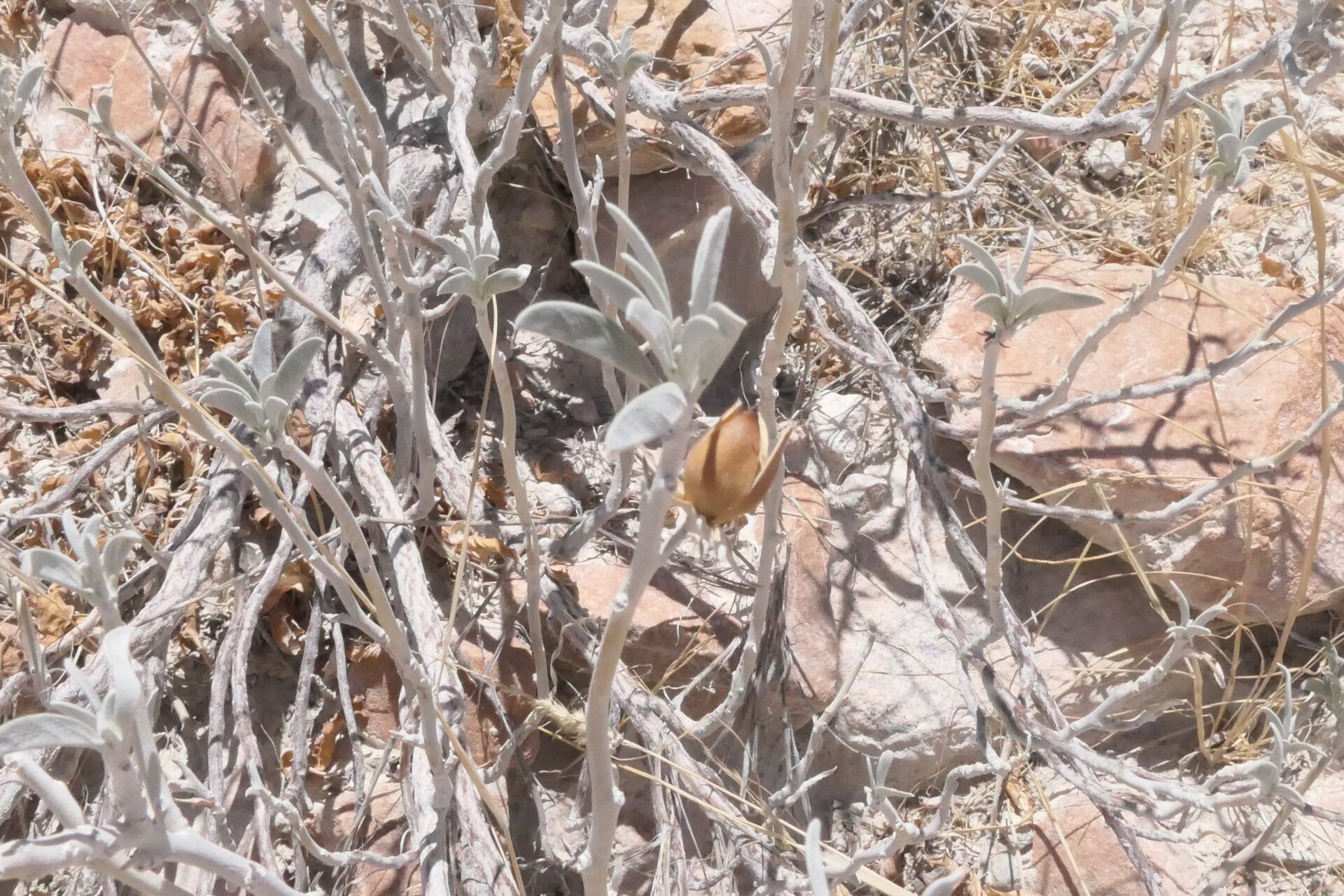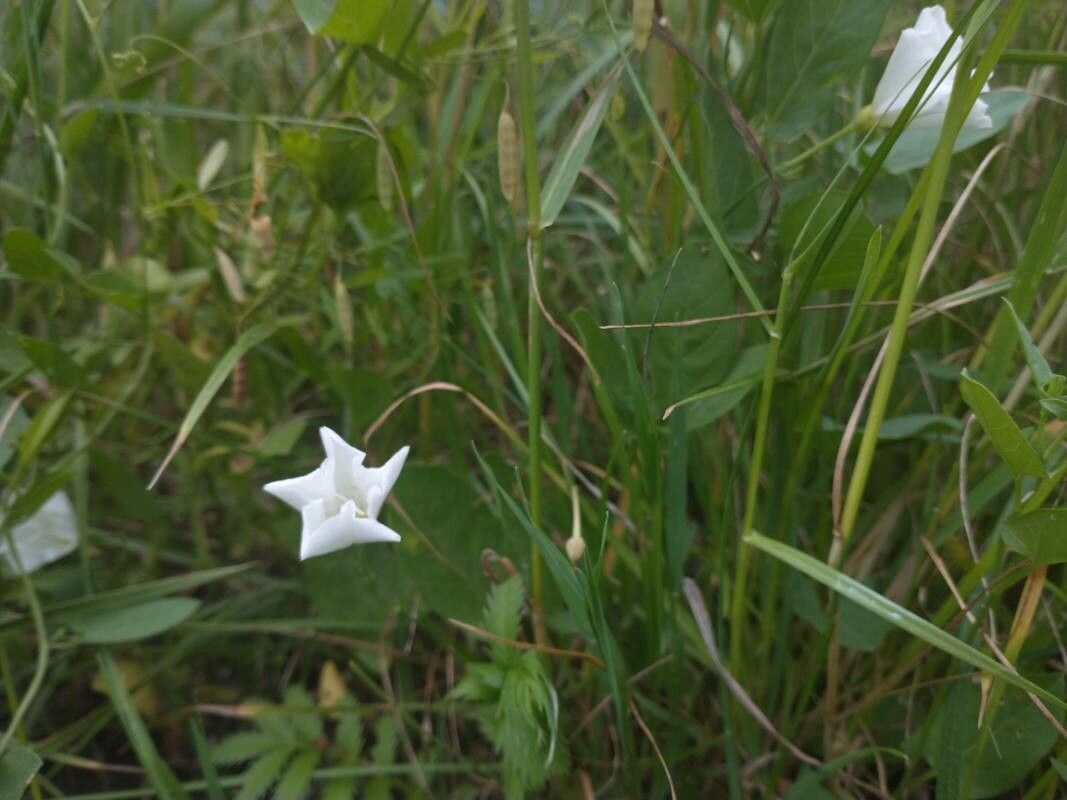
Spiderleaf is resistant to disease and typically not susceptible to illnesses. With respect to care, this plant is fairly low maintenance. When grown outdoors it needs only minimal watering, and larger plants generally do not require pruning. Smaller plants, however, should be pruned after they have finished blooming. Spiderleaft is appropriate for anyone who has an outdoor area, such as a garden or deck, and it does not demand extensive care experience.
How to keep Ipomoea Tenuiloba.
Water
Spiderleaf thrives best in moist soil, so water it whenever the soil surface feels dry to ensure full absorption. This practice promotes rapid growth. In the heat of summer, it's ideal to water the plant 1–2 times a day—preferably in the morning and again around 4 p.m. Try to avoid watering at midday to reduce evaporation.
Pruning
Spiderleaf has distinctive leaves and a climbing habit. To promote growth and shape the plant, prune it in early spring, starting by removing any dead stems. Light and regular pruning encourages a bushier appearance and improves air circulation. Be sure to check local guidelines for care specific to your climate.
Botanical profile.
- Plant Type
- Vine
- Genus
- Ipomoea
- Family
- Convolvulaceae
- Hardiness Zone
- 10-12
- Native Area
- Mexico
Other names.
Reader questions.
What are the sunlight requirements for Spiderleaf (Ipomoea tenuiloba)?
Spiderleaf (Ipomoea tenuiloba) thrives in various sunlight conditions. For full sun exposure, ensure it receives above 6 hours of sunlight daily. If your garden space offers partial sun, about 3-6 hours of sunlight will suffice. When selecting a spot for your Spiderleaf, be mindful to observe how sunlight moves through your garden. Choosing the right balance of light and shade is crucial for the happiness and health of your plants.