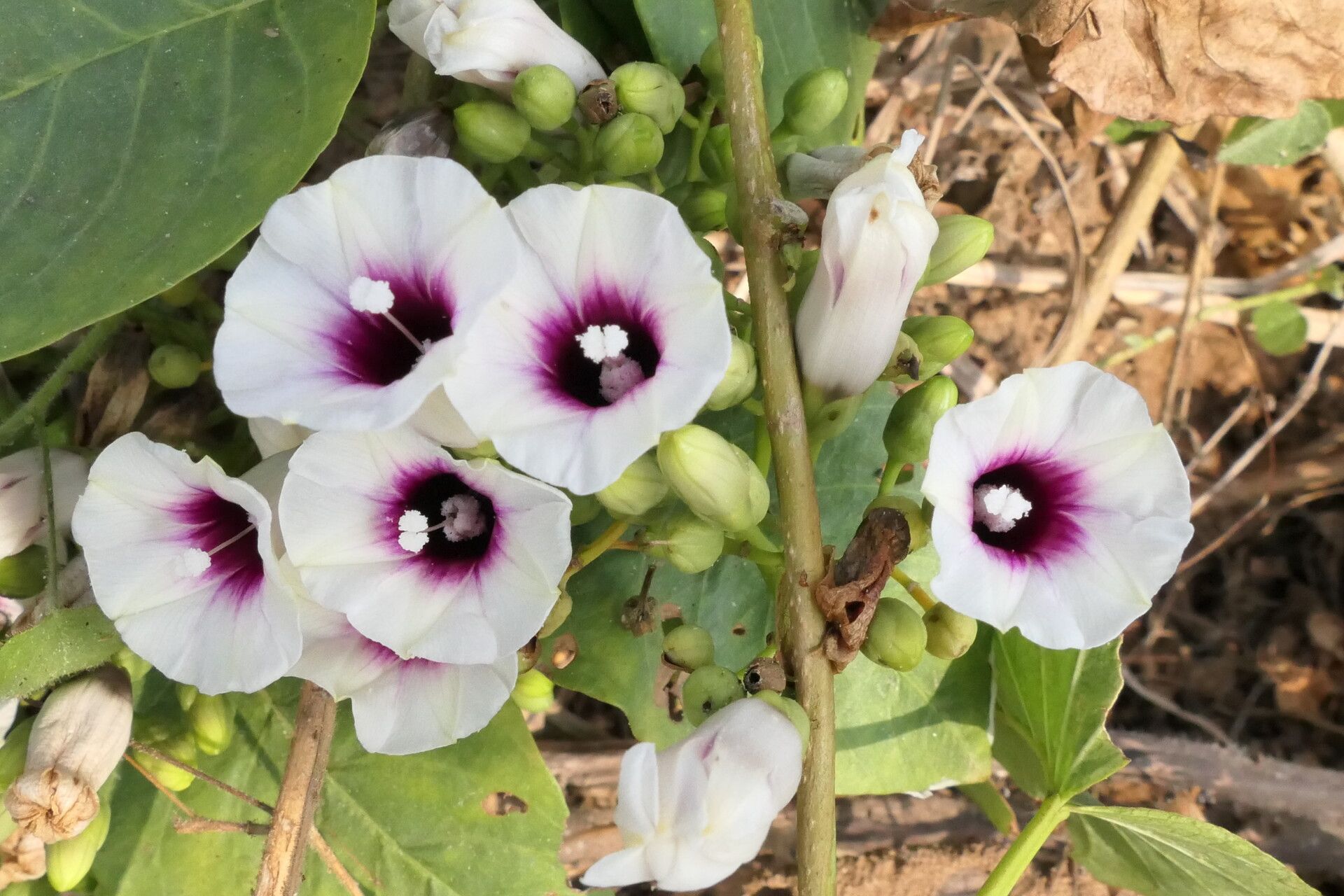
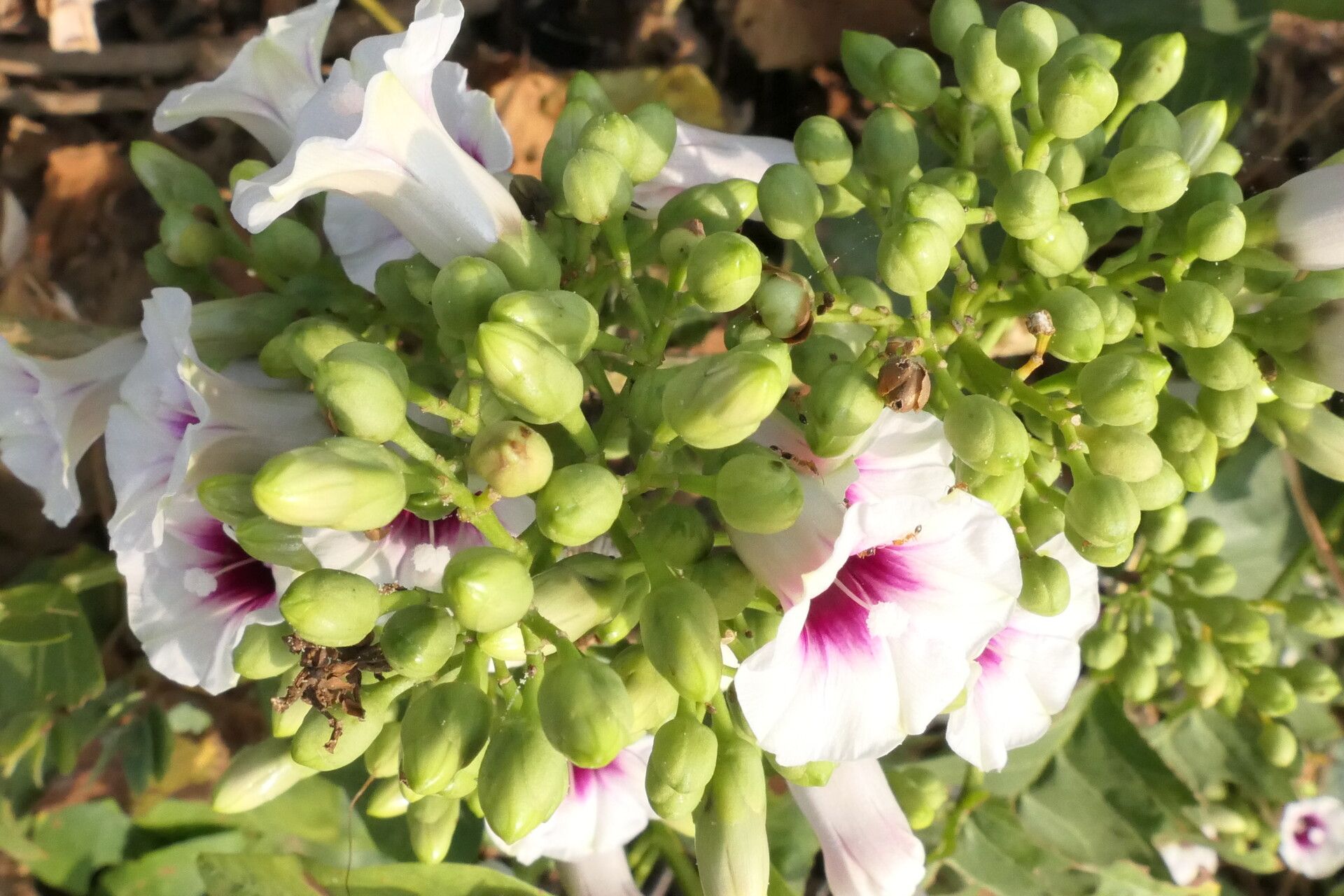
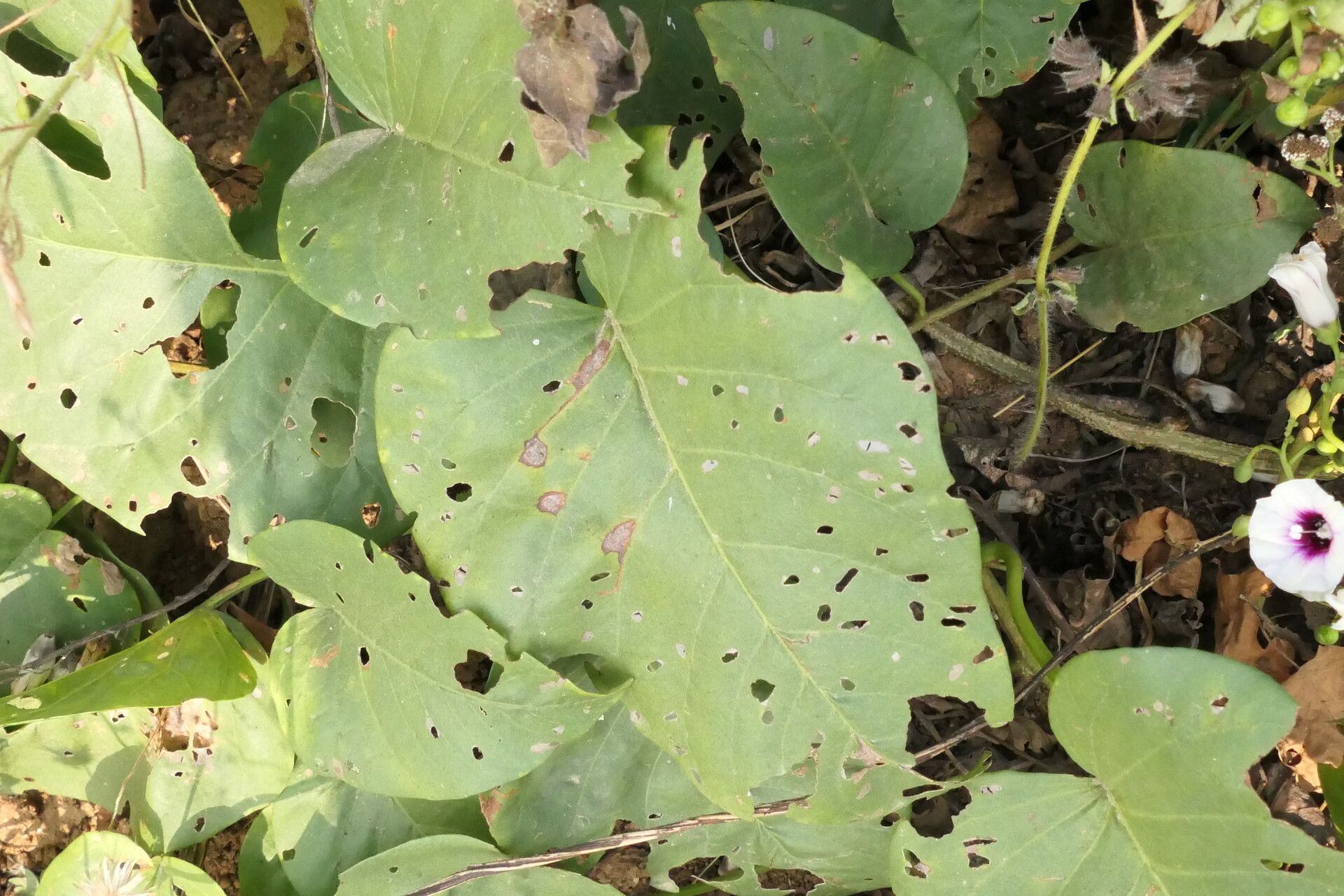
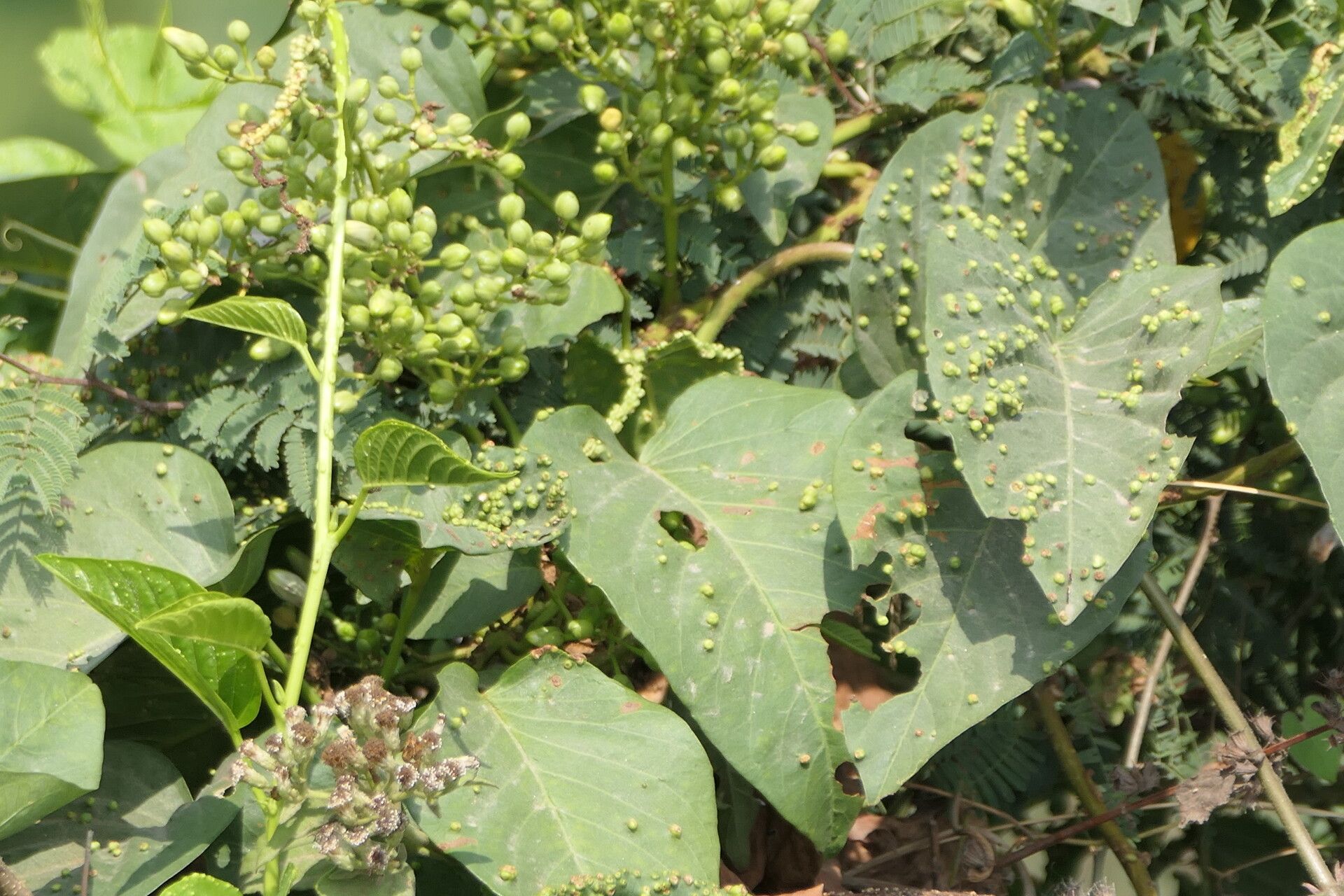
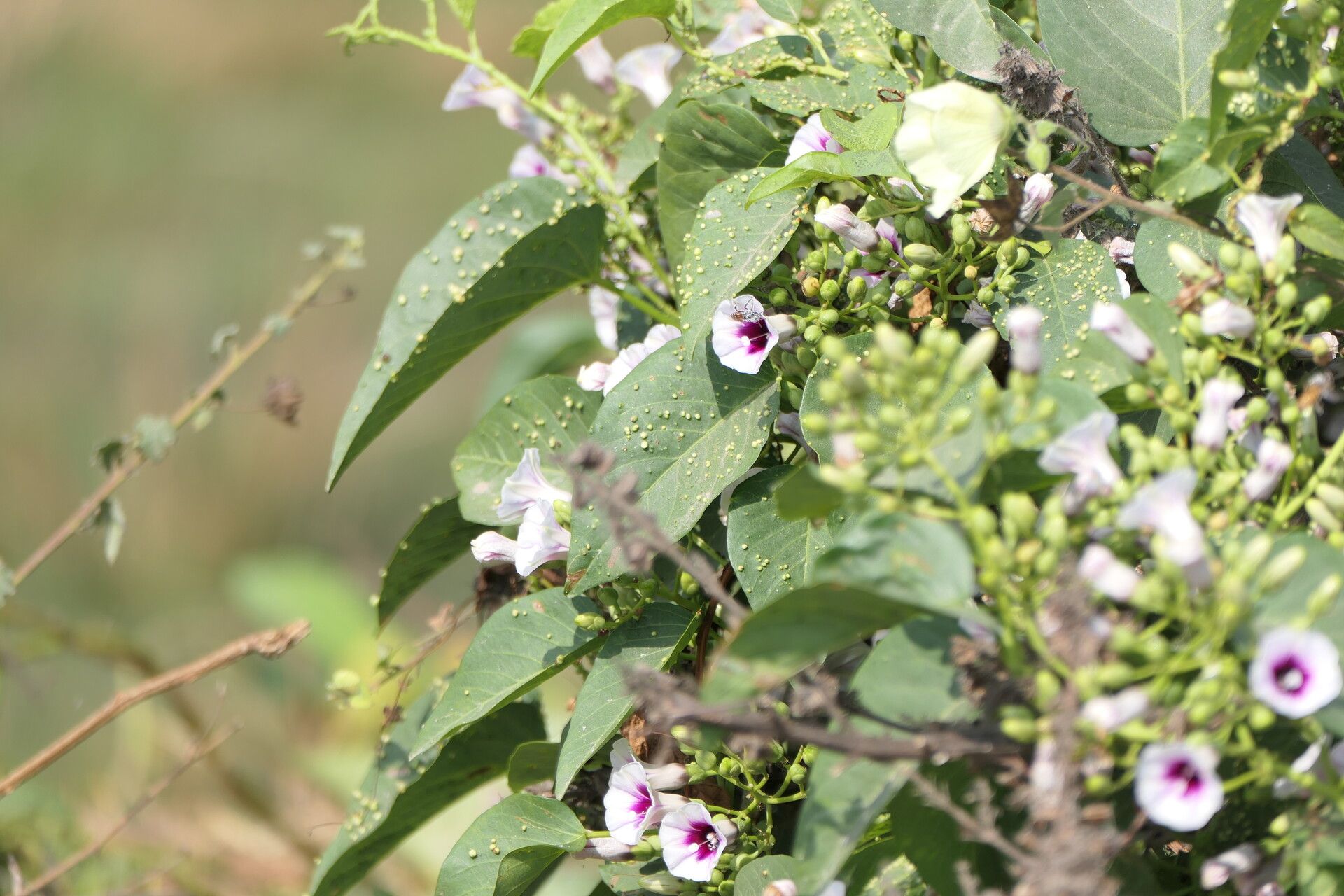
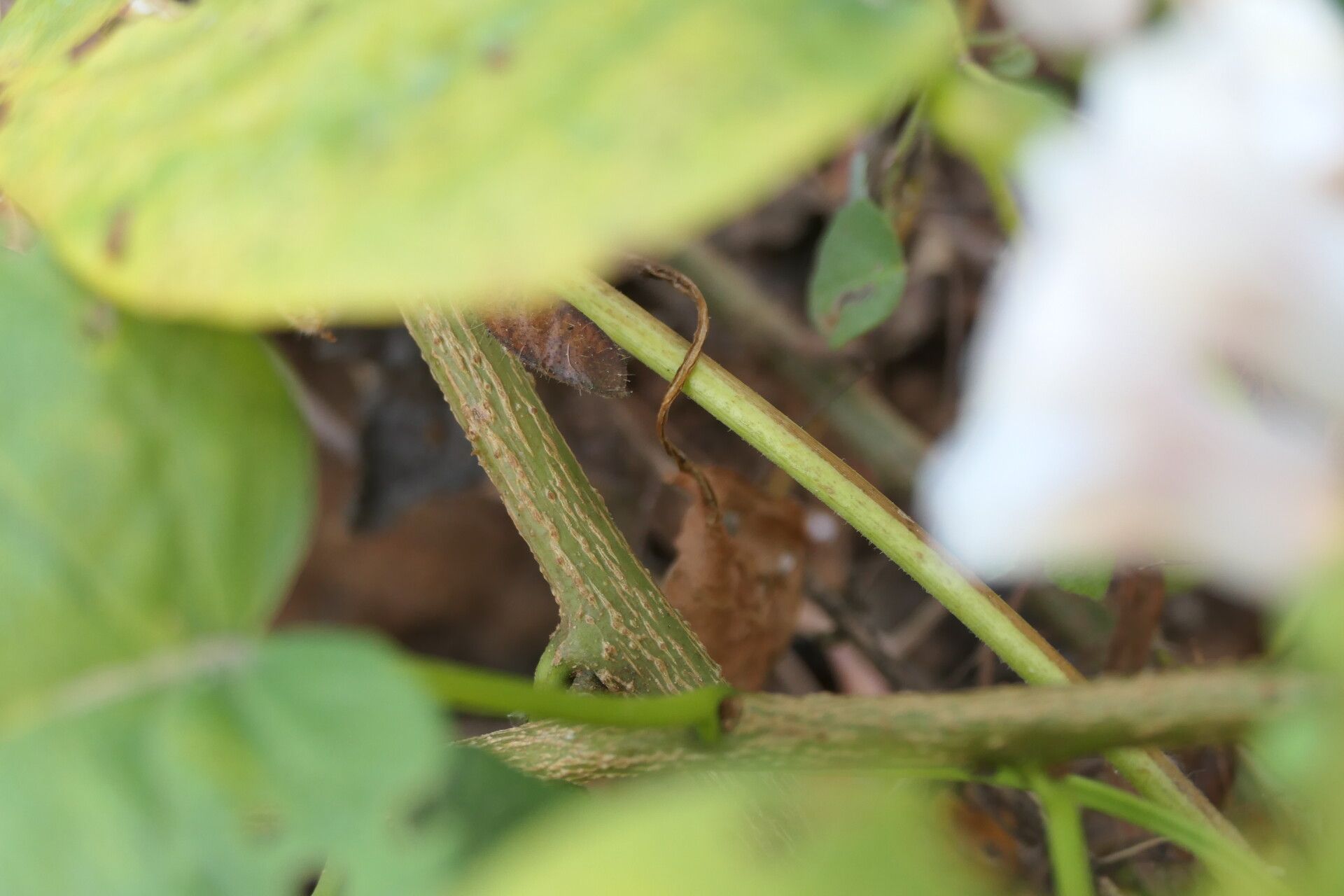
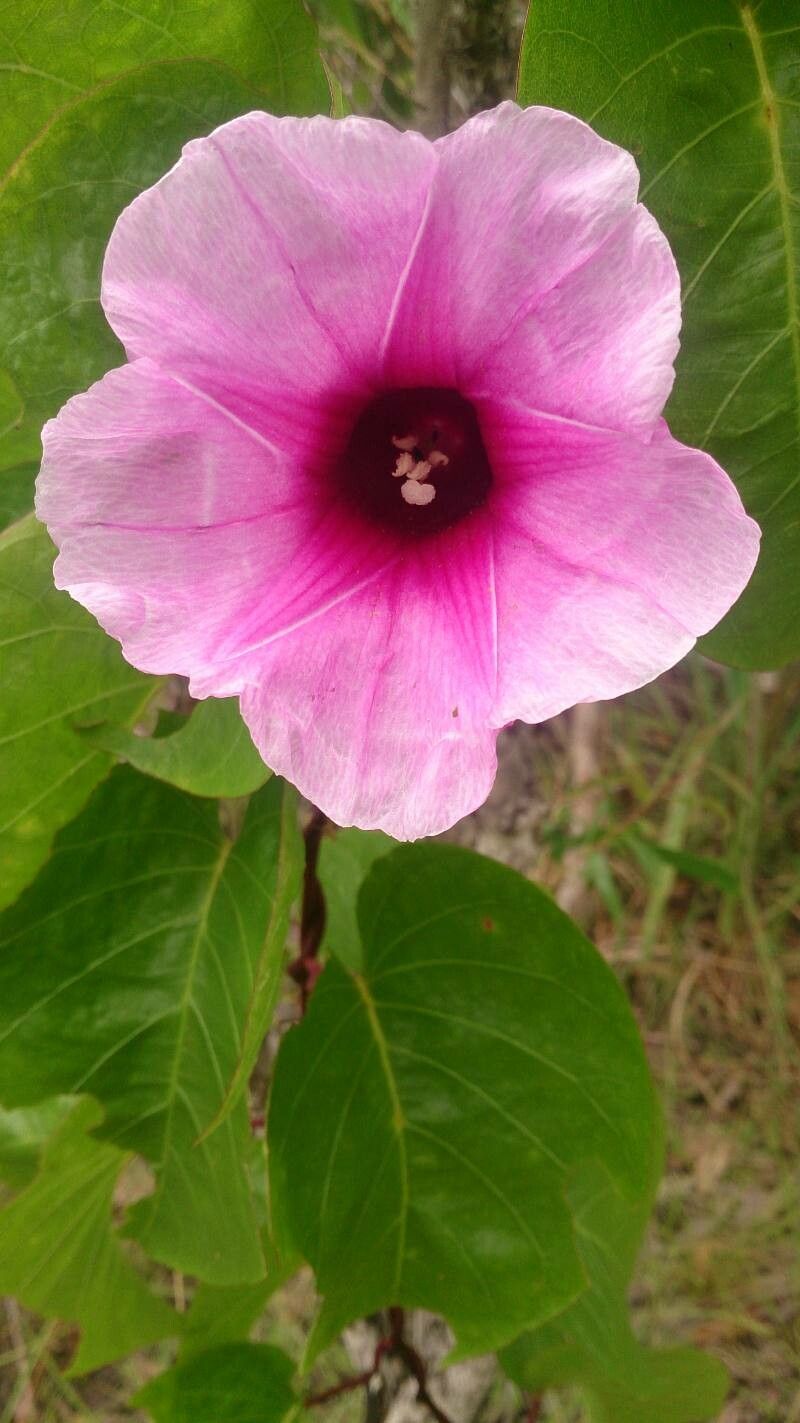
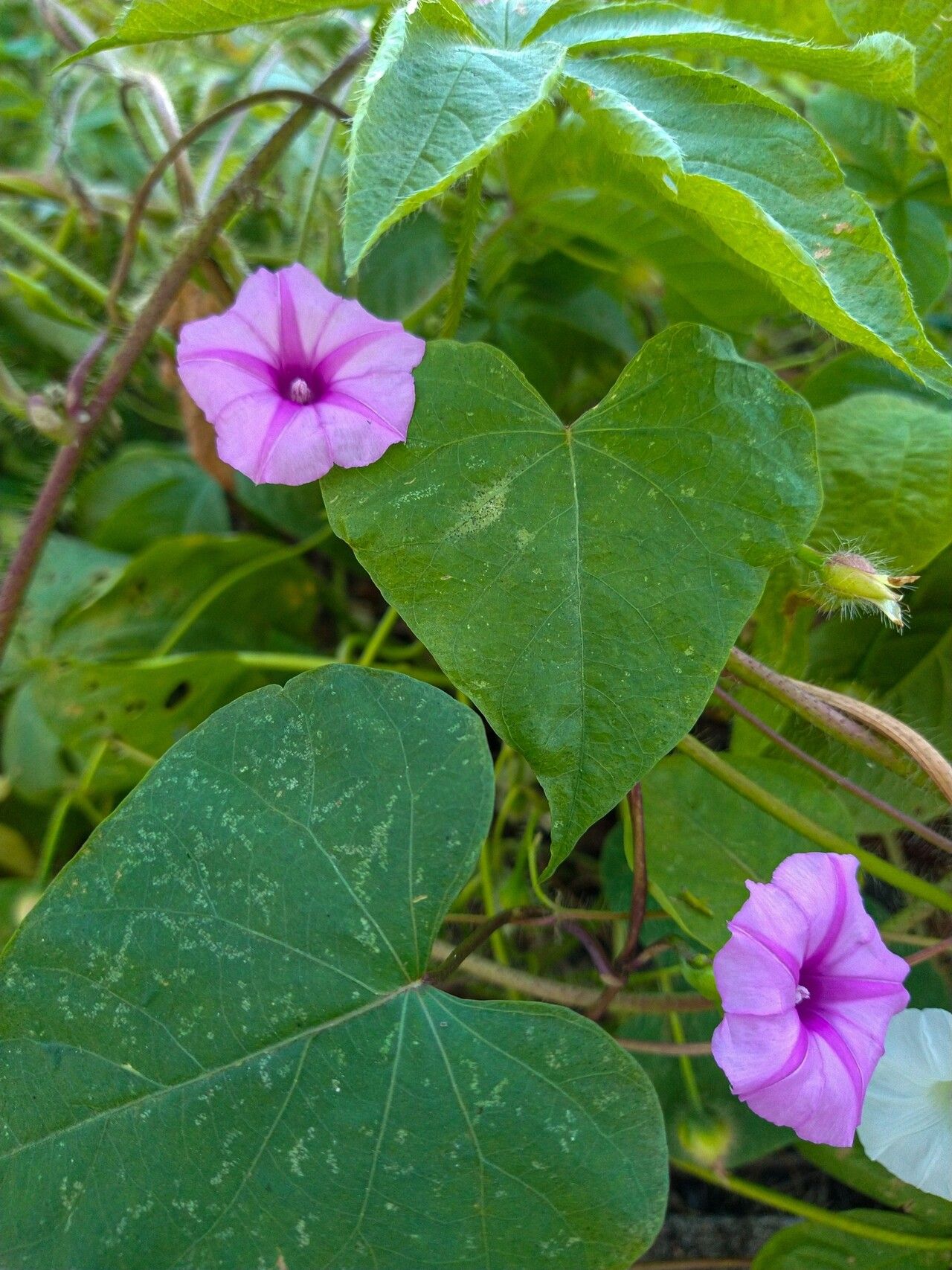
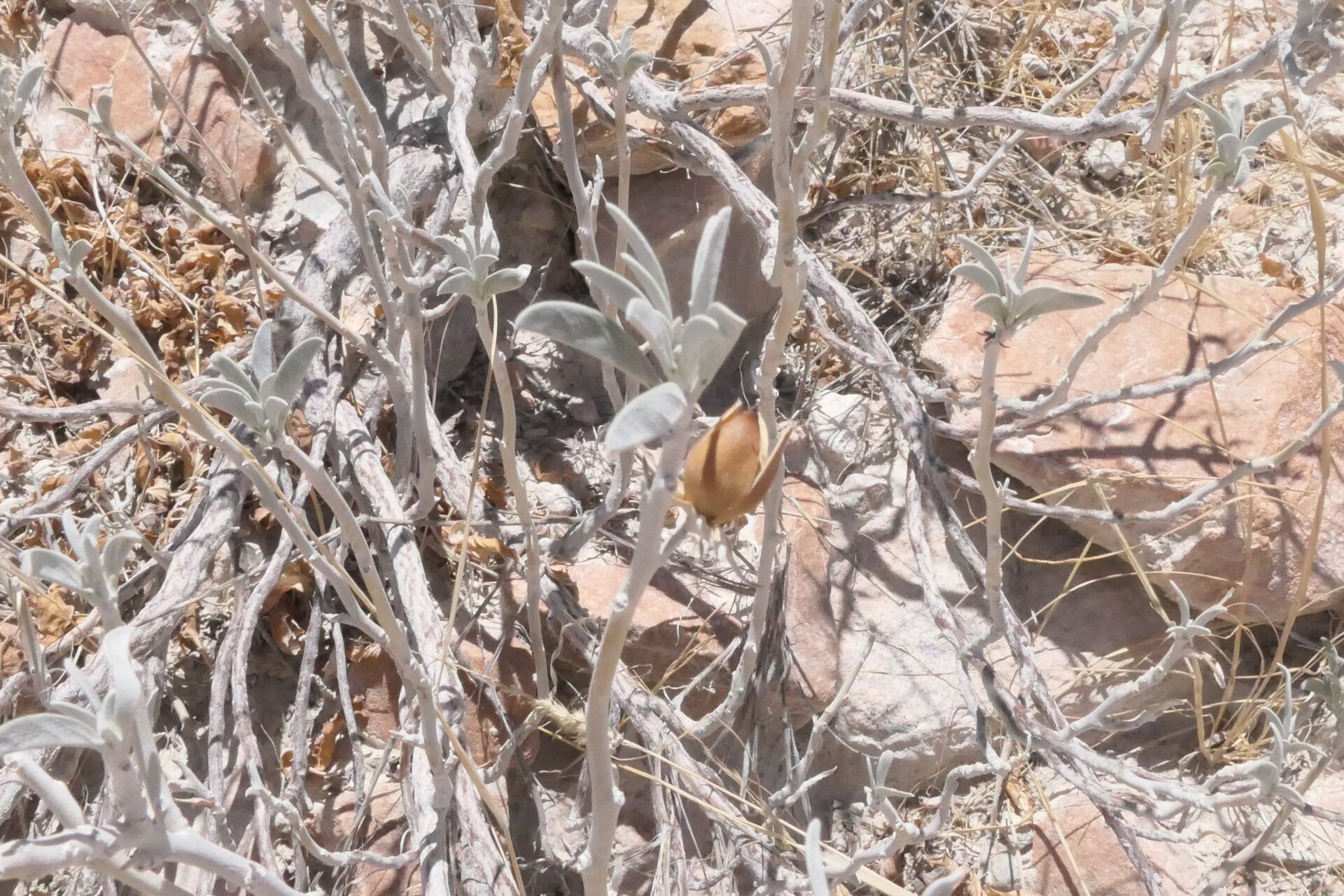
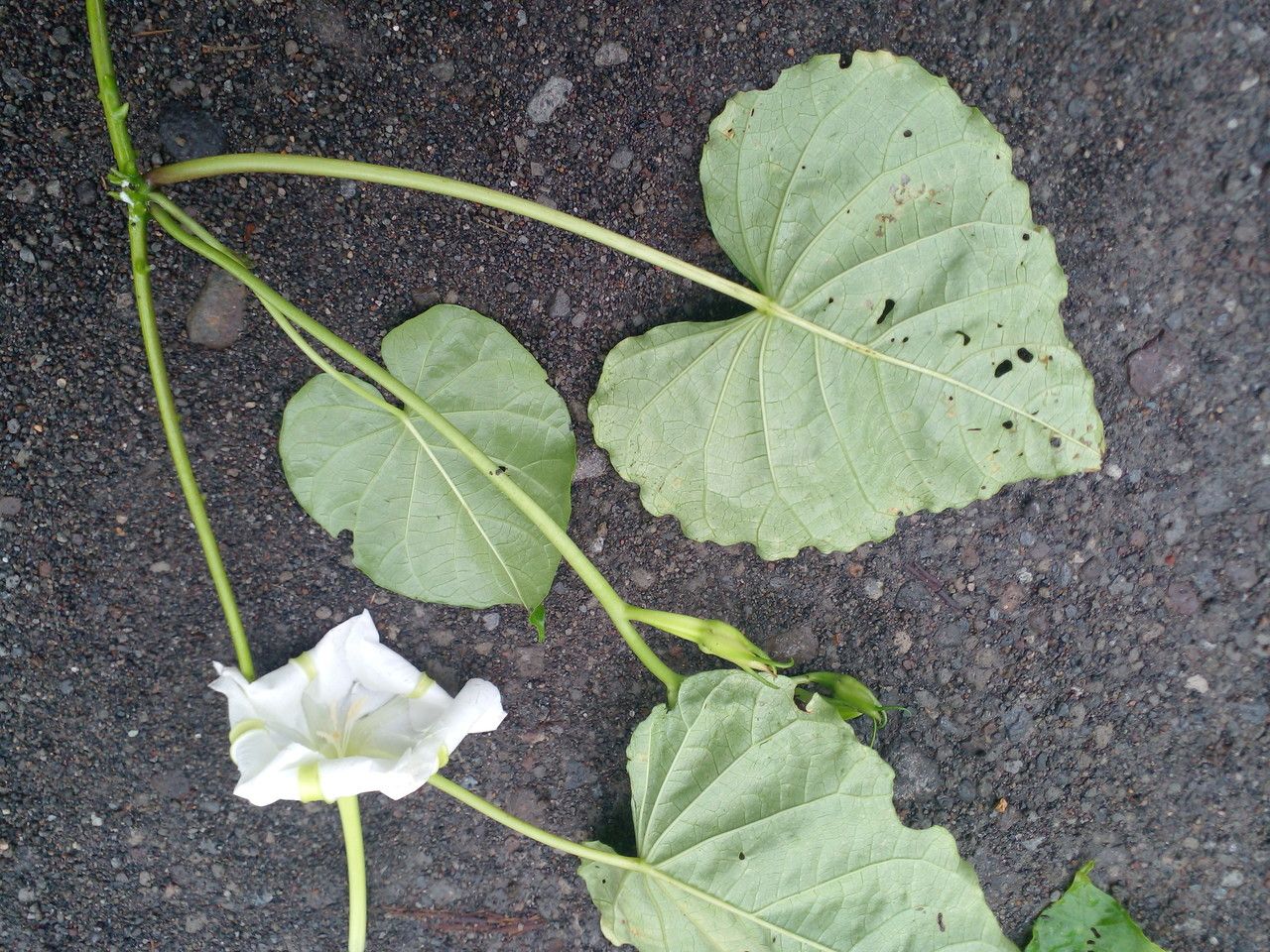
Malabar bindweed is resistant to disease and is usually not susceptible to illnesses. Regarding care, this plant is fairly low-maintenance. When grown outdoors it needs little watering, and larger plants generally do not need pruning. Smaller plants, however, should be pruned after they finish blooming. Malabar bindweedt is appropriate for anyone with an outdoor area, such as a garden or deck, and does not demand extensive care experience.
How to keep Ipomoea Staphylina.
Light
The malabar bindweed flourishes when it receives abundant sunlight during the entire day, even though it can survive with sporadic shade. The plant's preference for sunlight is evident from its origins in sunny environments. Lack of adequate light can deter its growth, yet its ability to withstand strong sunshine safeguards it from sunscorch.
Temperature
The malabar bindweed, which is indigenous to hot climates, thrives best at temperatures spanning 68 to 100 °F (20 to 38 ℃). To optimize its growth, it could be necessary to make seasonal adjustments to the temperature, thereby making sure the environment in which the plant is growing consistently remains within this temperature range.
Botanical profile.
- Plant Type
- Vine
- Life Cycle
- Annual, Perennial
- Hardiness Zone
- 11
- Mature Height
- 2.13 m
- Mature Spread
- 0.91 m to 2.13 m
- Leaf Color
- Green, Dark Green
- Leaf Type
- Evergreen
- Flower Color
- Yellow, White
- Flower Size
- 7.62 cm to 10.16 cm
- Bloom Time
- Late spring, Summer, Early fall
- Planting Time
- Spring, Summer, Autumn, Winter
- Harvest Time
- Mid summer, Late summer, Fall
- Native Area
- Sri Lanka, Somalia, India, Malaysia, Angola, Madagascar, Nigeria, Yemen, Kenya, Uganda, Tanzania, Zimbabwe, Guinea-Bissau, Mali, Benin, Sierra Leone, Indonesia, Cambodia, Equatorial Guinea, Liberia, Mozambique, Cameroon, Ghana, Ethiopia, Congo, Malawi, South Africa, Zambia, Sudan, Philippines, Laos, Bangladesh, Guinea, Chad, China, Vietnam, Myanmar, Togo, Senegal, Eswatini, Côte d'Ivoire, Gambia, Congo (DRC), Thailand, Gabon