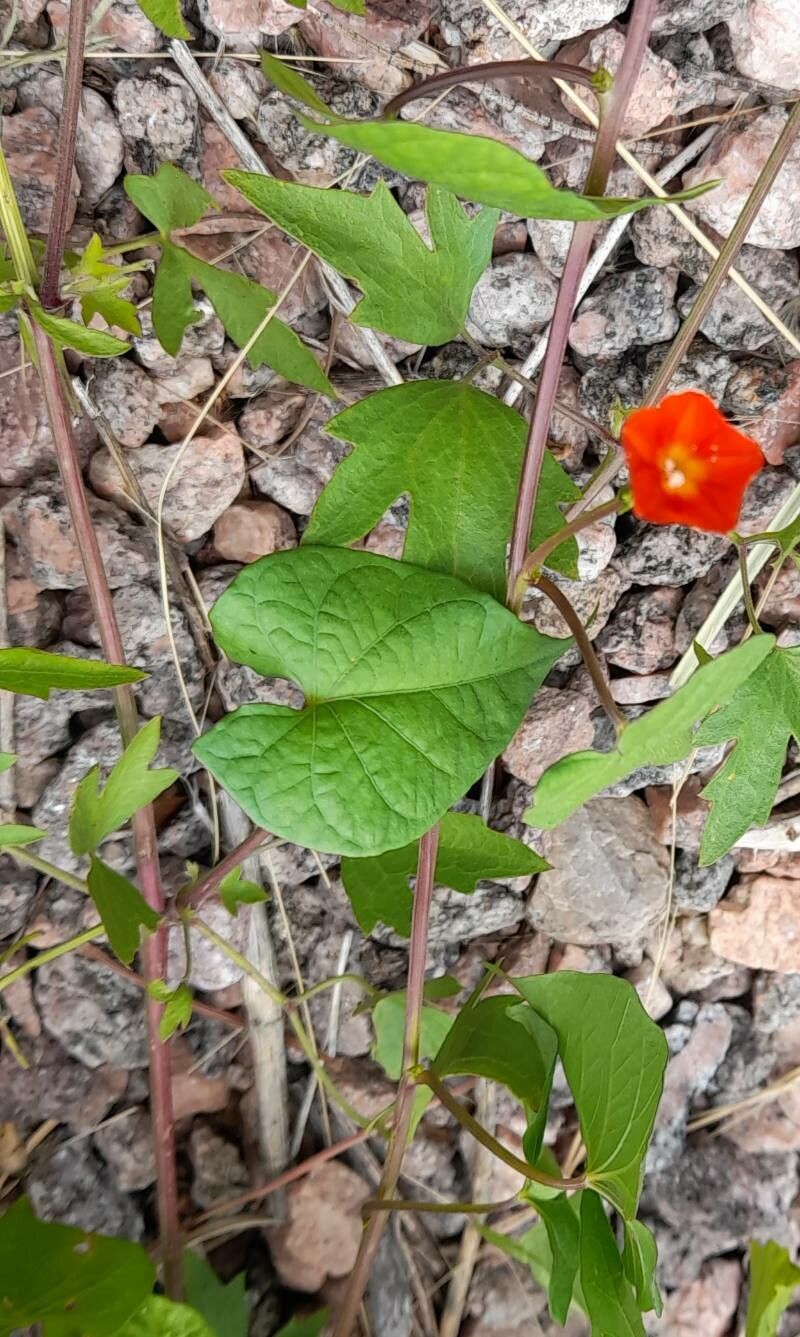
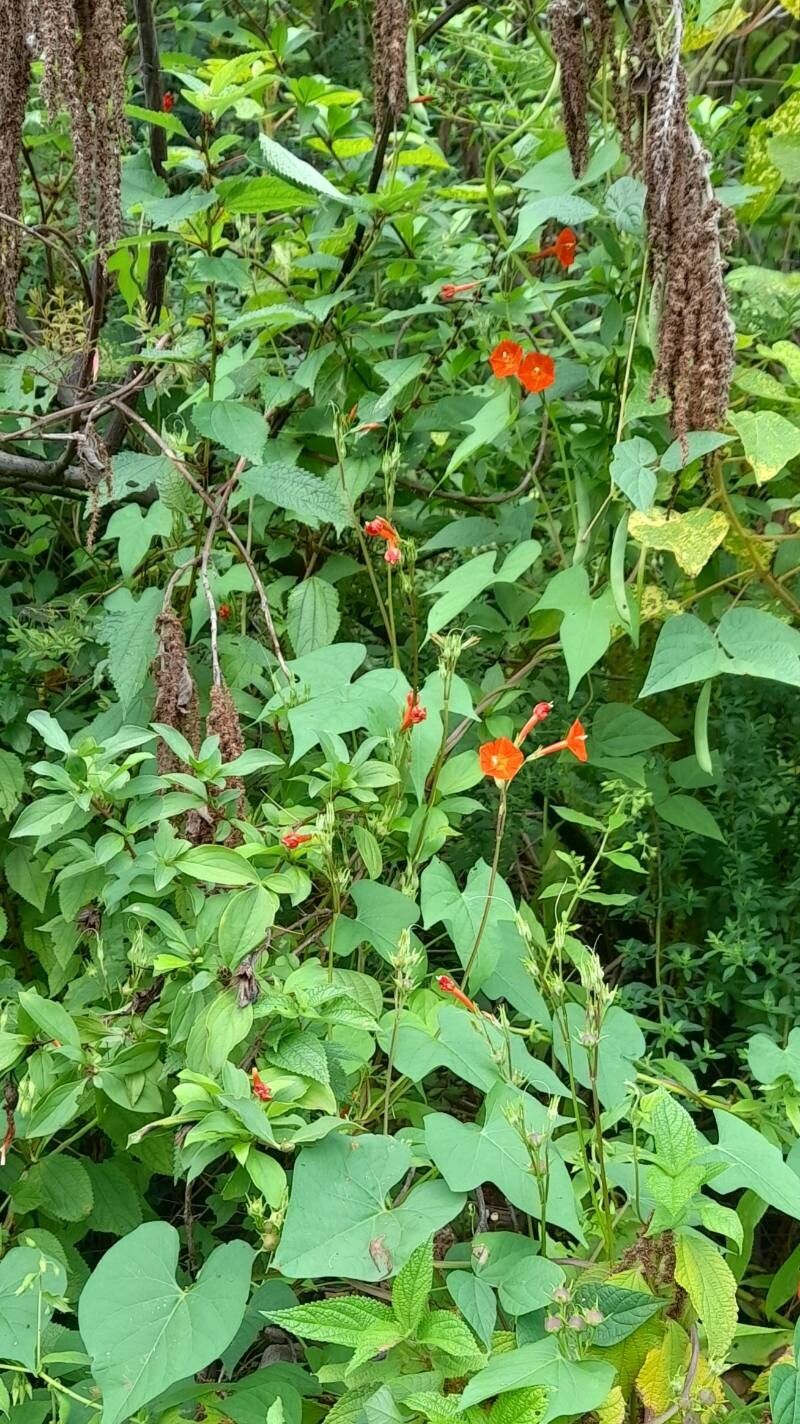
Red morning glory is fairly resistant to disease and typically not prone to illnesses. However, it can be affected by pests and diseases present in its surroundings. These infections are usually mild. In terms of care, the plant requires moderate maintenance. It should be pruned regularly to keep a neat appearance and support healthy growth. Fertilizing can also help encourage flowering. Red morning glory is suitable for people with outdoor spaces like a garden or patio and does not need extensive care experience. It may demand more attention when grown indoors.
How to keep Ipomoea Rubriflora.
Light
The red morning glory prospers when it receives abundant sunlight for most of the day, encouraging healthy, vigorous growth. It can tolerate a slightly shaded setting. Originating from habitats with ample sun, its development can be hindered by insufficient light, while excessive exposure may lead to wilting or discoloration.
Water
Red morning glory is well-suited to tropical environments and thrives in dry conditions. It is drought-tolerant and requires minimal watering—only about once every three weeks. As a climbing plant, it prefers rainwater but can also do well with careful manual watering. It efficiently uses available moisture to support its vigorous growth.
Temperature
Red morning glory is chiefly grown in regions where temperatures fall between 68 to 95 °F (20 to 35 ℃). Its native habitat experienced similar temperature ranges. In colder seasons, it's recommended to relocate it to warmer indoor areas or provide the necessary heat support.
Fertilizer
Once most of the Red morning glory's blooms have opened to full size, resume fertilizing. When blooms are at their peak, begin fertilizing again about every three to four weeks, as weather allows. Then, once the Red morning glory starts producing fewer new blooms, stop fertilizing; there's no need to fertilize when the plant can no longer produce more blooms.
Pruning
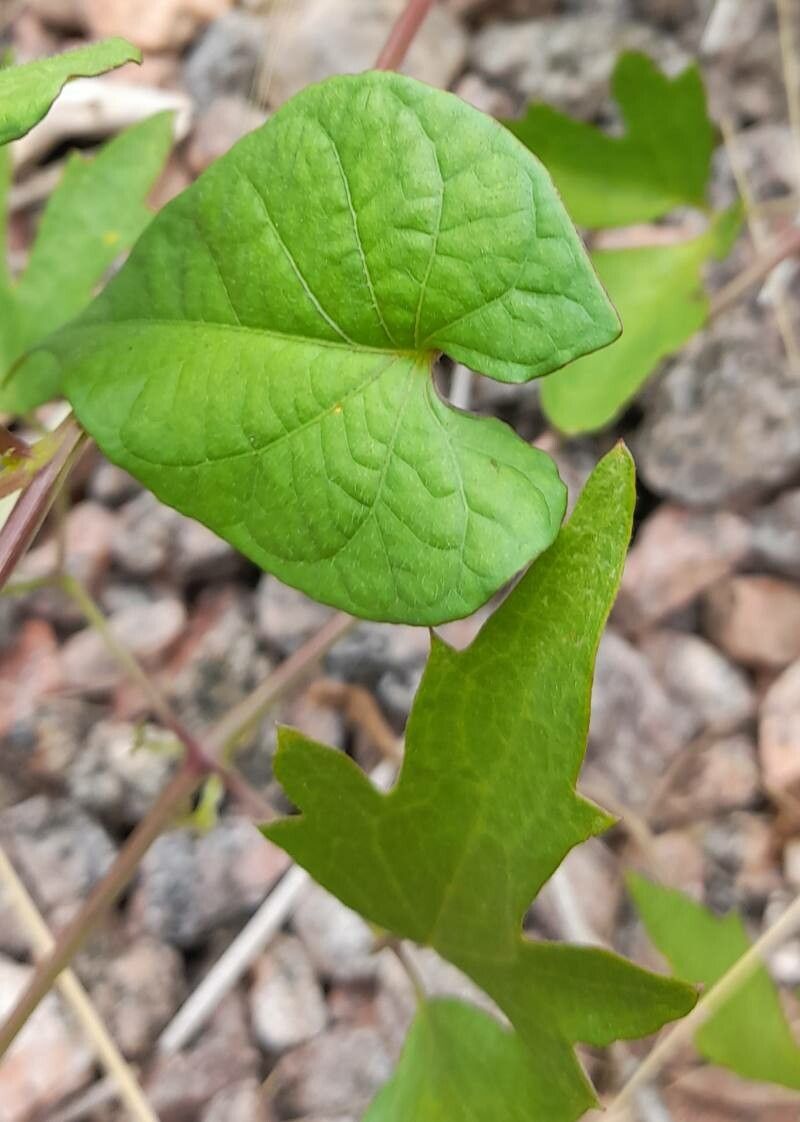
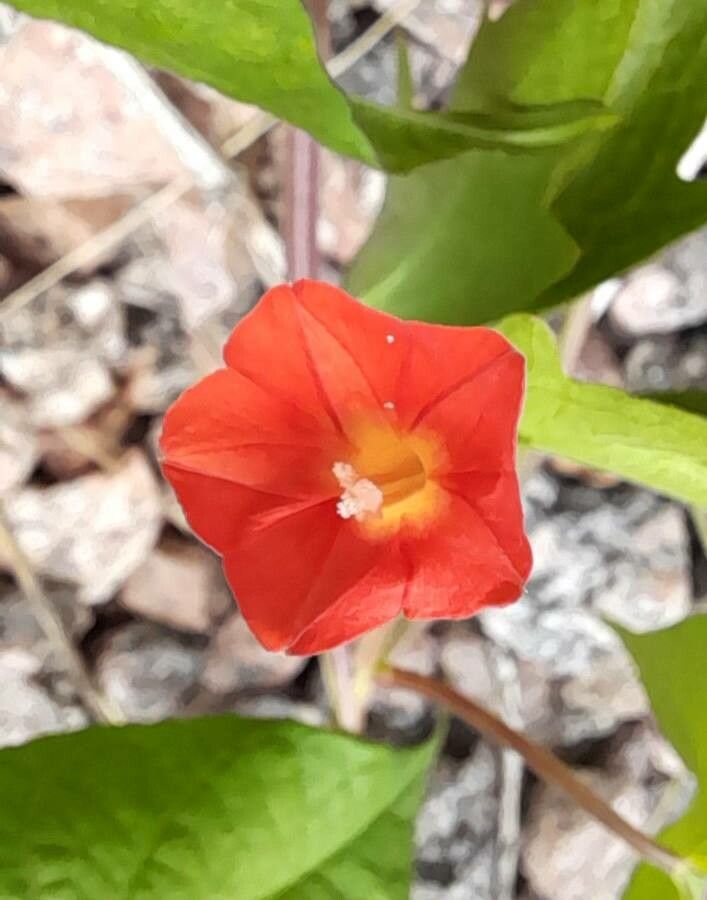
Red morning glory is a fast-growing vine known for its vibrant red flowers and heart-shaped leaves. To encourage more blooms, prune the plant from early to late spring. This will also help remove weak stems and control the length of the vines for a denser appearance. Always use clean tools to prevent infections and ensure the plant stays healthy throughout the growing season.
Botanical profile.
- Plant Type
- Herb, Vine
- Life Cycle
- Annual, Perennial
- Genus
- Ipomoea
- Family
- Convolvulaceae
- Hardiness Zone
- 6-10
- Mature Height
- 2.44 m
- Mature Spread
- 30 cm
- Leaf Color
- Green, Dark Green
- Leaf Type
- Semi-evergreen
- Flower Color
- Red
- Flower Size
- 2.54 cm
- Bloom Time
- Late spring, Summer
- Planting Time
- Spring, Summer
- Harvest Time
- Mid summer, Late summer, Early fall
- Native Area
- Bolivia