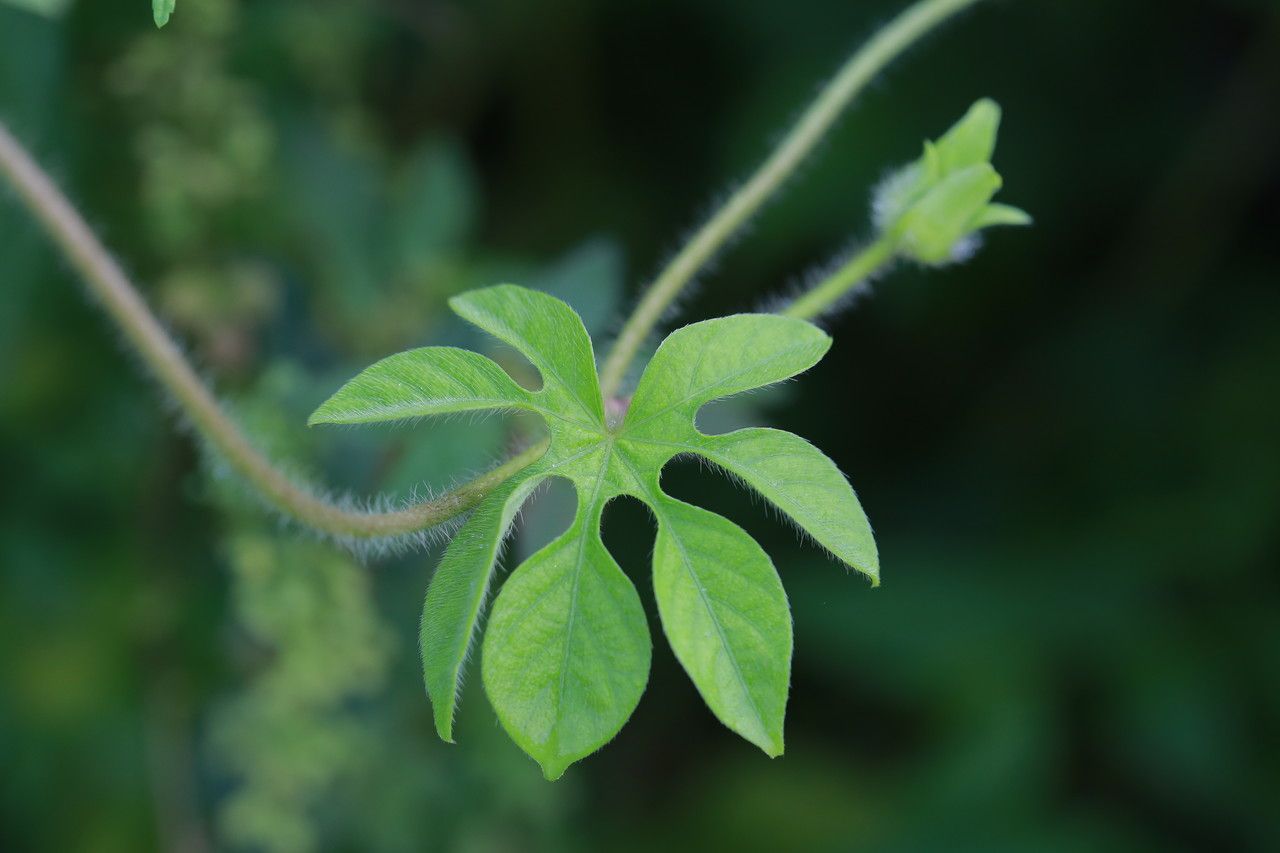
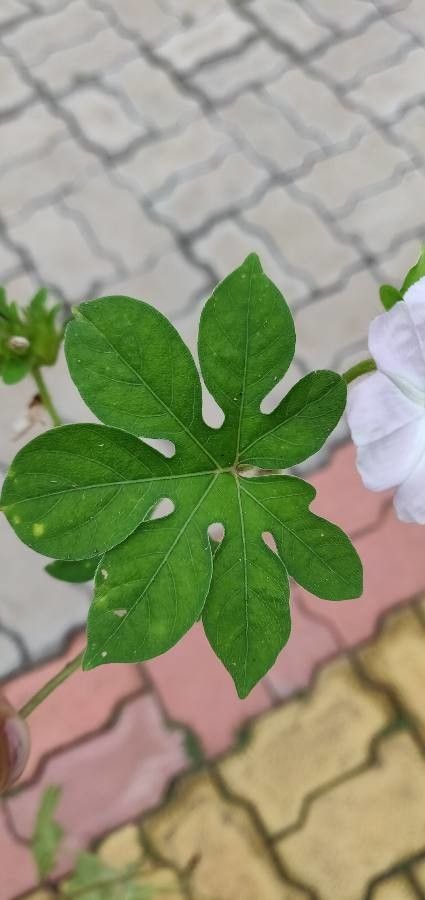
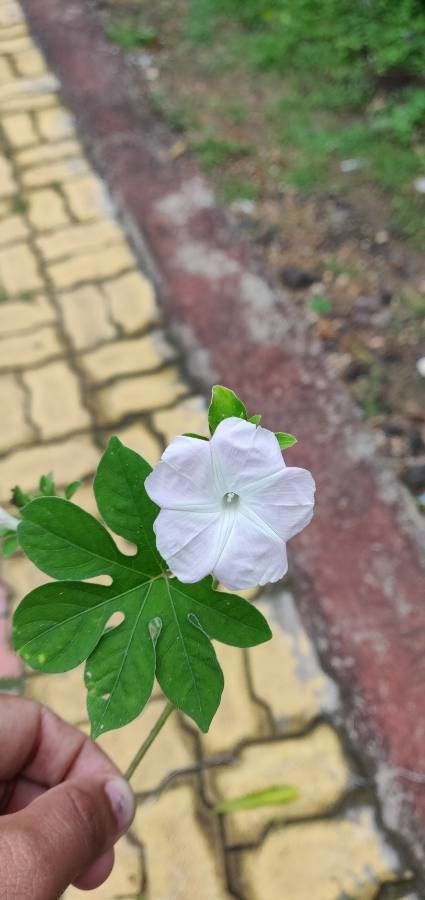
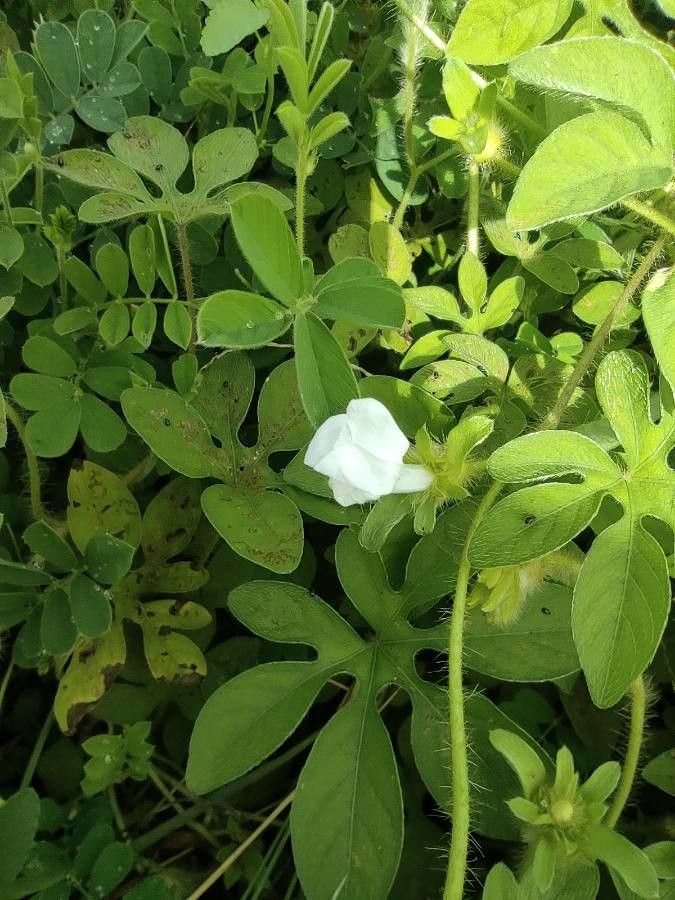
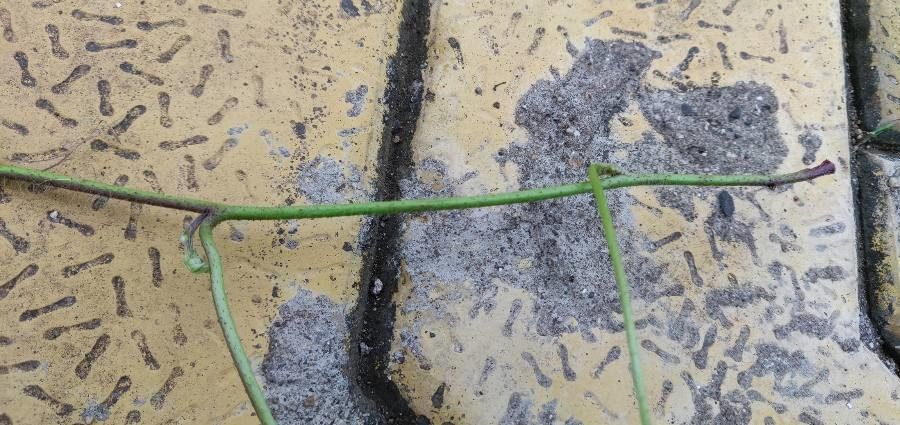
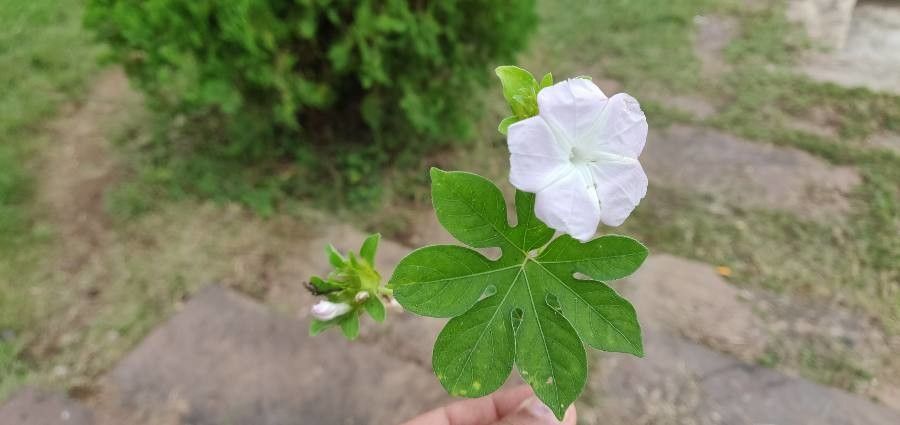
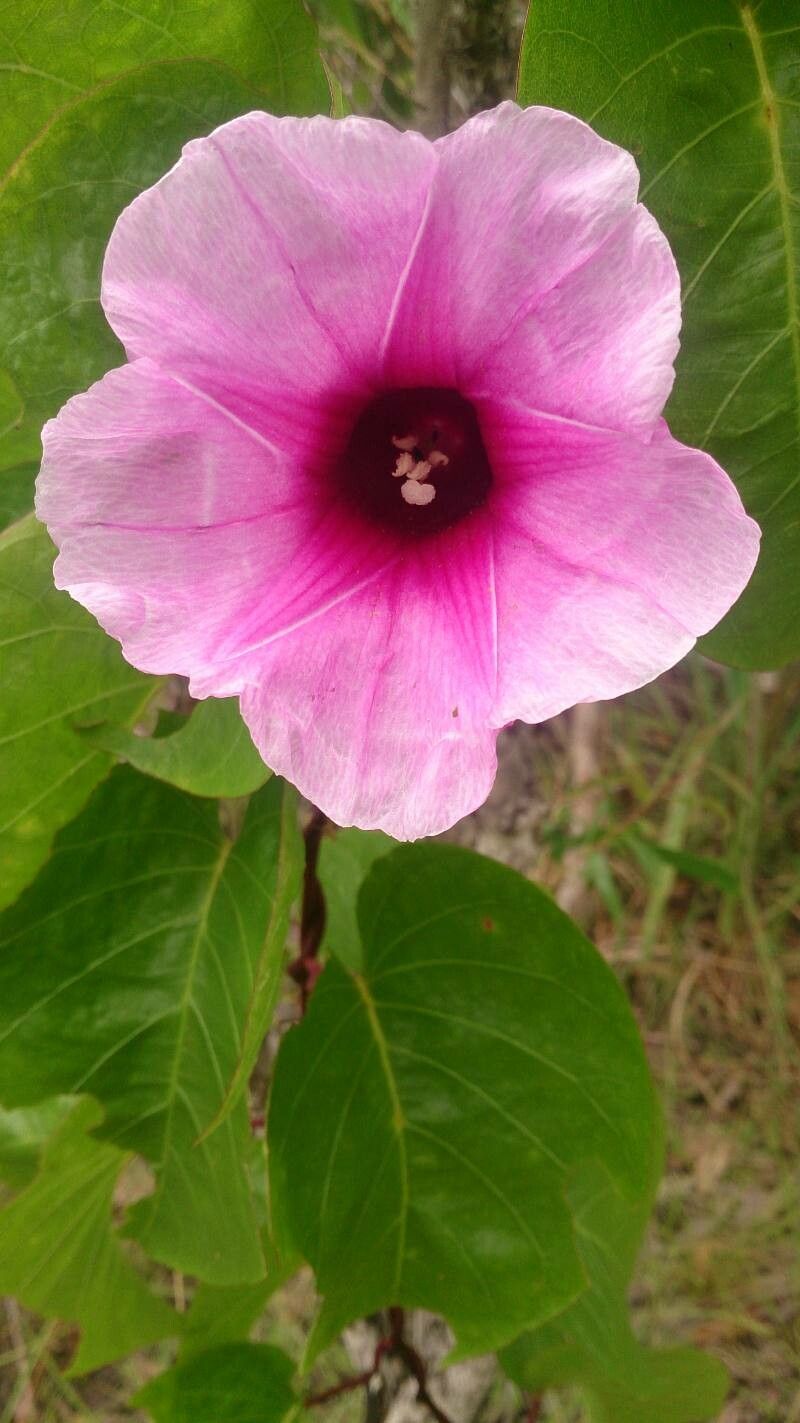
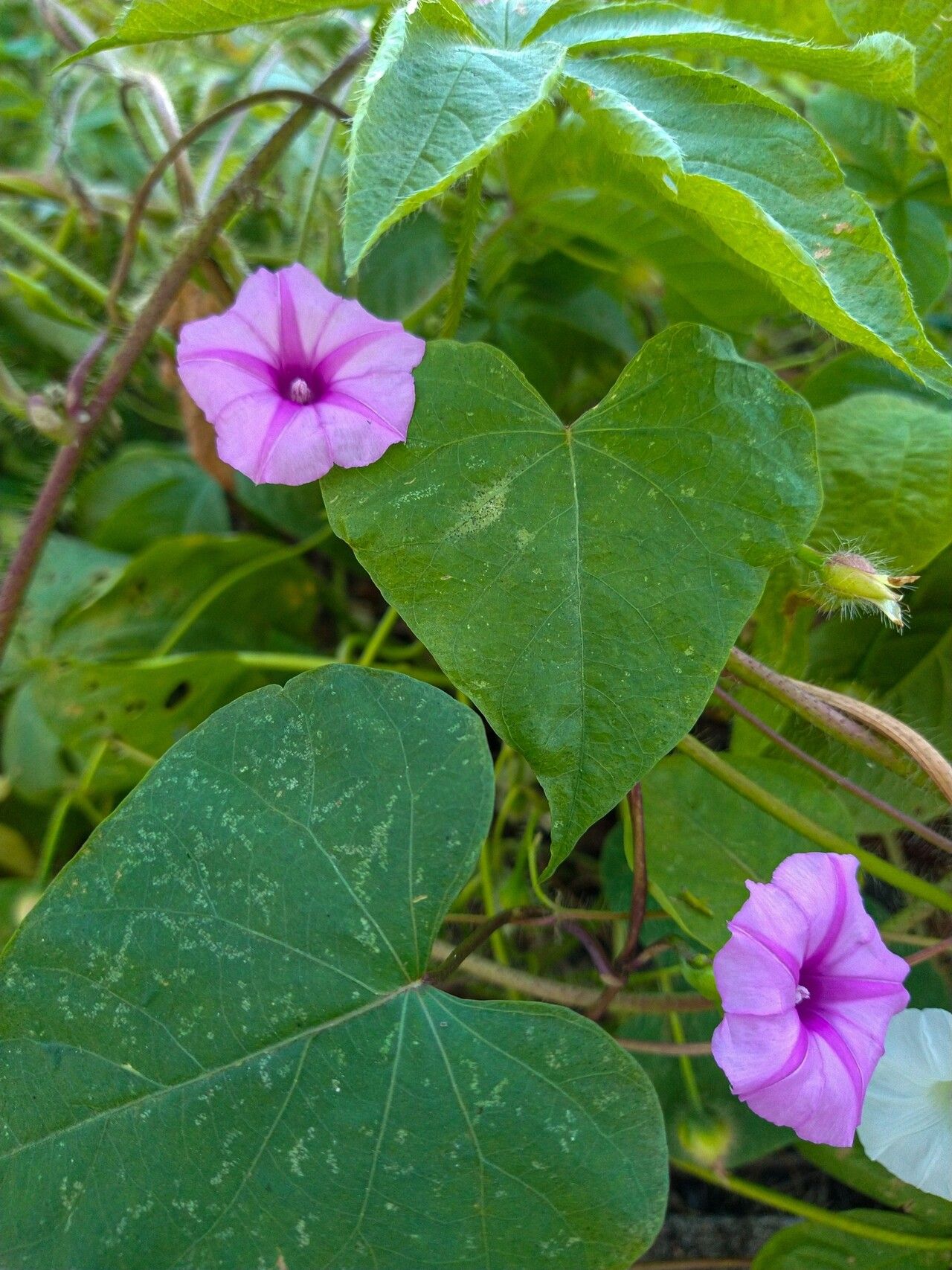
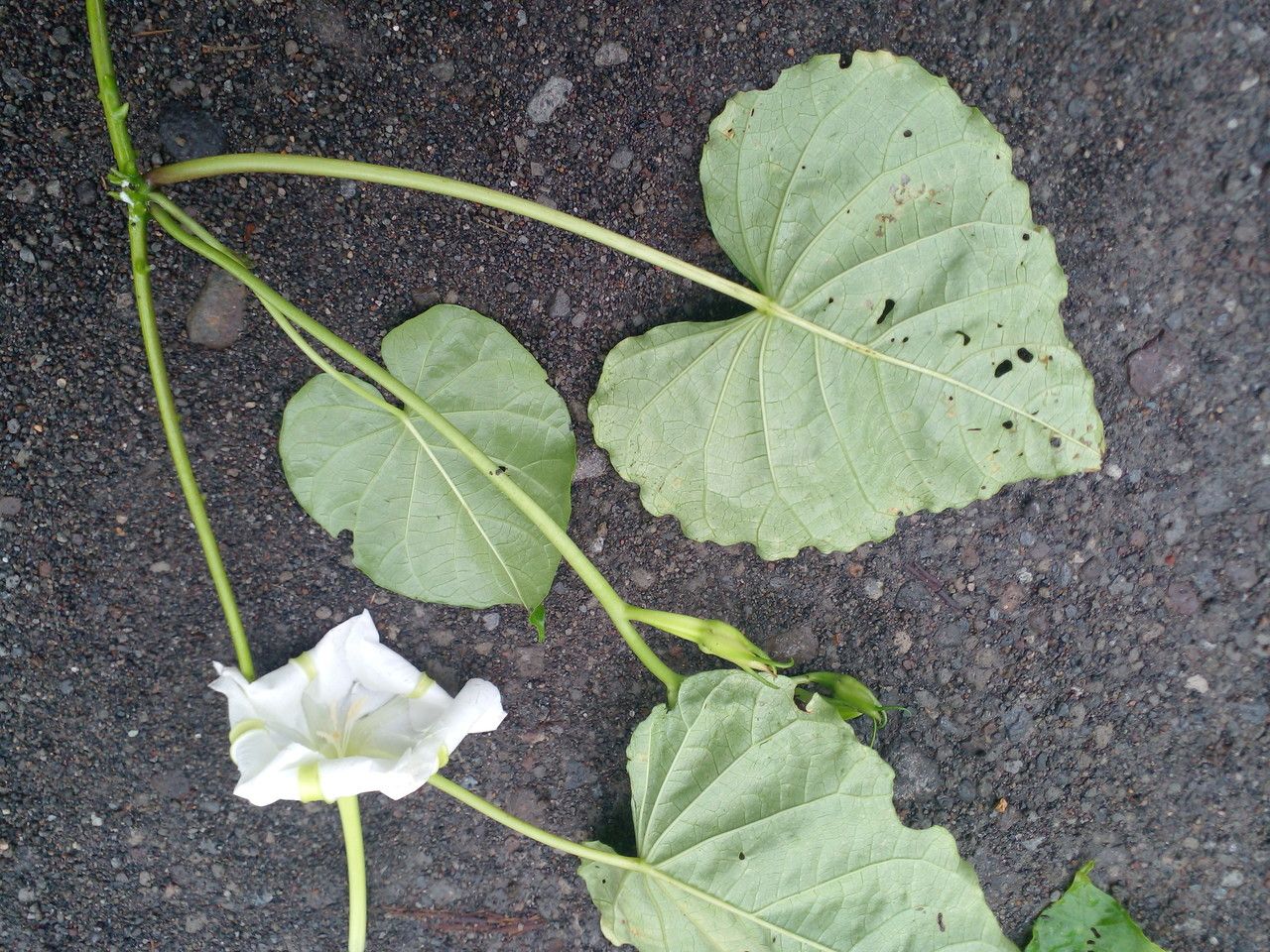
Ipomoea pes-tigridis is a species of Ipomoea and family Convolvulaceae. It is known as tiger's footprint (tiger's paw). The species is distributed in Asia, Africa, Australia and other islands in the Pacific. It grows in roadsides and sea coasts which sea level is between 0 and 400 m.
Tiger's footprint is resistant to disease and is generally not susceptible to illnesses. When it comes to care, this plant is fairly low maintenance. Planted outdoors, it needs only light watering, and larger specimens usually do not require pruning. However, smaller plants should be trimmed after they finish blooming. Tiger's footprint is suitable for anyone with an outdoor area, like a garden or deck, and does not demand much gardening experience.
How to keep Ipomoea Pes Tigridis.
Light
Tiger's footprint prefers a spot that is mostly bathed in sunlight for healthy growth. It can also tolerate places with a moderate amount of sun, where light is only partially filtered. Excessive shade or very little sunlight can slow its growth. Its native habitat receives abundant sunlight throughout the day.
Water
The Tiger's Footprint plant thrives in environments with sporadic rainfall and can tolerate droughts. It only needs to be watered every three weeks. Its remarkable ability to conserve water allows it to endure extended dry spells. Typically, this plant grows outdoors and enters a dormant period during prolonged dryness.
Temperature
Tiger's footprint comes from tropical areas, where the climate is usually warm and humid. Consequently, it is adapted to high temperatures and moisture. It does not tolerate sudden temperature changes and prefers a consistent temperature, so avoid fluctuations indoors. It typically cannot withstand cold and needs warmer conditions to grow. If the surrounding temperature falls too low, the plant may stop growing or even die.
Pruning
Prune tiger's footprint from early to late spring to boost blooms and manage growth. Eliminate dead stems and thin out crowded areas to improve airflow and light penetration. Regular pruning helps maintain the plant's shape, encourages growth, and reduces the risk of pests and diseases, ensuring a vibrant display.
Botanical profile.
- Plant Type
- Vine
- Life Cycle
- Annual
- Genus
- Ipomoea
- Family
- Convolvulaceae
- Hardiness Zone
- 9
- Mature Height
- 0.91 m to 3.05 m
- Mature Spread
- 0.91 m to 2.13 m
- Leaf Color
- Green
- Leaf Type
- Semi-evergreen
- Flower Color
- White
- Flower Size
- 2.54 cm to 5.08 cm
- Bloom Time
- Summer, Early fall, Mid fall
- Planting Time
- Spring, Summer, Autumn
- Harvest Time
- Late summer, Fall, Early winter
- Native Area
- Sri Lanka, Burkina Faso, Somalia, India, Malaysia, Angola, Namibia, Pakistan, Nigeria, Kenya, Niger, Uganda, Tanzania, Zimbabwe, Mali, Guinea-Bissau, Benin, Indonesia, Cambodia, Cameroon, Mozambique, Botswana, Nepal, Malawi, South Africa, Zambia, Sudan, Philippines, Mauritania, Bangladesh, Chad, China, Vietnam, Myanmar, Bhutan, Senegal, Singapore, Gambia, Congo (DRC), Thailand
Other names.
Reader questions.
What are the sunlight requirements for Tiger's footprint?
Tiger's footprint, or Ipomoea pes-tigridis, thrives in locations that are predominantly exposed to sunlight, requiring full sun for more than 6 hours a day for healthy growth. It can also adapt to partial sun, receiving about 3-6 hours of sunlight daily. However, excessive shading or minimal sunlight might impede its growth. It's crucial to monitor how sunlight moves through your garden to find spots that offer a perfect balance of light and shade, ensuring the plant's wellbeing.
What is Tiger's Footprint?
Tiger's Footprint, also known by its botanical name as Ipomoea pes-tigridis, is a plant species. The information provided does not include specific details about its essentials or symptoms related to it.
How can artificial lighting support the growth of indoor Tiger's footprint plants?
Indoor Tiger's footprint plants require adequate lighting for optimal growth, especially when natural sunlight is insufficient, such as in winter or in less sunny spaces. Artificial lights, like LED lights tailored to provide specific wavelengths needed by plants, stand as a vital solution. Full sun plants need 30-50W/sq ft of artificial light, while partial sun plants require 20-30W/sq ft, and full shade plants need 10-20W/sq ft. The light source should be placed 12-36 inches above the plant to mimic natural sunlight, with 8-12 hours of light per day to ensure healthy growth.
What are the symptoms of insufficient light in Tiger's footprint?
When Tiger's footprint doesn't receive enough light, it may display various symptoms including smaller new leaves, leggy or sparse growth, faster leaf drop, slower or no new growth, lighter-colored new leaves, and other signs like chlorosis, sunscald, leaf curling, wilting, and leaf scorching. These symptoms indicate that the plant is not receiving the optimal amount of sunlight needed for its growth and photosynthesis process.
How can I improve the light conditions for my Tiger's footprint?
To improve light conditions for your Tiger's footprint, you can gradually move indoor plants to sunnier locations until they receive at least 6 hours of direct sunlight daily, using south-facing windows and keeping curtains open during the day. For large or immovable plants, supplement with artificial light for at least 8 hours daily. Outdoors, gradually adapt your plants to sunnier spots to avoid sunburn. Address obstructions by pruning trees or relocating plants to sunnier areas with ample sunlight and good drainage. Note that parts of the plant affected by insufficient light may not recover fully, but new growth will be healthy following these adjustments.