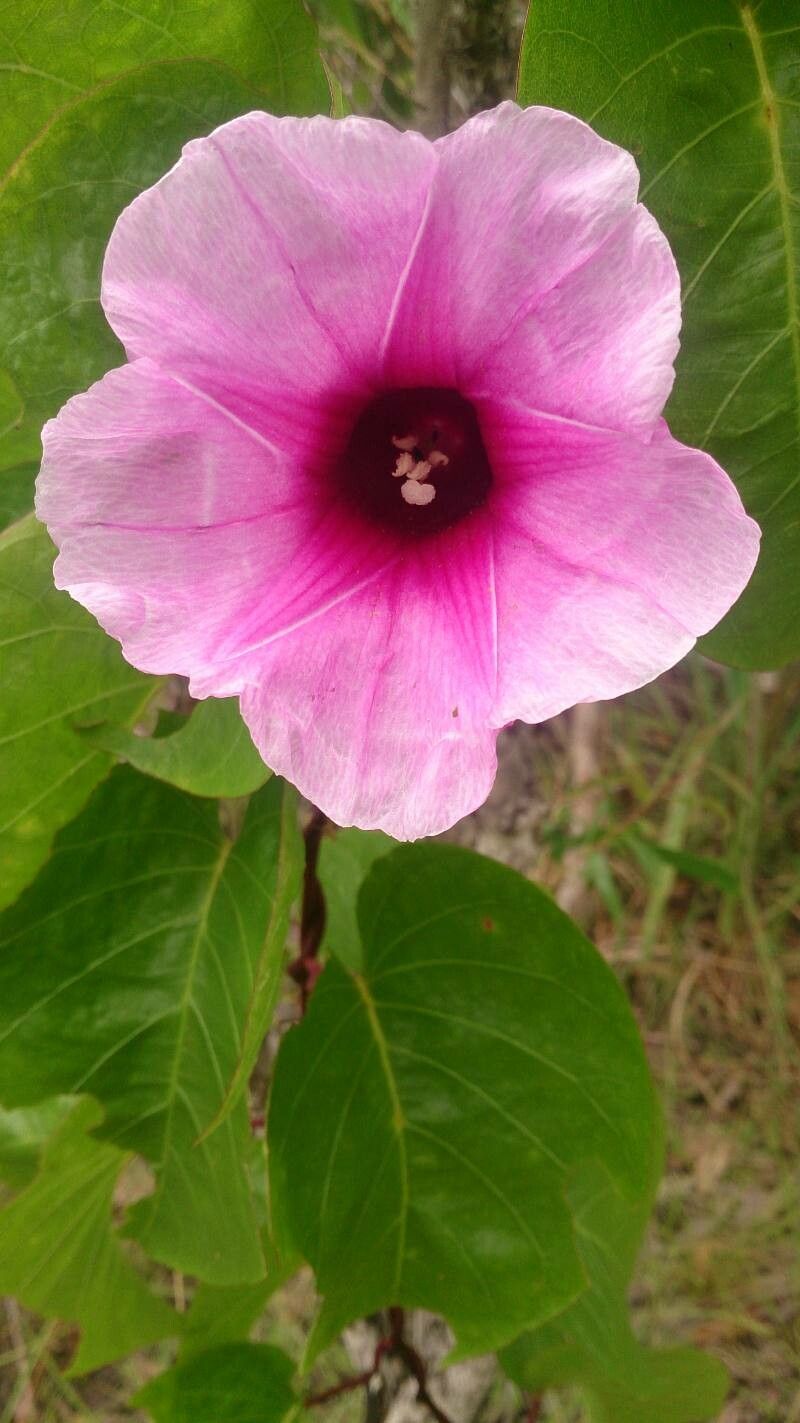
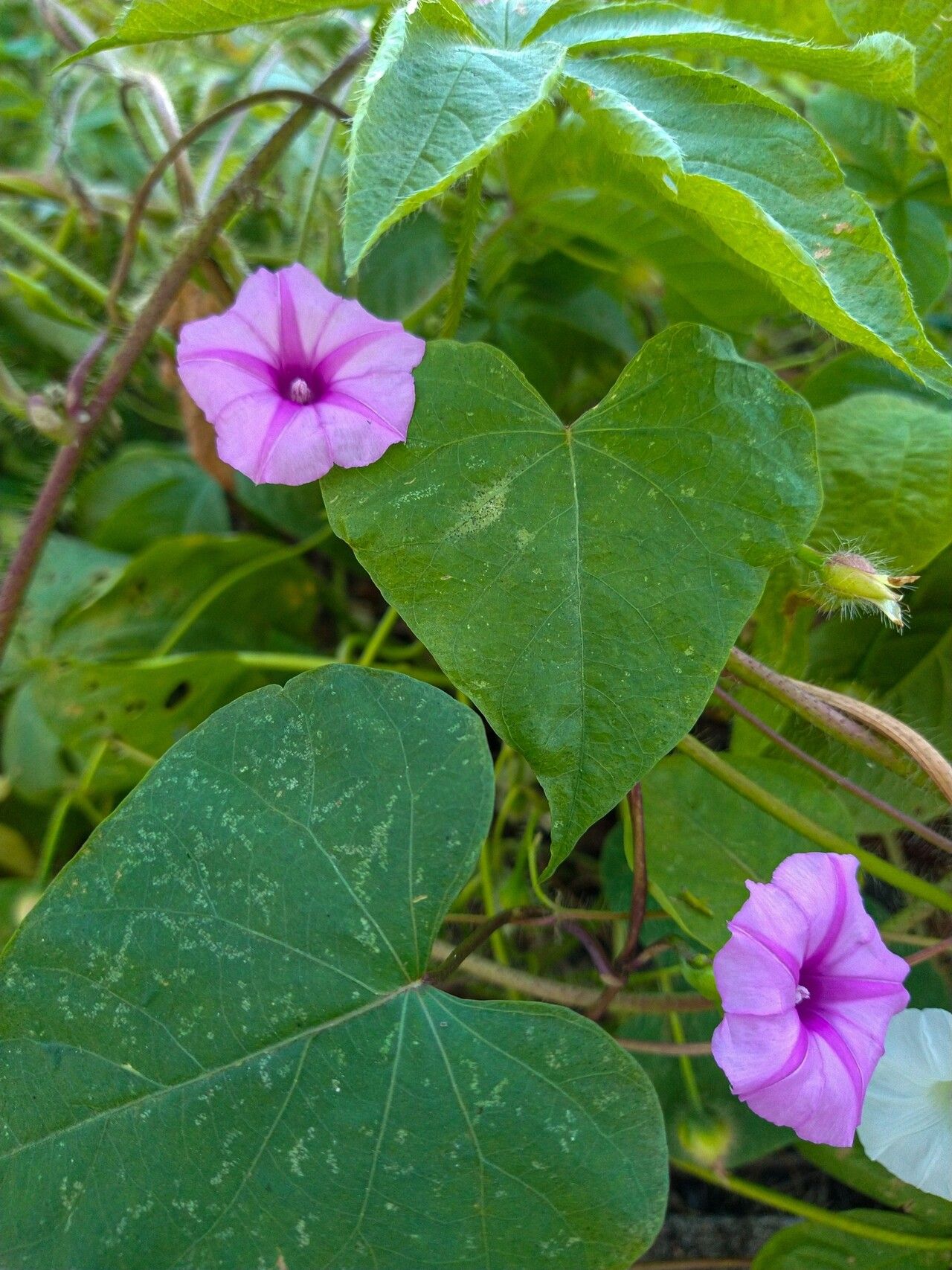
Fence morning-glory is fairly resistant to disease and typically does not suffer from many illnesses. Still, it can be vulnerable to pests and diseases present in its environment. Such infections are usually not serious. In terms of care, this plant needs moderate maintenance. It should be pruned regularly to maintain a neat appearance and vigorous growth. Fertilizing can also help encourage flowering. Fence morning-glory is suitable for anyone with outdoor space, such as a garden or patio, and does not demand much experience in plant care. It may, however, require more attention if grown indoors.
How to keep Ipomoea Ochracea.
Light
Fence morning-glory comes from bright, open habitats and does best in full sun. It can handle partial shade but prefers direct sunlight for peak growth. This plant, which can be annual or biennial, is noted for its sun-loving habit.
Water
The fence morning-glory thrives in moist soil, so water it when the surface becomes dry, making sure the water fully absorbs into the soil. Regular watering promotes healthy growth; aim to water 1-2 times a day during the summer. It's best to water during the cooler parts of the day and avoid watering during the midday heat.
Temperature
Fence morning-glory comes from tropical areas, where the climate is usually warm and humid. Consequently, it is adapted to high temperatures and moisture. It does not tolerate sudden temperature changes and favors a steady thermal environment, so avoiding indoor temperature fluctuations is important. It generally cannot withstand cold and needs relatively warm conditions to grow. If the ambient temperature falls too low, growth may stop and the plant might die.
Fertilizer
When Fence morning-glory has opened most of its blooms to full size, resume fertilizing. Around the time the blooms are at peak output, fertilize once every three to four weeks, weather permitting. Then, once Fence morning-glory begins to produce fewer new blooms, stop fertilizing; there is no need to feed the plant when it can’t produce any more blooms.
Pruning
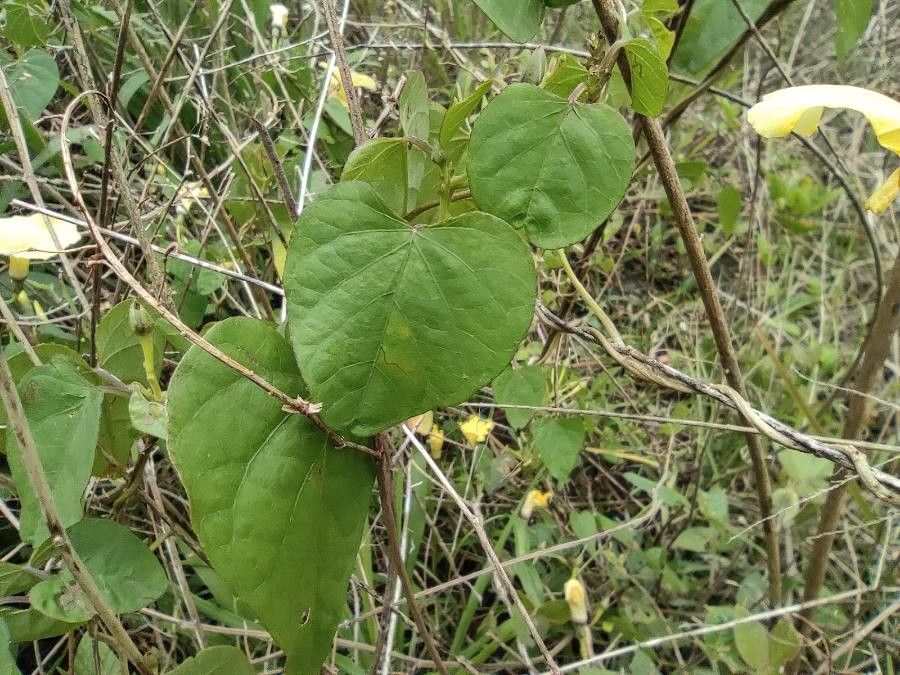
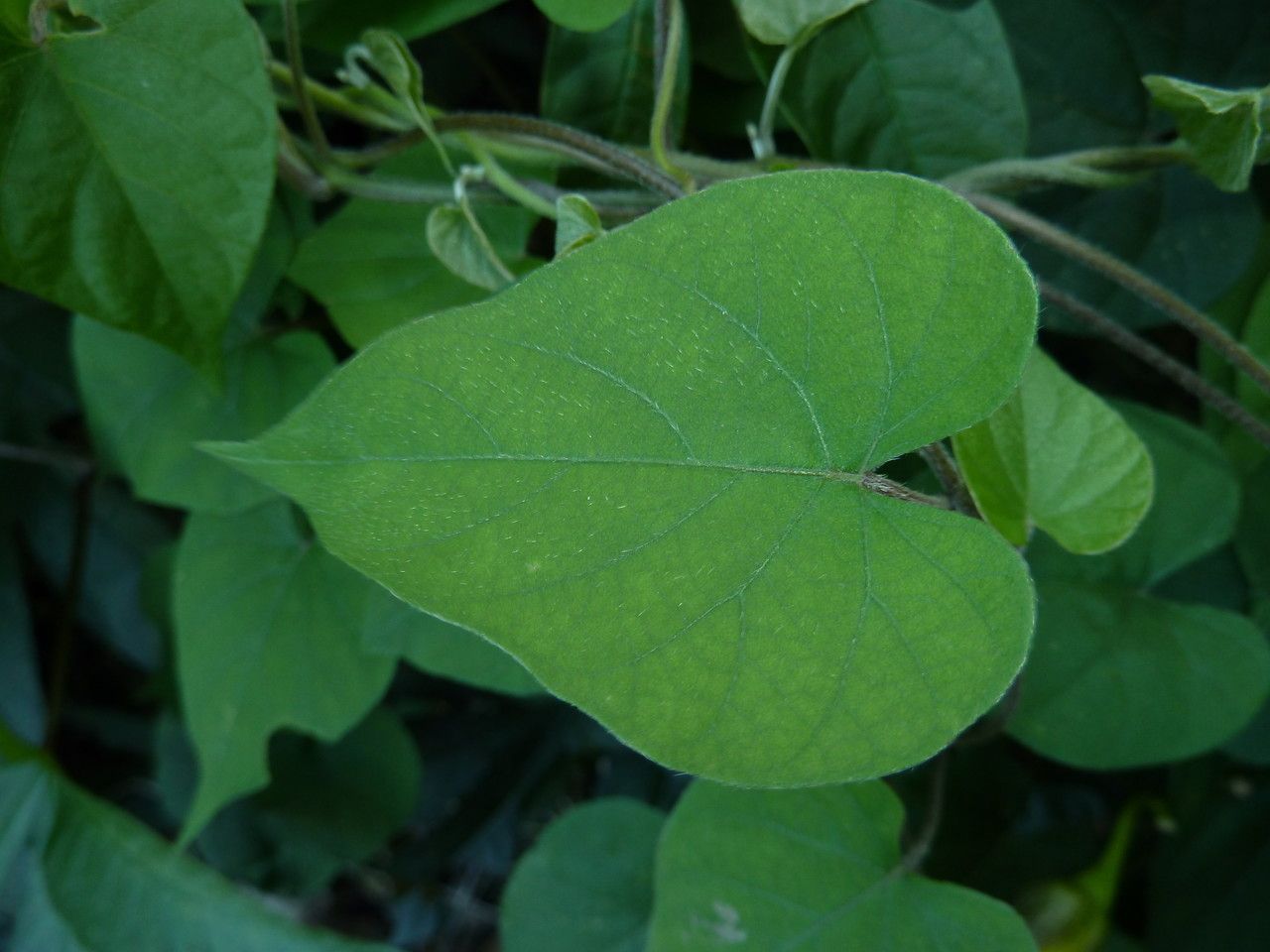
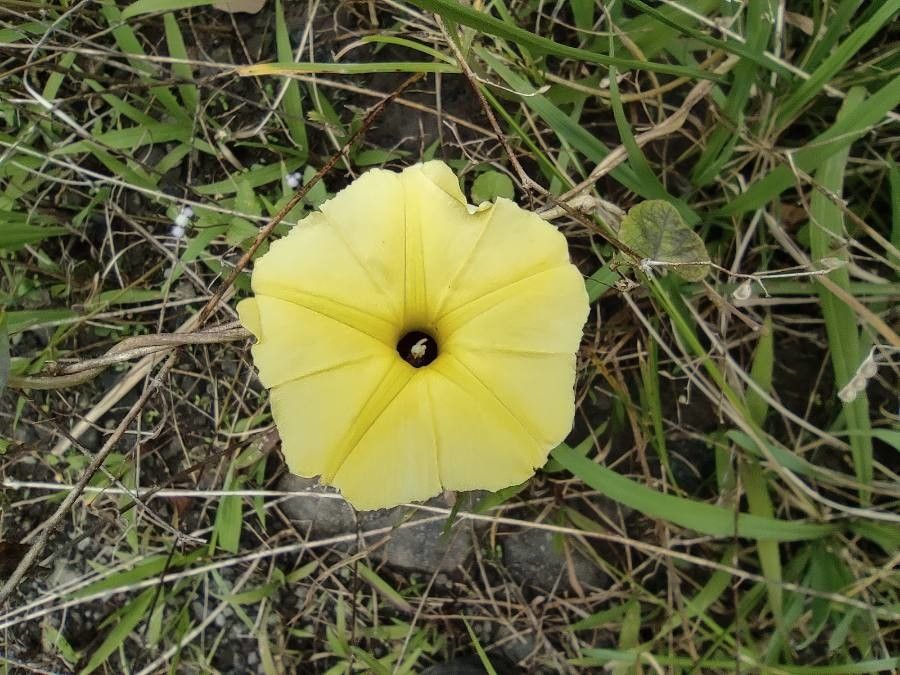
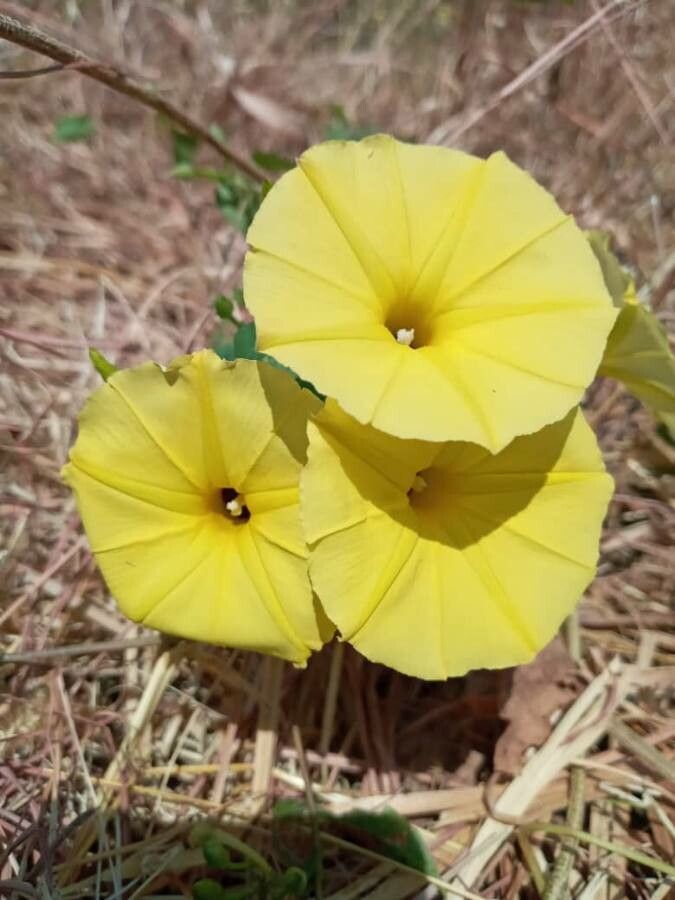
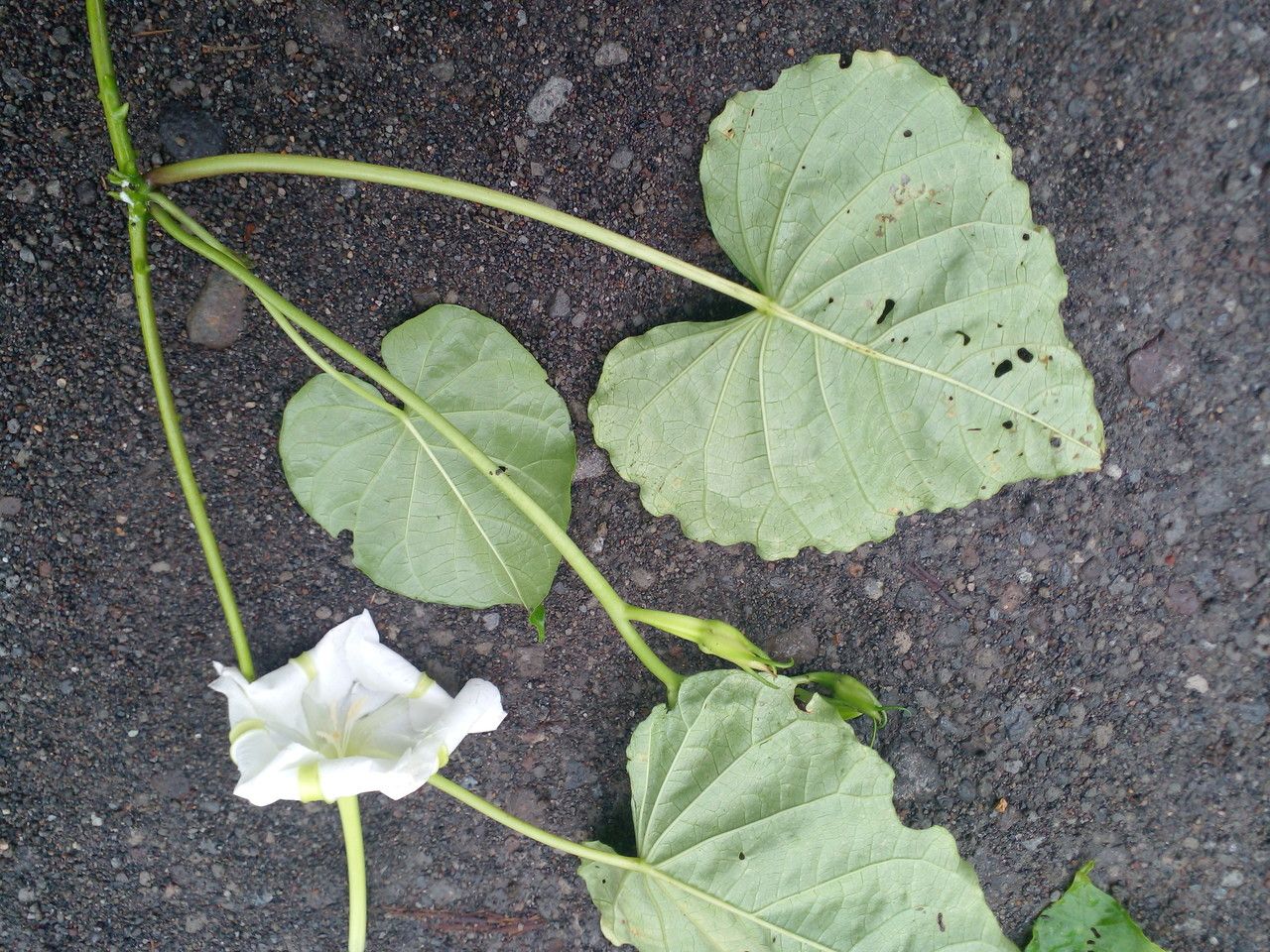
Fence morning-glory is a lively climbing vine known for its heart-shaped leaves and trumpet-shaped flowers. To manage its size, boost flowering, and improve air circulation, it's best to prune it in early spring. Regularly trimming overgrown stems and removing any diseased parts will help keep the plant both manageable and visually appealing.
Botanical profile.
- Plant Type
- Vine, Herb
- Life Cycle
- Annual
- Genus
- Ipomoea
- Family
- Convolvulaceae
- Hardiness Zone
- 9-11
- Mature Height
- 2.13 m to 3.96 m
- Mature Spread
- 0.91 m to 2.13 m
- Leaf Color
- Green, Dark Green
- Leaf Type
- Deciduous
- Flower Color
- White
- Flower Size
- 3.05 cm to 5.08 cm
- Bloom Time
- Summer, Fall
- Planting Time
- Spring, Summer
- Harvest Time
- Late summer, Fall, Early winter
- Native Area
- Burkina Faso, Angola, Eritrea, Nigeria, Kenya, Guinea-Bissau, Uganda, Tanzania, Zimbabwe, Sierra Leone, Cameroon, Liberia, Mozambique, Ghana, Ethiopia, Botswana, Central African Republic, Congo, Malawi, Zambia, Sudan, Mauritania, Guinea, Chad, Togo, Senegal, Côte d'Ivoire, Gambia
Other names.
Reader questions.
What are the sunlight requirements for Fence morning-glory (Ipomoea ochracea)?
Fence morning-glory (Ipomoea ochracea) thrives in various sunlight conditions. For full sun exposure, it requires above 6 hours of direct sunlight per day. If you're aiming for partial sun, about 3-6 hours of sunlight daily will suffice. It's important to observe how sunlight moves through your garden throughout the day. Finding spots that offer an ideal mix of light and shade is crucial for the well-being of your plants. This vigilance ensures that your Fence morning-glory will grow happy and healthy in its environment.