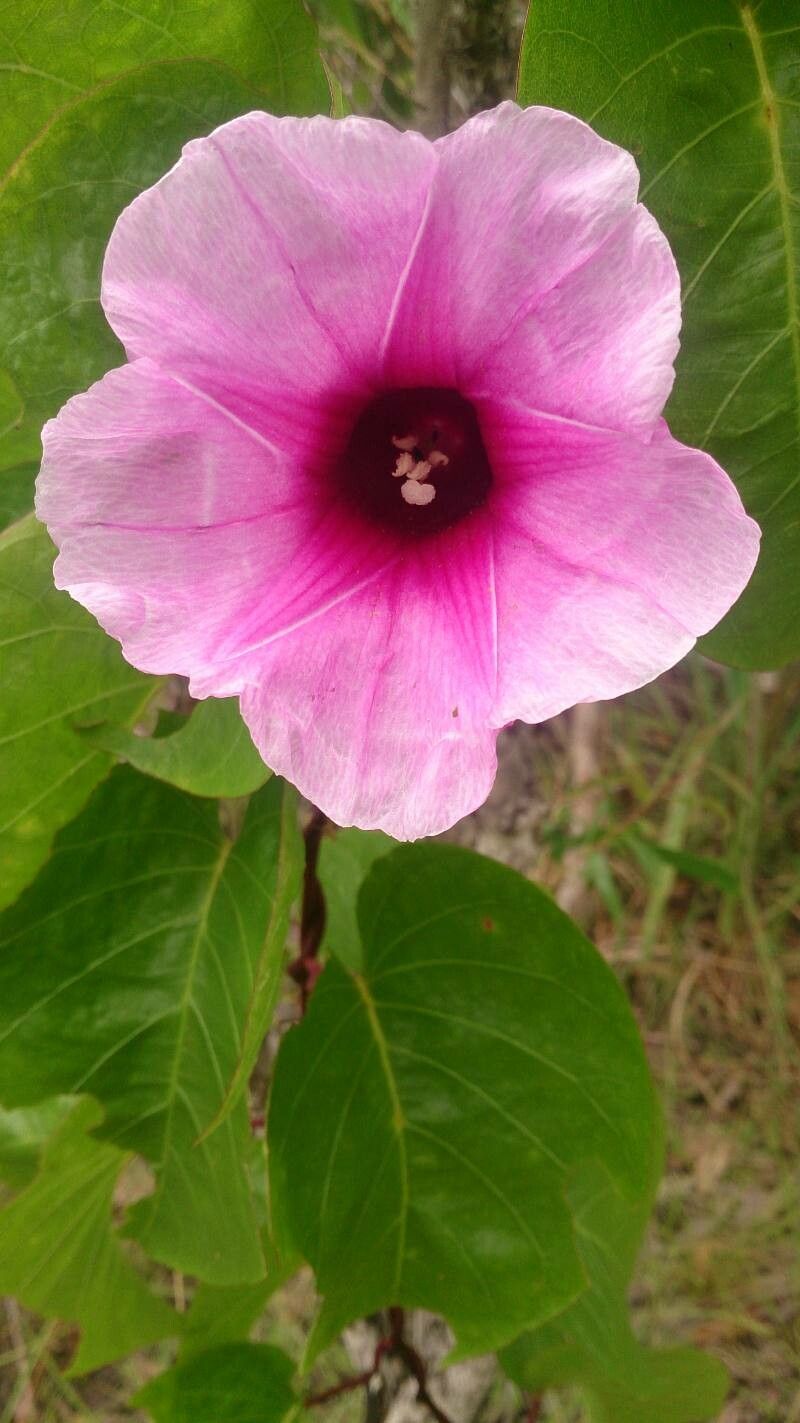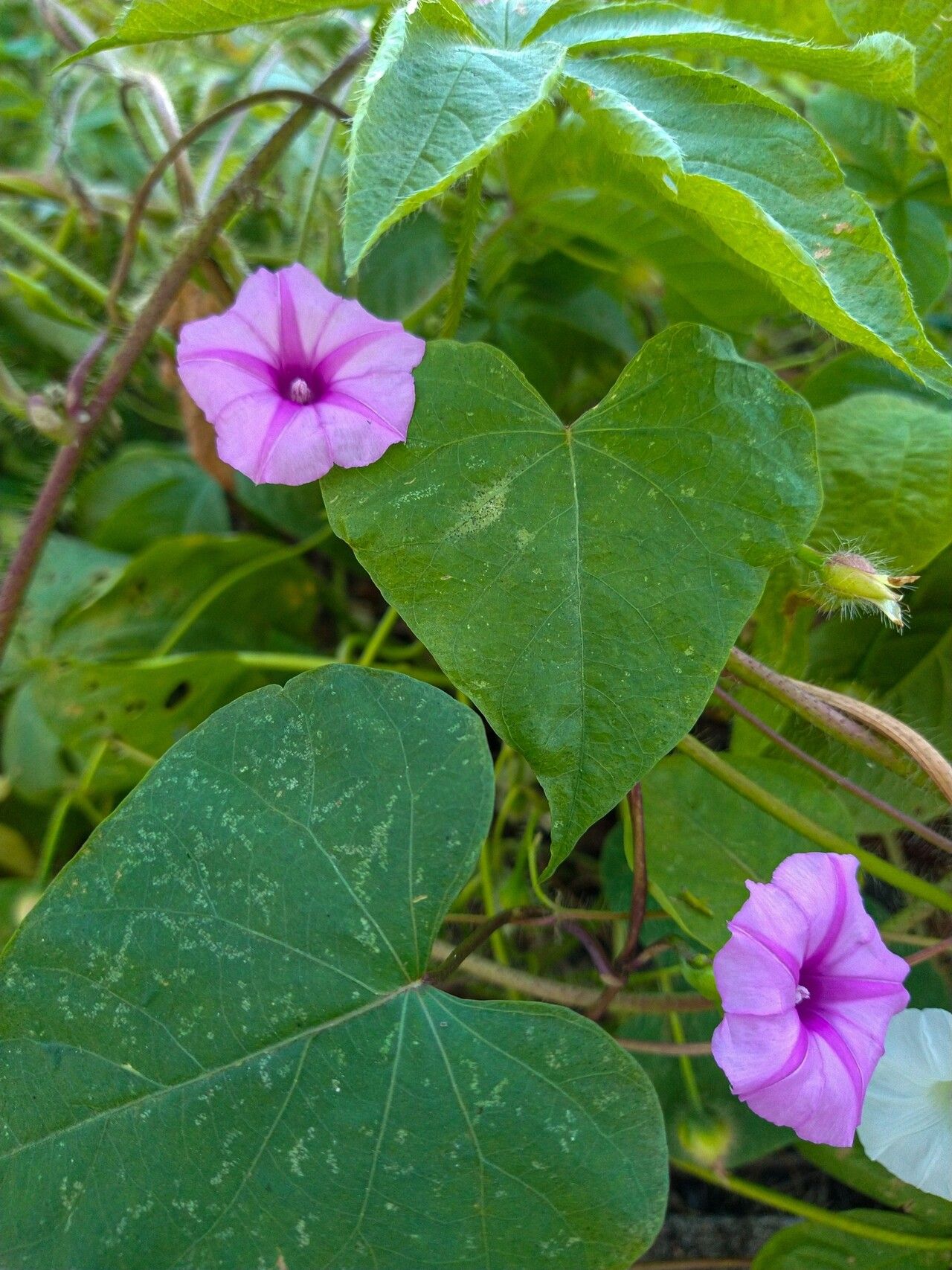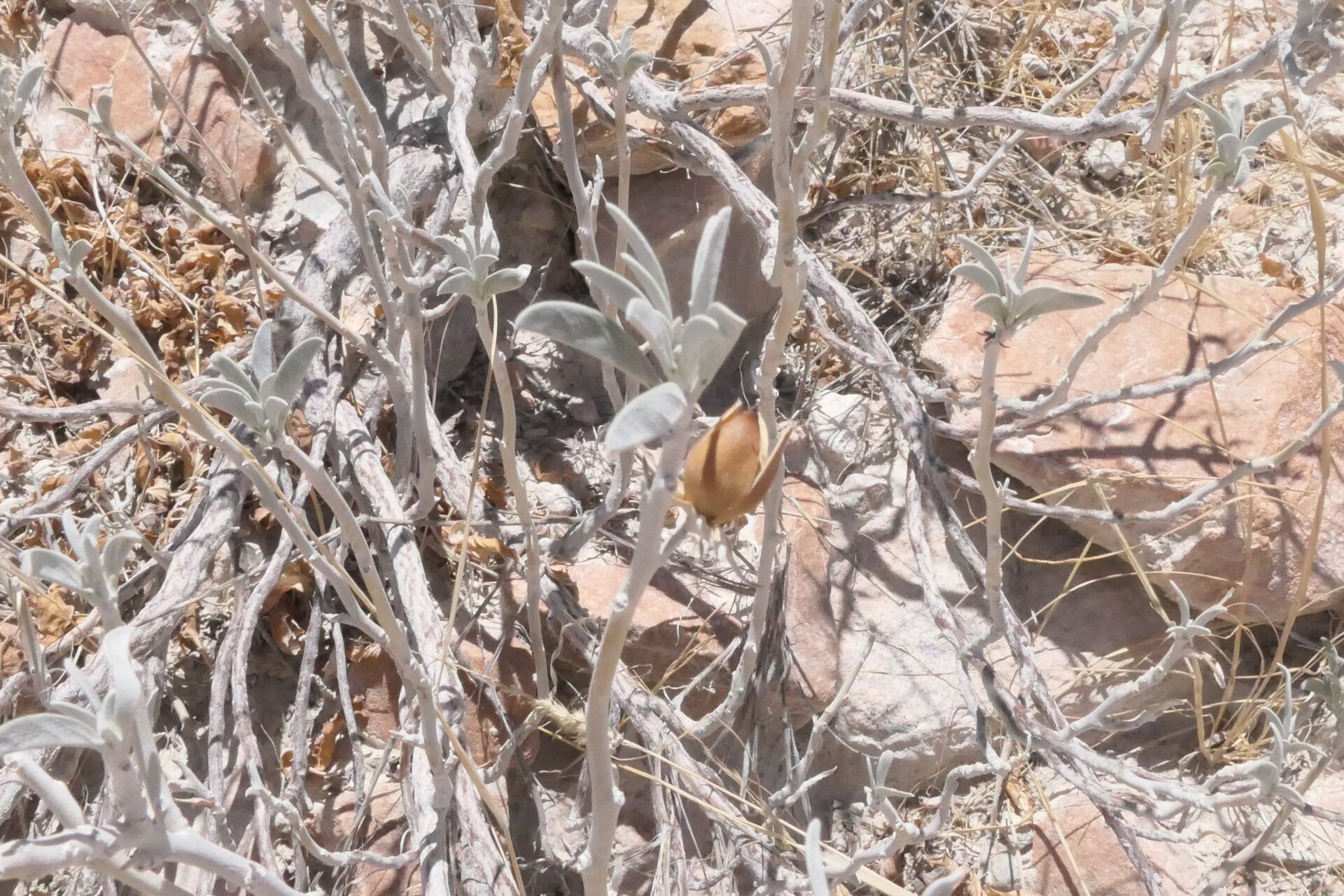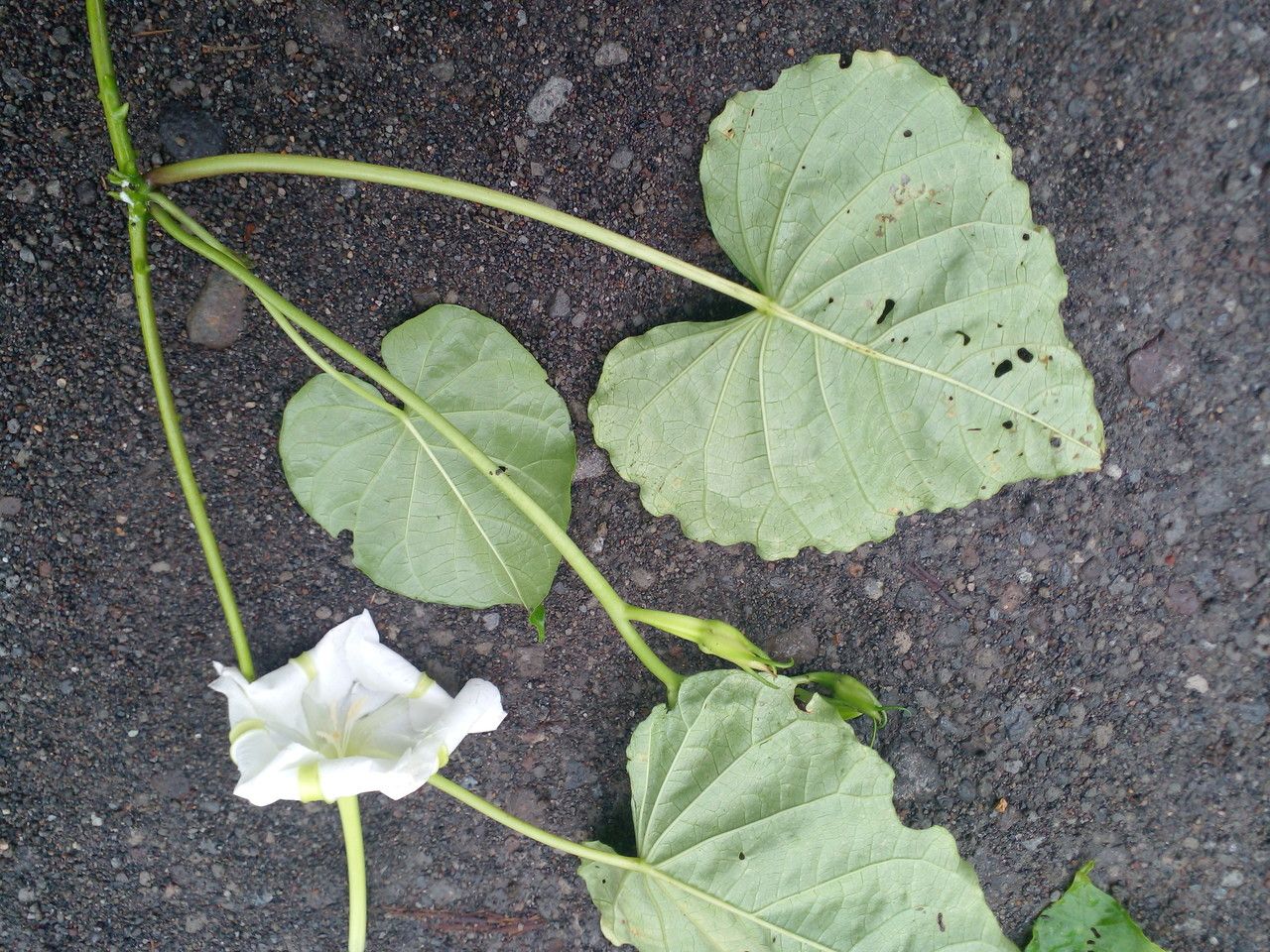
Ipomoea nil, commonly known as the Japanese morning glory, is a flowering plant species in the family Convolvulaceae. Native to tropical regions of Asia, this plant has been cultivated for ornamental purposes for centuries. It produces large, showy flowers that come in various colors, including blue, pink, purple, and white. The leaves are heart-shaped and can grow up to 10 cm in length.
As an annual plant, the Japanese morning glory grows rapidly from seeds and can reach heights of up to 3 meters under ideal conditions. It thrives in full sun exposure but can also tolerate partial shade. The soil should be well-draining with moderate moisture levels.
Traditionally, the plant has been used for its anti-inflammatory properties in medicine, but it should be used cautiously as it contains toxic compounds.
The white-edged morning glory thrives along roadsides without needing special attention, producing beautiful flowers. As a result, it symbolizes a tenacious, persistent, and indomitable spirit. FUN FACT · FROM THE LIBRARY
Overall, Ipomoea nil is a beautiful ornamental plant that adds color and vibrancy to any garden or landscape with its stunning flowers and lush foliage.
Common morning-glory has good resistance to disease and generally does not suffer from illnesses. However, it can be susceptible to pests and diseases present in its environment. These infections are usually mild. In terms of care, this plant needs moderate maintenance. It should be pruned regularly to keep a neat appearance and healthy growth. Fertilizing can also help encourage flowering. Common morning-glory is suitable for anyone with outdoor space, such as a garden or patio, and does not require much gardening experience. It may need more attention when grown indoors.
How to keep Ipomoea Nil.
Light
The common morning-glory prospers when it gets the maximum possible light each day, for example in open, exposed spots. While it can endure lower light levels, its growth and the quality of its flowers may be restricted. In its native habitat of open fields and disturbed land, the plant is generally exposed to abundant daylight. Both excessive and insufficient light can influence its vigor and its ability to bloom.
Water
The whiteedge morning glory, native to tropical regions, thrives best in evenly moist soil and requires watering every 1-2 weeks. While it can tolerate short periods of dryness, maintaining consistent moisture is essential for its optimal growth and flowering, especially during the active growing season.
Temperature
Common morning-glory originates from habitats where temperatures range from 68 to 95 °F (20 to 35 °C). It generally prospers in warmer climates, although during colder seasons some adjustments may be required to sustain optimal growth.
Fertilizer
When most of the Common morning-glory's blooms have opened fully, resume fertilizing. During the period of peak bloom output, apply fertilizer once every three to four weeks, weather permitting. Then, when the Common morning-glory begins to produce fewer new blooms, stop fertilizing; there's no need to feed the plant when it can no longer produce additional blooms.
Pruning
To ensure your whiteedge morning glory thrives, prune it regularly from early to late spring. This will enhance its blooms and shape. Be sure to remove any dead stems and thin out crowded areas to improve air circulation. Always use clean, sterilized tools to prevent disease and boost the plant's health, which will lead to abundant flowering throughout the growing season.
Pot & Repot
When repotting Common morning-glory, choose a pot that is 1-2 inches (2.5–5.1 cm) larger in diameter and ensure it has good drainage. Use a well-draining potting mix, and consider adding perlite for extra drainage. Repot in spring or early summer, water thoroughly afterward, and keep it in a shady spot at first.
Botanical profile.
- Plant Type
- Vine, Herb
- Life Cycle
- Annual
- Genus
- Ipomoea
- Family
- Convolvulaceae
- Hardiness Zone
- 5-9
- Mature Height
- 2.13 m to 3.05 m
- Mature Spread
- 0.91 m to 1.83 m
- Leaf Color
- Green
- Leaf Type
- Deciduous
- Flower Color
- White, Purple, Blue, Pink, Red
- Flower Size
- 3.05 cm to 6.35 cm
- Bloom Time
- Summer
- Planting Time
- Spring, Summer
- Harvest Time
- Mid summer, Late summer, Early fall
- Native Area
- Colombia, Paraguay, Argentina, Honduras, Mexico, Guatemala, Bolivia, Venezuela, Peru, Brazil, El Salvador, Nicaragua, Ecuador, Costa Rica, Panama
Other names.
Reader questions.
How should I water my Whiteedge morning glory plant?
Watering Whiteedge morning glory can be done in several ways. You can use a garden hose with a spray nozzle, a watering can, or any common watering tool. The plant is not too particular about its water source, so rainwater, tap water, or filtered water will suffice. It's best to avoid watering from overhead as it can harm the leaves and flowers and potentially cause disease. A drip irrigation system can be beneficial for watering this plant since it delivers water evenly and directly to the soil. When dealing with a container-grown Whiteedge morning glory, you can use a cup, watering can, or tap water to directly water the soil.
Why should I fertilize my Whiteedge morning glory?
Plants, including Whiteedge morning glory, require nutrients to survive. This is a well-known fact for most gardeners, regardless of their experience level. Without proper nourishment, Whiteedge morning glory will die shortly after the first pollination. To ensure its continuous growth and the production of large, beautiful flowers throughout the blooming season, it is essential to provide the correct type and amount of nutrients. Fertilizer is particularly beneficial for Whiteedge morning glory as it helps develop a strong and healthy root system. This is important because the plant's root system is naturally thin and susceptible to damage. By fertilizing at planting, Whiteedge morning glory is able to establish a solid root structure, providing stability and setting the stage for a remarkable display of flowers. Furthermore, when fertilization is timed appropriately, it can significantly extend the flowering period of Whiteedge morning glory.
What are the sunlight requirements for Whiteedge morning glory?
Whiteedge morning glory requires full sun exposure for optimal growth, meaning it should receive above 6 hours of sunlight daily. It can also tolerate partial sun, which is about 3-6 hours of sunlight. Observing the movement of sunlight through your garden to find the perfect balance of light and shade is crucial for the plant’s health. This plant's natural habitat is rich in sunlight, which it thrives under. However, it can also grow under some filtered sunlight, though its growth might be less vibrant. Both excessive and inadequate light can have negative effects on the plant’s robustness and flowering.
What is the ideal temperature range for Whiteedge morning glory?
Whiteedge morning glory is a plant indigenous to regions where temperatures range from 68 to 105.8 °F (20 to 41 °C), indicating its preference for warm conditions. To ensure optimal growth throughout the year, it is essential to regulate the environment's temperature according to seasonal changes. During colder months, it is recommended to move outdoor plants indoors, placing them near a bright window but away from direct heat sources to maintain temperatures above 20°C. Keeping the temperature from falling near 5°C is crucial, as lower temperatures are detrimental to the plant's health.
What do I do if I give my Whiteedge morning glory too much or too little water?
To prevent underwatering of Whiteedge morning glory, simply increase the frequency of watering when you notice the plant is dry. Overwatering, however, can be a more serious problem. It can lead to diseases and the eventual decline and death of the plant. To avoid this, choose a sunny location with well-draining soil. If you overwater a potted Whiteedge morning glory, consider transferring it to a new pot with good drainage to prevent waterlogging. Use loose soil and an efficiently draining pot when repotting.
When should I fertilize my Whiteedge morning glory for the best results?
Whiteedge morning glory experiences rapid growth early in the growing season, after the last frost. This is the ideal time to fertilize the plant, either when it is first planted in the ground or in planters. This initial fertilization should be the only dose until later in the year when the blooms are fully grown. Once the season is in full swing and most of the Whiteedge morning glory blooms are at their full size, it is time to start fertilizing again. This should be done every three to four weeks, depending on the weather, starting when the blooms are at peak output. Once Whiteedge morning glory starts producing fewer new blooms, it is recommended to stop fertilizing. There is no need to continue fertilizing when the plant cannot produce any more blooms.
How can artificial lighting be used for Whiteedge morning glory indoors?
Indoor Whiteedge morning glory plants require adequate lighting for optimal growth. In situations where natural sunlight is insufficient, particularly during winter or in less sunny spaces, artificial lighting can be a beneficial alternative. LED lights, which can be customized to provide specific wavelengths of light needed by plants, are a popular choice. Full sun plants should have 30-50W/sq ft of artificial light, partial sun plants need 20-30W/sq ft, and full shade plants require 10-20W/sq ft. The light source should be placed 12-36 inches above the plant to mimic natural sunlight, and the duration should mimic natural daylight hours, with most plants needing 8-12 hours of light per day.
How does low temperature affect Whiteedge morning glory?
Whiteedge morning glory thrives in warm temperatures and does not tolerate low temperatures well. It is most comfortable when temperatures remain above 20°C. With the onset of winter, ensuring the plant is kept in conditions warmer than 5°C is vital for its survival. Exposure to temperatures below 1°C may cause the leaves to lighten in color, and following frost damage, they may turn brown or black. Symptoms such as wilting and drooping are also indicators of cold stress. To mitigate these effects, frost-damaged parts should be trimmed off, and the plant should be moved to a warm environment indoors, ideally near a south-facing window for adequate sunlight, while avoiding placing it near heaters or air conditioning vents to minimize air dryness.
How much should I water my Whiteedge morning glory?
Whiteedge morning glory requires regular watering throughout its growing season. In spring, you should water the plant once a week. As the season progresses and temperatures rise, you may need to increase watering to two to three times per week. However, be careful not to exceed this rate as it can harm the plant. Regardless of watering frequency, it is important to keep the soil moist but not saturated. Watering potted Whiteedge morning glory is slightly different. Since soil in pots can heat up and dry out quicker, you will generally need to water container-grown plants more frequently, around a few times per week, compared to once a week for plants in the ground.
When is it best not to use fertilizer on my Whiteedge morning glory?
Applying fertilizer to Whiteedge morning glory is important, but it's crucial to do it at the right time. In certain situations, it's best to hold off on fertilizing. These situations are usually climate-related, although controllable factors can also play a role. When there are issues with the plant, soil, or climate, it's best to wait until things improve and the plant has recovered. For example, it's not advisable to fertilize when there are severe or sudden changes in the weather. If there's an unexpected cold snap in the middle of summer, it's better to wait until it warms up again before applying fertilizer. The same goes for soil that is too dry or compacted to absorb anything. In such cases, the fertilizer would go directly to the roots instead of being diffused by the soil, which isn't ideal for the roots of Whiteedge morning glory. It's also important to avoid applying fertilizer when temperatures are soaring into the 90-degree Fahrenheit range during the hottest parts of the day. Since fertilizer can break down at different speeds depending on temperature, it's crucial not to let hot temperatures break it down too quickly. Furthermore, it's essential to address and resolve any issues with pests or diseases before reapplying fertilizer.
What are the symptoms of inadequate light for indoor Whiteedge morning glory?
When Whiteedge morning glory is grown indoors with inadequate light, it may show several symptoms. These include smaller new leaves compared to mature ones, leggy or sparse growth, faster leaf drop, slower or no new growth, lighter-colored new leaves, chlorosis, sunscald, leaf curling, wilting, and leaf scorching. These symptoms indicate the plant's struggle with light deficiency, affecting its growth and overall health negatively.
What are the effects of high temperature on Whiteedge morning glory?
During the summer months, it is important to ensure that the Whiteedge morning glory is not exposed to temperatures exceeding 41°C, as it could result in the leaves becoming lighter in color and increase susceptibility to sunburn. If the temperature climbs above 45°C, preventive measures should include trimming away sunburned and dried parts of the plant and relocating it to an area with sufficient shade from the midday and afternoon sun. Additionally, watering the plant during the cooler parts of the day, like morning and evening, can help keep the soil adequately moist, aiding in the plant's overall health and resilience to high temperatures.