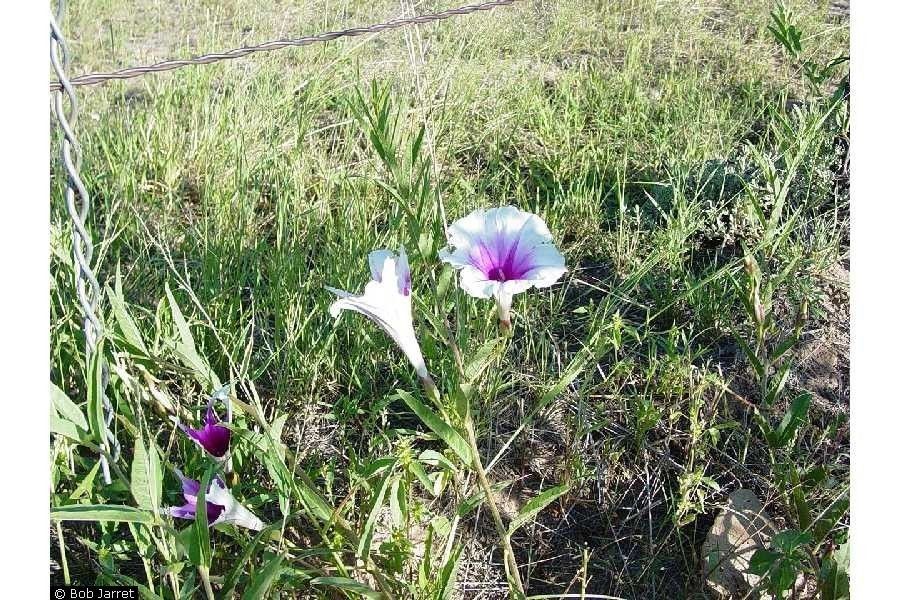
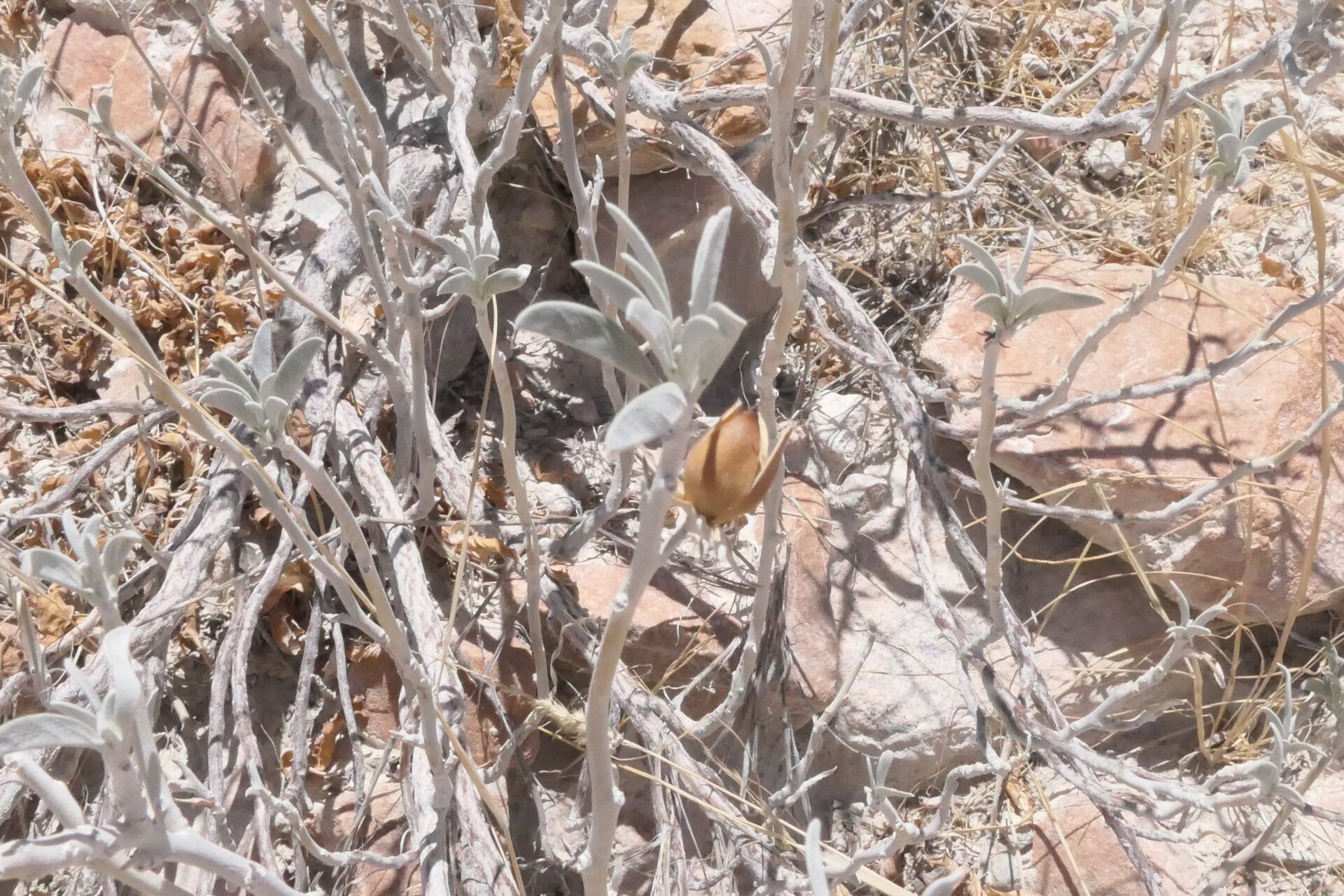
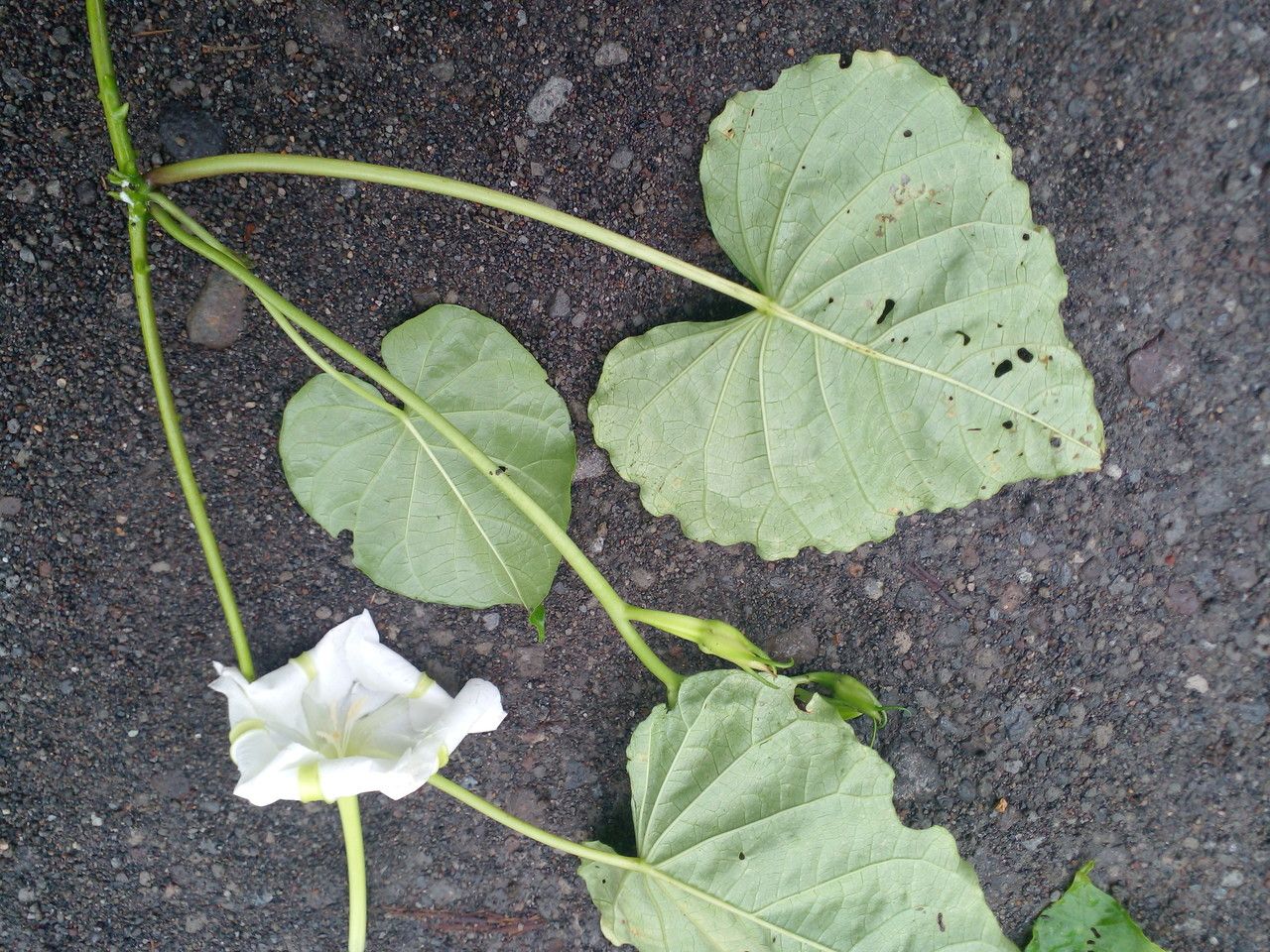
Pinkthroat morning glory has strong resistance to disease and is usually not prone to illnesses. However, it can be vulnerable to pests and diseases present in its environment. These infections are typically not serious. For care, this plant requires a moderate level of maintenance. It should be pruned regularly to preserve an attractive appearance and support healthy growth. Fertilizing can also help encourage flowering. Pinkthroat morning glory is well suited for anyone with outdoor space, such as a garden or patio, and does not demand extensive gardening experience. It may need additional care when grown indoors.
How to keep Ipomoea Longifolia.
Light
Originating from open habitats, the Pinkthroat morning glory is a perennial herbaceous plant that flourishes in grasslands and meadows. It thrives best under full sunlight but can also withstand conditions of partial sunlight.
Water
The Pinkthroat Morning Glory flourishes in moist soil conditions. To ensure optimal growth, water the plant whenever the soil surface feels dry, and make sure the water is fully absorbed. Proper watering is crucial to promoting quick stem and leaf development. During summer, it's best to water the plant 1-2 times a day, preferably in the morning and again around 4 p.m. Avoid watering at noon to prevent evaporation.
Temperature
Pinkthroat morning glory is a plant that originates from areas with a tropical climate, characterized by warmth and high humidity. Due to its origins, the plant has adapted excellently to handle high heat and moisture levels. It isn't fond of rapid shifts in temperature and prefers consistent thermal conditions. It's crucial to maintain a constant temperature because indoor temperature fluctuations can be harmful to the plant. It typically cannot withstand chilly conditions and requires elevated temperatures for proper growth. The plant may halt growth or potentially die if the surrounding temperature falls excessively.
Fertilizer
It is vital for the health and aesthetics of Pinkthroat morning glory to be properly fertilized. Apply fertilizer to Pinkthroat morning glory during summer, continuing on a monthly basis for the entire season. Nutrients bolster growth and uphold the structure of the plant. The flowering display of Pinkthroat morning glory benefits from fertilization, helping to produce the most impressive blooms.
Pruning
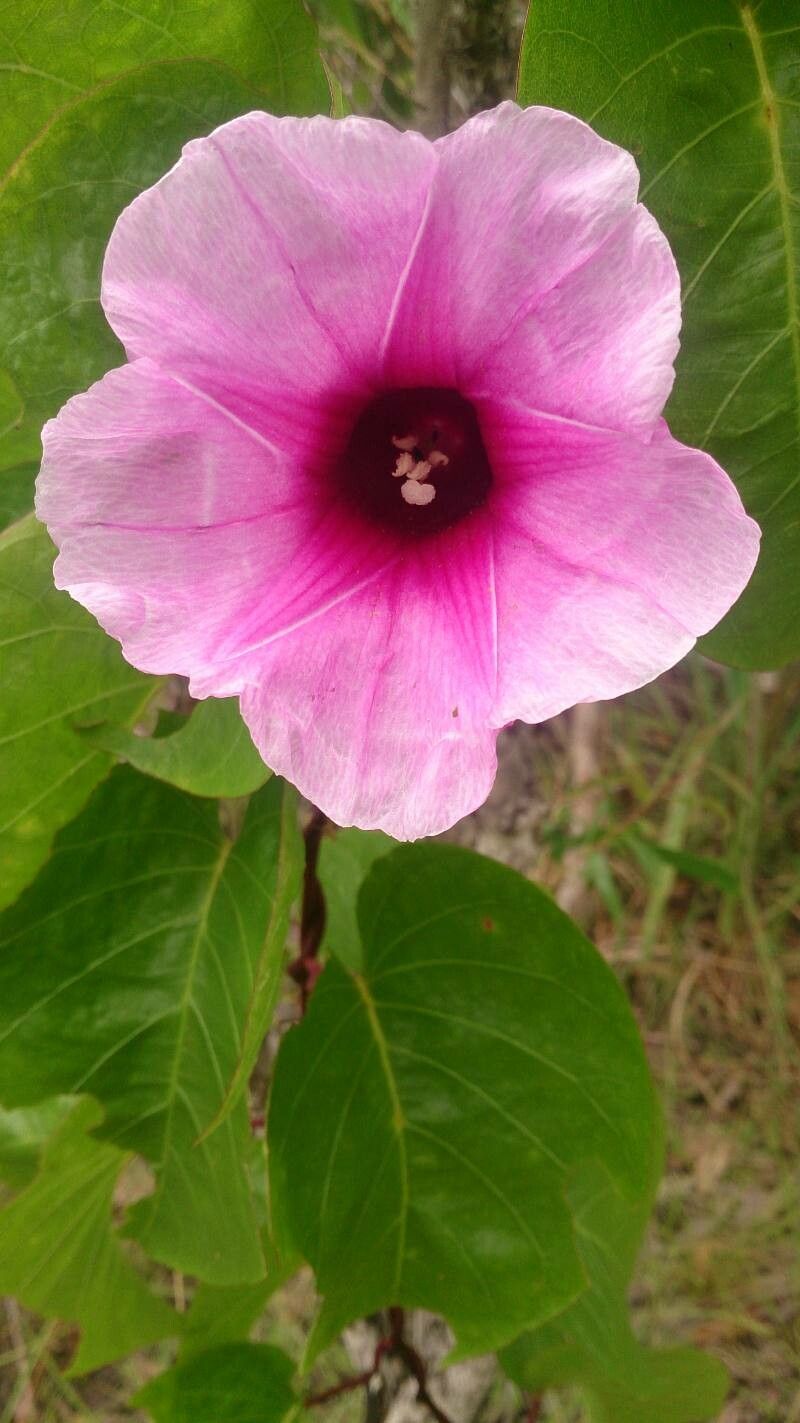
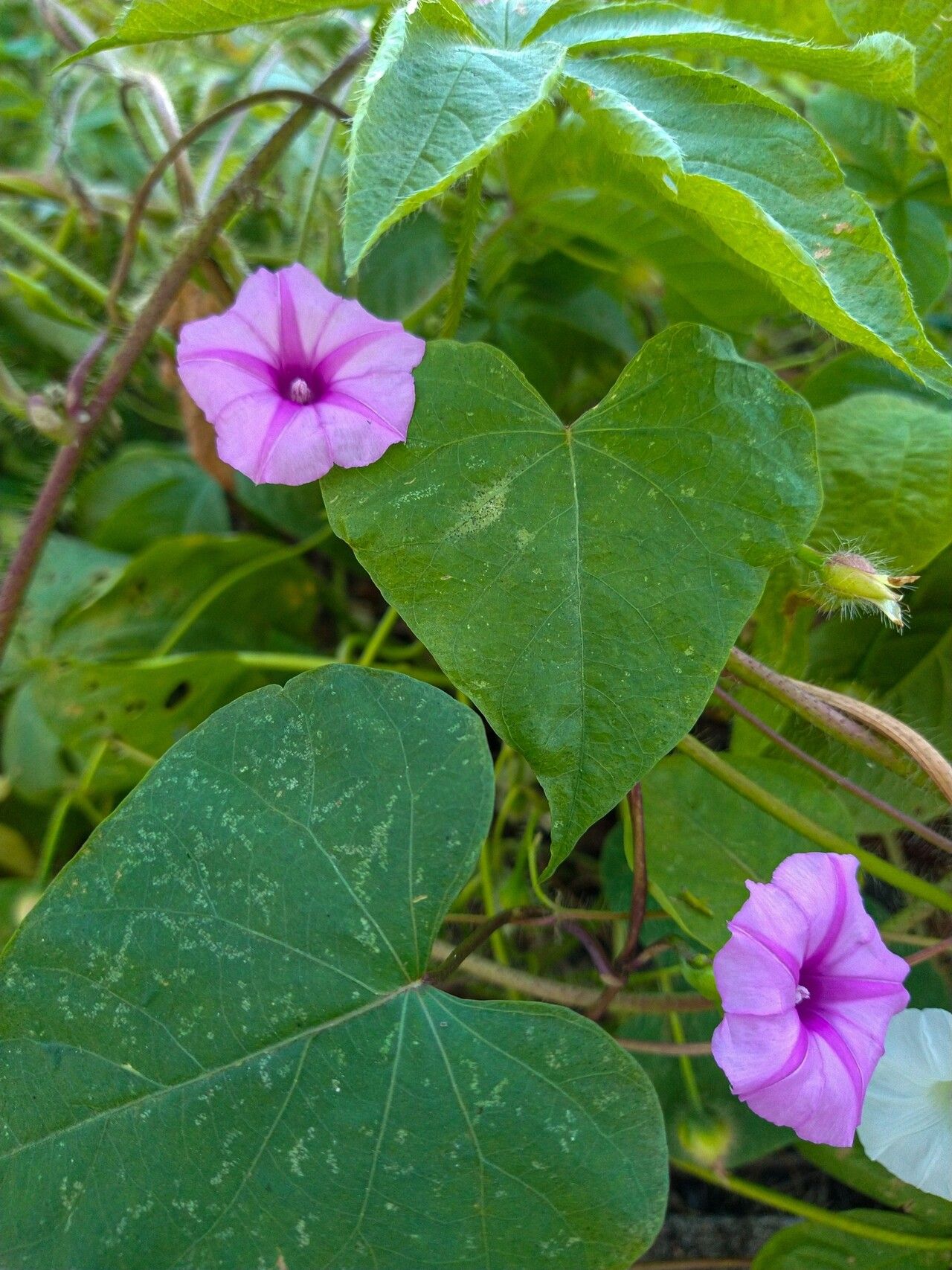
The Pinkthroat morning glory is known for its vibrant pink flowers and heart-shaped leaves. To encourage blooming and manage its climbing habit, it's best to prune it in early spring. Remove any dead stems and trim back overgrown areas to maintain a tidy structure. This will promote healthier growth and make it easier to manage in your garden.
Botanical profile.
- Plant Type
- Vine, Herb
- Life Cycle
- Perennial
- Genus
- Ipomoea
- Family
- Convolvulaceae
- Hardiness Zone
- 9-11
- Mature Height
- 2.13 m to 3.96 m
- Mature Spread
- 0.91 m to 2.13 m
- Leaf Color
- Green, Dark Green
- Leaf Type
- Deciduous
- Flower Color
- Pink, Purple
- Flower Size
- 5.08 cm to 7.62 cm
- Bloom Time
- Summer, Early fall, Mid fall
- Planting Time
- Summer
- Harvest Time
- Late summer, Fall, Early winter
- Native Area
- Mexico
Other names.
Reader questions.
What are the sunlight requirements for Pinkthroat morning glory plants?
Pinkthroat morning glory plants, known botanically as Ipomoea longifolia, thrive under specific sunlight conditions. For full sun exposure, they require above 6 hours of sunlight daily. If you're considering partial sun locations, they should receive about 3-6 hours of sunlight each day. It's crucial to observe the movement of sunlight through your garden carefully, allowing you to select spaces that offer an ideal mix of light and shade. This careful placement ensures the plants remain happy and healthy.