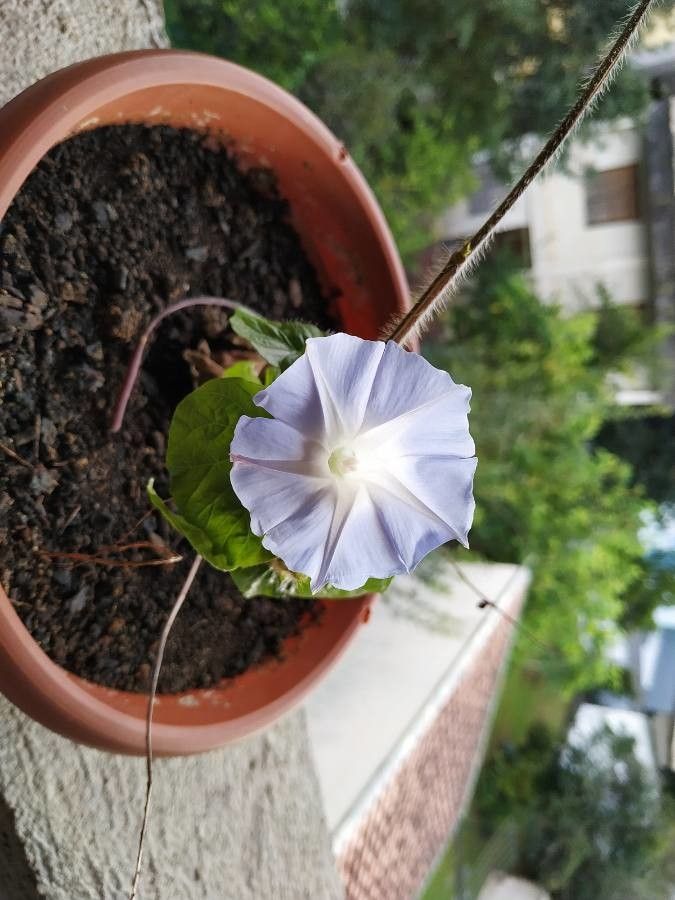
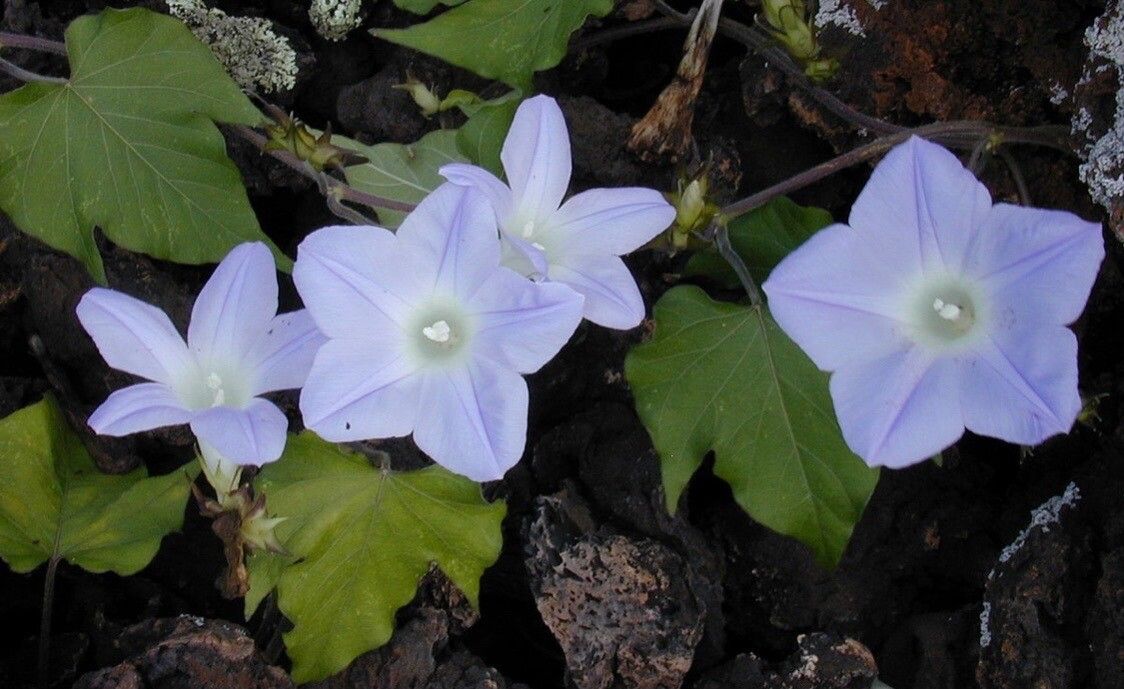
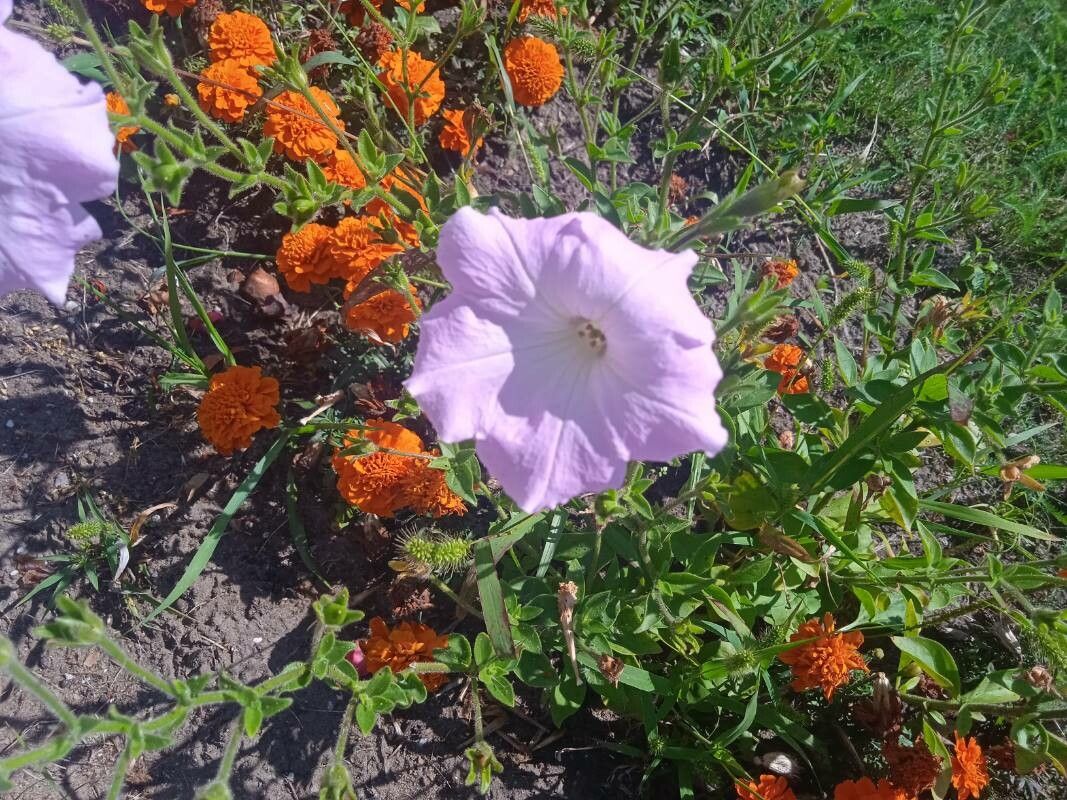
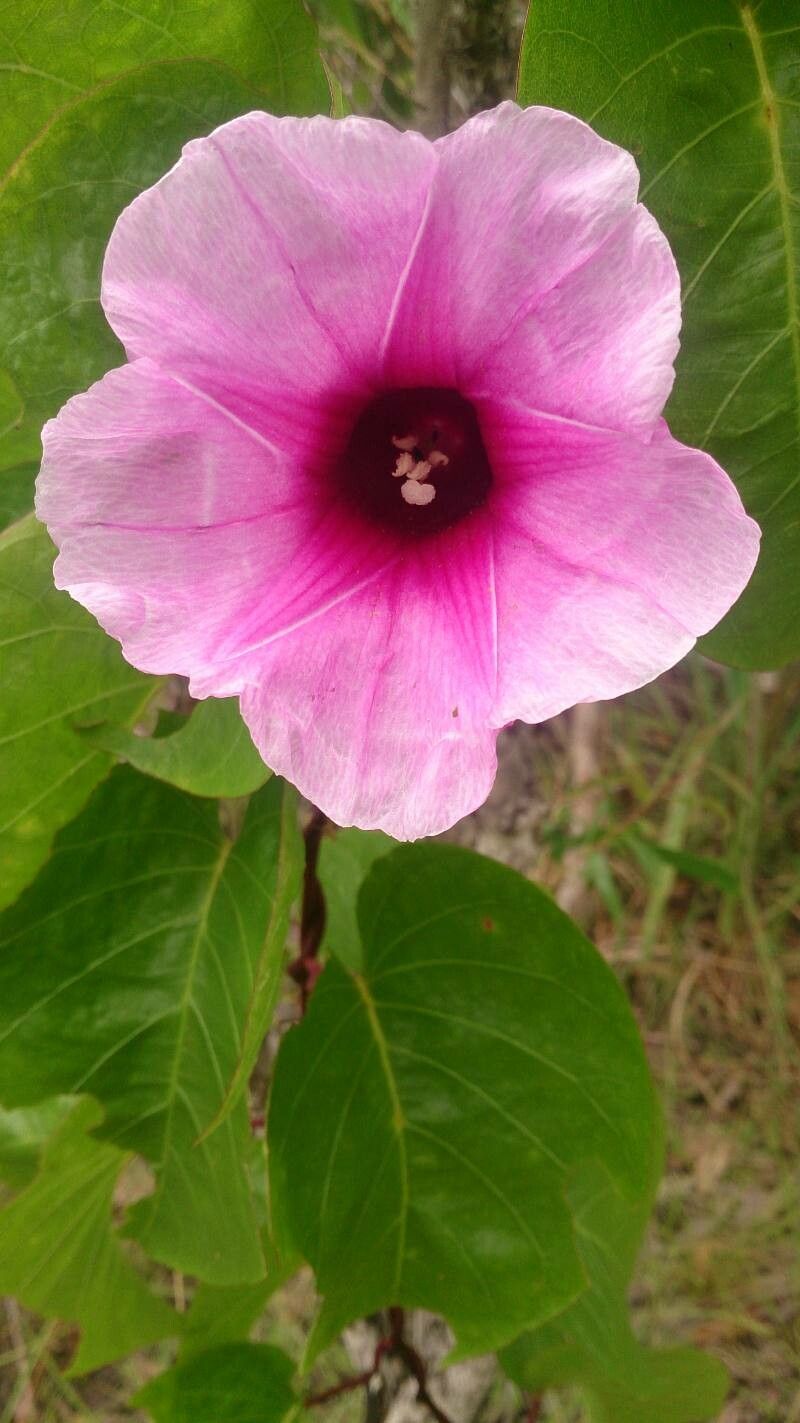
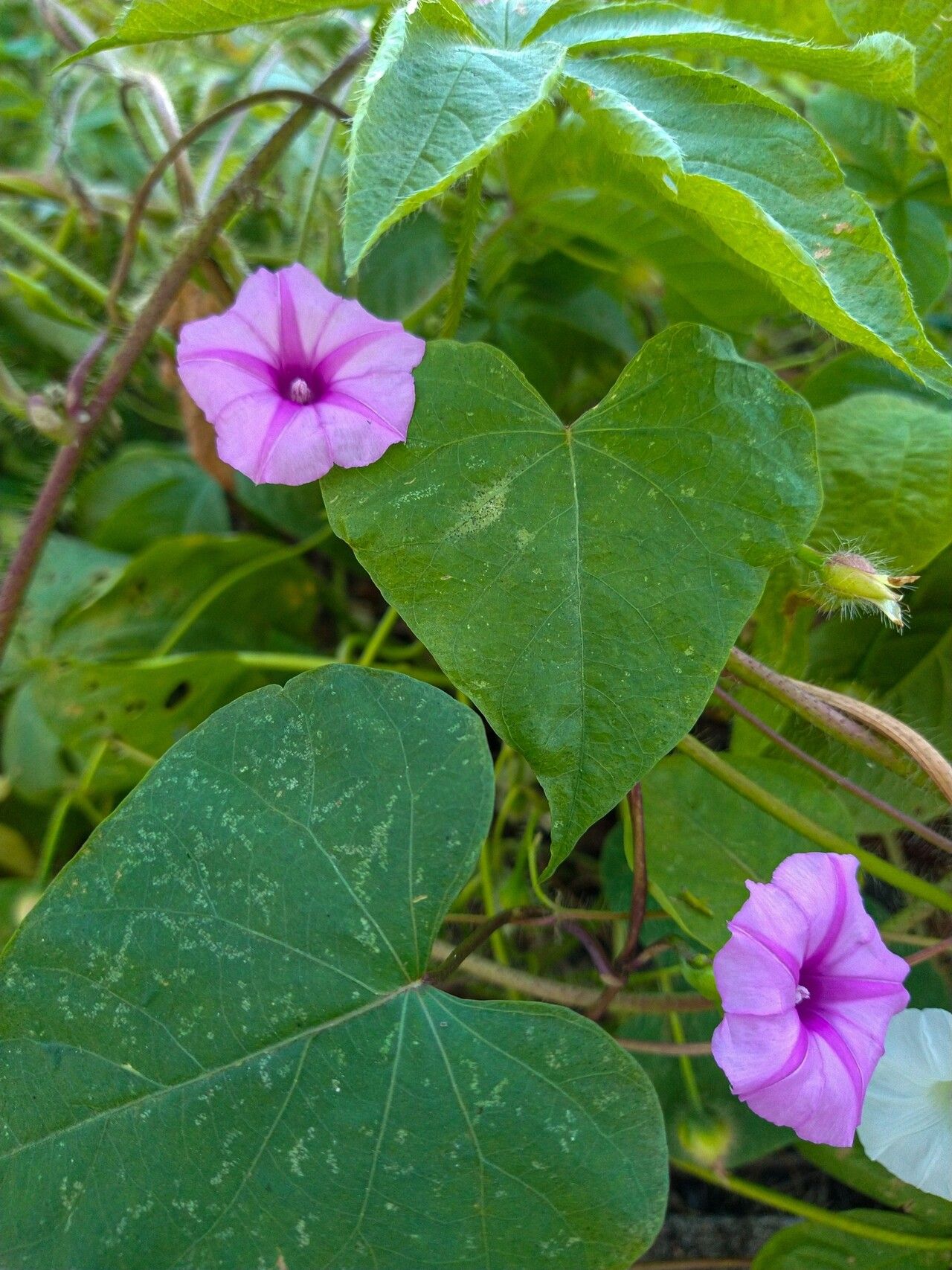
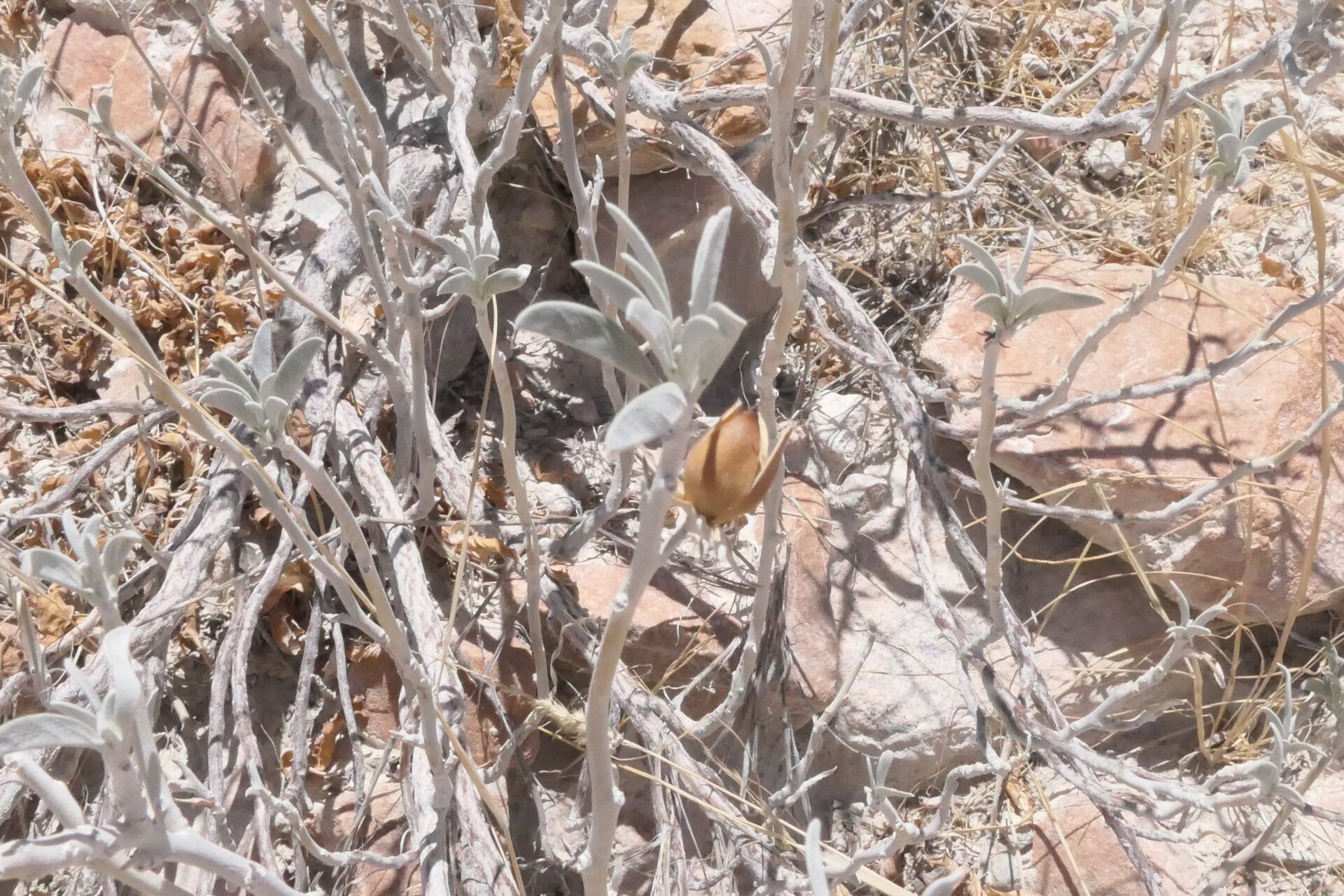
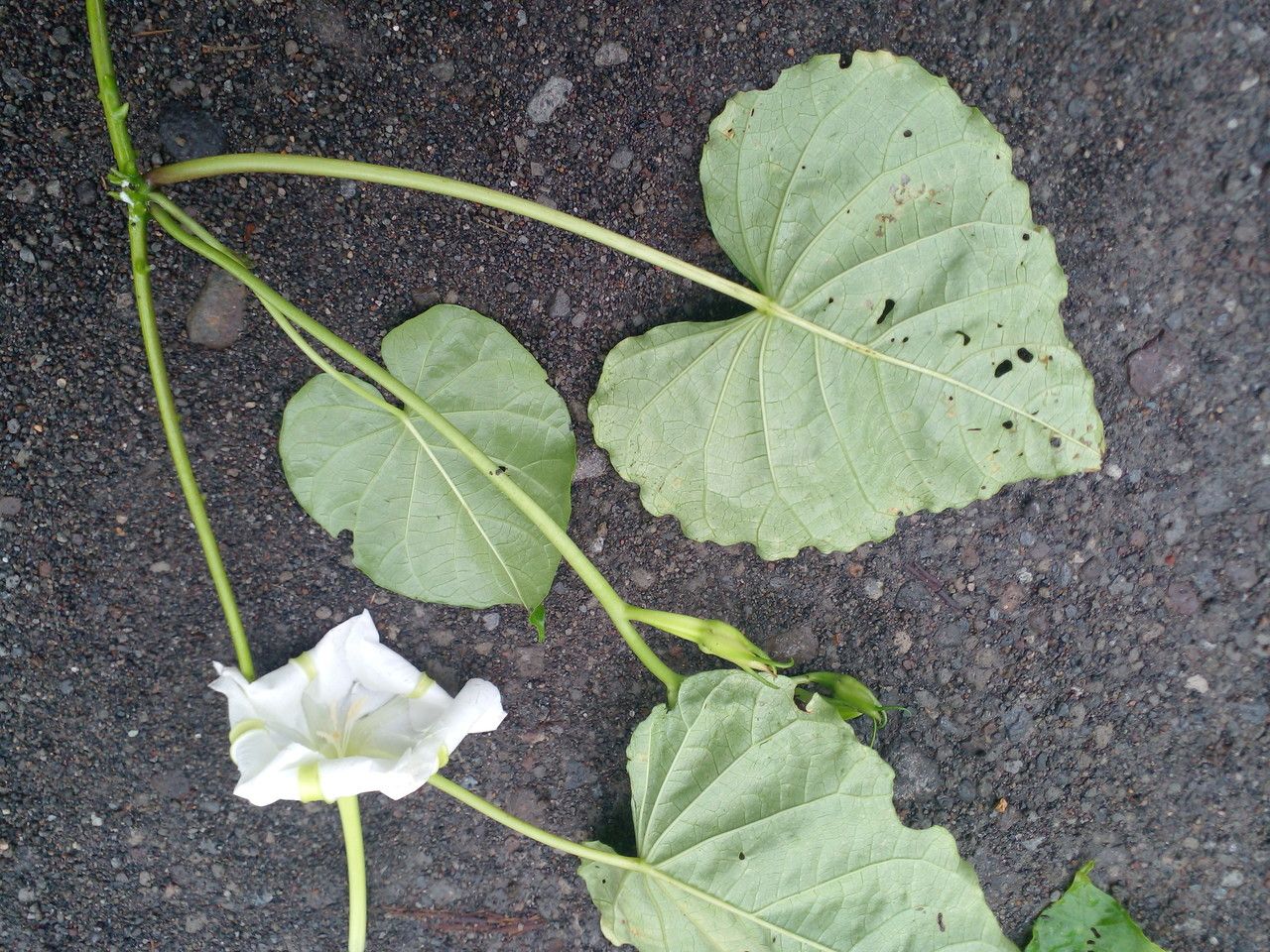
Lindheimer's morning glory is fairly disease-resistant and generally not prone to illness. Still, it can be affected by pests and diseases found in its environment. These problems are typically not severe. As for care, the plant needs moderate maintenance. It should be pruned regularly to keep a neat appearance and support healthy growth. Fertilizing can also help encourage flowering. Lindheimer's morning glory is well suited for anyone with outdoor space, such as a garden or patio, and does not require extensive gardening experience. It may need more attention if grown indoors.
How to keep Ipomoea Lindheimeri.
Light
Lindheimer's morning glory prospers under plentiful light reminiscent of the sunny skies of its native environment, although it does not require particular lighting to survive. Ample light promotes its best growth, and neither too little nor too much light usually harms it.
Water
Lindheimer's morning glory is well-suited for arid environments. It requires minimal moisture and thrives in full sun. To ensure its health during the active growing season, it needs weekly watering and well-draining soil to prevent waterlogging. The best conditions for this plant mimic its natural dry habitat.
Temperature
Lindheimer's morning glory adapts well to temperature, able to withstand higher heat and wider temperature fluctuations. In hot weather, attention should be given to watering and providing suitable shade to avoid sunburn. However, Lindheimer's morning glory is fairly sensitive to low temperatures. Although it can tolerate some cold, excessively low conditions may result in frost damage.
Fertilizer
The best time to fertilize a Lindheimer's morning glory is in early spring, as it comes out of dormancy and begins active growth. Fertilizing supplies essential nutrients for healthy development. Although Lindheimer's morning glory has relatively low fertilizer needs, applying fertilizer once a year can improve its survival and encourage better, longer-lasting flowers.
Botanical profile.
- Plant Type
- Herb, Vine
- Life Cycle
- Perennial
- Genus
- Ipomoea
- Family
- Convolvulaceae
- Hardiness Zone
- 8-11
- Mature Height
- 0.91 m to 3.05 m
- Mature Spread
- 0.91 m to 2.13 m
- Leaf Color
- Green, Dark Green
- Leaf Type
- Semi-evergreen
- Flower Color
- White
- Flower Size
- 6.35 cm to 10.16 cm
- Bloom Time
- Summer, Fall
- Planting Time
- Spring, Summer, Autumn
- Harvest Time
- Late summer, Fall, Early winter
- Native Area
- Mexico
Other names.
Reader questions.
What are the sunlight requirements for Lindheimer's morning glory?
Lindheimer's morning glory flourishes best in conditions of full sun, requiring above 6 hours of sunlight daily, but it can also tolerate partial sun, with about 3-6 hours of sunlight. It's important to observe the movement of sunlight through your garden to identify sites that offer a balanced mix of light and shade, ensuring a happy environment for your plants. Regardless, this plant thrives in abundant luminosity, mirroring the clear skies of its native habitat, and does not have any specific light conditions for survival, adapting well to both abundant and minimal light exposures.
What is the botanical name of Lindheimer's morning glory?
The botanical name of Lindheimer's morning glory is Ipomoea lindheimeri. This particular species is part of the larger morning glory family, known for their beautiful, trumpet-shaped flowers. Although specific details about its care and characteristics are not provided here, like many in its genus, it likely thrives in sunny conditions and well-draining soil.
How can I use artificial lighting for indoor plants?
For indoor Lindheimer's morning glory or other plants, adequate lighting is crucial, especially when natural sunlight is insufficient, like during winter or in less sunny spaces. Artificial lighting becomes essential in promoting faster, healthier growth. LED lights are recommended due to their customization options for wavelength needs. Full sun plants require 30-50W/sq ft, partial sun 20-30W/sq ft, and full shade plants need 10-20W/sq ft of artificial light. The artificial light source should be placed 12-36 inches above the plant to mimic natural sunlight effectively, ensuring to mimic the natural daylight hours, generally 8-12 hours per day, for best results.
What are the symptoms of inadequate lighting for Lindheimer's morning glory?
Lindheimer's morning glory shows several symptoms when it doesn't receive adequate light. Low light can lead to smaller new leaves, leggy or sparse growth, faster leaf drop, slower or halted growth, paler new leaves, and conditions like chlorosis or yellowing of the leaves, sunscald, leaf curling, wilting, and leaf scorching. Chlorosis and leaf scorching, in particular, result from extreme sunlight exposure, affecting the plant's capacity for photosynthesis and overall health.
How can I address light deficiency in Lindheimer's morning glory?
Addressing light deficiency in Lindheimer's morning glory involves several strategies. Indoors, gradually move your plant to a sunnier location to achieve at least 6 hours of direct sunlight daily, utilizing south-facing windows and keeping curtains open. If moving the plant is not feasible, consider artificial lighting, such as desk lamps or professional grow lights, for at least 8 hours a day. Outdoors, slowly transition your plant to areas with more sunlight, and avoid drastic changes to prevent sunburn. If obstructions are blocking sunlight, consider pruning or relocating your plant to a brighter spot. Remember, while affected parts may not recover, new growth will be healthy if the plant's light exposure increases.