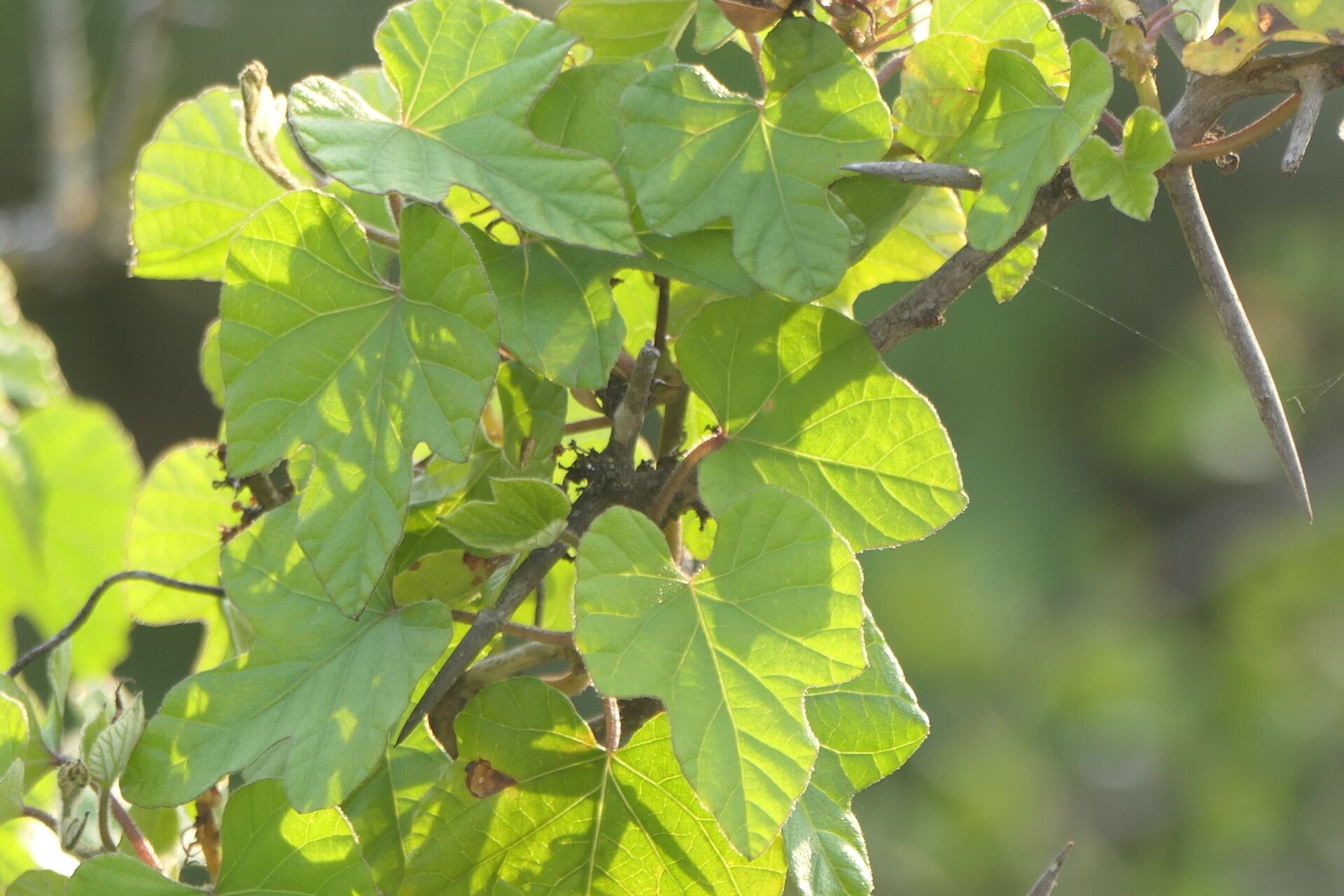
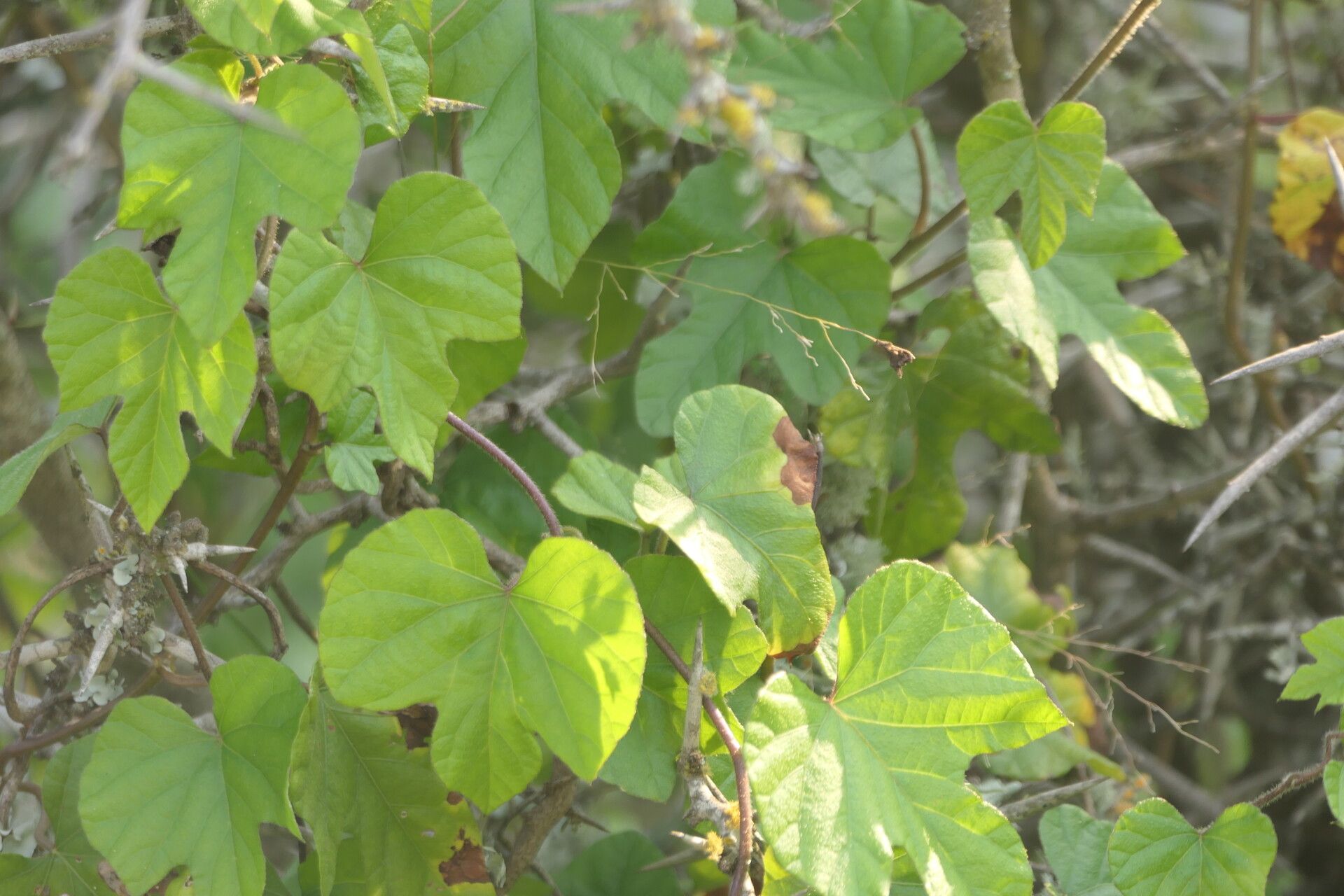
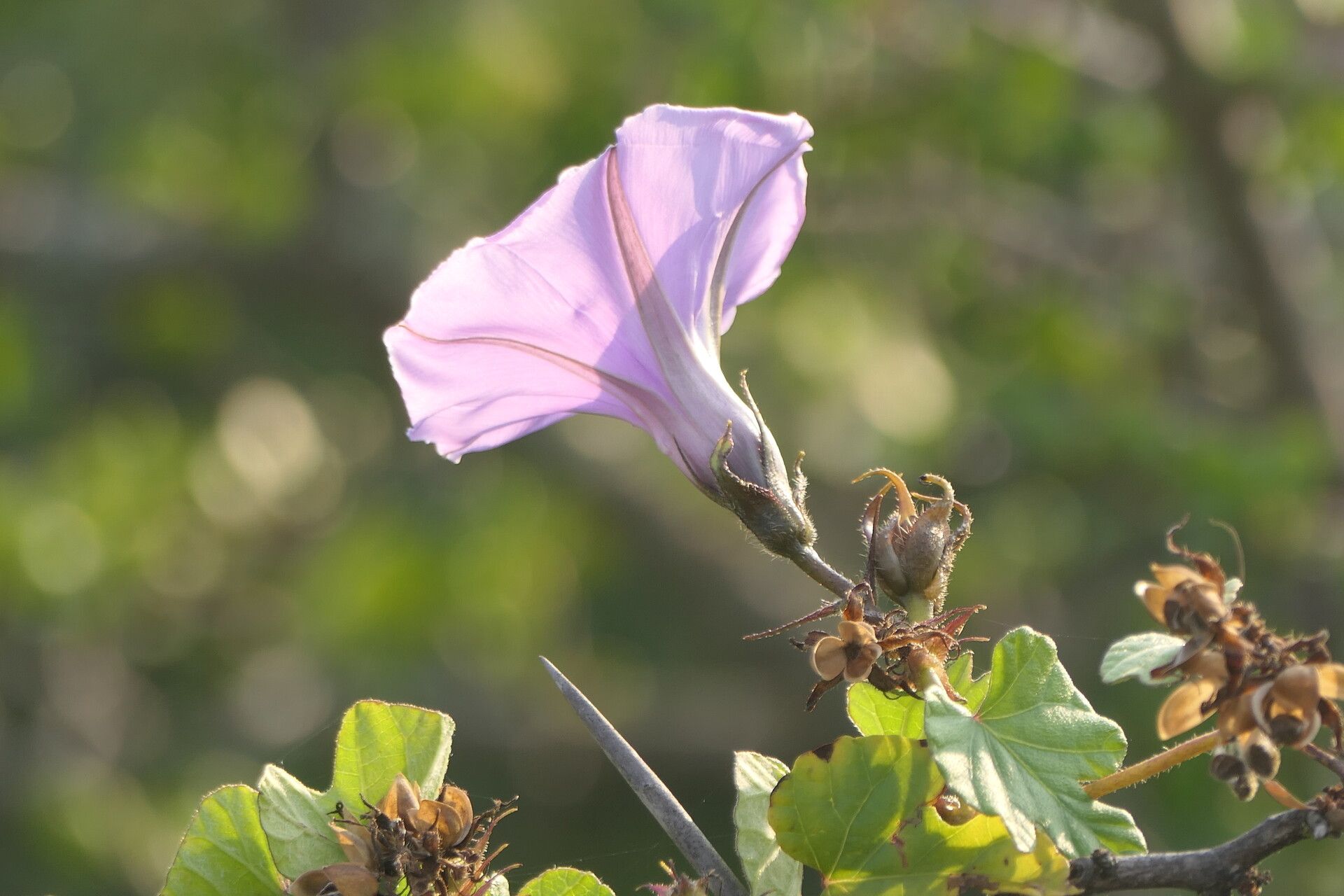
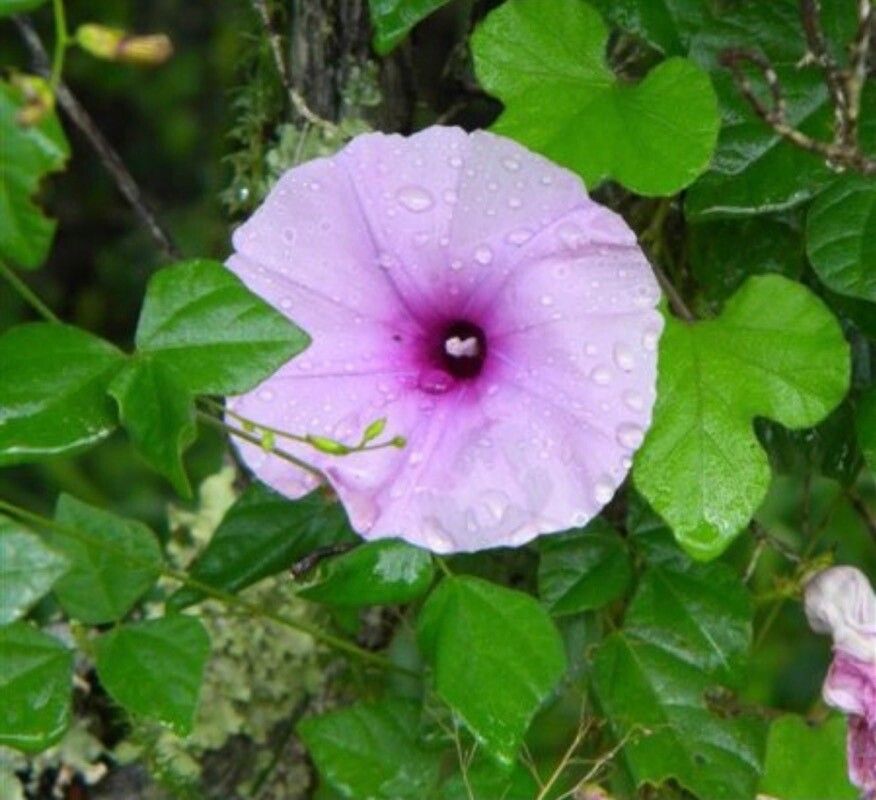
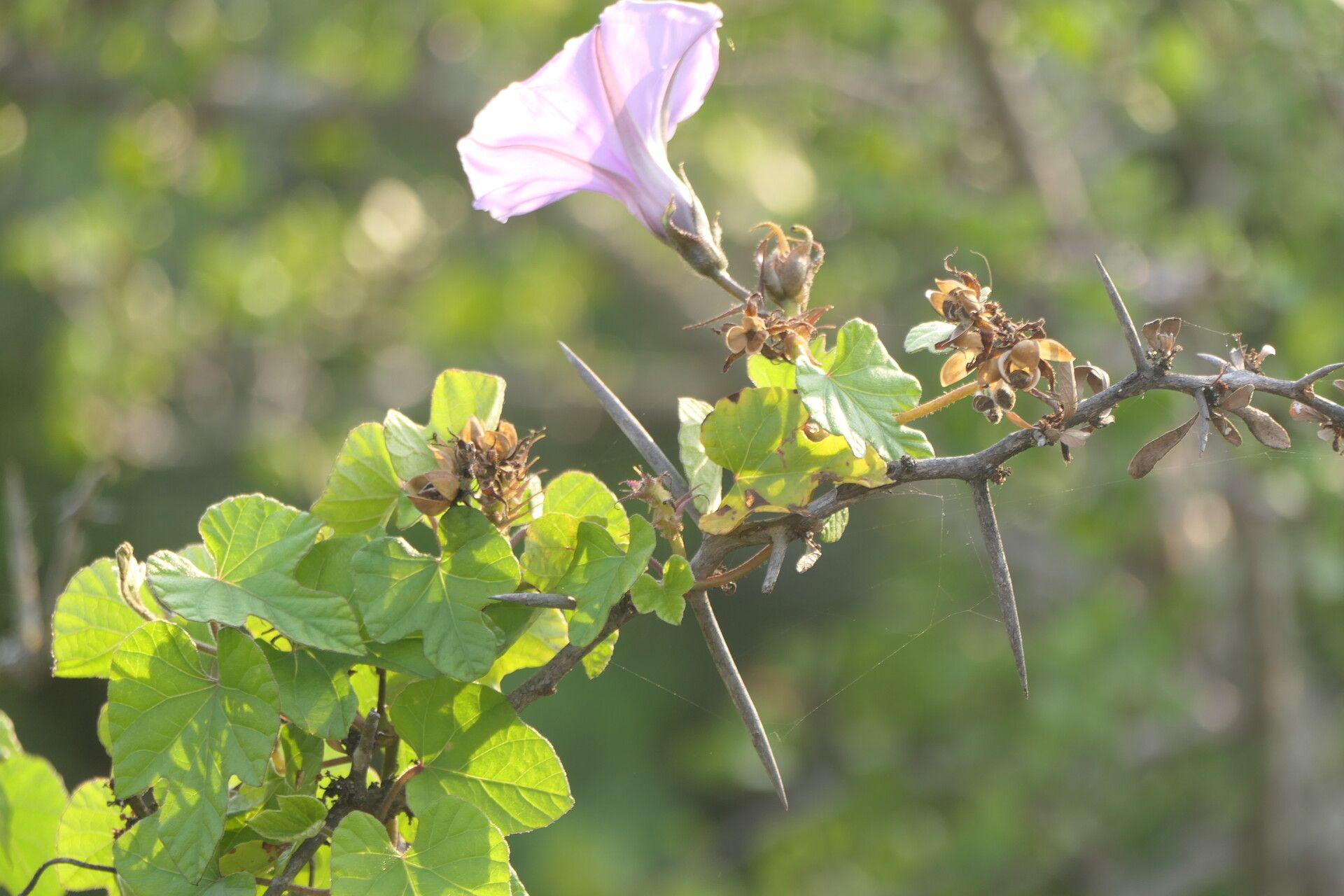
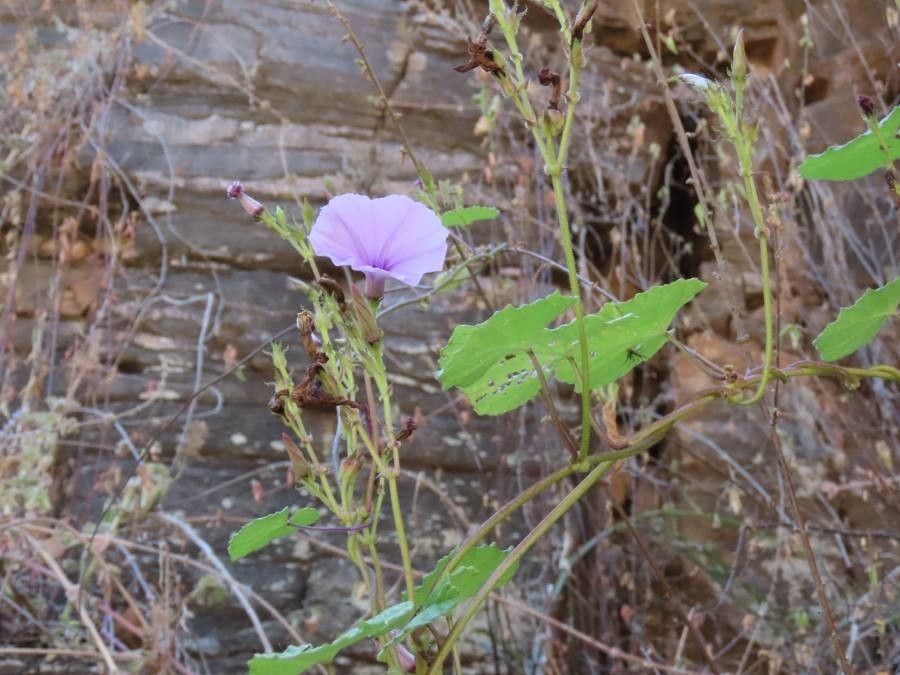
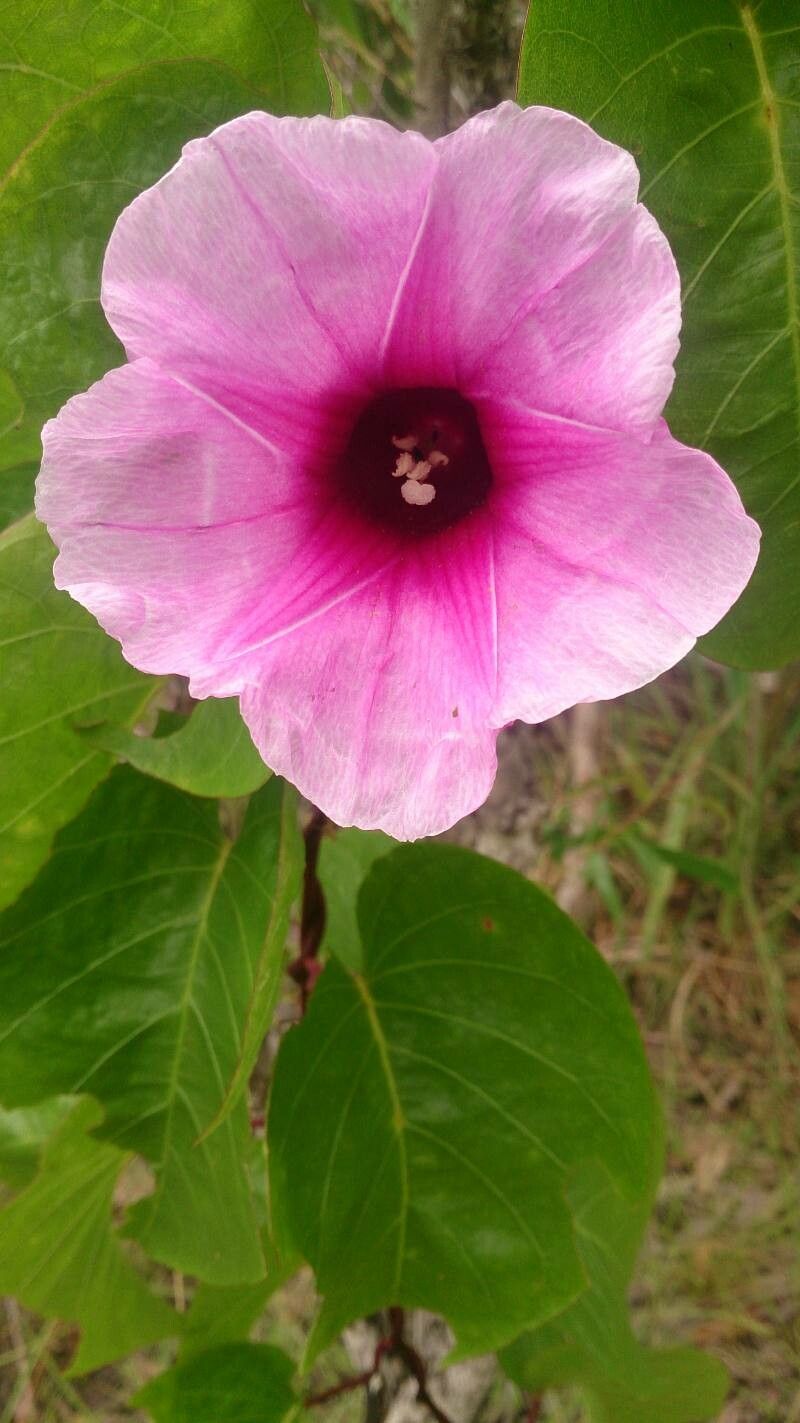
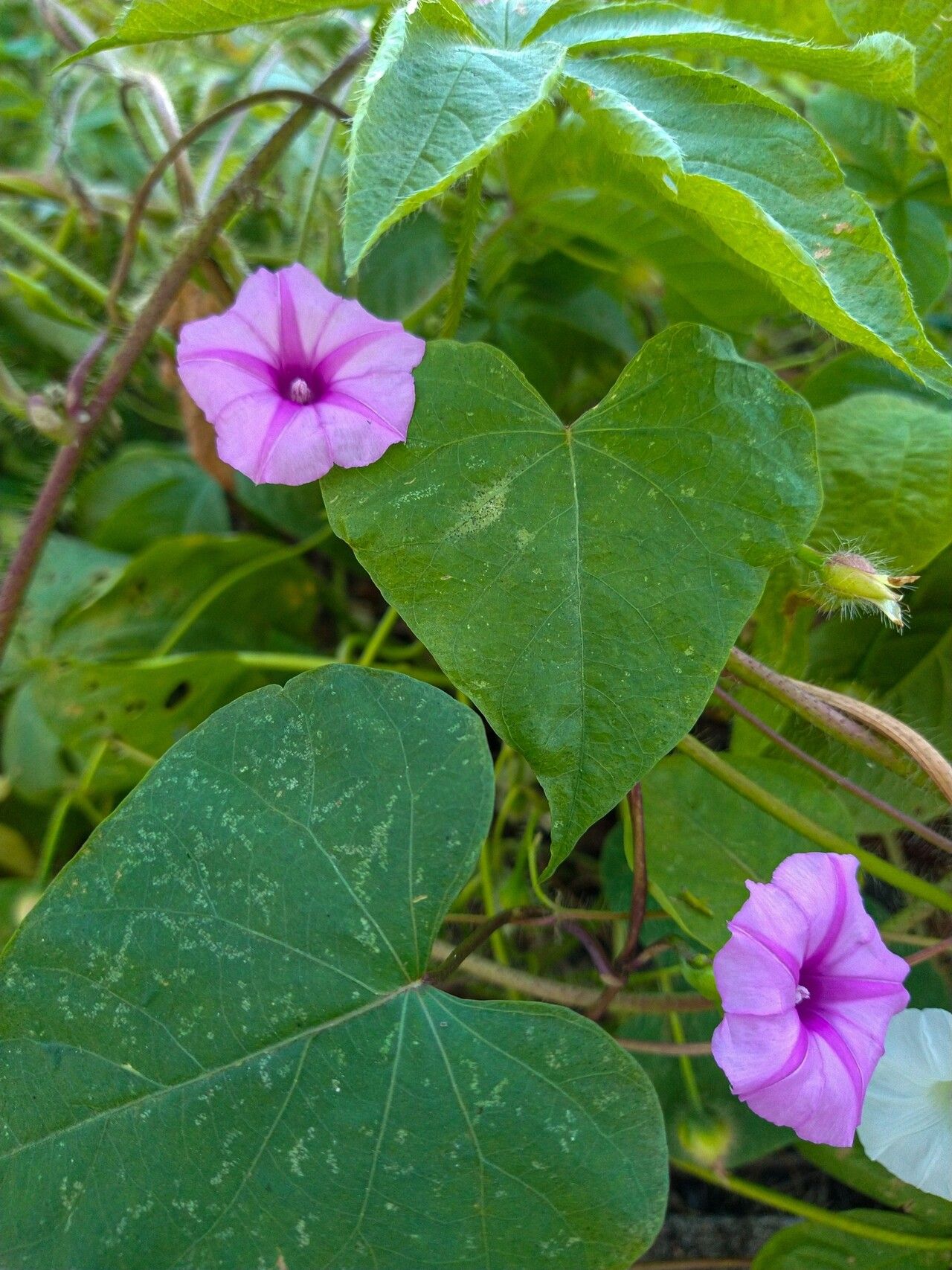
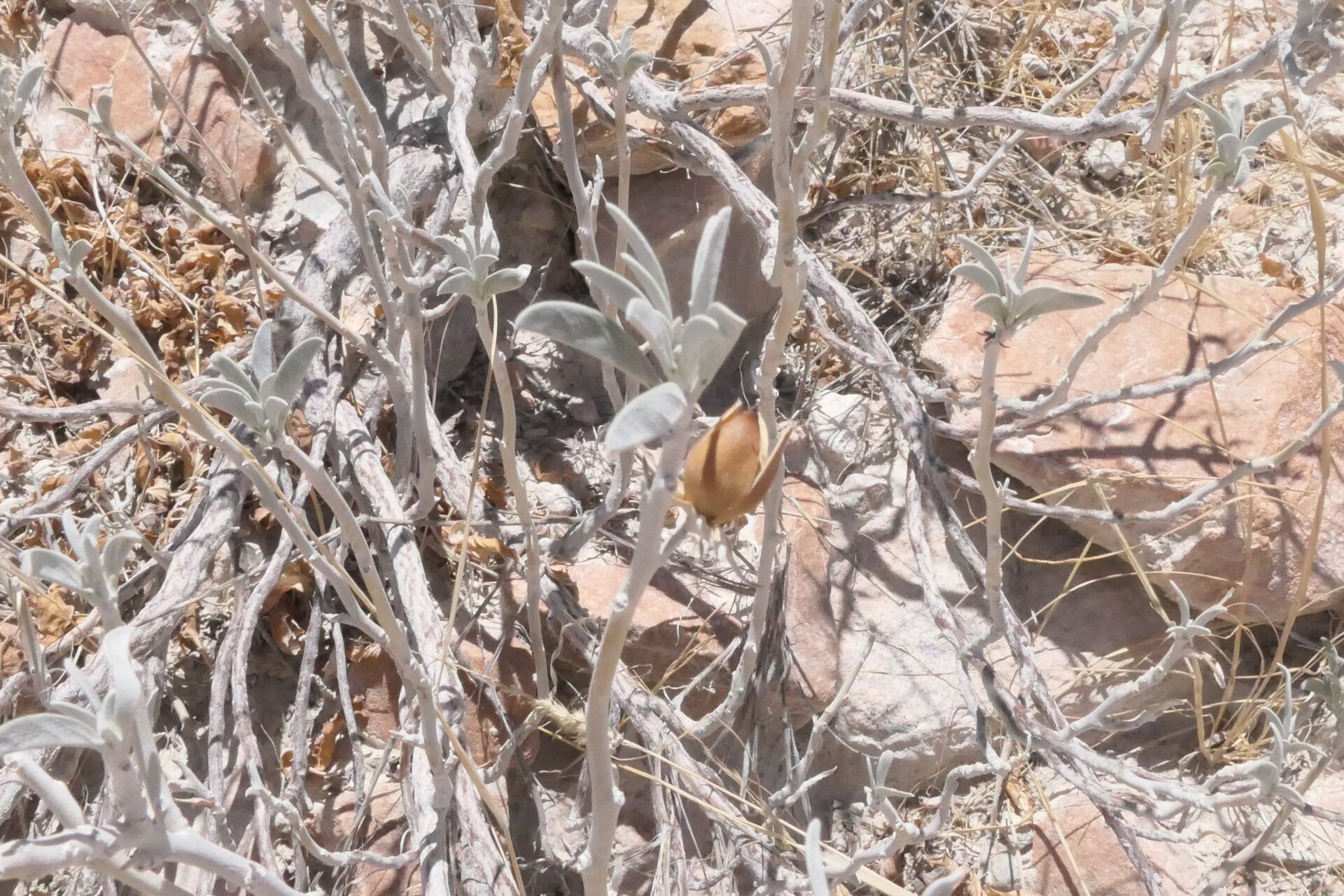
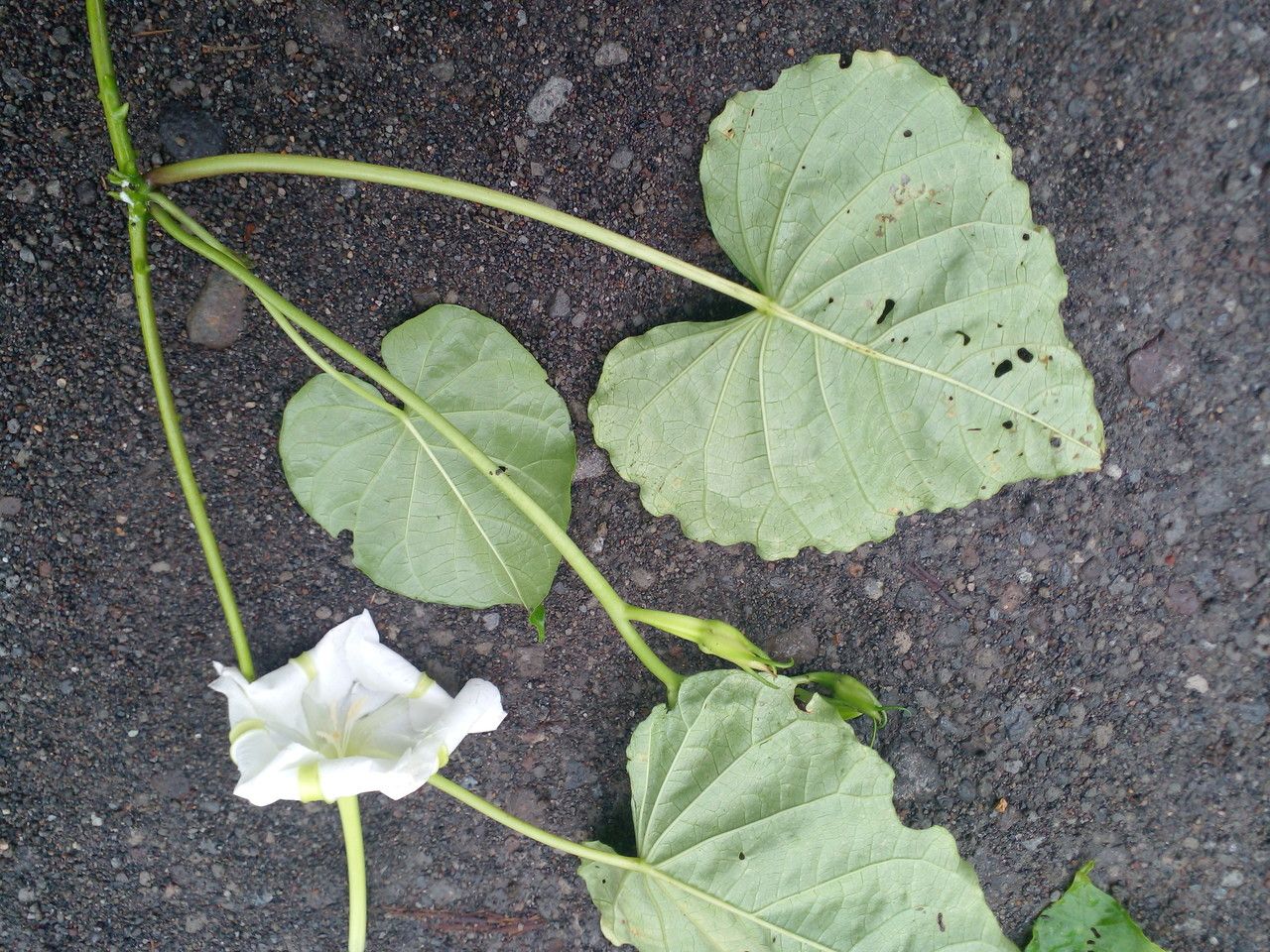
The fig‑leaved morning glory is fairly disease‑resistant and usually not prone to illnesses. Still, it can be affected by pests and diseases present in its surroundings. These problems are generally mild. As for care, the plant needs moderate maintenance. It should be pruned regularly to keep a tidy appearance and support healthy growth. Fertilizing can also help encourage flowering. This plant is suitable for anyone with outdoor space, such as a garden or patio, and does not require extensive care experience. It may need extra attention if grown indoors.
How to keep Ipomoea Ficifolia.
Light
Fig-leaved morning glory is a sun-loving perennial herbaceous plant that originates in open habitats and is frequently found in meadows and grasslands. It prefers full sun but can also tolerate partial sun.
Water
Fig-leaved morning glory grows best in moist soil. To encourage rapid stem and leaf growth, water the plant whenever the surface of the soil feels dry, making sure the water is fully absorbed. During the summer, water the plant once or twice daily, ideally in the morning and late afternoon. Avoid watering at noon to minimize evaporation.
Temperature
Fig-leaved morning glory comes from tropical areas, where the climate is generally warm and humid. Consequently, it is well suited to high temperatures and humidity. It does not tolerate abrupt temperature changes and prefers a steady temperature, so avoiding indoor temperature fluctuations is important. It typically cannot withstand cold and needs warmer conditions to grow. If the temperature falls too low, the plant may stop growing or even die.
Fertilizer
Appropriate fertilization is essential for Fig‑leaved morning glory’s health and appearance. Feed Fig‑leaved morning glory during the summer, repeating the application monthly throughout the season. Nutrients support growth and help maintain the plant’s parts. Fertilizing improves Fig‑leaved morning glory’s flowering display, ensuring the best blooms.
Pruning
The fig-leaved morning glory is known for its attractive foliage and vibrant flowers. To maintain its health and appearance, prune the plant in early spring to remove dead branches and improve air circulation. Additionally, pinching off spent flowers will encourage more blooms. Regular pruning not only promotes healthy growth and maintains the plant's shape but also helps prevent diseases caused by poor air flow.
Botanical profile.
- Plant Type
- Vine, Herb
- Life Cycle
- Perennial
- Genus
- Ipomoea
- Family
- Convolvulaceae
- Hardiness Zone
- 9-11
- Mature Height
- 3.05 m to 6.1 m
- Mature Spread
- 2.13 m to 3.96 m
- Leaf Color
- Dark Green, Forest Green
- Leaf Type
- Deciduous
- Flower Color
- Purple, Lavender
- Flower Size
- 7.62 cm to 11.43 cm
- Bloom Time
- Summer, Early fall, Mid fall
- Planting Time
- Spring, Summer, Autumn
- Harvest Time
- Fall
- Native Area
- Somalia, Mozambique, South Africa, Eswatini, Ethiopia, Kenya, Tanzania
Other names.
Reader questions.
What are the sunlight requirements for Fig-leaved morning glory (Ipomoea ficifolia)?
Fig-leaved morning glory (Ipomoea ficifolia) flourishes in different sunlight conditions. For full sun exposure, ensure it receives above 6 hours of sunlight daily. In cases of partial sun, about 3-6 hours of sunlight is ideal. It's important to observe how sunlight moves through your garden over the day. Select locations that provide a harmonious balance of light and shade, as this is crucial for the plant's health and happiness.