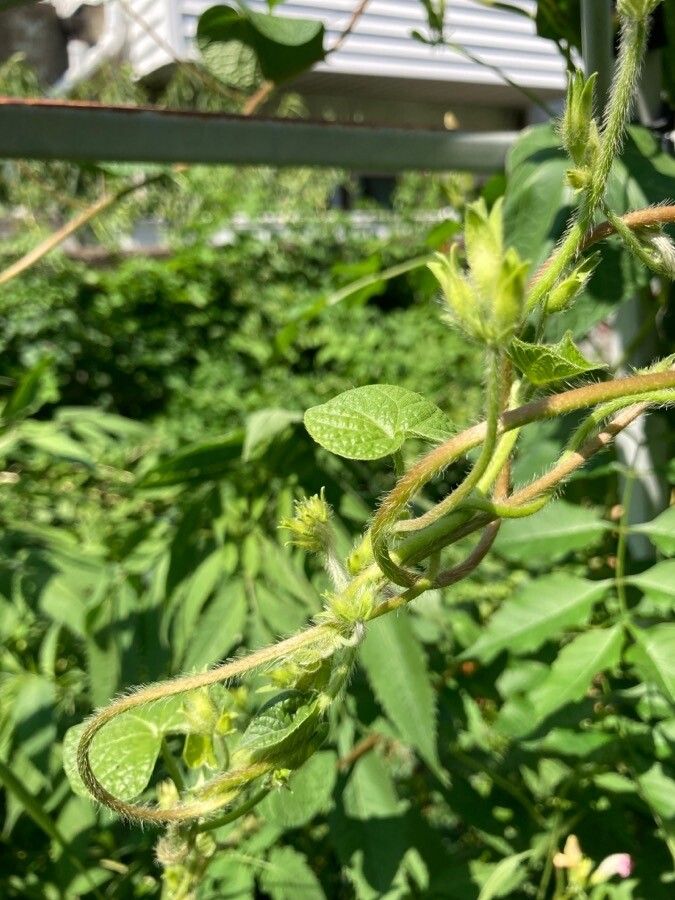
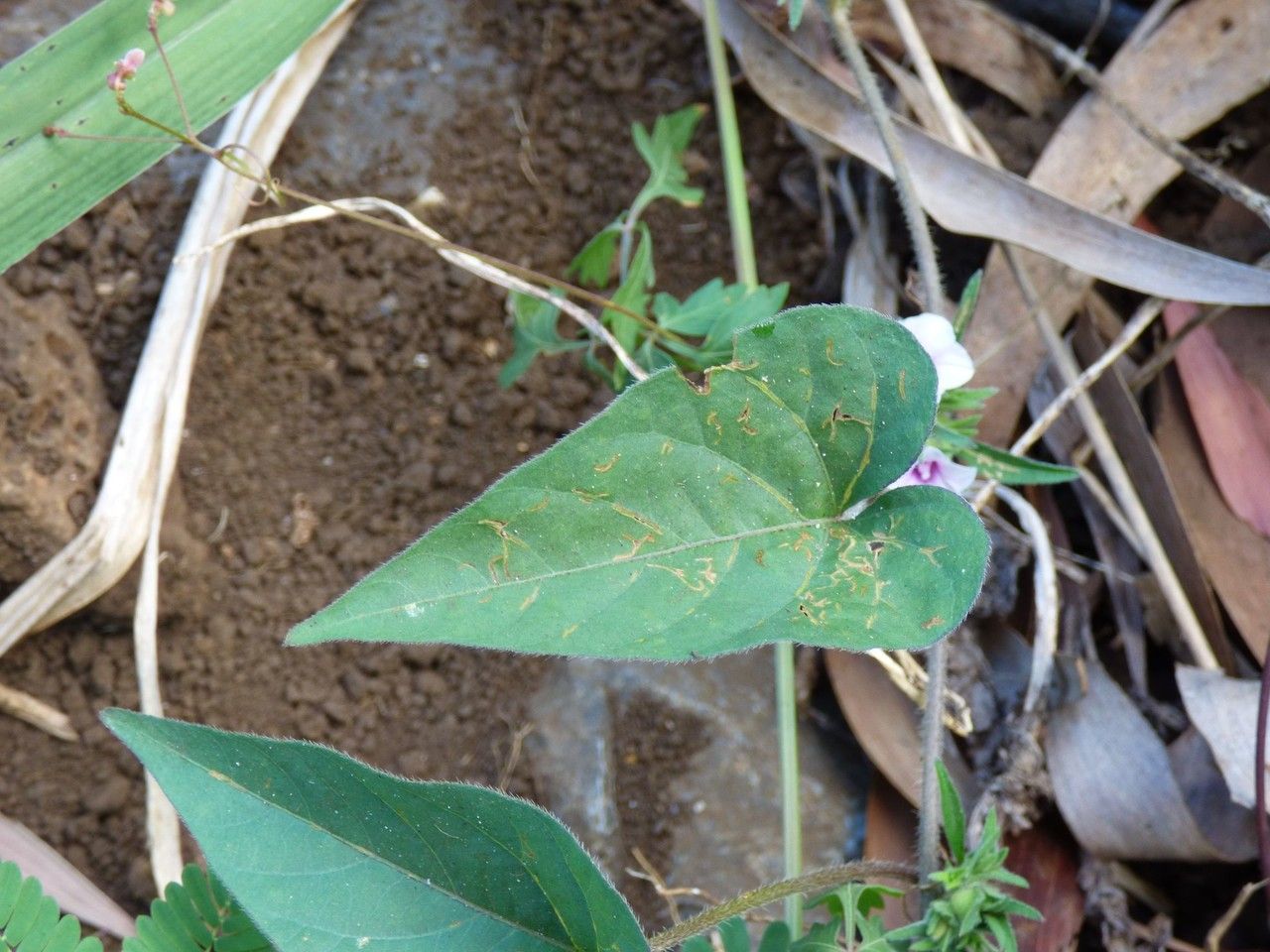
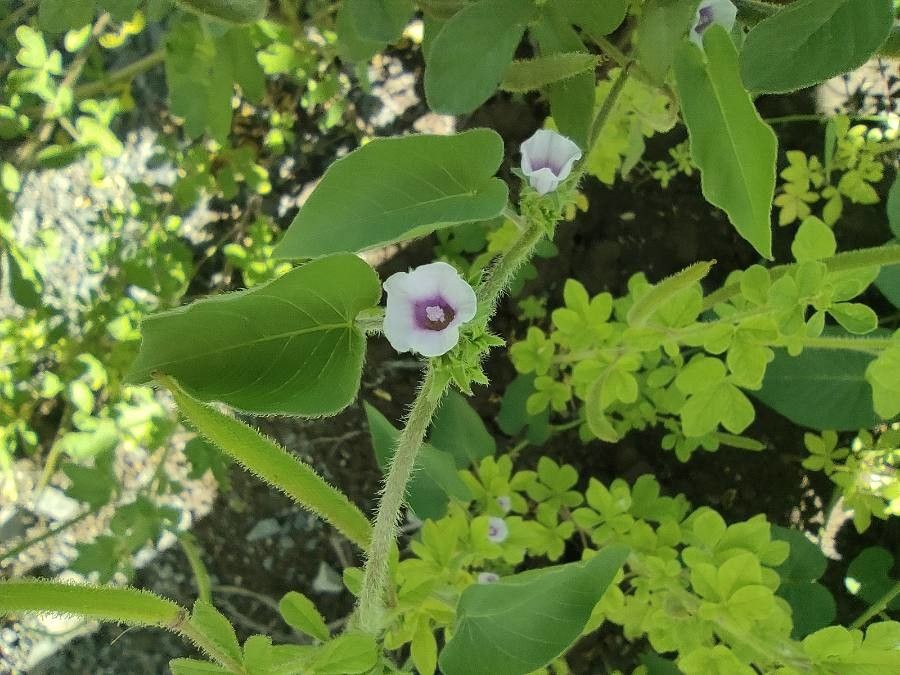
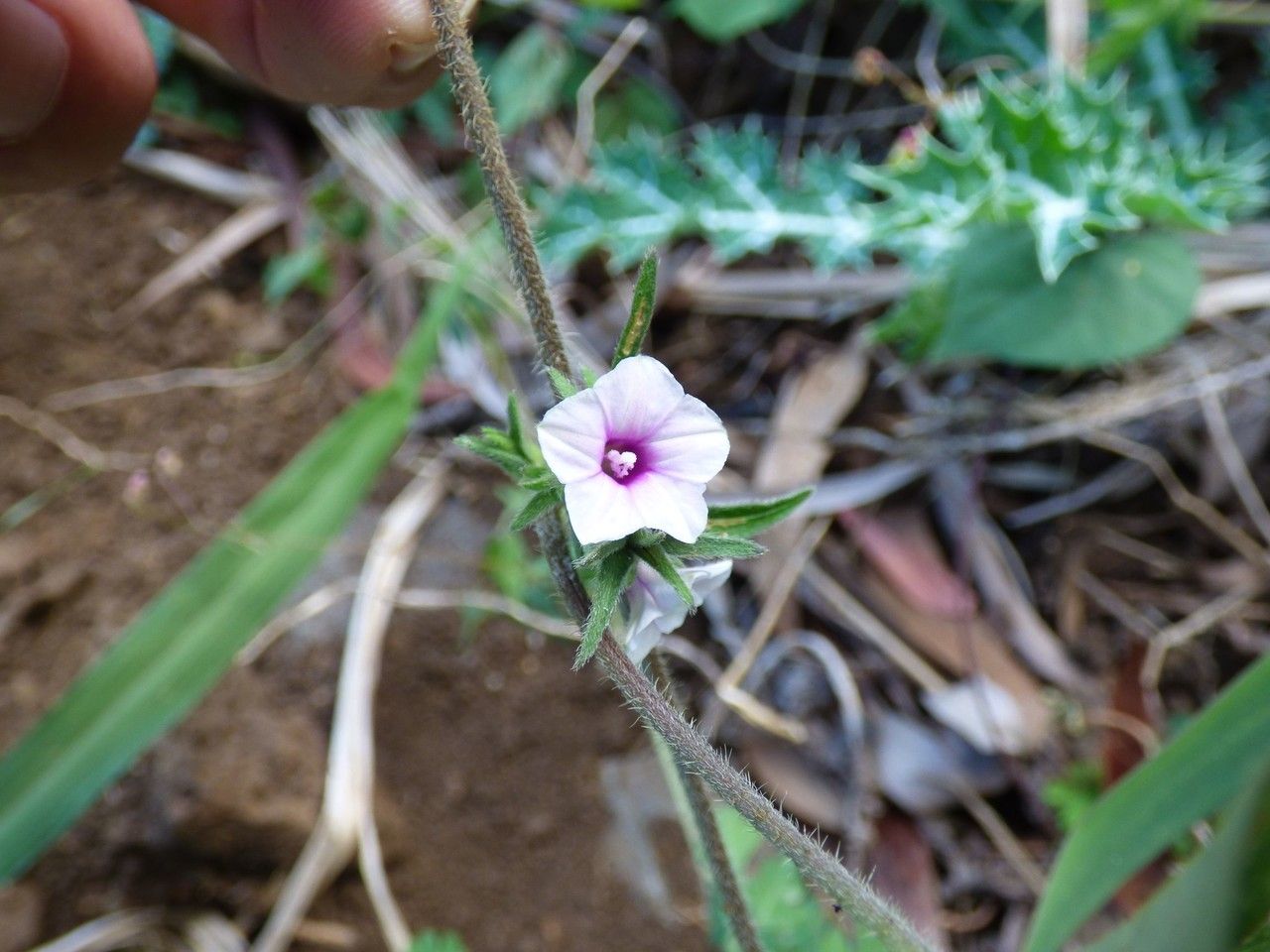
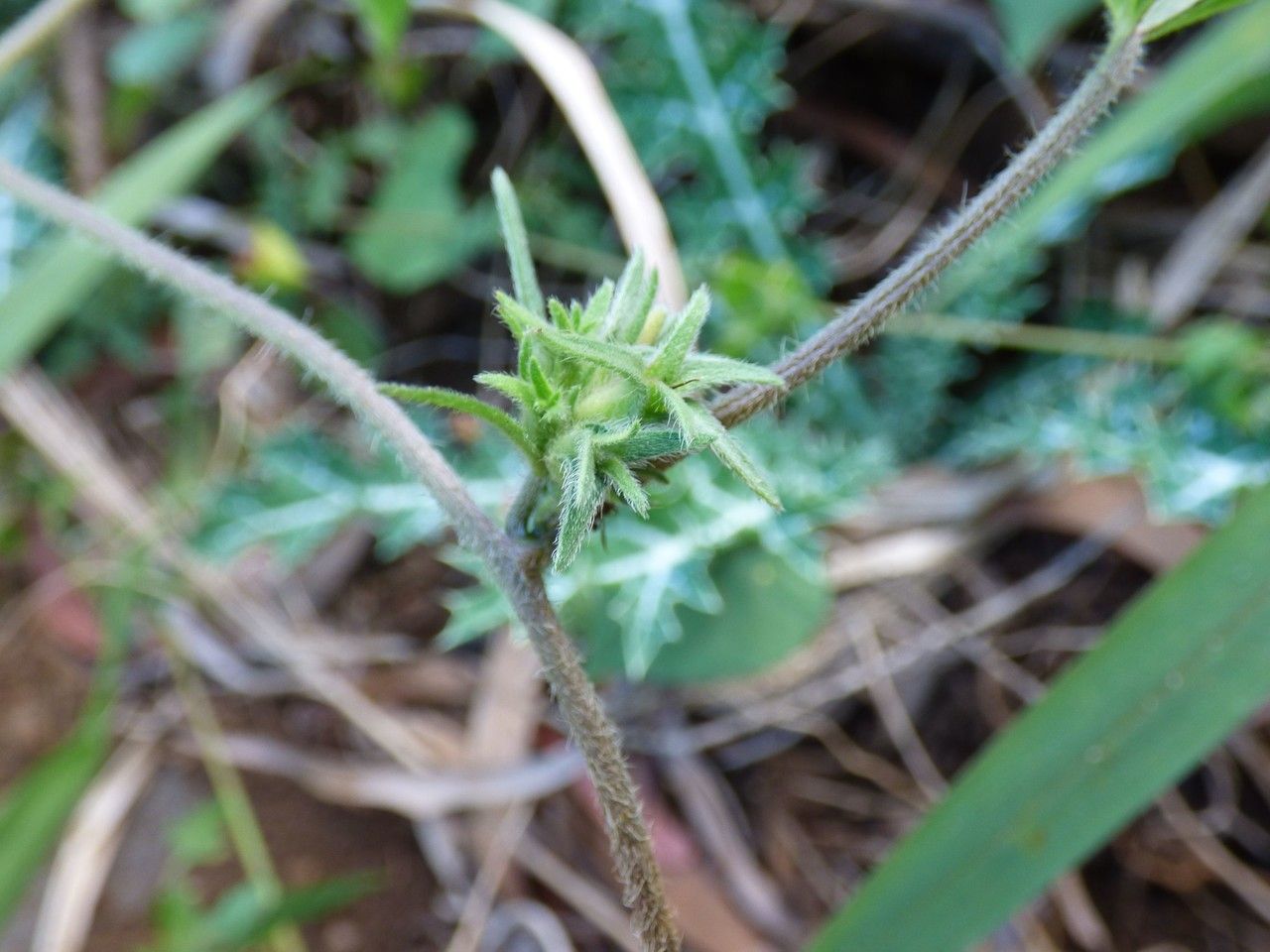
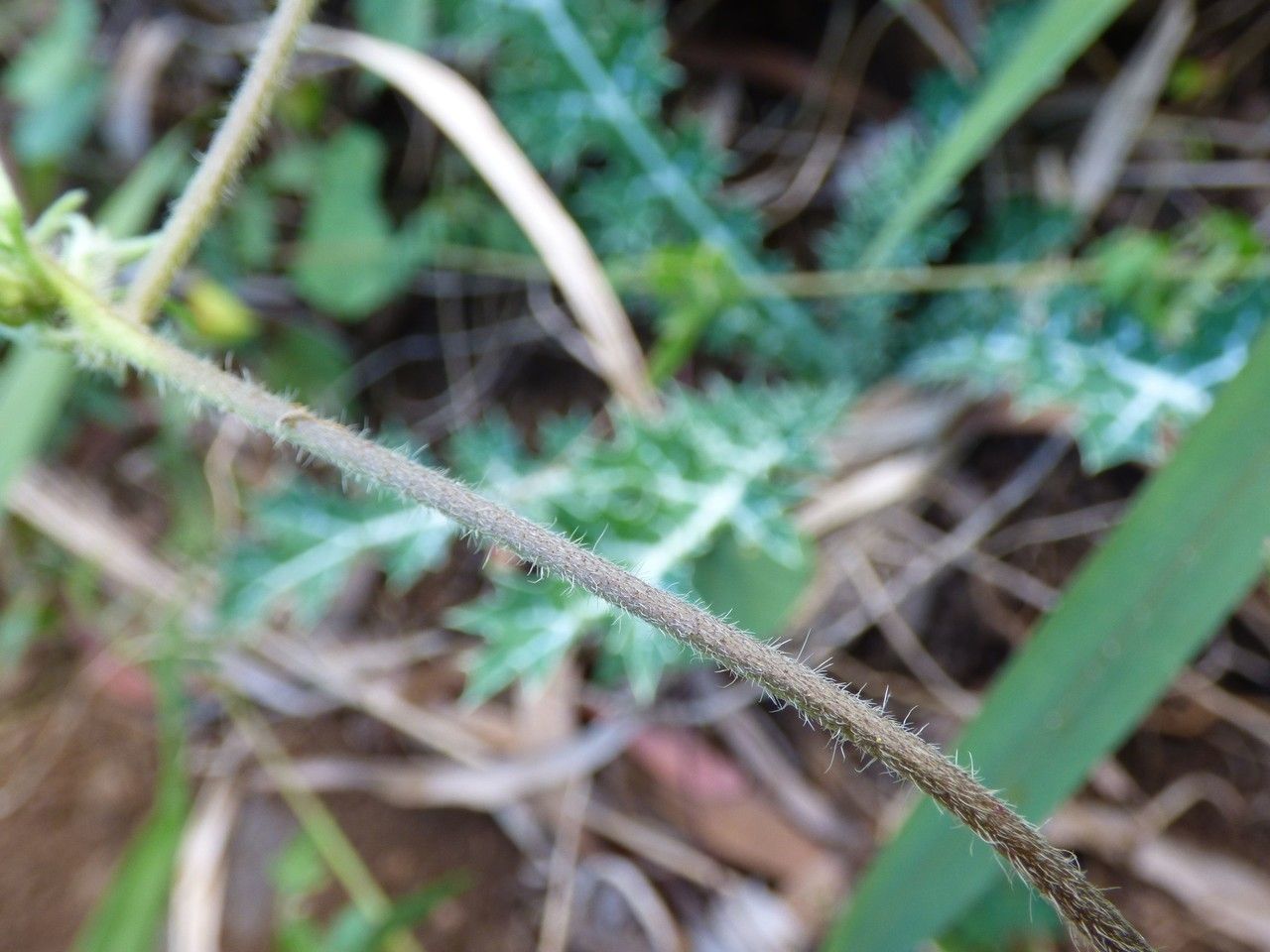
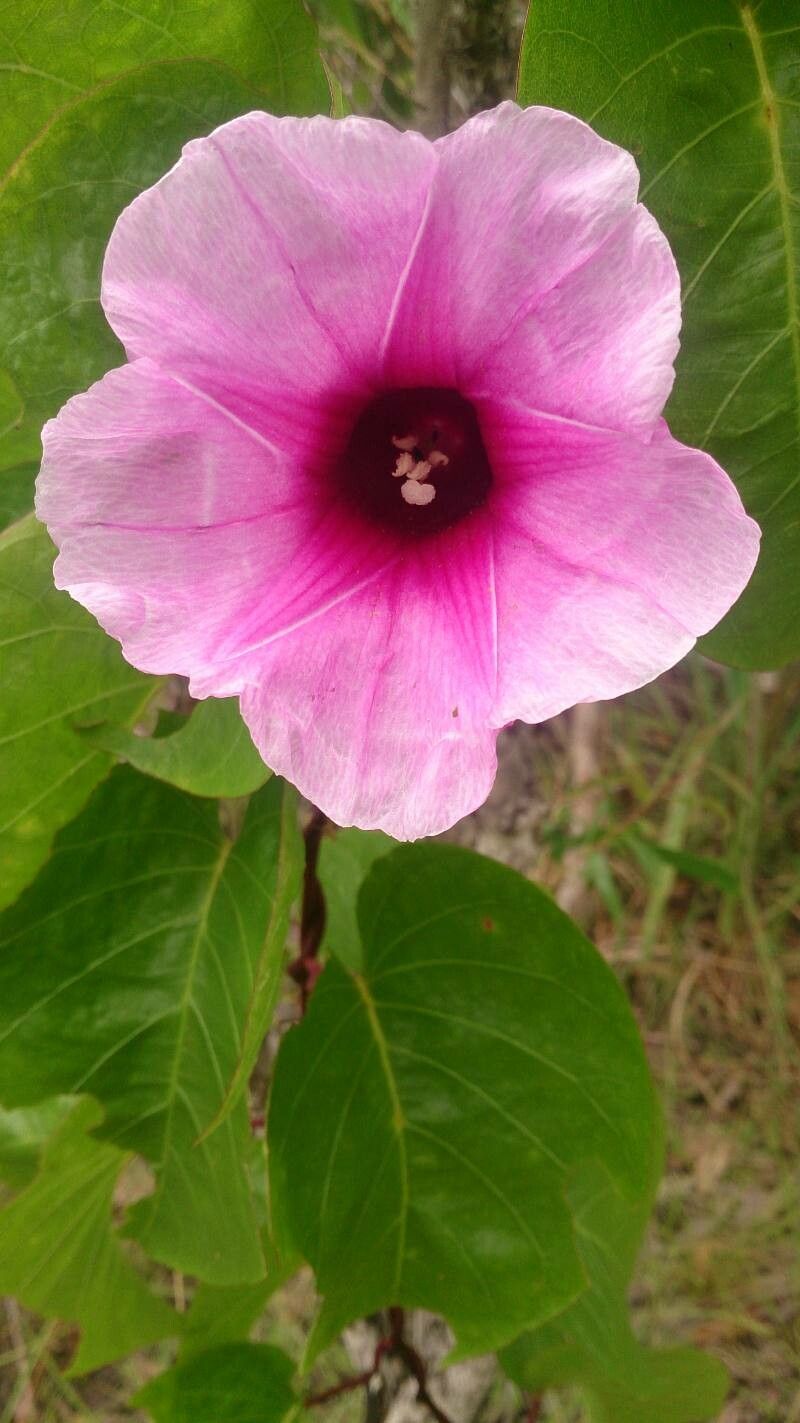
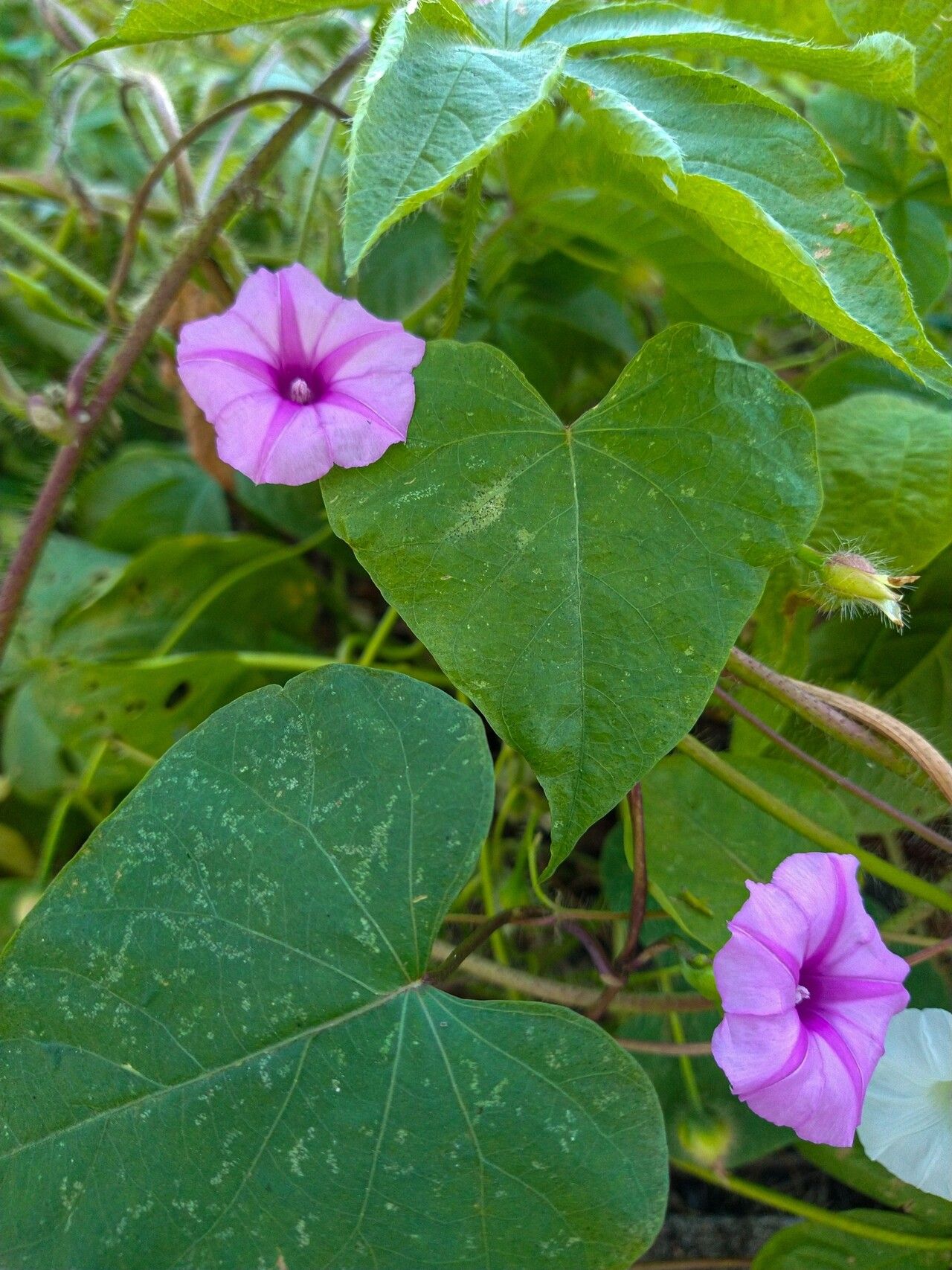
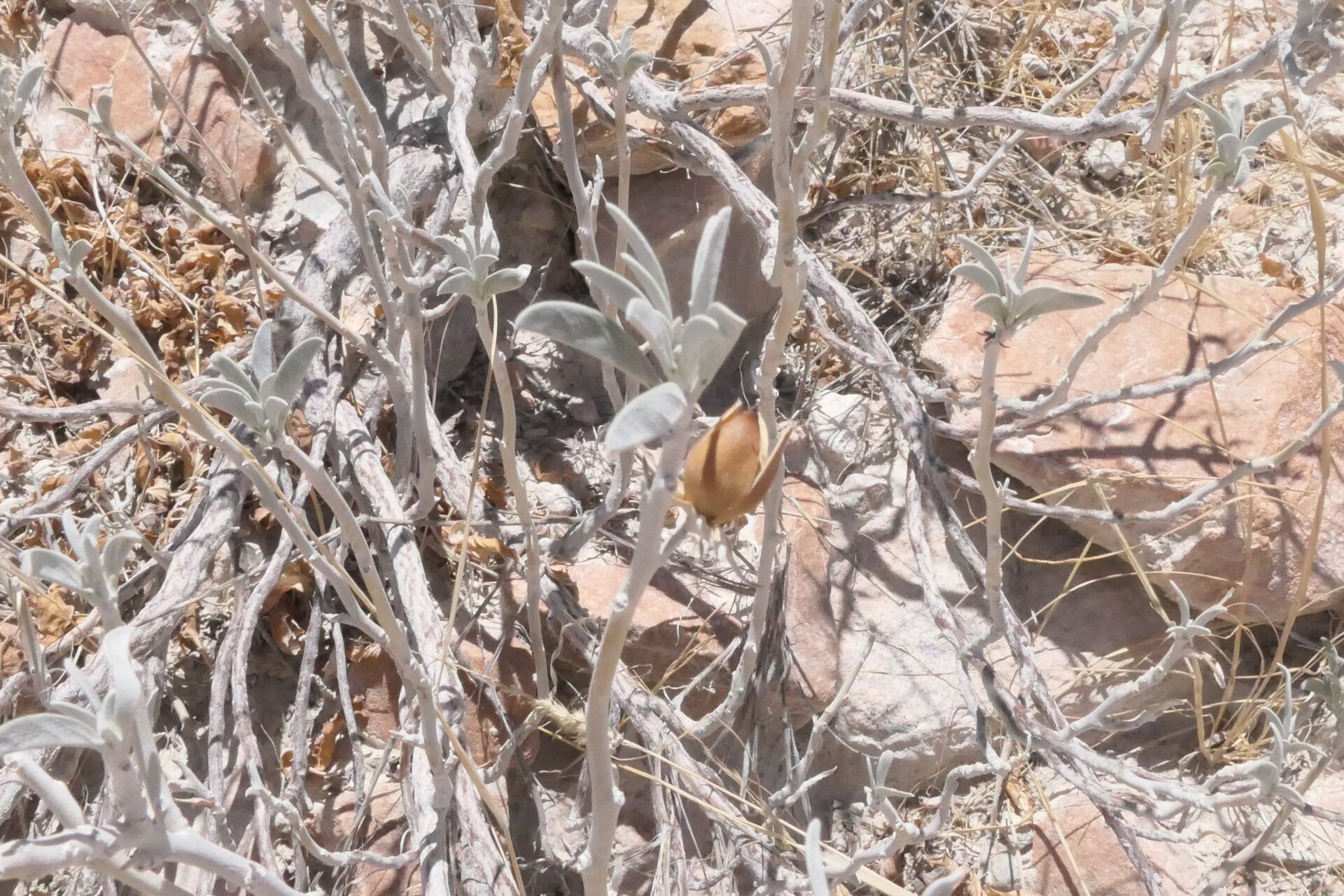
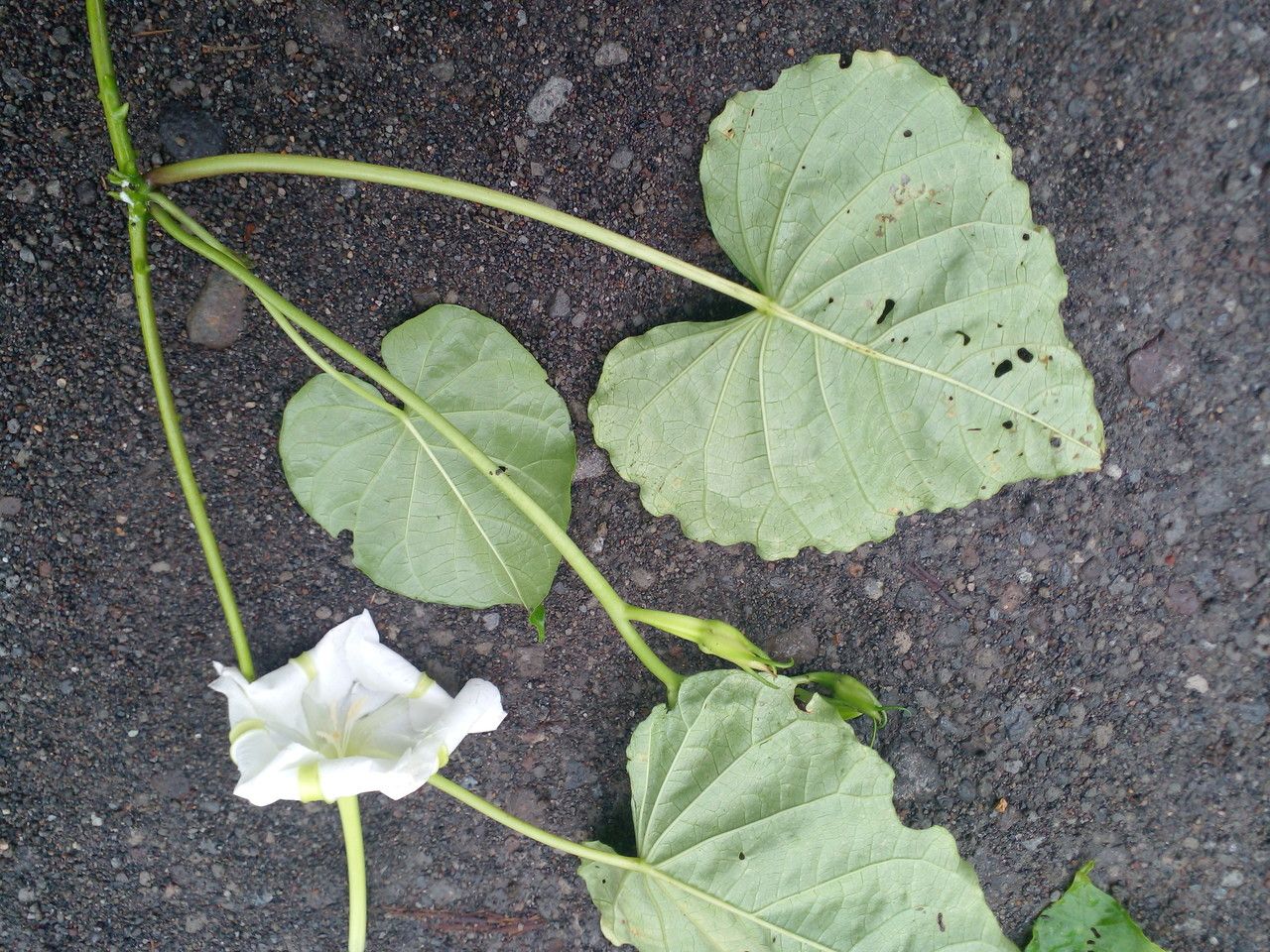
Wild morning glory has strong disease resistance and is usually not susceptible to illnesses. As for care, this plant is fairly low-maintenance. When grown outdoors it needs only light watering, and larger specimens generally do not require pruning. Smaller plants, however, should be pruned after they finish blooming. Wild morning glory is suitable for anyone who has an outdoor area, such as a garden or a deck, and does not demand much experience in plant care.
How to keep Ipomoea Eriocarpa.
Light
Wild morning glory comes from open habitats, like sunny meadows and forest edges, that supply plenty of light. It thrives in Full Sun but can also tolerate Partial Sun, adapting well to a range of sunlight conditions.
Water
Wild morning glory flourishes in tropical environments, where consistent moisture and high humidity are essential. To mimic its natural habitat, it's best to water it twice a week. Although it can withstand short periods of drought, outdoor cultivation allows it to take full advantage of natural rainfall during its active growing season.
Temperature
Wild morning glory is native to areas where temperatures generally range from 68 to 100.4 °F (20 to 38 ℃). Optimal growth occurs within this temperature range. If outdoor temperatures fall outside these limits, consider adjusting indoor climate controls to mimic wild morning glory's preferred conditions.
Pruning
Wild morning glory is characterized by its twining stems and trumpet-shaped flowers. Regular pruning in early spring encourages growth and enhances flowering by removing weak stems and reducing overcrowding, which improves air circulation. This process also reduces the risk of disease by increasing light exposure. Be sure to use clean, sharp tools to ensure effective pruning.
Botanical profile.
- Plant Type
- Vine
- Life Cycle
- Annual
- Genus
- Ipomoea
- Family
- Convolvulaceae
- Hardiness Zone
- 10-12
- Mature Height
- 0.91 m to 3.05 m
- Mature Spread
- 49 cm to 91 cm
- Leaf Color
- Green, Dark Green
- Leaf Type
- Semi-evergreen
- Flower Color
- Pink, White
- Flower Size
- 2.03 cm to 3.05 cm
- Bloom Time
- Summer, Early fall, Mid fall
- Planting Time
- Spring, Summer
- Harvest Time
- Late summer, Fall, Early winter
- Native Area
- Sri Lanka, Burkina Faso, Egypt, India, Malaysia, Madagascar, Pakistan, Nigeria, Yemen, Kenya, Uganda, Tanzania, Zimbabwe, Guinea-Bissau, Mali, Benin, Sierra Leone, Indonesia, Cambodia, Cameroon, Mozambique, Oman, Ghana, Ethiopia, Botswana, Central African Republic, Nepal, Saudi Arabia, Malawi, Tajikistan, South Africa, Zambia, Sudan, Philippines, Mauritania, Laos, Guinea, Chad, China, Vietnam, Myanmar, Togo, Bhutan, Senegal, Côte d'Ivoire, Gambia
Other names.
Reader questions.
What are the sunlight requirements for wild morning glory?
Wild morning glory, botanically known as Ipomoea eriocarpa, thrives in different sunlight conditions. For full sun exposure, it requires more than 6 hours of sunlight daily, making it ideal for places in your garden that receive ample sunlight throughout the day. Partial sun conditions, characterized by about 3-6 hours of sunlight daily, are also suitable for this plant. It's important to observe how sunlight moves through your garden to choose the best spots for your wild morning glory, ensuring they receive the correct balance of light and shade for optimum growth. This careful observation can indeed make a significant difference in ensuring the happiness and health of your plants.
What is the ideal temperature range for growing wild morning glory?
Wild morning glory thrives best in temperatures that range from 68°F to 100.4°F (20°C to 38°C). To ensure optimal growth, it's important to maintain this temperature range. If you're growing wild morning glory in an area where the outside temperature does not fall within this range, you might need to use indoor climate controls to create the ideal conditions for the plant.