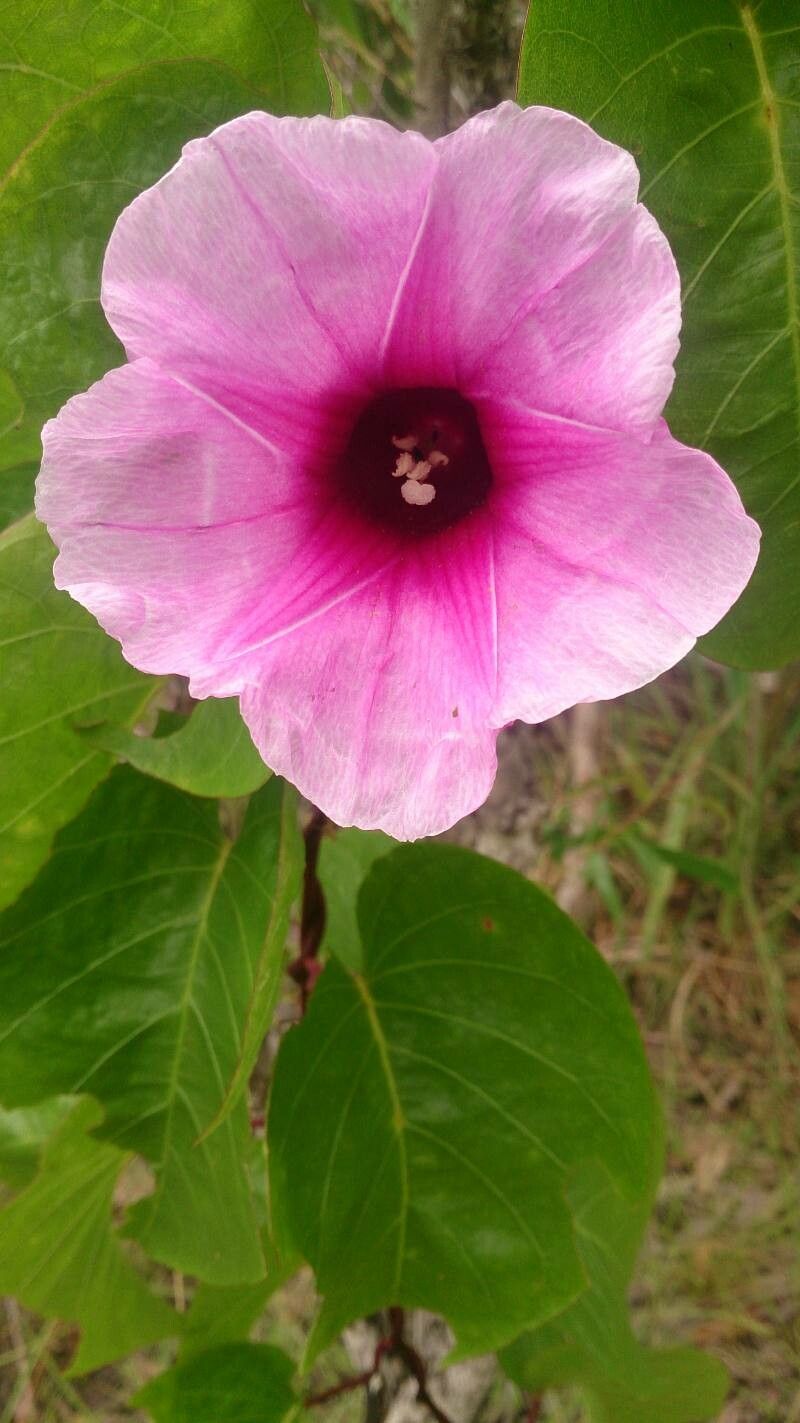
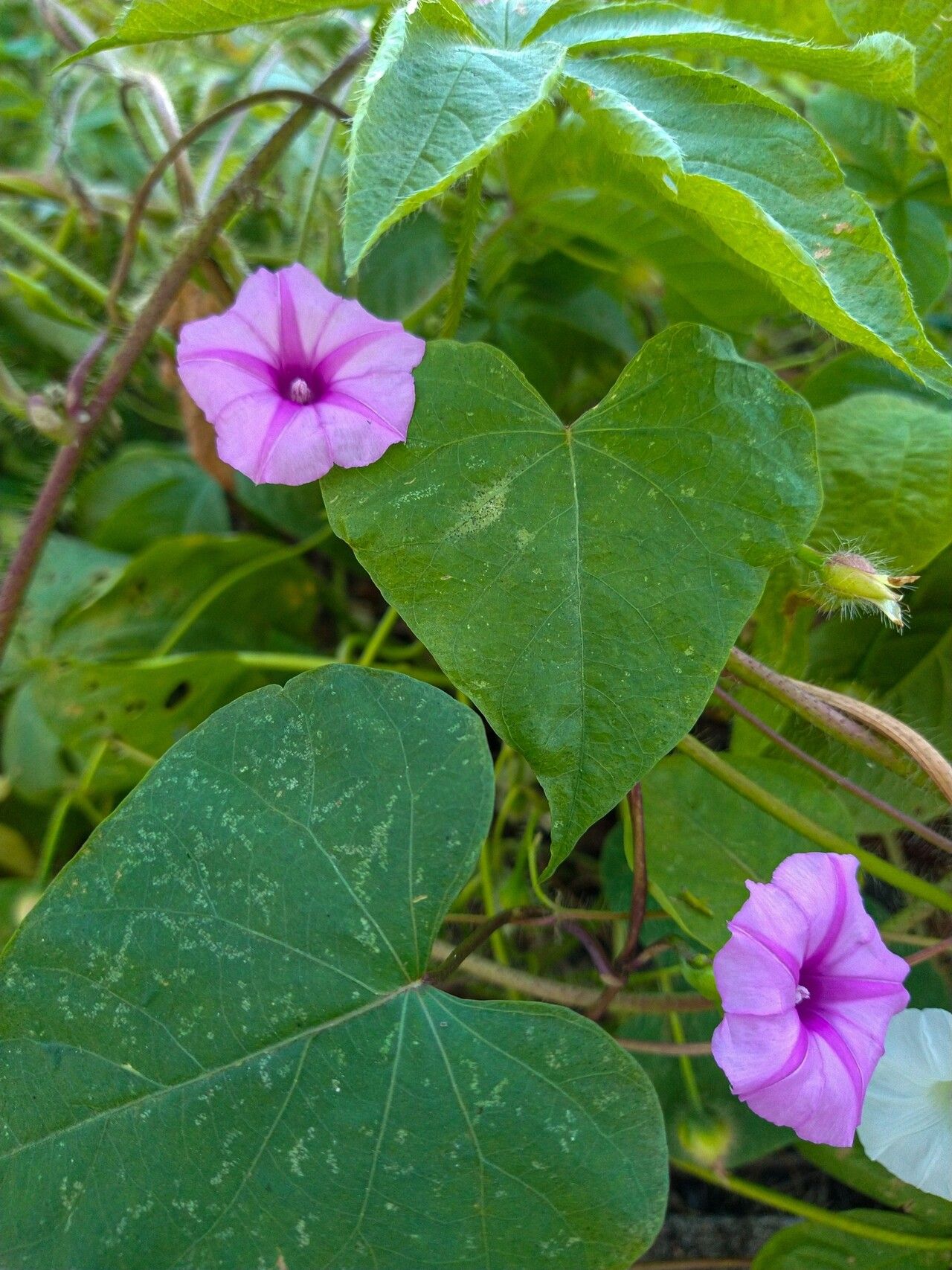
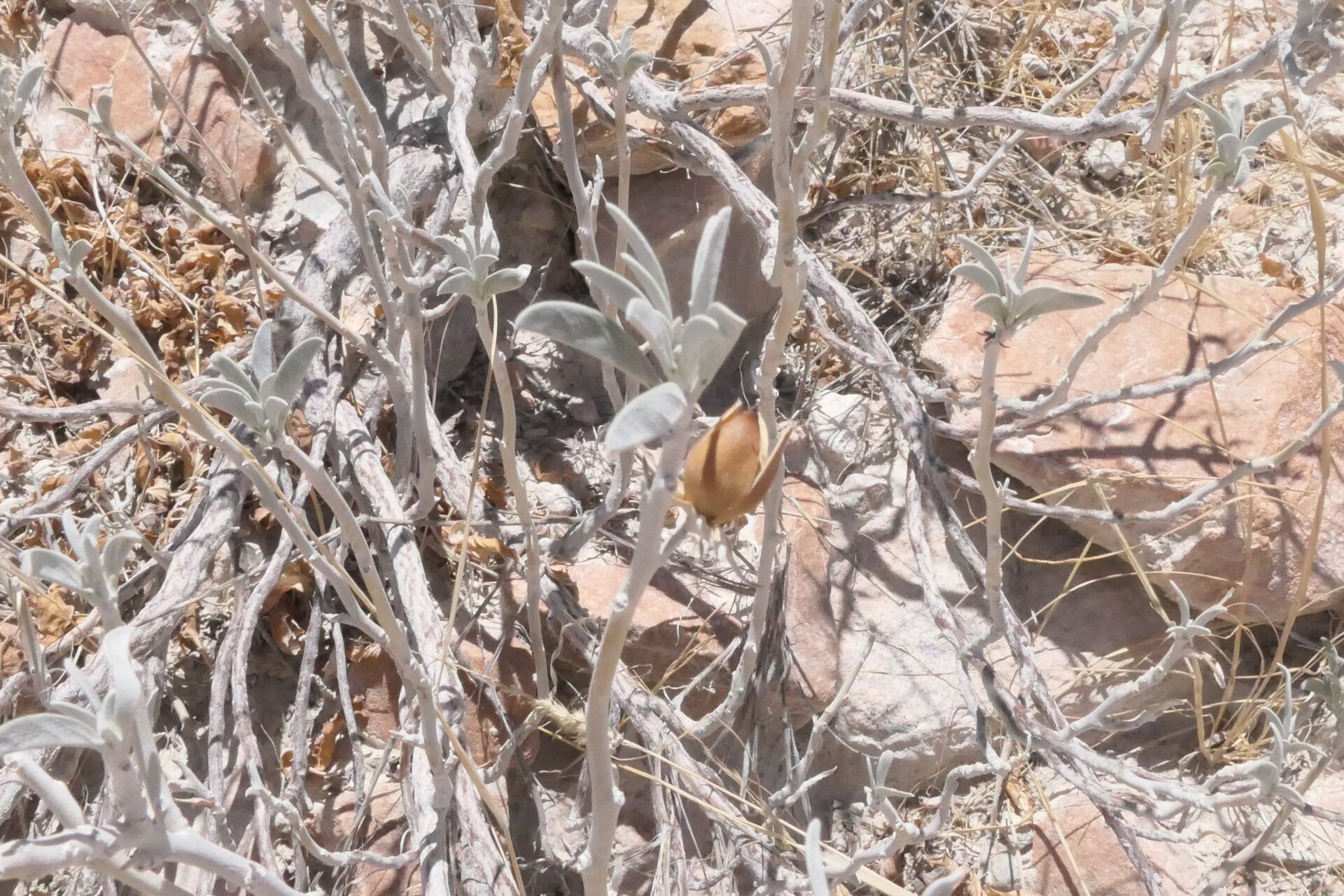
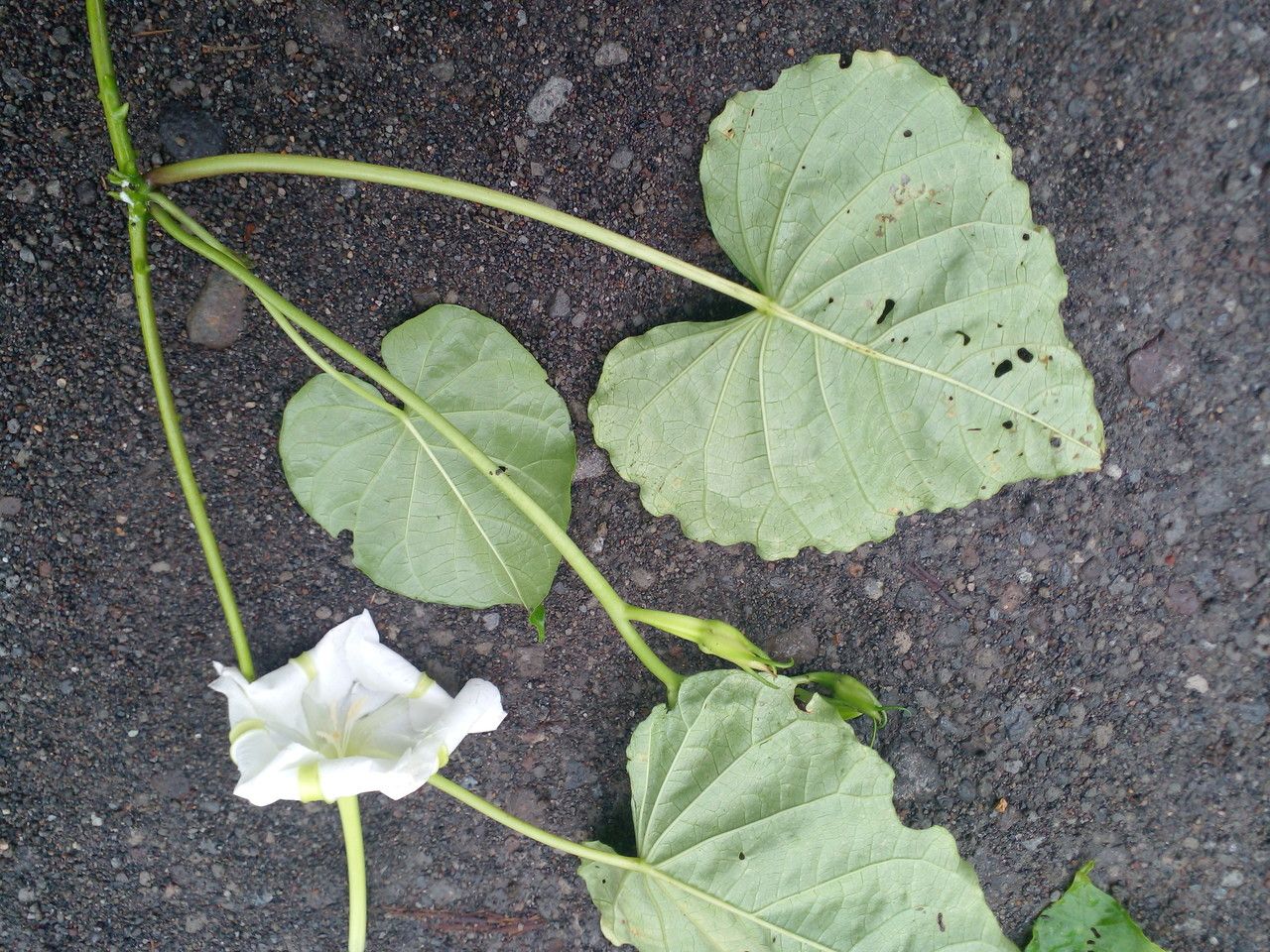
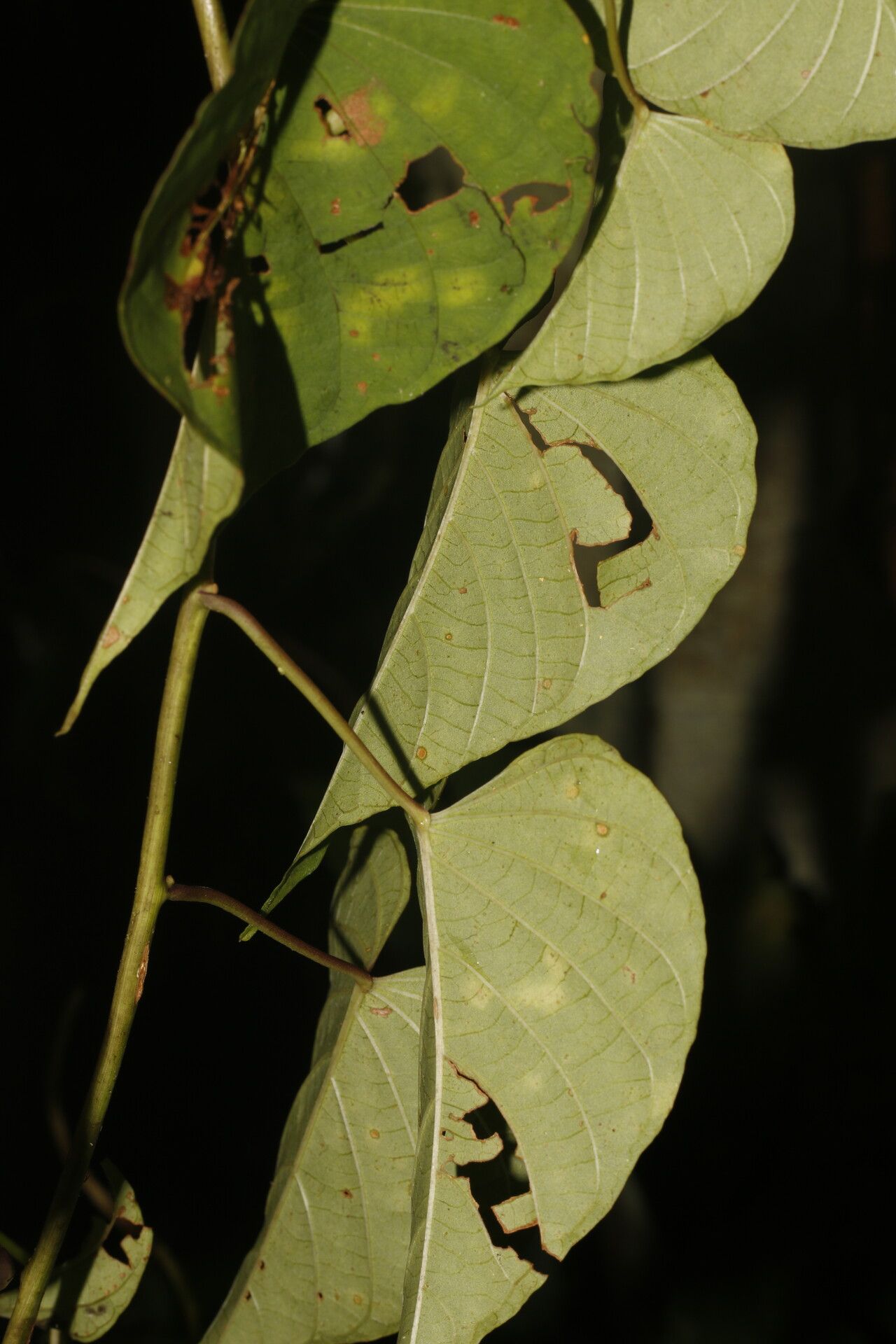
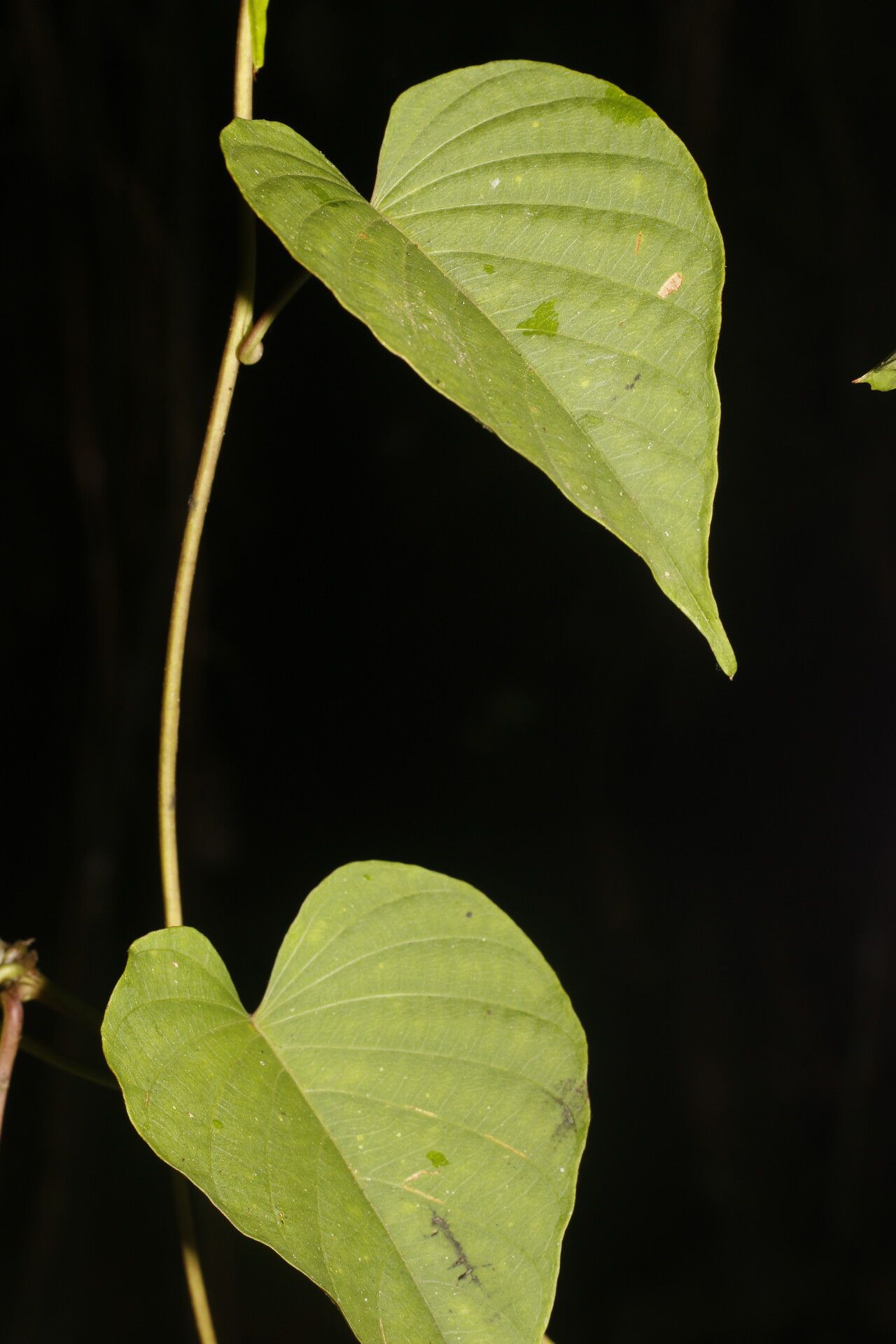
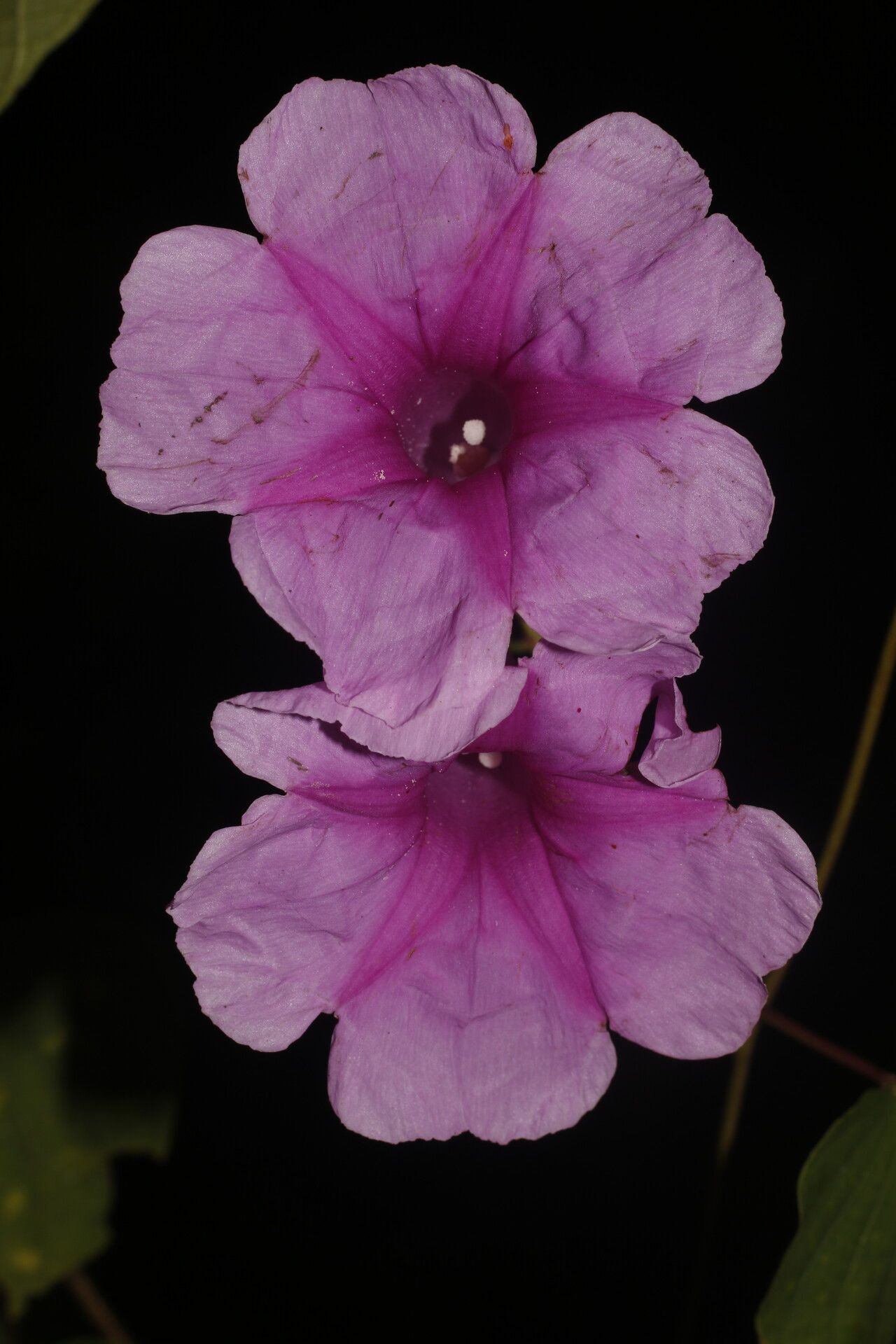
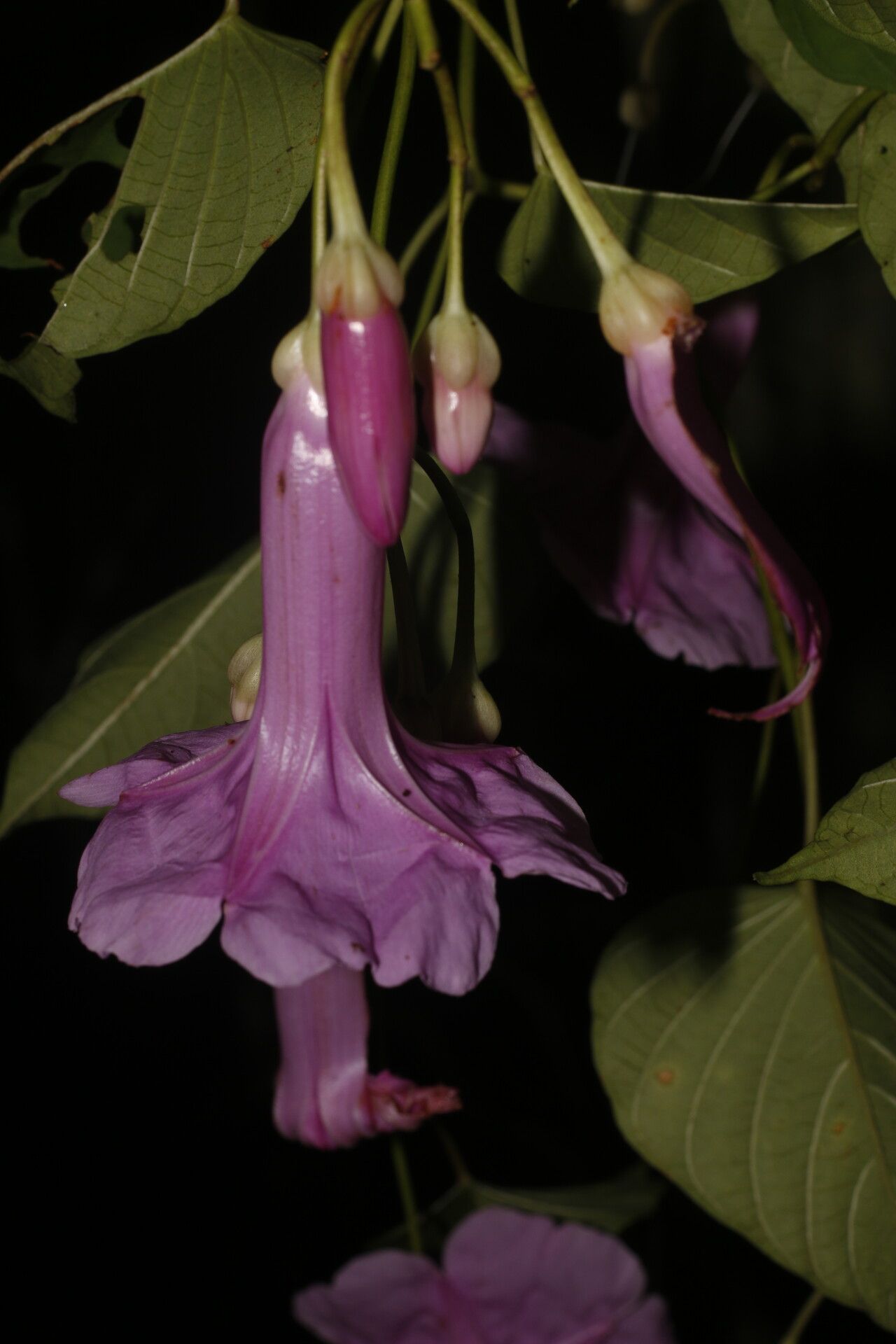
Ipomoea batatoides is a species of flowering plant in the family Convolvulaceae.This species is found in sub-deciduous tropical forest, from about 100 to 200 meters above sea level. It blooms from August to November.The species is native to Belize, Bolivia, Brazil, Colombia, Costa Rica, Ecuador, El Salvador, French Guiana, Guatemala, Guyana, Honduras, Mexico, Nicaragua, Panamá, Peru, Suriname, and Venezuela.
Scammony root displays good resistance to disease and is generally not prone to illnesses. Still, it can be affected by pests and diseases present in its surroundings. These problems are usually mild. In terms of care, the plant requires a moderate level of maintenance. It should be pruned regularly to keep a tidy appearance and support healthy growth. Fertilizing can also encourage flowering. Scammony root is well suited for anyone with outdoor space, such as a garden or patio, and does not demand extensive plant-care experience. It may need more attention when grown indoors.
How to keep Ipomoea Batatoides.
Light
The scammony root plant is a perennial herb that naturally grows in open environments, typically flourishing in grasslands and meadows. While it prefers full sun exposure, it can also manage in areas with partial sun.
Temperature
The root of Scammony is native to tropical areas, characterized by warmth and humidity. Consequently, it has adapted well to high heat and moist conditions. It doesn't respond well to abrupt changes in temperature, preferring a consistent temperature setting, which is why it’s crucial to maintain stable indoor temperatures. The plant typically struggles with low temperatures and needs a warmer environment to thrive. If the surrounding temperature falls excessively, the plant could potentially stop growing or even perish.
Fertilizer
The root of Scammony need the most nutrients while it's actively growing, mainly during spring, summer, and early autumn. Nutrient supplementation is required to compensate for any potential nutrient deficiencies in the soil, fostering the development of robust roots and stems, along with appealing leafage. The latter being an essential characteristic of this specific plant.
Botanical profile.
- Plant Type
- Herb, Vine
- Life Cycle
- Perennial
- Genus
- Ipomoea
- Family
- Convolvulaceae
- Hardiness Zone
- 9-11
- Mature Height
- 3.05 m to 6.1 m
- Mature Spread
- 2.13 m to 3.96 m
- Leaf Color
- Green, Dark Green
- Leaf Type
- Semi-evergreen
- Flower Color
- Purple, Lavender
- Flower Size
- 6.35 cm to 7.62 cm
- Bloom Time
- Summer, Early fall, Mid fall
- Planting Time
- Spring, Summer
- Harvest Time
- Late summer, Fall, Early winter

.jpg)