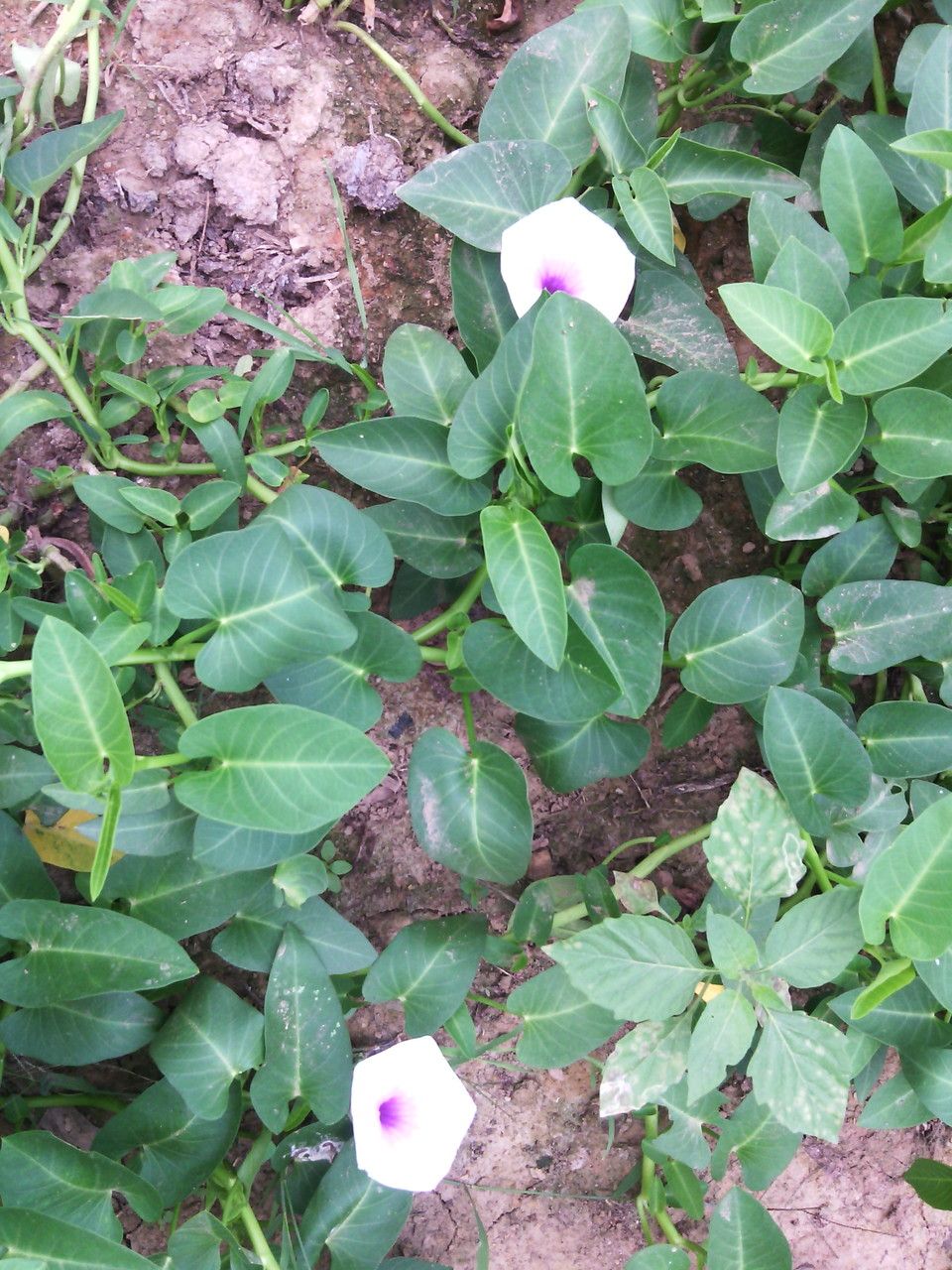
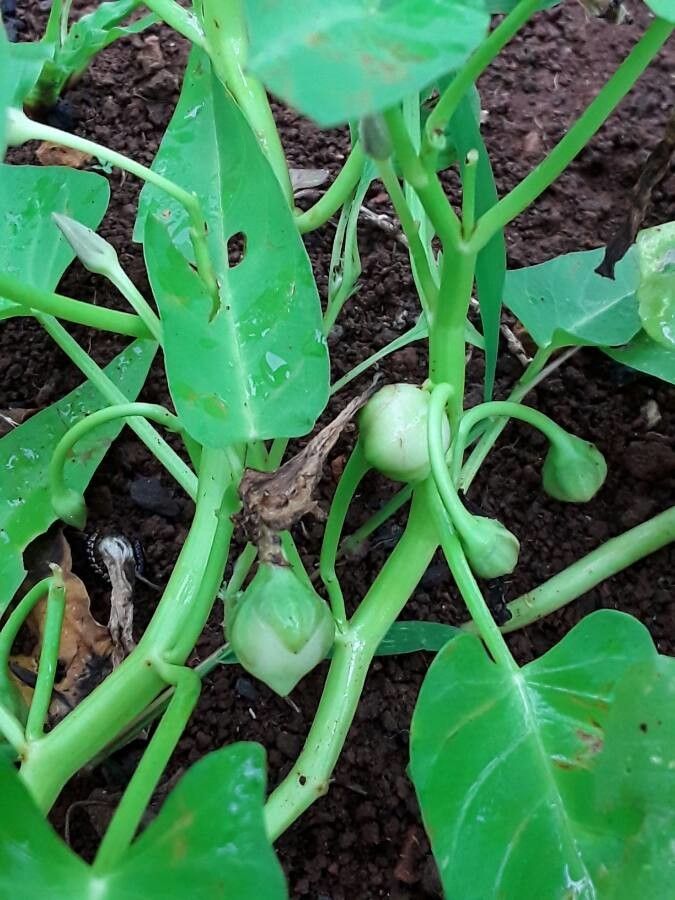
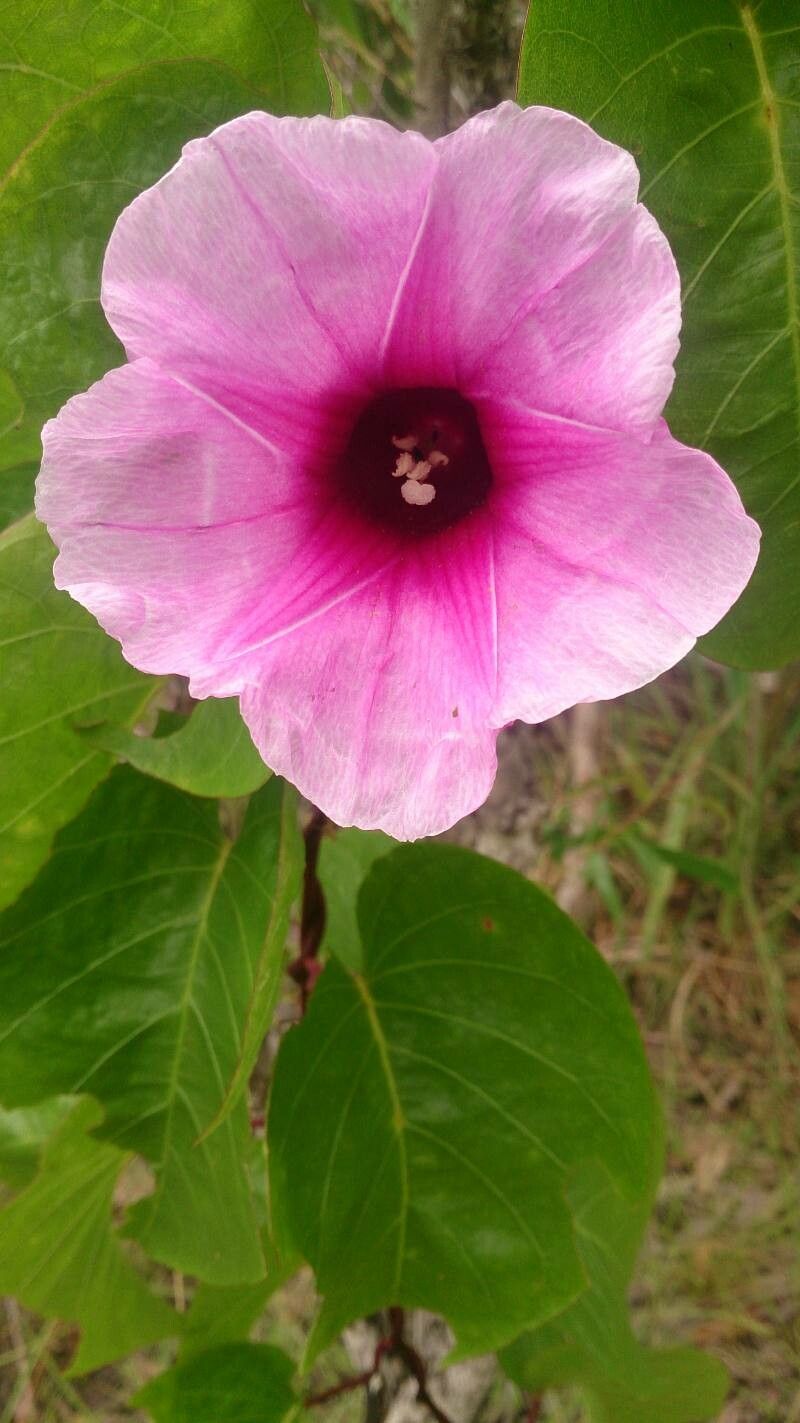
Ipomoea aquatica, commonly known as water spinach or kangkong, is a semi-aquatic plant that belongs to the morning glory family. Native to Southeast Asia, this plant is widely cultivated in tropical and subtropical regions for its edible leaves and stems. It features long, slender stems that can grow up to 3 meters in length, and its leaves are heart-shaped or arrow-shaped. The plant produces small flowers that are either white or pink.
Water spinach thrives in warm temperatures with plenty of sunlight and water. It can be cultivated either on land or partially submerged in water, making it a popular choice for aquaponics systems.
For centuries, this plant has been used as a medicinal herb due to its high nutritional value. It contains vitamins A, C, and E, as well as minerals such as iron and calcium, making it an excellent source of nutrition.
In Asian cuisine, water spinach is commonly stir-fried with garlic or chili peppers, often paired with other vegetables like mushrooms or tofu. Its mild flavor makes it an excellent addition to soups, stews, curries, and salads.
Despite its nutritional value and popularity among food enthusiasts worldwide, the cultivation of water spinach has been banned in some countries. Concerns have been raised over its potential to become an invasive species and cause ecological damage if not managed properly.
Water spinach has moderate resistance to disease but can be prone to illnesses such as leaf spot. Its susceptibility to insect pests varies with the variety, though most varieties have low pest resistance. For care, water spinach needs consistent watering and fertilizing, and frequent removal of yellowing leaves. It is important to address pests and diseases as they appear and to harvest the plant promptly. Water spinach is suitable for people who can commit some time and effort to regular care.
How to keep Ipomoea Aquatica.
Light
Water spinach thrives in an area that receives ample sunlight for the majority of the day, a necessity that is based on its native environment where it is subject to extensive light. However, it's capable of surviving without sunlight, although that may impact its overall well-being. Too much or too little light can result in restricted growth and changes in leaf color.
Water
Water spinach thrives in tropical wetlands, where high humidity and abundant moisture are essential. To maintain optimal hydration, water it twice a week. During its growing season, this herbaceous plant requires consistently moist soil, particularly when its water needs increase alongside heightened photosynthetic activity.
Temperature
Water spinach is native to regions with temperatures that vary between 68 and 100 °F (20 to 38 ℃). It flourishes within this temperature spectrum. If the temperature notably decreases or increases, alter the adjacent environment to stay within its liked range.
Fertilizer
To promote optimal growth of water spinach, apply a high-nitrogen fertilizer every two weeks during the active growing season. During cooler months, reduce the frequency to once a month. Before applying the fertilizer, make sure the soil is moist. Always follow the instructions on the package to prevent root burn. For even distribution, mix the fertilizer with water before applying it.
Pruning
To encourage bushier growth and higher yields, water spinach benefits from regular pruning from early to late spring. Cut back the stems by one-third, focusing on weaker growth. This practice improves air circulation and light access, which reduces the risk of pests and diseases and results in a denser, more productive plant.
Pot & Repot
Water spinach is a fast-growing plant that thrives in aquatic or semi-aquatic environments. To ensure its continued health, it’s important to repot it every 2 to 3 years, preferably in the spring. Use a large container to allow room for the roots to expand, and make sure to provide plenty of water and nutrients to support its recovery. Selecting a pot with good drainage is essential for maintaining healthy growth.
Botanical profile.
- Plant Type
- Herb, Vine
- Life Cycle
- Perennial, Annual
- Genus
- Ipomoea
- Family
- Convolvulaceae
- Hardiness Zone
- 2-11
- Mature Height
- 15 cm to 30 cm
- Mature Spread
- 76 cm
- Leaf Color
- Green, Blue
- Leaf Type
- Semi-evergreen
- Flower Color
- White
- Flower Size
- 5.08 cm to 7.62 cm
- Bloom Time
- Late spring, Summer
- Planting Time
- Spring
- Harvest Time
- Summer, Early fall
- Native Area
- Sri Lanka, Djibouti, Burkina Faso, India, Malaysia, Angola, Namibia, Madagascar, Eritrea, Pakistan, Nigeria, Yemen, Fiji, Guinea-Bissau, Kenya, Uganda, Tanzania, Mali, Zimbabwe, Sierra Leone, Indonesia, Cambodia, Cameroon, Mozambique, Ghana, Ethiopia, Botswana, Congo, Central African Republic, Malawi, South Africa, Zambia, Sudan, Mauritania, Laos, Bangladesh, Guinea, Chad, China, Vietnam, Myanmar, Togo, Senegal, Côte d'Ivoire, Gambia, Thailand, Gabon
Other names.
Reader questions.
How should I water my Water spinach?
Water spinach has specific preferences for both the amount of water it receives and the way the water is provided. If you don't use the correct watering technique, you may harm your tomatoes. The recommended method for watering water spinach is to apply the water directly to the soil in a slow and gentle manner. Avoid pouring all the water into the soil at once or using overhead watering. While watering slowly, make sure to water deeply to ensure all the soil where your water spinach is growing remains adequately moist.
Why should I put fertilizer on my Water spinach?
Water spinach is grown for its delicious leaves and shoots, which means it needs enough nutrients to ensure great flavor and a bountiful harvest. When this plant is grown in soil lacking in nutrients, its leaves and stems won't develop properly, resulting in a less desirable taste and appearance. Thinner stems and a potential bitter taste are likely outcomes. If you're growing water spinach in a container, fertilization becomes even more important as container plants have less access to organic matter compared to those in the ground. To supplement your water spinach's growth in a pot, use a well-balanced liquid fertilizer.
What are the sunlight requirements for Water Spinach?
Water spinach thrives best in locations that receive abundant sunlight throughout the day, necessitating above 6 hours of direct sunlight (full sun) for optimal growth. It can also grow in partial sun, which is about 3-6 hours of sunlight. However, insufficient sunlight may affect its overall health, leading to symptoms such as stunted growth and leaf discoloration. It's crucial to observe how sunlight moves through your garden, selecting spots that ensure a perfect balance of light and shade for your plants.
What is the ideal temperature range for growing Water spinach?
Water spinach is indigenous to areas where the temperature stays between 68°F to 100°F (20°C to 38°C). It prospers in this thermal range, where maintaining a temperature above 20°C, especially during winter cultivation, is advantageous for its growth. The plant's minimum temperature should always be kept above freezing to avoid damage.
What should I do if I give my Water spinach too much or too little water?
If you discover that you have watered your Water spinach too much and are concerned about the possibility of disease, it is important to act quickly. One effective approach for an overwatered Water spinach is to remove it from its current spot where it is growing. After removing the plant from the ground, allow its roots to dry out a bit before replanting it in a new location. Make sure that the new spot for growing has soil that drains well. If you are growing your Water spinach in pots, it may be beneficial to transfer your plant to a pot that has more or larger drainage holes. In the case of underwatering, simply increase the frequency of watering your plant.
When should I fertilize my Water spinach for the best results?
To benefit your Water spinach, there are several points during the growing season when you should apply fertilizer. Firstly, prepare the ground by adding nutrient-rich organic material like compost or manure, at least 2 to 8 weeks before planting. At planting time, amend the soil again using the same method. Once your seedlings emerge and reach around 2 inches tall, apply the next dose of fertilizer. After this, you can regularly feed your Water spinach with rich organic matter or a commercial fertilizer until harvest. A good schedule would be to fertilize every two to three weeks. Additionally, it is recommended to add a layer of compost or manure around the plant to consistently provide nutrients.
Can Water Spinach grow indoors, and what are the requirements for artificial lighting?
Yes, water spinach can be grown indoors, especially in conditions where natural sunlight is not sufficient, like during winter or in less sunny spaces. In such scenarios, artificial lighting becomes essential for the plant's growth. Indoor plants require 30-50W/sq ft of artificial light for full sun plants, 20-30W/sq ft for partial sun plants, and 10-20W/sq ft for full shade plants. LED lights are recommended due to their ability to provide specific wavelengths needed by plants. The artificial light source should be placed 12-36 inches above the plant and kept on for 8-12 hours per day to mimic natural daylight hours, promoting faster and healthier growth.
How should Water spinach be protected in winter?
When outdoor temperatures approach -5°C (25°F) during winter, it's advisable to relocate Water spinach indoors or safeguard it by establishing a temporary greenhouse. Alternatively, wrapping the plant with plastic film or fabric can provide adequate protection against the cold, ensuring it remains within its preferred temperature range.
How often do I need to water my Water spinach?
Water spinach needs a lot of water, especially during the growing season. To ensure it gets enough water, it should be watered frequently and early in the spring and summer. At the beginning of the growing season, water it once or twice a week. As the season goes on, water it more often, possibly up to twice a day in the summer. Once the water spinach has reached its full growth, you can lessen the frequency of watering to once a week until the end of the growing season.
When is it best to not add fertilizer to my Water spinach?
To ensure optimal growth of Water spinach, it is important to refrain from fertilizing when the soil is dry. This plant thrives on abundant water, and if the soil lacks moisture, it won't be able to effectively absorb nutrients. Outside of the growing season, it is advisable to avoid using chemical fertilizers as it may add more nutrients than the plant can utilize. Excessive chemical fertilizers can seep into the groundwater and contaminate the soil. Thus, it is best to fertilize only during the active growing periods.
What are the symptoms of light deficiency in Water Spinach?
When water spinach is grown indoors or in conditions with insufficient light, it may exhibit symptoms of light deficiency that include smaller than usual new leaves, leggy or sparse growth, faster leaf drop, slower or halted growth, and lighter-colored new leaves. These symptoms indicate a lack of adequate light exposure necessary for healthy growth.
How does low temperature affect Water spinach, and what are the solutions?
Water spinach has a moderate tolerance to lower temperatures, ideally thriving between 20°C and 38°C. If temperatures drop below 0°C or, in severe cases, -4°C, the leaves may darken or suffer from water-soaked necrosis, wilting, and drooping, turning brown over time. To combat this, frost-damaged parts should be trimmed away, and the plant should be moved indoors to a warm environment or protected in a makeshift greenhouse. If placed indoors, a south-facing window is ideal for ample sunlight, supplemented with artificial lighting if necessary.