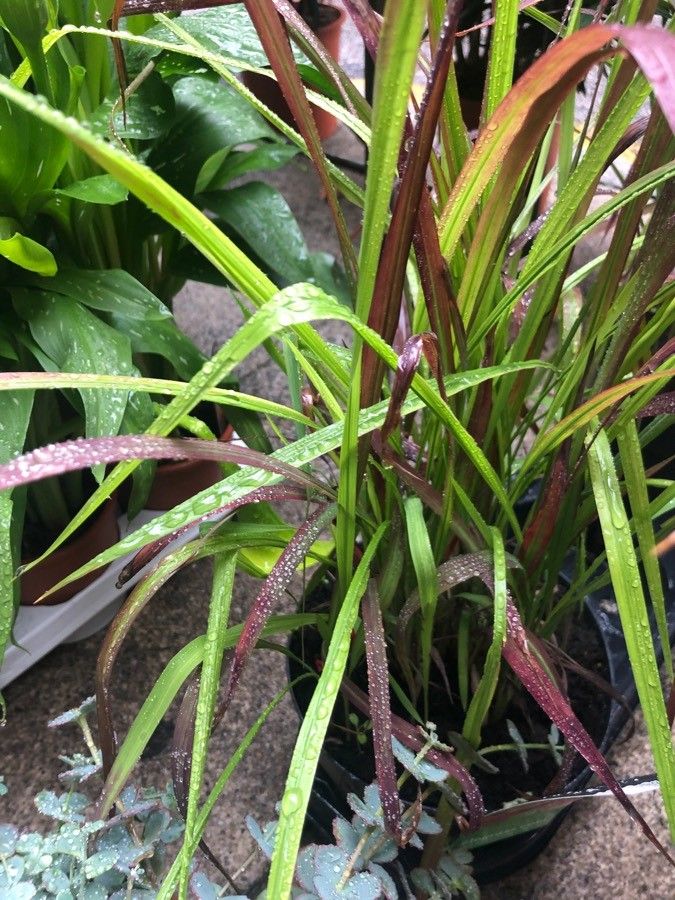
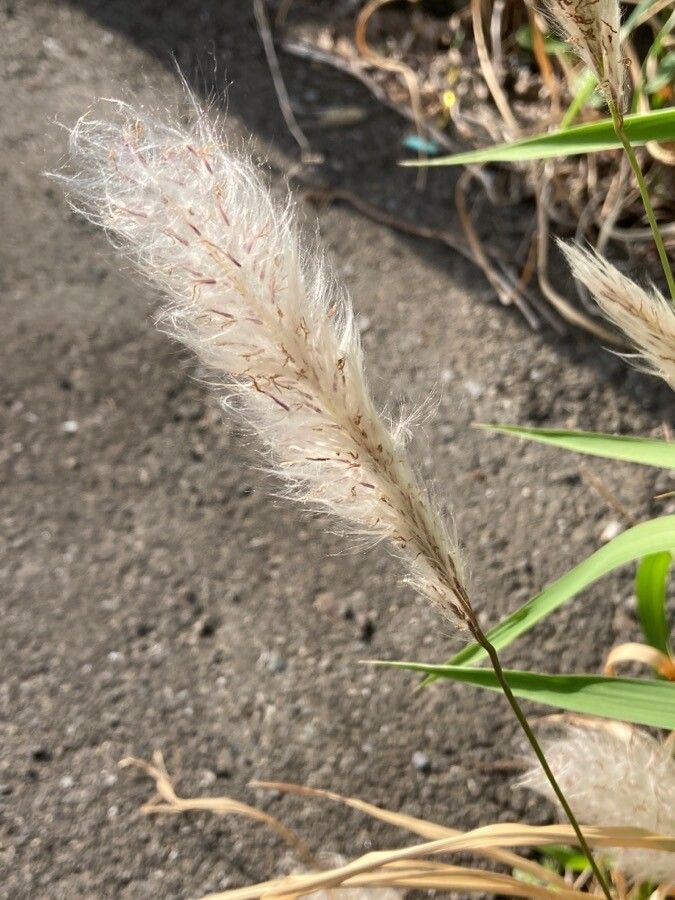
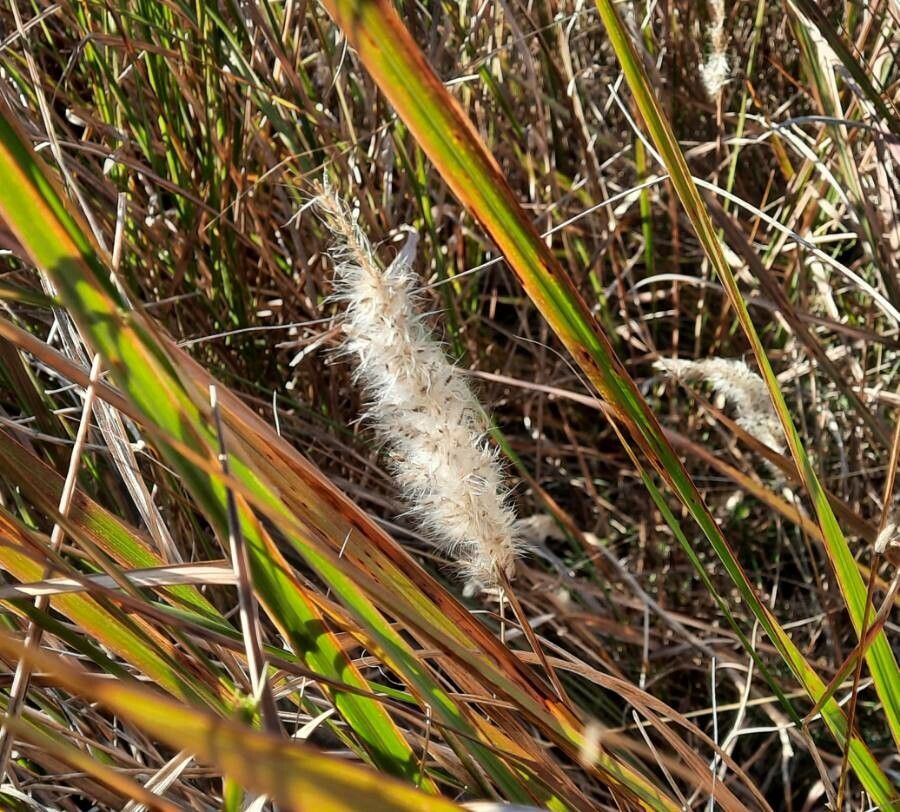
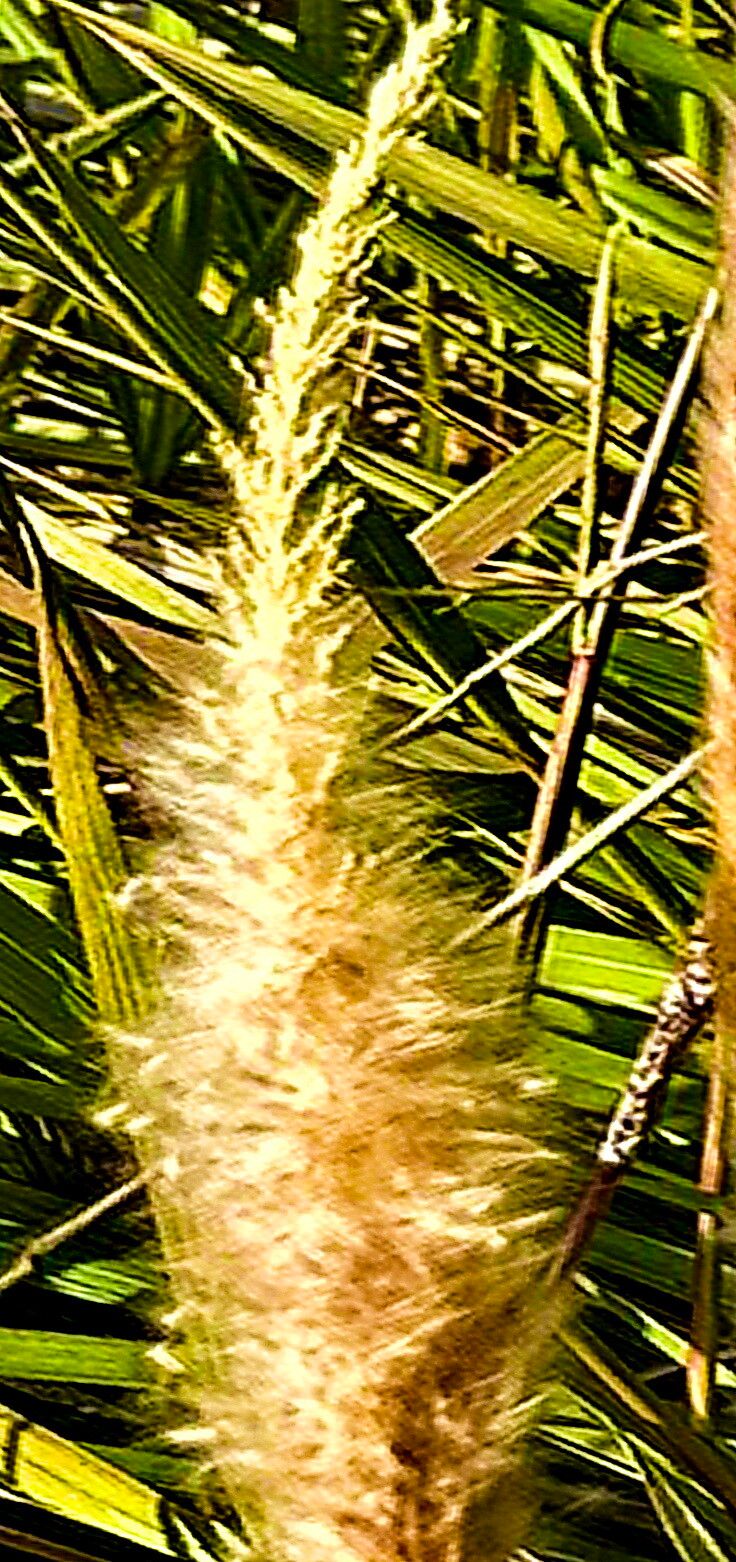
Imperata cylindrica, commonly known as cogon grass or Japanese blood grass, is a perennial grass species belonging to the Poaceae family. Native to Asia, this grass is found in various habitats such as open fields, roadsides, and disturbed areas.
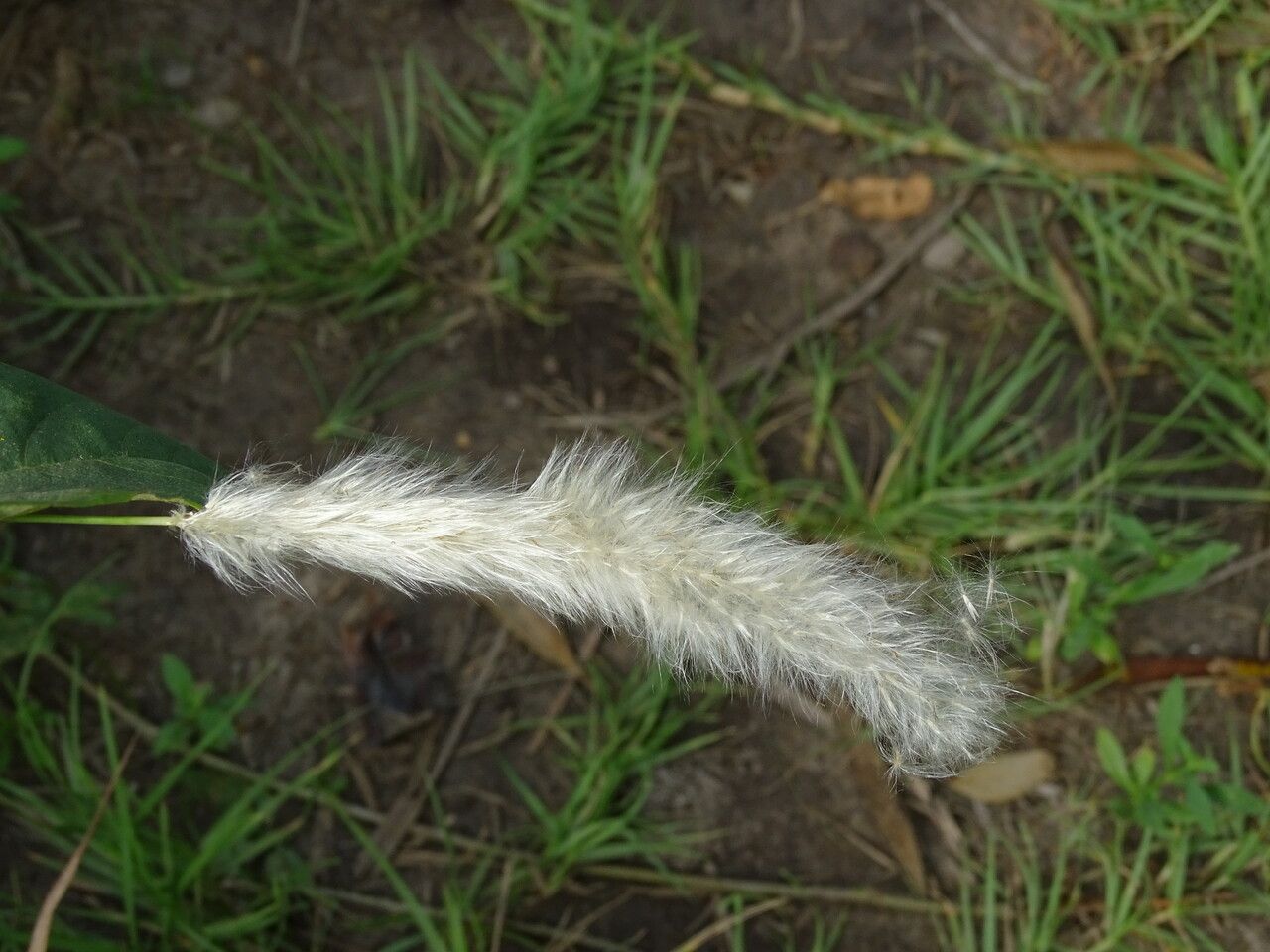
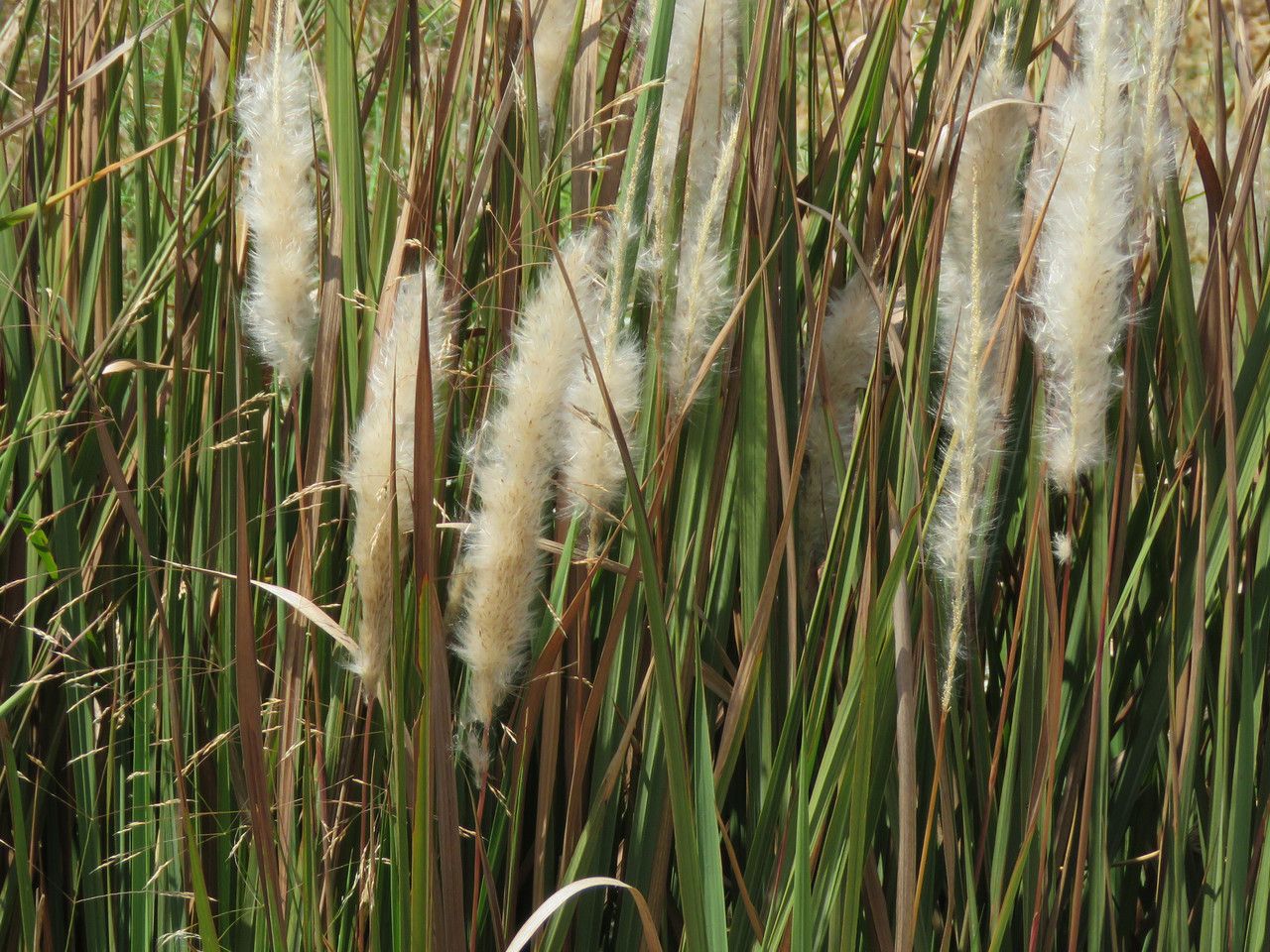
The plant has a rhizomatous growth habit, with cylindrical stems that can reach up to 1 meter in height. Its long and narrow leaves have sharp edges that can cause skin irritation upon contact. During the summer months, the plant produces small flowers on tall spikes.
Cogon grass is considered an invasive species in many parts of the world because it can outcompete native vegetation and form dense monocultures. Although it was introduced to several countries for erosion control purposes, its aggressive growth habit has since become a significant problem.
Despite its invasive nature, Imperata cylindrica does have some traditional medicinal uses, such as treating fever and dysentery in some Asian cultures. Additionally, it has been used for making paper products due to its high cellulose content.
Overall, Imperata cylindrica is an interesting but problematic plant species with both positive and negative impacts on human society, depending on how it is managed or controlled within different ecosystems around the world.
Cogongrass is fairly disease resistant and generally not prone to illnesses. However, it can be vulnerable to pests and diseases present in its environment, though such infections are usually mild. In terms of upkeep, the plant requires moderate care. It needs regular pruning to keep a good appearance and healthy growth. Fertilizing can also aid in promoting blooms. Cogongrass is suitable for anyone with outdoor space, such as a garden or patio, and does not demand extensive care experience. It may need more attention when cultivated indoors.
How to keep Imperata Cylindrica.
Light
Cogongrass thrives in areas with full sun, yet it can still survive where sunlight filters through surrounding vegetation. Coming from sun-rich habitats, its growth patterns shift when exposed to too much or too little light, which influences its health.
Water
Cogongrass thrives in moist environments but can also endure dry periods. It's best to water it weekly to maintain its health. This plant is versatile and can adapt to various climate zones, flourishing during both wet and dry seasons, and demonstrating a robust growth cycle.
Temperature
Cogongrass is native to areas with average temperatures between 50 and 95 °F (10 and 35 ℃). The plant prefers warm conditions and may require supplemental heat in colder seasons.
Fertilizer
One fertilizer application in spring is generally enough for Cogongrass, though repeated feedings can maximize its growth. Apply fertilizer roughly every month to every month and a half. Fertilizing improves the leaves' appearance and function, helping maintain uniform color and a healthy texture. It also encourages root development and nutrient uptake, supporting long-term plant health.
Pruning
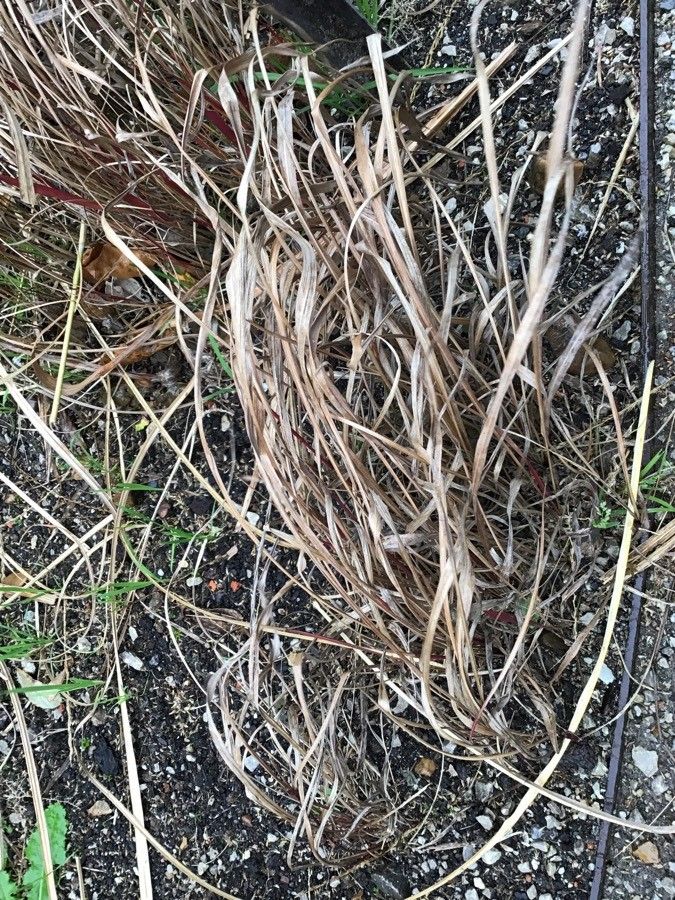
Pruning this grass is usually unnecessary. You can leave your Japanese blood grass as it is until the spring. It will look just as attractive during the winter months. After which, cut it back or trim any dead foliage.
Toxicity
Japanese blood grass has no reported toxic effects to people or pets. Dogs and cats will likely find it difficult to digest and may experience mild diarrhea or vomiting if ingested in large quantities. However, this reaction is normal and non-fatal.
Further reading →
The toxicity and danger assessments provided are for reference only. We do not assure their accuracy, so it's crucial not to depend on them. Seek professional advice when necessary for accurate guidance.
Botanical profile.
- Plant Type
- Herb
- Life Cycle
- Perennial
- Genus
- Imperata
- Family
- Poaceae
- Hardiness Zone
- 6-9
- Mature Height
- 0.61 m to 3.05 m
- Mature Spread
- 61 cm
- Leaf Color
- Green, Red
- Leaf Type
- Deciduous
- Flower Color
- White, Silver
- Flower Size
- 3.05 cm
- Bloom Time
- Late spring, Early summer, Mid summer
- Planting Time
- Spring, Winter
- Harvest Time
- Summer
- Native Area
- Burkina Faso, Libya, Turkey, Montenegro, Croatia, Morocco, Guinea-Bissau, Sierra Leone, Cameroon, Ethiopia, Portugal, Saudi Arabia, Tunisia, Cyprus, Bulgaria, Laos, Bangladesh, Afghanistan, Solomon Islands, Kyrgyzstan, Kazakhstan, Italy, Japan, Togo, Papua New Guinea, Senegal, Eswatini, Iran, Côte d'Ivoire, Azerbaijan, Kuwait, Gambia, Congo (DRC), Lesotho, Egypt, Angola, Malaysia, Namibia, Rwanda, Yemen, Brunei, Zimbabwe, Uzbekistan, Russia, Equatorial Guinea, Burundi, Liberia, Oman, South Korea, Botswana, France, Nepal, Congo, Tajikistan, South Africa, Sudan, Armenia, Greece, Guinea, Spain, Myanmar, Israel, Bhutan, Singapore, Albania, Turkmenistan, Gabon
Other names.
Reader questions.
How should I water my Cogongrass?
To properly water the Cogongrass, it's best to use filtered water at room temperature. Tap water may have harmful particles, so filtered water is preferred. This plant originated in warm environments, so using cold water can be a shock to its system. Therefore, it's important to avoid overhead watering to prevent foliage issues. Instead, you should apply filtered room temperature water directly to the soil until it is completely soaked. This helps moisten the roots and aids in their spread through the soil to gather necessary nutrients.
Why is it necessary to add fertilizer to my Cogongrass?
To ensure that your Cogongrass leaves look great and function properly, fertilization is key. Proper fertilization helps the leaves maintain consistent color and a healthy texture. It also works beneath the soil's surface to generate new roots and maintain existing ones. By fertilizing, you not only keep your plant healthy now, but also help it absorb soil nutrients more effectively in the future.
What are the sunlight requirements for Cogongrass?
Cogongrass (Imperata cylindrica) requires full sun for optimal growth, meaning it should receive above 6 hours of sunlight per day. It can also manage in partial sun, getting about 3-6 hours of sunlight. Observing how sunlight moves through your garden helps in choosing the right spots that provide a perfect balance of light and shade, ensuring the plants' well-being.
What is the native environment of Cogongrass?
Cogongrass, or Imperata cylindrica, is native to environments that typically experience an average temperature range between 50 to 95°F (10 to 35°C). This plant has a preference for warmth, thriving best within this temperature spectrum. During colder seasons, it may require additional sources of heat to maintain its optimum growth conditions, despite its strong cold resistance.
What should I do if I give my Cogongrass too much or too little water?
Taking care of your Cogongrass requires avoiding both overwatering and underwatering. However, overwatering is a more common problem. Too much water can cause wilting, yellowing, and even diseases like root rot, mold, and mildew that can kill your plant. Underwatering is less likely, as Cogongrass can tolerate drought fairly well. When underwatering does occur, the leaves may become brittle and brown. It's important to notice signs of overwatering early, as some diseases may be irreversible if left unchecked. If you see signs of overwatering, reduce your watering schedule and check the soil drainage. Replace poorly draining soil with a loose, well-draining potting mix. On the other hand, if you notice signs of underwatering, simply water more regularly until the signs go away.
When should I fertilize my Cogongrass for optimal results?
If you grow your Cogongrass outdoors, the plant will shoot out new growth in early spring. This is a signal to begin fertilizing for the year. Usually, one application of fertilizer in the spring is enough for the Cogongrass to thrive. However, if you want to maximize its growth, you can fertilize multiple times throughout the spring and early summer. In this case, you can feed the Cogongrass about once a month to a month and a half.
How does sunlight affect the growth of Cogongrass?
Cogongrass flourishes best in areas where the sun is fully exposed but also manages in areas where sunlight is partially filtered through other vegetation. Originating from sun-abundant environments, the growth and health of Cogongrass change under conditions of excessive or insufficient sunlight.
How does Cogongrass respond to cold temperatures?
Cogongrass possesses significant cold resistance, meaning special frost protection measures are not generally necessary. However, in conditions where winter temperatures are anticipated to plummet below -25°C, it becomes crucial to protect the plant. This protection can be provided by covering the plant with soil, straw, or similar materials. Additionally, it is recommended to water Cogongrass abundantly before the first freeze of autumn to ensure that the soil remains moist as it freezes, helping to prevent drought and water scarcity during the winter and into early spring.
How frequently should I give water to my Cogongrass?
If your plant is in a pot, the most precise way to determine if it needs water is by checking the soil moisture. Simply plunge your finger into the soil. If the top two to three inches feel dry, it's time to water. If you have Cogongrass growing outdoors in the ground, you can use a similar method to test the soil. When the top few inches have dried out, it's time to water. Generally, during spring and early fall, watering once a week is sufficient. However, during extremely hot weather, you may need to water two or more times per week. It's important to note that mature, well-established Cogongrass has impressive drought tolerance.
When should I not add fertilizer to my Cogongrass?
During the late fall and winter, your Cogongrass enters a dormant phase and stops producing new growth. Therefore, it is best to avoid fertilizing during this time. In the spring and summer, if you choose to fertilize multiple times, gradually decrease the amount of fertilizer as summer approaches. This is because the growth rate of your Cogongrass also slows down. It is important to note that it is never a good idea to fertilize your Cogongrass during extremely hot weather or when the soil is very dry. Fertilizing in these conditions can stress the grass and cause it to die prematurely.
What artificial lighting requirements do indoor Cogongrass plants have?
For indoor Cogongrass plants, adequate lighting is crucial when natural sunlight is insufficient. Artificial lights, such as LED lights, are beneficial for promoting faster, healthier growth. Full sun plants need 30-50W/sq ft, partial sun plants need 20-30W/sq ft, and full shade plants need 10-20W/sq ft of artificial light. The light source should be placed 12-36 inches above the plant, mimicking natural sunlight conditions for 8-12 hours per day.
What should be done if Cogongrass experiences low temperatures?
Cogongrass is cold-tolerant and thrives best in temperatures above 10°C. During winter, maintaining the temperature above -15°C is crucial. If temperatures drop below -25°C, there might not be noticeable changes during the winter, but come spring, you could observe a decrease in sprouting or a lack of sprouting. In spring, it's advised to remove any parts of the plant that have failed to sprout, as a solution to this issue.