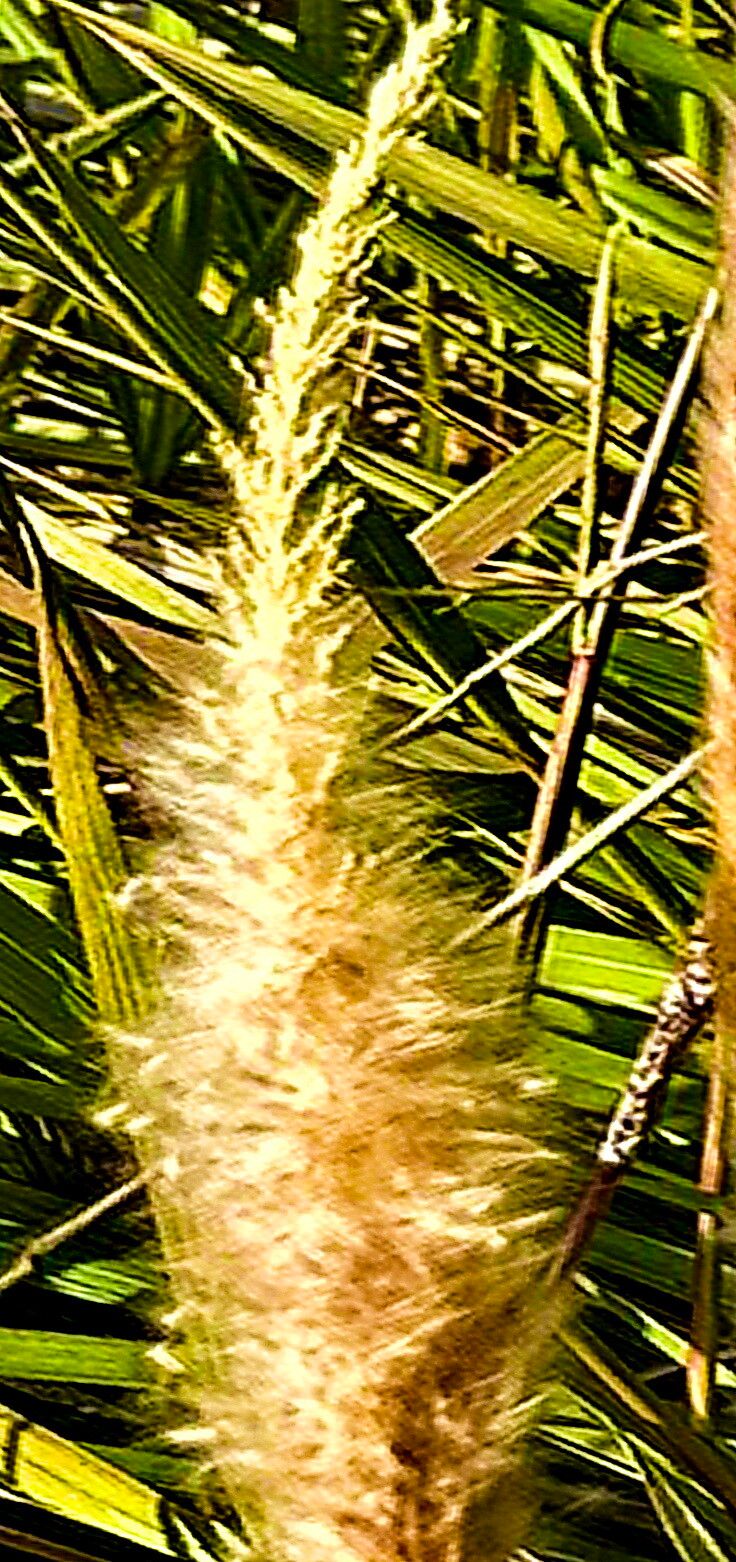
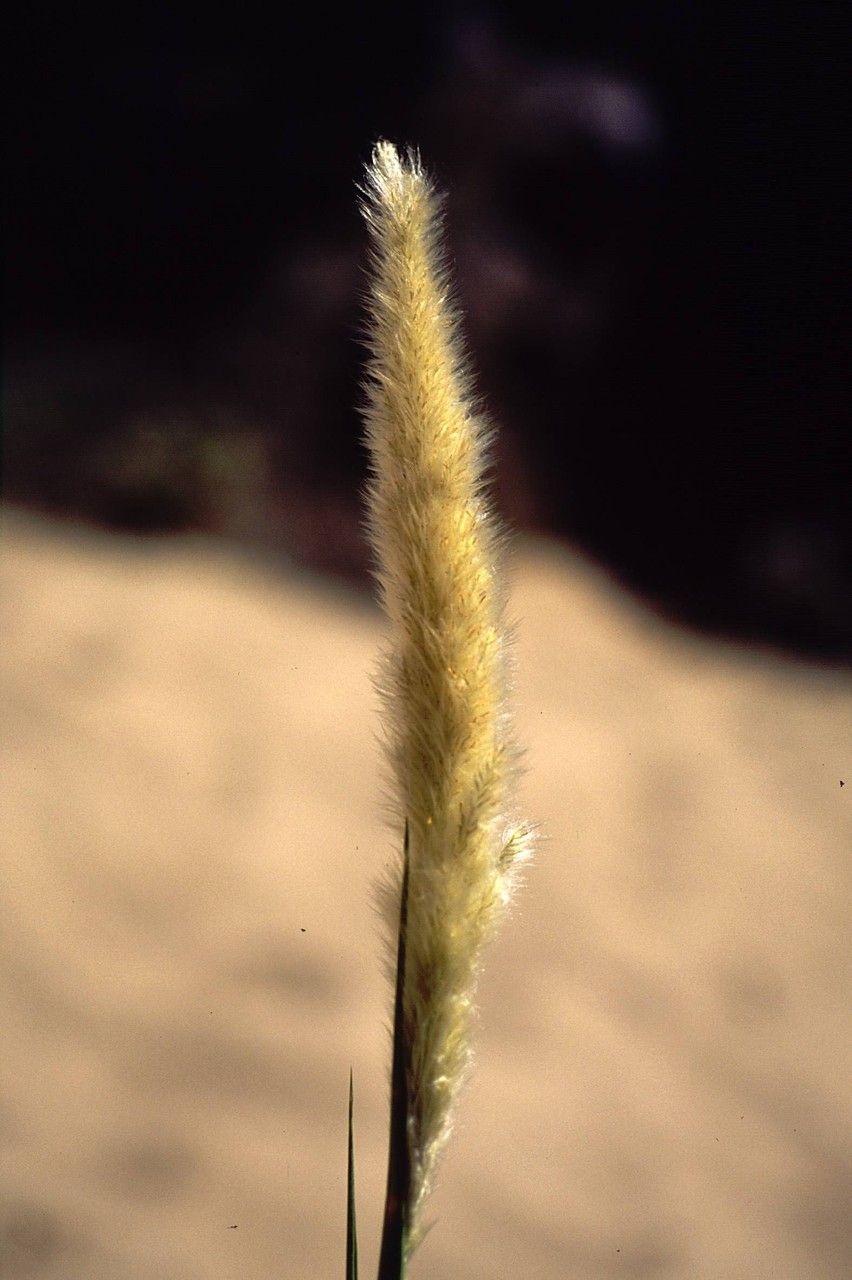
Imperata brevifolia, commonly known as dwarf cogon grass, is a perennial grass species belonging to the Poaceae family. Native to Southeast Asia, it is found in countries like Thailand, Malaysia, and Indonesia. The plant typically reaches up to 30 cm in height and has a spreading habit with slender stems covered in fine hairs.
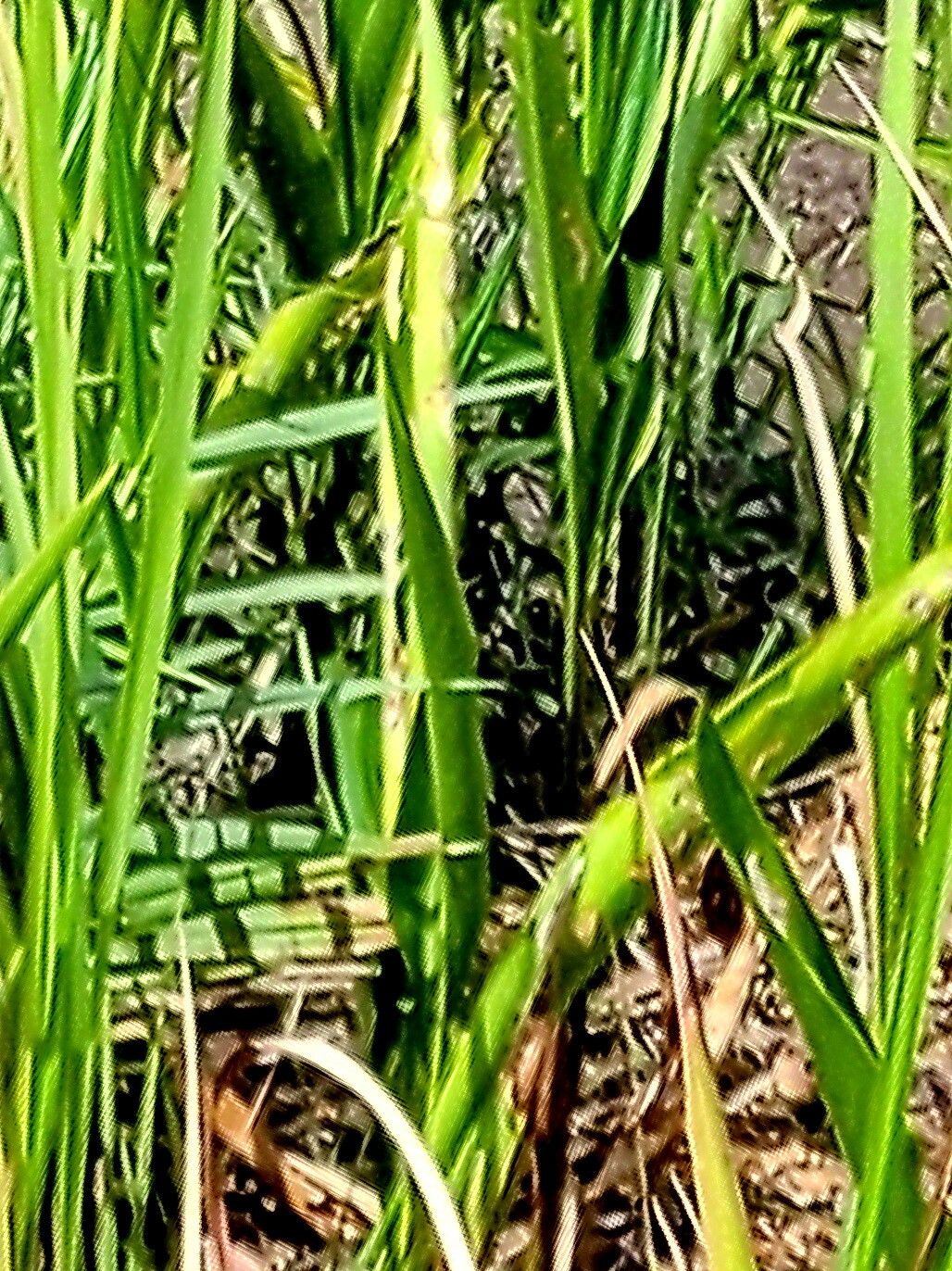
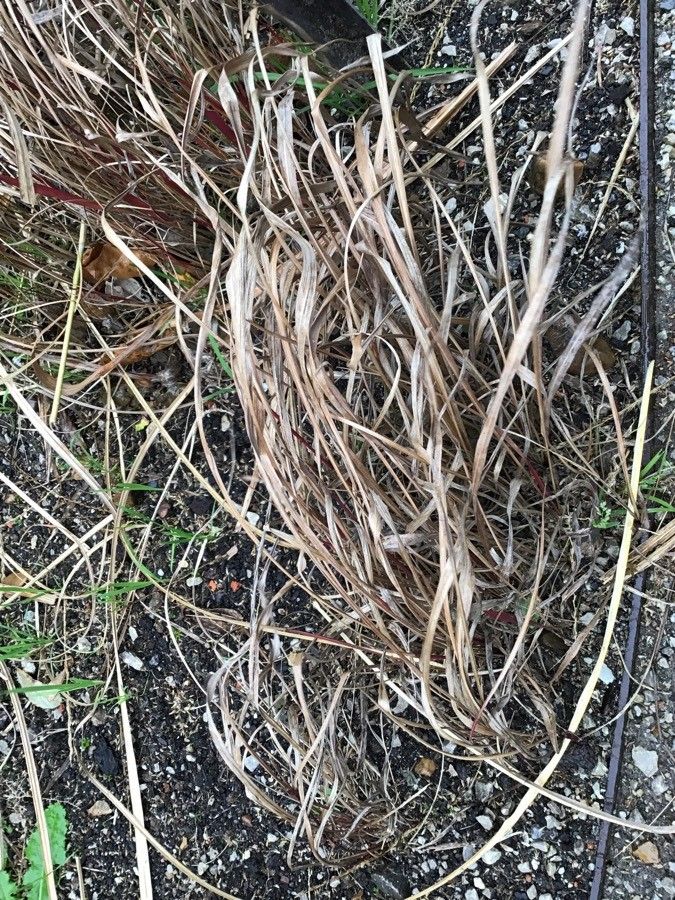
The leaves of Imperata brevifolia are narrow, linear, and have pointed tips. They can grow up to 20 cm long and are bright green, turning reddish-brown during the dry season. The plant produces small flowers on branched inflorescences that emerge from the leaf axils.
Imperata brevifolia is often used for soil stabilization due to its extensive root system, which helps prevent soil erosion on steep slopes and riverbanks. In addition to its ecological benefits, the plant has medicinal properties. Its roots are used in traditional medicine to treat various ailments such as fever, diarrhea, dysentery, and urinary tract infections.
In summary, Imperata brevifolia is a significant plant species for its role in preventing soil erosion and its valuable medicinal properties, which are widely utilized in traditional medicine across Southeast Asia.
California satintail is highly resistant to disease and is generally not susceptible to illnesses. Regarding care, this plant is fairly low-maintenance. When grown outdoors it needs only light watering, and larger specimens usually do not require pruning. Smaller specimens, however, should be trimmed after they finish blooming. California satintail is appropriate for anyone who has an outdoor area, like a garden or a deck, and it does not demand extensive gardening experience.
How to keep Imperata Brevifolia.
Light
California satintail is a perennial herbaceous plant that prefers sunny locations and comes from open habitats, commonly found in meadows and grasslands. It favors full sun but can also tolerate partial sun.
Temperature
California satintail can adjust to a wide range of temperature conditions, but its distribution may still be restricted by various combinations of water and heat. It grows best in warm summer climates with sufficient rainfall or regular watering. Extended periods of cloudy, rainy weather, as well as prolonged high temperatures, can raise the chance of California satintail dying. In winter, adequate protection from cold can increase the plant's chances of survival.
Fertilizer
California satintail needs extra nutrients to encourage healthy new growth. In spring, applying compost around the base of the plant will effectively supply the required nourishment. Fertilizing helps maintain vigorous growth and improves the plant’s resistance to diseases and pests.
Pruning
The California satintail is characterized by its tall, slender stalks and feathery plumes. To promote optimal growth, prune the plant in early spring, removing any damaged stalks and thinning out older growth. This practice enhances air circulation and boosts its ornamental appeal. Be sure to use sharp, sterile tools to prevent disease, which supports healthy development and maintains the plant's distinct appearance.
Botanical profile.
- Plant Type
- Grass
- Life Cycle
- Perennial
- Genus
- Imperata
- Family
- Poaceae
- Hardiness Zone
- 7-10
- Mature Height
- 30 cm to 91 cm
- Mature Spread
- 20 cm to 40 cm
- Leaf Color
- Light Green, Pale Green
- Leaf Type
- Semi-evergreen
- Flower Size
- 10.16 cm to 20.32 cm
- Bloom Time
- Early summer, Mid summer
- Planting Time
- Spring, Summer, Autumn
- Harvest Time
- Mid summer, Late summer
- Native Area
- Mexico
Other names.