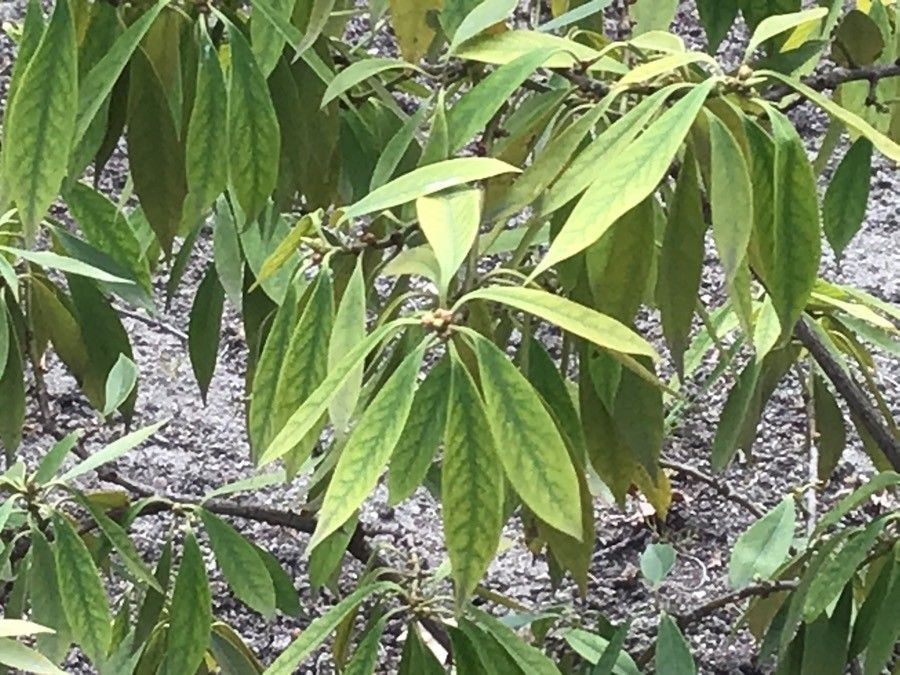
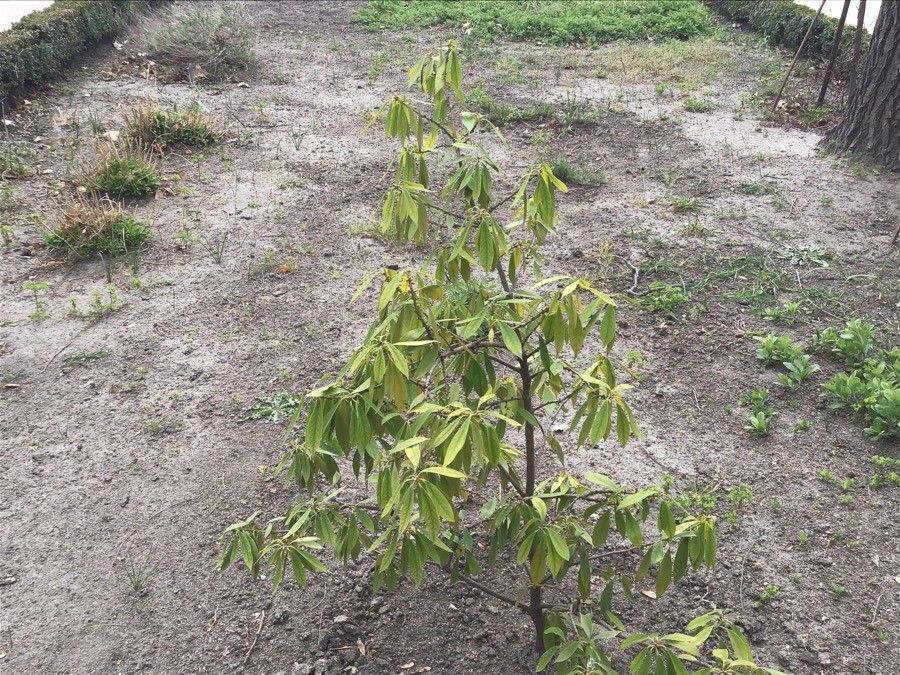
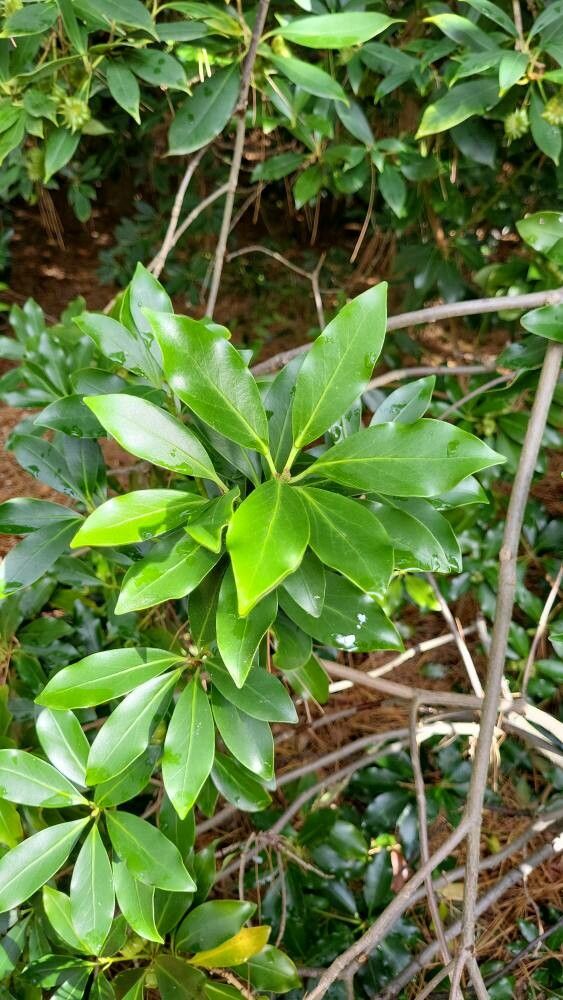
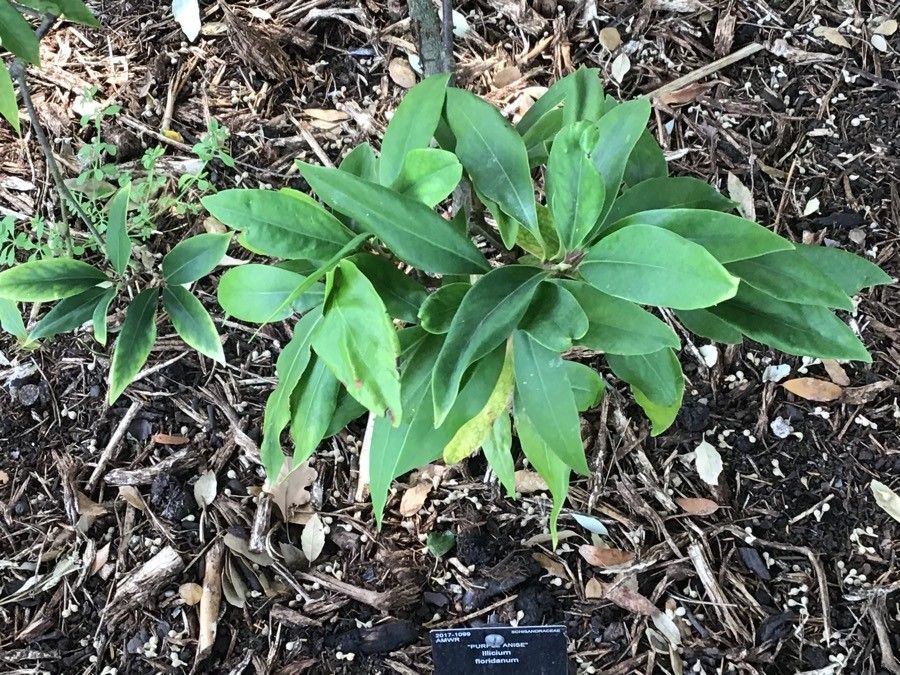
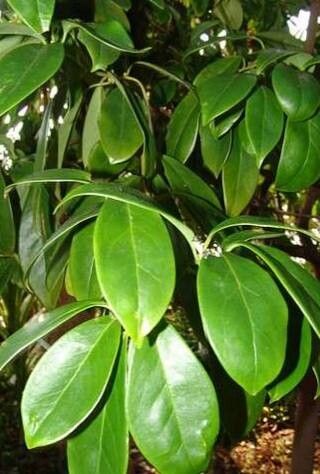
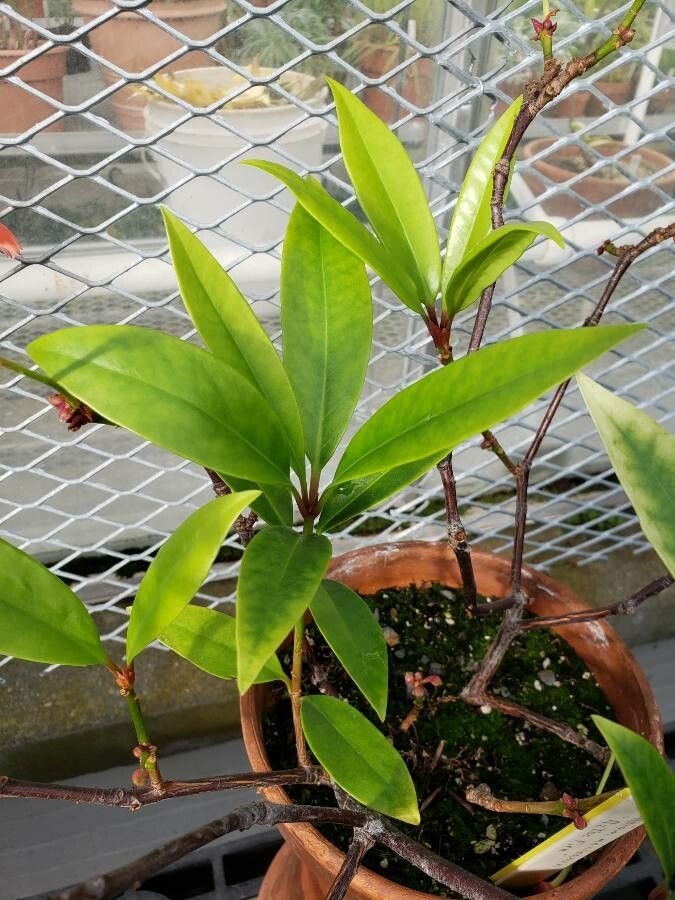
Illicium henryi, also known by the common names Henry anise tree and Chinese anise tree is a species in the genus Illicium in the family Schisandraceae.
The Henry anise tree has strong resistance to disease and is generally not susceptible to illnesses. Regarding care, the plant is fairly low-maintenance. When grown outdoors it needs little watering, and larger specimens typically do not require pruning. Smaller plants, however, should be pruned after they finish blooming. The Henry anise tree is appropriate for anyone with outdoor space, such as a garden or deck, and does not demand extensive plant-care experience.
How to keep Illicium Henryi.
Light
The Henry anise tree is native to habitats such as forest understories and rocky areas, where it grows in natural shade. It prefers partial sun but can adapt to both full sun and full shade, demonstrating its versatile, hardy nature.
Water
The Henry anise tree thrives in moist environments with consistent humidity and needs watering every 1-2 weeks. Originally from Asia's damp forests, this evergreen tree is adept at retaining water, keeping its leaves throughout the year to enhance both water retention and absorption.
Temperature
The Henry anise tree is very adaptable to a variety of climates, tolerating both scorching summers and cold winters. Nevertheless, it has an optimal temperature range for growth. If temperatures rise too high, the plant can undergo heat and humidity stress, which may kill it. In areas where temperatures approach the lower limit of its cold tolerance, it is important to provide insulation to protect the plant.
Fertilizer
The timing of fertilizing a Henry anise tree is crucial. Fertilize in early spring and continue monthly until early summer. Fertilizer helps produce lovely blooms and supplies energy during both dormant and active growth phases.
Pruning
The Henry anise tree is an evergreen shrub known for its aromatic leaves and star-shaped flowers. To promote healthy growth, it requires regular pruning in early spring. When pruning, shape the shrub, remove damaged branches, and thin out crowded areas to improve air circulation and enhance its appearance. Be sure to use sharp tools to minimize the risk of disease.
Botanical profile.
- Plant Type
- Shrub
- Life Cycle
- Perennial
- Genus
- Illicium
- Family
- Schisandraceae
- Hardiness Zone
- 7-9
- Mature Height
- 1.83 m to 2.44 m
- Mature Spread
- 1.22 m to 1.83 m
- Leaf Color
- Dark Green
- Leaf Type
- Semi-evergreen
- Flower Size
- 2.54 cm to 7.62 cm
- Bloom Time
- Mid spring, Late spring
- Planting Time
- Spring, Autumn
- Harvest Time
- Late summer, Early fall, Mid fall
- Native Area
- China
Other names.