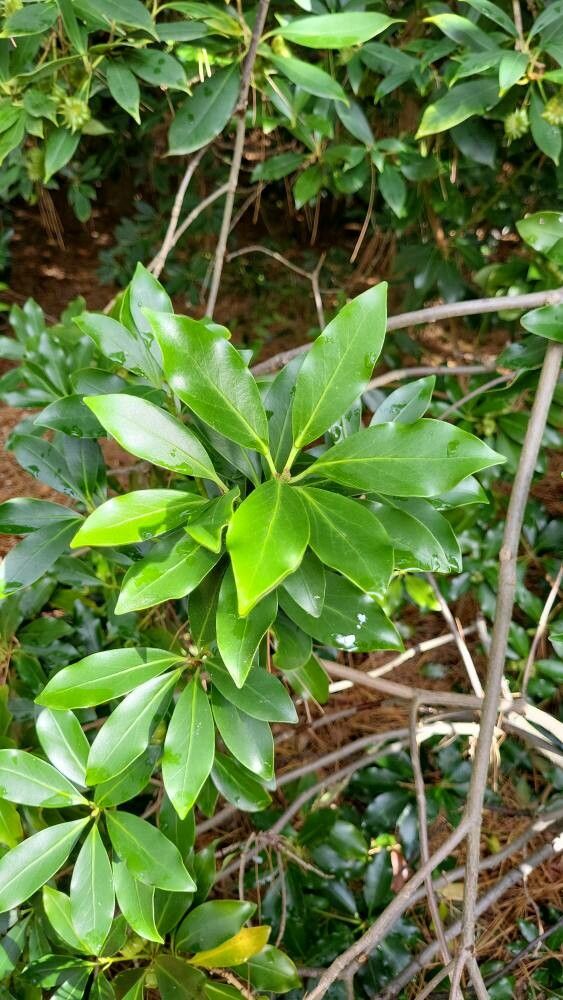
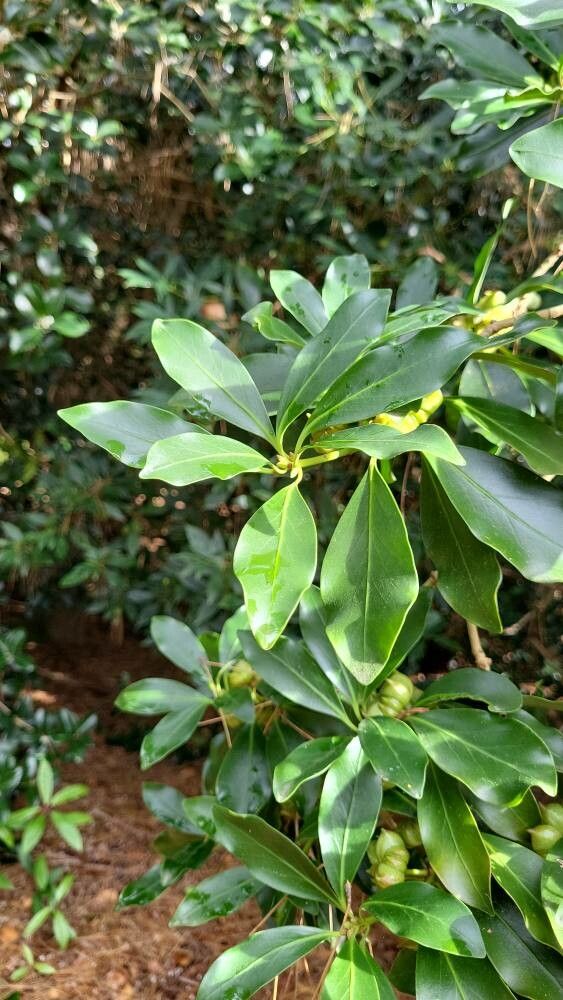
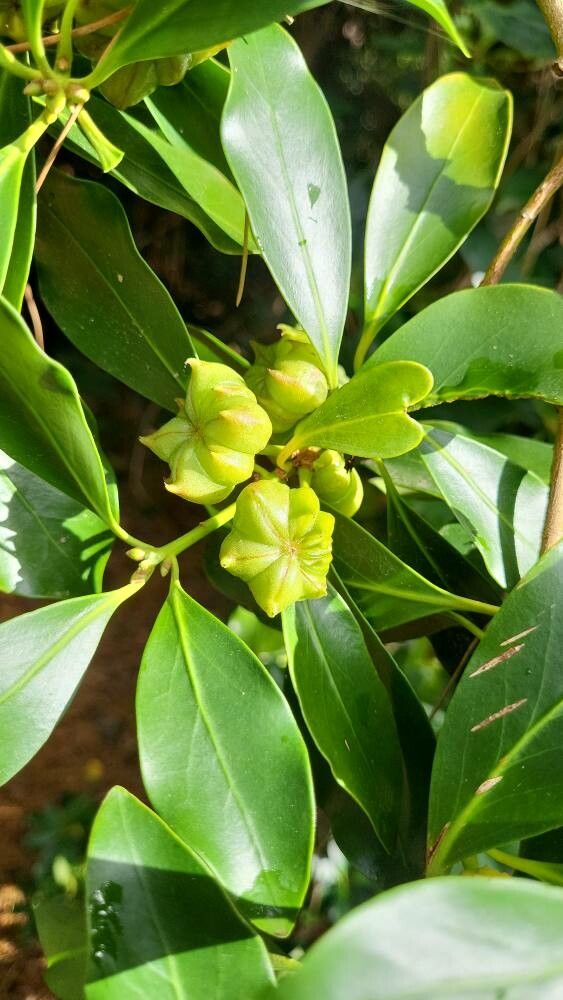
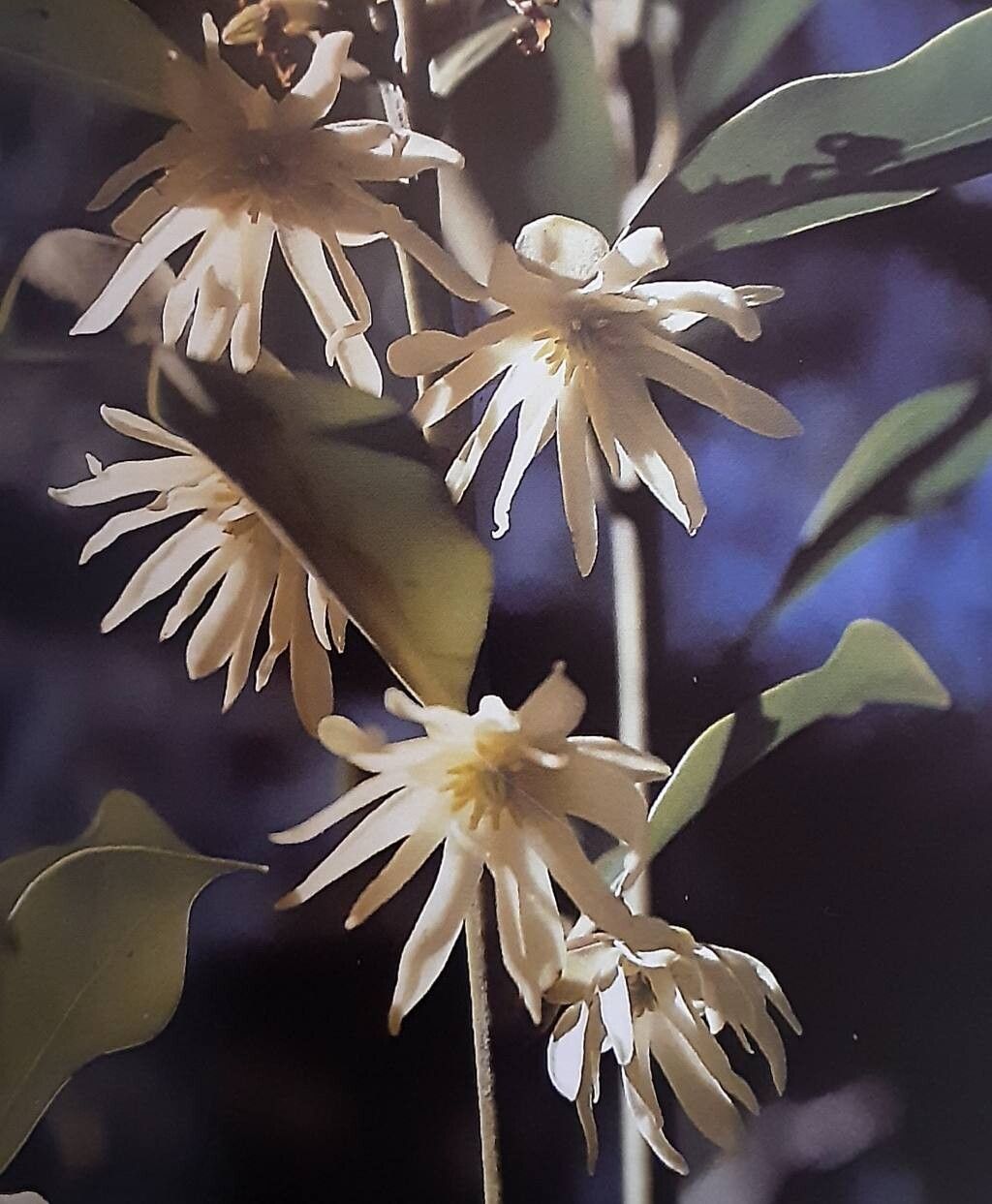
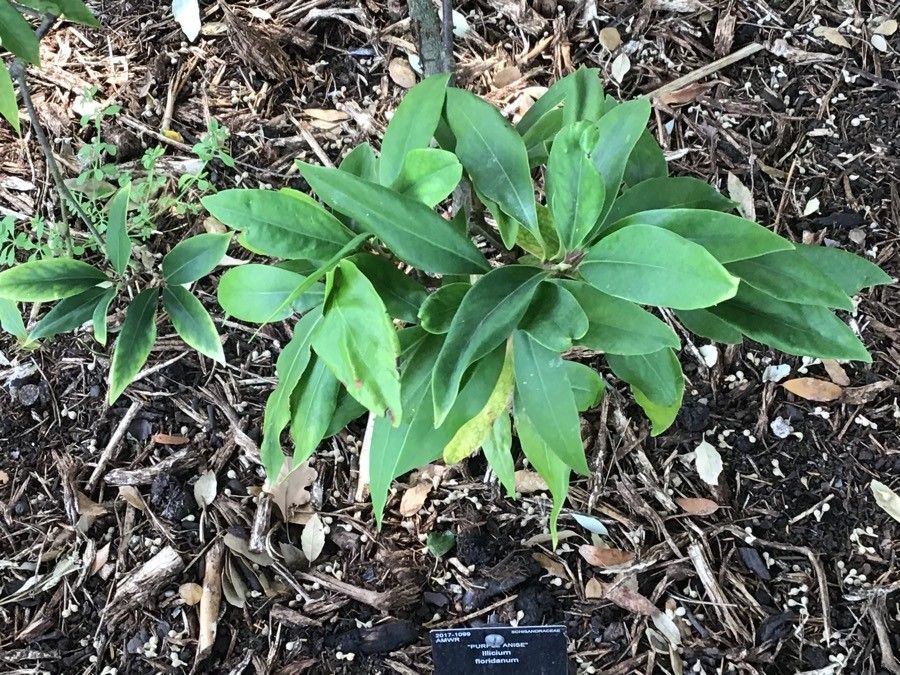
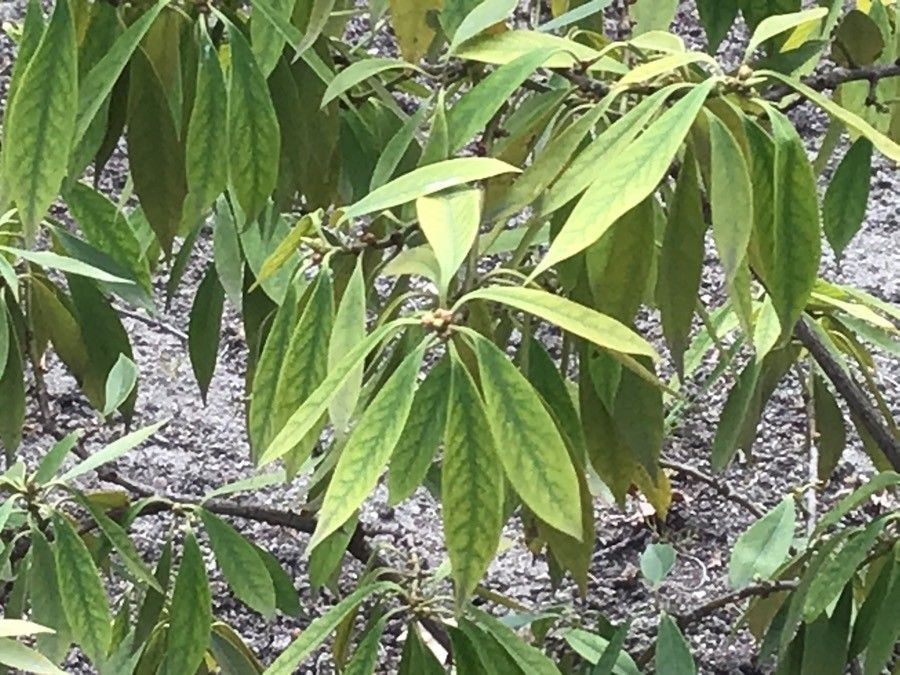
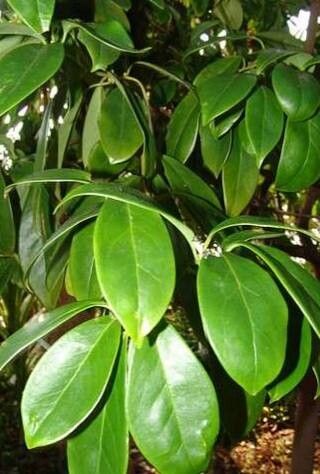
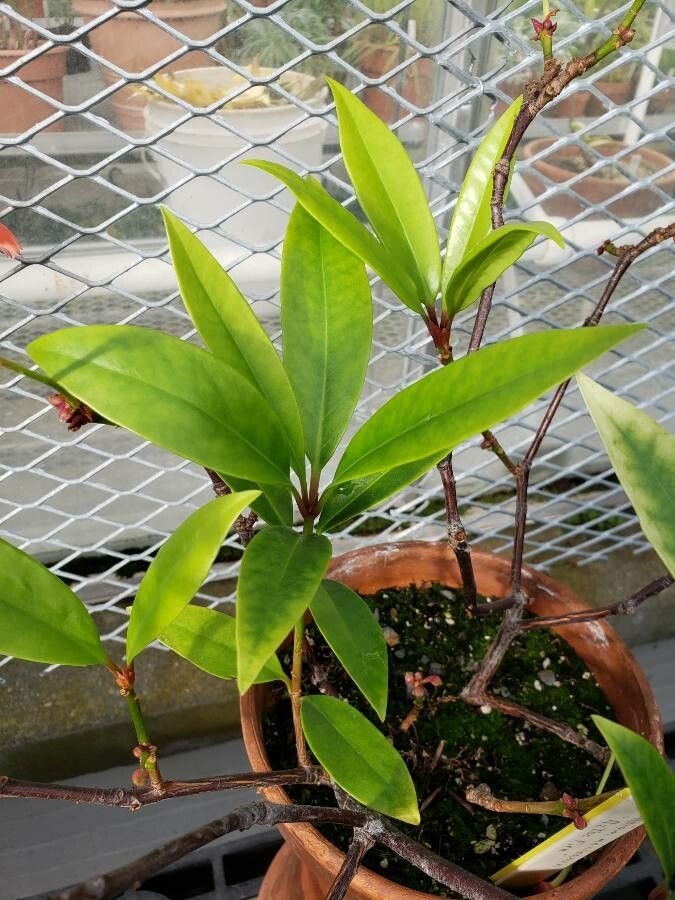
Illicium anisatum, with common names Japanese star anise, aniseed tree, and sacred anise tree, known in Japanese as shikimi , is an evergreen shrub or small tree closely related to the Chinese star anise. Since it is highly toxic, the fruit is not edible; instead, the dried and powdered leaves are burned as incense in Japan. Its branches and evergreen leaves are considered highly sacred by Japanese Buddhists due to insects' aversion to them and their ability to remain fresh after pruning.
Japanese star anise is highly resistant to disease and is generally not susceptible to illnesses. In terms of care, this plant is fairly low-maintenance. When grown outdoors it needs only light watering, and larger plants typically do not require pruning. Smaller plants, however, should be trimmed after they finish flowering. Japanese star anise is suitable for anyone with an outdoor area, such as a garden or deck, and does not demand much gardening experience.
How to keep Illicium Anisatum.
Light
The Japanese star anise is indigenous to habitats like forest undergrowth or stony regions, where it naturally stays in the shade. Although it favors conditions with partial sunlight, it has the adaptability to tolerate full sun or complete shade, showing its flexible and resilient characteristics.
Temperature
The Japanese star anise showcases commendable resilience to varying temperatures, having the ability to withstand both intense heat and considerable temperature fluctuations. In periods of high heat, it becomes essential to monitor the plant's water needs and furnish suitable shade to avoid heat damage. Even so, the Japanese star anise exhibits less resistance to colder temperatures. Although capable of withstanding mild coldness, exposure to extreme frost can result in damage.
Fertilizer
For a successful development, feed your Japanese star anise in the beginning of spring. Giving it regular nutrients boost its overall wellbeing, leading to strong growth, robustness in harsh environments, and better protection against diseases and pests. Keep a distinct feeding routine for your Japanese star anise, so as to guarantee brightly colored, lush-looking leaves.
Botanical profile.
- Plant Type
- Tree
- Life Cycle
- Perennial
- Hardiness Zone
- 7-10
- Mature Height
- 3.05 m to 4.57 m
- Mature Spread
- 2.44 m to 4.57 m
- Leaf Color
- Green
- Leaf Type
- Evergreen
- Flower Color
- White
- Flower Size
- 2.54 cm to 7.62 cm
- Bloom Time
- Early spring, Mid spring
- Planting Time
- Spring, Autumn
- Harvest Time
- Late summer, Early fall, Mid fall
- Native Area
- South Korea, Japan, China
Other names.