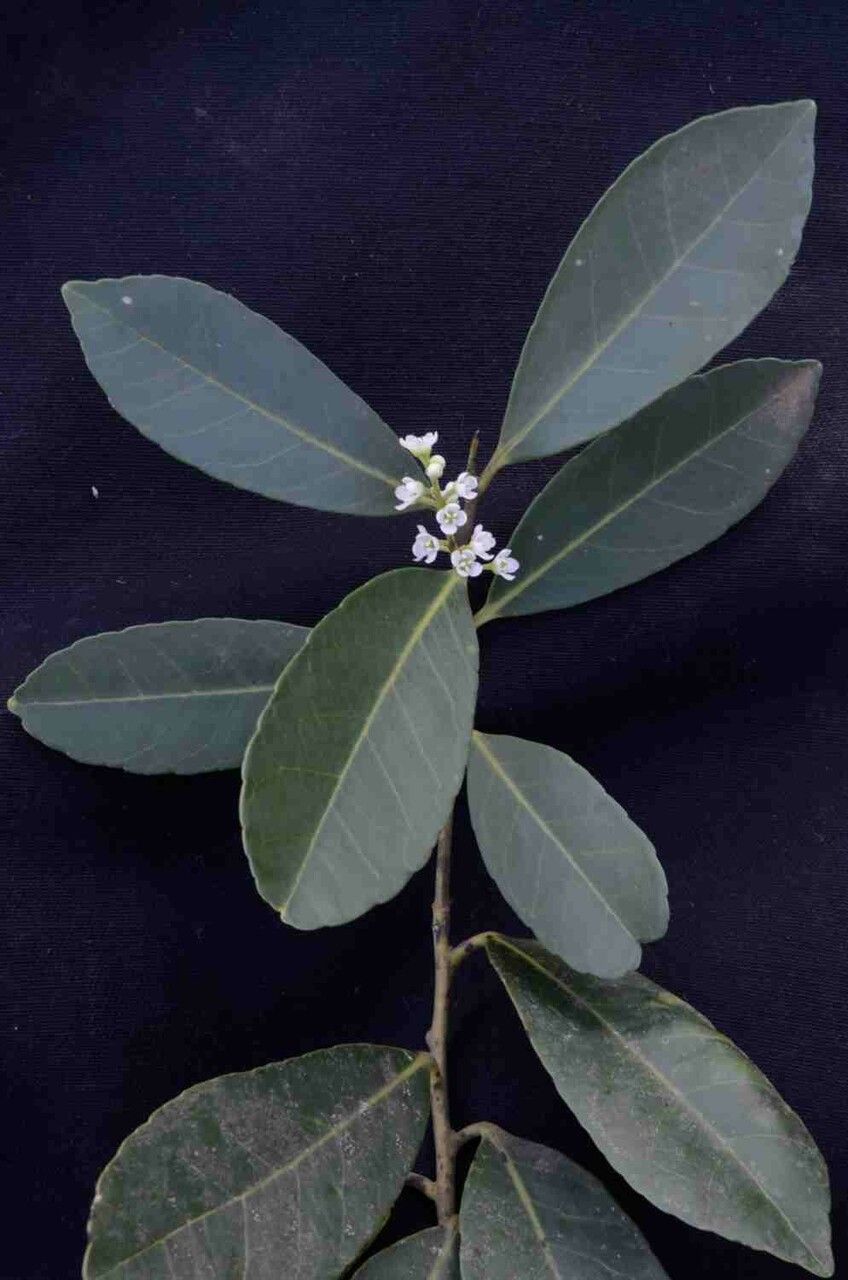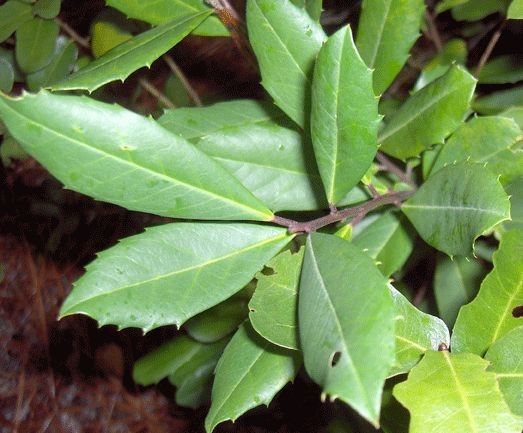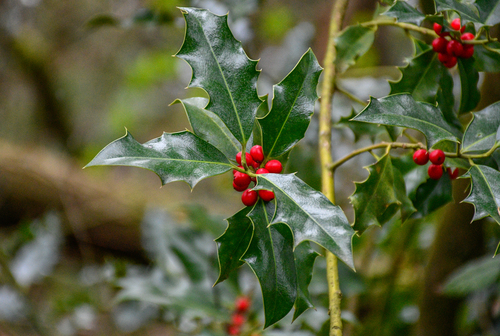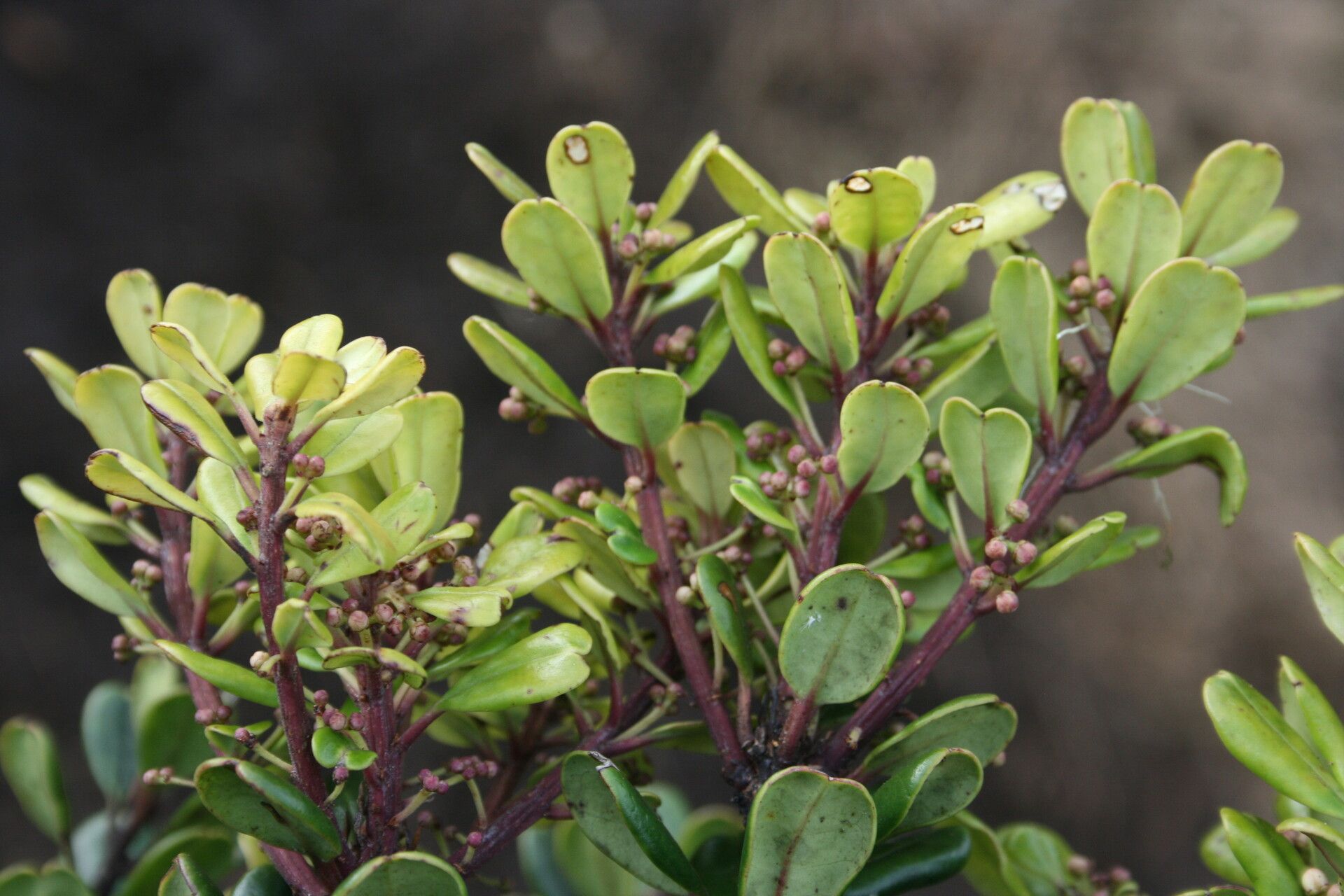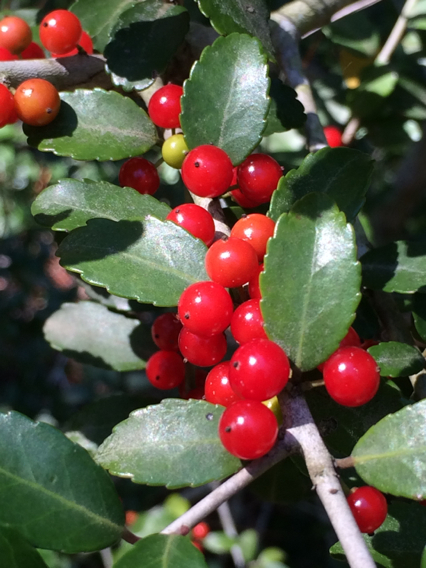
Ilex vomitoria, commonly known as Yaupon Holly, is a small evergreen tree or shrub native to the southeastern United States. Typically reaching heights of up to 20 feet, this plant features a dense, rounded crown adorned with glossy, leathery dark green leaves. In the spring, Yaupon Holly blooms with small white flowers, which are followed by bright red berries in the fall that persist throughout the winter.
For centuries, Native Americans have utilized Yaupon Holly for its medicinal properties and as a ceremonial drink. The plant contains caffeine and other stimulants, which can induce vomiting if consumed in large quantities, hence the species name "vomitoria." However, when taken in moderation, it offers a mild stimulant effect without adverse effects.
Beyond its cultural significance, Yaupon Holly is crucial ecologically, providing food and habitat for wildlife such as birds and insects. Additionally, it is popular as an ornamental plant due to its attractive foliage and berries.
Overall, Ilex vomitoria, or Yaupon Holly, is a fascinating plant with both cultural and ecological importance. Its unique characteristics make it a valuable and beautiful addition to any landscape design or garden setting.
Yaupon holly shows strong resistance to disease and is usually not susceptible to illnesses. Regarding care, this plant is fairly low-maintenance. Planted outdoors it needs only minimal watering, and larger specimens typically do not require pruning. Smaller plants, however, should be pruned after they finish blooming. Yaupon hollyt is suitable for anyone with an outdoor area, such as a garden or deck, and does not demand much gardening experience.
How to keep Ilex Vomitoria.
Light
Yaupon holly does best in full, unblocked sunlight, though it can tolerate some shade. Too much shade can restrict its growth, while ample light supports its best health. Originating from areas with considerable sun exposure, yaupon holly adapts well through various stages of its life cycle. However, prolonged insufficient light can lead to a decline in its health.
Water
Yaupon, native to the southeastern United States, thrives in well-draining soils with occasional rainfall. It has moderate drought tolerance and typically requires watering every 1-2 weeks, allowing the soil to partly dry out between waterings. This evergreen plant is resilient in outdoor environments and adapts well to varying water conditions.
Temperature
Yaupon holly is native to the warm-temperate areas of North America and is adapted to a broad range of temperatures in its natural habitat. It prefers temperatures of 59 to 95 °F (15 to 35 °C) and can tolerate occasional frost. During colder months, it is advisable to adjust watering and fertilization to correspond with the plant's dormant state.
Fertilizer
Fertilize your Yaupon holly in early spring to encourage healthy growth. Regular feeding improves overall health, leading to vigorous growth, increased tolerance of harsh conditions, and better resistance to pests and diseases. Keep a consistent fertilization schedule for your Yaupon holly to maintain vibrant foliage with deep color and a lush appearance.
Pruning
For optimal flowering and fruiting, Yaupon should be pruned in the winter, before early spring. This promotes new branch growth. Each year, remove old, yellow, or diseased leaves, and trim back one-third of the old branches. In regions with heavy snowfall, bundle the remaining branches together to protect them from ice damage.
Pot & Repot
When repotting Yaupon holly, choose a container 1–2 inches (2.5–5 cm) larger that has ample drainage. Use a well-draining potting mix. Repot in spring or fall, making sure the root ball sits slightly lower than the rim of the flower pot. Water thoroughly after repotting and put the plant in a warm location with indirect sunlight.
Toxicity
The yaupon holly bears red or black berries that are considered harmful to children and pets. Ingesting these berries may induce vomiting, diarrhea, and stupor. However, depending on the number of berries eaten, the yaupon holly is mildly toxic at best.
Further reading →
The toxicity and danger assessments provided are for reference only. We do not assure their accuracy, so it's crucial not to depend on them. Seek professional advice when necessary for accurate guidance.
Botanical profile.
- Plant Type
- Shrub
- Life Cycle
- Perennial
- Genus
- Ilex
- Family
- Aquifoliaceae
- Hardiness Zone
- 8-9
- Mature Height
- 4.88 m to 9.14 m
- Mature Spread
- 2.44 m to 3.66 m
- Leaf Color
- Green
- Leaf Type
- Evergreen
- Flower Color
- White
- Flower Size
- 0.51 cm to 0.51 cm
- Bloom Time
- Mid spring, Late spring, Early summer
- Planting Time
- Spring, Autumn
- Harvest Time
- Early spring, Mid summer, Late summer, Fall, Winter
- Native Area
- Mexico, Cuba
Other names.
Reader questions.
What's the best way to water my Yaupon?
Your Yaupon plant is not picky about how you water it. You can use any common watering tool, like a watering can, hose, or even a cup. It is important to water the soil directly, making sure to evenly moisten all areas to provide sufficient water to the root system. Using filtered water is recommended, as tap water may contain harmful particles. It is also best to use water that is at or slightly above room temperature, as extreme temperatures can shock the Yaupon. However, the Yaupon generally responds well to any kind of water.
Why do I have to put plant food on my Yaupon?
To ensure that your Yaupon plant thrives and remains healthy, it's important to fertilize it regularly, regardless of the type you have. Proper nutrient supply promotes vigorous growth, enhances resilience to challenging conditions, and strengthens the plant's ability to fend off diseases and pests. Given that the attractive foliage is a notable feature of your Yaupon, it's crucial to maintain its integrity. This entails establishing and following a consistent fertilization schedule tailored to your specific Yaupon. By doing so, you encourage the growth of deep-colored leaves, resulting in an overall lush appearance.
What are the sunlight requirements for Yaupon?
Yaupon thrives best in full sun, requiring above 6 hours of direct sunlight daily, but it can also grow in partial sun, with about 3-6 hours of sunlight. It’s essential to monitor the movement of sunlight through your garden to find the optimal balance of light and shade, ensuring the plant's health. In its native environment, Yaupon was exposed to extensive sunlight, which is crucial for its growth and health throughout different life stages. However, being in too much shade can hinder its growth, while too much sun fosters optimal health.
What is the native habitat and temperature preference of Yaupon?
Yaupon, with its botanic name Ilex vomitoria, is native to the warm temperate regions of North America and has adapted to a wide range of temperatures in its natural habitat. It thrives best in temperatures ranging from 59 to 95°F (15 to 35°C). Yaupon can also tolerate occasional frost, making it a versatile plant for various climatic conditions. However, during colder seasons, it's advisable to adjust watering and fertilization schedules to align with the plant's dormant state, enhancing its survival and health.
What should I do if I give my Yaupon plant too much water or too little water?
When it comes to outdoor plants, especially newly planted ones or plant seedlings, lack of watering can be a problem. To avoid this, make sure to water them regularly for the first few months while the tree is still small or newly planted. Once the roots are established, Yaupon plants can rely on rain most of the time. When your Yaupon is planted in pots, overwatering becomes more likely. If you accidentally overwater your Yaupon, there are steps you can take to fix the situation. First, stop watering the plant immediately to minimize the impact of overwatering. Then, remove the Yaupon from its pot and examine the roots. If you find no signs of root rot, you can return the plant to its container. However, if there are signs of root rot, trim away the affected roots and consider applying a fungicide to prevent further damage. Finally, repot the Yaupon using well-draining soil. On the other hand, if you underwater your Yaupon, the fix is quite simple. When a plant is underwatered, its leaves will droop, dry out, and fall off. However, with sufficient watering, the leaves will quickly regain their fullness. It's important to adjust your watering frequency as soon as you notice underwatering occurring.
When should I fertilize my Yaupon tree?
To ensure healthy growth, it is recommended to fertilize your Yaupon during late winter or early spring. This provides the necessary nutrients for the plant to thrive once the weather becomes warmer. In warm climate regions, an additional fertilizer feeding during early fall is also beneficial. This not only adds nutrients for the following growing season but also helps the Yaupon withstand winter without foliage damage. Fertilizing earlier in the year helps strengthen the branches to withstand cold temperatures.
How can artificial lighting support Yaupon's growth?
When natural sunlight is insufficient, especially during winter or in less sunny spaces, artificial lighting can be a vital solution for Yaupon's growth. Opt for LED lights, which can be customized to provide necessary wavelengths. Full sun plants require 30-50W/sq ft, partial sun plants 20-30W/sq ft, and full shade plants 10-20W/sq ft of artificial light. The light source should be placed 12-36 inches above the plant to mimic natural sunlight and should be on for 8-12 hours per day to mirror natural daylight hours, promoting faster, healthier growth.
How does Yaupon handle cold temperatures and what measures should be taken if temperatures drop below -5°C?
Yaupon possesses a moderate level of cold tolerance, allowing it to generally withstand temperatures above -5°C without requiring additional protective measures. Nonetheless, if temperatures are anticipated to fall below -5°C, it's crucial to take temporary steps to safeguard the plant. This can involve wrapping Yaupon with materials such as plastic film, fabric, or other insulating materials to provide cold protection. These protective coverings should be removed once temperatures rise, to prevent any potential damage to the plant.
How often do I need to water my Yaupon plant?
1. Most outdoor plants can grow naturally with rainfall, but if your area lacks rainfall, consider watering them every 2 weeks in spring and fall. In summer, you'll need to water them more frequently, while in winter, water sparingly or not at all. 2. If your Yaupon plant is young or newly planted, water it more often to help it establish and become more adaptable to drought conditions. Mature plants are typically more tolerant of drought. 3. When it comes to potted plants, there are two ways to determine watering frequency for your Yaupon. One option is to set a watering schedule, such as once a week or once every other week. However, this may not always work as it doesn't consider the unique growing conditions for your plant. 4. Another approach is to base your watering frequency on soil moisture. Wait until the top two to four inches of soil have dried out completely before giving more water. This method takes into account the specific needs of your Yaupon. 5. Keep in mind that during summer, the predetermined watering schedule may not be enough, as this is when the plant's water needs are highest. By using these guidelines, you can ensure that your Yaupon plants receive the right amount of water throughout the year.
When is the best time to not fertilize my Yaupon plant?
You should avoid fertilizing your Yaupon at certain times throughout the year. Firstly, during the early and mid-winter months when the plant is dormant and doesn't need any nutrients. Additionally, it's not recommended to fertilize in late spring and throughout the summer because the weather is typically hotter and drier, which can have a negative impact on the plant if fertilized. To avoid any issues, it's best to stick to a fertilization schedule that involves feeding only during early spring and early fall.
What are the symptoms of insufficient light exposure in Yaupon?
Symptoms of insufficient light in Yaupon include the growth of smaller new leaves, leggy or sparse growth, faster leaf drop, halted growth, and the appearance of lighter-colored or yellow leaves due to chlorosis. Excessive sunlight can lead to sunscald, leaf curling, wilting, and leaf scorching. These symptoms demonstrate the plant's struggle with the light conditions, affecting its ability to photosynthesize and maintain health.
What are the symptoms of Yaupon experiencing low temperature stress and how can it be managed?
When exposed to low temperatures, particularly below 15°C, Yaupon may display symptoms like drooping leaves. If temperatures drop further below -10°C, the leaves might start to wilt and could eventually fall off, signaling severe stress. To manage such stress, affected parts of the plant should be trimmed off. Moreover, to prepare for future cold episodes, it's advisable to wrap the plant with non-woven fabric or cloth and construct a wind barrier to shield it from cold winds, thus preventing further damage.