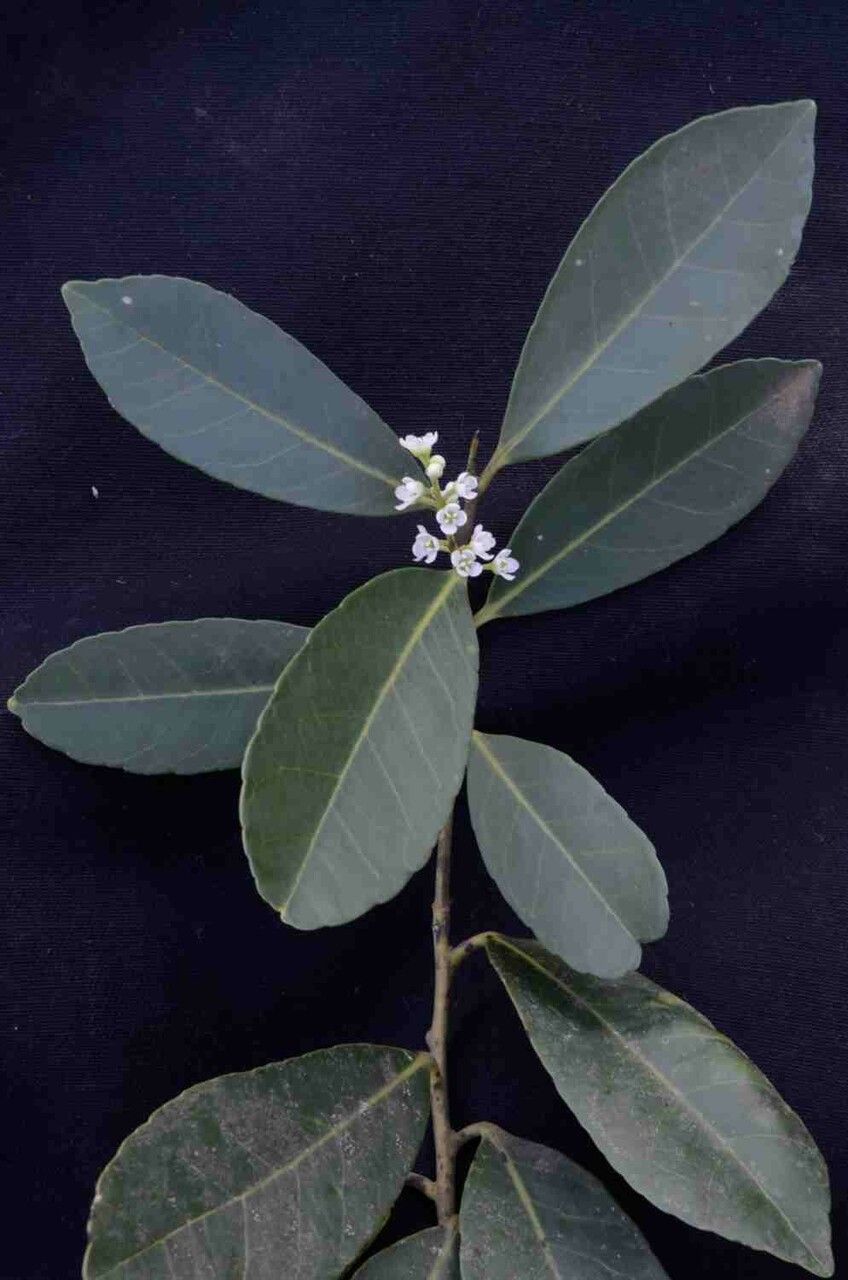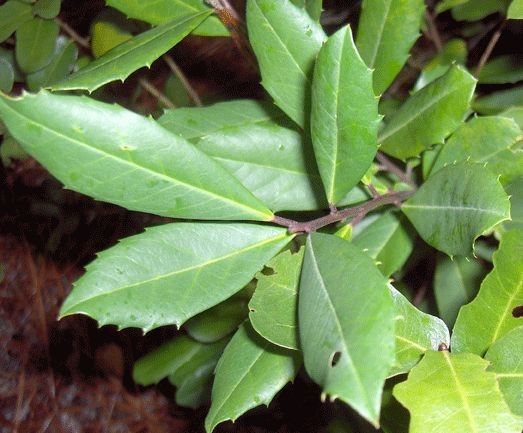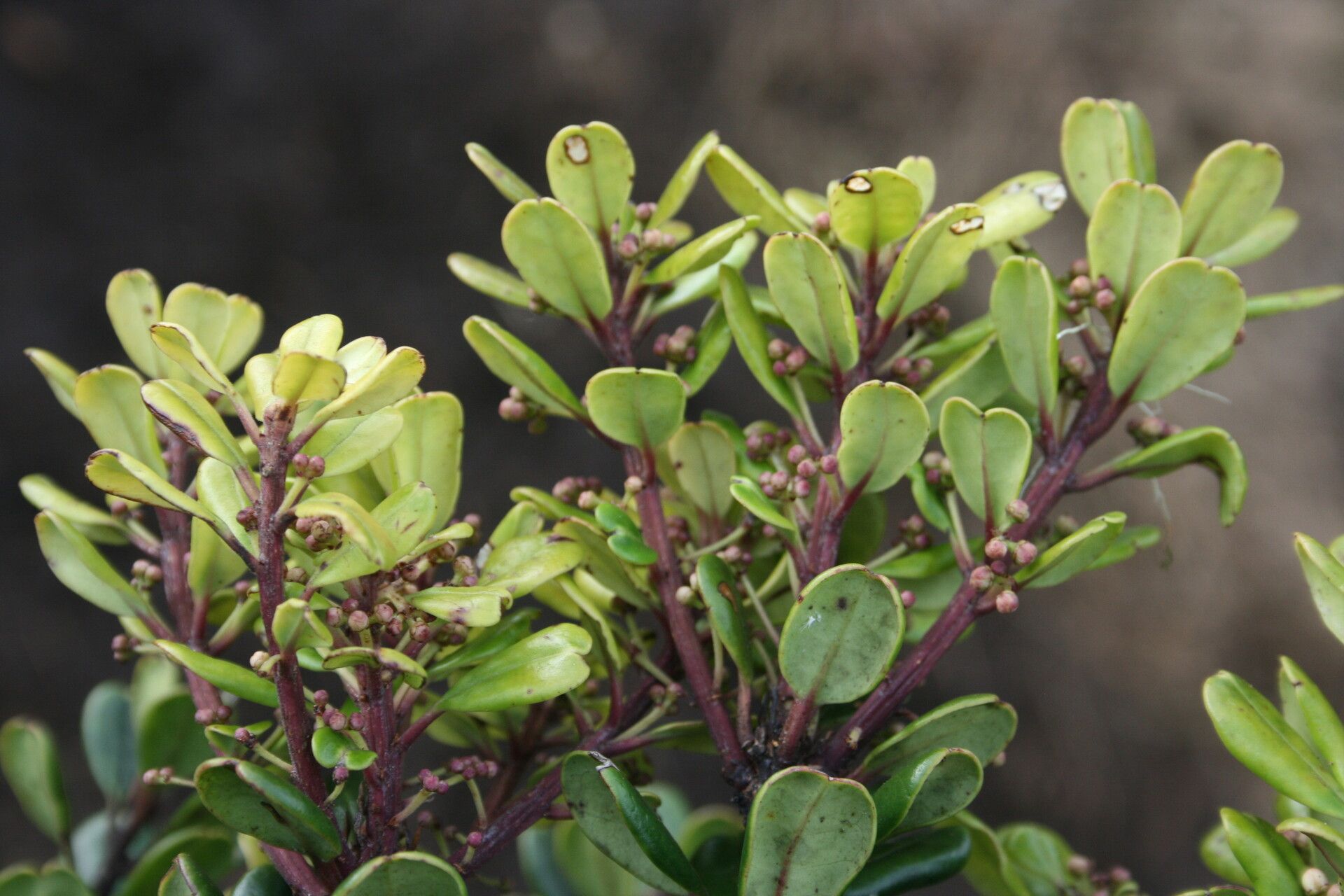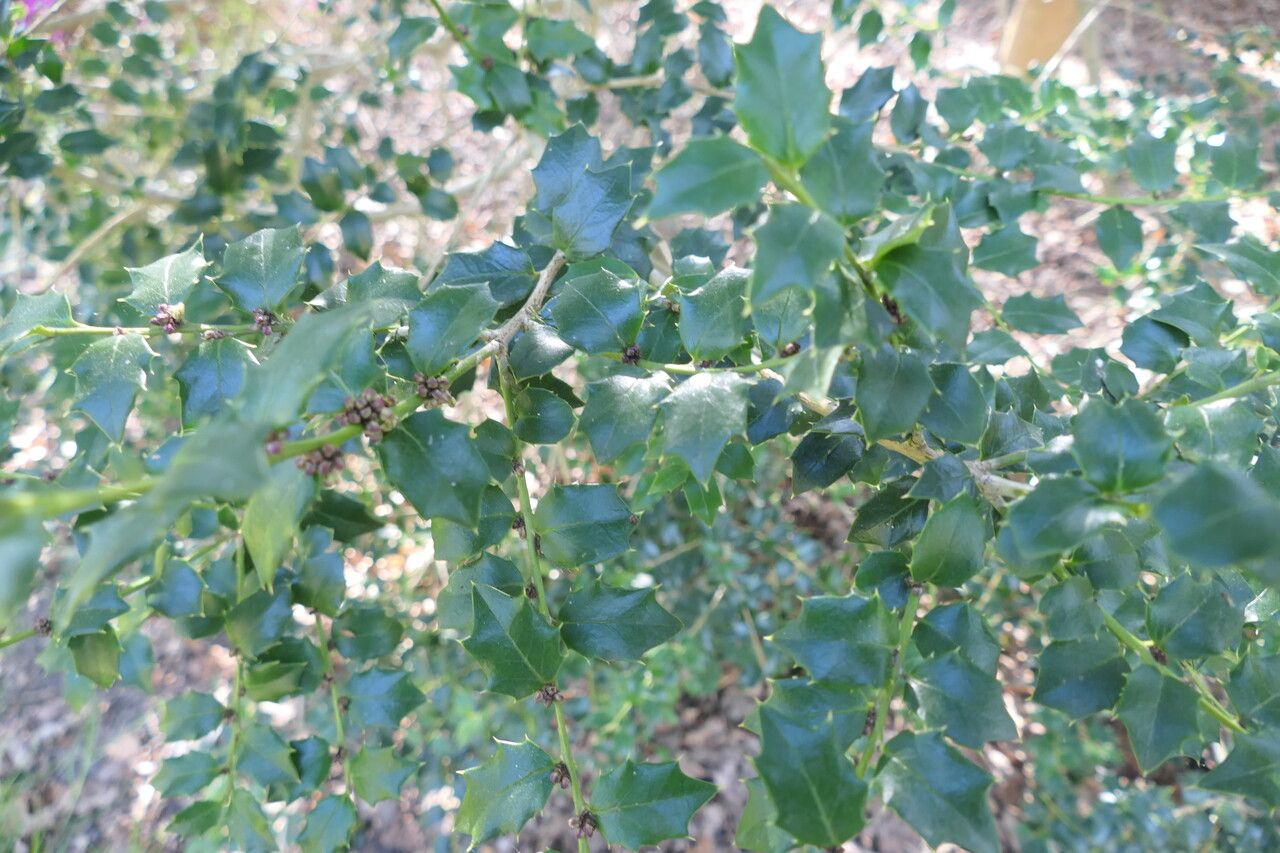
This small evergreen shrub features numerous branches filled with dense, small, toothy, dark green leaves that are heavily edged in bright golden yellow. As a male variety, it does not produce berries but can serve as a pollinizer for female English holly plants. It is an excellent choice for adding brightness to the landscape, whether used as a hedge, a foundation plant, or a landscape accent.
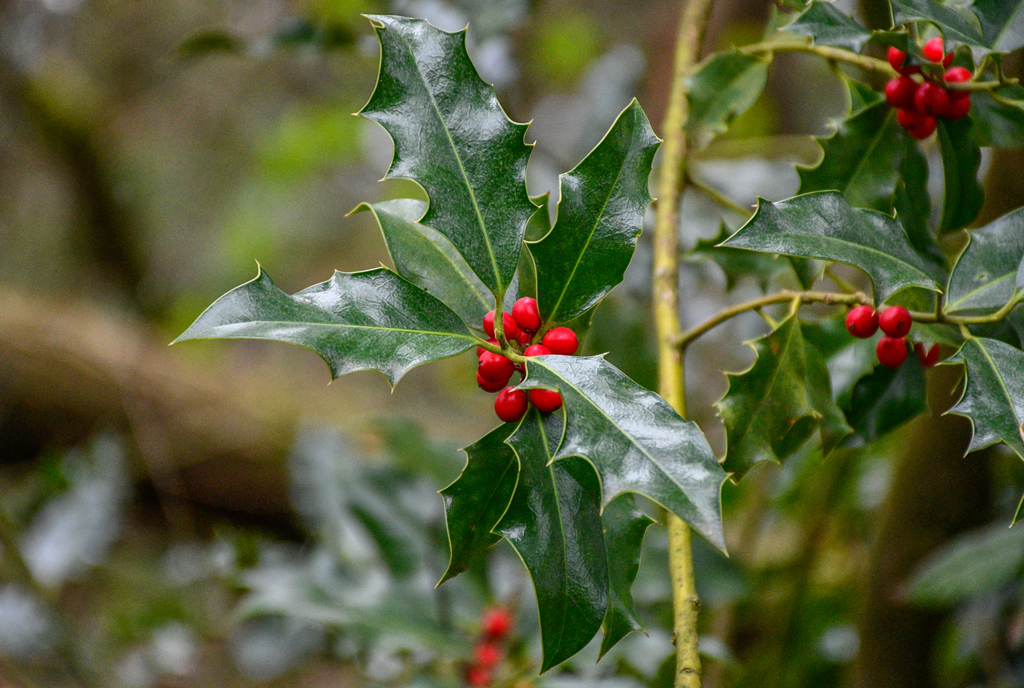
Common Holly: Plants from the Ilex genus are known as holly. Although the origins of this name vary across different languages, "holly" is the term most commonly used to refer to members of the Ilex genus. The specific plant known as "common holly" is particularly widespread and well-known within this genus.
English holly has strong resistance to disease and is typically not prone to illnesses. Regarding care, this plant is fairly low-maintenance. When grown outdoors it needs minimal watering, and larger plants usually do not require pruning. Smaller plants, however, should be trimmed after they finish blooming. English holly is suitable for people who have outdoor space, such as a garden or a deck, and does not require extensive plant-care experience.
How to keep Ilex Aquifolium.
Light
English holly prefers sites with plenty of sunlight. However, it can cope in locations where light is reduced or largely lacking. Its growth may be somewhat less vigorous in shady spots. Because it originates from areas with variable light conditions, both too little and too much sun can be harmful.
Water
Common holly grows best in well-drained soil with a moderate level of moisture. It typically needs watering every one to two weeks. As an evergreen plant, it requires consistent hydration to promote healthy growth. Ideally suited for outdoor cultivation, common holly benefits from rainwater in addition to regular irrigation to avoid waterlogging.
Humidity
This plant will thrive in moderate humidity, which is probably the level in your home. However, misting it a few times a week can be very beneficial. Make sure the room has good ventilation.
Temperature
English holly is a temperate woody species that prefers temperatures between 59 and 95 ℉ (15 and 35 ℃). In its native habitat it needs a cool winter to break dormancy and a warm summer for the best growth. To manage temperature extremes, offer shelter and mulch during cold winters and water regularly in hot summers.
Fertilizer
To encourage healthy growth, apply fertilizer to your English holly in early spring. Consistent fertilization improves overall health, producing vigorous growth, increased resilience to harsh conditions, and enhanced resistance to pests and diseases. Follow a specific fertilization schedule for your English holly to maintain vibrant foliage with deep color and a lush appearance.
Pruning
Common holly benefits from annual pruning to promote new branch growth, which is essential for flowering and fruiting. For best results, prune in winter, before early spring arrives. Remove one-third of the old branches along with any unhealthy leaves or foliage. In areas where snow is common, it's a good idea to bundle the remaining branches together to protect them from damage caused by snow or ice.
Pot & Repot
When repotting English holly, choose a pot 1–2 inches (2.5–5 cm) larger with ample drainage. Use a well-draining potting mix. Repot in spring or fall, making sure the root ball sits slightly below the rim of the pot. Water thoroughly after repotting and place the plant in a warm spot with indirect sunlight.
Botanical profile.
- Plant Type
- Shrub, Tree
- Life Cycle
- Perennial
- Genus
- Ilex
- Family
- Aquifoliaceae
- Hardiness Zone
- 8-9
- Mature Height
- 9.14 m
- Mature Spread
- 4.88 m
- Leaf Color
- Green, Yellow, White, Variegated
- Leaf Type
- Evergreen
- Flower Color
- White
- Flower Size
- 2.54 cm
- Bloom Time
- Late spring, Early summer
- Planting Time
- Spring, Autumn
- Harvest Time
- Mid summer, Late summer, Fall, Winter
- Native Area
- Turkey, Sweden, Austria, Tunisia, Montenegro, Bulgaria, Greece, Croatia, Slovenia, Morocco, Serbia, Russia, Norway, Germany, Italy, Spain, Switzerland, Denmark, Netherlands, France, Iran, Albania, Ireland, United Kingdom, Hungary, Algeria, Belgium, Portugal
Other names.
Reader questions.
When Should I Water My Common Holly?
Timely and appropriate watering is essential for the health and growth of common holly (Ilex aquifolium). It is crucial to monitor the soil's top 1-2 inches; if it's dry, it's time to water the plant. Pay attention to the plant's leaves for signs of water stress, such as wilting or changes in color, including a shift to yellowish or dark, mushy appearances. Common holly's growth may also signal its watering needs; slow or stunted growth often indicates insufficient watering. Seasonally, this plant requires more water during the active growth phase in warmer months and less during winter. Overwatering or underwatering can lead to issues such as leaf drop, less vigorous growth, and increased susceptibility to diseases.
Why should I put fertilizer on my Common holly?
No matter what type of Common holly you have, regular fertilization is key for maintaining its overall health. Providing the right nutrients encourages strong growth and enhances the plant's ability to withstand challenging conditions, while also reducing the risk of diseases and pests. The foliage of your Common holly is especially appealing, so it is important to prioritize its preservation. To achieve this, establish a consistent fertilization routine tailored to your specific Common holly. By doing so, you will promote the growth of vibrant, lush leaves with a deep color.
What are the sunlight requirements for Common Holly (Ilex aquifolium)?
Common Holly (Ilex aquifolium) requires full sun, meaning it should receive above 6 hours of sunlight daily. However, it can also tolerate partial sun to full shade, where it gets about 3-6 hours of sunlight. Observing how sunlight moves through your garden helps in choosing spots that provide the optimal balance of light and shade, ensuring the plants' happiness. While the Common Holly enjoys generous sunlight exposure, it can adapt to less sunny or even mostly shady areas, albeit with possibly less vigorous growth.
What is the preferred temperature range for Common Holly?
Common Holly (Ilex aquifolium), a temperate woody plant, thrives in a temperature range of 59 to 95°F (15 to 35°C). It requires a cool winter to break dormancy and a warm summer for optimal growth. During cold winters, it is advisable to provide shelter and mulch to adjust the temperature. Similarly, in hot summers, regular watering is necessary to maintain ideal growing conditions. Common Holly has some level of cold tolerance and usually does not need extra cold protection measures if the temperature stays above its tolerable growing temperature minimum. However, if temperatures are expected to fall below this threshold, temporary measures such as wrapping the plant with protective materials are recommended until warmer temperatures resume.
How Should I Water My Common Holly?
Common holly thrives with shallow watering due to its shallow root system, benefiting from water applied slowly to the topsoil. In potted conditions, bottom-watering can be advantageous, and moderate misting can help increase humidity. Using a watering can with a rose attachment allows for a gentle flow, minimizing soil disruption. Focus on the root zone when watering and avoid soaking the foliage to prevent fungal diseases. Early morning watering is best to minimize evaporation and allow soil to absorb moisture effectively. It's recommended to apply water gradually, ensuring the soil is moist but not waterlogged, especially during extreme heat to prevent stress without over-saturating.
When should I fertilize my Common holly tree?
To ensure optimal growth for your Common holly, fertilize it for the first time in late winter or early spring. This will supply the necessary nutrients for healthy growth when the weather warms up. If you live in a warm climate region, it is beneficial to fertilize again in early fall. This adds nutrients for the following growing season and helps the plant withstand the winter cold without damaging its foliage. Fertilizing earlier in fall will allow the new branches to grow and withstand the cold winter.
How does artificial lighting benefit indoor Common Holly plants?
Indoor Common Holly plants require adequate lighting for optimal growth, which can be supplemented with artificial lighting especially when natural sunlight is insufficient, like during winter or in less sunny spaces. LED lights are popular for being customizable to provide specific wavelengths needed by the plants. Full sun plants should have 30-50W/sq ft, partial sun plants 20-30W/sq ft, and full shade plants 10-20W/sq ft of artificial light. The appropriate distance for the light source is 12-36 inches above the plant to mimic natural sunlight, and most plants benefit from 8-12 hours of light per day.
How does Common Holly react to low temperatures, and what are the solutions?
Common Holly has a moderate tolerance to low temperatures, performing best when the temperature remains above its suitable growth temperature minimum. It's essential to keep it above the tolerable growing temperature minimum during winter. If temperatures dip below the limit growth temperature, you may notice the leaves drooping. While the plant can recover from mild frosts, severe cold can lead to wilting and eventual leaf drop. To protect Common Holly from frost damage, trim off the frost-damaged parts. Before facing low temperatures again, it's wise to wrap the plant with non-woven fabric or cloth and construct a wind barrier to shield it from cold winds.
How Much Water Does Common Holly Really Need?
Common holly requires regular, moderate watering to maintain consistently moist soil, particularly due to its fibrous, shallow roots. The exact amount depends on several factors including pot size and root depth; a small pot may need 0.5 to 1 liter per session, while a larger one might require 1 to 2 liters. Proper hydration is indicated by vibrant, glossy green leaves, firm stems, and the plant's ability to produce new growth, flowers, and berries. Too much or too little water can respectively lead to signs like yellowing leaves from overwatering or drooping and wilting from underwatering. Using a well-draining potting mix and adding organic matter can help manage water needs efficiently.
When is it not a good idea to fertilize my Common holly?
There are specific times of the year when you should avoid fertilizing your Common holly. The first occasion is in the early and mid-winter months, when the plant is dormant and does not require any feeding. It is also not advisable to fertilize the plant in late spring and throughout the summer due to hotter and potentially drier weather conditions. Fertilizing during this time can have a negative impact on your Common holly. To prevent any problems, it is best to stick to a fertilization schedule that only involves feeding in early spring and early fall.
What are the symptoms of light deficiency in Common Holly?
Symptoms of light deficiency in Common Holly include new leaves growing smaller than mature ones, leggy or sparse growth, faster leaf drop, slower or halted new growth, paler new leaves indicating insufficient chlorophyll and nutrients, chlorosis (leaf yellowing), sunscald, leaf curling as a defense mechanism against sunlight, wilting from water loss, and leaf scorching due to excessive sunlight.
What should be done if Common Holly experiences high temperatures?
During summer, it's crucial to keep Common Holly below its suitable growth temperature maximum. If temperatures soar above its tolerable growing temperature max, the plant may exhibit signs of stress such as lighter leaf color, dry and withered leaf tips, curling leaves, and susceptibility to sunburn. Addressing high temperature stress involves trimming away sunburned and dried-up parts, moving the plant to a shaded area during the peak sun hours, or using a shade cloth. Adequate watering in the morning and evening to maintain soil moisture can also mitigate the effects of high temperatures.