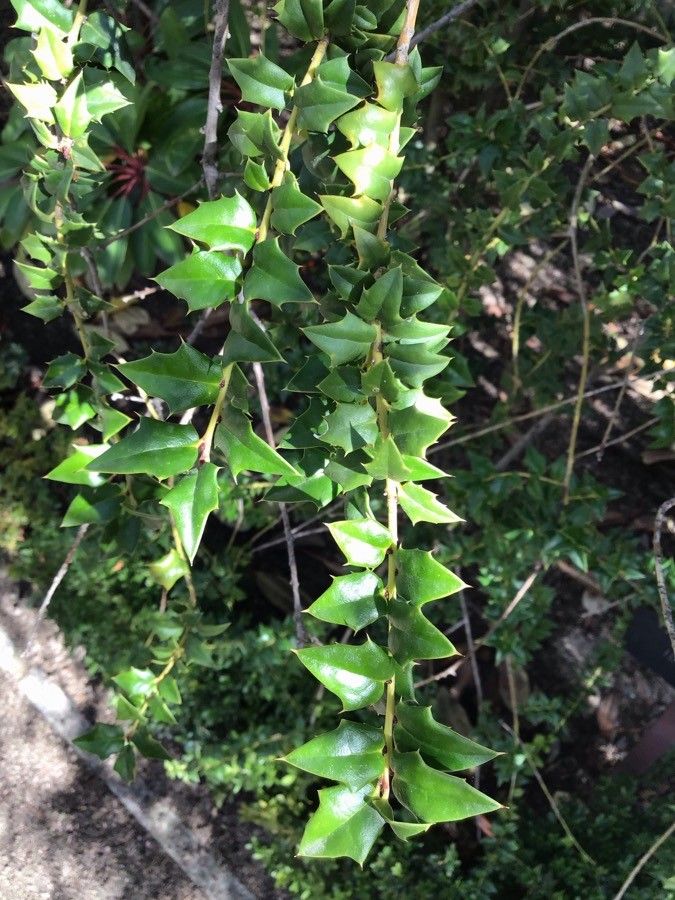
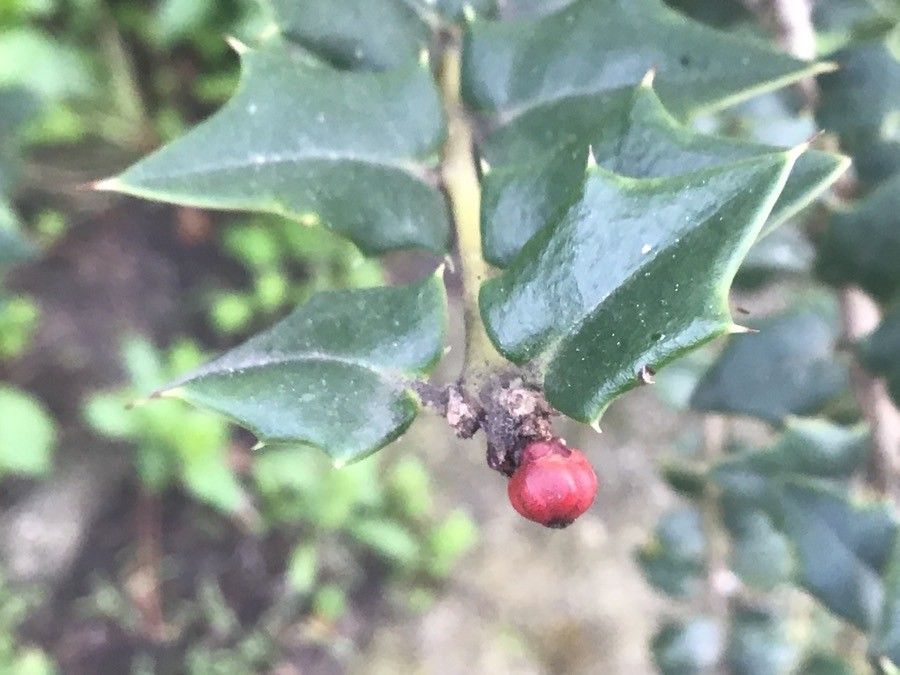
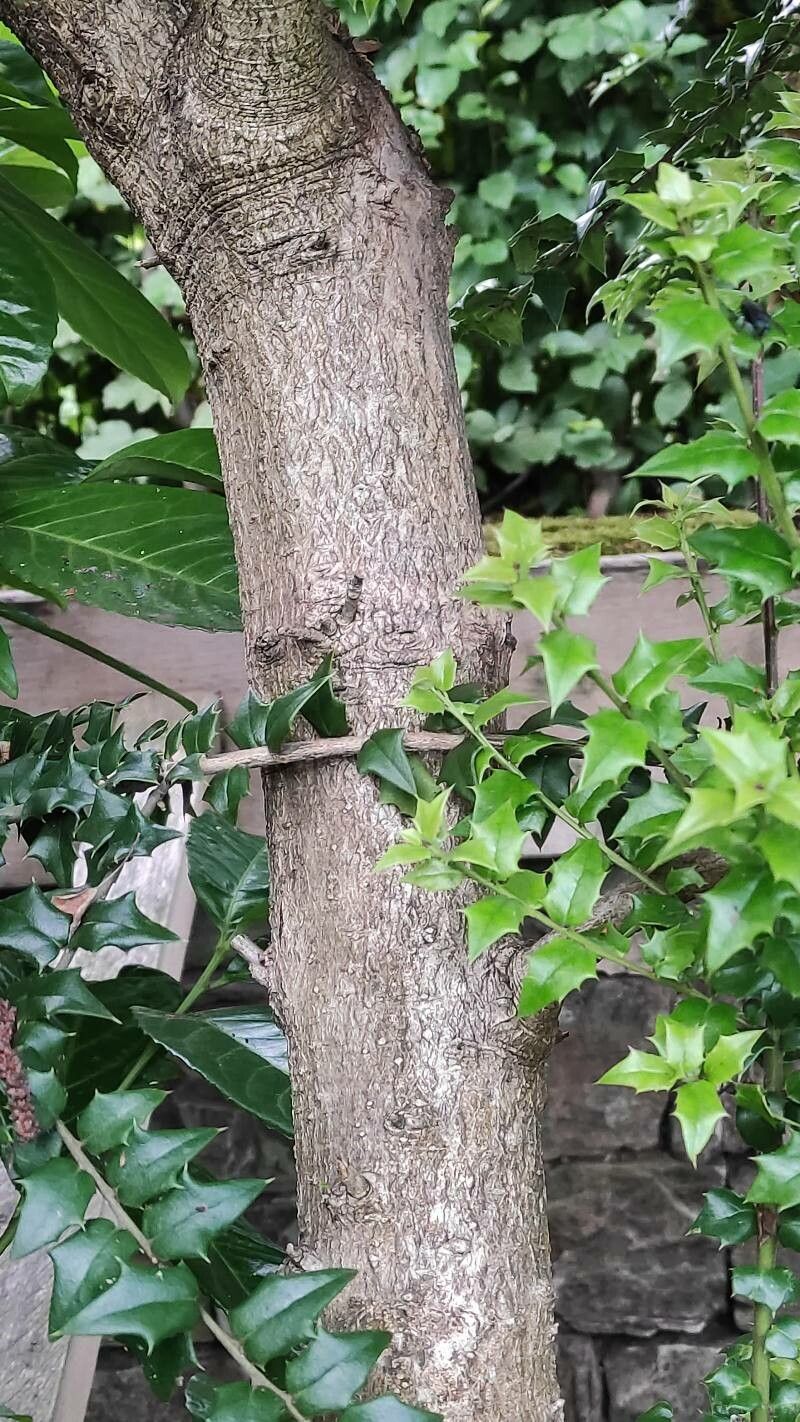
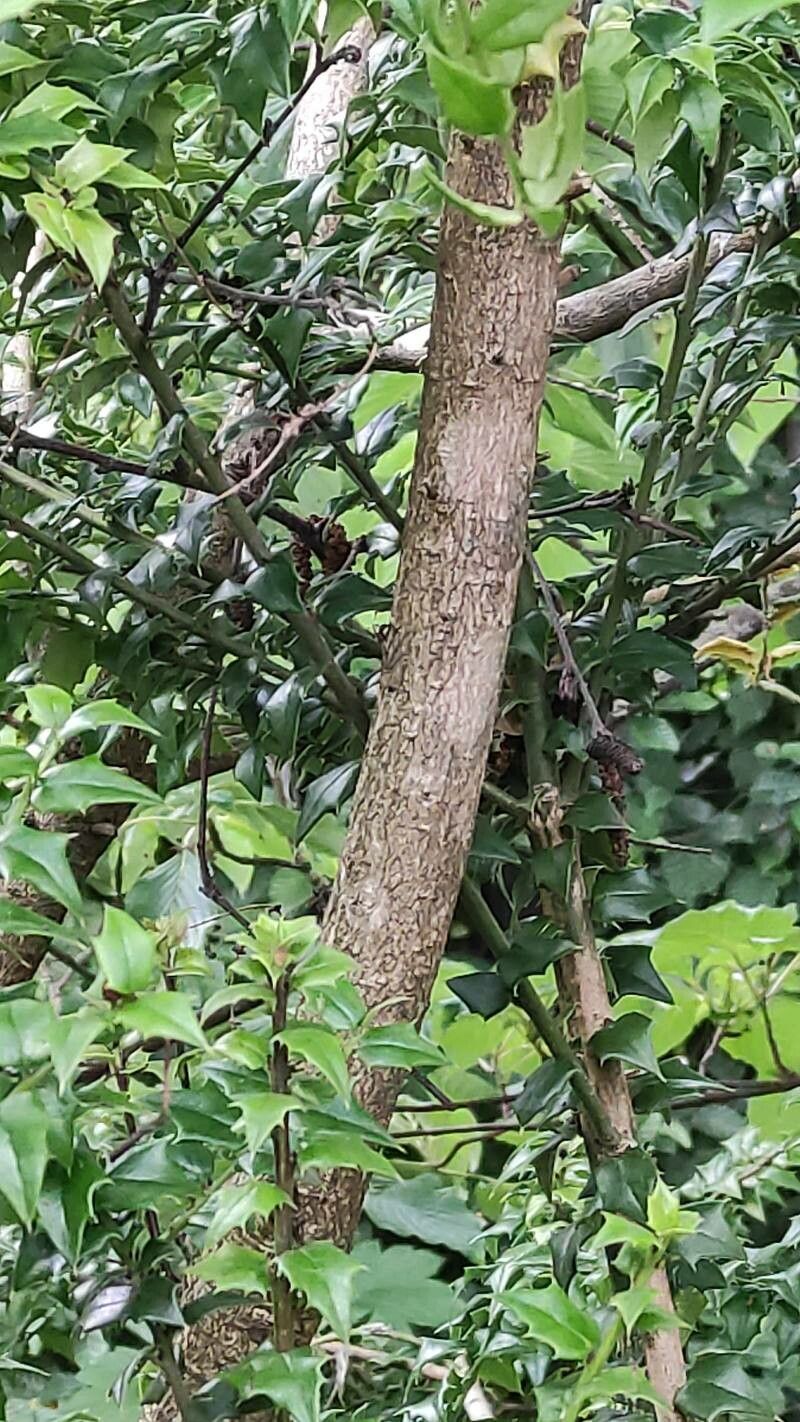
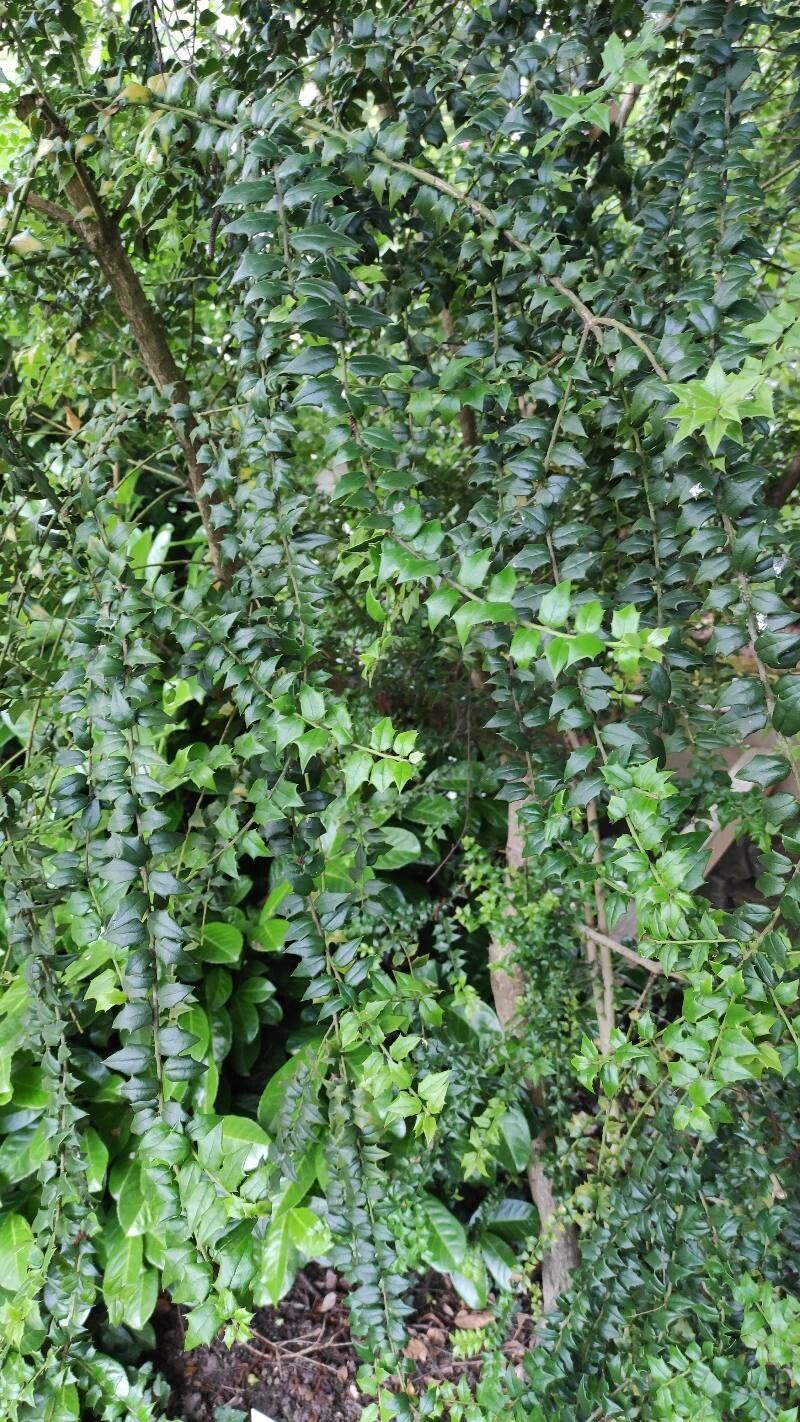
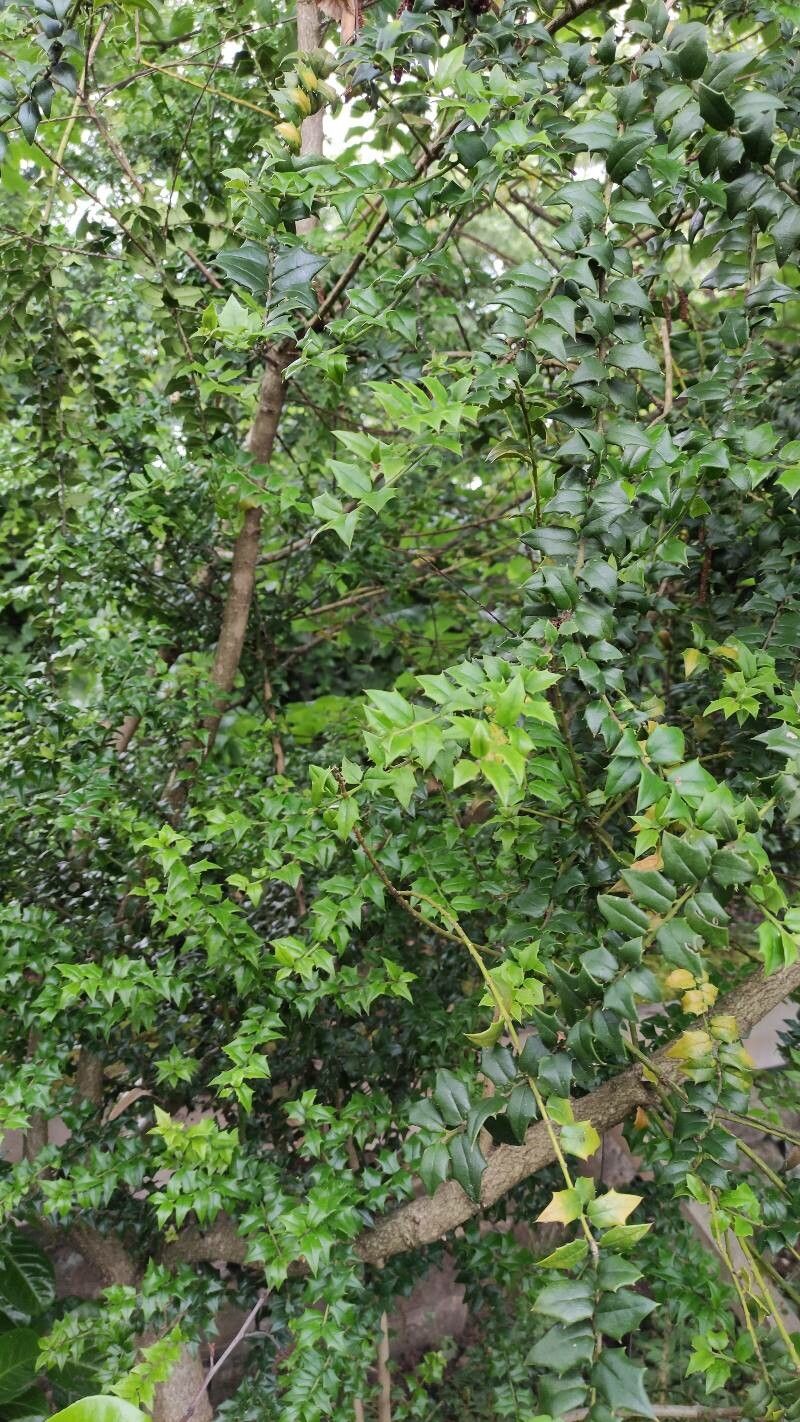
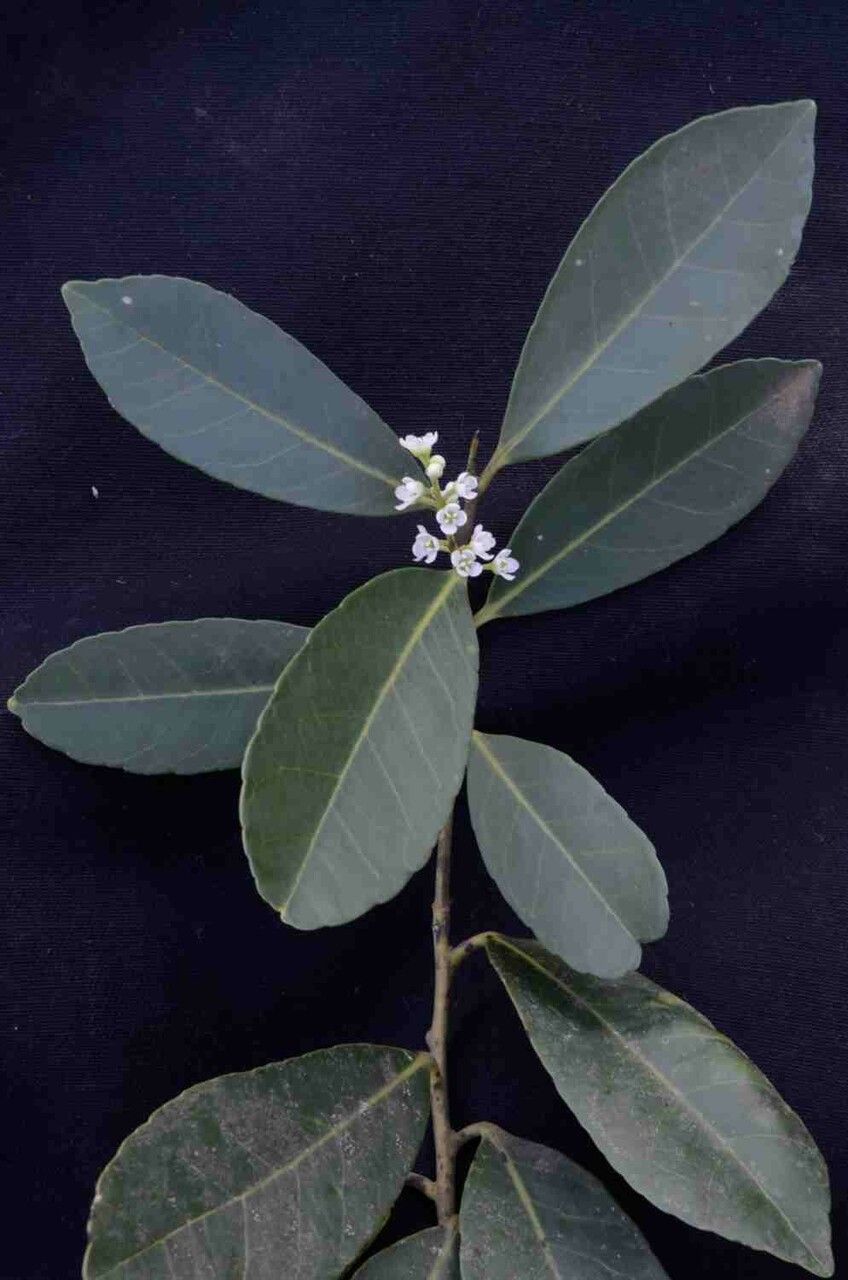
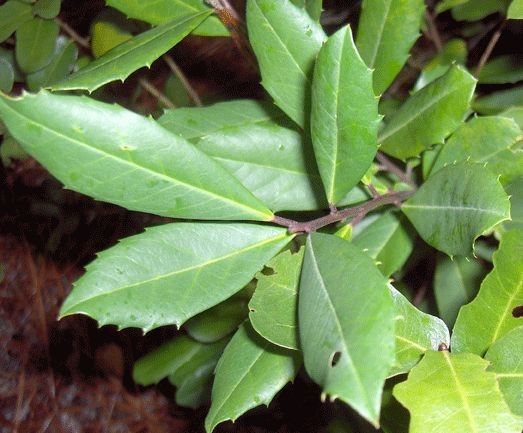
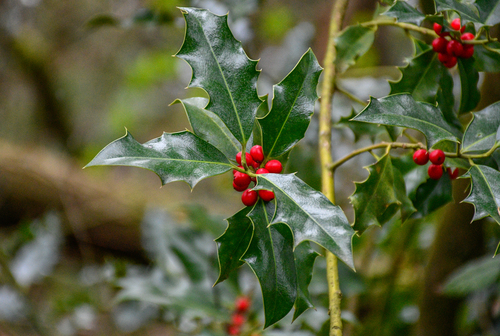
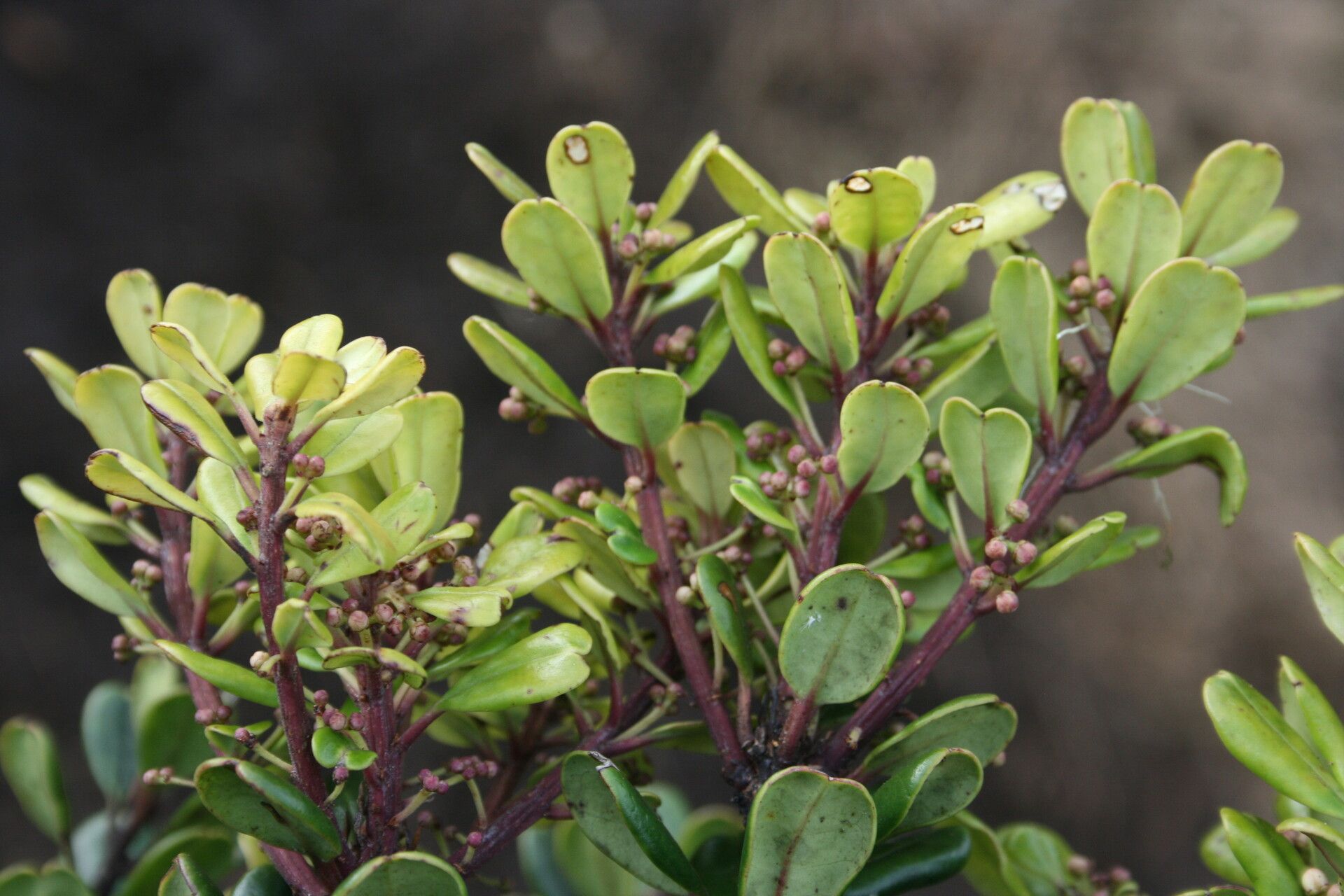
Ilex pernyi is a species in the Ilex (holly) genus and the family Aquifoliaceae. This evergreen shrub or small tree occurs in Mongolia and the south-west of China, specifically in Anhui, Gansu, and Shaanxi. The leaves are diamond-shaped with sharply toothed margins, opposite on the many branches. The small flowers are yellow, and berries on the female plants are red.
Perny's holly is resistant to disease and generally not susceptible to illnesses. In terms of care, this plant is fairly low-maintenance. When grown outdoors it needs only minimal watering, and larger plants typically do not require pruning. Smaller plants, however, should be pruned after they have finished blooming. Perny's holly is suitable for anyone with an outdoor area, such as a garden or deck, and does not demand extensive experience in plant care.
How to keep Ilex Pernyi.
Light
Perny's holly does best in sites that receive moderate sunlight, though it can tolerate areas with greater sun exposure. Its native habitat—probably a forest understory—suggests it is adapted to a range of light conditions. While the plant withstands considerable sun, excessive exposure can cause leaf scorch, and insufficient light can impede its healthy growth.
Water
Perny's holly, which originates from regions with different moisture levels, exhibits moderate drought tolerance. This plant thrives when the soil is allowed to dry out slightly between waterings, typically every 2 to 3 weeks. As an evergreen, Perny's holly retains its foliage throughout the year, so it's important to maintain consistent soil moisture to support its growth and prevent desiccation.
Temperature
Perny's holly is highly adaptable to different climate conditions, from very hot summers to cold winters. Nevertheless, it has a preferred temperature range for optimal growth. If temperatures become too high, the plant is susceptible to heat and humidity stress, which can lead to its death. In places where temperatures approach the lower limit of its cold tolerance, providing insulation to protect the plant is important.
Fertilizer
Timing is important when fertilizing Perny's holly. Apply fertilizer in early spring and continue monthly until early summer. The fertilizer promotes attractive blooms and supplies energy during both dormant periods and times of active growth.
Pruning
Perny's holly is characterized by its dense, spiny leaves and small red berries. To shape the plant and improve air circulation, it's best to prune it from early to late winter. By thinning the interior branches, you can promote better light penetration and create a fuller appearance. Proper pruning enhances the plant's aesthetic appeal, health, and berry production. Remember, moderate and consistent pruning is essential for the best results.
Botanical profile.
- Plant Type
- Shrub
- Life Cycle
- Perennial
- Genus
- Ilex
- Family
- Aquifoliaceae
- Hardiness Zone
- 6-9
- Mature Height
- 2.74 m to 3.66 m
- Mature Spread
- 1.22 m to 1.83 m
- Leaf Color
- Green, Blue
- Leaf Type
- Evergreen
- Flower Color
- White
- Flower Size
- 2.54 cm
- Bloom Time
- Mid spring, Late spring
- Planting Time
- Spring, Summer
- Harvest Time
- Late summer, Fall
- Native Area
- Myanmar, China
Other names.
Reader questions.
How should I water my Perny's holly plant?
To water your Perny's holly, you can use any common watering tool such as watering cans, hoses, or cups. Regardless of the tool you choose, it's important to apply the water directly to the soil. Make sure to evenly moisten all parts of the soil to provide water to the entire root system. Using filtered water is recommended to avoid harmful particles found in tap water. Additionally, it's beneficial to use water at or slightly above room temperature to prevent shocking the plant. However, the Perny's holly typically responds well to any type of water.
Why do I have to put fertilizer on my Perny's holly tree?
No matter what type of Perny's holly you have, regular fertilization is key to promoting a healthy plant. Providing the right nutrients will result in stronger growth and make your Perny's holly more resilient to harsh conditions, as well as better equipped to fight off diseases and pests. To preserve the appealing foliage of your Perny's holly, it is important to maintain a consistent fertilization routine tailored to its needs. By doing so, you can expect your Perny's holly to develop vibrant colored and lush leaves.
What are the sunlight requirements for plants?
Plants require different amounts of sunlight to thrive. Partial sun plants need about 3-6 hours of sunlight, while full sun plants require above 6 hours of sunlight daily. It's crucial to observe the movement of sunlight through your garden to determine the best spots that offer the right balance of light and shade for your plants, ensuring their growth and happiness.
What should I do if I give too much or too little water to my Perny's holly?
Outdoor plants, particularly newly planted ones or seedlings, are prone to lack of watering. It's important to consistently water them for the first few months until their roots are established and can rely on rain. However, overwatering becomes more likely when Perny's holly is planted in pots. If you accidentally overwater your Perny's holly, stop watering it immediately to minimize the damage. Then, inspect the roots to see if there is any root rot. If there isn't, you can put the plant back in its pot. If there is root rot, trim away the affected roots and apply fungicide. Lastly, repot the Perny's holly in well-draining soil. On the other hand, if you underwater the plant, its leaves will droop, dry out, and fall off. Correct the watering frequency as soon as you notice this, and the leaves will regain fullness with sufficient watering.
When should I fertilize my Perny's holly?
To ensure healthy growth of your Perny's holly, it's best to fertilize it in late winter or early spring. This provides essential nutrients for the plant to thrive when the weather warms up. Additionally, if you live in a warm climate, it can be beneficial to provide an extra fertilizer feeding in early fall. This not only adds nutrients for the following growing season, but also helps the plant withstand the winter cold without foliage damage. Fertilizing earlier also allows new branches to grow stronger and better withstand the cold winter temperatures.
How does Perny's holly adapt to sunlight?
Perny's holly, with its origin likely in a forest understory, is adapted to handle varying conditions of sun exposure. It thrives in moderately sunny locations but can also withstand higher levels of sunlight exposure. Although tolerant of significant sunlight, excessive amounts can cause issues like leaf scorch, while insufficient sunlight may hinder the plant's healthy growth. It's vital to balance light conditions to prevent these problems.
How frequently do I need to water my Perny's holly?
Most outdoor plants can grow naturally with rainfall, but if your area doesn't get much rain, you should water them every 2 weeks in spring and fall. In summer, you'll need to water more often, and in winter, water less since the plants grow slower and need less water. You may not need to water at all during winter. If your Perny's holly is young or newly planted, water it more frequently to help it establish and grow. For potted plants, there are two ways to determine how often to water your Perny's holly. One way is to set a watering schedule, either once a week or every other week. However, this may not work well if the conditions are different for your Perny's holly. Another option is to check the soil moisture. Wait until the top 2 to 4 inches of the soil have dried out completely before watering again.
When is it not a good idea to fertilize my Perny's holly?
Avoid fertilizing your Perny's holly during certain times of the year. Firstly, in the early and mid-winter months, the plant is dormant and does not require feeding. Secondly, it is also not recommended to fertilize during late spring and throughout the summer, as the weather is hotter and drier, increasing the chances of a negative response to fertilization. Instead, stick to a fertilization schedule that involves feeding only during early spring and early fall to avoid any problems.
What are the artificial lighting requirements for indoor plants?
For indoor plants, ensuring adequate lighting is essential for optimal growth, especially when natural sunlight is limited. Artificial lights, such as LEDs, are beneficial because they can be customized to provide the required wavelengths of light. The amount of artificial light needed varies: full sun plants need 30-50W/sq ft, partial sun plants need 20-30W/sq ft, and full shade plants require 10-20W/sq ft. Position the light source 12-36 inches from the plant and mimic natural daylight hours, usually providing 8-12 hours of light per day, to encourage healthy growth.
How much water does my Perny's holly plant need?
To water your Perny's holly effectively, you don't always need to provide a lot of water. If only a few inches of soil have dried since the last watering, give it about five to ten ounces of water. You can also determine the amount of water based on how dry the soil is. If more than half of the soil is dry, give more water until it drains out of the pot's holes. If your Perny's holly is in an area that receives ample rain, you may not need to water it additionally. When the plant is young or establishing, give it 1-2 inches of rain per week. Once it is established, it can survive solely on rainwater. Only water it fully if there is a prolonged period of hot weather without rainfall for 2-3 weeks to prevent stress.
What kind of plant food should I give my Perny's holly?
Perny's holly primarily needs nitrogen, but it still requires phosphorus and potassium. A balanced fertilizer like 10-10-10 is generally sufficient for all three nutrients. However, a more precise nutrient ratio, especially with higher nitrogen content like 10-6-4, often leads to the best growth for Perny's holly. Both granular and liquid fertilizers are suitable options for application.
What are the symptoms of insufficient light in Perny's holly?
Perny's holly may display several symptoms when grown in insufficient light, including smaller new leaves, leggy or sparse growth, faster leaf drop, slower or halted growth, lighter-colored leaves, chlorosis, sunscald, leaf curling, wilting, and leaf scorching. These symptoms indicate the plant's struggle with inadequate sunlight, affecting its health and growth capacity.