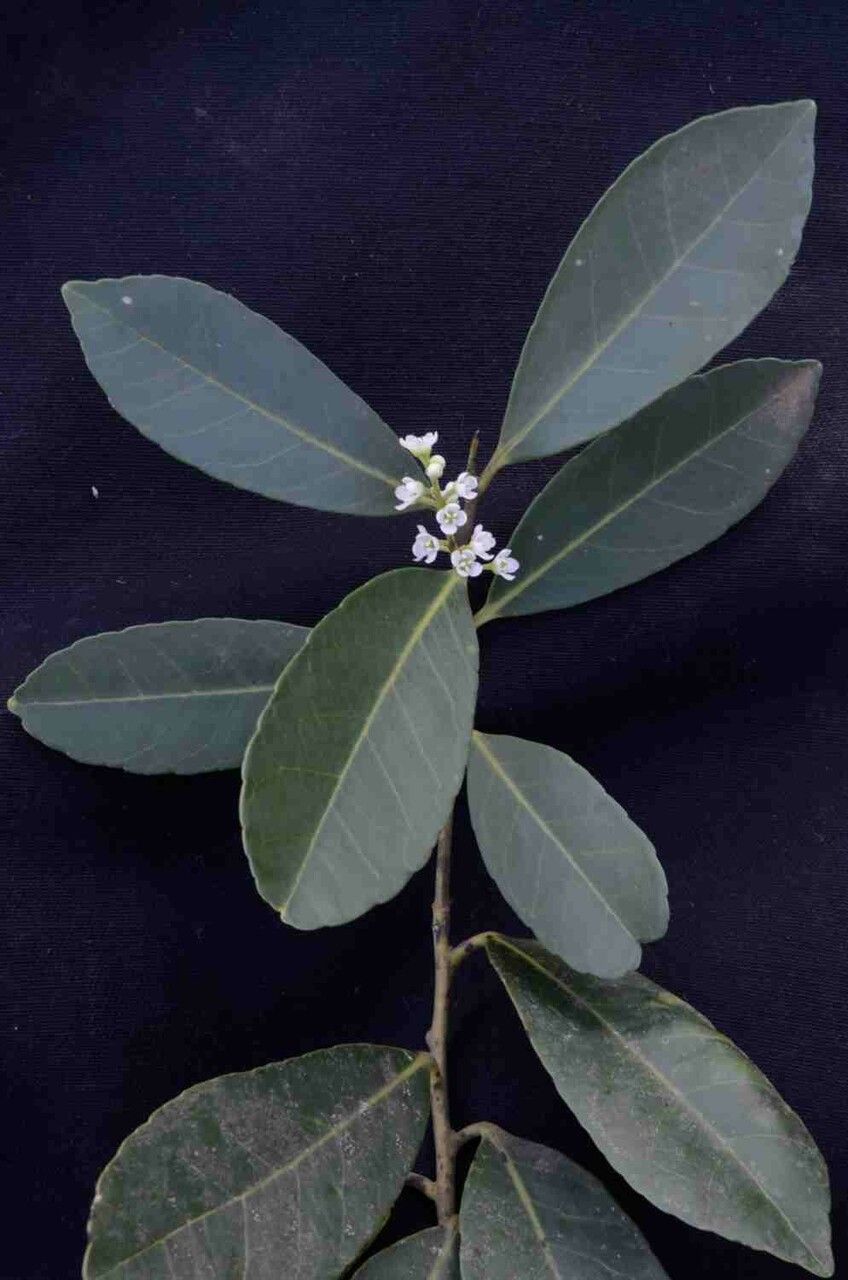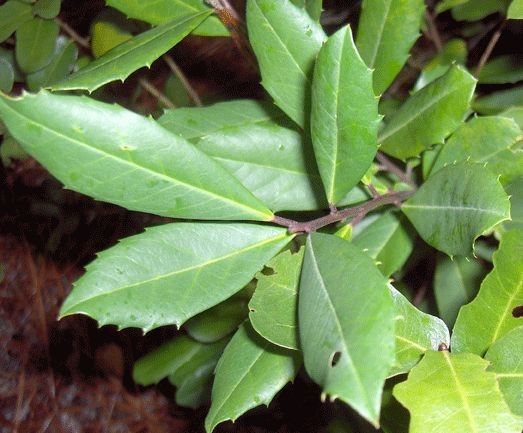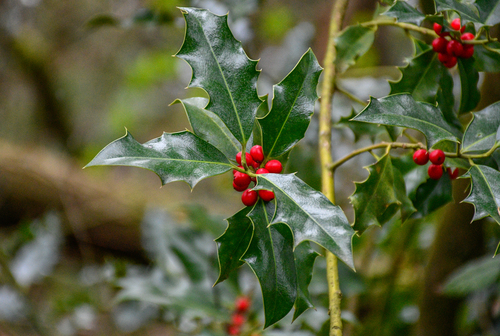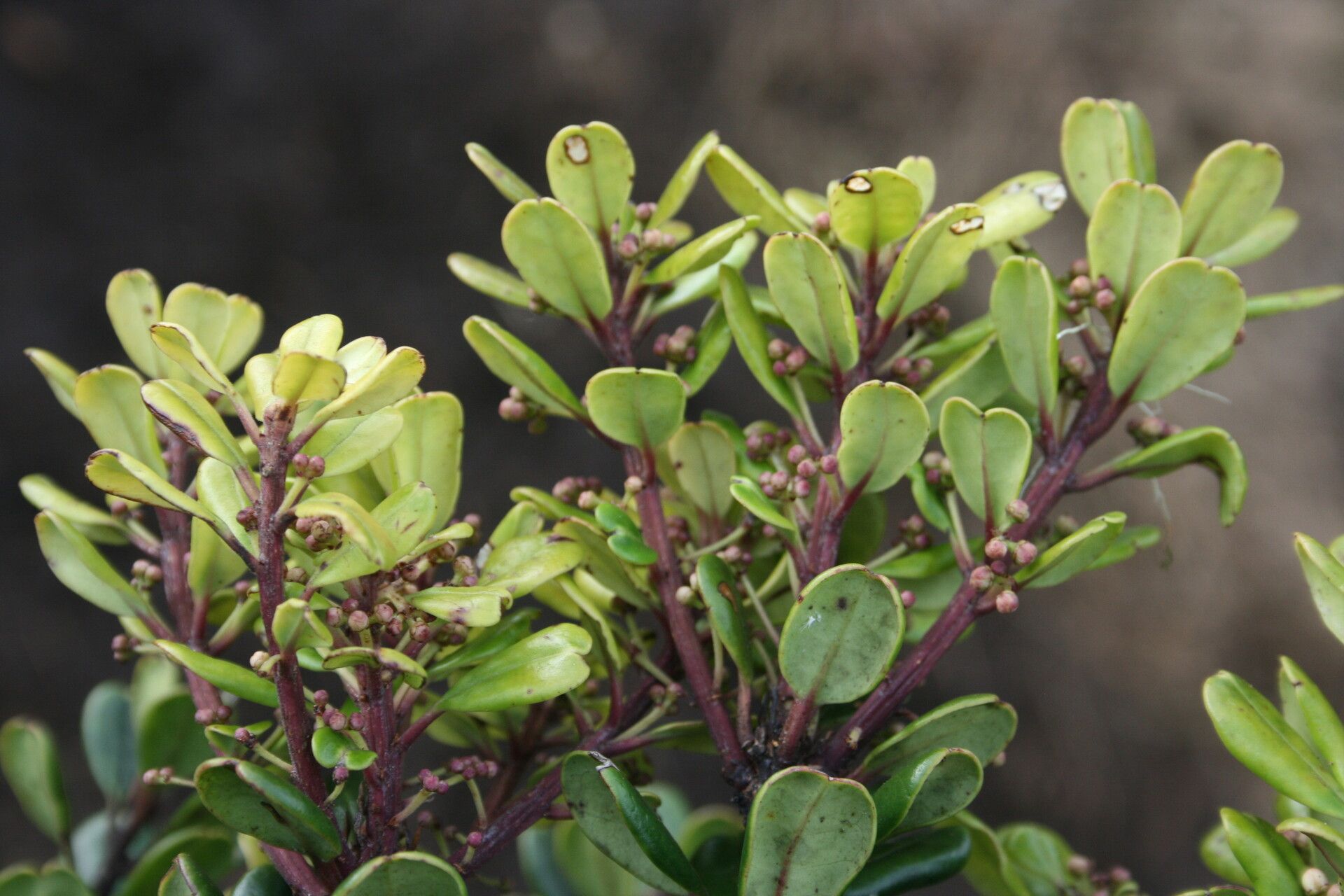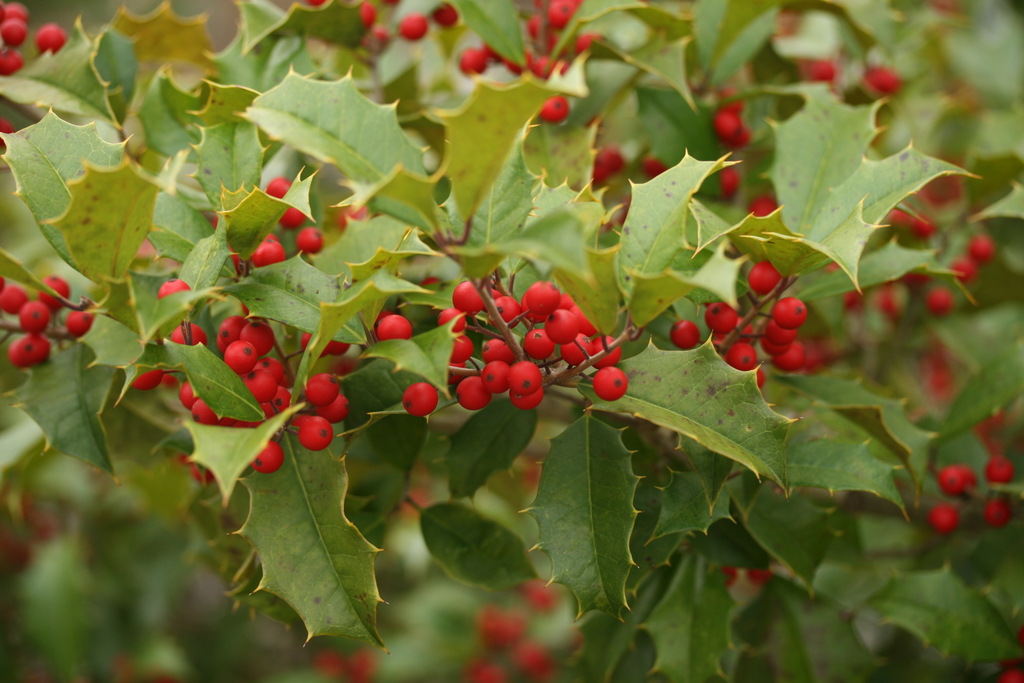
Ilex opaca, commonly known as American holly, is a slow-growing evergreen tree native to the eastern United States. Typically, it reaches a height of 40-50 feet and has a pyramidal shape with dense foliage. The leaves are glossy and dark green with spiny edges, while the bark is grayish-brown with shallow fissures.
In late spring or early summer, American holly produces small white flowers. These flowers are followed by bright red berries in the fall, which are a crucial food source for birds and other wildlife during the winter months.
The wood of Ilex opaca is hard and dense, making it valuable for furniture making, carving, and other woodworking projects. Historically, Native Americans have also used this plant for medicinal purposes to treat fevers, coughs, colds, headaches, and various other ailments.
American holly is closely linked to the Christmas holiday in North America. Homes are adorned with American holly to welcome guests and celebrate the festive season, and it is featured in many holiday poems and songs. These traditions started in England in the 19th century and made their way to the United States. FUN FACT · FROM THE LIBRARY
Ilex opaca prefers well-drained soils but can tolerate some moisture. It thrives in full sun or partial shade and can be grown as an ornamental tree or used in landscaping projects due to its year-round attractive foliage.
Overall, the Ilex opaca plant serves both ecological purposes, such as providing a food source for wildlife during winter, and economic purposes, such as furnishing material for woodworking due to its hard, dense wood.
When the Pilgrims first arrived in America, they encountered the native plant Ilex opaca, known for its spiny evergreen leaves and bright red berries. This plant reminded them of the English holly from their homeland. They started using Ilex opaca in holiday decorations and affectionately referred to it as "Christmas holly."
American holly is resistant to disease and is typically not prone to health problems. In terms of care, this plant is fairly low-maintenance. Planted outdoors, it needs only minimal watering, and larger specimens usually do not require pruning. Smaller plants, however, should be pruned after they have finished blooming. American holly is suitable for anyone with an outdoor area, such as a garden or deck, and does not demand much experience in plant care.
How to keep Ilex Opaca.
Light
American holly performs best in locations that receive plentiful sunlight throughout the day. It can tolerate moderate shade, but too little light may impede its growth and overall health. Having originated in sun-rich habitats, it adjusts to different light levels at various stages of development, yet strong sunlight supports its best growth.
Water
American holly, which originates from moderately moist habitats, thrives in well-draining soil. It needs watering every 1 to 2 weeks, allowing the soil to dry slightly between waterings. As an evergreen plant, American holly is effective at conserving water during cooler months, maintaining its foliage year-round and adapting well to its woodland environment.
Temperature
The native habitat of american holly is temperate North America. It favors temperatures from 59 to 95 ℉ (15 to 35 ℃). In winter it can tolerate lows down to 10 ℉ (-12.2 ℃). In summer it prefers cooler conditions near 75 to 80 ℉ (23.9 to 26.7 ℃).
Fertilizer
Fertilize your American holly in early spring to encourage healthy growth. Consistent fertilization improves overall health, leading to vigorous growth, greater tolerance of harsh conditions, and enhanced resistance to diseases and pests. Stick to a regular fertilization routine for your American holly to preserve vibrant, deeply colored foliage and a lush appearance.
Pruning
To maintain the health and shape of American holly, it is important to prune it between early and late winter. This process involves removing dead branches, encouraging dense growth, and keeping branches that produce berries. Regular pruning also enhances air circulation and reduces the risk of disease. Be sure to sanitize your tools to prevent infection and promote optimal plant vitality.
Pot & Repot
When repotting American holly, choose a pot 1-2 inches (2.5–5.1 cm) larger with ample drainage. Use a well-draining potting mix. Repot in spring or fall, making sure the root ball is slightly lower than the rim of the flower pot. Water thoroughly after repotting and place in a warm spot with indirect sunlight.
Botanical profile.
- Plant Type
- Tree, Shrub
- Life Cycle
- Perennial
- Genus
- Ilex
- Family
- Aquifoliaceae
- Hardiness Zone
- 8-9
- Mature Height
- 4.57 m to 29.87 m
- Mature Spread
- 3.05 m to 6.1 m
- Leaf Color
- Green
- Leaf Type
- Evergreen
- Flower Color
- White
- Flower Size
- 2.54 cm to 7.62 cm
- Bloom Time
- Late spring, Early summer
- Planting Time
- Spring, Autumn
- Harvest Time
- Mid summer, Late summer, Fall, Winter
- Native Area
- Southern and eastern United States
Other names.
Reader questions.
When Should I Water My American Holly?
Proper and timely watering is crucial for the health and development of the American Holly, as it affects its growth, foliage, and disease resistance. To determine if it's time to water, check the soil moisture by inserting your finger about 1 to 2 inches into the soil; if dry, water the plant. Look for signs like droopy or wilted leaves, changes in leaf color to pale or yellow, leaf curling, slow growth, and poor flowering as indicators of water necessity. However, be mindful of overwatering and underwatering risks, ensuring the soil is not consistently wet and addressing water deficiency promptly to avoid damage.
Why do I have to put fertilizer on my American holly plant?
No matter which type of American holly you have, regular fertilization is essential for its overall health. Providing the right nutrients promotes stronger growth and increases its ability to withstand challenging conditions and prevent diseases and pests. The foliage of your American holly is particularly captivating, so it is important to maintain it by following a consistent fertilization schedule tailored to your specific plant. This will result in vibrant, richly colored leaves and an overall lush appearance.
What are the sunlight requirements for American Holly?
American holly thrives in environments with abundant exposure to sunlight, preferring more than 6 hours of sunlight (full sun) but can also do well in 3-6 hours of sunlight (partial sun). It can survive in moderate shades; however, insufficient sunlight can inhibit its growth and overall health. The amount of sunlight your garden receives may change throughout the year, so it's important to choose locations that provide a good balance of light and shade, ensuring the plant's happiness.
What is the native growth environment of American Holly?
American Holly, botanically known as Ilex opaca, thrives in the temperate climates of North America. It is well-adapted to a temperature range of 59 to 95 °F (15 to 35 °C). During winter, it can endure temperatures as low as 10 °F (-12.2 °C), while in the summer, it prefers the cooler climate of 75 to 80 °F (23.9 to 26.7 °C). American Holly has a certain level of cold tolerance and doesn't usually require additional measures if the temperature is within its tolerable range. However, if the temperature is anticipated to drop below its minimum tolerable temperature, temporary protection methods, like wrapping the plant with plastic film or fabric, are recommended until the temperature rises again.
How Should I Water My American Holly?
Watering your American Holly properly involves balancing moisture needs to avoid both overwatering and underwatering, especially since it prefers well-drained, acidic soil and is drought-resistant once established. Utilizing slow, deep watering methods is advised, avoiding traditional watering cans in favor of a soaker hose or a drip irrigation system to ensure water reaches deep into the soil uniformly. Water at the base to avoid fungal diseases, use mulch to conserve soil moisture, and during winter, ensure the plant is well-watered before the ground freezes.
When should I fertilize my American holly?
To ensure healthy growth, it is recommended to fertilize your American holly in late winter or early spring. This provides the necessary nutrients for growth once the weather warms up. In warm climate regions, an additional fertilizer feeding in early fall can be beneficial. This adds nutrients for the following growing season and helps the holly withstand winter without foliage damage. Fertilizing earlier in the year ensures that the branches have enough time to grow and withstand the cold winter.
Can indoor American Holly plants use artificial lighting?
Yes, indoor American Holly plants can benefit from artificial lighting, especially when natural sunlight is insufficient, like in winter or less sunny spaces. LED lights are a popular choice because they can be adapted to provide specific wavelengths needed for plant growth. Full sun plants require 30-50W/sq ft, partial sun plants need 20-30W/sq ft, and full shade plants should have 10-20W/sq ft of artificial light. The artificial light source should be placed 12-36 inches above the plant to mimic natural sunlight and should be on for 8-12 hours a day to accommodate the plant’s needs.
How does American Holly react to low temperatures?
American Holly displays a moderate tolerance to low temperatures, thriving best when the temperature remains above its minimum suitable growth temperature. During winter, it's important to ensure the temperature stays above its minimum tolerable growth temperature. If the temperature drops below its growth limit, the leaves may begin to droop. While they can recover in mild cases, severe cold can cause the leaves to wilt and eventually fall off. To protect against frost damage, it's advised to trim off frost-damaged parts and, for future cold events, wrap the plant with protective materials like non-woven fabric or cloth and construct a wind barrier.
How Much Water Does American Holly Really Need?
The water requirement for American Holly depends on its size, with larger plants needing more water. Ensure a thorough soaking that reaches deep, mimicking its natural habitat, and adjust the amount as the plant grows. Monitor the leaves for signs of over-watering or under-watering. Maintaining consistently damp soil without allowing it to become soggy is vital for its health, contributing to vibrant, glossy foliage and preventing issues like leaf drop and stunted growth.
When is it not a good idea to fertilize my American holly?
There are a few times of the year when you should avoid fertilizing your American holly. The first time is during the early and mid-winter months when the plant is dormant and doesn't require any feeding. It is also not advisable to fertilize the plant during late spring and summer. During this period, the weather is usually hotter and drier, which increases the risk of a negative reaction to fertilization. To prevent any issues, it is best to follow a fertilization schedule that only involves feeding in early spring and early fall.
What are the signs of insufficient sunlight in American Holly?
Signs of insufficient sunlight in American Holly include smaller new leaves, leggy or sparse growth, faster leaf drop, slower or no new growth, and lighter-colored new leaves. Chlorosis, sunscald, leaf curling, wilting, and leaf scorching are symptoms of too much sunlight. These issues highlight the importance of monitoring your plant's exposure to sunlight and adjusting its environment as necessary to ensure its health and growth.
How does American Holly react to high temperatures?
During summer, it's crucial to keep American Holly below its maximum suitable growth temperature. Exceeding its tolerable maximum temperature can lead to the leaves becoming lighter in color, with tips that may dry and wither, curling of the leaves, and an increased risk of sunburn. To mitigate damage, trimming away sunburned and dried parts is recommended. Relocating the plant to a shaded area or using a shade cloth can protect it from intense midday and afternoon sun. Additionally, watering the plant in the morning and evening helps maintain soil moisture, which is essential for its health during hot temperatures.