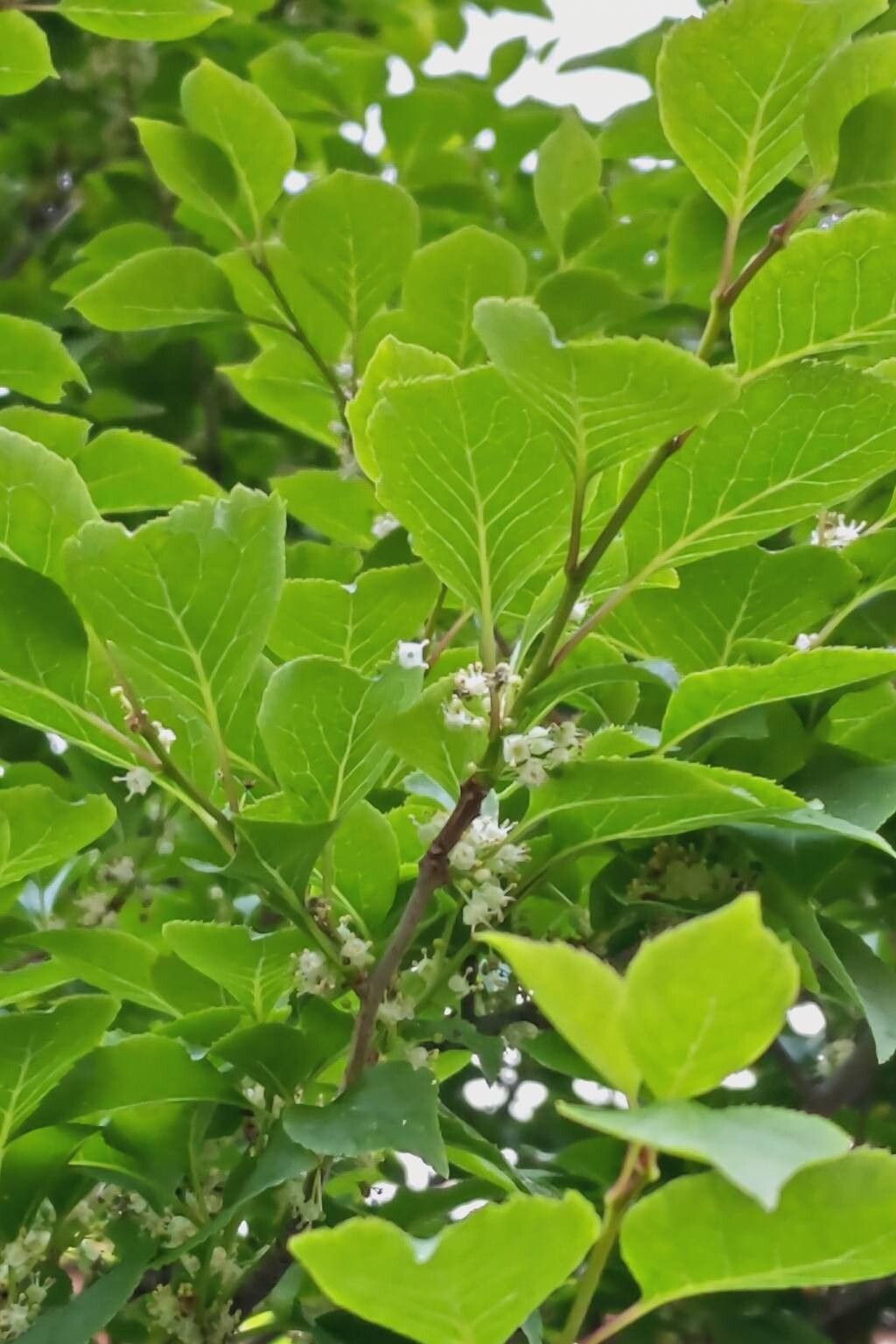
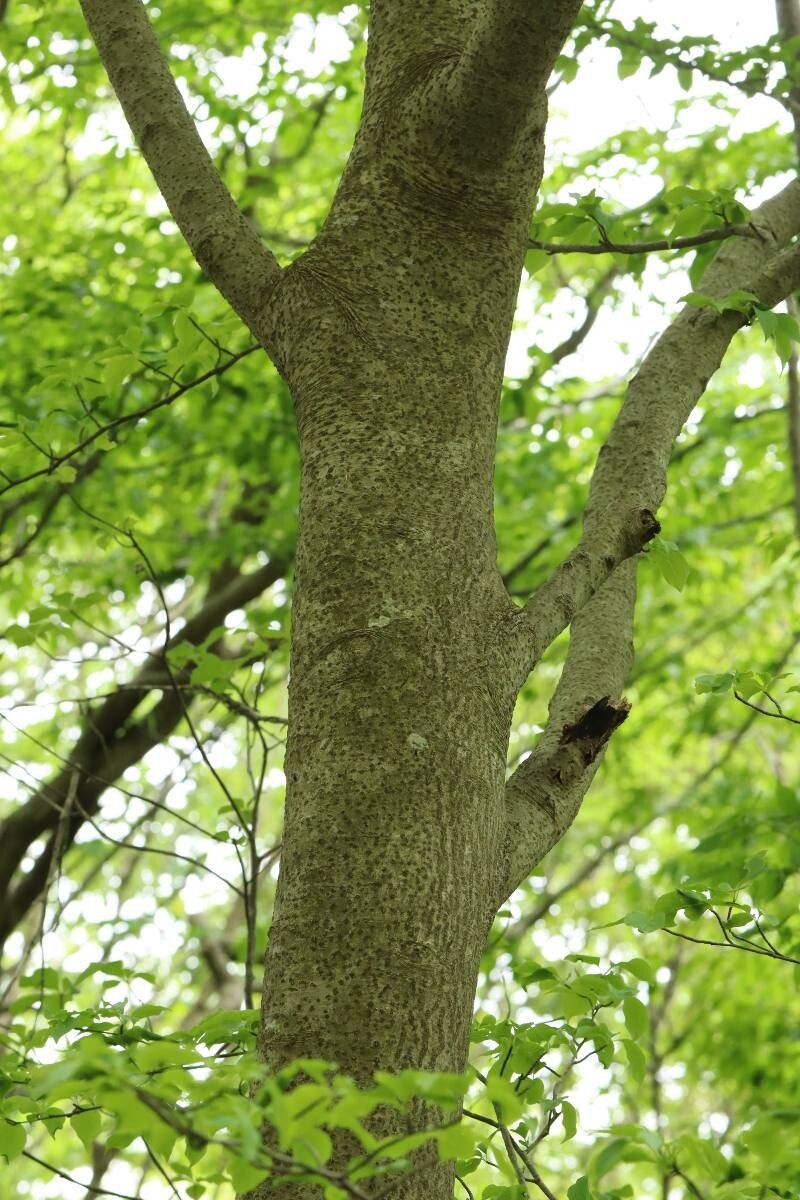
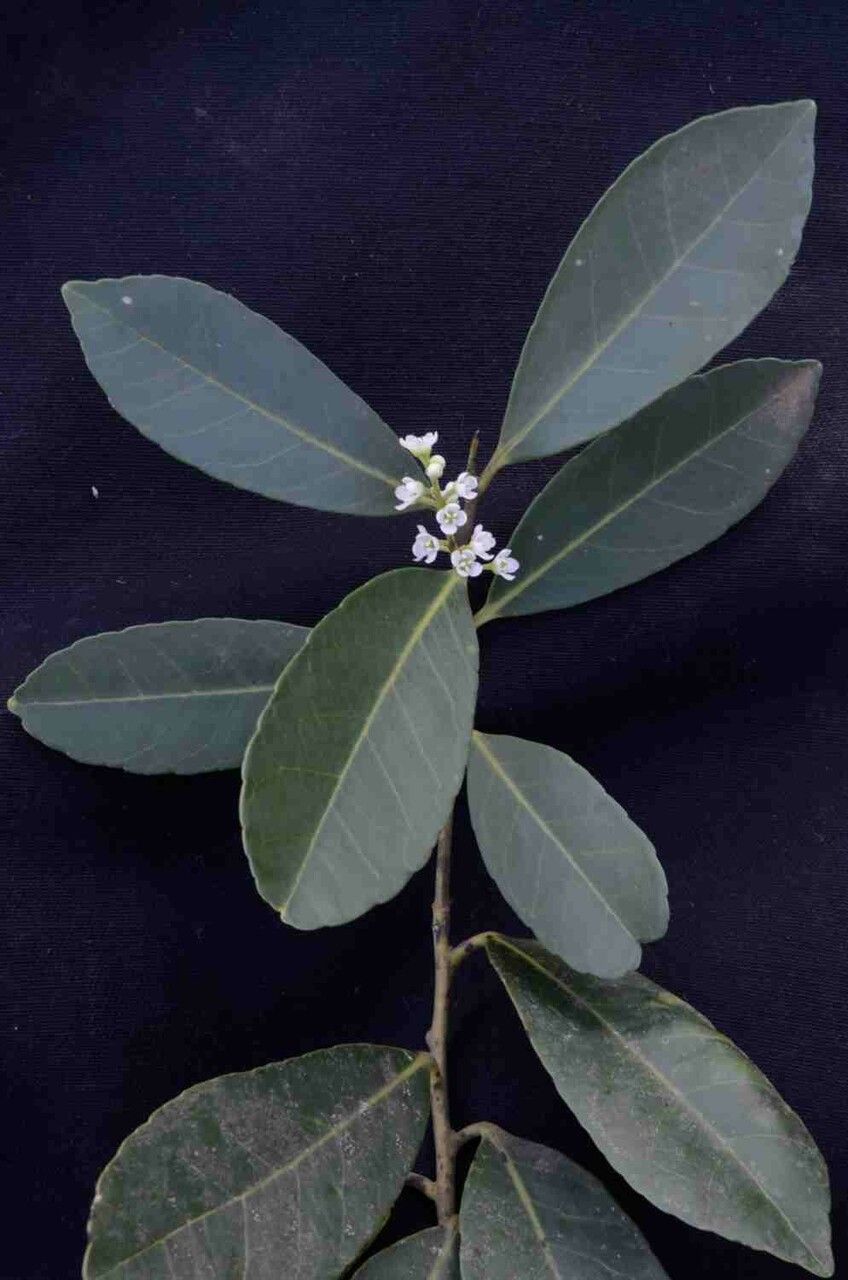
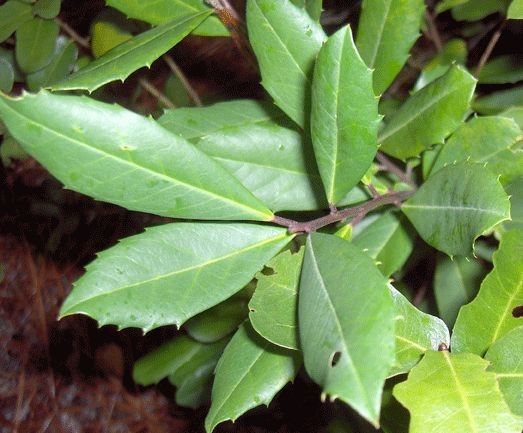
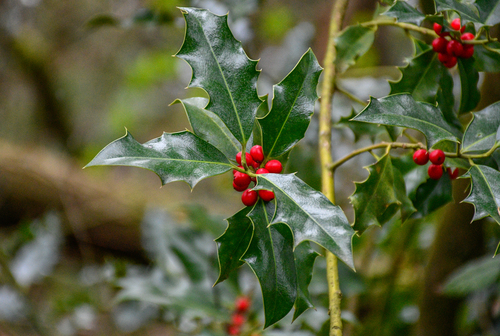
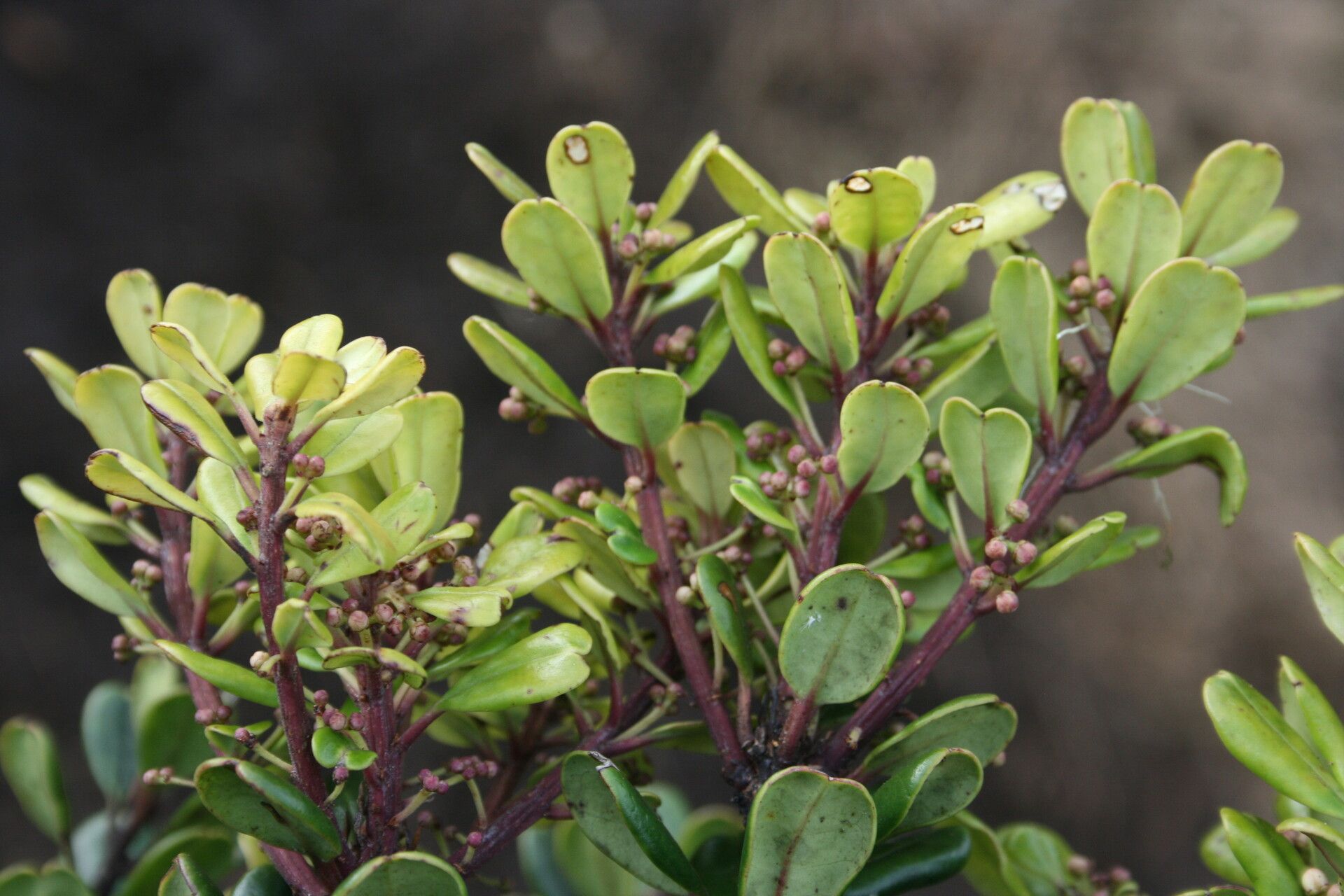
Ilex macropoda is a species of flowering plant in the holly family Aquifoliaceae, native to southern China, Korea, and Japan. A deciduous tree typically 13 m (43 ft) tall, it is found in mixed forests, forest edges, thickets, and roadsides, usually from 500 to 1,900 m above sea level. Local people make a tea by boiling its leaves.
Macropoda holly is resistant to disease and generally not susceptible to illnesses. In terms of care, this plant is fairly low-maintenance. When grown outdoors it needs only light watering, and larger specimens typically do not require pruning. Smaller plants, however, should be trimmed after they finish blooming. Macropoda hollyt is appropriate for anyone with an outdoor area, such as a garden or deck, and does not need much prior care experience.
How to keep Ilex Macropoda.
Light
Macropoda holly is native to light-rich environments, like sunlit fields and the borders of forests. It flourishes in conditions of full sun, but it can also withstand partial sun exposure, demonstrating its adaptability to different light environments.
Water
Macropoda holly, native to regions with moderate rainfall, thrives best in conditions where the soil remains consistently moist but not waterlogged. It should be watered weekly to maintain an optimal balance between dryness and moisture. Being an evergreen plant, macropoda holly requires steady moisture throughout the year. This is particularly important during the cooler months when indoor heating can reduce humidity levels.
Temperature
The Macropoda holly is well-suited to its home environment, which is characterized by temperatures between 10 and 35 ℃ (50 to 95 °F). To promote healthy growth, it thrives in colder winter weather and moderate summer heat. Any significant fluctuations in temperature should be managed through correct horticultural practices.
Fertilizer
It is essential to time the fertilization of Macropoda holly correctly. Begin fertilization in the early spring and sustain it on a monthly basis until the commencement of early summer. Fertilizer contributes to the production of beautiful flowers and supplies energy during periods of dormancy and active growth.
Pruning
Macropoda holly is known for its glossy, dark green leaves and bright red berries. To maintain its shape and health, prune it during late winter while it is dormant. Start by removing any dead or crossing branches, which will improve air circulation, light penetration, and encourage bushier growth. Be sure to use clean, sharp tools to minimize any potential damage to the plant.
Botanical profile.
- Plant Type
- Tree
- Life Cycle
- Perennial
- Genus
- Ilex
- Family
- Aquifoliaceae
- Hardiness Zone
- 6-9
- Mature Height
- 10.06 m to 17.07 m
- Mature Spread
- 3.05 m to 6.1 m
- Leaf Color
- Dark Green
- Leaf Type
- Evergreen
- Flower Color
- White
- Flower Size
- 0.15 cm
- Bloom Time
- Mid spring, Late spring
- Planting Time
- Spring, Summer, Autumn
- Harvest Time
- Late summer, Early fall, Mid fall
- Native Area
- Koppen, Japan, South Korea, China
Other names.