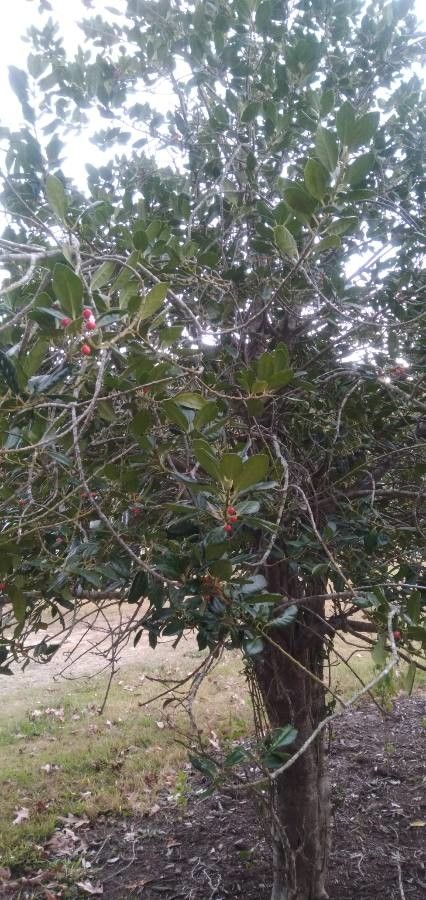
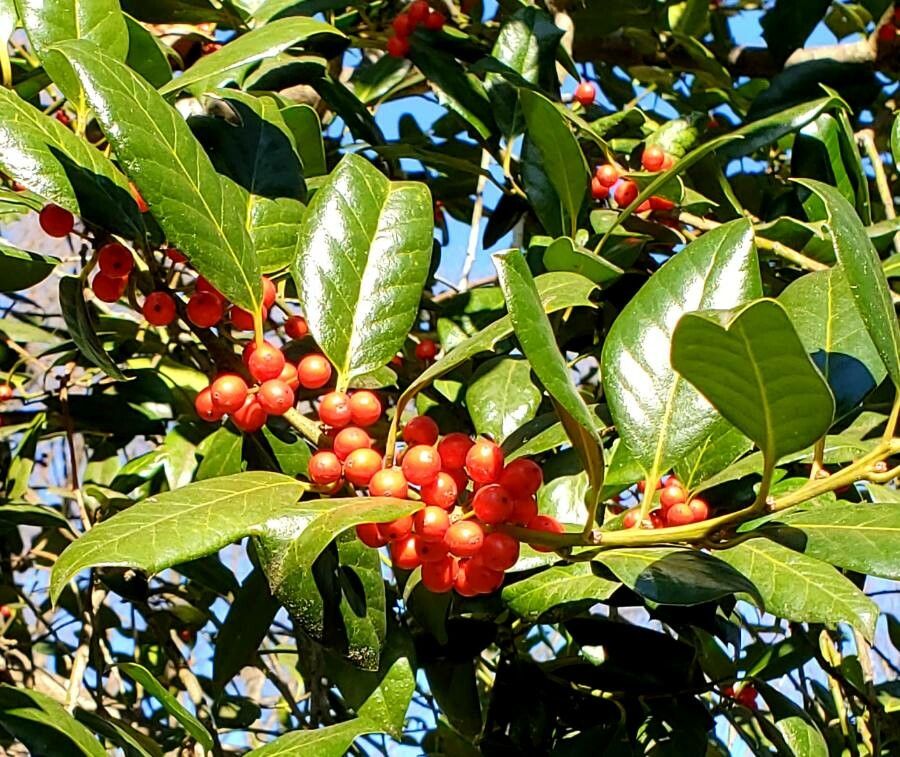
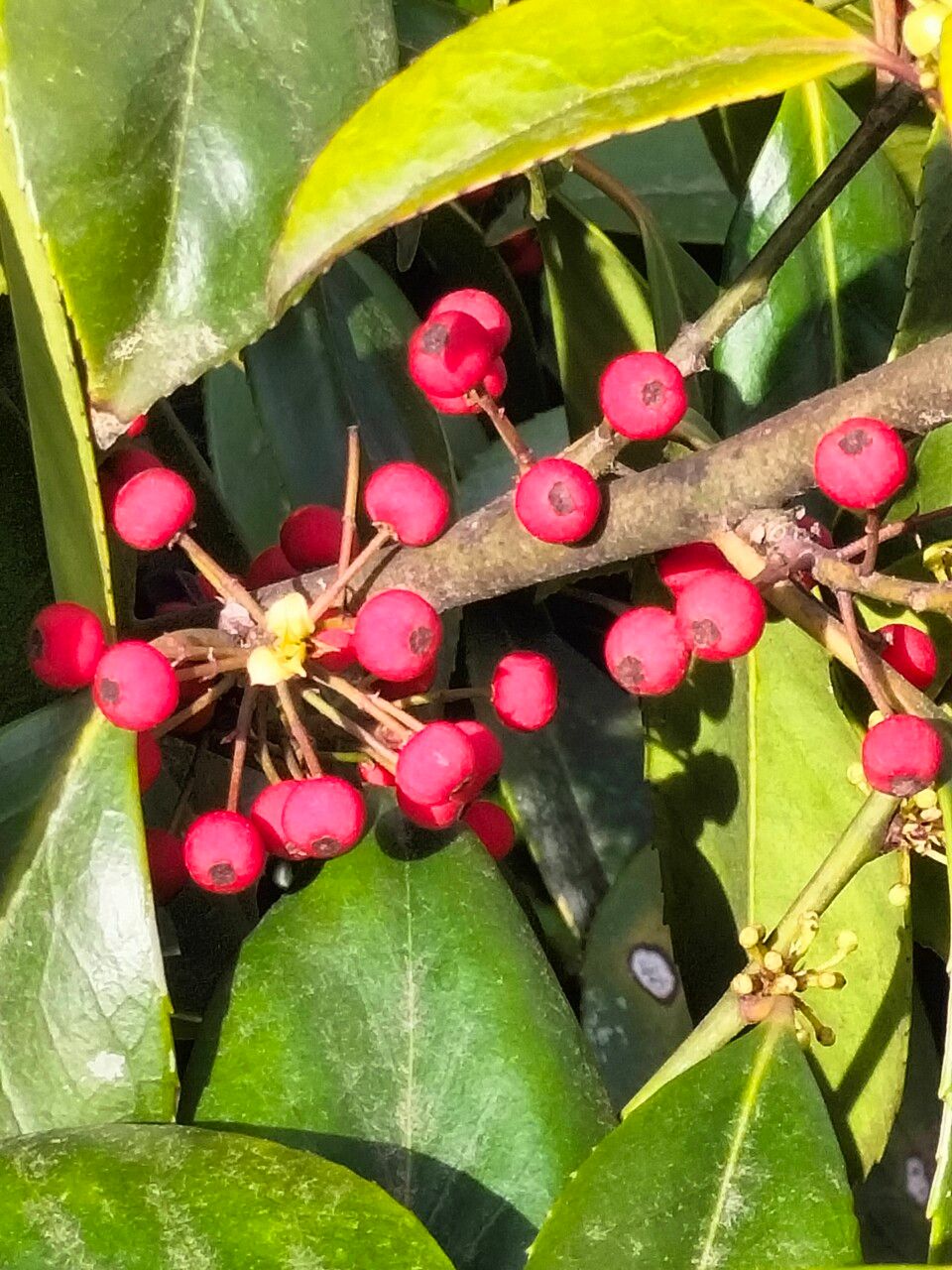
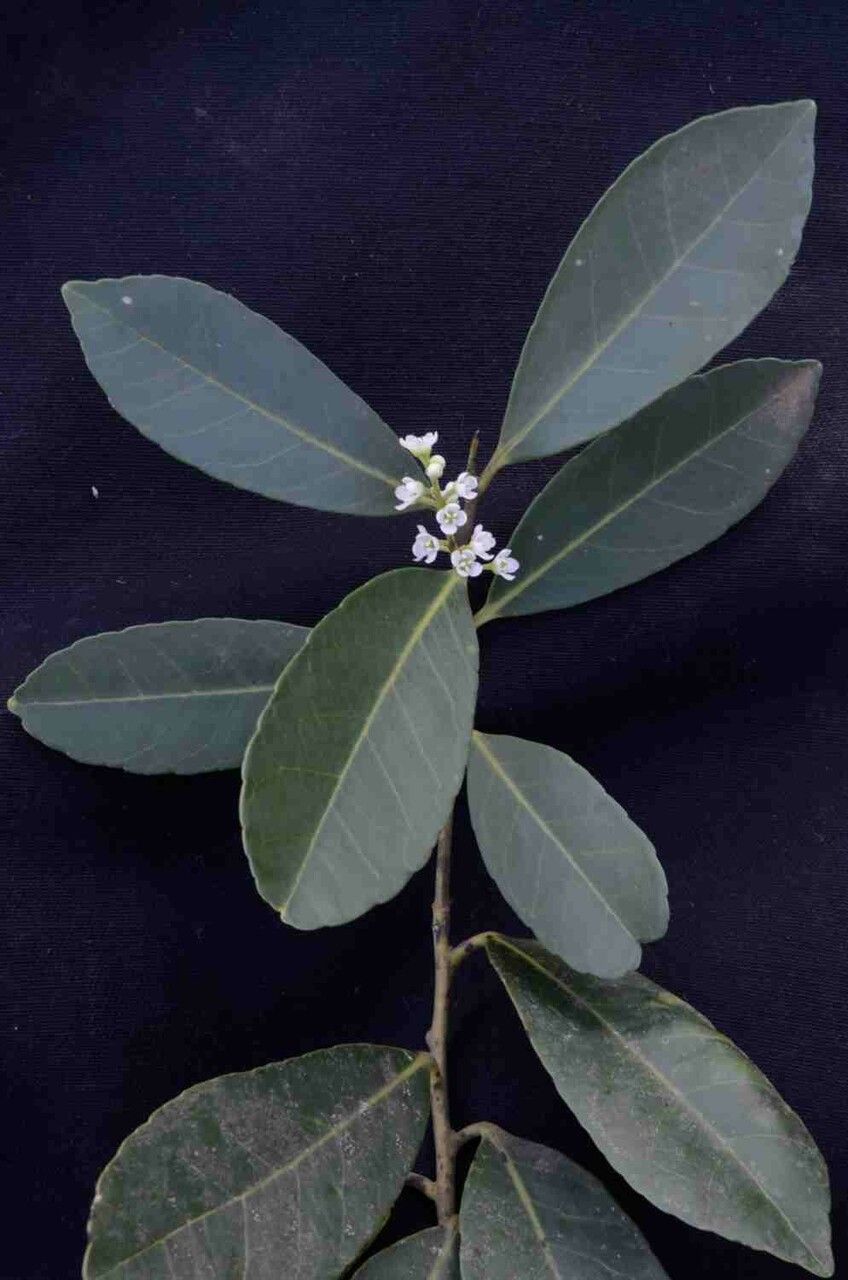
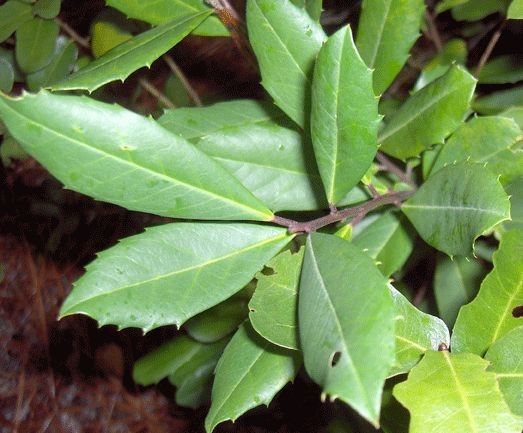
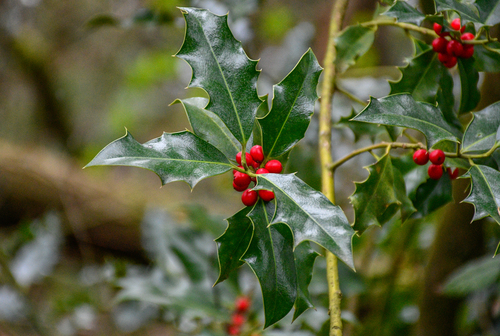
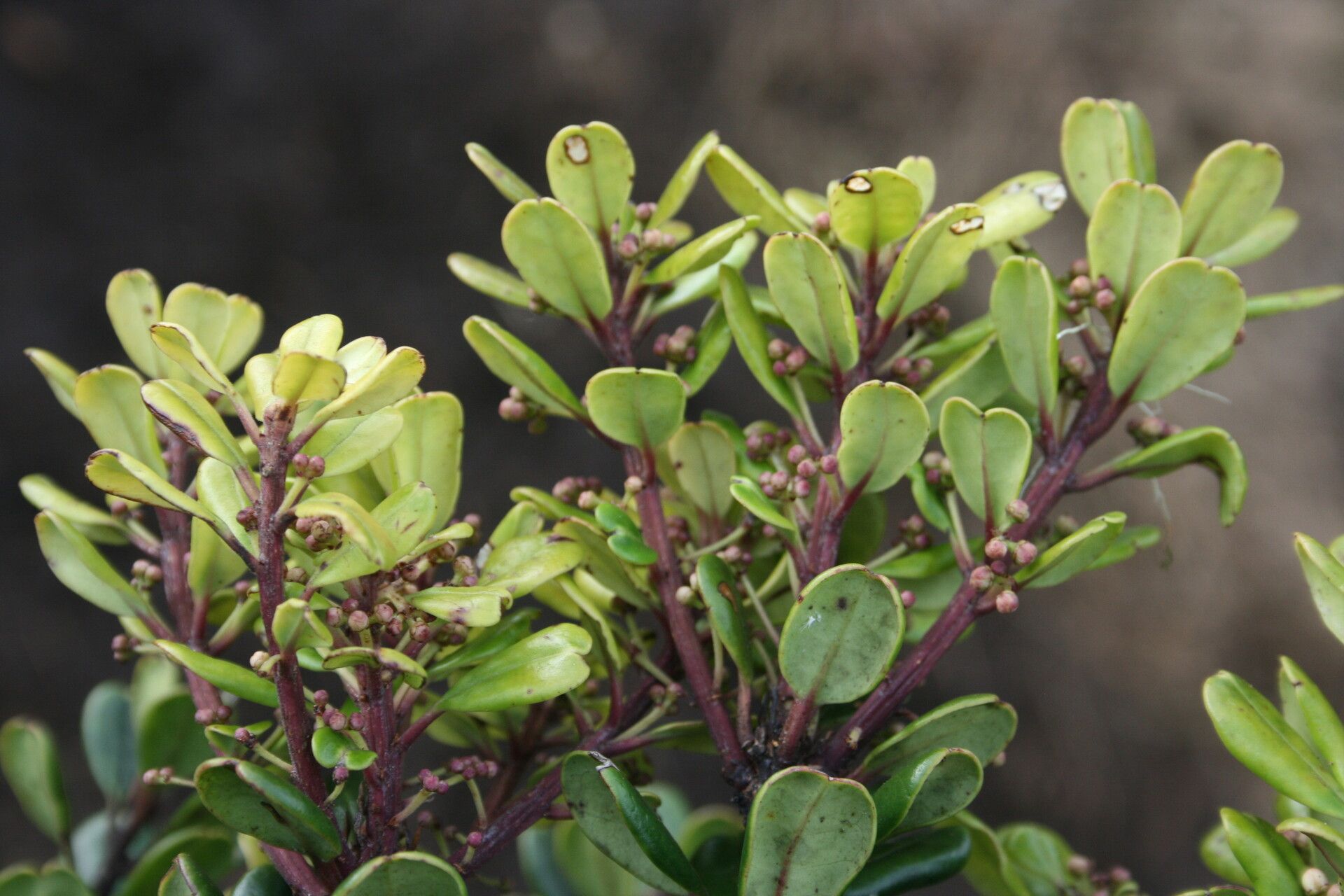
Ilex cassine, commonly known as Dahoon Holly, is a small to medium-sized evergreen tree belonging to the Aquifoliaceae family. Native to the southeastern United States, this tree thrives in wetlands, swamps, and along riverbanks, growing up to 30 feet tall with a spread of about 15 feet.
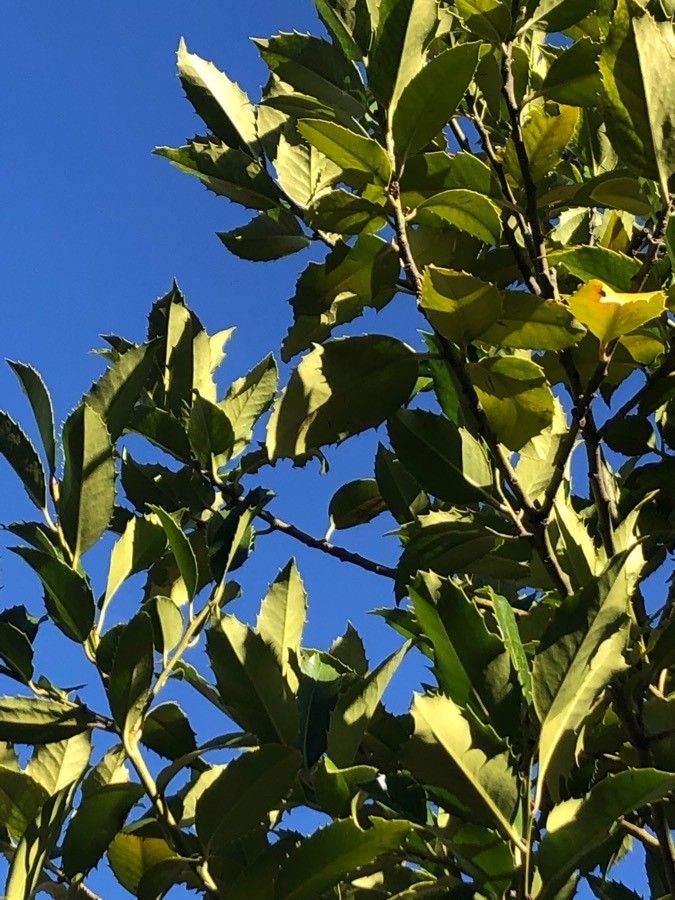
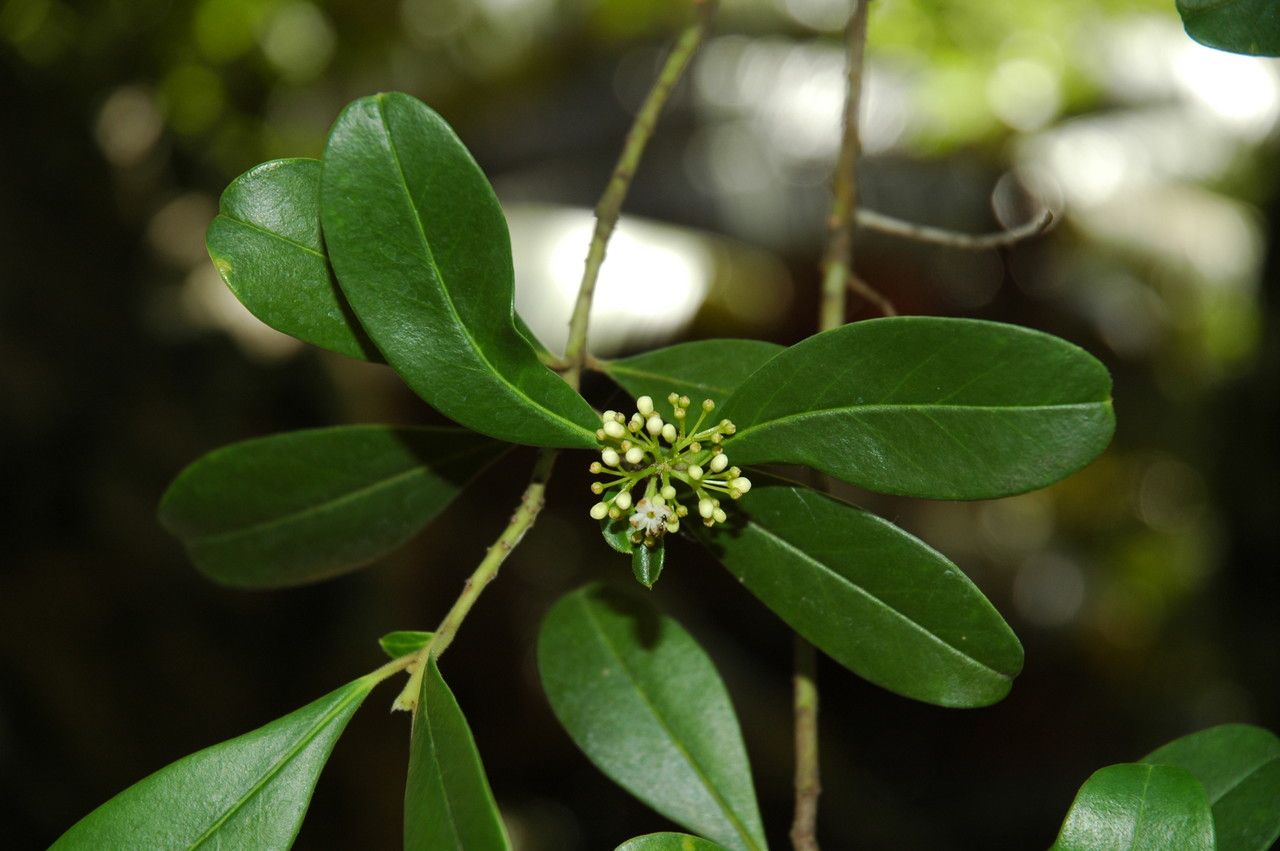
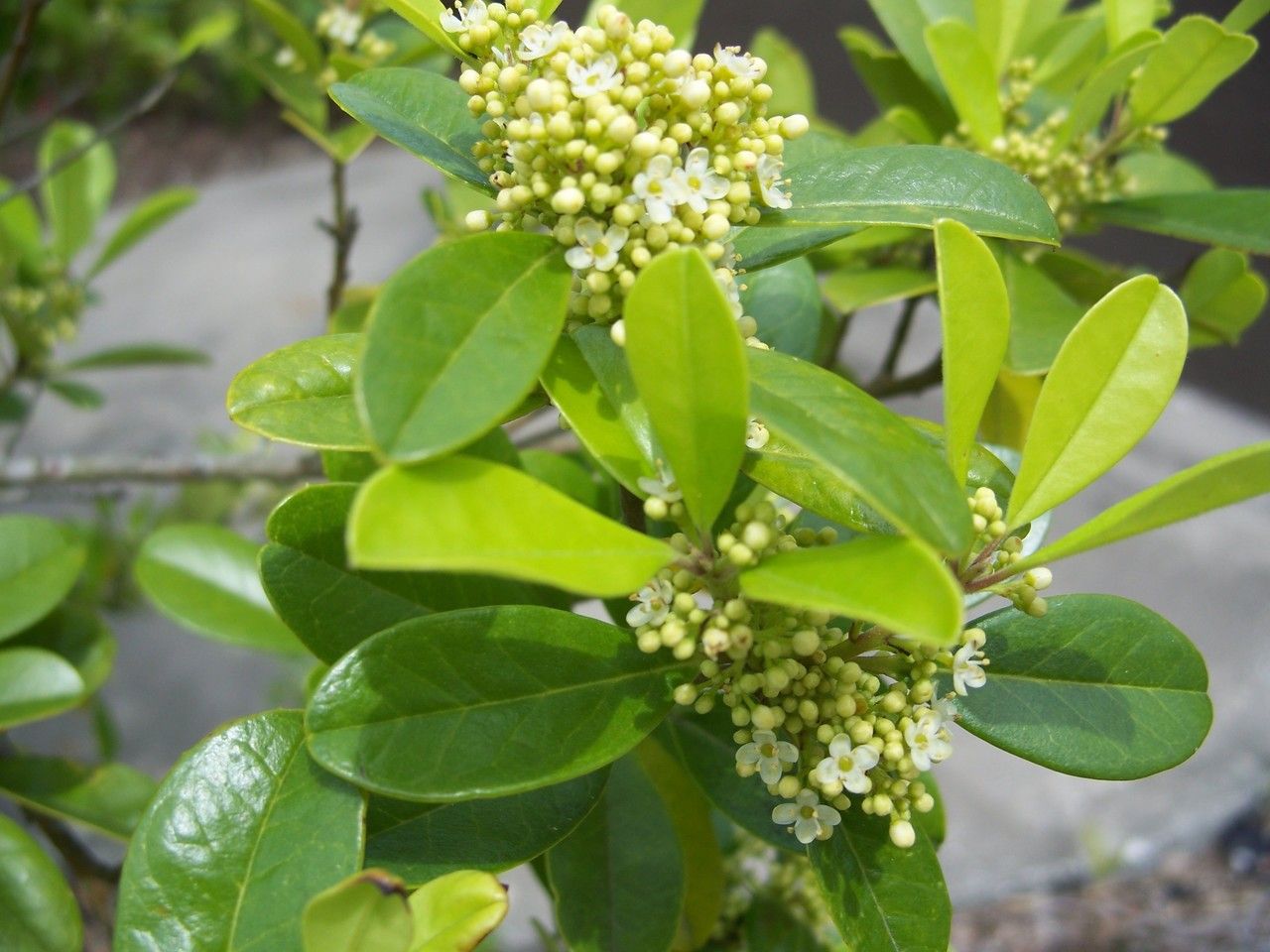
The leaves of Ilex cassine are glossy green with a leathery texture and serrated edges. In the spring, the tree produces small white flowers that develop into bright red berries in the fall. These vibrant berries serve as an essential food source for birds and other wildlife.
For centuries, Native Americans have used Ilex cassine for various medicinal purposes, employing it as an anti-inflammatory agent and as a treatment for fever and diarrhea.
In landscaping, Ilex cassine is valued as an ornamental plant due to its attractive foliage and vibrant red berries, which add color during the fall when many other plants have lost their leaves or ceased blooming.
Overall, Ilex cassine is a versatile plant with both practical uses in traditional medicine and aesthetic appeal in landscaping designs.
Dahoon resists disease well and is usually not susceptible to illnesses. In terms of care, this plant is fairly low-maintenance. When grown outdoors it needs little watering, and larger plants typically do not require pruning. Smaller plants, however, should be trimmed after they have bloomed. Dahoont is suitable for anyone with outdoor space, such as a garden or deck, and does not demand much care experience.
How to keep Ilex Cassine.
Light
The dahoon plant prefers not to be exposed continuously to full sun, though it can tolerate stronger light for limited periods. This preference is important for its healthy growth because it comes from habitats where sunlight was regularly filtered. Excessive sun can stress the plant, while too little light may reduce its vigor.
Water
Dahoon thrives in moist environments, preferring consistent moisture and high humidity. To keep its glossy foliage healthy, it should be watered every two weeks. Typically grown outdoors, dahoon's watering needs often align with seasonal rainfall patterns. It does not tolerate drought well, so regular watering is important to maintain its vitality.
Temperature
Dahoon is native to temperate regions and performs well where temperatures are between 59 and 100 °F (15 to 38 °C). It seems to favor a relatively wide temperature span and adapts well from season to season. Minor fluctuations beyond this range, however, require appropriate management.
Fertilizer
Timing is important when fertilizing Dahoon. Apply fertilizer in early spring and continue monthly until early summer. Fertilizer encourages attractive blooms and supplies energy during both dormant and active growth periods.
Pruning
Dahoon, an evergreen plant with red berries, should be pruned between early and late winter. Start by removing any dead branches and thinning out the plant to allow more light to reach all parts. Trim back any overly vigorous growth to maintain balance and reduce stress on the plant, which will help prepare it for healthy growth in the spring.
Botanical profile.
- Plant Type
- Tree, Shrub
- Life Cycle
- Perennial
- Genus
- Ilex
- Family
- Aquifoliaceae
- Hardiness Zone
- 7-11
- Mature Height
- 10.06 m to 13.11 m
- Mature Spread
- 2.44 m to 3.66 m
- Leaf Color
- Green
- Leaf Type
- Evergreen
- Flower Color
- White
- Flower Size
- 2.54 cm
- Bloom Time
- Late spring, Early summer
- Planting Time
- Spring, Summer, Autumn
- Harvest Time
- Late summer, Fall, Early winter, Mid winter
- Native Area
- Southeastern North America
Other names.
Reader questions.
How should I water my Dahoon plant?
Your Dahoon is not picky when it comes to watering. You can use any common watering tool, such as a watering can, hose, or even a cup, to water your plant. It's important to water directly on the soil and make sure that all areas of the soil are equally moistened to provide water to all parts of the root system. Using filtered water is recommended to avoid harmful particles that might be present in tap water. Additionally, using water at or slightly above room temperature is beneficial as extreme temperatures can be shocking to the Dahoon, although it generally responds well to any kind of water you give it.
Why should I put fertilizer on my Dahoon?
No matter what type of Dahoon you have, regular fertilization is important for the overall health of your plant. Providing the right nutrients will encourage strong growth and enhance its ability to withstand challenging conditions. It will also help the plant defend against diseases and pests. Since the foliage is one of the most appealing aspects of your Dahoon, it's essential to maintain it. This can be achieved by following a specific fertilization schedule designed for your Dahoon. In doing so, you will encourage the development of vibrant and lush leaves.
What are the sunlight requirements for Dahoon plants?
Dahoon plants thrive under varying sunlight conditions but have specific needs. They can grow in partial sun, which means about 3-6 hours of sunlight daily, or in full sun, which constitutes more than 6 hours of sunlight per day. It's important to observe how sunlight moves through your garden and select locations that offer a balance of light and shade to keep your Dahoon plants happy. Additionally, dahoon plants prefer environments where they are not constantly under the full force of the sun but can withstand more intense exposure for short periods, as too much direct sunlight might stress them.
What is Dahoon and where is it native to?
Dahoon, with its botanical name Ilex cassine, is native to temperate regions. It thrives best in climates where temperatures range between 59 to 100°F (15 to 38°C), indicating its preference for moderate to warm environments. This plant has adapted well to seasonal changes within these temperature ranges.
What should I do if I give my Dahoon plant too much water or too little water?
Outdoor plants, especially newly planted ones or seedlings, can easily suffer from lack of watering. It is crucial to water them adequately for the first few months, especially when they are small or newly planted. Once the roots are established, Dahoon plants can rely mostly on rain. However, if you have Dahoon plants in pots, overwatering becomes a common issue. In case you accidentally overwater your Dahoon, take immediate action to remedy the situation. Stop watering the plant right away to minimize the impact of overwatering. Then, remove the Dahoon from its pot and inspect the roots. If you find no signs of root rot, you can return the plant to its container. In the presence of root rot, trim any affected roots and consider applying a fungicide to prevent further damage. Finally, repot the Dahoon in well-draining soil. On the other hand, if you underwater the Dahoon, the leaves will droop, dry out, and fall off. Regular watering will quickly restore the leaves to their fullness. Adjust your watering frequency promptly when you notice underwatering.
When should I add fertilizer to my Dahoon plant?
To ensure healthy growth, it is recommended to fertilize your Dahoon during late winter or early spring. This will provide the necessary nutrients for your Dahoon to thrive once the weather warms up. If you live in a warm climate region, it can be beneficial to provide an additional fertilizer feeding during early fall. This not only adds extra nutrients for the next growing season but also makes your Dahoon more robust, helping it withstand winter cold without foliage damage. Fertilizing earlier will give enough time for new branches to grow and endure the cold winter.
How can artificial lighting be used for Dahoon plants?
When natural sunlight is inadequate, especially during winter or in less sunny spaces, artificial lighting becomes crucial for Dahoon plant growth. It's vital to choose the right type of artificial light, with LED lights being a popular choice due to their ability to be customized to provide specific wavelengths needed by plants. The requirements vary based on the type of plant: full sun plants need 30-50W/sq ft, partial sun plants require 20-30W/sq ft, and full shade plants need 10-20W/sq ft of artificial light. The light source should be placed 12-36 inches above the plant to mimic natural sunlight, ensuring the plants receive 8-12 hours of light per day.
How does Dahoon handle cold weather?
Dahoon is known for its strong cold resistance, making it quite resilient in colder temperatures. Typically, it doesn't require special frost protection in winter. However, if temperatures are expected to plummet below -15°C, it's recommended to wrap the trunk and branches with non-woven fabric or cloth to provide extra protection. Additionally, watering the plant abundantly before the first freeze in autumn ensures the soil remains moist and helps prevent drought and water scarcity during winter and early spring.
How often should I water my Dahoon plant?
To properly care for outdoor plants, it is important to provide them with adequate water. If your area does not receive much rainfall, you should water your plants every 2 weeks in the spring and fall. However, during the summer when plants require more water, you will need to water them more often. In the winter, when plants grow slower and need less water, you can water them less frequently or not at all. If you have a young or newly planted Dahoon, it is recommended to water it more frequently to help it establish and grow into a drought-tolerant plant. When it comes to potted plants, there are two ways to determine the watering frequency for your Dahoon. One option is to follow a predetermined schedule, such as watering once a week or once every other week. However, this may not always be appropriate as it doesn't take into account the specific conditions of your plant's environment. Alternatively, you can assess the soil moisture to decide when to water. It is generally recommended to wait until the top 2 to 4 inches of soil have completely dried out before giving more water. This method ensures that you are providing water when necessary without overwatering the plant.
When is the best time to not fertilize my Dahoon?
There are a few times throughout the year when you should refrain from fertilizing your Dahoon. The first occurrence happens in the early and mid-winter months when the plant is dormant and doesn't require any nutrition. Similarly, it's not advisable to fertilize the plant in late spring and throughout the summer because the weather tends to be hotter and drier, which can have a detrimental effect on the plant if fertilized. To prevent any potential issues, it is recommended to stick to a fertilization schedule that involves feeding the plant only in early spring and early fall.
What are common symptoms of light deficiency in Dahoon plants?
Dahoon plants showing symptoms of light deficiency might exhibit smaller than usual leaves, leggy or sparse growth, premature leaf drop, slower or stopped new growth, and lighter-colored new leaves. These symptoms indicate that the plant is struggling with insufficient light, forcing it into survival mode. Conversely, symptoms of excessive light exposure include chlorosis, sunscald, leaf curling, wilting, and leaf scorching. Understanding these symptoms can help in adjusting the plant's exposure to light to ensure its health.
What should I do if my Dahoon is exposed to low temperatures?
Dahoon thrives when the temperature stays above 15°C and should be kept above -10°C during winter. Exposure to temperatures below -15°C might not show immediate harm during winter, but by spring, the branches can become brittle, dry, and fail to produce new shoots. If this occurs, it is advised to prune away any dead branches to encourage new growth.