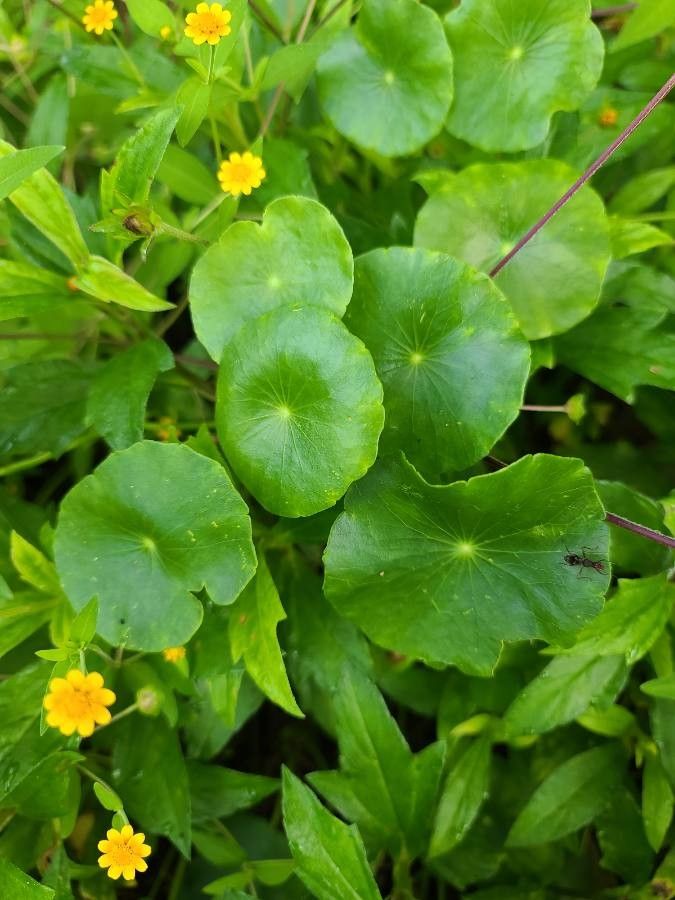
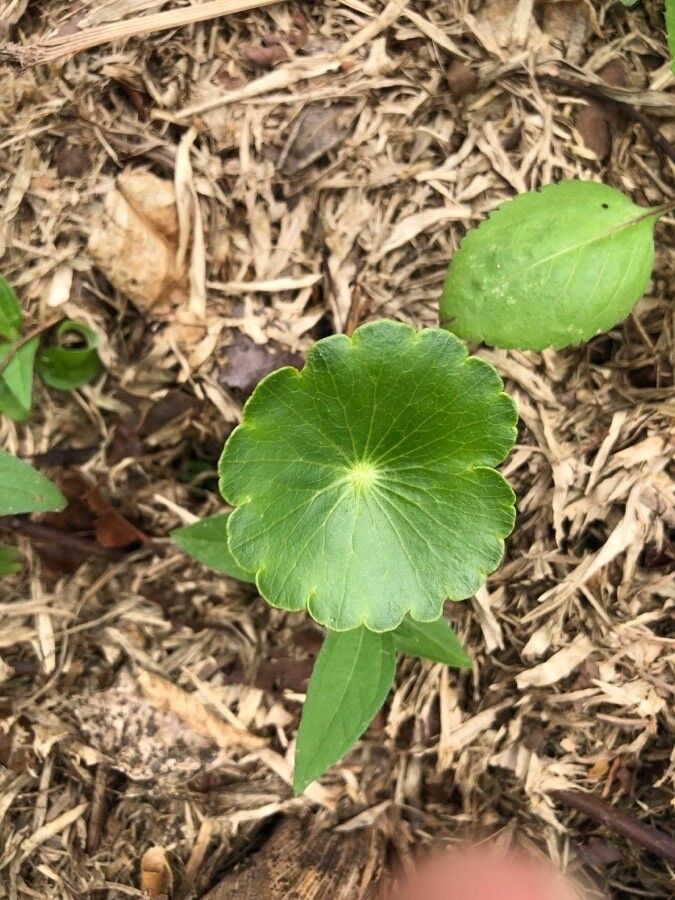
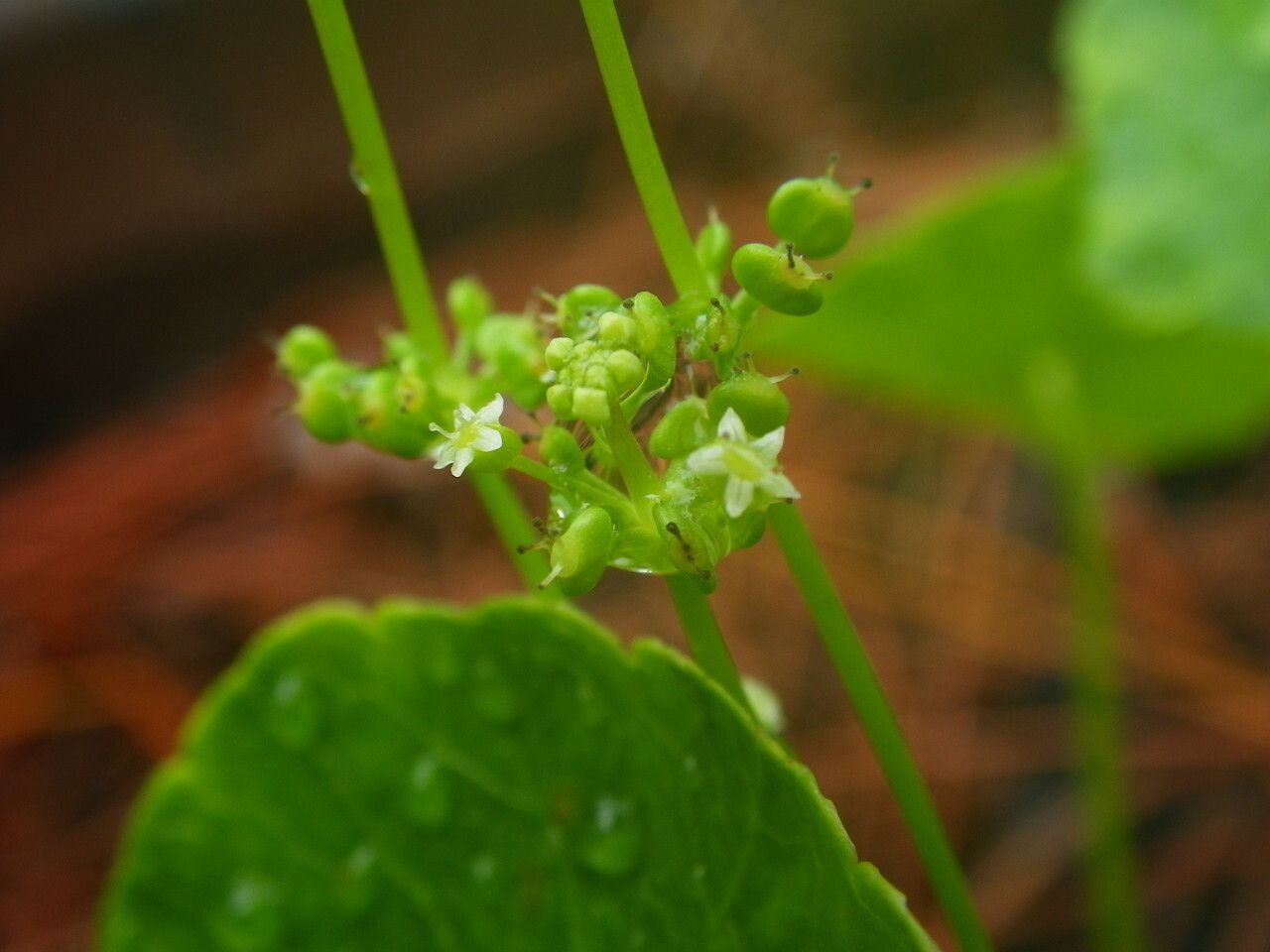
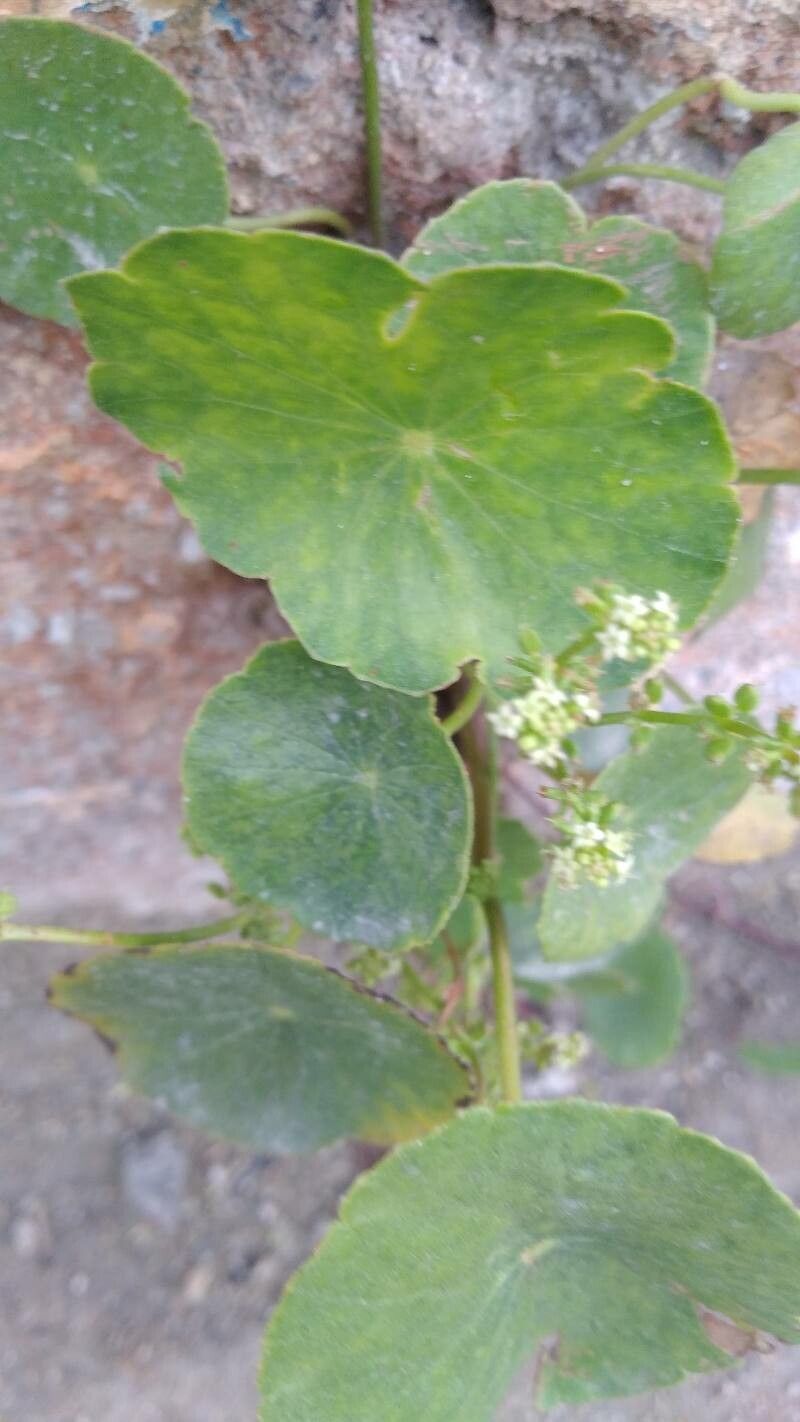
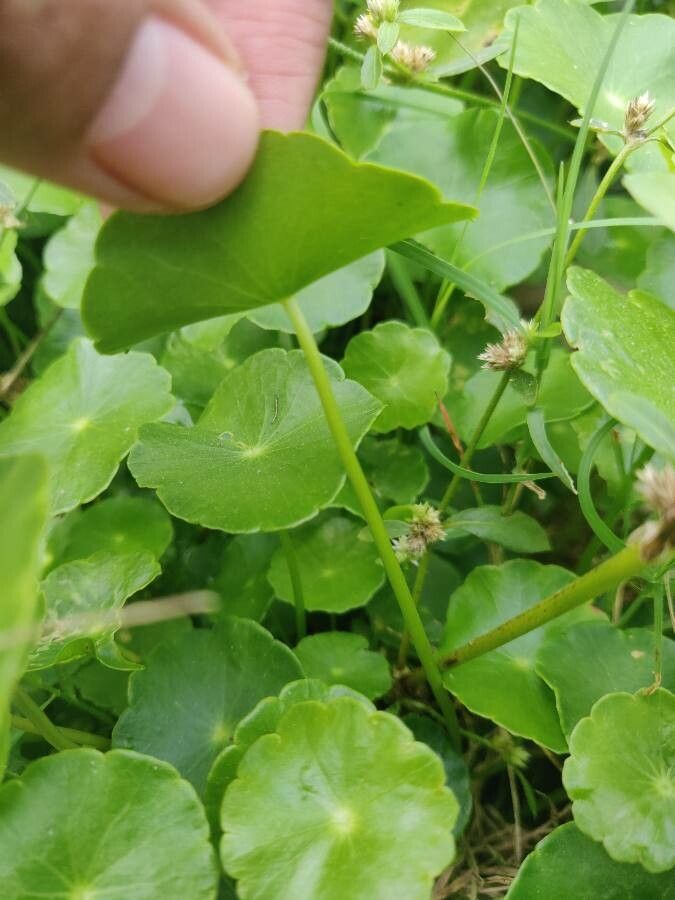
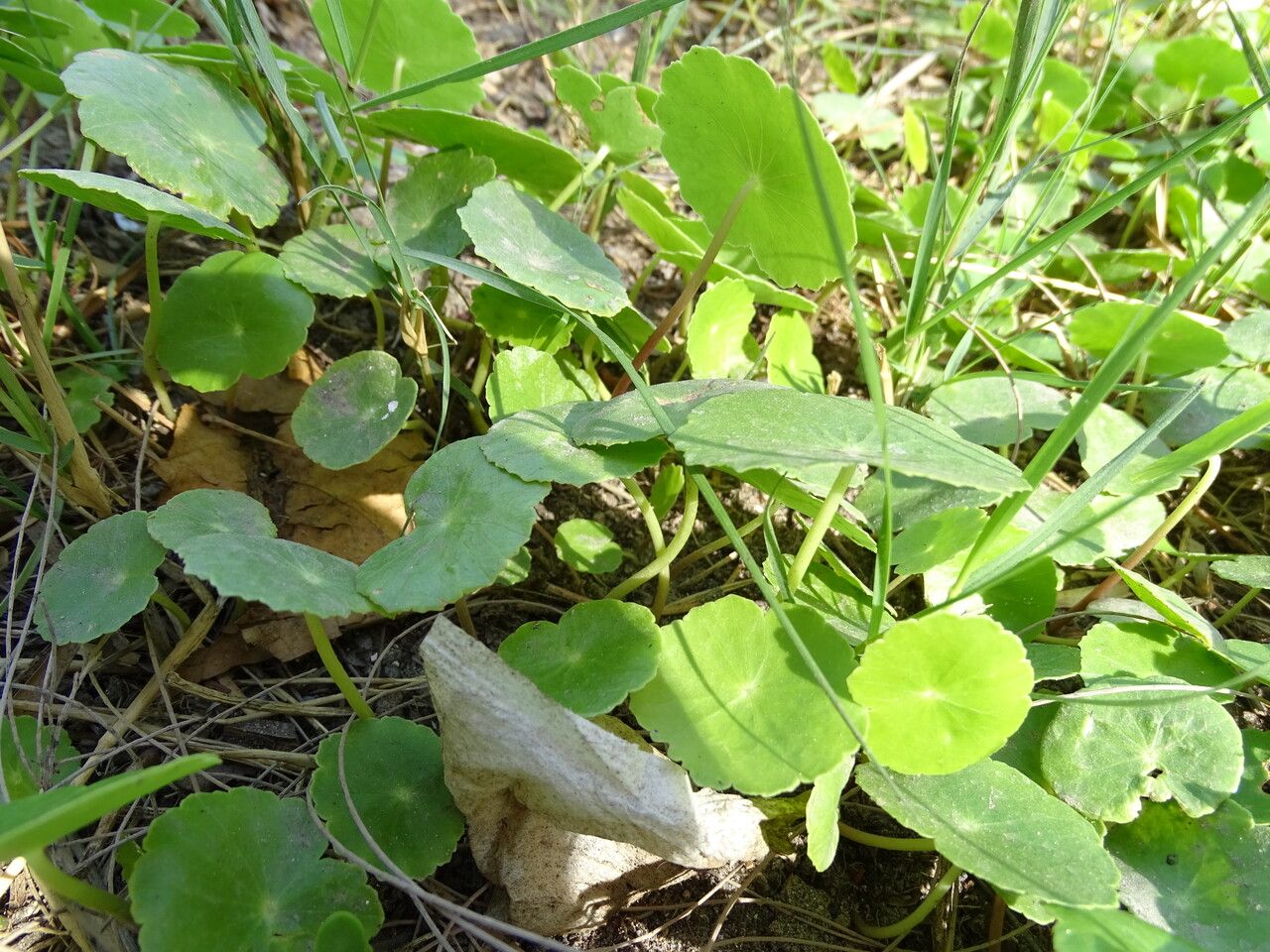
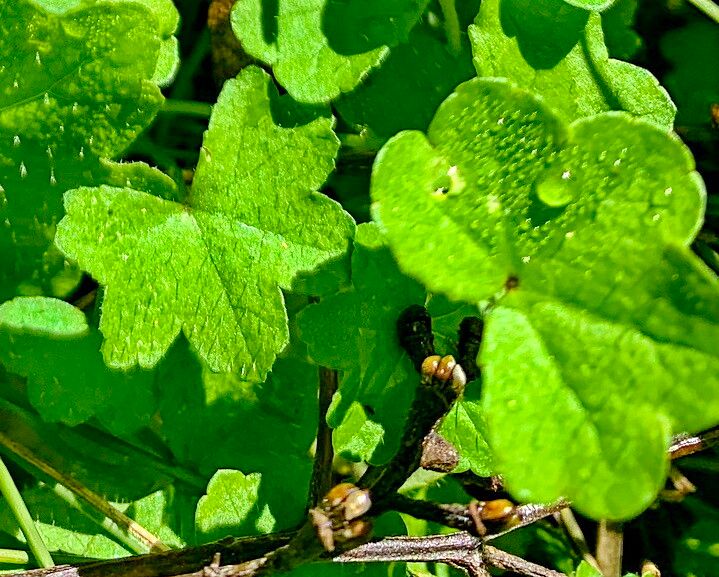
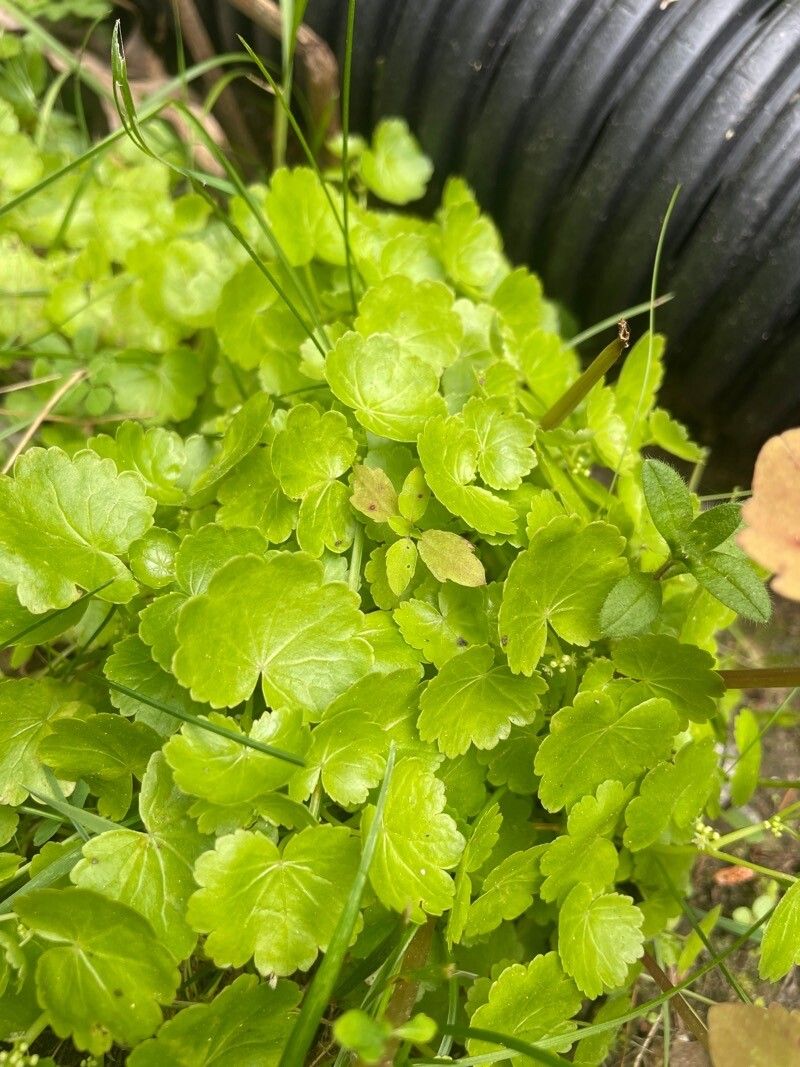
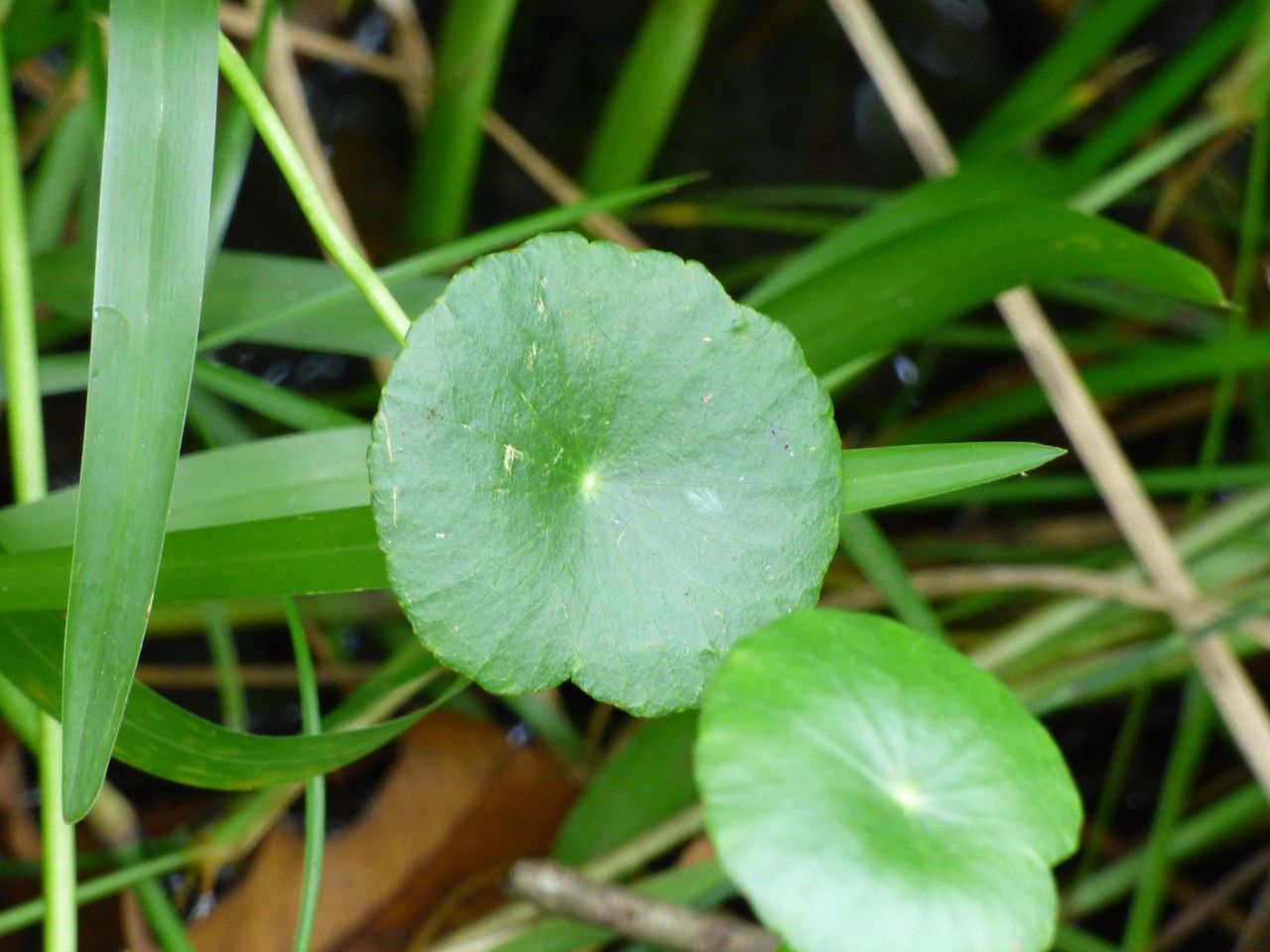
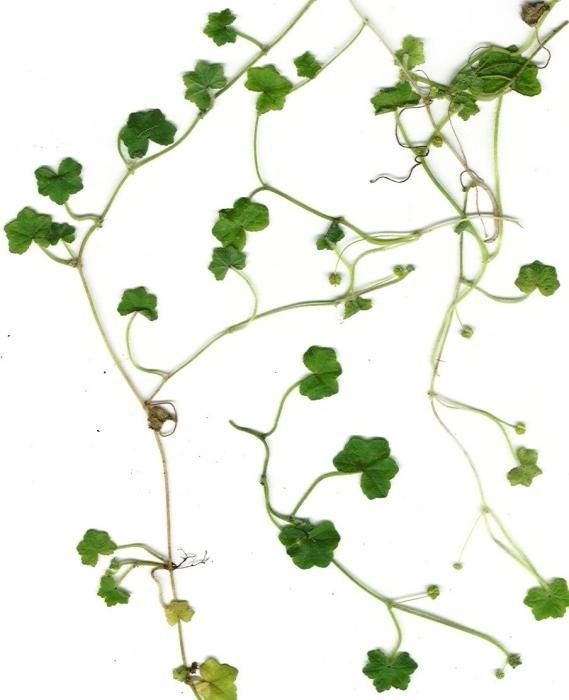
Hydrocotyle verticillata is a small aquatic plant in the family Apiaceae, commonly found in freshwater environments like ponds, lakes, and slow-moving streams. This plant exhibits a creeping habit with long stems that can extend up to 30 cm. Its leaves are small, circular, and range from 1-2 cm in diameter.
Hydrocotyle verticillata is easy to grow, requiring moderate lighting and nutrient-rich water to thrive. It can be propagated through stem cuttings or by dividing the rhizomes of mature plants.
In aquariums, this plant serves multiple purposes. It provides shelter for fish fry and other aquatic organisms and helps oxygenate the water through photosynthesis. Additionally, it can reduce algae growth by competing for nutrients with the algae.
Overall, Hydrocotyle verticillata is an attractive addition to any freshwater aquarium or pond, thanks to its unique appearance and beneficial properties for aquatic life.
Whorled pennywort is relatively disease-resistant and is usually not prone to illnesses. Nonetheless, it can be affected by pests and diseases present in its surroundings, though these issues are typically mild. Regarding care, this plant needs a moderate level of maintenance. It should be pruned regularly to preserve a neat appearance and encourage healthy growth. Fertilizing can also aid in promoting flowering. Whorled pennywort is appropriate for anyone with outdoor space, such as a garden or patio, and does not demand extensive gardening experience. It may need more attention when cultivated indoors.
How to keep Hydrocotyle Verticillata.
Light
The whorled pennywort grows extremely well in strong sunlight but can also tolerate periods of reduced light. Native to environments with abundant sun, that exposure is important for its healthy development. Insufficient light can lead to poor growth, while excessive light can likewise cause damage.
Water
Whorled pennywort thrives in consistently moist soil and high humidity, benefiting from regular watering without becoming waterlogged. To mimic its natural habitat, it's best to water it twice a week. Being an aquatic or semi-aquatic plant, its growth and spread are directly influenced by water availability, which supports its lush foliage and vigorous expansion.
Humidity
This plant needs special care because it loves high humidity levels of 60-80% or more. The best way to achieve this is by placing a humidifier near the plant. Daily misting is also essential! Make sure the room has good ventilation.
Temperature
Whorled pennywort is a plant native to temperate regions and naturally occurs in settings with temperatures between 41 and 100 degrees Fahrenheit (5 to 38 degrees Celsius). Adjust the temperature during seasonal changes to maintain this range for optimal growth.
Fertilizer
To promote optimal growth, whorled pennywort needs balanced fertilizers with equal N-P-K ratios. During active growth, apply the fertilizer every two weeks, and reduce the application to once a month during dormancy. Use the fertilizer at half-strength to prevent root burn. Adjust the application frequency according to seasonal changes: increase it in the spring and summer, and decrease it in the fall and winter.
Pruning
Whorled pennywort is an aquatic plant recognized for its round green leaves. In the spring, selectively prune the plant to remove dead or crowded stems, which will promote healthy growth and maintain an attractive shape. Regular trimming is essential to manage its rapid growth and enhance its environmental benefits.
Pot & Repot
Repot your whorled pennywort every 2-3 years during the spring to encourage healthy growth. Choose a wide, shallow container and fill it with a moist, well-draining soil mix. After repotting, maintain consistent soil moisture and keep the plant out of direct sunlight to reduce stress. With patience and gentle care, you will promote lush growth.
Botanical profile.
- Plant Type
- Herb
- Life Cycle
- Perennial
- Genus
- Hydrocotyle
- Family
- Araliaceae
- Hardiness Zone
- 5-11
- Mature Height
- 3 cm to 6 cm
- Mature Spread
- 20 cm to 30 cm
- Leaf Color
- Light Green, Green
- Leaf Type
- Evergreen, Deciduous
- Flower Color
- White
- Flower Size
- 0.10 cm
- Bloom Time
- Late spring, Early summer, Mid summer
- Planting Time
- Spring
- Harvest Time
- Summer
- Native Area
- Belize, Angola, Mexico, Guatemala, Peru, Namibia, South Africa, Madagascar, Zambia, Jamaica, Zimbabwe, Colombia, Bahamas, Cuba, Bolivia, El Salvador, Nicaragua, Costa Rica, Botswana
Other names.
Reader questions.
How should I water my Whorled pennywort plant?
To properly water the Whorled pennywort, it is recommended to use filtered water at room temperature. Tap water may contain harmful particles, so filtering is preferable. The plant prefers warmer water as it comes from a warm environment, and cold water can be a shock. Avoid overhead watering, as it can cause issues with the foliage. Instead, water the soil directly until it is fully soaked. This benefits the plant by moisturizing the roots and aiding in nutrient absorption.
Do I have to put fertilizer on my Whorled pennywort?
The Whorled pennywort relies mainly on its leaves for structure, and proper fertilization is crucial for maintaining the leaves' appearance and function. Fertilization not only enhances the color and texture of the leaves but also promotes root growth and maintenance. By fertilizing your Whorled pennywort, you not only ensure its immediate health but also improve its ability to absorb nutrients from the soil in the long term.
What are the sunlight requirements for Whorled Pennywort?
Whorled Pennywort requires full sun, which means above 6 hours of sunlight, or partial sun, about 3-6 hours of sunlight, daily. Observing how sunlight moves through your garden can help you choose the best spots that provide a balance of light and shade, ensuring your plants thrive.
What is the optimal temperature range for growing Whorled pennywort?
Whorled pennywort, or Hydrocotyle verticillata, thrives in temperate climates with temperatures ranging from 41 to 100 degrees Fahrenheit (5 to 38 degrees Celsius). For optimal growth, it's important to adjust the surrounding temperature to match these conditions throughout the changing seasons. This plant is known for its strong cold resistance, meaning special frost protection measures aren't typically necessary. However, when winter temperatures are expected to drop below -25°C, providing cold protection by covering the plant with soil or straw is recommended.
What should I do if I give my Whorled pennywort too much water or too little water?
Overwatering is a common issue that can harm your Whorled pennywort. It causes wilting, yellowing of stems and leaves, and can lead to diseases like root rot, mold, and mildew that can kill the plant. Underwatering is less likely to happen because the plant can tolerate drought, but it can still occur. Signs of underwatering include brittle and brown leaves. It's important to notice signs of overwatering early, as some diseases may not be fixable if left for too long. If you see early signs, reduce watering and check the soil's drainage. If it drains poorly, replace it with a well-draining potting mix. If your plant seems to be receiving too little water, increase watering until the signs improve.
When should I put fertilizer on my Whorled pennywort?
If you have Whorled pennywort outside, it will start growing new leaves in early spring. This is when you should start fertilizing it for the year. Usually, one application of fertilizer in the spring is enough for Whorled pennywort to thrive. However, if you want it to grow even more, you can fertilize it multiple times during spring and early summer. In that case, you can feed it once every month to a month and a half.
How does Whorled Pennywort respond to different light conditions?
Whorled Pennywort thrives exceptionally well under intense solar exposure but can also withstand lower light levels. Originating from sunny habitats, adequate sunlight is vital for its healthy growth. Insufficient light may lead to poor growth, whereas too much sun can also be harmful. For indoor plants, artificial lighting can be a crucial solution, especially when natural sunlight is insufficient. LED lights are recommended, with varying wattages needed depending on whether the plant is in full sun, partial sun, or full shade conditions.
How do you protect Whorled pennywort from cold temperatures?
Whorled pennywort exhibits strong cold resistance but requires additional protection when temperatures are anticipated to drop below -25°C. Before the first freeze of autumn, you should water the plant abundantly to ensure the soil remains moist and enters a frozen state. This practice helps prevent drought and water scarcity during the winter and early spring. If extreme cold is expected, cold protection can be achieved by covering the plant with insulating materials such as soil or straw.
How frequently should I water my Whorled pennywort?
If your Whorled pennywort plant is in a pot, the best way to determine if it needs water is by checking the soil. Simply stick your finger into the soil and if the top two to three inches feel dry, it's time to water it. If you have the plant in the ground outdoors, you can use the same method to test the soil. When the top few inches are dry, it's time to water. In the spring and early fall, watering once a week is usually sufficient. However, during hot weather, you may need to water it twice or more per week. It's worth noting that mature and well-established Whorled pennywort plants are quite resistant to drought.
When is it not a good idea to add fertilizer to my Whorled pennywort?
During late fall and winter, your Whorled pennywort goes into a dormant phase with no new growth. It's best to avoid fertilizing it at this time. In spring and summer, if you do choose to fertilize, start decreasing the amount as summer approaches because the pennywort's growth rate slows down. In general, it's not recommended to fertilize when the weather is unusually hot or the soil is very dry. Fertilizing under those conditions can stress the pennywort and lead to premature death.
What are the symptoms of light deficiency or excessive sunlight in Whorled Pennywort?
Symptoms of light deficiency in Whorled Pennywort include smaller new leaves, leggy or sparse growth, faster leaf drop, slower or no new growth, and lighter-colored new leaves. Chlorosis and symptoms of excessive sunlight exposure include sunscald, leaf curling, wilting, and leaf scorching. These symptoms indicate issues with photosynthesis and overall plant health due to inadequate or excessive light.
What should you do if Whorled pennywort experiences temperatures below -25°C?
If Whorled pennywort is exposed to temperatures below -25°C, there may not be noticeable changes during winter, but there could be a decrease in sprouting or even no sprouting during spring. In such cases, it's advised to remove any parts of the plant that have failed to sprout in spring as a solution to this issue.