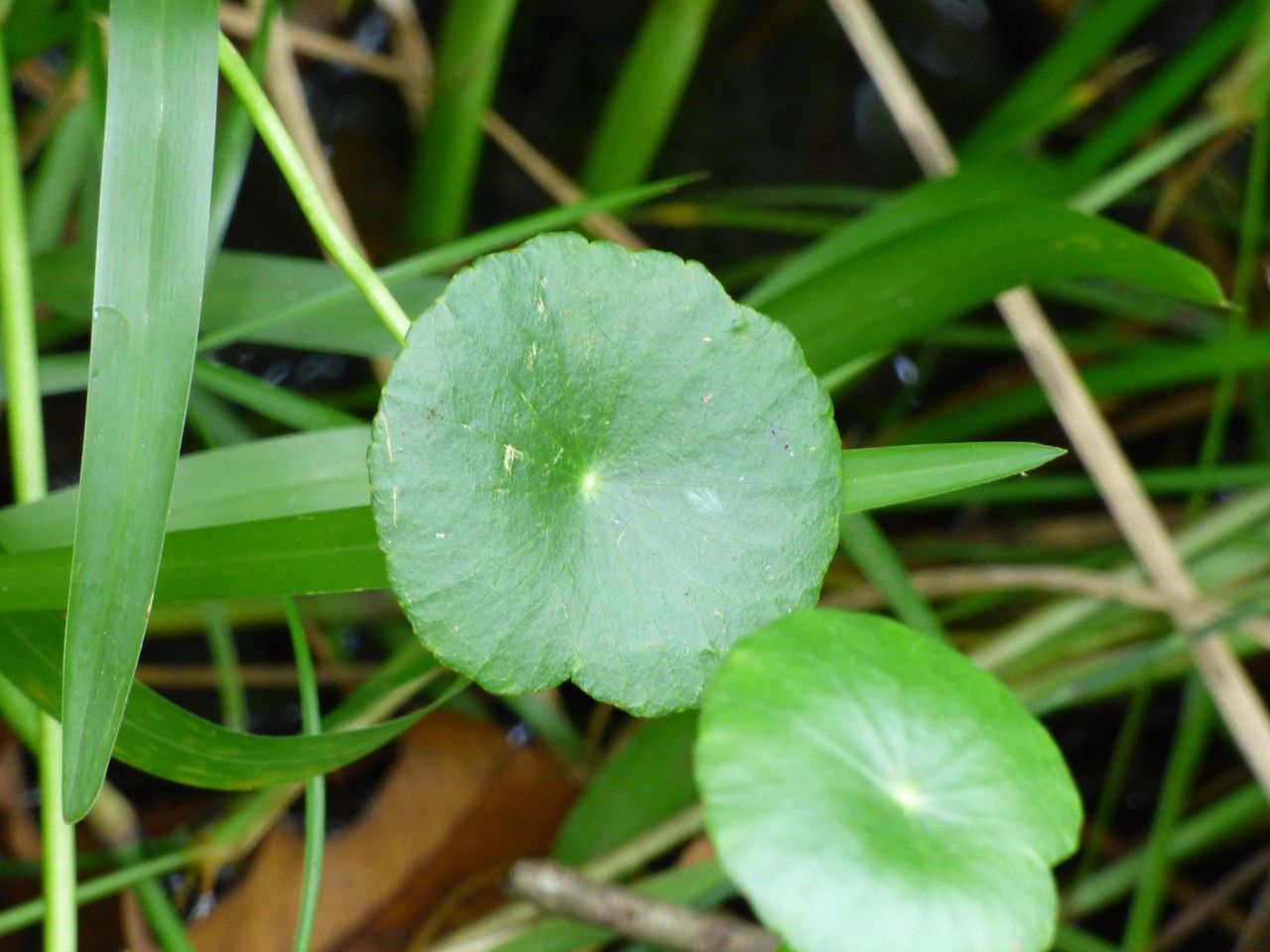
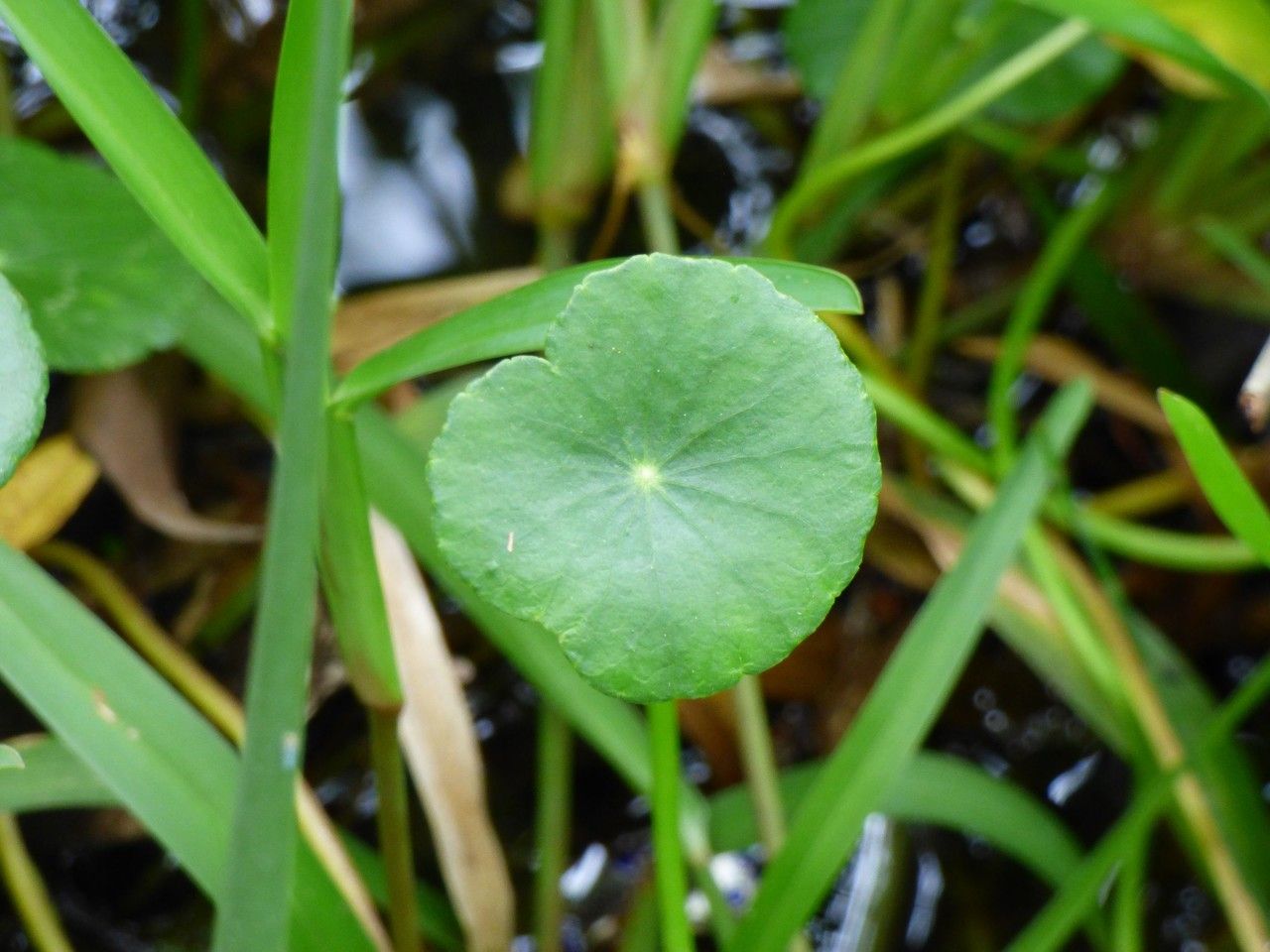
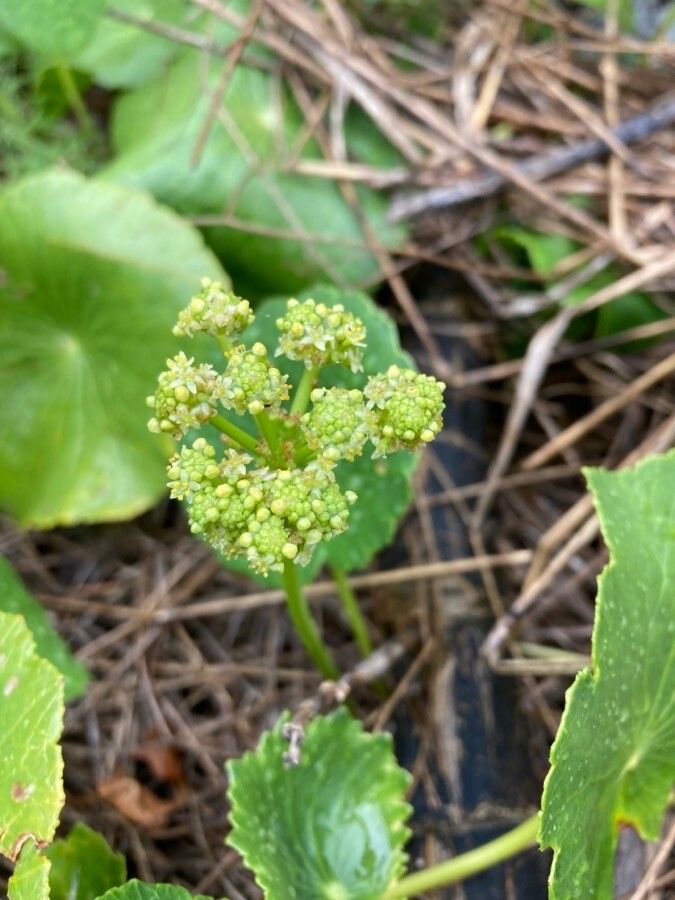
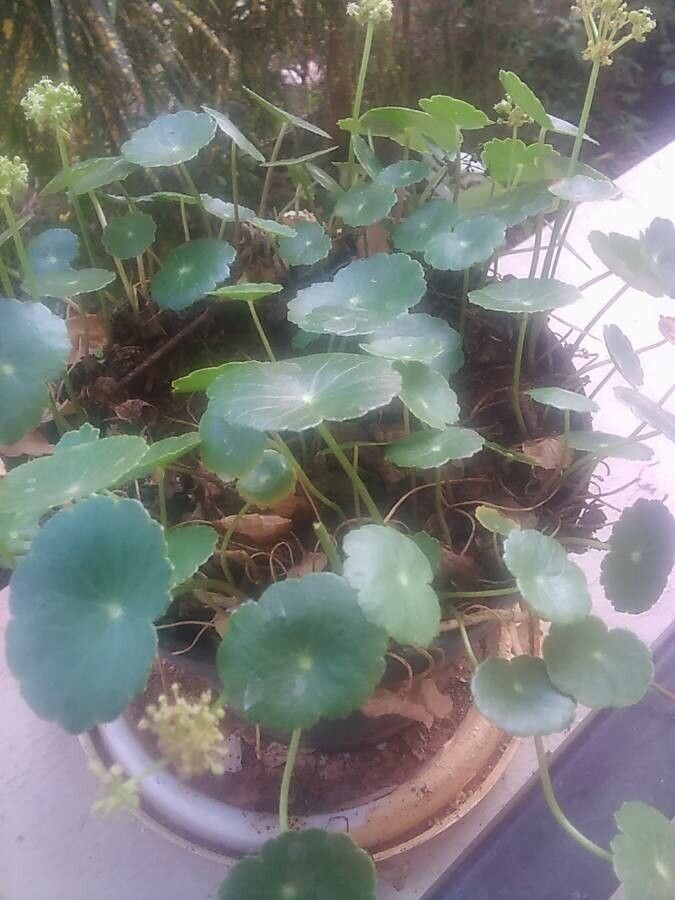
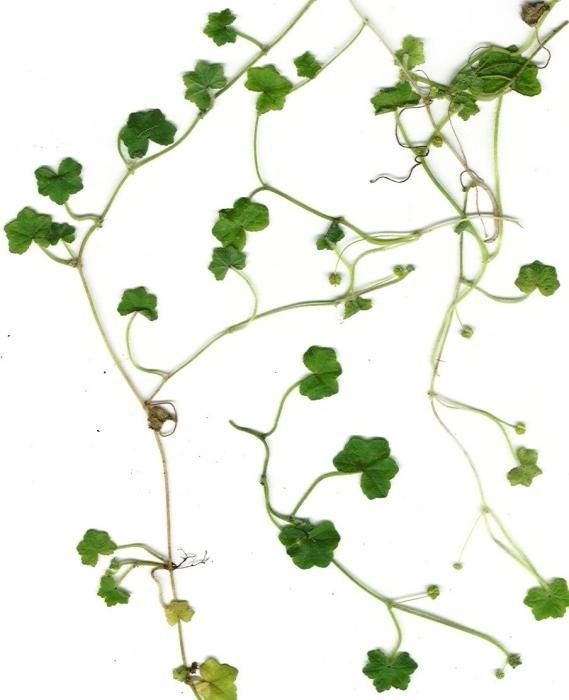
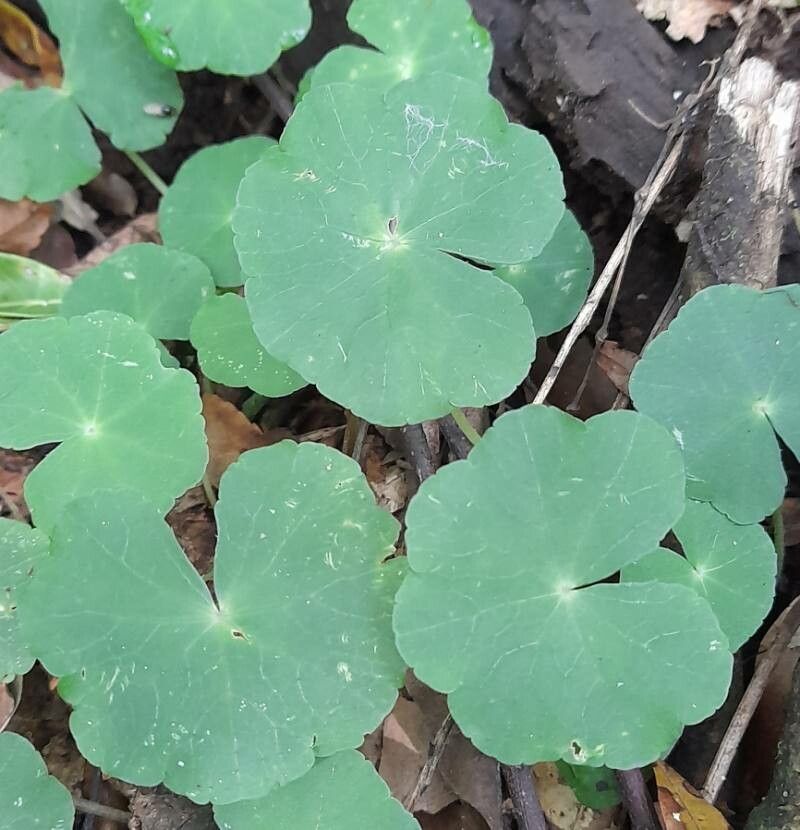
Hydrocotyle bonariensis, commonly known as the Buenos Aires marsh pennywort, is a perennial herbaceous plant in the Apiaceae family. Native to South America, it thrives in wetlands, marshes, and along riverbanks.
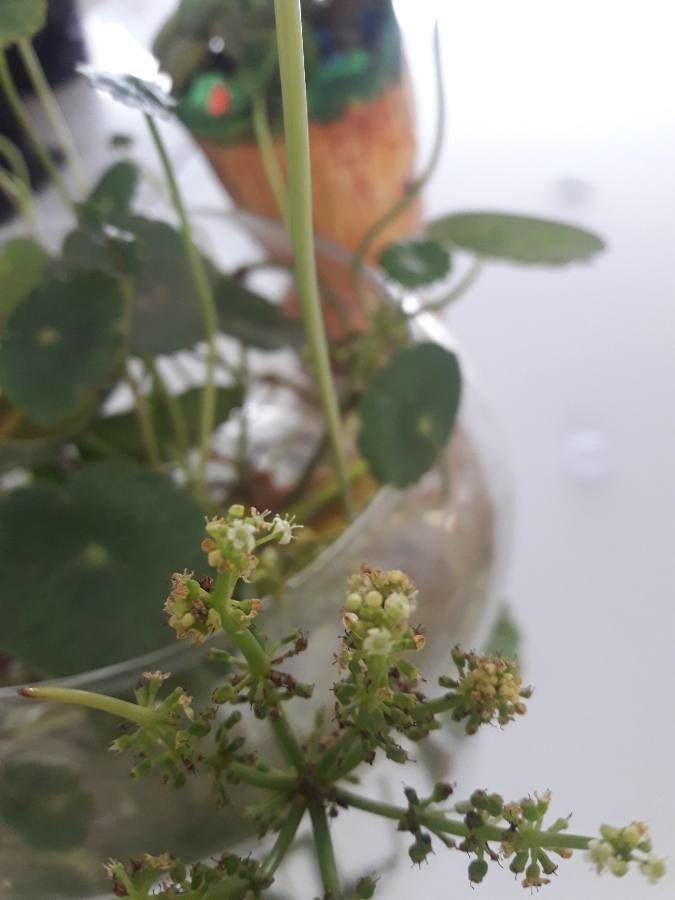
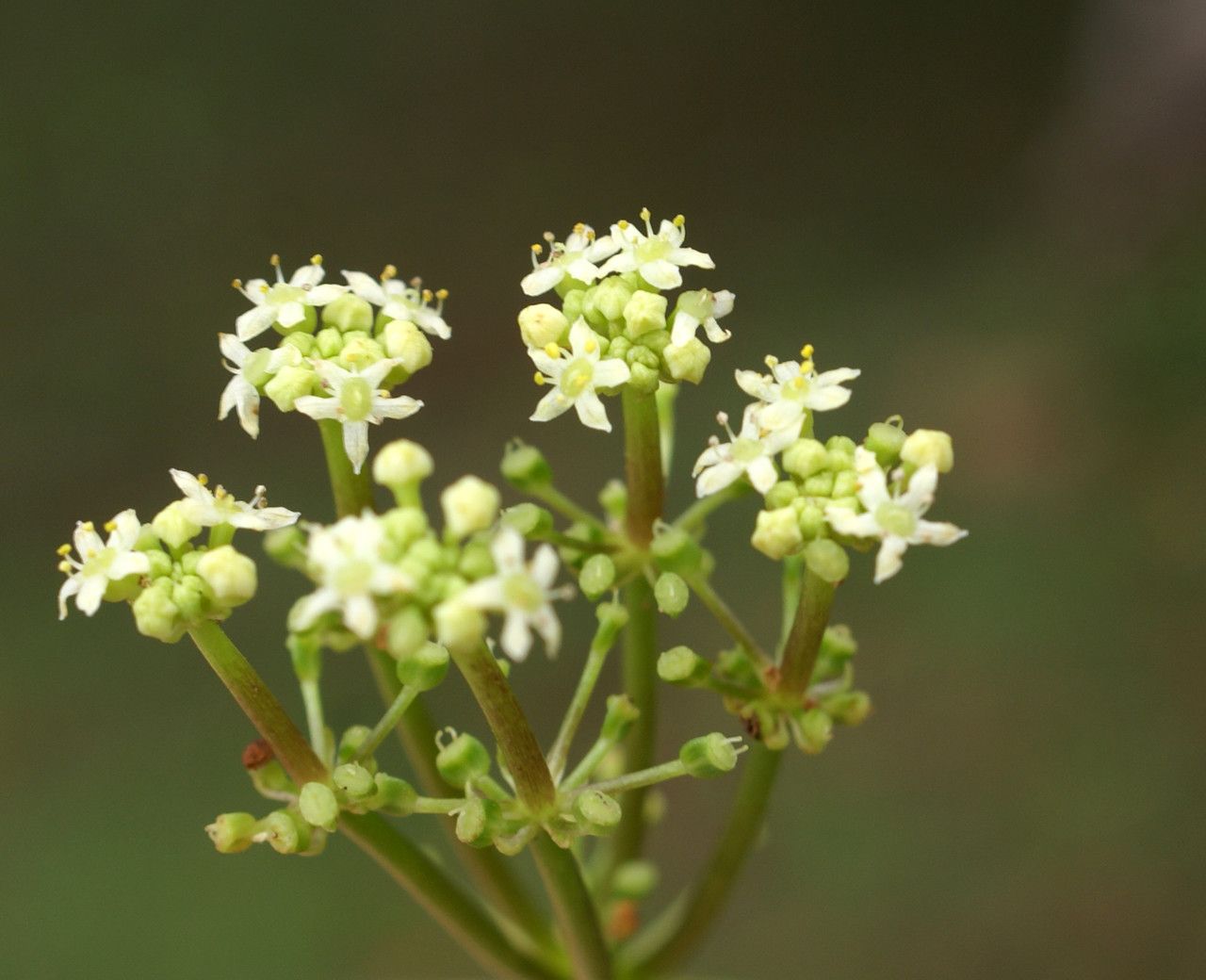
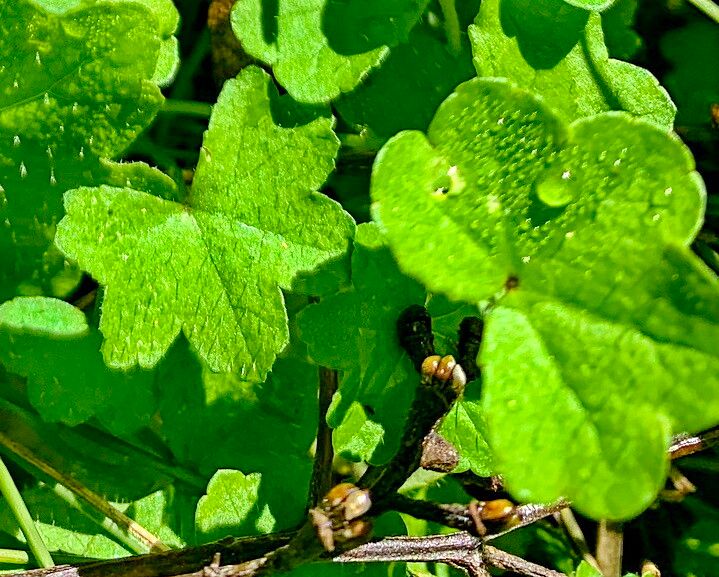
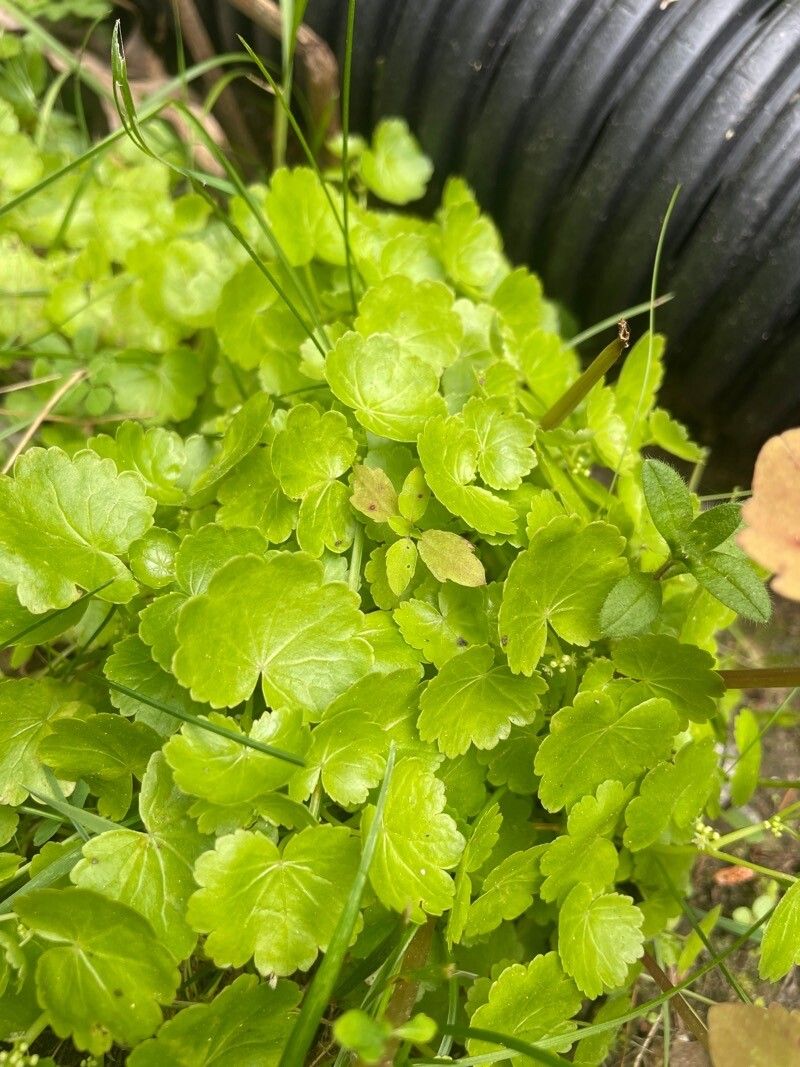
The plant exhibits a creeping growth habit, with stems that can extend up to 1 meter in length. Its small, round leaves have scalloped edges and are clustered at the ends of the stems. The flowers are small and typically white or pinkish-white in color.
Often used as an ornamental plant, Hydrocotyle bonariensis is valued for its attractive foliage and its ability to thrive in wet conditions. Additionally, it possesses medicinal properties, as it contains compounds with anti-inflammatory effects.
In its natural habitat, Hydrocotyle bonariensis plays a crucial role in stabilizing riverbanks, preventing erosion with its extensive root system. However, it can become invasive if not properly managed.
Overall, Hydrocotyle bonariensis is a versatile plant with both aesthetic appeal and ecological significance.
Largeleaf pennywort has strong disease resistance and is generally unlikely to develop illnesses. It can, however, be vulnerable to pests and diseases present in its surroundings. These infections are usually mild. In terms of care, the plant requires moderate maintenance. It should be pruned regularly to keep a neat appearance and support healthy growth. Fertilizing can also help encourage flowering. Largeleaf pennywort is suitable for anyone with outdoor space, such as a garden or patio, and does not demand extensive gardening experience. It may need more attention when grown indoors.
How to keep Hydrocotyle Bonariensis.
Light
Largeleaf pennywort favors abundant sunlight but can tolerate partial sun in its native habitat. Its health and vigor depend greatly on receiving enough sun. Too much or too little light can impede its growth. The necessary amount of sun may change depending on its growth stage.
Water
Largeleaf pennywort thrives in the high humidity typical of tropical rainforests. It has a moderate tolerance for drought but still requires weekly watering. As an evergreen plant, largeleaf pennywort retains its leaves throughout the year, continuously absorbing moisture from the atmosphere. This demonstrates its adaptation to environments rich in water.
Temperature
Largeleaf pennywort grows well in its native habitat when temperatures range from 59℉ (15℃) to 100.4℉ (38℃). It favors warmer conditions but can tolerate cooler temperatures in winter. In summer, partial shade can help it avoid heat stress.
Fertilizer
A single fertilizer application in spring is generally enough for Largeleaf pennywort, though multiple feedings can maximize growth. Apply fertilizer once every month to a month and a half. Fertilization improves the leaves' appearance and function, helping maintain even color and a healthy texture. It also encourages root development and nutrient uptake for long-term plant health.
Pruning
Largeleaf pennywort is characterized by its large, round leaves and creeping stems. To keep this plant healthy, it's important to prune it in early spring. Start by removing any dead foliage and thinning out dense areas to improve air circulation. Regular pruning not only promotes growth but also helps prevent the plant from becoming invasive and enhances its appearance. Be sure to use sterilized tools while pruning to minimize the risk of spreading diseases.
Pot & Repot
When repotting Largeleaf pennywort, pick a pot 1–2 inches (2.5–5.1 cm) larger with ample drainage. Use a well-draining potting mix. Repot in spring or fall, making sure the root ball is positioned slightly lower than the rim of the flower pot. Water thoroughly after repotting and place in a warm spot with indirect sunlight.
Botanical profile.
- Plant Type
- Herb
- Life Cycle
- Perennial
- Genus
- Hydrocotyle
- Family
- Araliaceae
- Hardiness Zone
- 8-11
- Mature Height
- 15 cm to 25 cm
- Mature Spread
- 91 cm
- Leaf Color
- Green
- Leaf Type
- Evergreen
- Flower Color
- White
- Flower Size
- 5.08 cm to 7.62 cm
- Bloom Time
- Late spring, Early summer, Mid summer
- Planting Time
- Spring, Summer, Autumn, Winter
- Harvest Time
- Summer
- Native Area
- Colombia, Cuba, Honduras, Mexico, Guatemala, Bolivia, Peru, El Salvador, Nicaragua, Ecuador, Costa Rica, Panama
Other names.
Reader questions.
How should I water my Largeleaf pennywort plant?
To keep the Largeleaf pennywort healthy, use filtered water at room temperature instead of tap water, as tap water may harm the plant. The plant is adapted to warm environments, so avoid using cold water as it may shock the plant. Besides, watering from above can cause issues with the leaves, so it's better to water the soil directly until it is thoroughly soaked. This helps the roots receive enough moisture and nutrients to grow and spread in the soil.
Why should I put plant food on my Largeleaf pennywort?
The main structure of the Largeleaf pennywort is made up of its leaves. Fertilization is crucial for ensuring that these leaves look great and fulfill their function effectively. By properly fertilizing the plant, you can help it maintain consistent leaf color and a healthy texture. Additionally, fertilization plays a role in promoting the growth of new roots and supporting the existing roots in the root system. This not only keeps the plant healthy now but also improves its ability to absorb nutrients from the soil in the future.
What are the sun requirements for largeleaf pennywort?
Largeleaf pennywort thrives under abundant sunlight exposure, needing more than 6 hours of sunlight for full sun conditions and about 3-6 hours for partial sun. It's vital to observe how sunlight moves through your garden to find spots that provide a perfect balance for your plants, ensuring their health and happiness. Even in its native habitat, this plant can endure partial rays, but its health and vigor largely depend on sufficient sunlight, with excessive or limited light potentially hindering growth.
What are the ideal growing conditions for Largeleaf Pennywort?
Largeleaf Pennywort, scientifically known as Hydrocotyle bonariensis, thrives in native growth environments with temperatures ranging between 59°F (15°C) and 100.4°F (38°C), preferring warmer climates but able to adjust to cooler temperatures during the winter months. It can benefit from partial shade during the summer to prevent heat stress. Although it has some cold tolerance, it generally does not require any additional measures if the temperature is above -5°C. However, if temperatures are expected to drop below -5°C, temporary cold protection measures, such as wrapping the plant with plastic film, fabric, or other materials, are necessary. These protective measures should be removed once temperatures rise again.
What should I do if I give my Largeleaf pennywort too much or too little water?
Overwatering is a common issue that can harm the health of your Largeleaf pennywort. It causes stems and leaves to wilt and turn yellow, and can lead to diseases like root rot, mold, and mildew that can kill the plant. Underwatering is less common, but can cause the leaves to become brittle and brown. It's important to notice and address signs of overwatering quickly. Reduce watering and replace poorly draining soil with a well-draining potting mix. If underwatering is the issue, simply water more regularly until the signs improve.
When should I put fertilizer on my Largeleaf pennywort to make it grow better?
When you grow your Largeleaf pennywort outdoors, it will start growing new leaves in early spring. This is a signal that it's time to fertilize the plant for the year. In most cases, a single application of fertilizer in the spring is enough for the Largeleaf pennywort. However, if you want to maximize its growth, you can fertilize it multiple times during the spring and early summer. If you go this route, you should fertilize the plant approximately once a month to a month and a half.
How does artificial lighting affect largeleaf pennywort indoor growth?
Indoor plants, including largeleaf pennywort, require adequate lighting for optimal growth, especially when natural sunlight is insufficient, such as in winter or less sunny spaces. Artificial lights, like LED lights tailored to specific plant needs, offer a solution by promoting faster, healthier growth. Full sun plants need 30-50W/sq ft of artificial light, partial sun plants 20-30W/sq ft, and full shade plants 10-20W/sq ft. The light source should be placed 12-36 inches above the plant to mimic natural sunlight, and plants generally require 8-12 hours of artificial light per day.
How does Largeleaf Pennywort react to low temperatures?
Largeleaf Pennywort has a moderate tolerance to low temperatures and prefers conditions above 15°C. In winter, it's essential to keep the temperature above -5°C to avoid damage. If temperatures fall below -10°C, the plant's leaves may start to droop; they can recover in milder cases, but in severe instances, the leaves will wilt and eventually fall off. To protect Largeleaf Pennywort from frost damage, trim off frost-damaged parts and, before encountering low temperatures again, wrap the plant with materials such as non-woven fabric or cloth, and construct a wind barrier for added protection.
How frequently do I need to water my Largeleaf pennywort?
If your Largeleaf pennywort plant is in a pot, the most precise way to determine if it needs water is to check the soil. Stick your finger into the soil and if the top two to three inches are dry, then it's time to water. If you're growing the plant outdoors in the ground, you can use the same method to test the soil. Once the top few inches become dry, it's time to water. Typically, you'll need to water this plant about once a week during the spring and early fall. However, in extremely hot weather, you may need to water it twice or more per week. That being said, mature and well-established Largeleaf pennywort plants can tolerate drought well.
When is the best time to not fertilize my Largeleaf pennywort?
During late fall and winter, your Largeleaf pennywort goes into a dormant phase, halting new growth. Hence, it is advisable to refrain from fertilizing it during this period. However, if you opt to fertilize in spring and summer, start decreasing the fertilization rate as summer approaches because the growth rate of your Largeleaf pennywort also slows down. It is important to note that it is never a good idea to fertilize your Largeleaf pennywort when the weather is unseasonably hot or the soil is extremely dry. Fertilizing in such conditions can stress the plant and lead to premature perishing.
What are the symptoms of light deficiency or overexposure in largeleaf pennywort?
Symptoms of light deficiency in largeleaf pennywort include small and pale new leaves, leggy or sparse growth, faster leaf drop, slower or no new growth, and symptoms like chlorosis, sunscald, leaf curling, wilting, and leaf scorching due to overexposure. Chlorosis, where leaves lose color and turn yellow, and sunscald are particularly noteworthy, as are leaf curling and wilting as defenses against too much sunlight. Leaf scorching, characterized by brown, dry, and crispy leaf edges, indicates excessive sunlight exposure.
How should Largeleaf Pennywort be cared for during high temperatures?
During the summer, it's vital to ensure that Largeleaf Pennywort stays below 38°C to prevent stress. When temperatures exceed 43°C, the plant may experience symptoms such as lighter leaf color, dry and withered leaf tips, curled leaves, and increased susceptibility to sunburn. To care for a Largeleaf Pennywort in high temperatures, trim away sunburned and dried-up parts, move the plant to a location that provides shade during the midday and afternoon sun, or use shade cloth. Additionally, water the plant in the morning and evening to keep the soil moist and further mitigate heat stress.