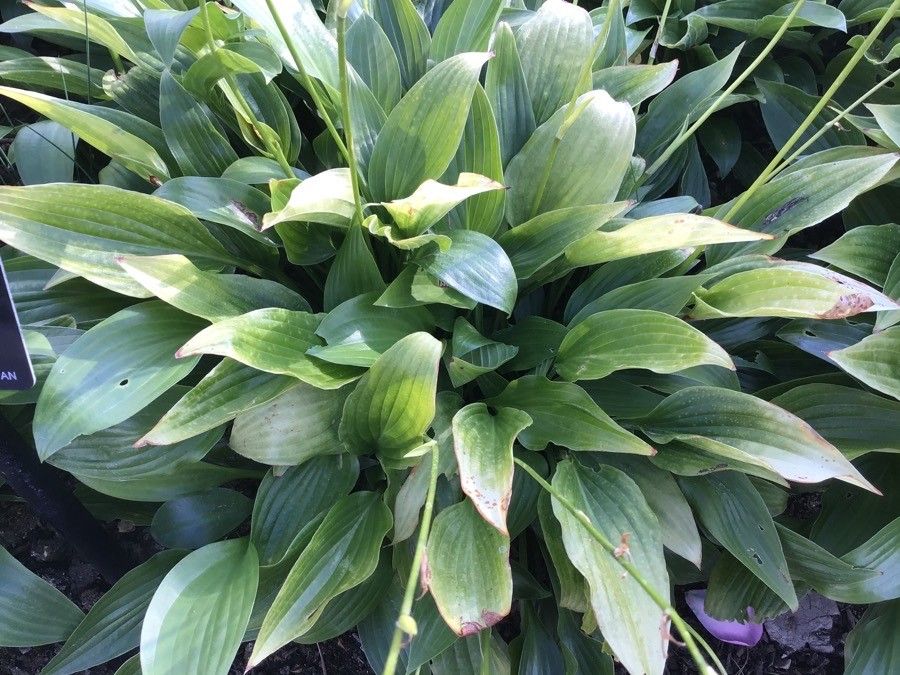
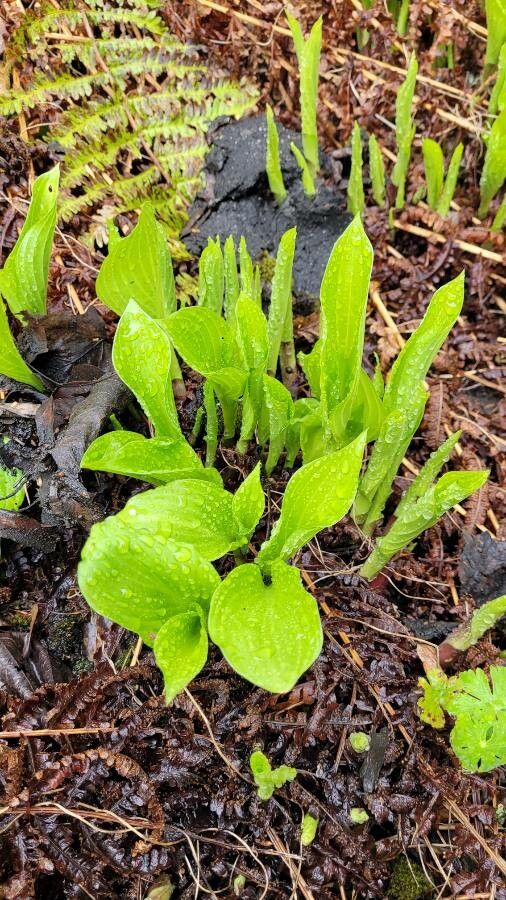
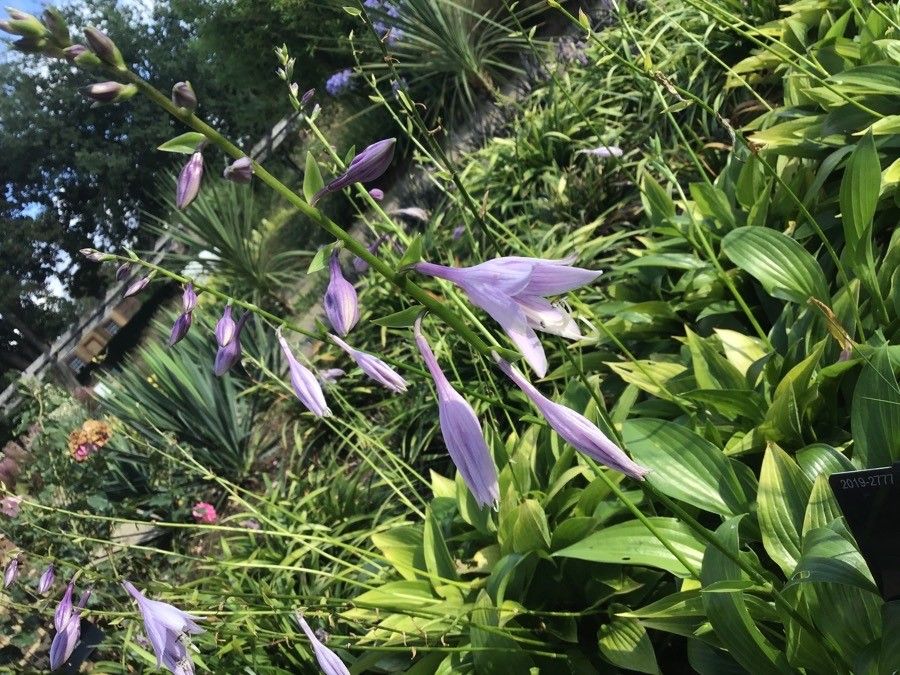
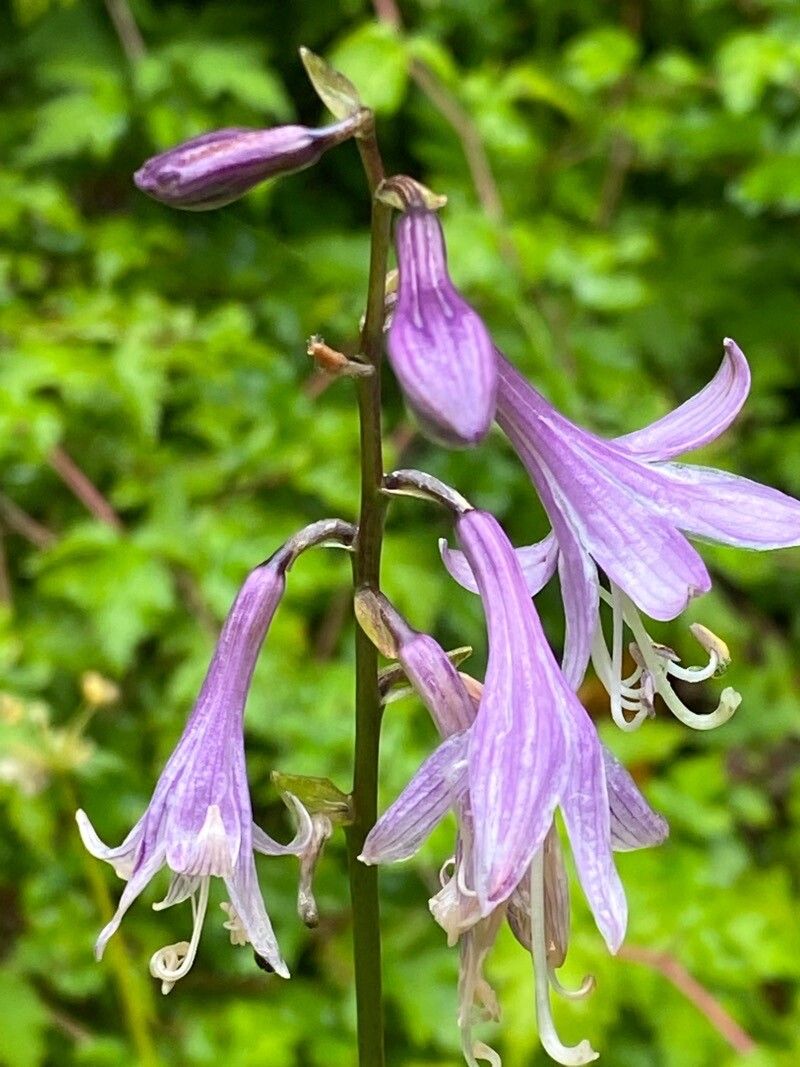
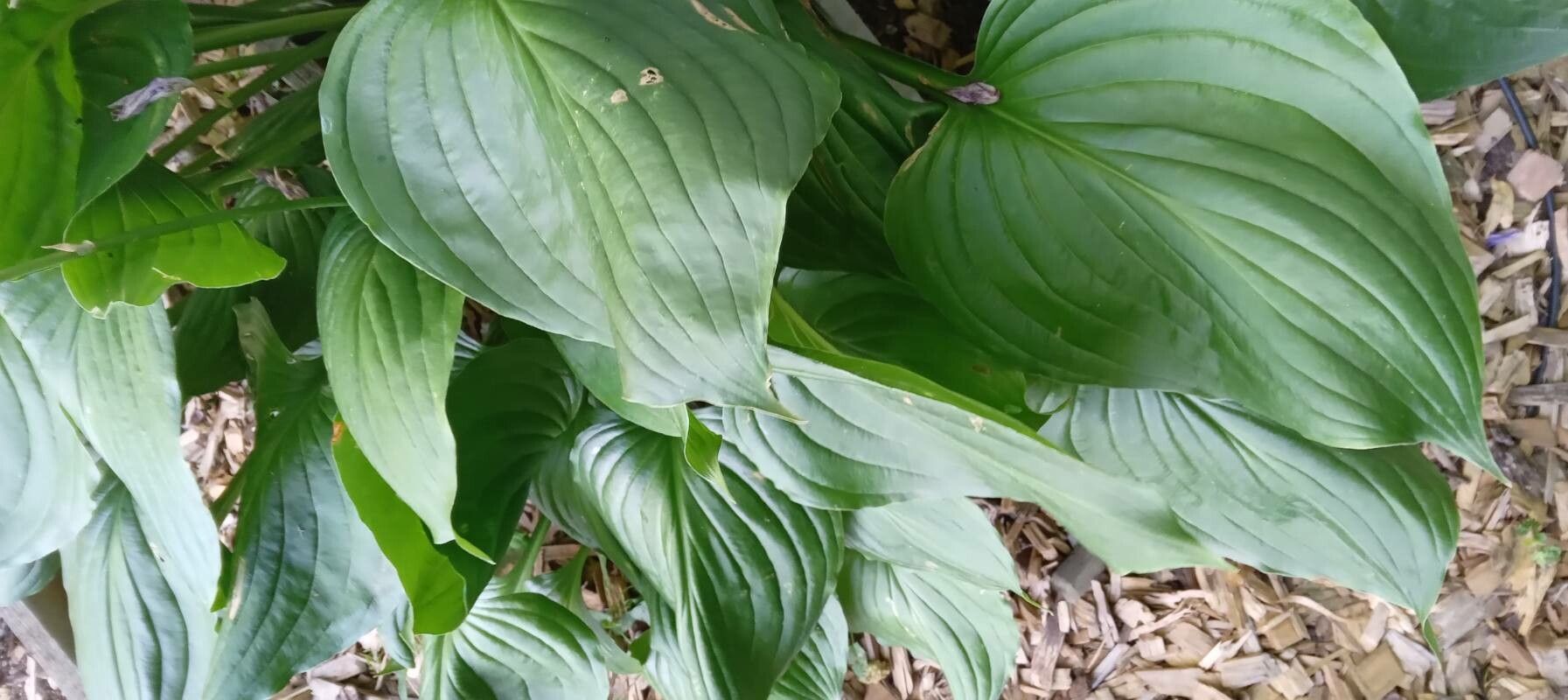
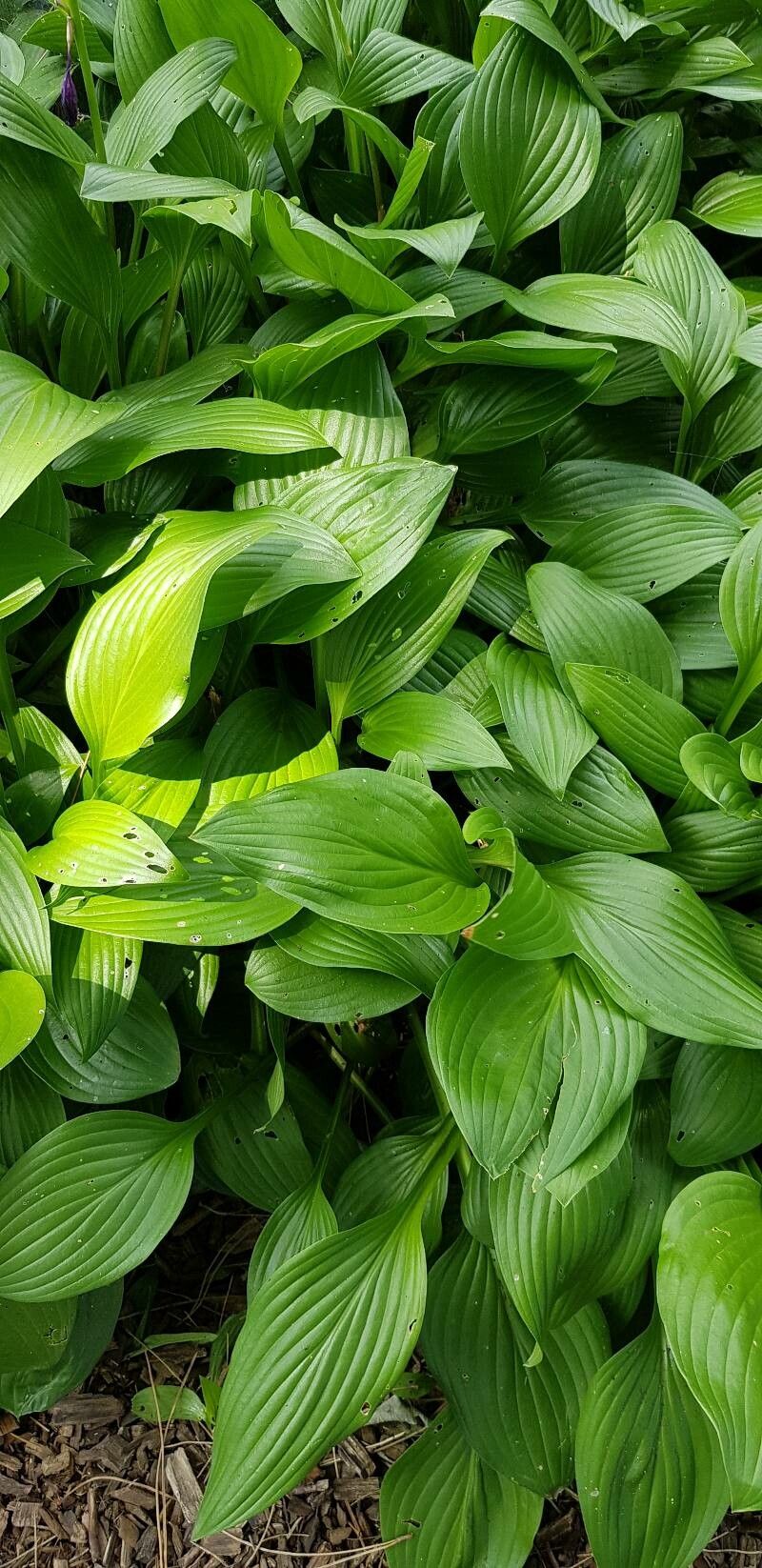
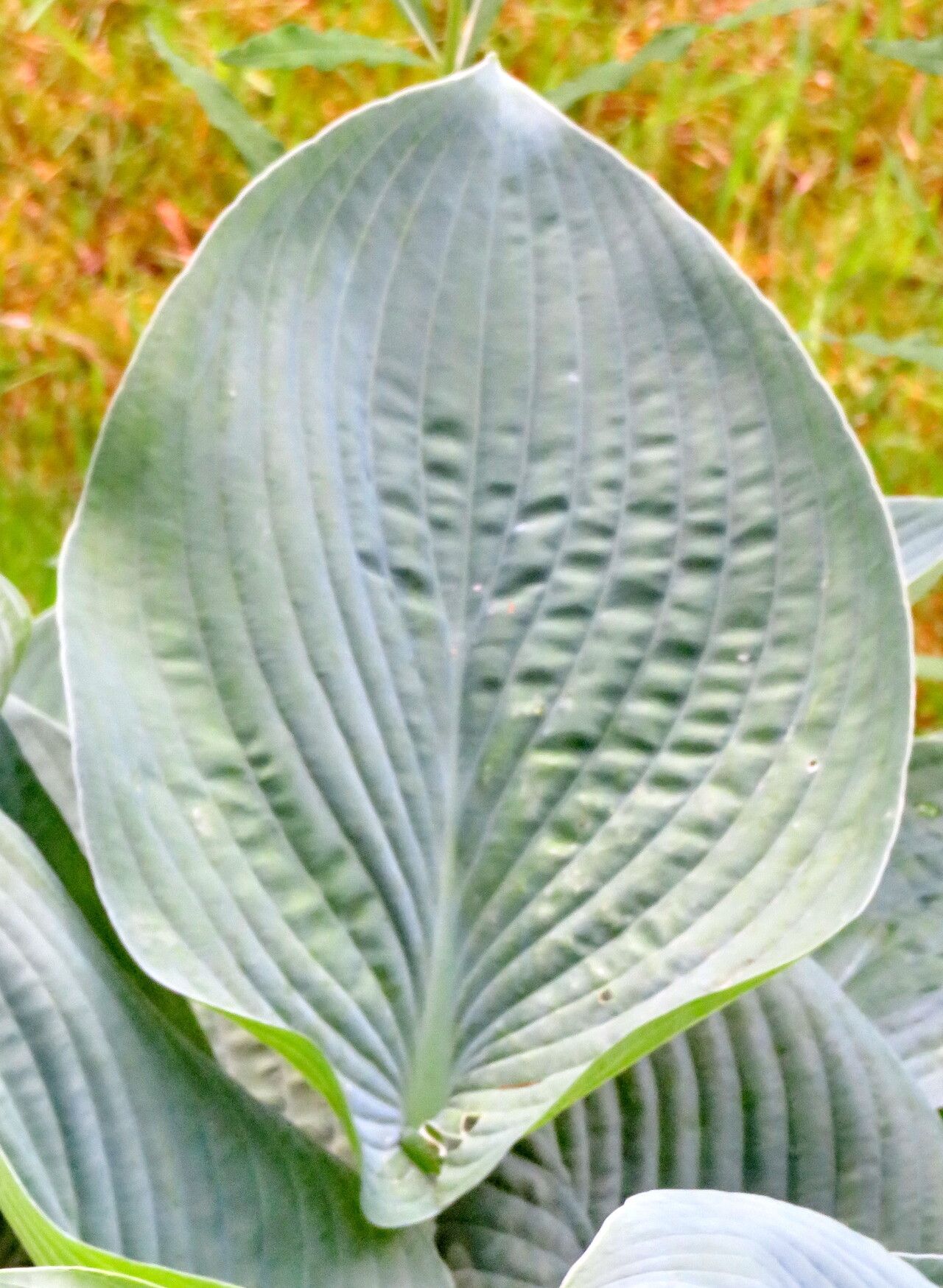
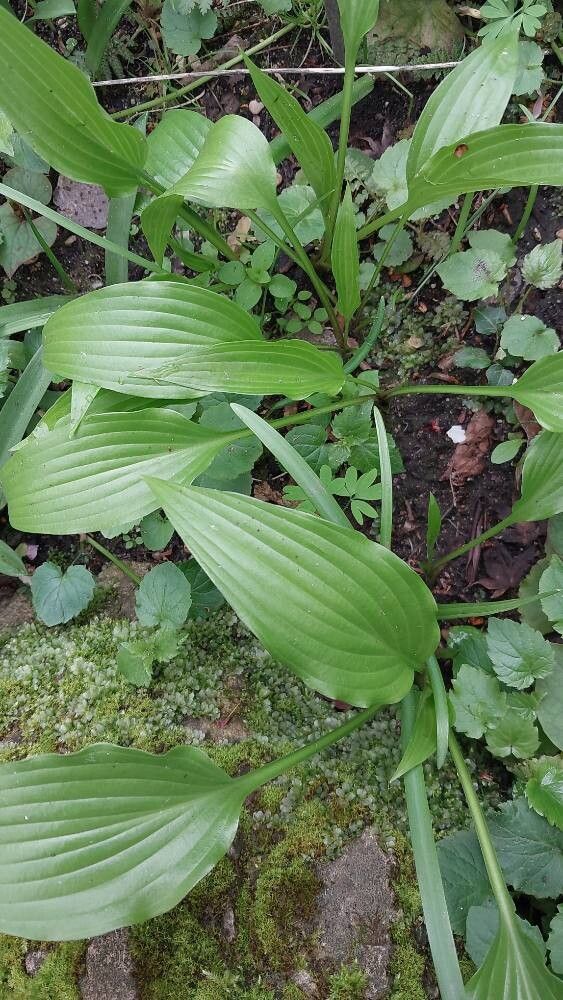
Hosta sieboldii, the small-leaved plantain lily, is a species of flowering plant in the family Asparagaceae, native to Sakhalin, the Kurils, and Japan. A number of cultivars are available.
Siebold's plantain lily is relatively resistant to disease and usually not affected by illnesses. Still, it can be vulnerable to pests and diseases present in its environment. Such problems are typically minor. In terms of care, the plant requires moderate maintenance. It should be pruned regularly to keep a neat appearance and support healthy growth. Fertilizing can also help encourage flowering. Siebold's plantain lily is well suited to anyone with outdoor space, like a garden or patio, and does not demand extensive gardening experience. It may need more attention if grown indoors.
How to keep Hosta Sieboldii.
Light
Siebold's plantain lily does well in a blend of sun and shade, though it tolerates locations where sunlight seldom penetrates. Its native habitat features similar light conditions. Too much sun can scorch the leaves, while too little light can cause sparse growth.
Water
Siebold's plantain lily is native to the understories of East Asian forests, where it thrives in moist conditions. It prefers consistently moist soil and should be watered every 1-2 weeks. During its growing season, it's important to provide enough moisture to encourage lush foliage, balancing its tolerance for drought with its need for humidity.
Temperature
The native habitat of siebold's plantain lily is cool mountainous areas, indicating a preference for cooler temperatures. It prefers a temperature range of 32 to 95 ℉ (0 to 35 ℃). In hotter seasons, such as summer, providing shade and increasing both the frequency and amount of watering can help regulate the temperature. In colder seasons, covering the plant can help prevent frost damage.
Fertilizer
One fertilizer application in spring is generally sufficient for Siebold's plantain lily, although several feedings can boost growth to its fullest. Apply fertilizer roughly every month to six weeks. Fertilizing improves the leaves' appearance and function, helping maintain uniform color and healthy texture. It also encourages root development and nutrient uptake for the plant's long-term health.
Pruning
Siebold's plantain lily benefits from early spring pruning, which involves removing dead leaves to encourage new growth. After the flowers have bloomed, trim the spent flower stalks to improve the plant's appearance and redirect its energy. Regular pruning also helps reduce pests and promotes a healthier, more vibrant plant throughout the growing season.
Pot & Repot
When repotting Siebold's plantain lily, select a pot 1–2 inches (2.5–5.1 cm) larger that has good drainage. Use a well-draining potting mix. Repot in spring or fall, making sure the root ball sits slightly below the rim of the flower pot. Water thoroughly after repotting and place it in a warm spot with indirect sunlight.
Botanical profile.
- Plant Type
- Herb
- Life Cycle
- Perennial
- Genus
- Hosta
- Family
- Asparagaceae
- Hardiness Zone
- 3-10
- Mature Height
- 49 cm
- Mature Spread
- 76 cm
- Leaf Color
- Green, White, Variegated
- Leaf Type
- Deciduous
- Flower Color
- Lavender, White
- Flower Size
- 4.06 cm
- Bloom Time
- Early summer, Mid summer
- Planting Time
- Spring
- Harvest Time
- Mid summer
- Native Area
- Japan
Other names.
Reader questions.
How should I water my Siebold's plantain lily?
To properly water the Siebold's plantain lily, it is best to use filtered water at room temperature. Tap water may have harmful particles, so filtered water is preferred. Since the plant is used to warm environments, it is important to avoid using cold water as it can be a shock. It is also recommended to avoid overhead watering, as it may cause issues with the foliage. Instead, simply apply filtered room temperature water to the soil until it is completely soaked. This helps to moisten the roots and support their growth in acquiring necessary nutrients.
Why should I add fertilizer to my Siebold's plantain lily?
The main structure of the Siebold's plantain lily is made up of its leaves. Fertilizing the plant is an important way to ensure that the leaves not only look great but also fulfill their function effectively. Proper fertilization will result in consistent color and a healthy texture for the plant's leaves. Additionally, fertilization also has an impact below the surface of the soil. It helps the plant generate new roots and maintain the existing ones, thereby enhancing its ability to absorb nutrients from the soil in the future. So, fertilizer not only keeps the plant healthy presently but also improves its long-term nutrient absorption.
How much sunlight does Siebold's plantain lily need to grow?
To help Siebold's plantain lily thrive, it requires 3-6 hours of direct sunlight daily. However, during the hottest parts of the day, some shade is necessary to prevent sun damage. The morning sunlight is ideal, but it can tolerate some afternoon sun if it's not too hot. For the perfect balance of sunlight, consider planting Siebold's plantain lily in a spot that receives partial sun, like under a tree or on the east side of a building.
What is the best temperature for Siebold's plantain lily?
The ideal temperature for Siebold's plantain lily depends on the time of year. Let's focus on two seasons: the growing season and the dormancy season. During the growing season, when the plant has started to sprout, the best temperature range is between 65-80℉(18-27℃). If it gets colder than 15℉(-10℃), the plant may suffer and its leaves could turn brown and wilt. However, if the cold snap is short, the plant might survive with a little help. Conversely, during the warmer months, it's important to protect the plant from excessively high temperatures. The maximum temperature range for Siebold's plantain lily is 95-105℉ (35-40℃). Anything more than that could damage the foliage and blooms, causing wilting, drooping, and even sunburn on the leaves. These issues can be difficult for the plant to recover from, but fortunately, there are easy and effective ways to address this problem.
What do I do if I give my Siebold's plantain lily too much or too little water?
Siebold's plantain lilies can suffer from both overwatering and underwatering, but overwatering is more common and can lead to more severe consequences. When the plant receives too much water, its stems and leaves may wilt and turn yellow. Prolonged overwatering can also cause diseases like root rot, mold, and mildew, which can be fatal. On the other hand, underwatering is less likely to occur because this plant has good drought tolerance. However, when underwatering does happen, the leaves may become brittle and brown. To take care of your Siebold's plantain lily, it's important to promptly recognize the signs of overwatering. Diseases like root rot may not be reversible if you wait too long. If you notice early signs of overwatering, reduce your watering schedule and check the soil's drainage. If it drains poorly, replace it with a loose, well-draining potting mix. Conversely, if you notice signs of underwatering, increase your watering frequency until the symptoms improve.
When should I fertilize my Siebold's plantain lily?
If you grow your Siebold's plantain lily outdoors, it will start growing new leaves in early spring. This is a signal that it's time to fertilize the plant for the year. Usually, one application of fertilizer is sufficient for the plant to thrive. However, if you want to promote maximum growth, you can fertilize it multiple times during the spring and early summer. In this case, you can feed the plant every month to a month and a half.
What will happen if Siebold's plantain lily doesn't get enough sunlight?
To prevent sun damage, it is important to provide shade for Siebold's plantain lily during the hottest parts of the day. This plant may experience issues such as yellowing leaves, dehydration, or burns if exposed to excessive direct sunlight. Another sign of sun damage is wilting or stunted growth. You can achieve shade by using a shade cloth or planting Siebold's plantain lily near taller plants that can offer natural shade.
What temperature does the Siebold's plantain lily need for its first year or when it is a seedling?
If you have a first-year Siebold's plantain lily that you've planted outside, it's important to give it some extra attention during the coldest months. Frost can cause severe damage to the plant and prevent it from growing back healthy in the spring. To protect it, you should keep the plant at a temperature of 40℉ or above. This can be achieved by either bringing the plant indoors for a month or two or using mulch or fabric barriers to shield it from frost. During the first year or two, it's best to plant the Siebold's plantain lily in a shadier spot, as smaller and weaker plants have a harder time regulating their temperature in the heat. It's recommended that the plant receives no more than five hours of direct sunlight per day, especially if the temperature goes above 80℉. To control heat during the summer, you can use shadecloth and make sure to water or mist the plant frequently.
How frequently do I need to hydrate my Siebold's plantain lily?
If your Siebold's plantain lily is in a pot, the best way to determine if it needs water is to check the soil with your finger. If the top two to three inches of soil are dry, it is time to water it. If you have your Siebold's plantain lily planted outdoors, you can use the same method to test the soil. When the top few inches of soil have dried out, it is time to water. In the spring and early fall, you will typically need to water this plant about once a week using this method. However, during extremely hot weather, you may need to water it twice a week or more. It is worth noting that mature and well-established Siebold's plantain lilies can withstand drought well.
When should I not put fertilizer on my Siebold's plantain lily?
During the late fall and winter, your Siebold's plantain lily will go into a dormant phase, meaning it will stop growing. Consequently, you should avoid fertilizing it during this time. When spring and summer come around, if you do choose to fertilize, remember to gradually decrease the amount of fertilizer as summer approaches since the plant's growth rate will also slow down. It is important to note that fertilizing during exceptionally hot weather or when the soil is overly dry is not recommended as it can cause unnecessary stress to the plant and potentially lead to its premature death.
What will happen if Siebold's plantain lily gets too much sunlight?
If Siebold's plantain lily doesn't receive sufficient sunlight, it can become tall and thin with not enough leaves. Additionally, the leaves may turn yellow or pale green because the plant is not getting enough sunlight to make chlorophyll. To fix this issue, you can try moving the plantain lily to a sunnier location or trim nearby foliage to let more light reach the plant.
How can I keep the Siebold's plantain lily safe from very hot or very cold weather?
If the growing season experiences cold temperatures below 15℉(-10℃), there are steps you can take to protect Siebold's plantain lily from frost or cold damage. If you have it in a container, simply bring the container indoors with bright, indirect light until temperatures rise above the lower threshold again. If it is planted in the ground, you can use mulch or horticultural fabric to create a barrier that insulates and protects the plant from frost and cold wind. On the other hand, if temperatures exceed 80℉(27℃) in the shade during the day, it is important to limit exposure to direct sunlight to six hours or less per day, preferably in the morning. You can put up shade cloth or a fine plastic mesh to reduce the amount of direct sunlight during the hottest parts of the day. Another option is to install a misting system that provides a slow release of cooling mist around the plant's base to lower ground temperatures.